
Tag: Benin
-
RECLAIMING FONIO
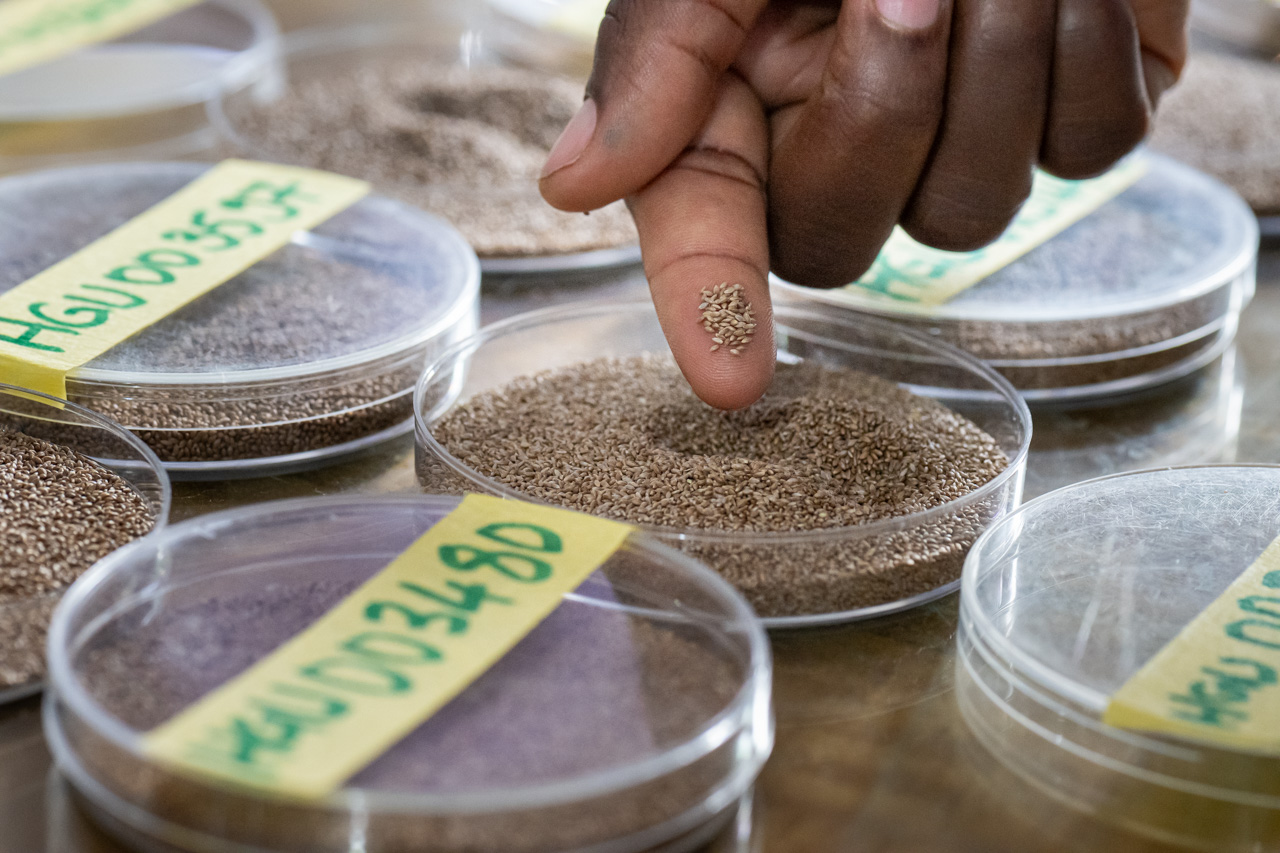
It’s one of the oldest cultivated crops in Africa but you’d be forgiven if you’d never heard of fonio. I had heard of fonio’s many qualities but had never seen nor eaten it. That’s changed now. I travelled to Benin with my colleague Scott Christiansen to learn more. Stakeholders in Benin led by the Crop Trust’s BOLDER project identified fonio as one of several priority opportunity crops. Those are crops which offer great potential in terms of food security but have been neglected by researchers and policymakers and underutilized. Fonio is…
-
CRINCRIN
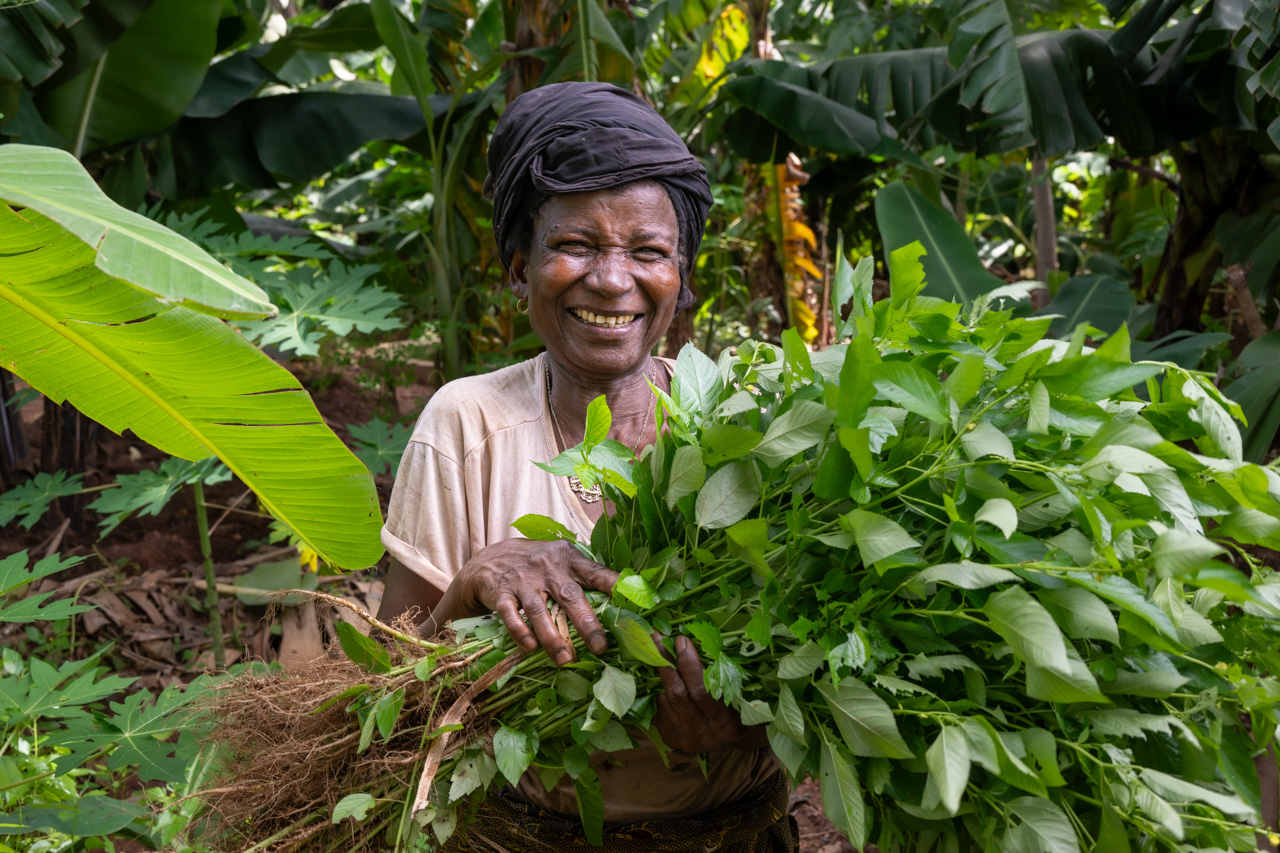
I never thought I’d enjoy eating green mucilaginous slime. But I did. Jute mallow is a favorite with the Beninese who call the crop crincrin. It’s an annual leafy crop grown in many places around the world. Its leaves are rich in pro-vitamin A, iron, calcium, and vitamins B and C. Those are important in a country where the staple foods are energy-dense but micronutrient-poor. It grows pretty much everywhere in Benin. In small home gardens or market gardens. It’s not fussy about inputs but insects like it as well. Farmers…
-
AGOUN FOR LUNCH
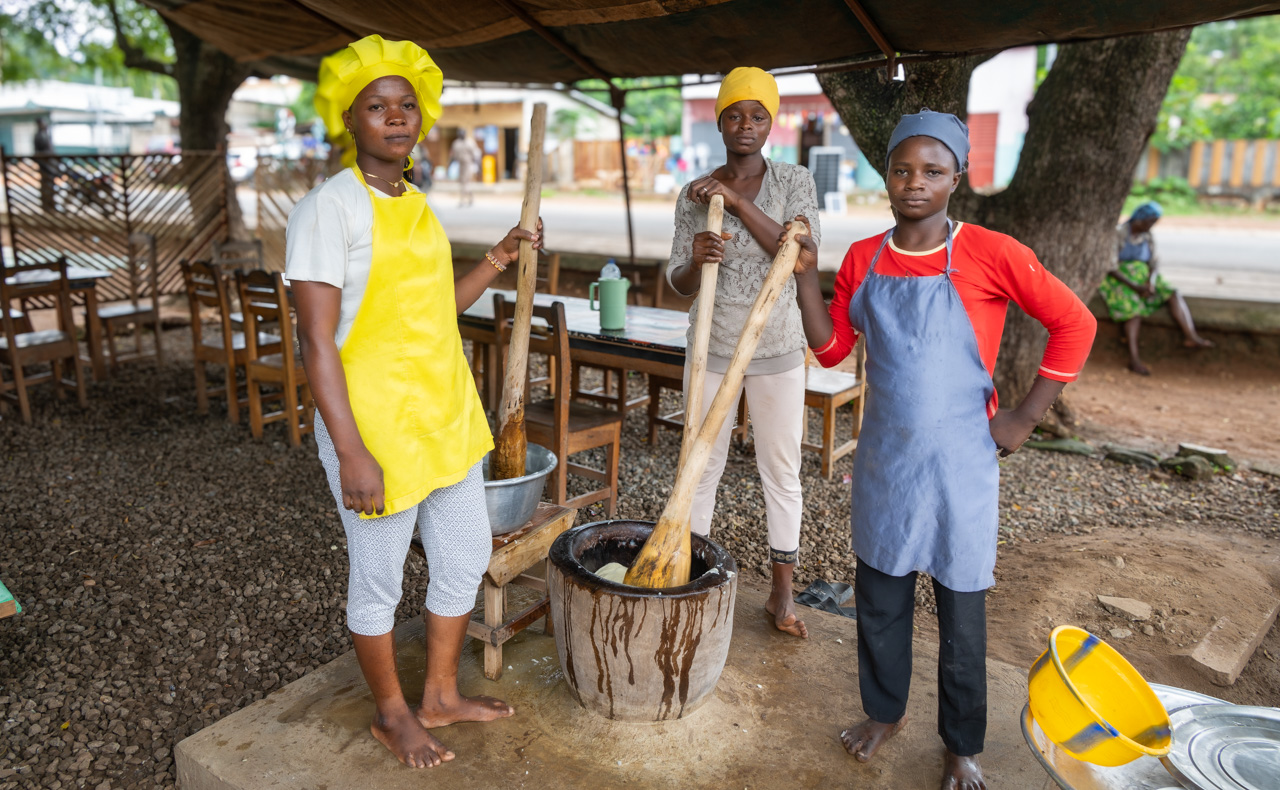
The city Dassa-Zoumé is about half way between Cotonou and Natitingou in Benin and pops up just about when your stomach starts to grumble during the day-long trip. Our colleagues, Malika and Sam, knew just the place for lunch and we stopped in at a roadside kitchen for a feed. Malika said something about yams and groundnuts and Scott and I said OK, but not really knowing what we were going to eat. A short time later we saw three women trying to massacre a ball of dough. Lunch was presented…
-
BY THE RIVER OF DEATH
The mouth of the Ouémé River in Benin was historically quite a treacherous place with dangerous currents which took many lives. Yet the settlers and traders built a fishing village at the mouth and that village has now grown to be Benin’s largest city. French colonists liked the location and stablised the currents and built a port to export Benin’s riches, including palm oil and slaves. The locals called the area Kútɔ̀nú in their Fon language, which means by the river of death. The French put their lingual twist on the…

If you see this after your page is loaded completely, leafletJS files are missing.