
Tag: Community Seedbanks
-
PRESERVING MALAN IN CENTRAL KALIMANTAN
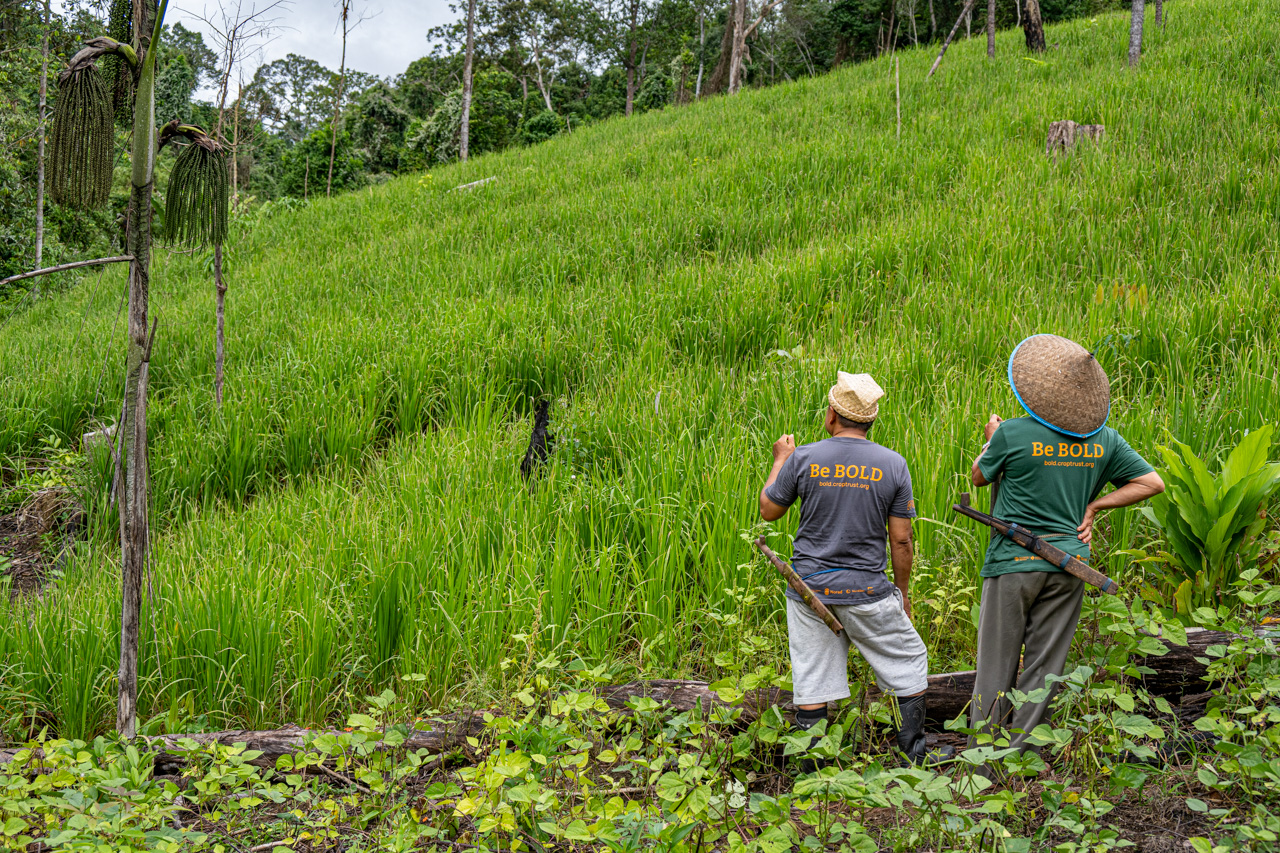
Papa Dewi told me about his way of ‘malan’. That means farming in his native Ngaju Dayak language of Central Kalimantan in Borneo, Indonesia. And it’s based on planting seeds according to local wisdom and ancestral customs. Those seeds are inseparable from the Dayak way of life. But the malan traditions are disappearing as traditional lands are now being planted to palm oil plantations or destroyed through gold mining or limited by government regulations. When farmers are able to farm, they often don’t have access to enough quality seed at the…
-
IRON-TOLERANT RICE FOR LIBERIA
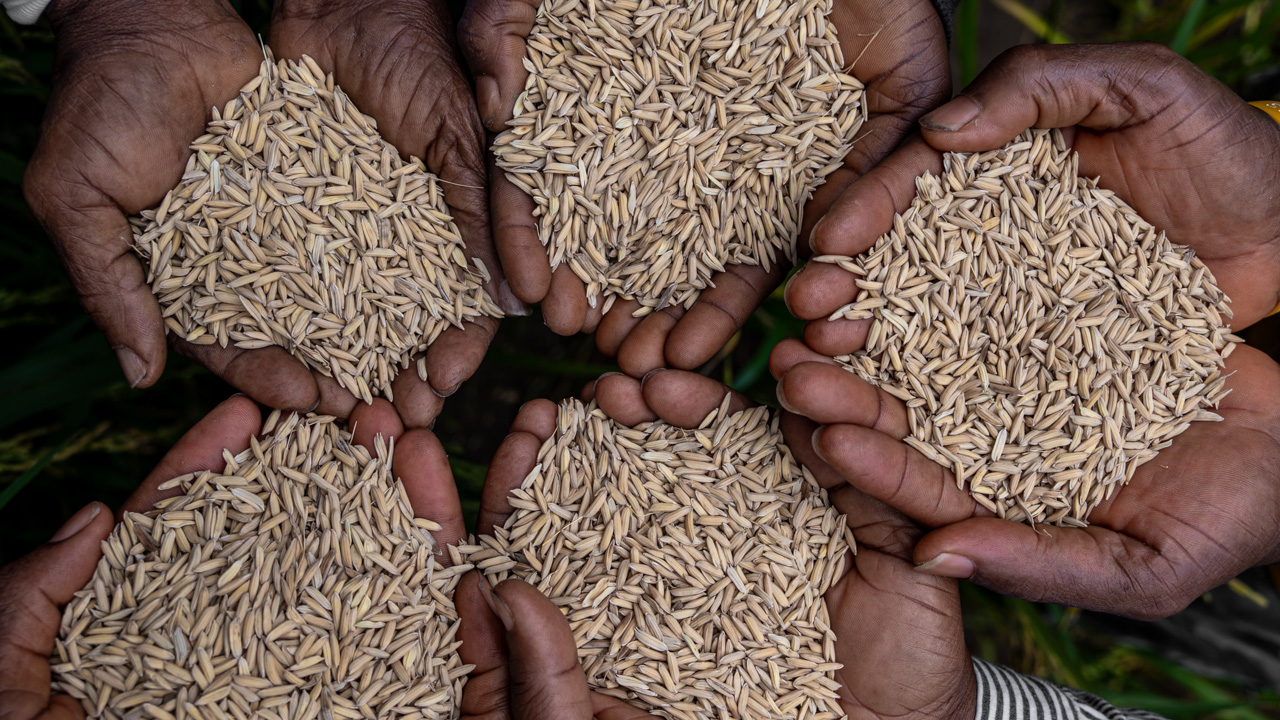
There are two types of rice. I’m not talking of basmati and jasmine and brown rice. There are two species of rice. The one most of us eat is Asian rice. The other is African rice. They’re both rice, but quite different genetically. In West Africa they plant both, but the African is the local. African rice has a slightly nuttier taste than Asian rice. West Africans eat a lot of rice and prepare a dish called jollof rice, which became my food of choice whenever we ate out. In the…
-
MULTIPLYING COWPEA SEEDS IN LIBERIA
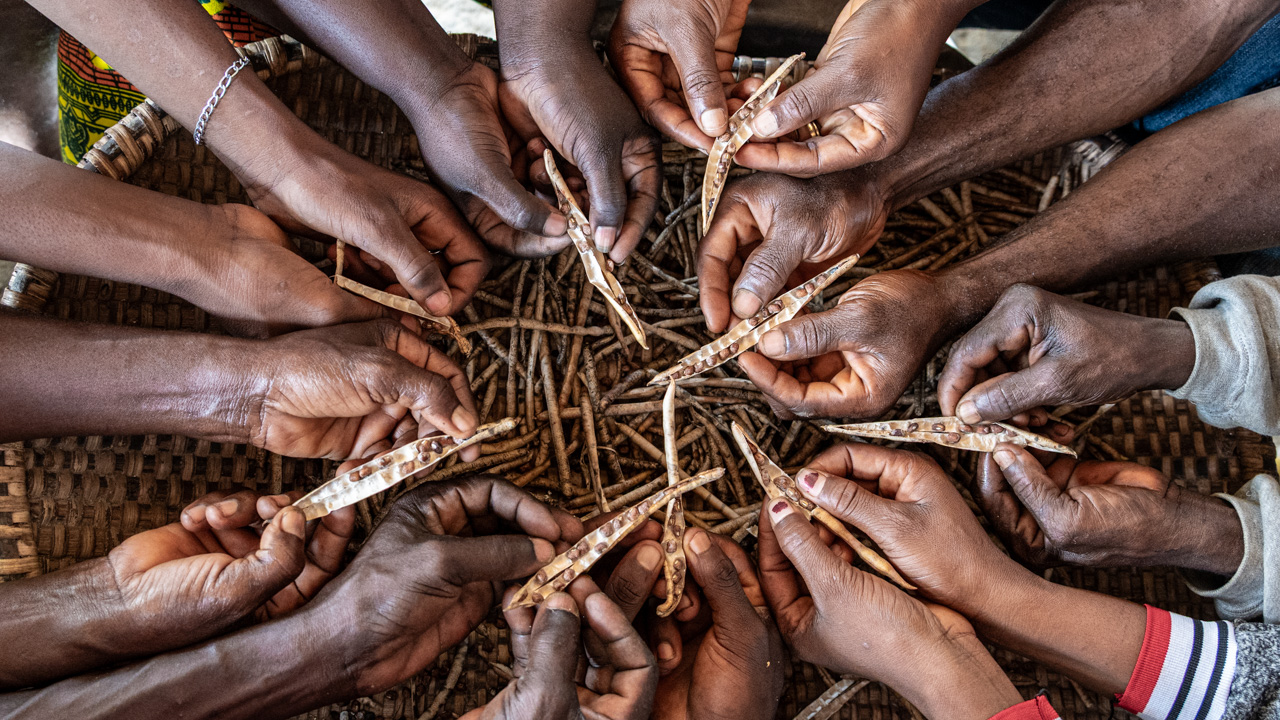
You may not think you know what cowpeas are but by another name they may sound familiar. It’s thought the slave ships that departed from West Africa for three centuries carried not only slaves but also cowpea seeds. Some say the slaves brought that which is dearest to them and hid cowpea seeds in their hair. Others say the slave traders filled their hulls with the cowpeas as food. Regardless of how they arrived, they became an important food for slaves in the Americas where they are better known as black-eyed…
-
GROW YOUR OWN SEEDS IN THE GAMBIA
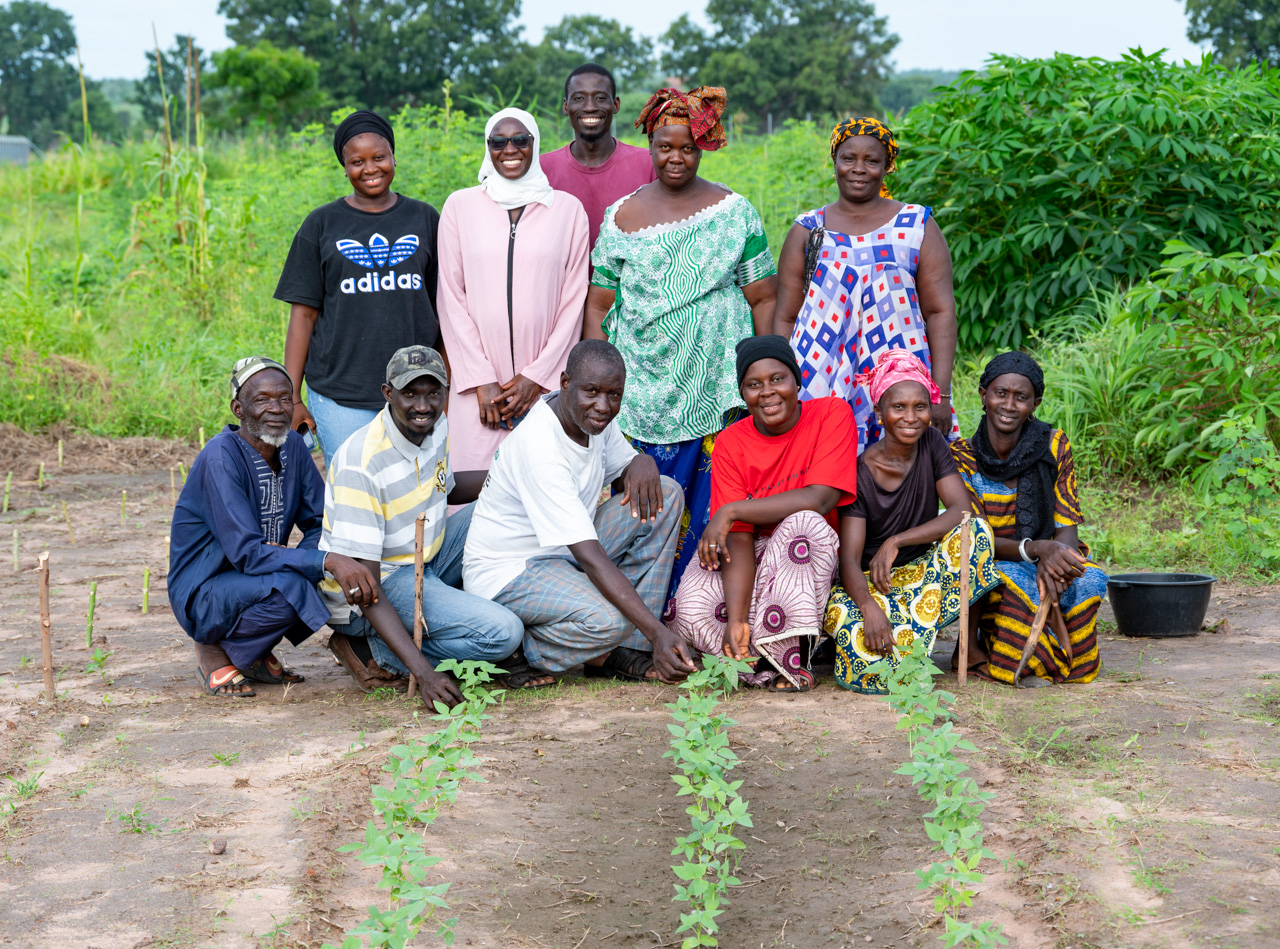
For most of us if we need seeds we pop into the local nursery and for a relatively small fee we can get any sort of high performing seeds. But it’s not so easy for smallholder farmers around the world. Seeds of improved varieties may not be available and if they are they can’t afford them. So the folks at Gambia’s National Agricultural Research Institute and the International Center of Biosaline Research taught the members of several farmer’s cooperatives how they can multiply seeds and process them. NARI gave them some…
If you see this after your page is loaded completely, leafletJS files are missing.