
Tag: Costa Rica
-
TWO ASCENTS OF CHIRRIPO
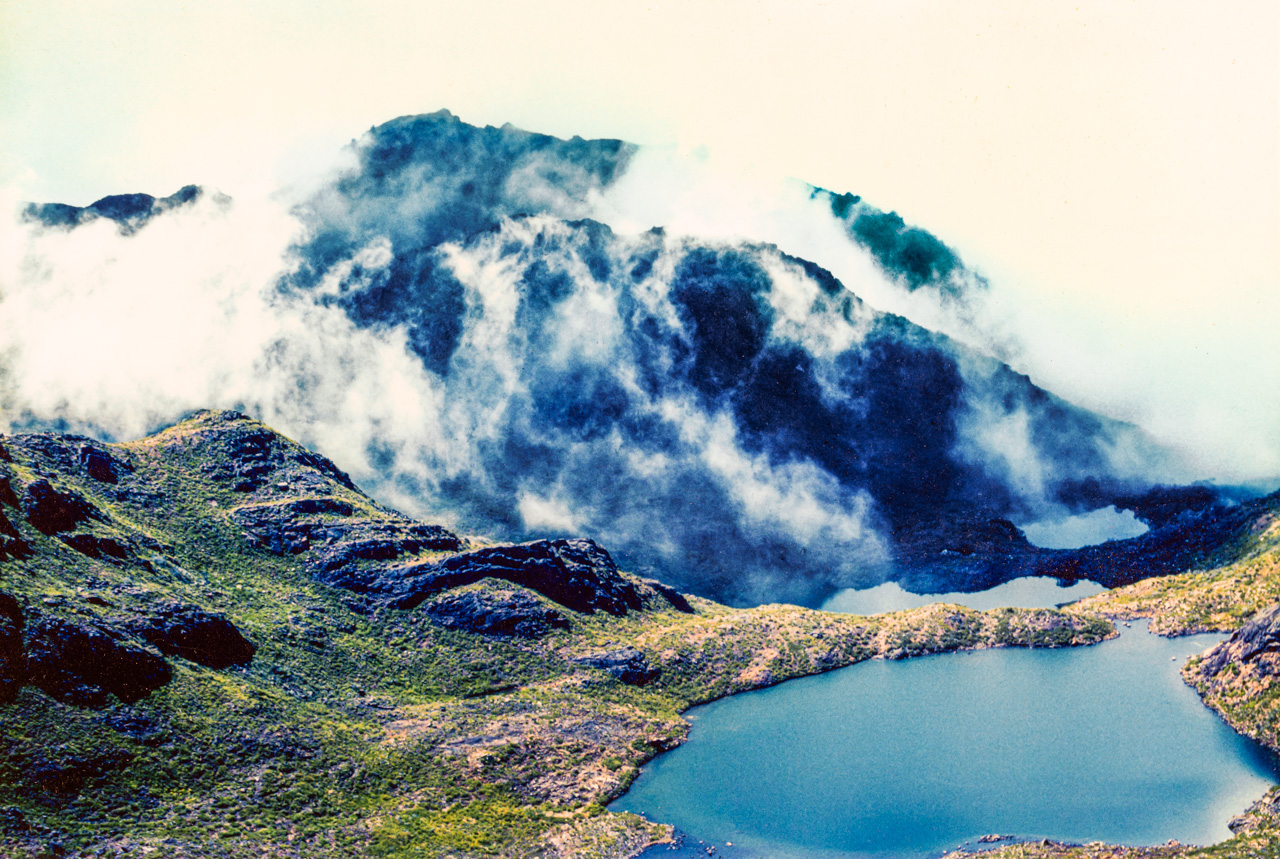
At 3,280 metres Cerro Chirripó is Costa Rica’s highest peak, the second highest in Central America and the 37th highest in the world. The peak is the centrepiece of the 50,000 hectare Chirripó National Park which was established in 1975. I climbed Chirripó twice –alone in January 1982 and with a couple of mates in March 1983. It’s not a technical climb but does involve an ascent of 2500 metres in elevation and when carrying a full backpack can be quite exhausting. The hike alone is quite spectacular as you pass…
-
BRAULIO CARRILLO
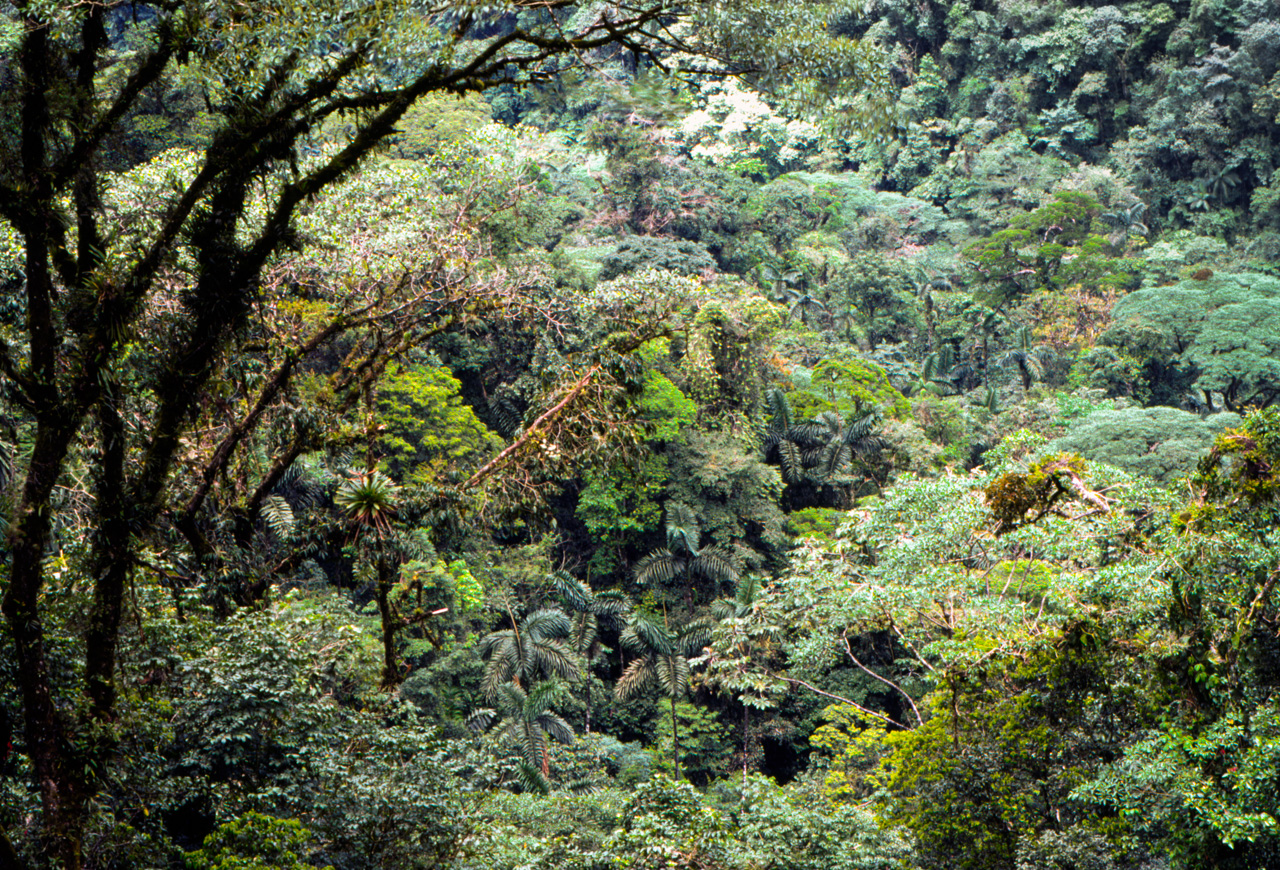
Recollections from travels in Costa Rica – 1981-1986 Just north of San José, looms Braulio Carrillo National Park, a rugged park of almost 500 square kilometres. Braulio has an elevation variation of almost 3000 metres so you’ve got seven life zones from cloud forest to lowland tropical forest. Yet despite its proximity to San José most of the park was rarely visited in the 1980s simply because it was impenetrable. A highway completed in the late 1980s changed that and now Braulio is probably the most visited park, although most people…
-
SANTA ROSA
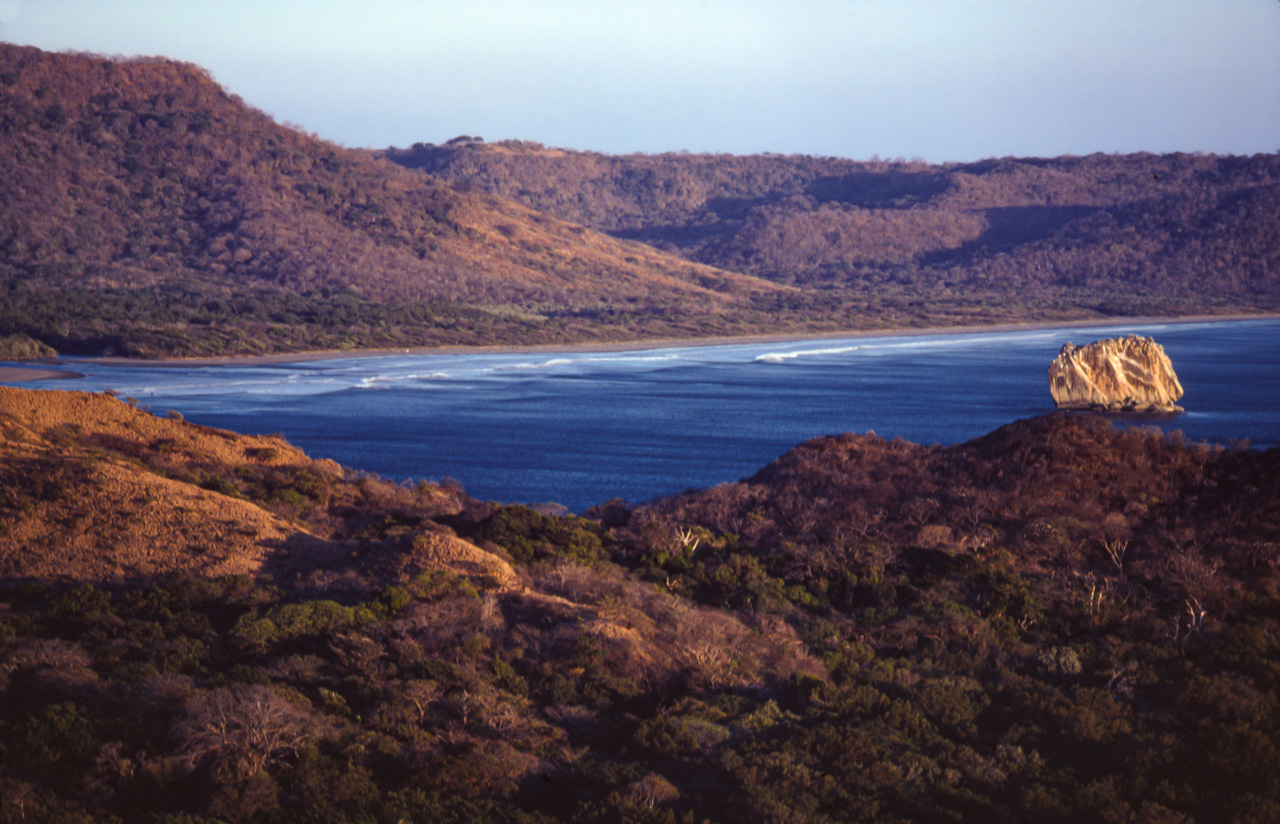
After viewing the photos I’ve presented so far you might start to visualise Costa Rica as lush and verdant with raging rivers running through every valley. While that’s certainly the case in the Talamanca mountain range, if you travel less than 300 kilometres as the crow flies to the country’s northwest, to Santa Rosa, Costa Rica’s first national park, you’ll feel more like you’re travelling in the savannahs of Africa. Costa Rica has a ridiculous amount of life zone diversity for such a small country and this – together with its…
-
THE EXPLORATION OF LA AMISTAD
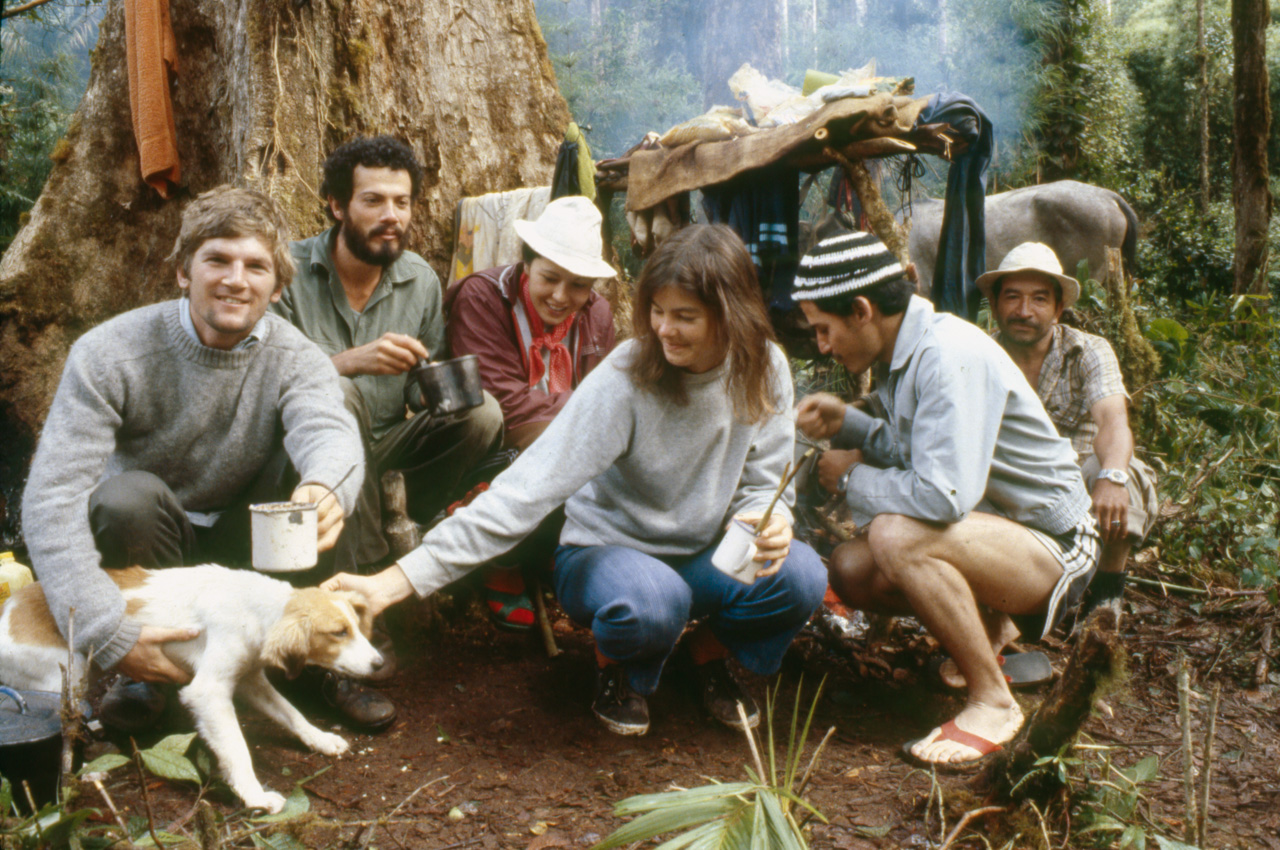
In 1982, the Costa Rican government created the La Amistad Biosphere Reserve which covers a massive area in southern Costa Rica along the Talamanca mountain range. At the time, the biosphere was relatively unknown to scientists – very few had ventured into the depths of the Talamanca. The Costa Rican National Park Service hired wildlands consultant, Jim Barborak, to assist his national counterparts in conducting a biological, anthropological and geological inventory of the biosphere. There weren’t any photographs from the depths of the park, so I joined the research teams as…
-
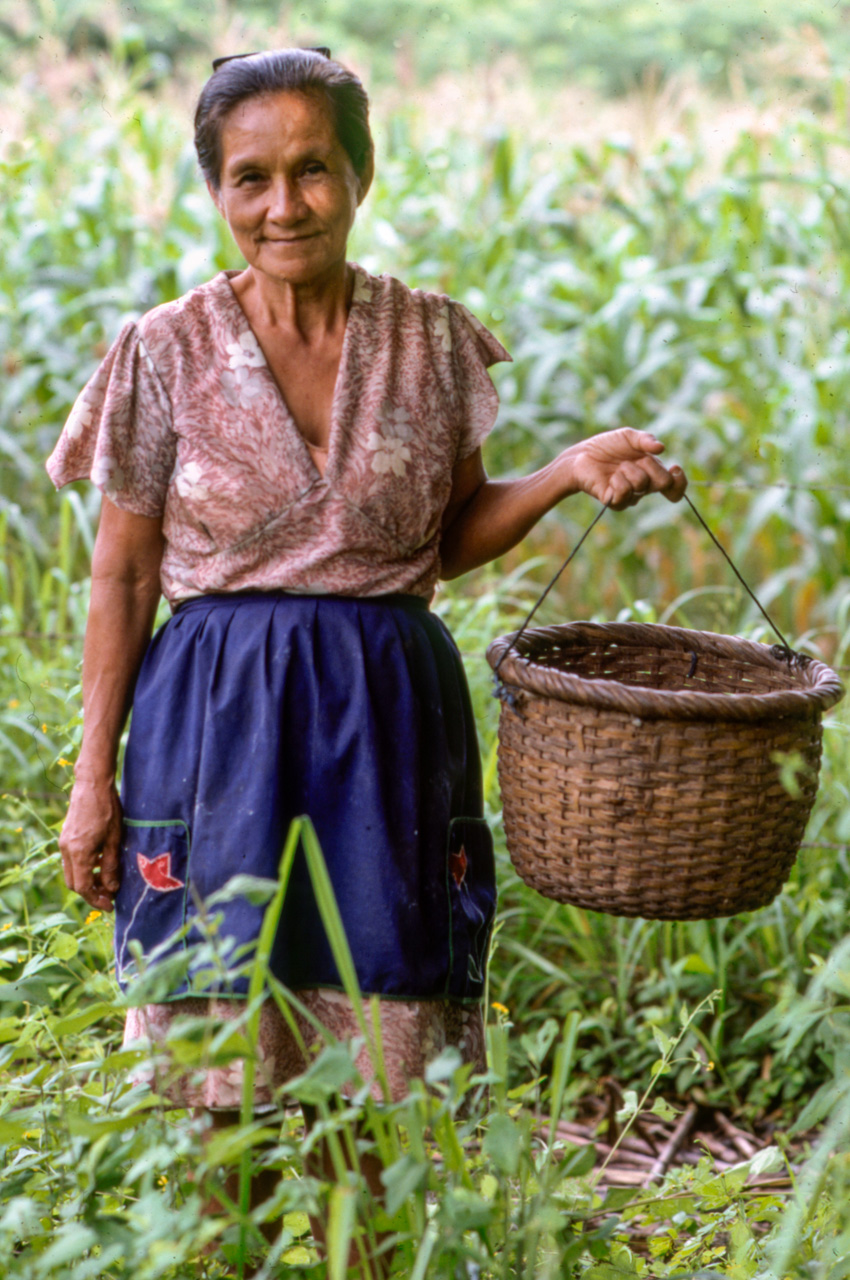
The case of Doña Pacha
Excerpt from Participatory communication in development: integrating women into forestry projects in Costa Rica A research project conducted in 1987 funded by the Inter-American Foundation, Ibero-American Studies Program of the University of Wisconsin and the Tropical Agricultural Research and Training Centre, Costa Rica. With the increase in reforestation throughout the country and the resulting need for seedlings, collecting tree seeds appears to be an potential source of employment. Nevertheless, families in the Hojancha area are not accustomed to collect them. The case of Doña Pacha is an example of an elderly…
-
Asociación para la Promoción de la Mujer en Monte Romo
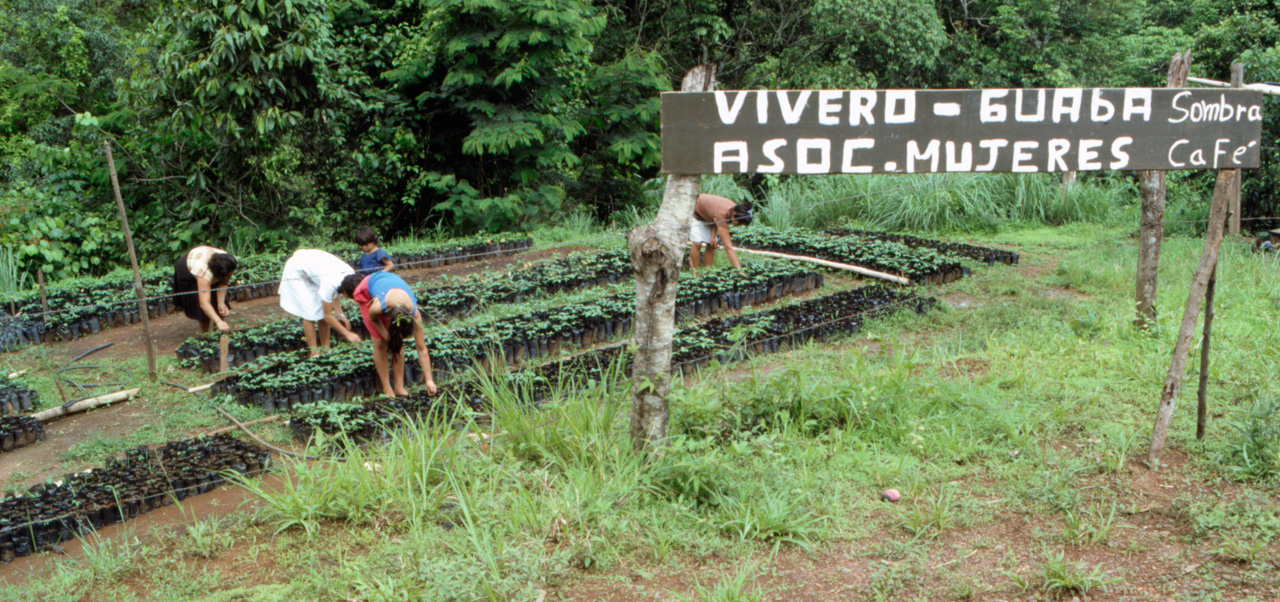
Excerpt from Participatory communication in development: integrating women into forestry projects in Costa Rica A research project conducted in 1987 funded by the Inter-American Foundation, Ibero-American Studies Program of the University of Wisconsin and the Tropical Agricultural Research and Training Centre, Costa Rica. Antecedents Although the principal agricultural activity in Hojancha is cattle raising, the declaration in 1980 of Hojancha as a coffee‑growing region stimulated many farmers to plant coffee. Extensionists from COOPEPILANGOSTA promoted the planting of shade trees in coffee plantations. With the creation of new coffee plantations the demand…
-
COOPEMATAMBU
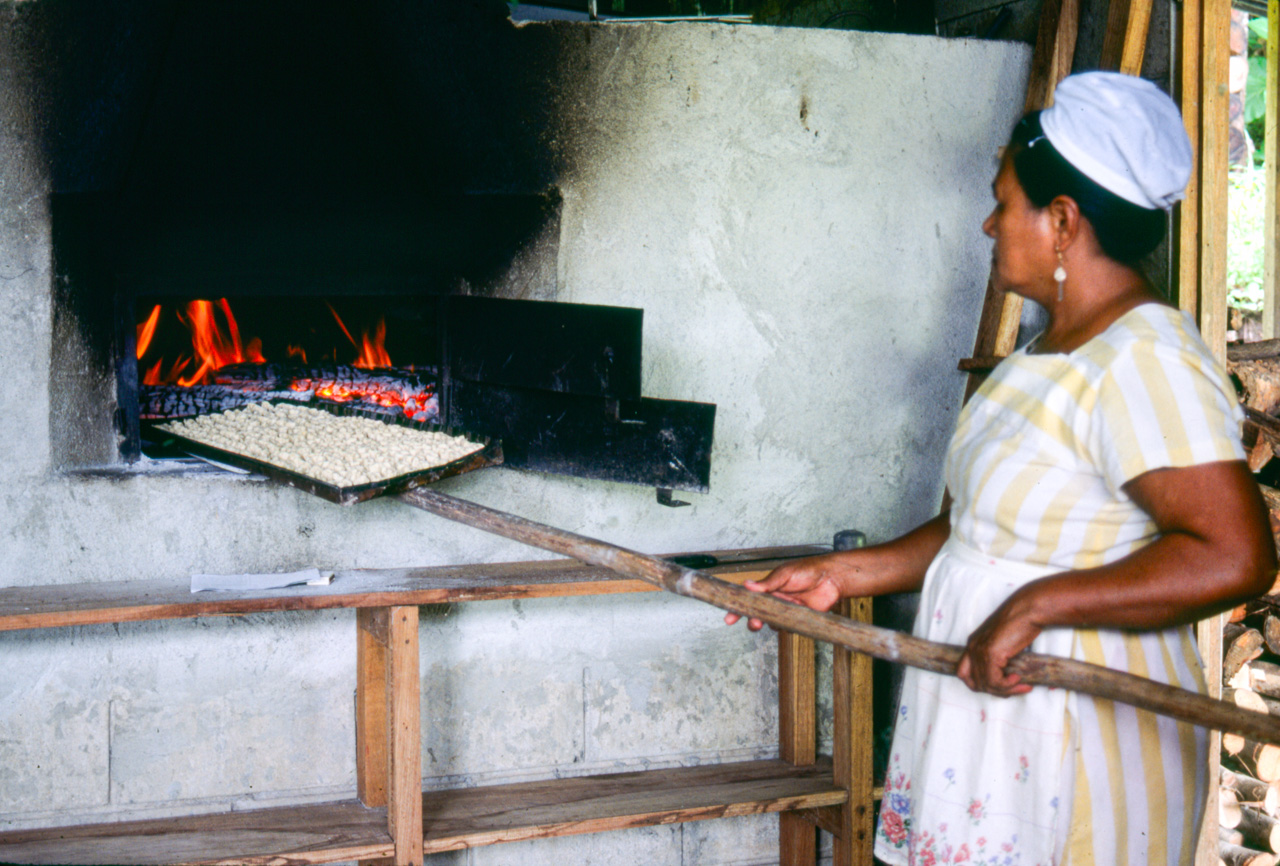
Excerpt from Participatory communication in development: integrating women into forestry projects in Costa Rica A research project conducted in 1987 funded by the Inter-American Foundation, Ibero-American Studies Program of the University of Wisconsin and the Tropical Agricultural Research and Training Centre, Costa Rica. Although located only five kilometers from the municipal center of Hojancha, the indigenous community of Matambu has many distinct characteristics and does not follow the agrarian pattern of the rest of the county. Matambu is characterized by its moderate slope, high population density (approximately 100 people/km2) and very…
-
ABOARD THE VICTORIA
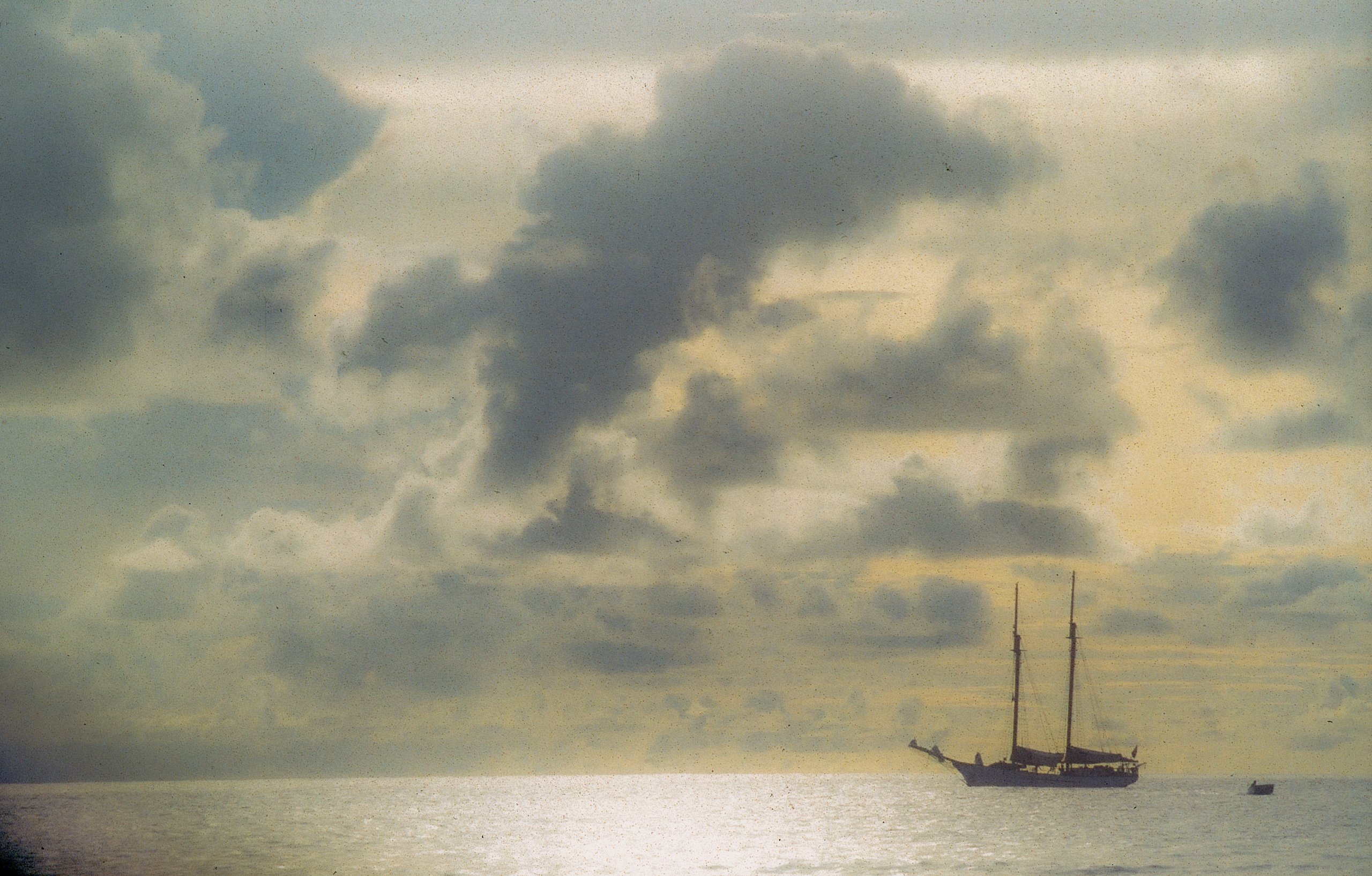
When the Costa Rican National Park Service asked if I could join a group of American tourists on a cruise on a Swedish schooner to Parque Nacional Isla del Coco, I just couldn’t refuse. The Park Service always required that a representative join groups to the Island and my name came up on the list. We set sail from Puntarenas and for a couple of weeks, I was aboard the Victoria and we travelled to Cocos Island … fully pampered by the Swedish crew and British cook. The Americans came for…
-
AT THE RAILS IN GUAPILES
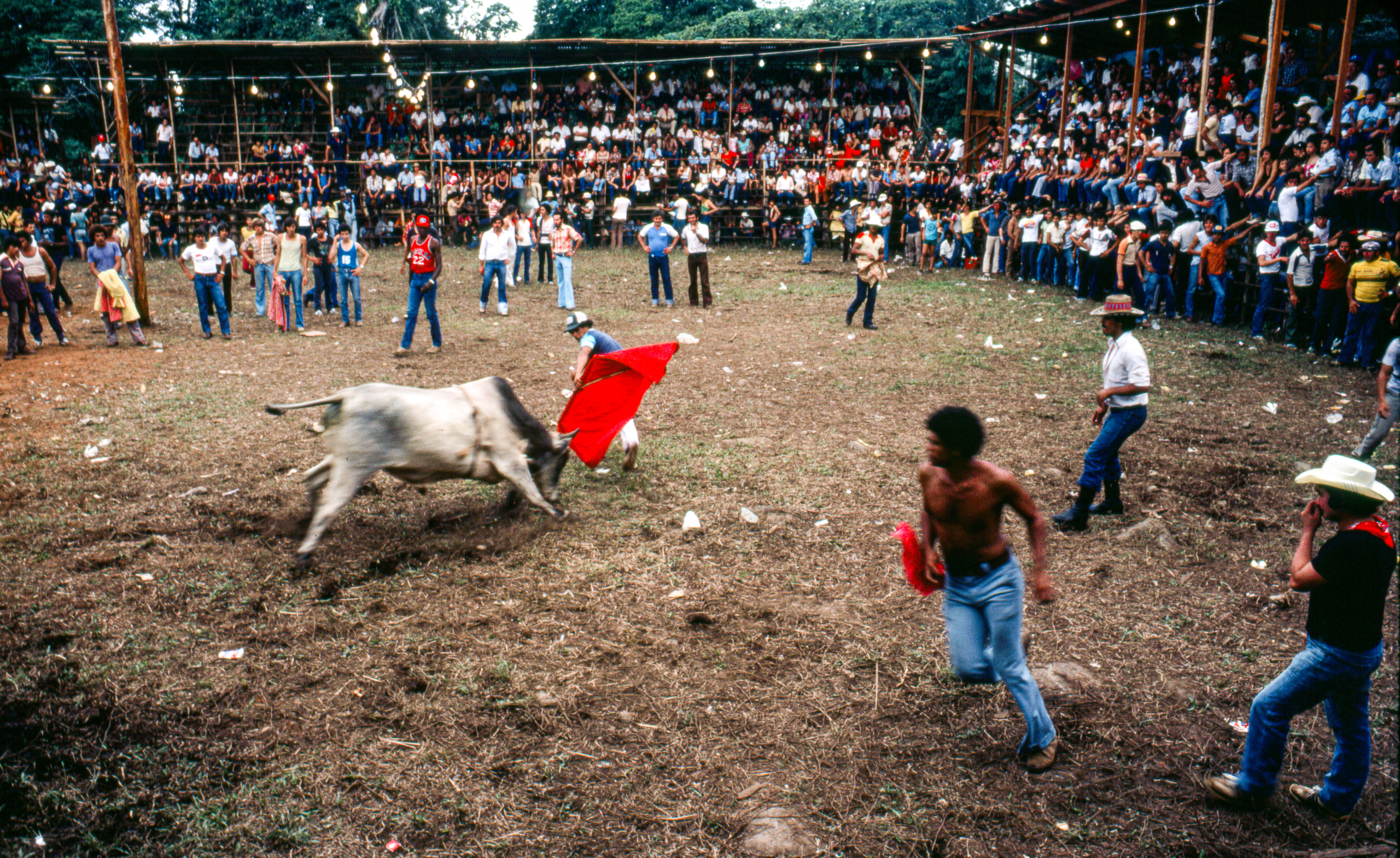
I was 21 and found myself pressed against the rough timber rails of a makeshift arena in Guápiles, the Caribbean heat clinging to everything. It was August 1981, and I’d wandered into a Tico-style bullfight with no real understanding of what I was about to see—only that the crowd was electric, loud, and unmistakably local. This wasn’t the Spanish corrida I’d imagined from books. No matador, no ritualised death. Instead, young men—farm boys, labourers, thrill-seekers—stepped into the ring with towels and bravado, testing themselves against a nervous, powerful animal. The bull…
If you see this after your page is loaded completely, leafletJS files are missing.