
Tag: Crop Diversity
-
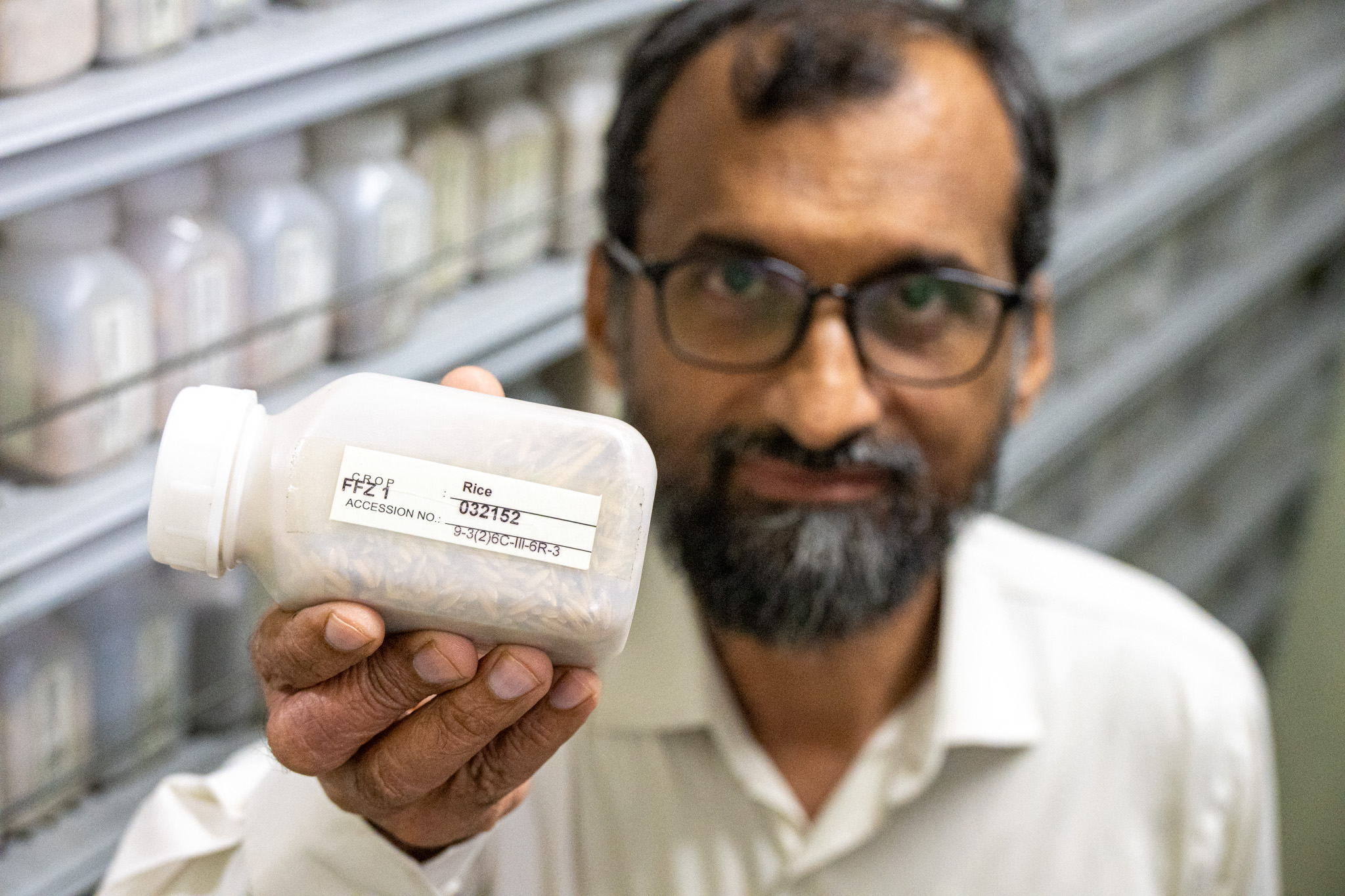
THE ‘YOU NEVER KNOW’ RICE
A rice variety developed in China in 2008, stored in international genebanks, has emerged as a top-performing crop in Pakistan. After years of preservation and testing, this resilient strain—now called NARC-RICE-1—demonstrates the vital role of seed conservation in ensuring future food security.
-
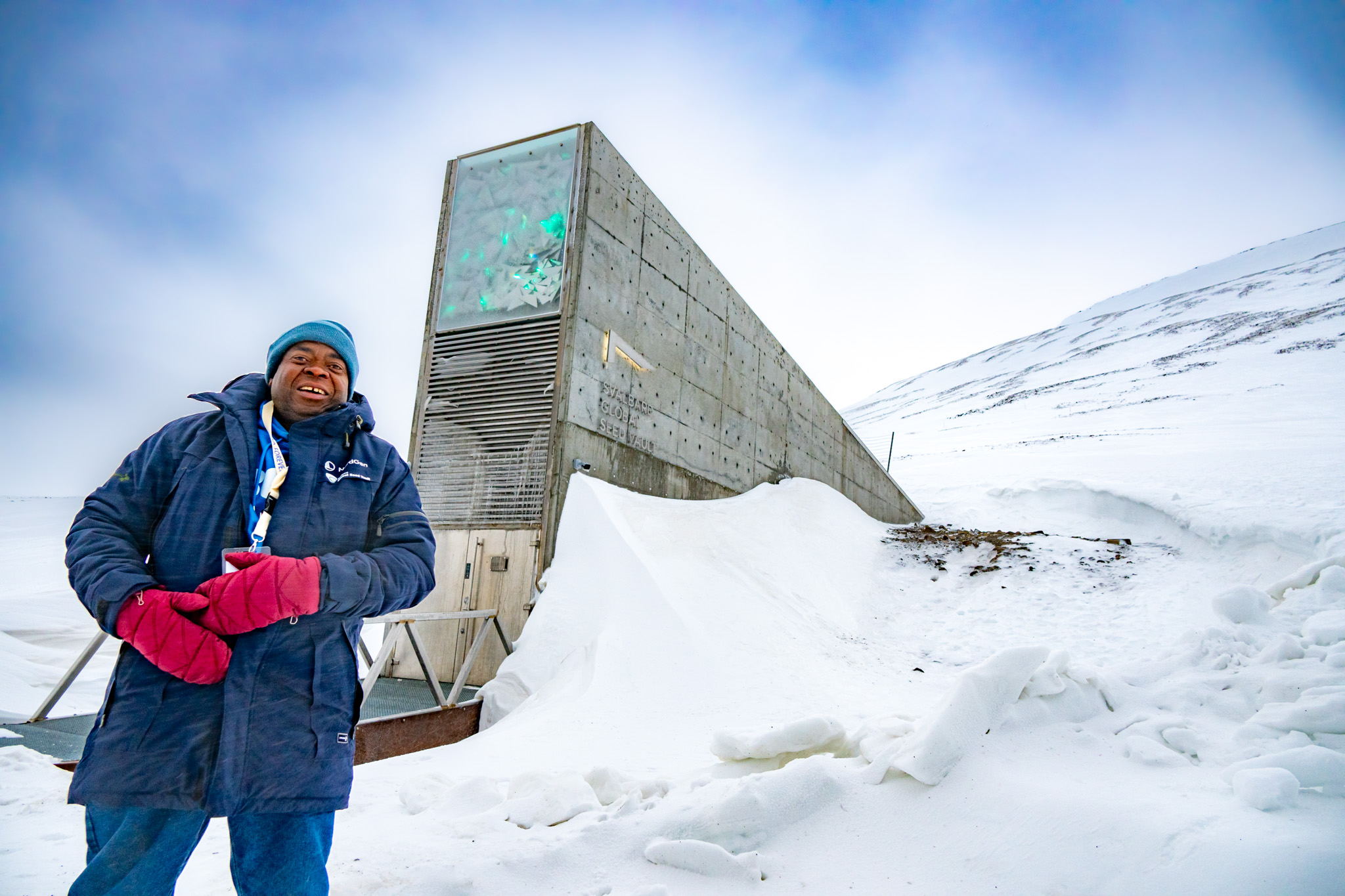
A SEED’S JOURNEY TO THE FAR FAR NORTH
It’s a long long way between Zimbabwe and the Svalbard Archipelago in the Barents Sea inside the Arctic Circle. It’s 10,500 km precisely. That’s a long way for a seed to travel. But a bunch of vacuum packed seeds of rice, sorghum, millets and groundnuts made that journey this week. I saw those seeds at the beginning and end of their journey. Last September, I travelled to Zimbabwe to see those seeds being multiplied, cleaned and processed for their long journey to the Arctic. And yesterday I saw those same seeds…
-
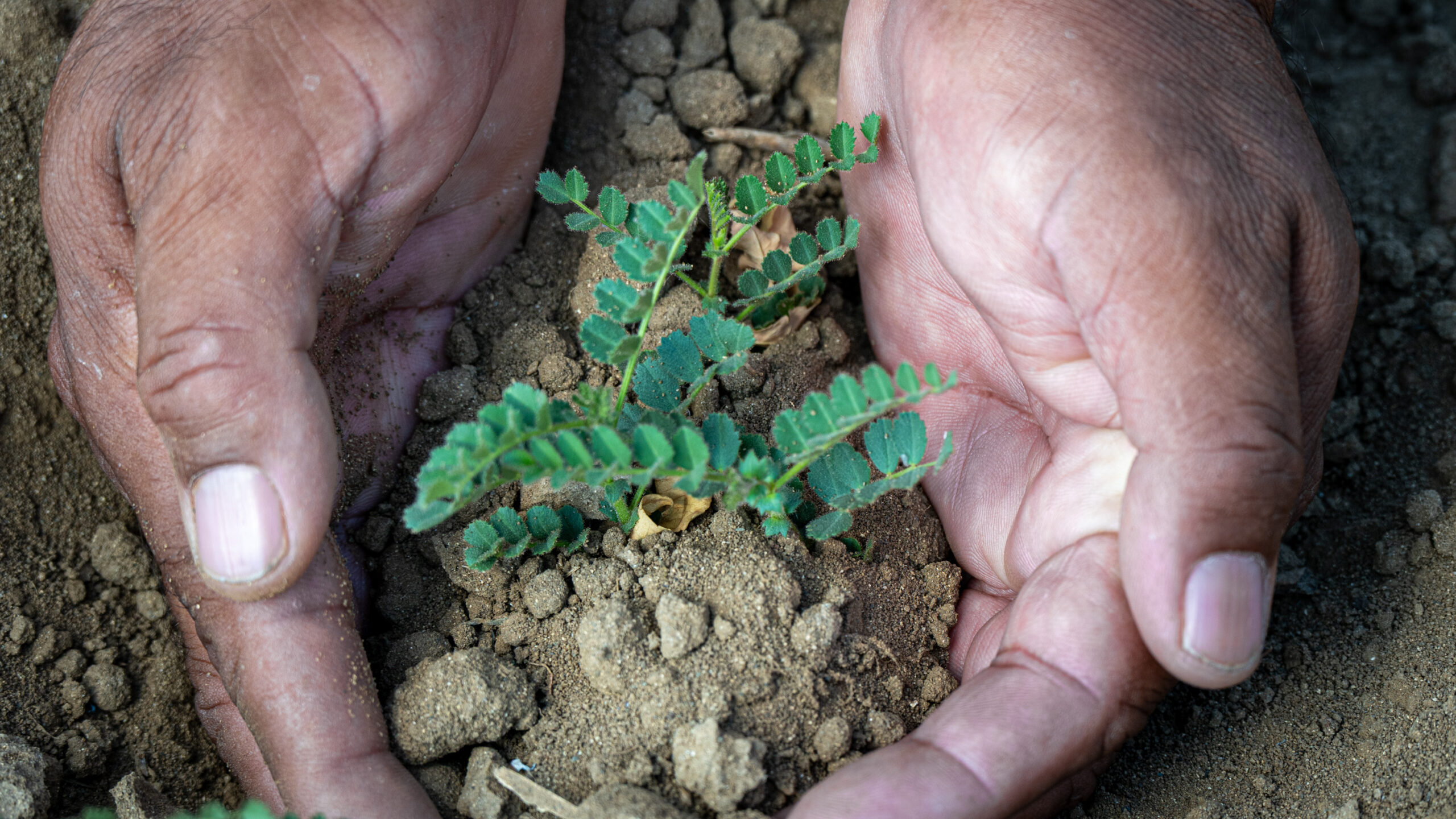
BETTER CHICKPEAS FOR KOT SARANG
Blight decimated the chickpea crop in the Punjab village of Kot Sarang a decade or so ago. Farmers were reluctant to plant it again. But breeders from Pakistan’s National Agricultural Research Center found types of chickpea in the National Genebank of Pakistan that had some resistance to the blight. The breeders planted those chickpeas in Kot Sarang and sure enough they had some blight tolerance. So, the farmers are now growing chickpeas again. I joined those breeders and staff from the National Genebank to pay those farmers a visit and see…
-
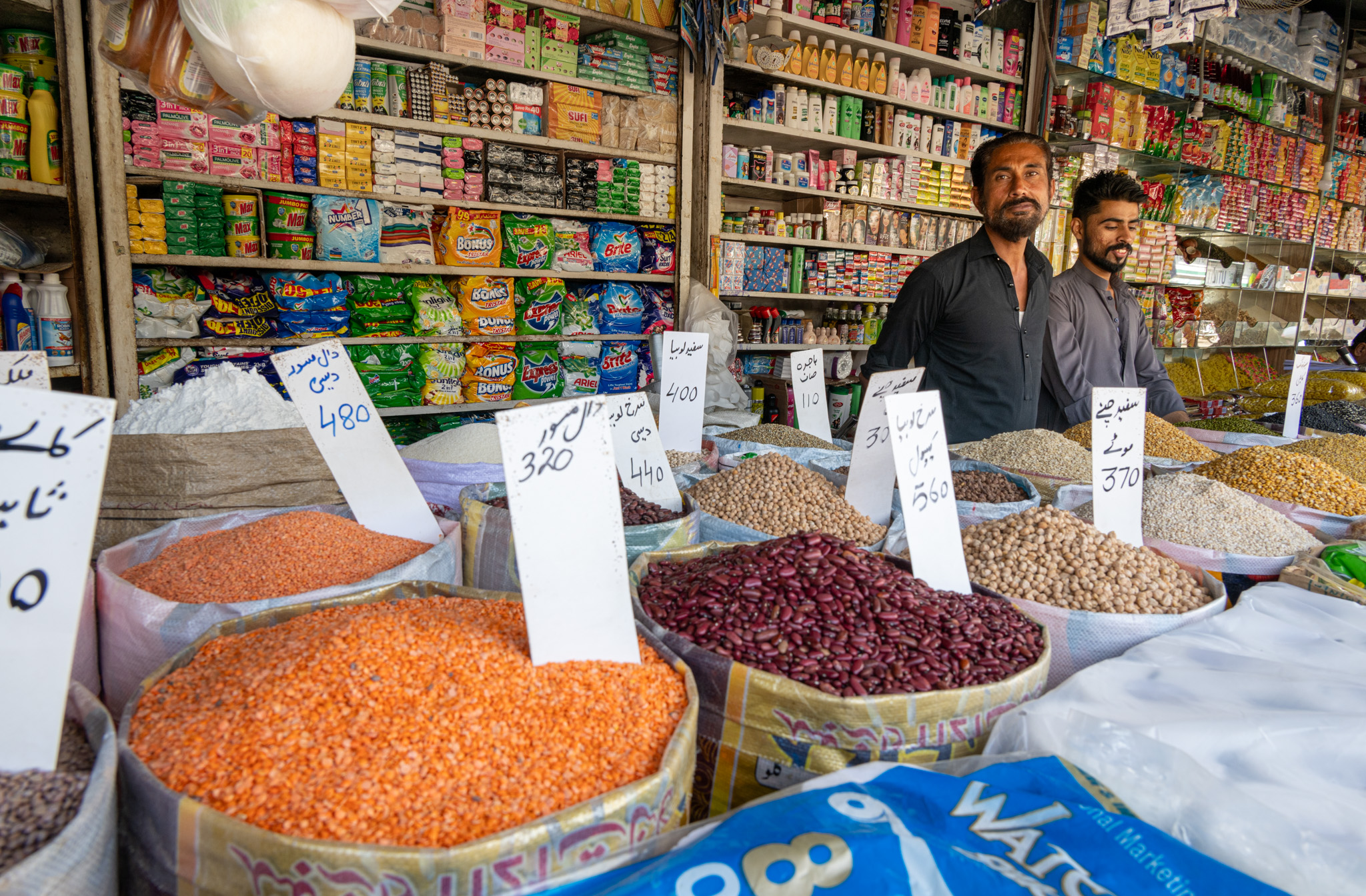
ISLAMABAD’S SUNDAY BAZAAR
You can get pretty much anything at the Sunday (AKA Margalla) Bazaar, even on a Friday. Open three days a week, the bazaar is the place to go in Islamabad to purchase essential items at competitive prices. It sprawls across 25 acres with 2,760 stalls. Carpets, clothes, fresh food, techie stuff and even soccer balls. I wanted to have a look at food so my hosts, Drs Kashif and Umer from the Plant Genetic Resources Institute, brought me to the bazaar for a gander at the diversity of food the Pakistanis…
-
THE STIGMA OF GRASSPEA
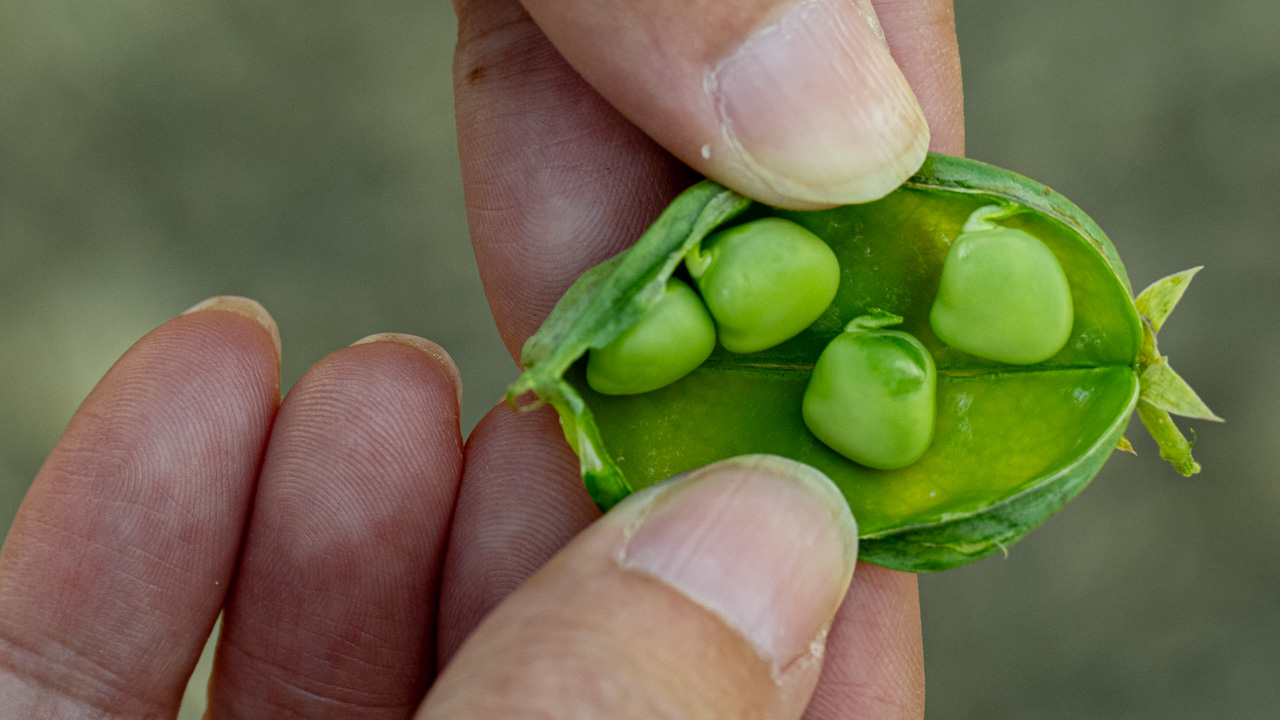
The ancient Greeks, notably Hippocrates, were pretty wary of grasspea (Lathyrus sativa). They figured if they ate too much they’d get some neurological disorders. The stigma of grasspea still persists today in many parts of the world.Last month I joined a team from the Crop Trust‘s BOLD Project to visit researchers and farmers in India and Bangladesh to learn more about grasspea. ICARDA’s Shiv Kumar Agrawal led us on a journey to Bhopal, New Delhi, Kolkata, Gazipur, Ishurdi and Rangpur. And I had two takeaways from that journey. First … wow!…
-
PRESERVING MALAN IN CENTRAL KALIMANTAN
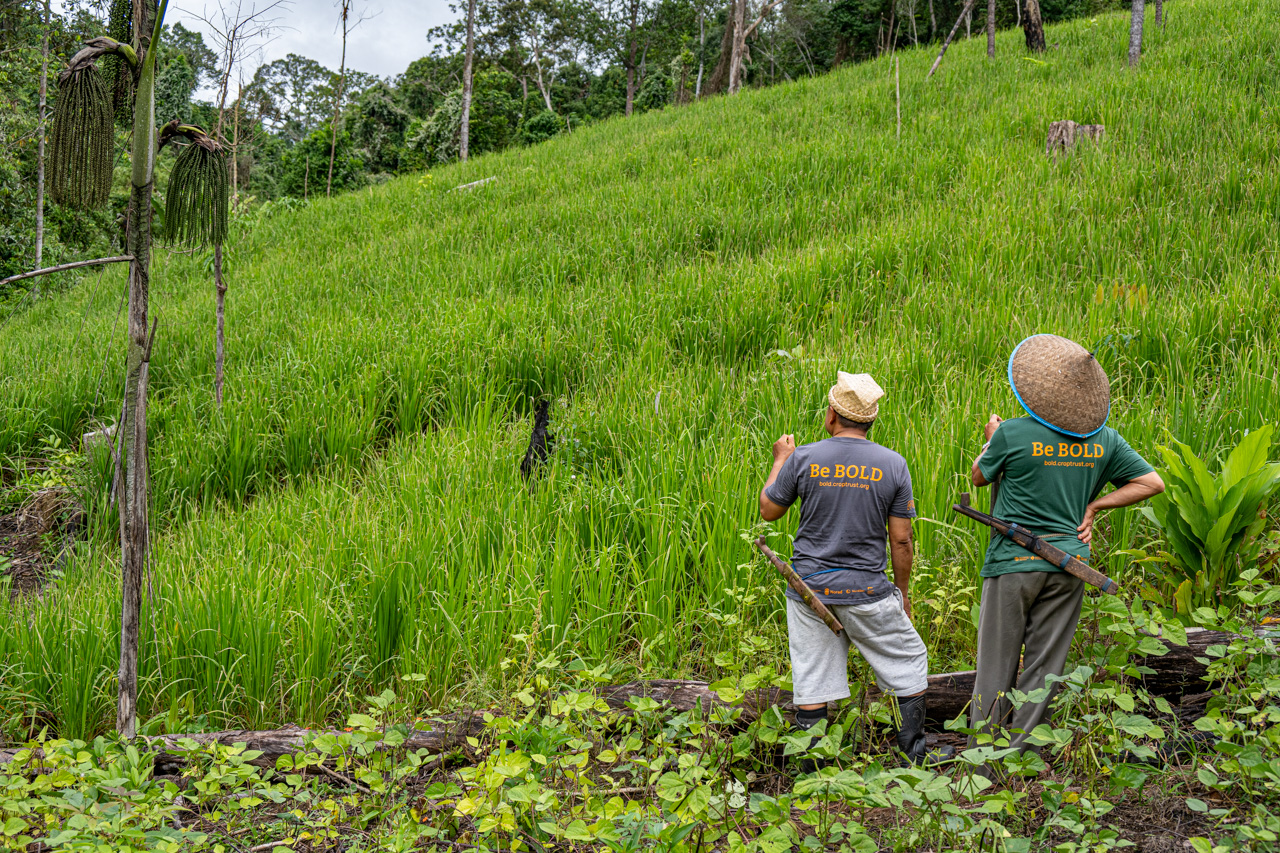
Papa Dewi told me about his way of ‘malan’. That means farming in his native Ngaju Dayak language of Central Kalimantan in Borneo, Indonesia. And it’s based on planting seeds according to local wisdom and ancestral customs. Those seeds are inseparable from the Dayak way of life. But the malan traditions are disappearing as traditional lands are now being planted to palm oil plantations or destroyed through gold mining or limited by government regulations. When farmers are able to farm, they often don’t have access to enough quality seed at the…
-
I DON’T CARE SWEETPOTATOES
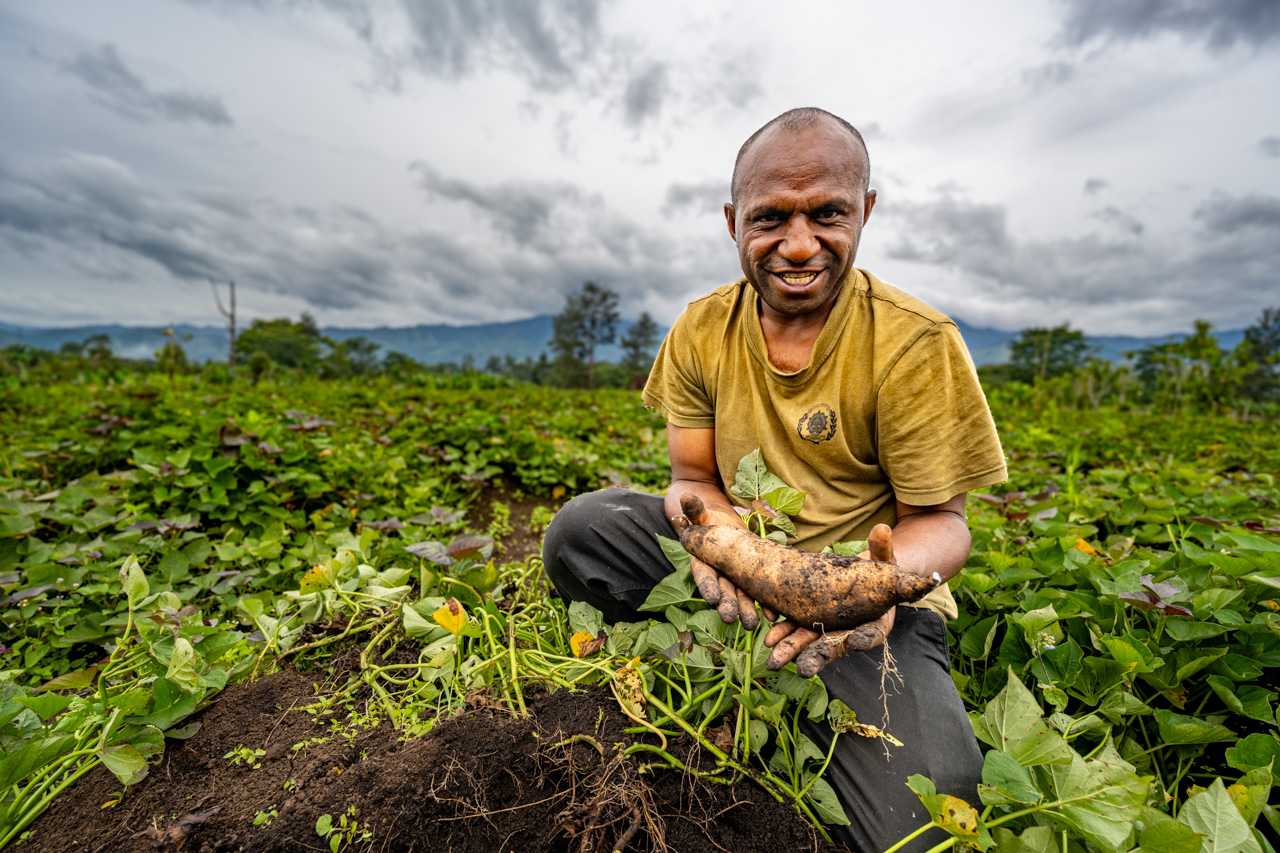
There’s a sweetpotato in Papua New Guinea called ‘gimane’. But the farmers prefer to call it ‘I don’t care’. It’s because it grows so well they don’t have to care about much once they get a vine or tuber in the ground and it’ll grow. No fertilizers, no insecticides … not really much to care about and in 4-5 months you’ll get a decent harvest. Gimane is one of about 1,000 varieties of sweetpotato in PNG. Traders brought vines or tubers here about 300 years ago and it’s just run amok…
-
THE GOLD MEDALIST OF KWENENG
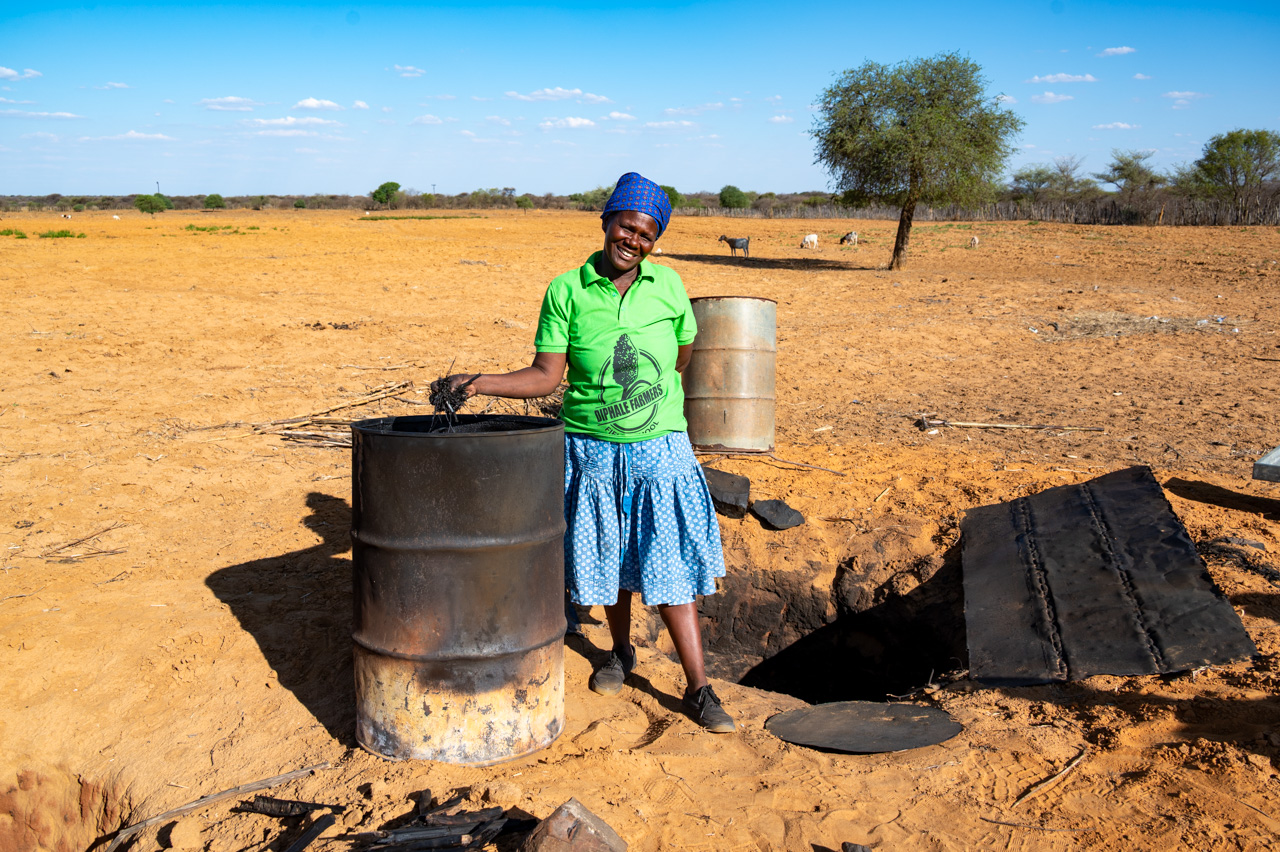
The rains in the Kweneng District of southern Botswana start in November. Until then farmers’ fields are pretty much barren. But when the rains come, farmers start to sow. I came to the farm of Mrs Rebaone Seabelo to see her innovation for making biochar. As we walked to her compound I asked if she had her seed ready for sowing next month. She said yes and then disappeared into a hut. And then one after one, baskets of seed started coming out of that hut. Five varieties of cowpea, three…
-
TWO STANS AND ALFALFA
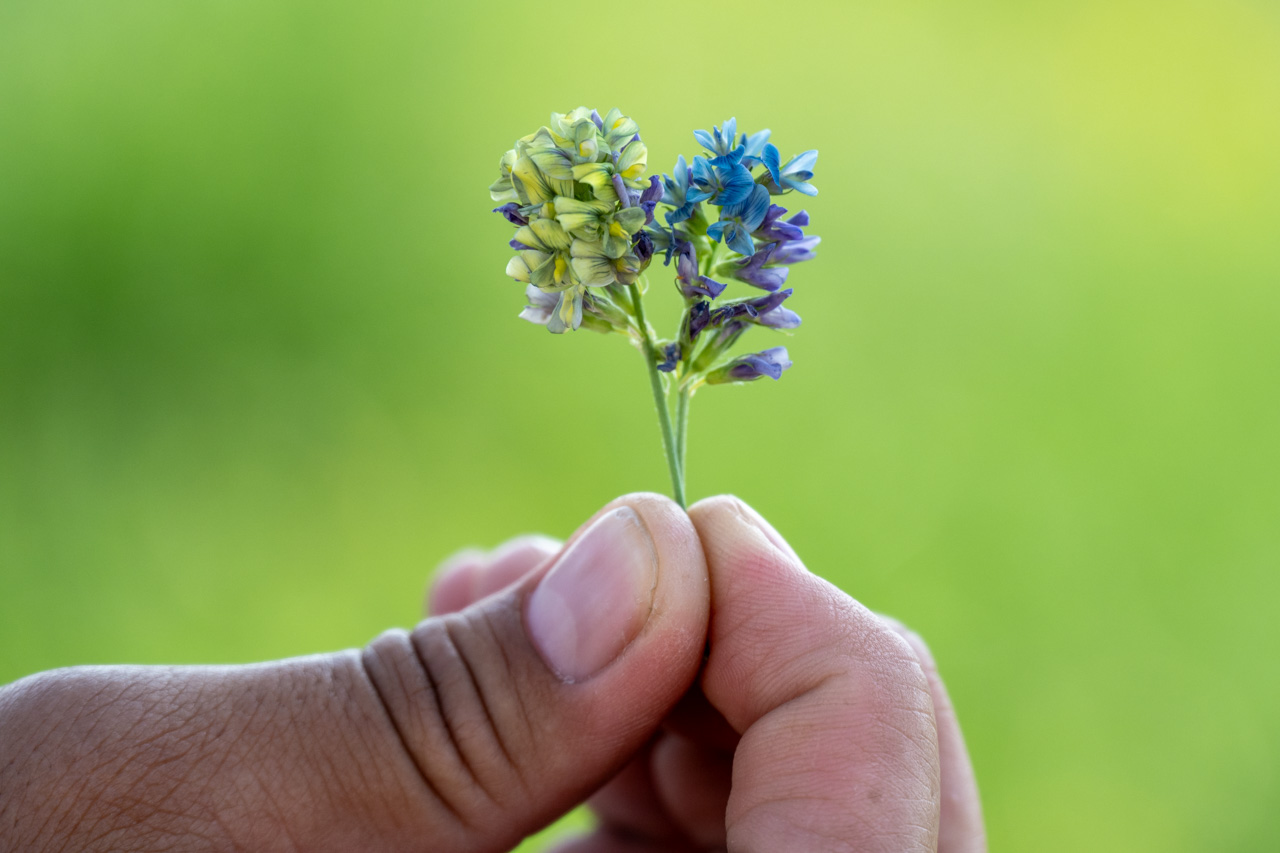
The glaciers of the Tien Shan mountain range in Central Asia are receding quickly. And that’s causing a lot of concern amongst the farmers of Kazakhstan and Kyrgyzstan. The glacial meltwaters which allowed them to irrigate their crops are no longer abundant. And without adequate water, yields plummet. I joined a group of scientists brought together by my former employer, the Crop Trust. We journeyed to Kazakhstan and Kyrgyzstan to explore ways to grow more alfalfa (or lucerne as its known here in Australia) with less water. The scientists reckon that…
If you see this after your page is loaded completely, leafletJS files are missing.