Tag: History
-
THE DOOR OF NO RETURN
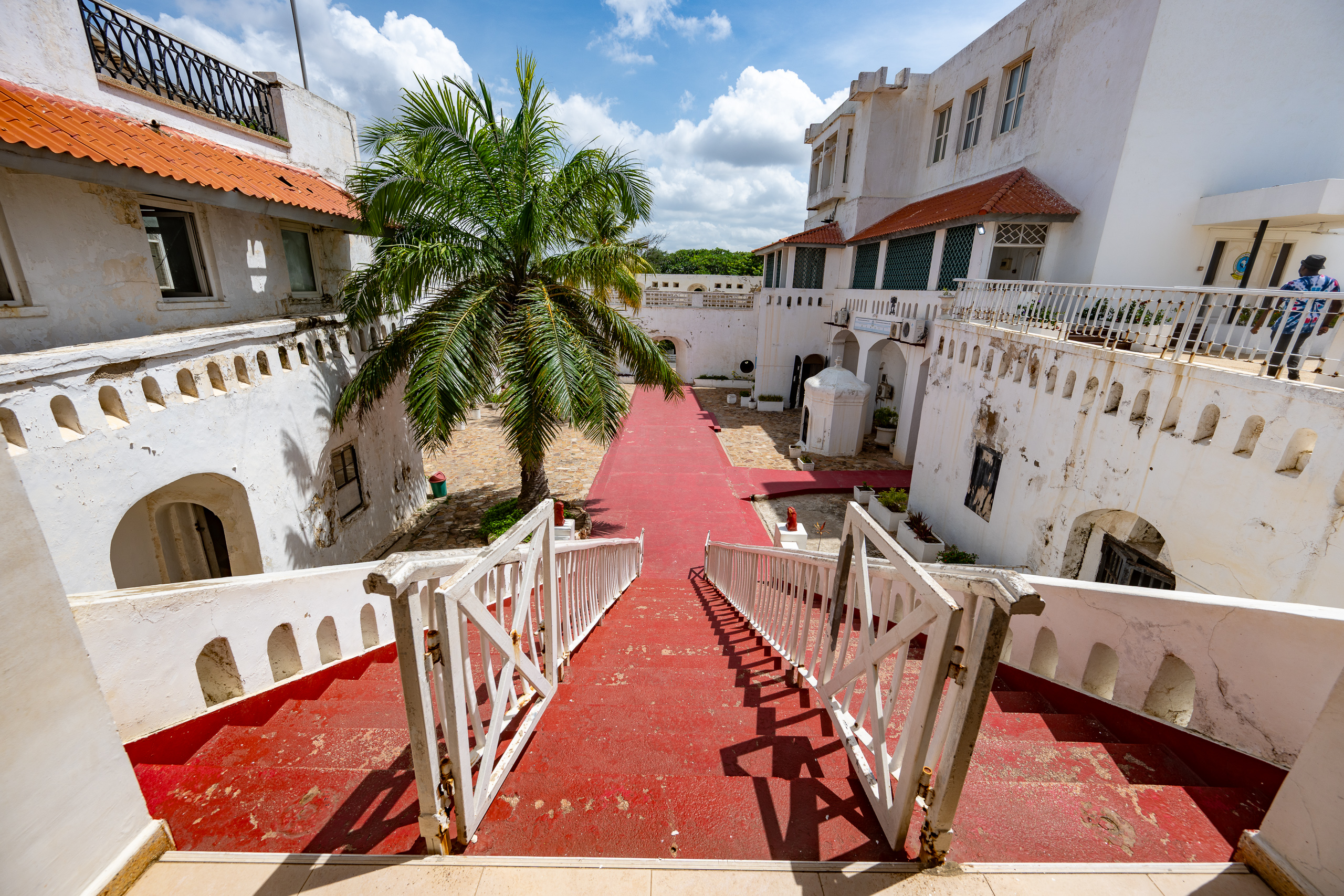
Today my colleague, Scott Christiansen, and I stood inside Osu Castle in Accra – Christiansborg – built by the Danes in the 1660s on a rocky promontory above the Atlantic. It’s a beautiful building. But that is the first, uncomfortable truth. The second truth is darker. In the dungeons below its whitewashed walls, up to 60 men were crammed into a single airless room for months at a time. Women, 30 to a cell. No light. No sanitation. No dignity. They waited there – sometimes for six months – not knowing…
-
A VOTE FOR COMPASSION
In November 1976 I got my first chance to vote in a US presidential election. I was a newly minted 18-year-old and eager to help shape the course of the nation. I voted for Jimmy Carter. And I’ve never regretted how I cast my first vote. Historians rate President Carter as being in the ‘middle-of-the-pack’ in terms of the effectiveness of his single term and perhaps a bit lower in leadership and his ability to control Congress. It was a challenging time with plenty of international and domestic crises to handle.…

-
THE LEGEND OF THE ULM SPARROW
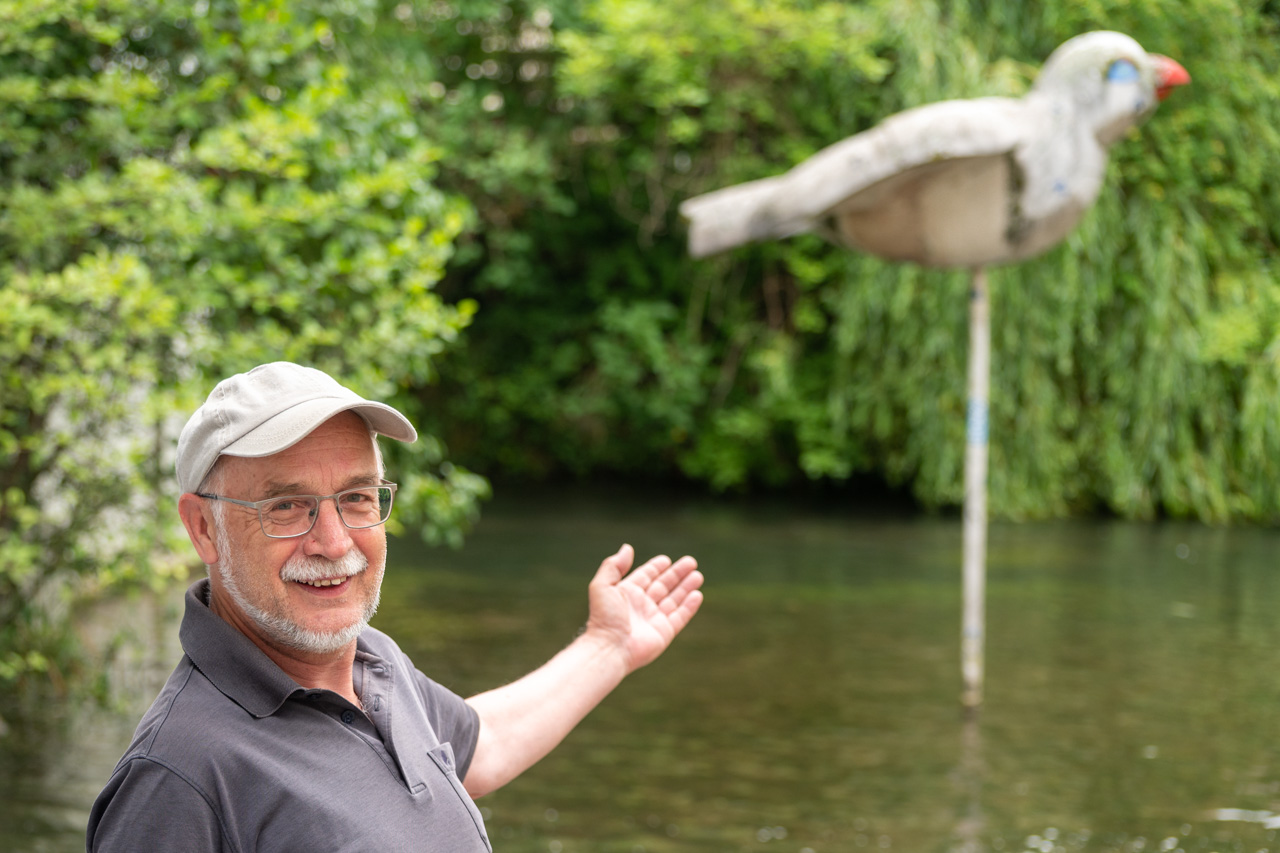
My friend, Karl-Heinz Linke, has a reputation for exaggerating the truth when he tells stories. He’s the kind of guy who is always pulling your leg, so to speak. So, when he told Padma and me about the legend of the Ulm Sparrow, we assumed it was another one of his yarns. Karl-Heinz insisted it was true and to prove it he and his wife, Hiltrud, took us to Ulm to learn of the legend ourselves. We were told that 80% of the city had been destroyed during World War II,…
-
A PITSTOP IN MONACO AND A FATAL HAIRPIN TURN
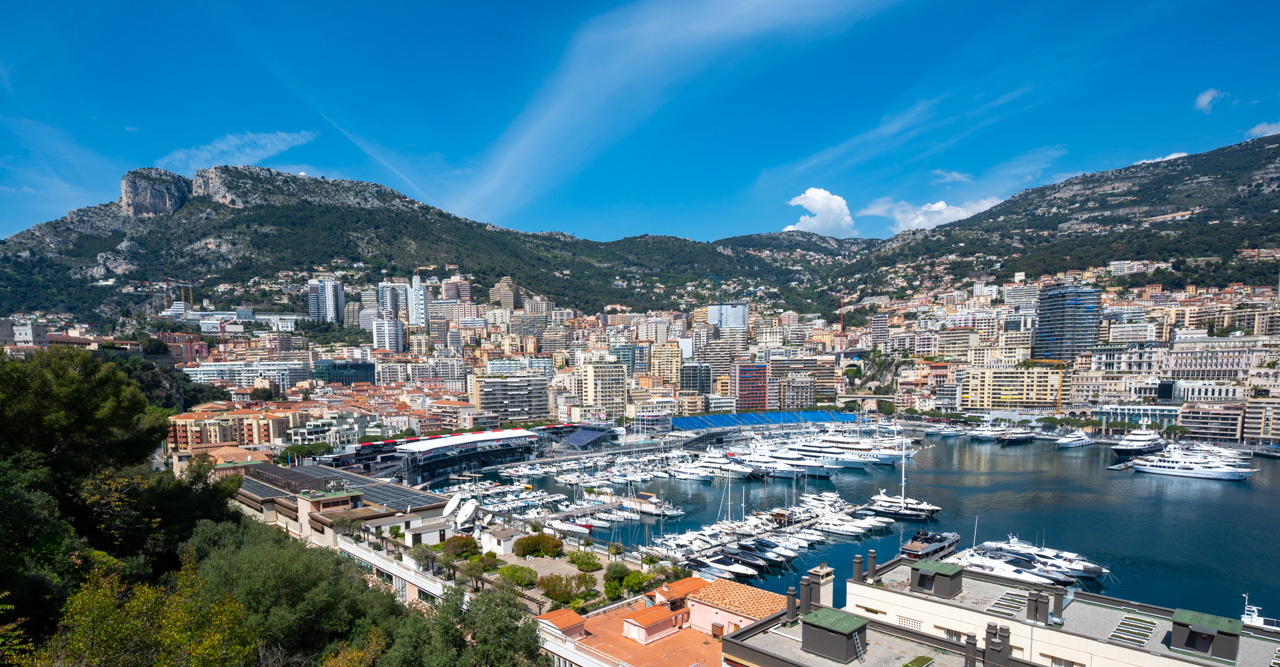
We could have driven through Monaco in 15 minutes, but Padma and I decided to park the car and explore the city-state. At 2.1 square kilometres Monaco is the second smallest sovereign state after Vatican City. We drove through the heart of the city, and I found a patch of very good bitumen which beckoned me to put the pedal to the metal. I remembered the Monaco Gran Prix was just weeks away and workers were busy erecting the spectator stands and setting up barricades. As usual we had no idea…
-
THE GRANDFATHER I NEVER KNEW
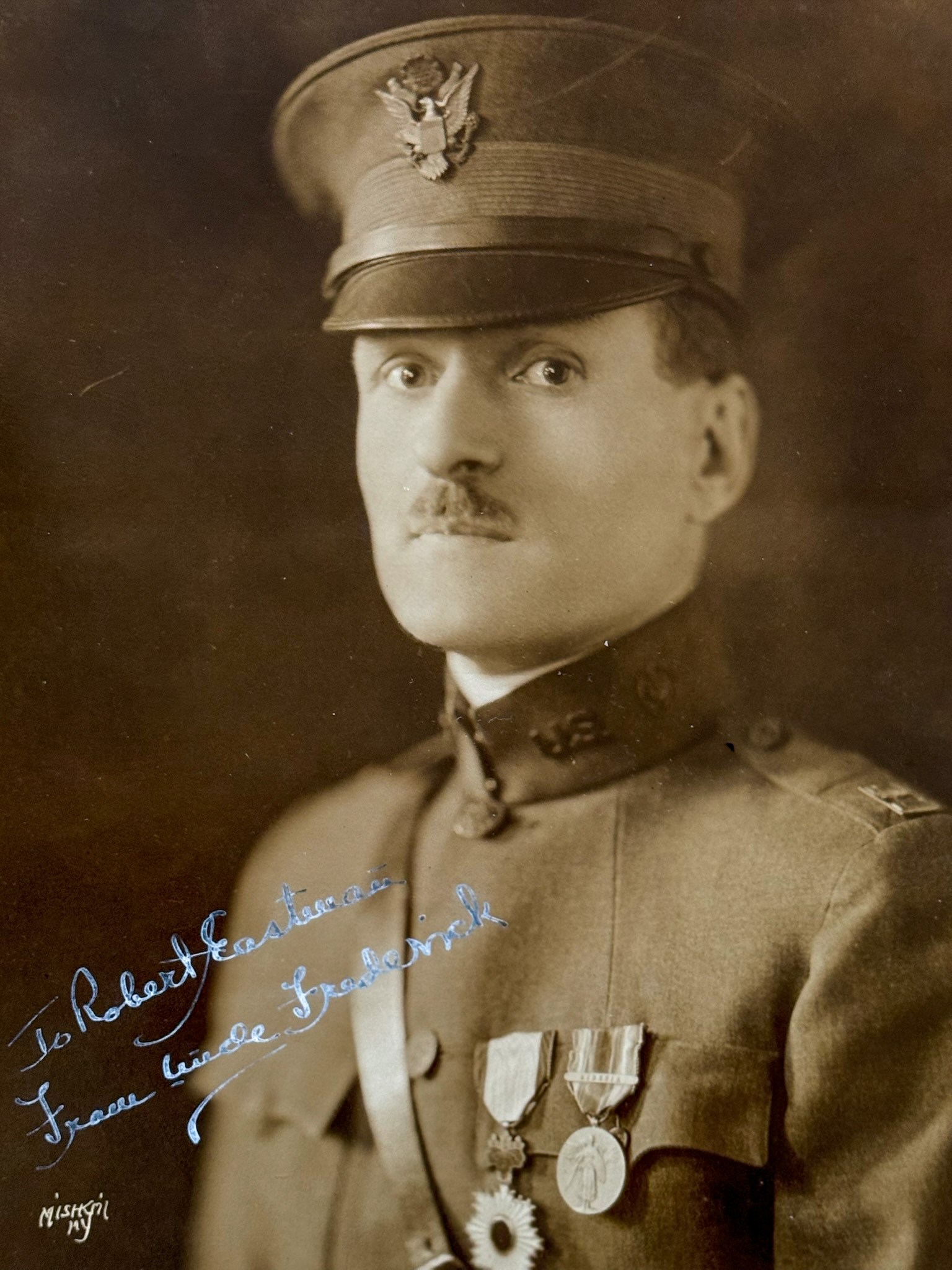
Unbeknownst to me until a few weeks ago I had a rather famous step grandfather. And it seems that the world forgot about him … so I feel compelled to tell his story. Frederick Ferdinand Moore jumped on a cattle ship in Boston Harbor in the 1890s when he was 15. He became an adventurer, weaver, sailor, soldier, novelist, pulp fiction writer, intelligence officer, war correspondent and murdered marshal. I didn’t know any of that. Perhaps my stepmother told me about her famous father but I don’t recall it. My dad…
-
ON THE TRAIL OF MARTIN LUTHER
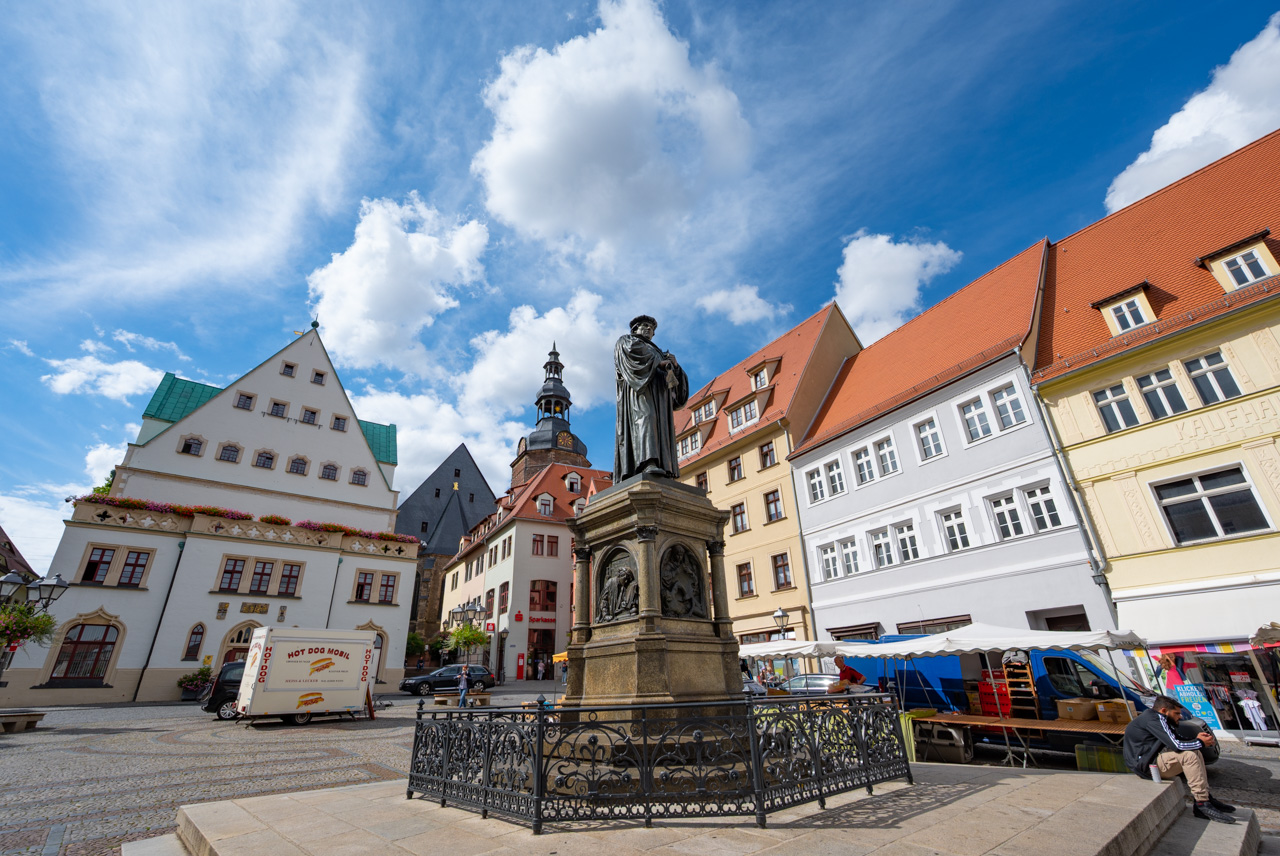
Padma and I look at a different kind of map these days when planning our travel destinations. Instead of maps with tourist attractions we look at the map showing the incidence of COVID. And after studying the map we could tell that the former East German states of Thuringia and Saxony-Anhalt had very low rates of COVID infections. So we packed the car and embarked on a roadtrip. But we did have a mission in mind. We wanted to explore the old stomping grounds of arguably the most famous German –…
-
RESEMBLANCE AFTER 36 GENERATIONS?
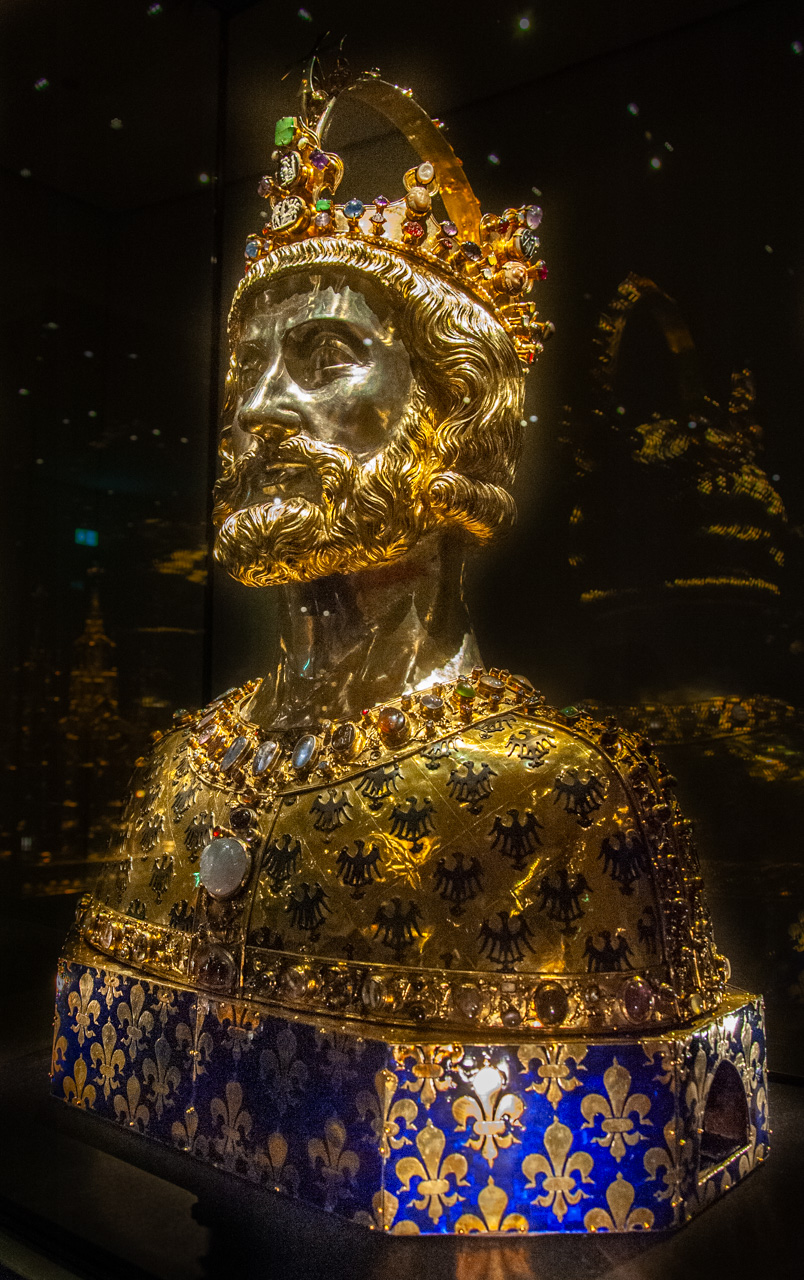
Joseph, Padma and I travelled with our German friend, Volker, to pay our respects to our ancestor in Aachen, Germany. Charlemagne – or Charles I, the Emperor of the Romans, the King of the Lombards and the King of the Franks – was laid to rest in 814 in his imperial capital city of Aix-la-Chapell, now known as Aachen. Joseph is the 36th great grandson of Charles. It’s true. I can actually chart our ancestry to Charles via my grandmother. Charlemagne loved the spas of Aachen and spent his winters there.…
-
ALSACE. GERMAN OR FRENCH?
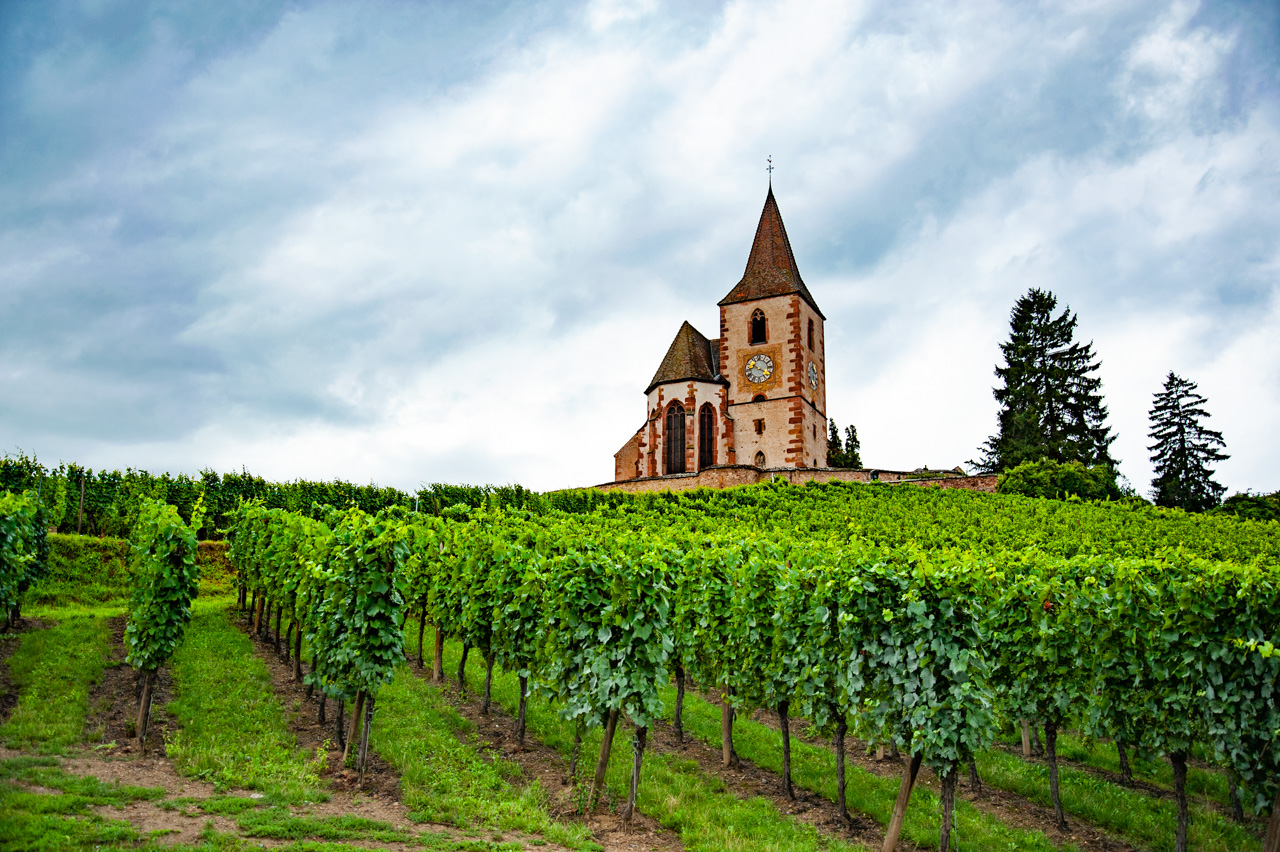
One of the few things I remember from high school history is the story of Alsace-Lorraine. It’s a region in present-day eastern France that has been claimed by both France and Germany and as a result has changed hands several times over the past two centuries. Traditionally the people of the region speak a dialect of German known as Alsatian, so Germany felt it belonged to them. But France figured borders should be determined by natural features so they staked claim to the land east of the Vosges Mountains to the…
-
THE BATTLE OF VERDUN – A CENTURY LATER
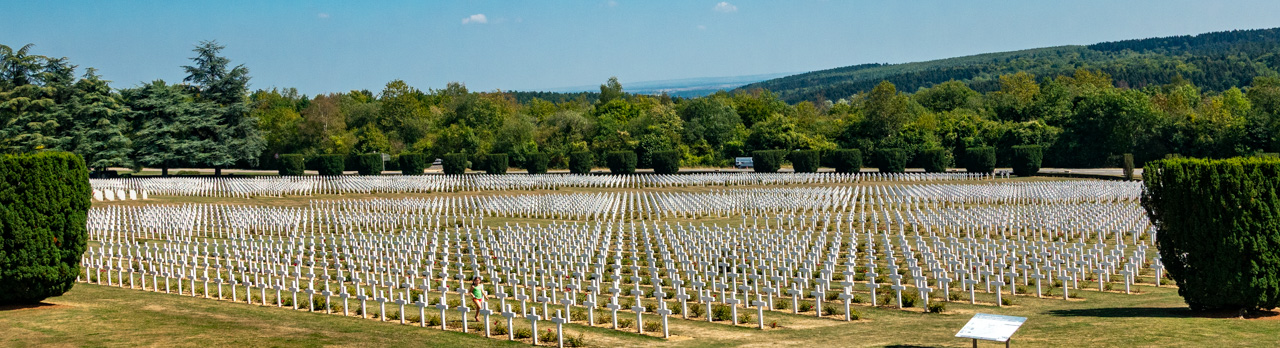
As we turn our attention this weekend to the centenary of the signing of the armistice to end World War I, I look back at a visit that Padma, Xander, Joseph and I took this summer to a battlefield in France which proved to be the ultimate test of human endurance. The Battle of Verdun was fought for 303 days from February to December 1916. It was the largest and longest battle of the First World War on the Western Front between the German and French armies. Estimates vary but range…
If you see this after your page is loaded completely, leafletJS files are missing.