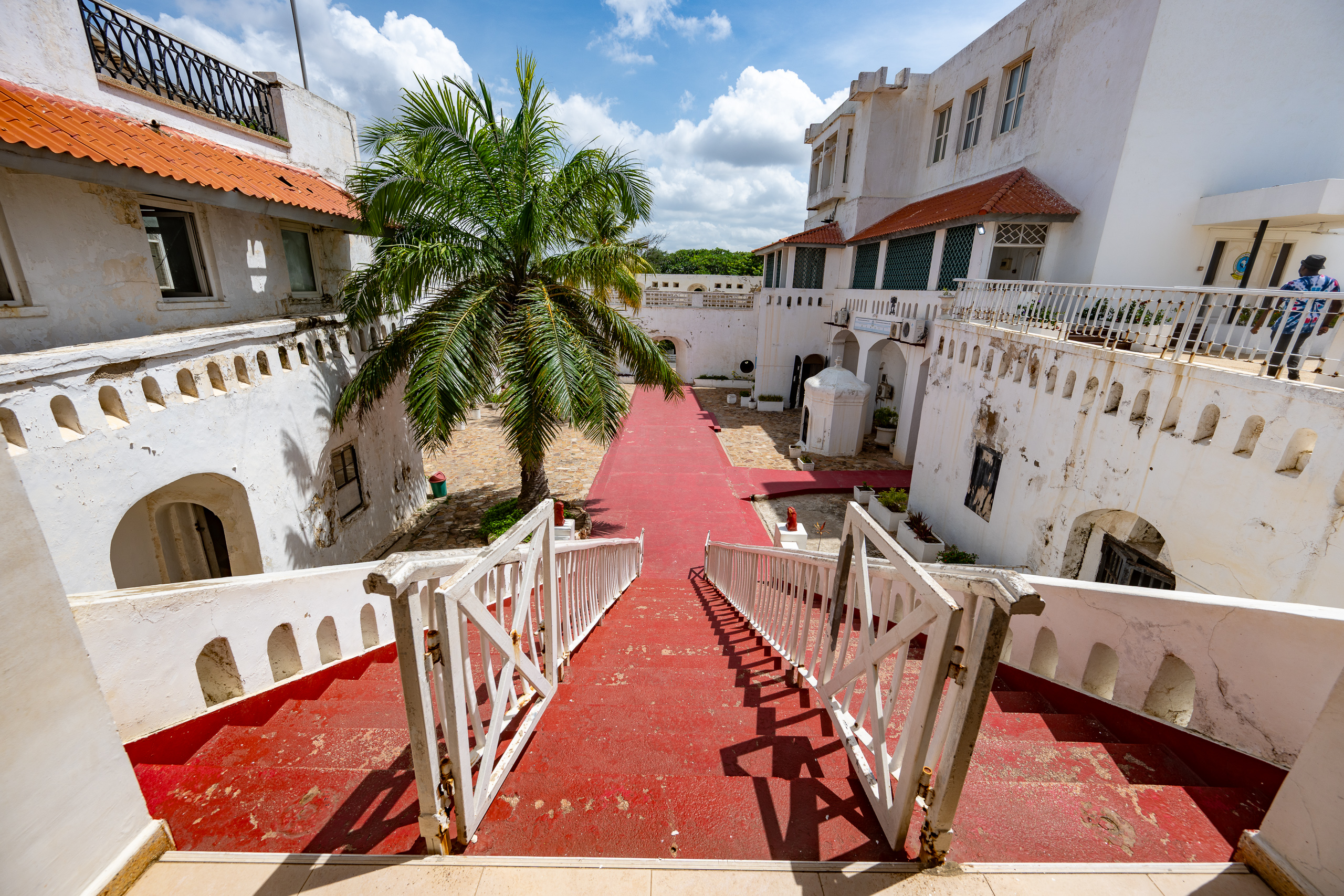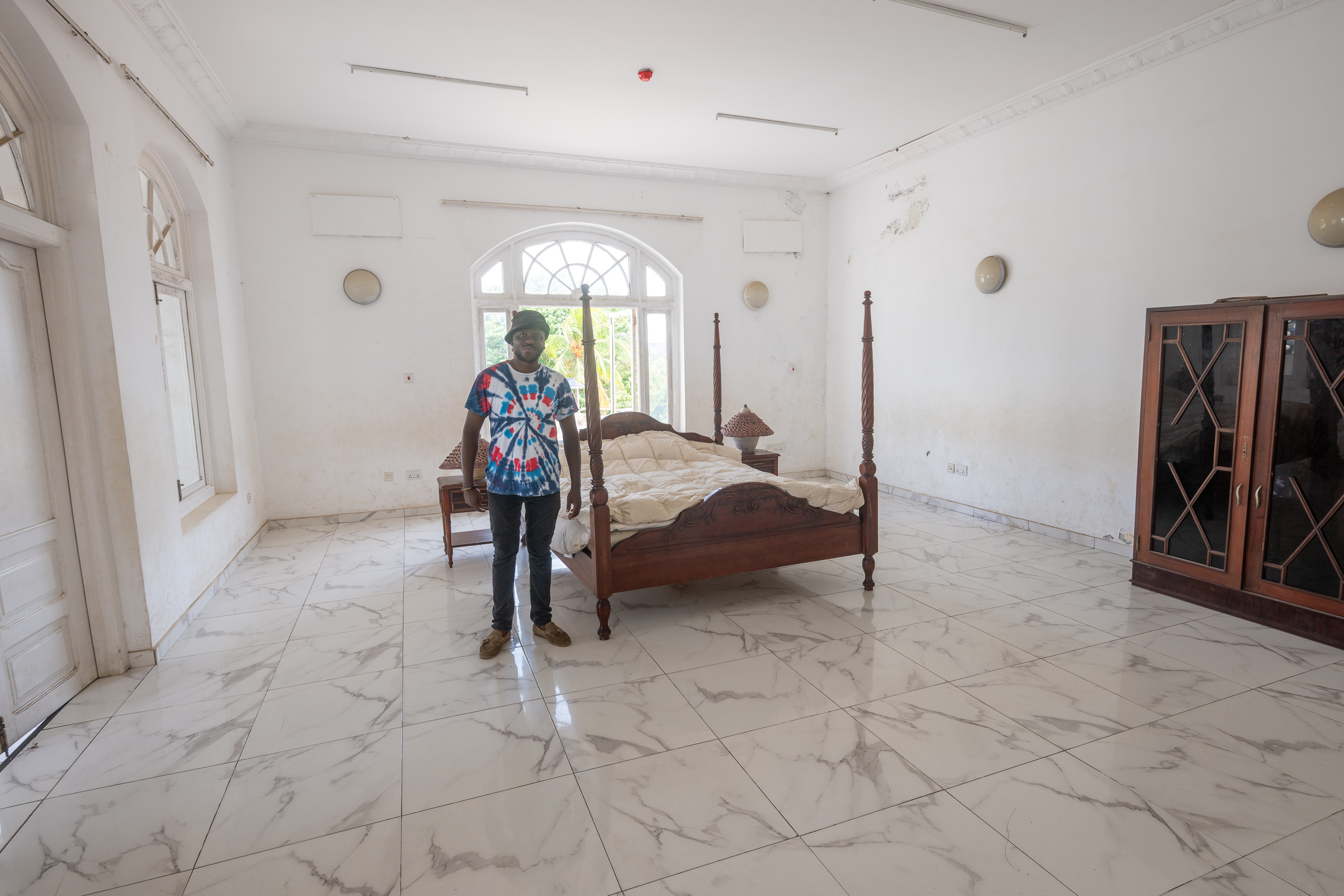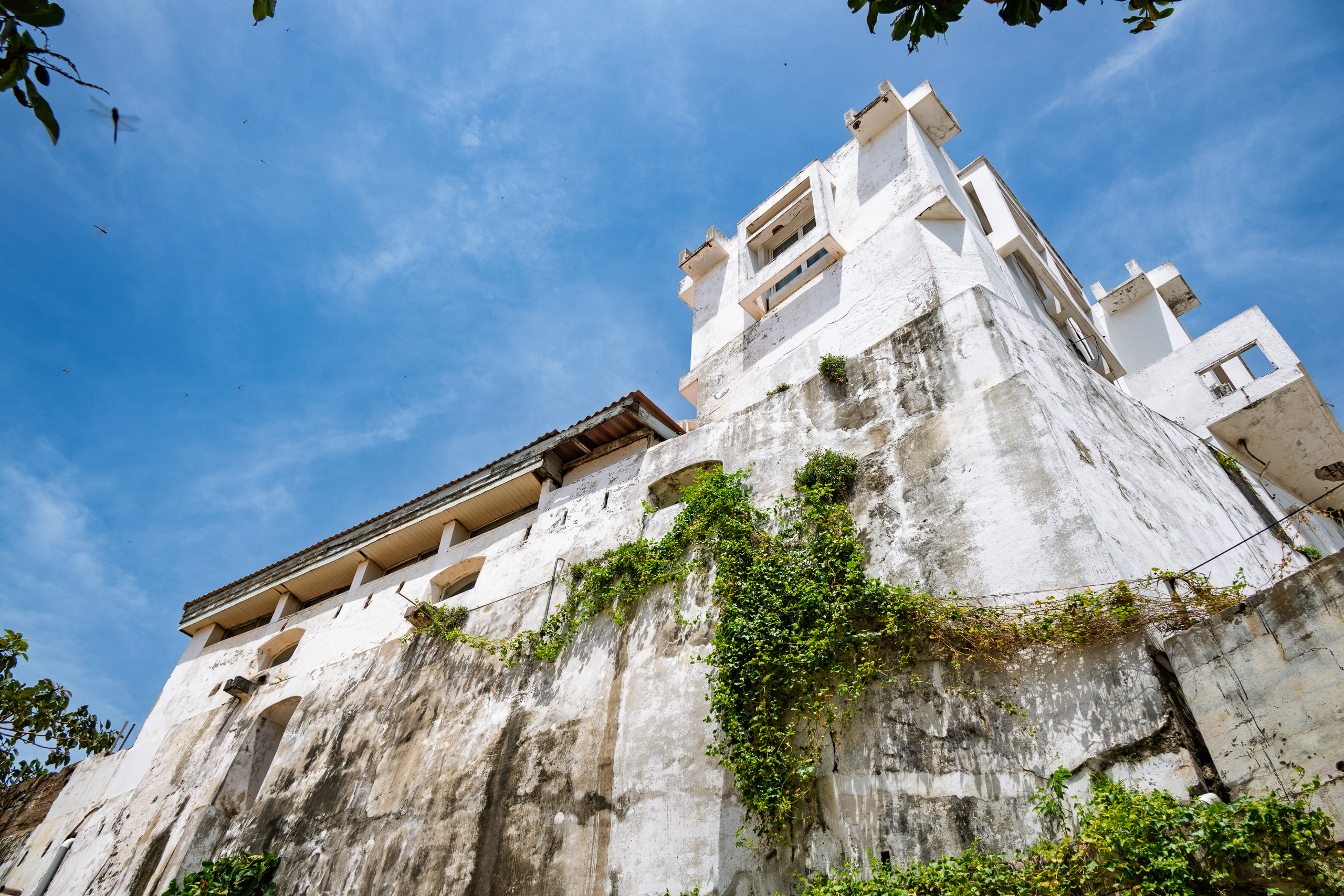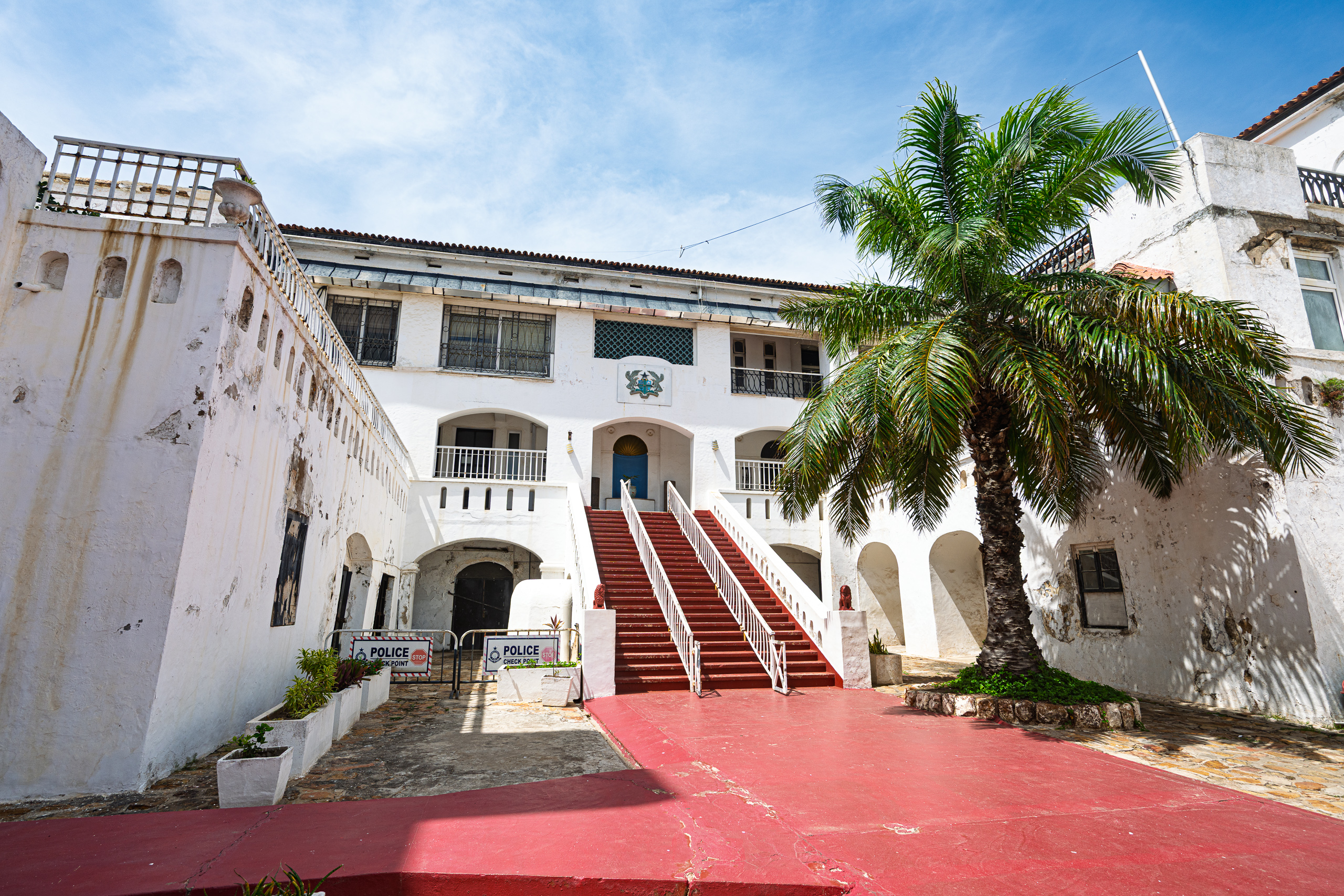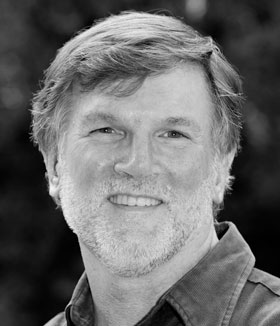
Today my colleague, Scott Christiansen, and I stood inside Osu Castle in Accra – Christiansborg – built by the Danes in the 1660s on a rocky promontory above the Atlantic. It’s a beautiful building.
But that is the first, uncomfortable truth.
The second truth is darker. In the dungeons below its whitewashed walls, up to 60 men were crammed into a single airless room for months at a time. Women, 30 to a cell. No light. No sanitation. No dignity. They waited there – sometimes for six months – not knowing what came next, but suspecting that it would be worse.
What did come next was a low doorway cut into the seaward wall. The Door of No Return.
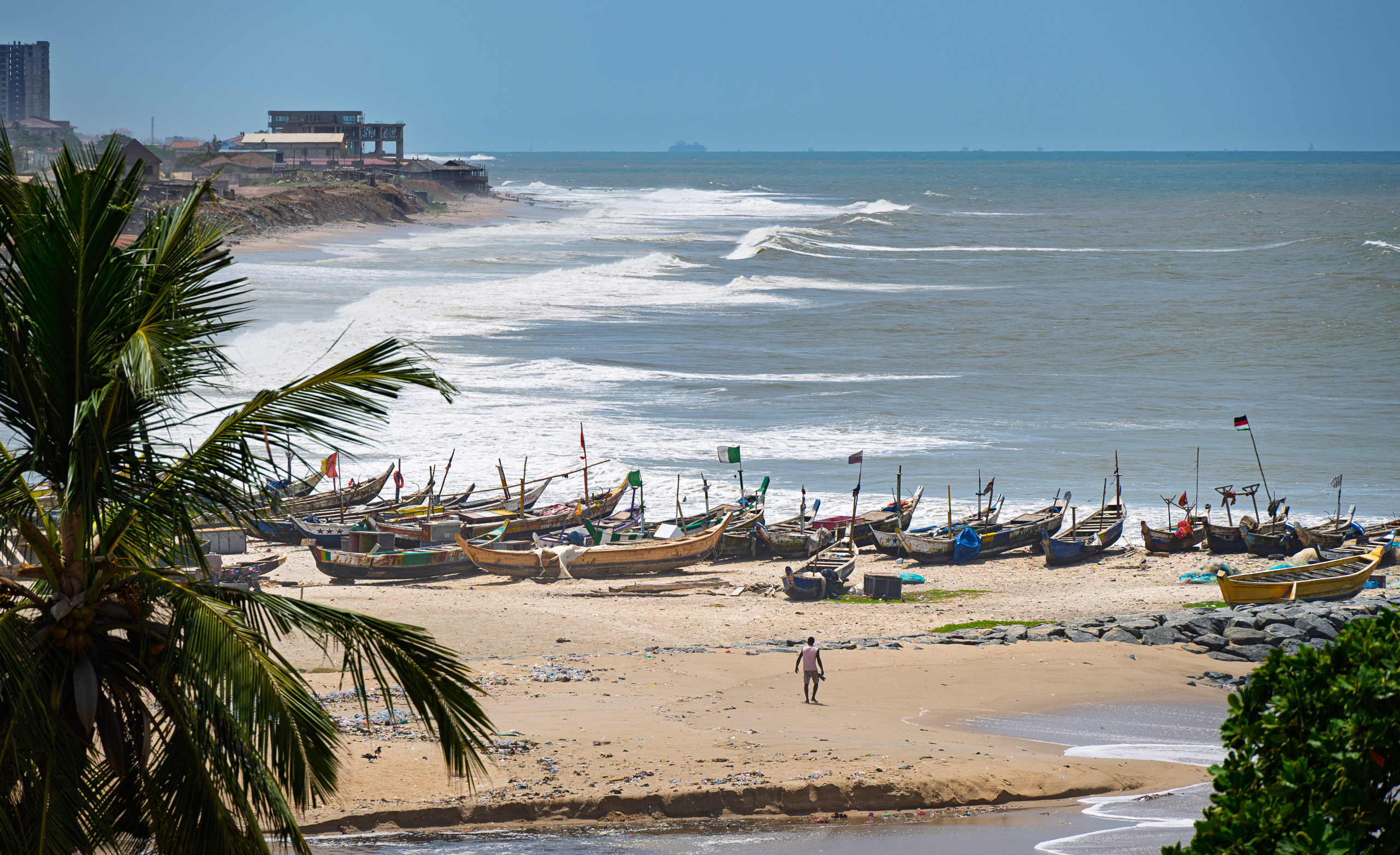
Through that door, 127,000 human beings walked in shackles down to the water’s edge, where they were loaded into canoes through the surf, and transferred to waiting ships. Suicide amongst the slaves was a pathway toward liberation and a form of resistance. The destination for many was what we now call the US Virgin Islands – then sugar plantations requiring an endless supply of bodies.
They left behind everything. Their names. Their languages. Their family lines. Their cultures. Their identities were not lost – they were deliberately erased.
The Danes traded in spices and gold before they traded in people. Somewhere along the way, the calculus shifted, and human beings became a commodity measured in currency. Osu changed into British hands a century or so later, but there was no change in the slave trade.
Standing at that door today, looking out at the same ocean those 127,000 people last saw before a life of bondage, I had no adequate words to explain how human beings could inflict such cruelty to other human beings.
I still don’t and probably never will.