
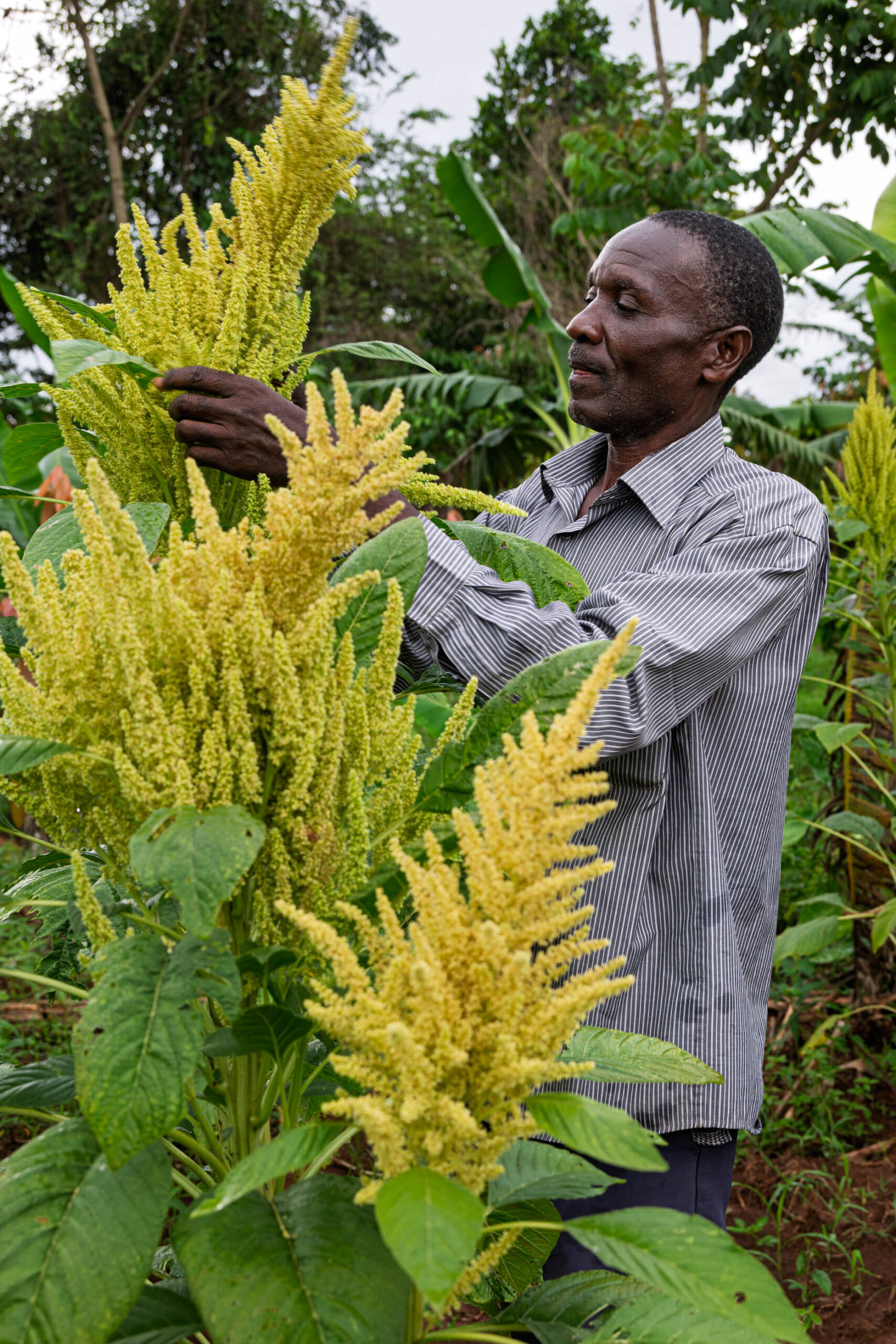
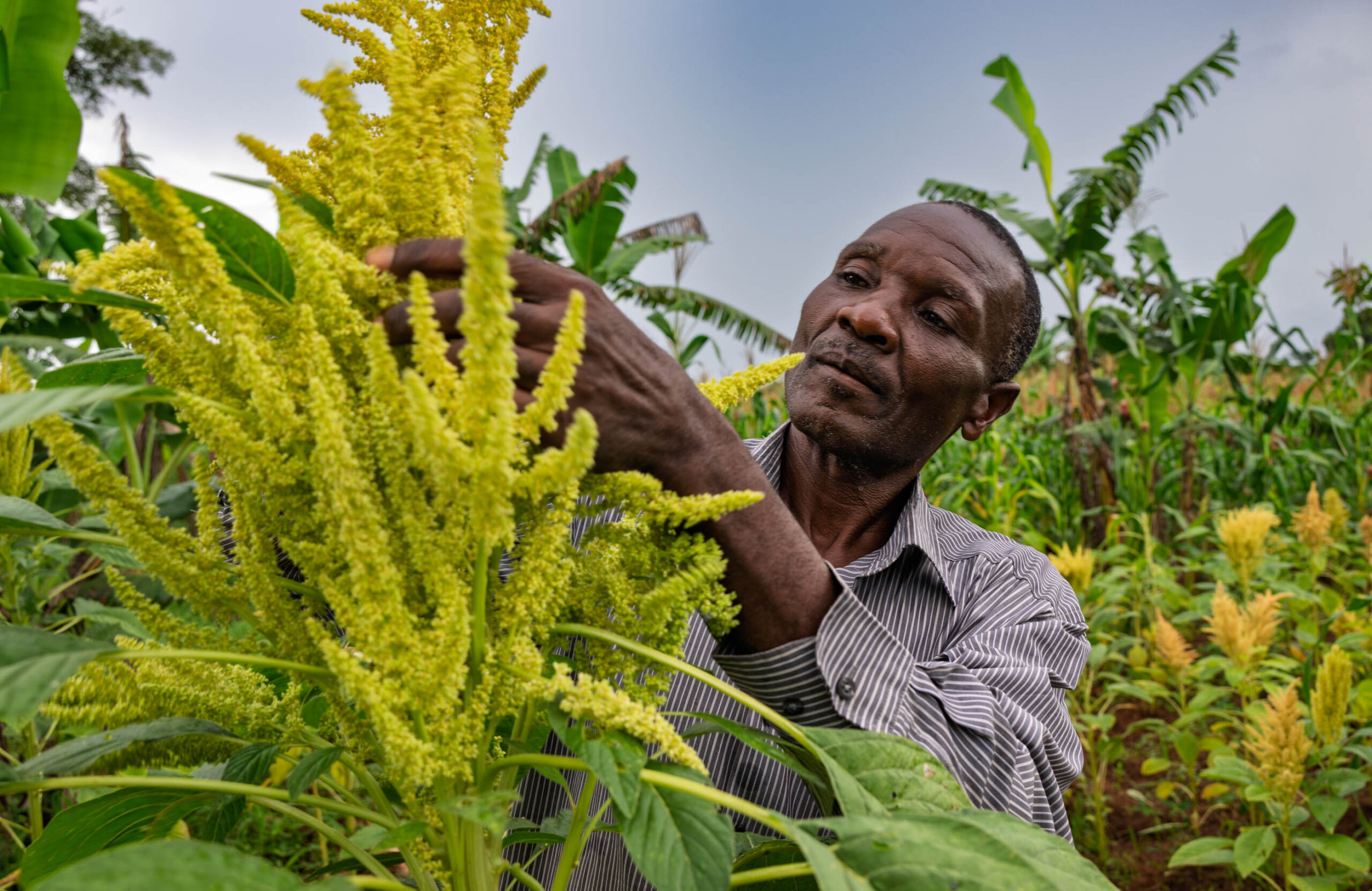
Down a muddy path in a smallholder farm near Kamuli in Uganda, past rows of cacao and towering maize, my colleague Scott Christiansen and I found Samuel Ngobi standing in a field that seemed to glow as storm clouds rolled in overhead.
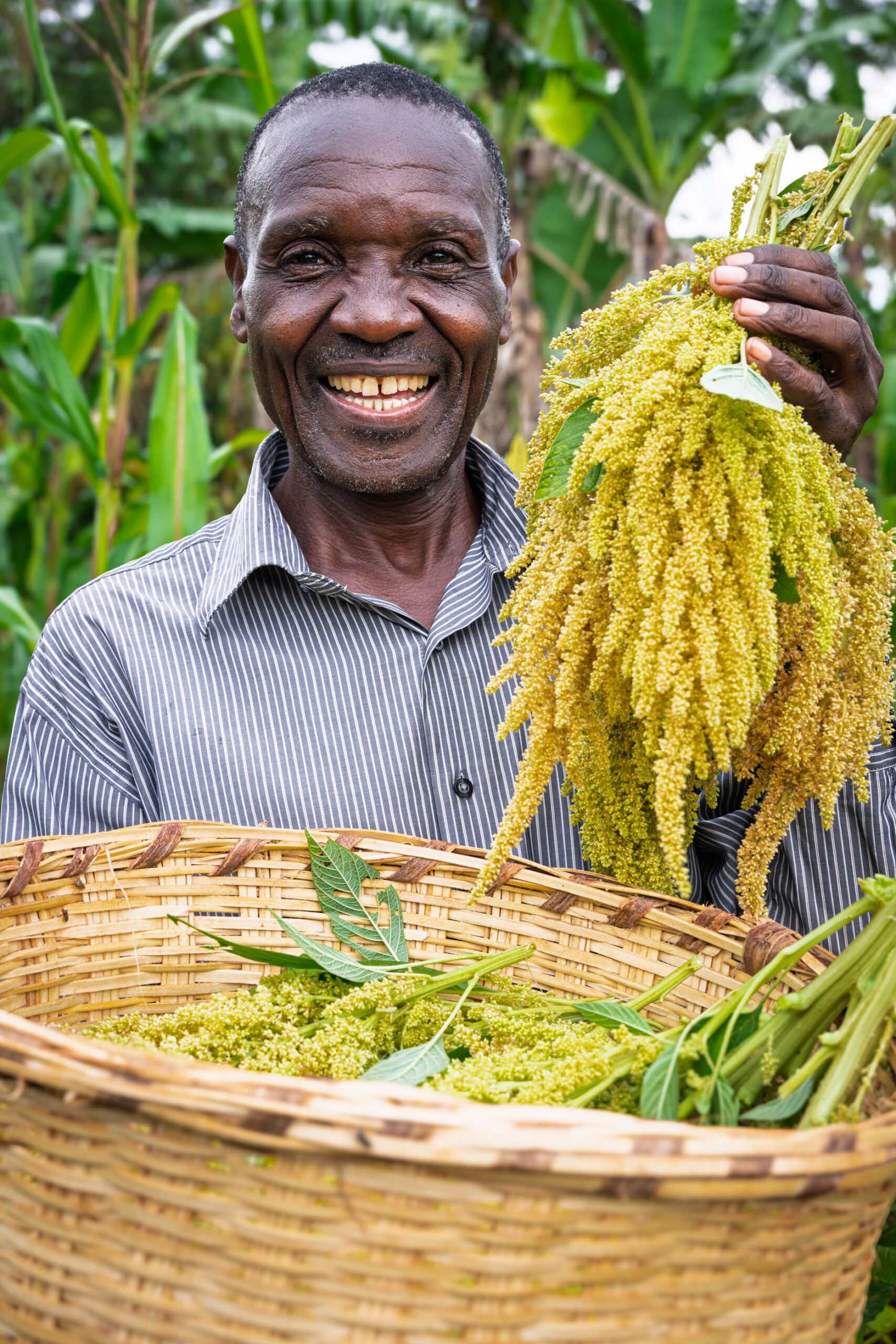
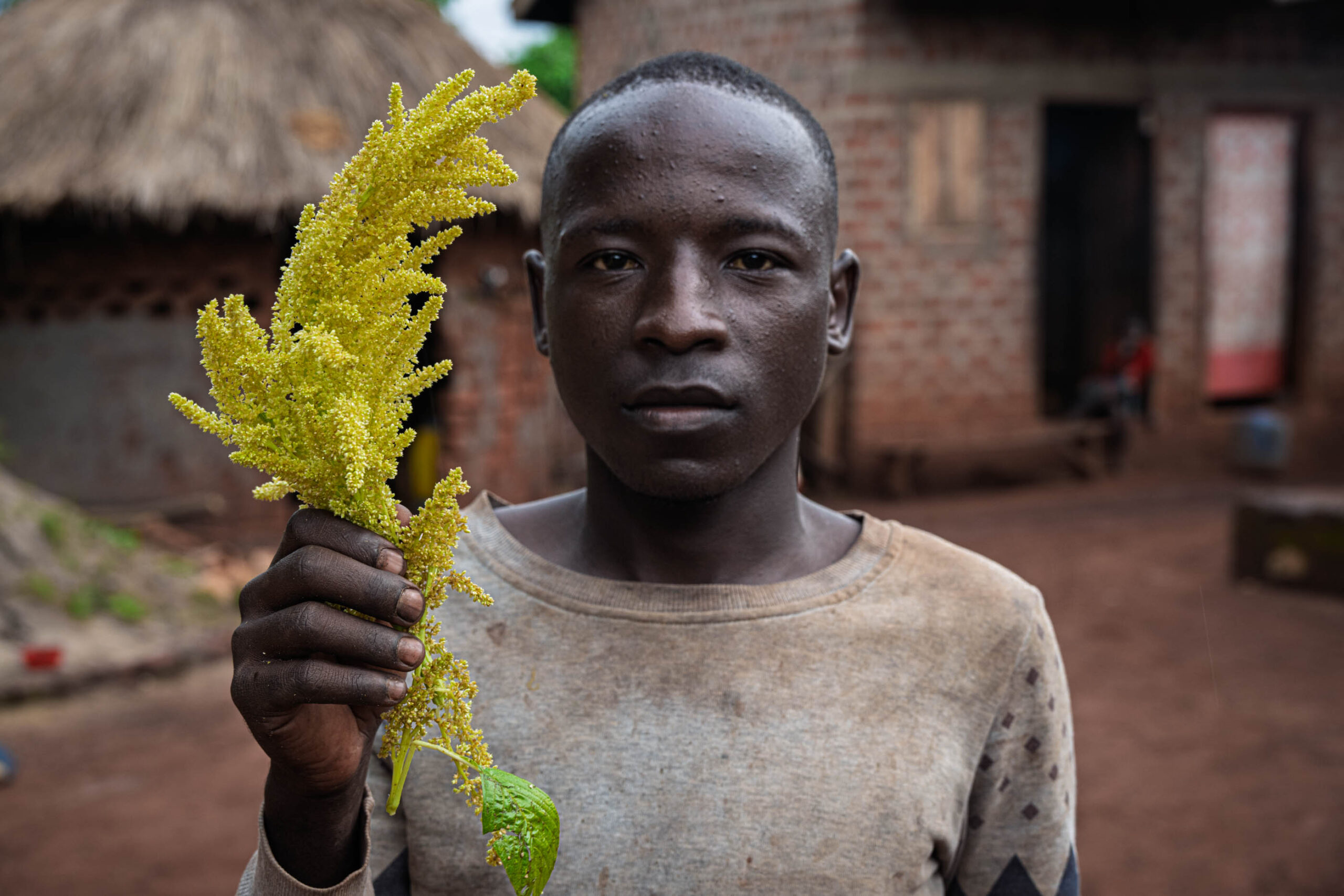
Samuel grows amaranth. And in these parts of Uganda it grows well.
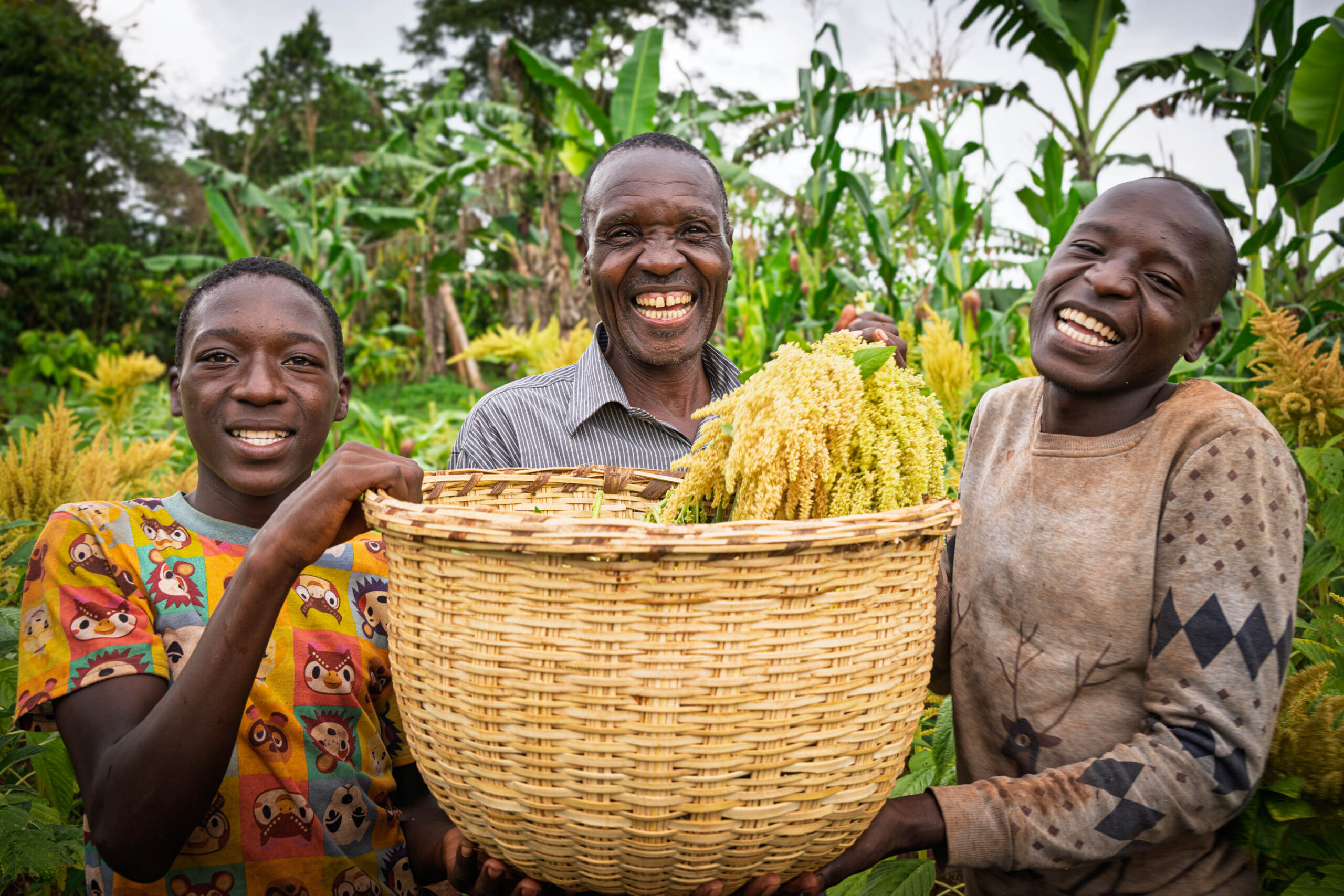
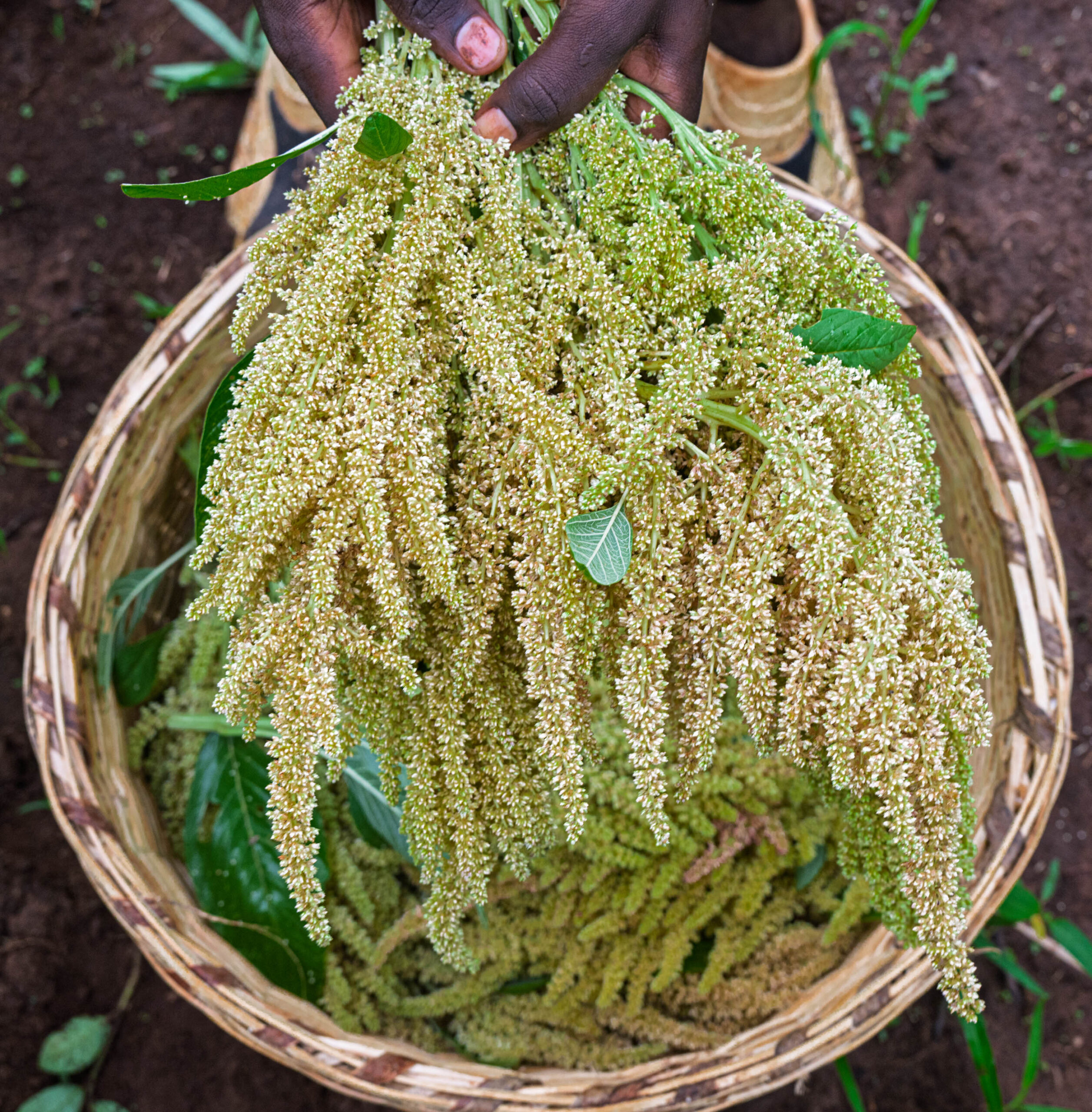
As the sky darkened and thunder rumbled in the distance, Samuel, along with his sons Steven and Emmanuel, moved quickly through the chest-high plants, harvesting armfuls of the brilliant yellow-green seed heads before the rains came.
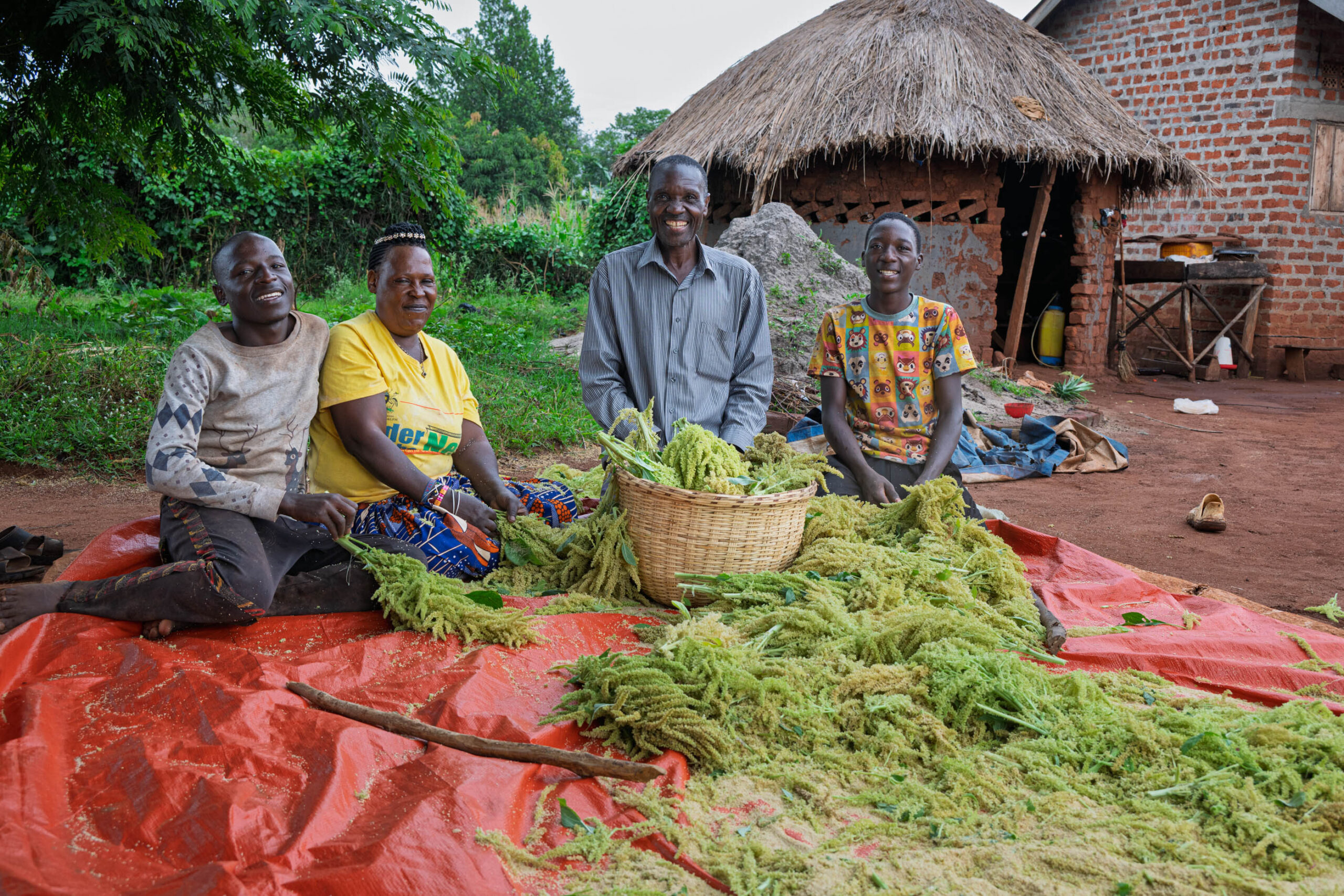
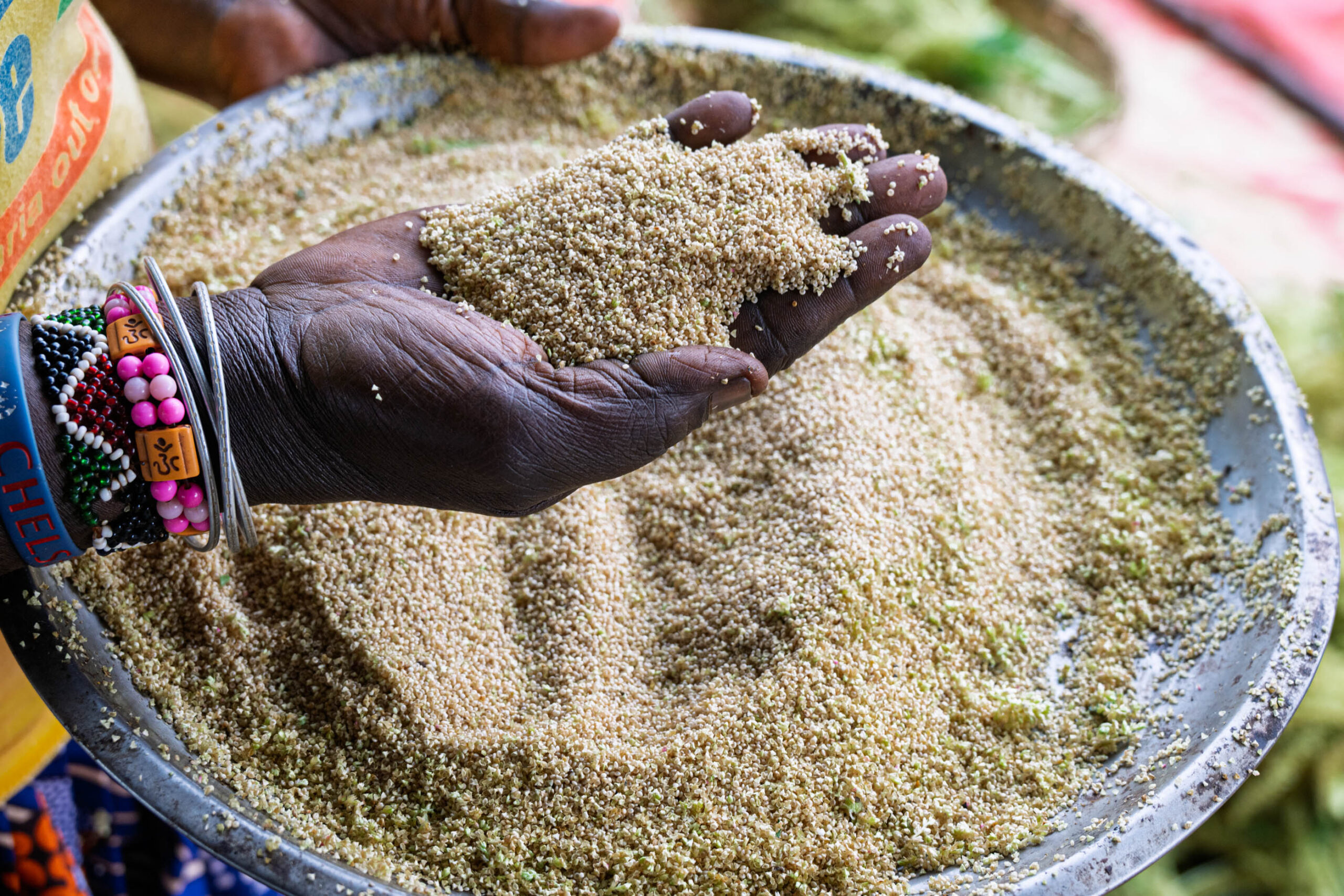
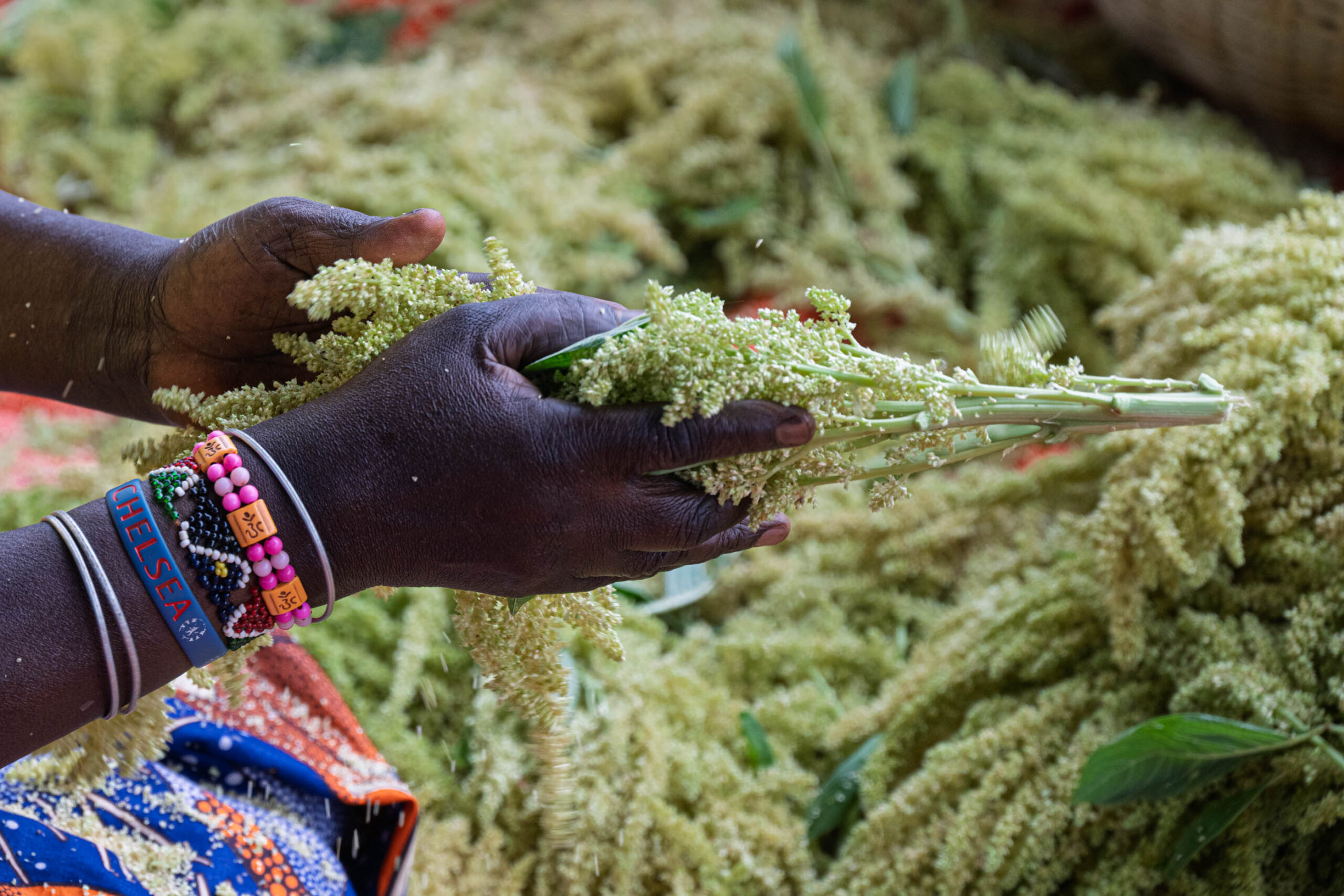
Back at the homestead, the family got to work – Mama Florence rubbing the flower heads between her hands to release the tiny seeds, the boys beating the stalks against a tarp with sticks, grain flying in every direction. It was tedious work, but they made it joyful.
Amaranth is one of the world’s most nutritious crops – rich in protein, iron, and calcium, drought-tolerant and, as we saw in Uganda, extraordinarily productive. Its story begins in Mesoamerica, where the Aztecs cultivated it for thousands of years as a sacred staple, before the Spanish conquistadors tried to erase it from history. Amaranth eventually found its way to Africa, but it never truly embedded itself in the continent’s food traditions the way it deserved to.
That’s changing. The Crop Trust’s BOLDER project has identified amaranth as a priority “opportunity crop” – one with the genetic diversity, nutritional value, and climate resilience to help feed communities in a world affected by climate extremes.
Samuel already knows what researchers are only beginning to rediscover. For his family, amaranth isn’t a forgotten crop. It’s a harvest worth celebrating.
All images used on this page were photographed by Michael Major for the Crop Trust and used here under a CC BY-NC-ND 2.0 license.