
Tag: Agriculture
-
THE BAMBARA GROUNDNUTS OF UNYAMIKUMBI
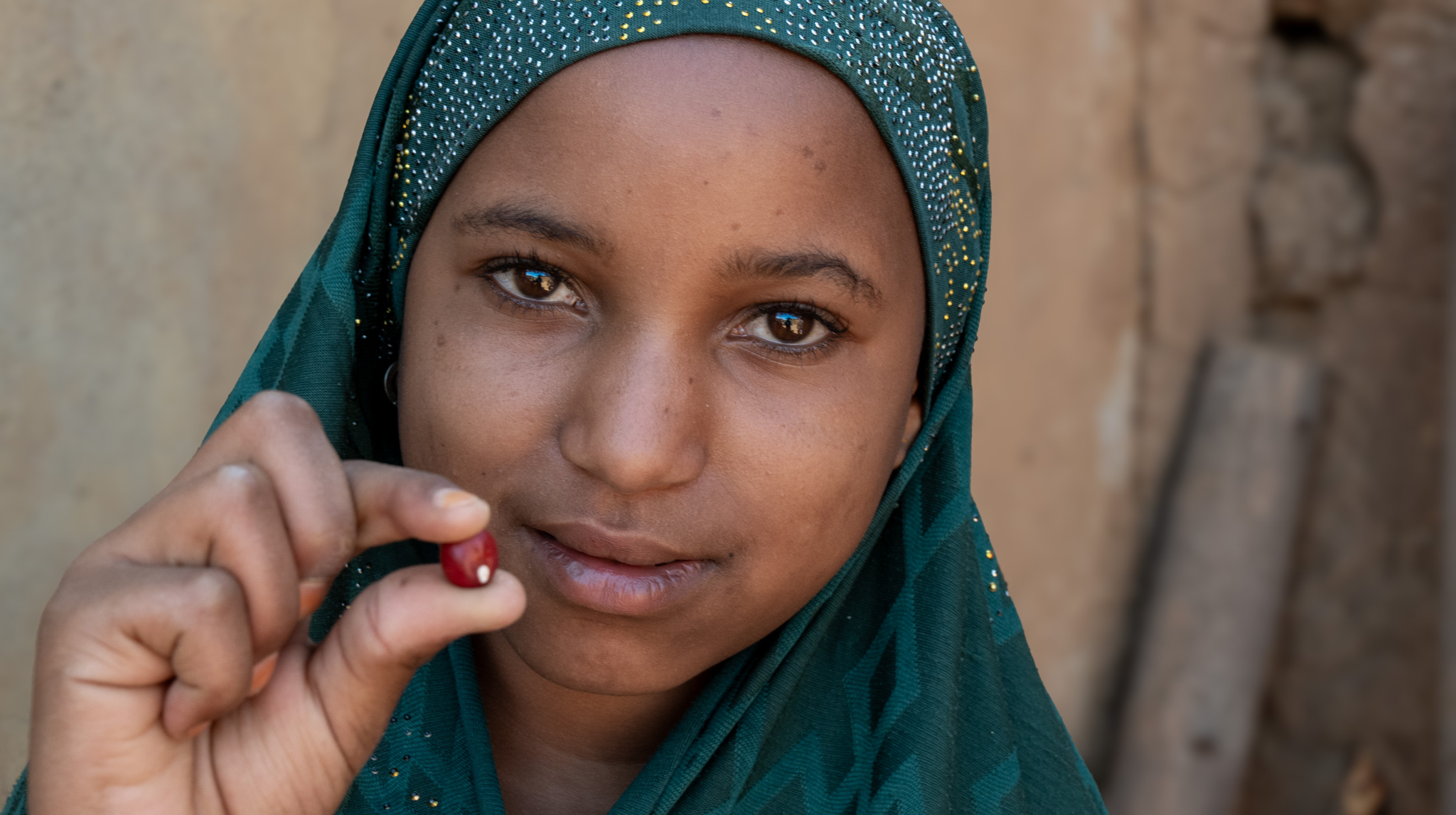
If you look at a dried Bambara groundnut in its shell you’d be forgiven if you thought it was a deformed peanut. They share a name. Peanuts are called ‘groundnuts’ in many places in the world. And they are both legumes. And both need to have hard shells removed prior to eating. But that’s pretty
-
RECLAIMING FONIO
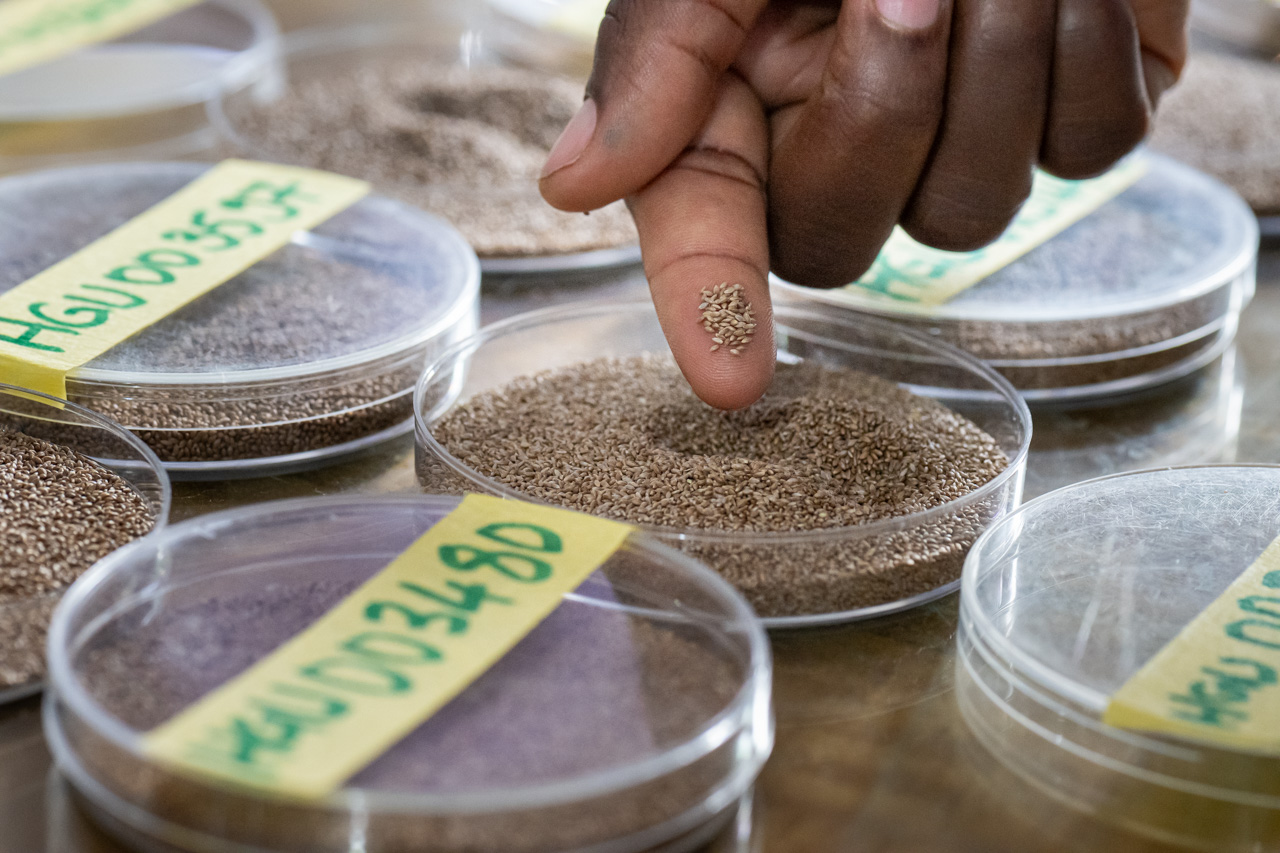
It’s one of the oldest cultivated crops in Africa but you’d be forgiven if you’d never heard of fonio. I had heard of fonio’s many qualities but had never seen nor eaten it. That’s changed now. I travelled to Benin with my colleague Scott Christiansen to learn more. Stakeholders in Benin led by the Crop
-
ASK THE WOMEN
A long time ago a client asked me to document a forestry project in the rural town of Hojancha in northern Costa Rica. I took photos of proud men standing by amazing stands of introduced eucalypts, Gmelina and teak. The trees were grown for both timber and firewood. But I learned the women weren’t too

-
THEY’RE HARVESTING POTATOES IN KENYA
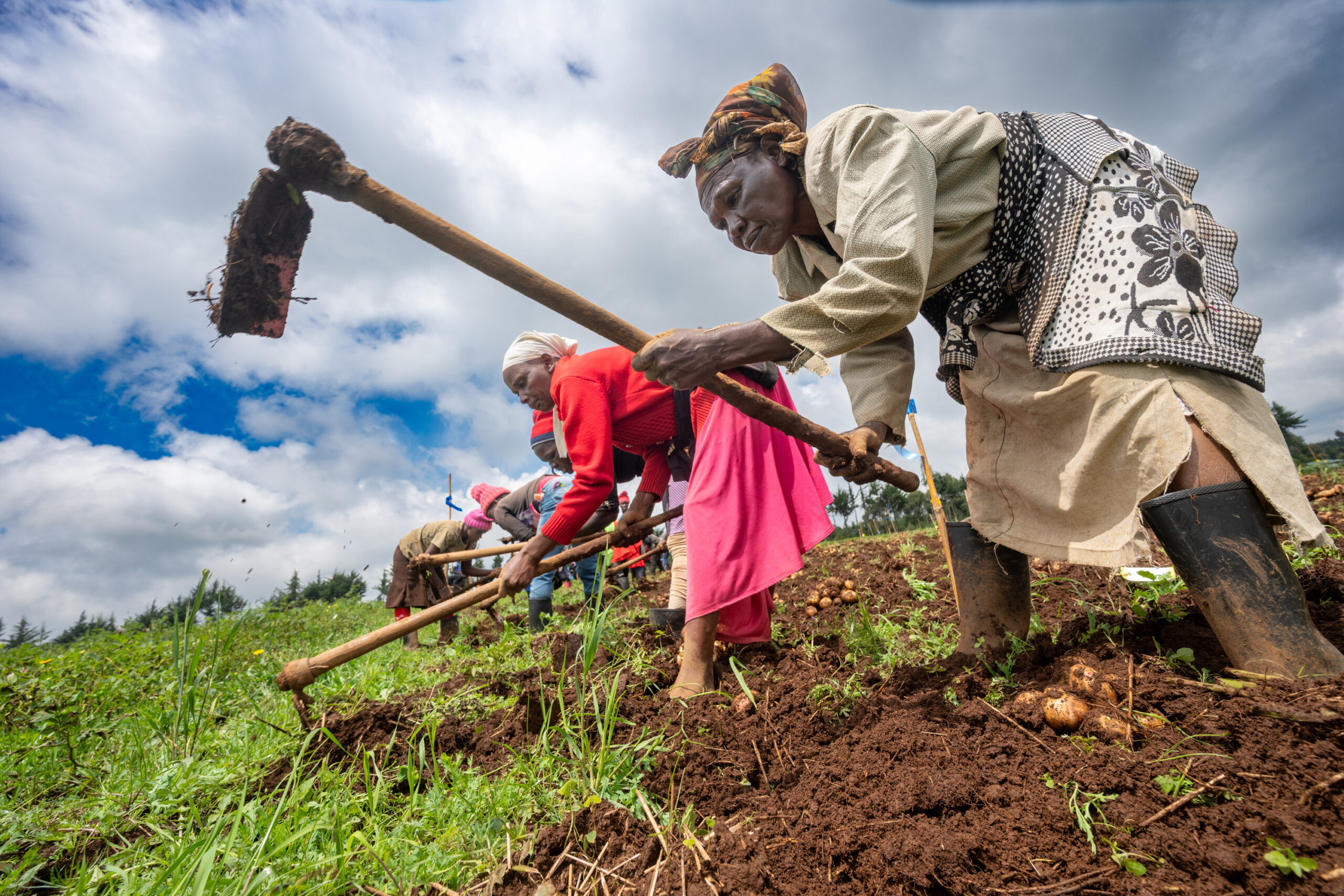
Potato harvesting in Kenya is being transformed through improved farming practices, including better seed selection, soil management, and access to agricultural support. These changes are helping smallholder farmers increase yields, strengthen food security, and build more resilient livelihoods in the face of climate and economic challenges across the region.
-
THE STIGMA OF GRASSPEA
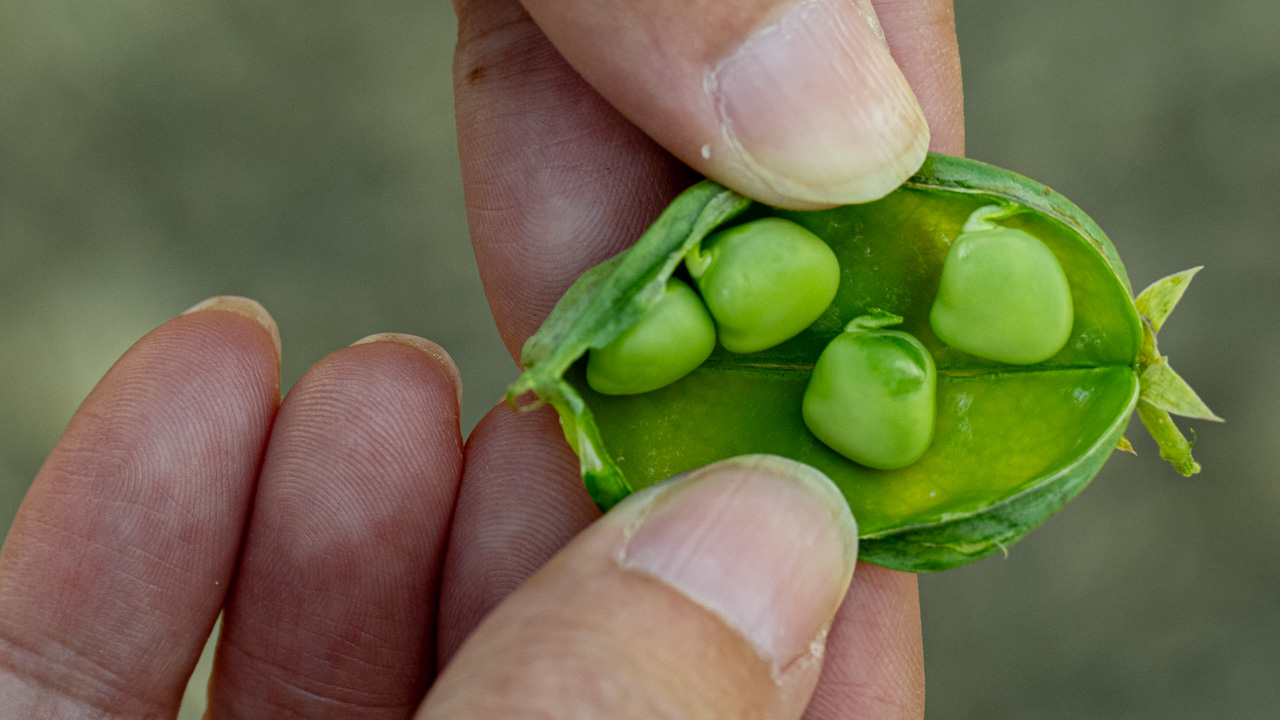
The ancient Greeks, notably Hippocrates, were pretty wary of grasspea (Lathyrus sativa). They figured if they ate too much they’d get some neurological disorders. The stigma of grasspea still persists today in many parts of the world.Last month I joined a team from the Crop Trust‘s BOLD Project to visit researchers and farmers in India
-
THE PEA OF THE CHAR
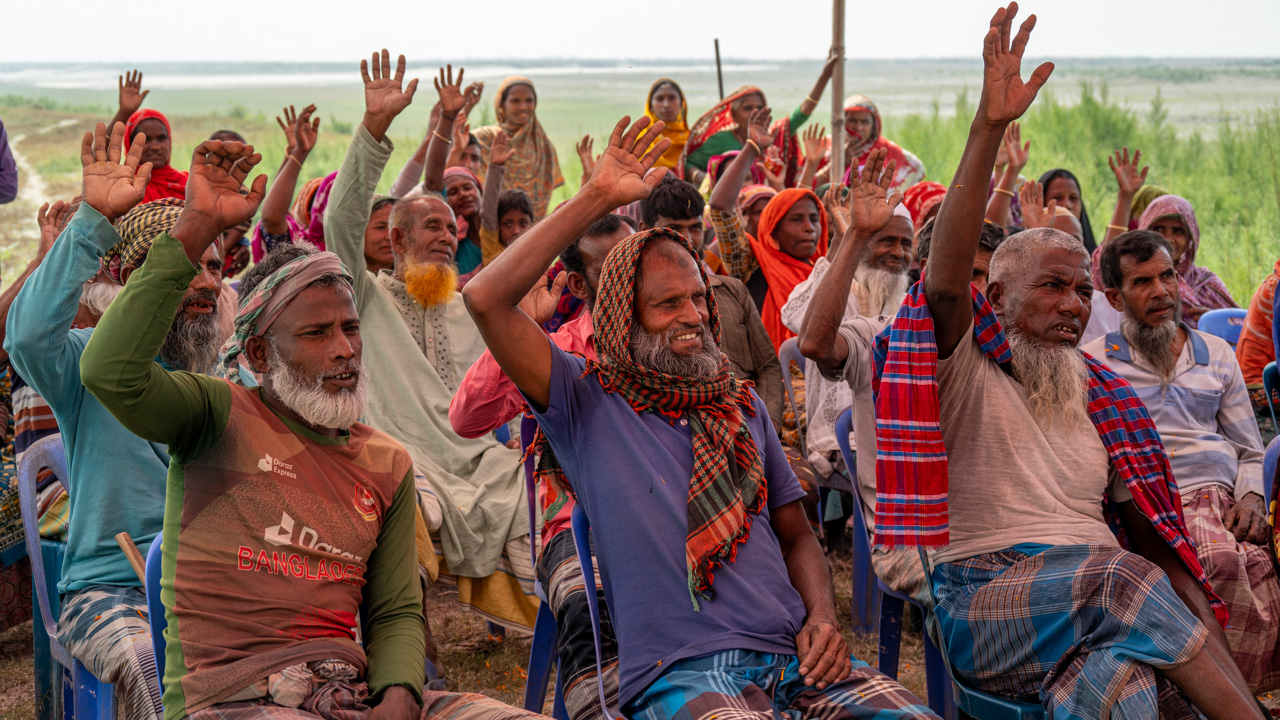
As I jumped off the horse cart and landed on the sandy soil of Charbongram, an island in the Brahmaputra River in Bangladesh, I kicked what appeared to be a weed. It was a scraggly, prostrate plant somehow surviving where no other plants could. ‘That’s grasspea,’ said ICARDA pulses breeder Shiv Agrawal proudly as if
-
GRASSPEA IS A GRACIOUS GIFT OF GOD GLOBALLY (5G)
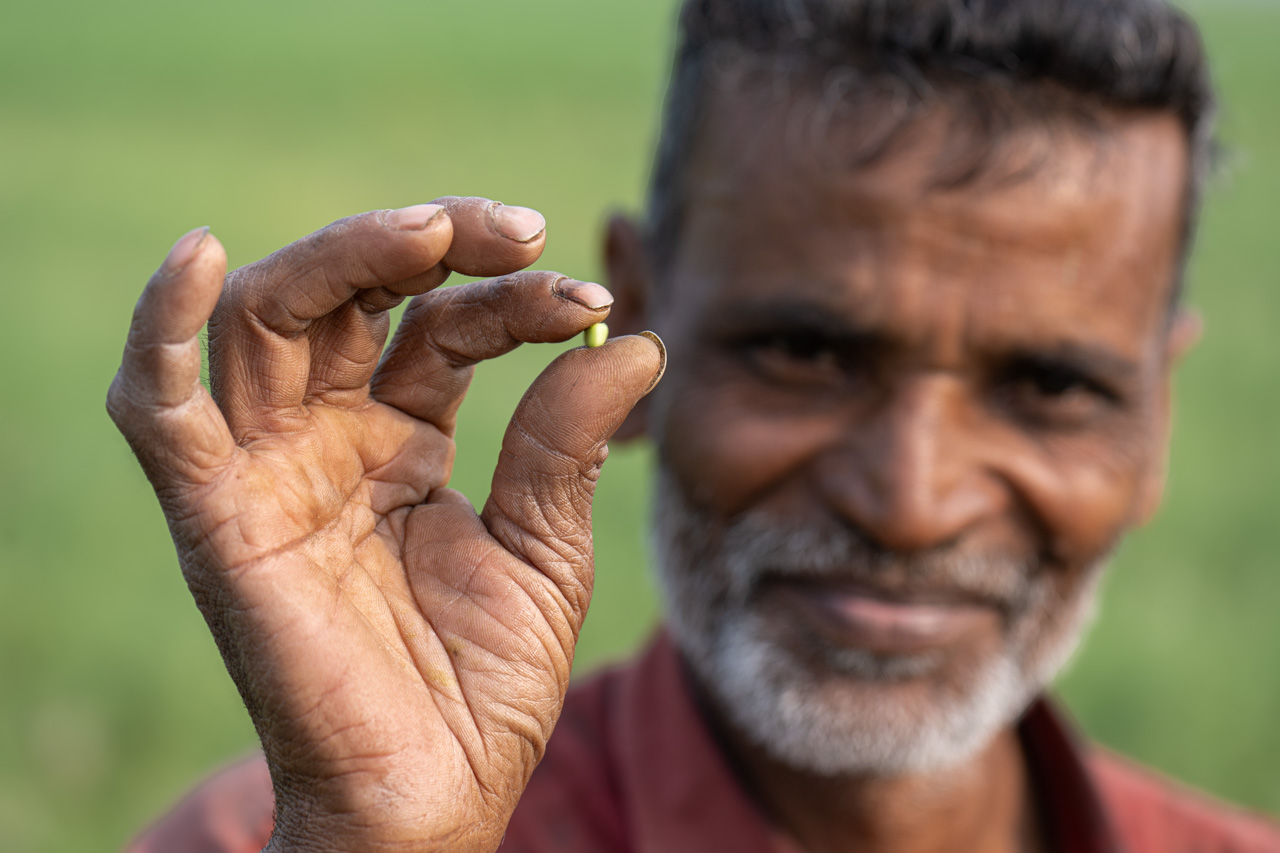
As I stood in the middle of a 28-acre community managed grasspea field in West Bengal, India, I asked how the villagers divided the tasks of managing the field. There were puzzled looks on the farmers’ faces. ‘There is no labour with grasspea … only sowing. God does the rest.’ Former ICARDA pulse breed Ashuthosh
-
SHUSHILA SPEAKS OUT
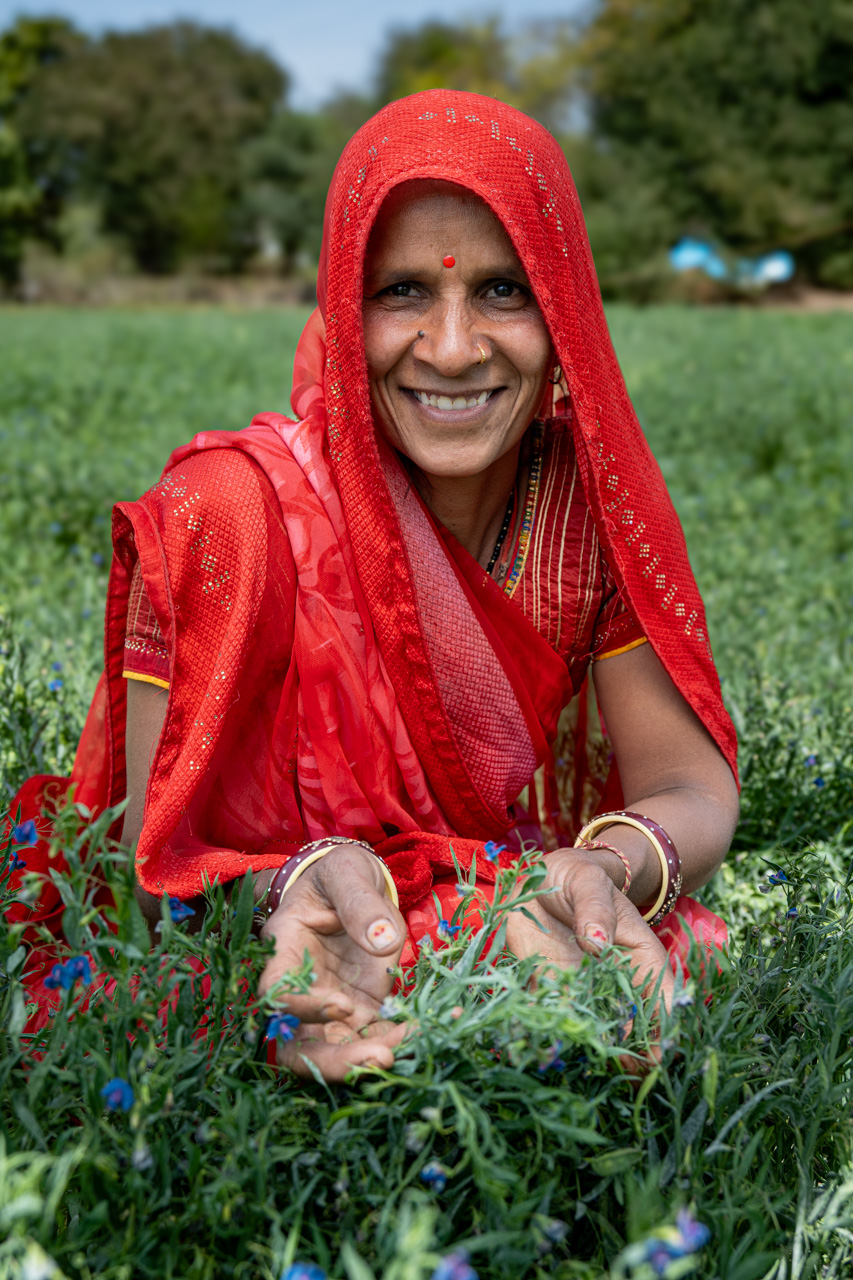
As our convoy of three cars arrived to Bamuliya, a village an hour out of Bhopal, we were met by a gaggle of men. They escorted us to a field neatly planted with grasspea. I asked which of the men was the farmer and then attached a microphone to his shirt. I forgot some equipment,
-
PRESERVING MALAN IN CENTRAL KALIMANTAN
Papa Dewi told me about his way of ‘malan’. That means farming in his native Ngaju Dayak language of Central Kalimantan in Borneo, Indonesia. And it’s based on planting seeds according to local wisdom and ancestral customs. Those seeds are inseparable from the Dayak way of life. But the malan traditions are disappearing as traditional
If you see this after your page is loaded completely, leafletJS files are missing.