
Tag: Agriculture
-
SHUSHILA SPEAKS OUT
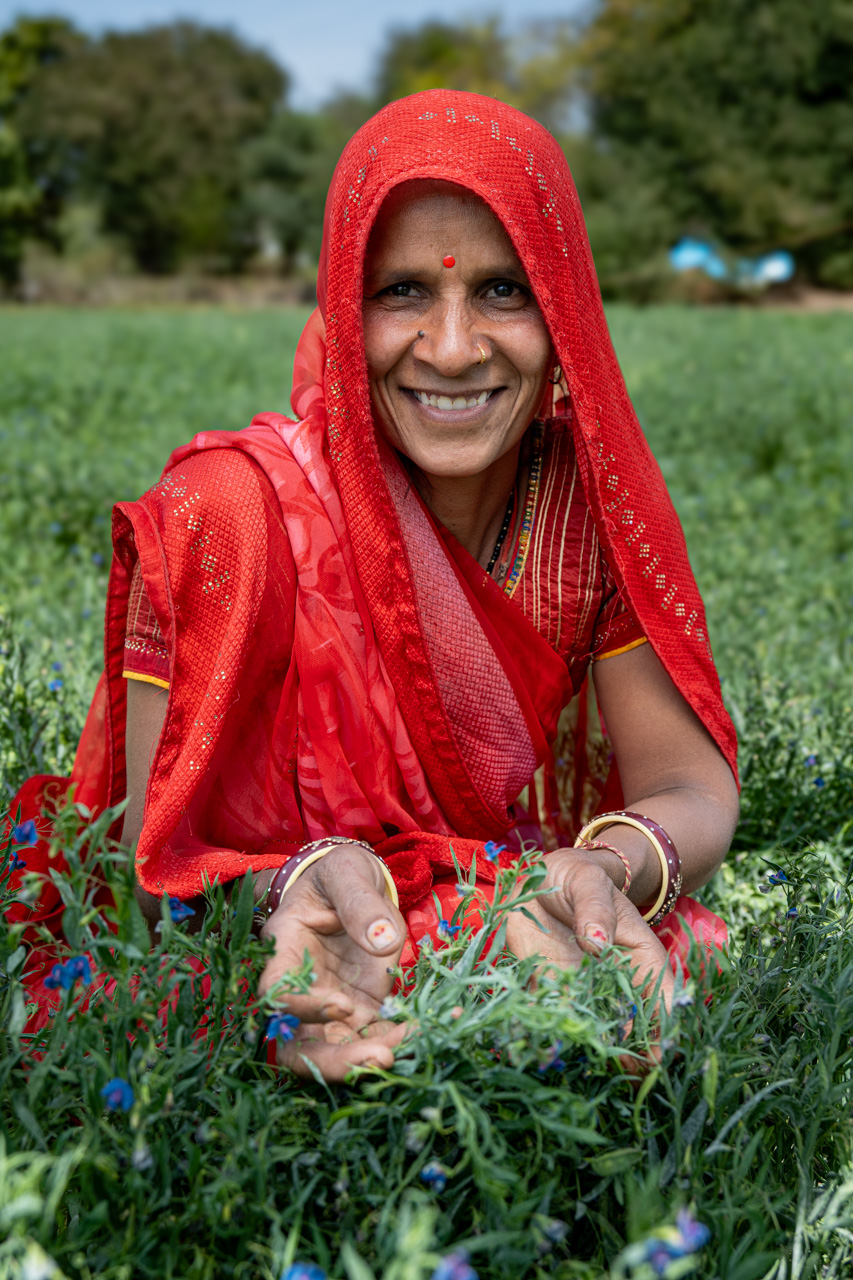
As our convoy of three cars arrived to Bamuliya, a village an hour out of Bhopal, we were met by a gaggle of men. They escorted us to a field neatly planted with grasspea. I asked which of the men was the farmer and then attached a microphone to his shirt. I forgot some equipment, so I hiked back to the car. As I passed the farmhouse a woman in a glowing red sari came out the door and looked to see where everyone had disappeared to. I greeted her with…
-
PRESERVING MALAN IN CENTRAL KALIMANTAN
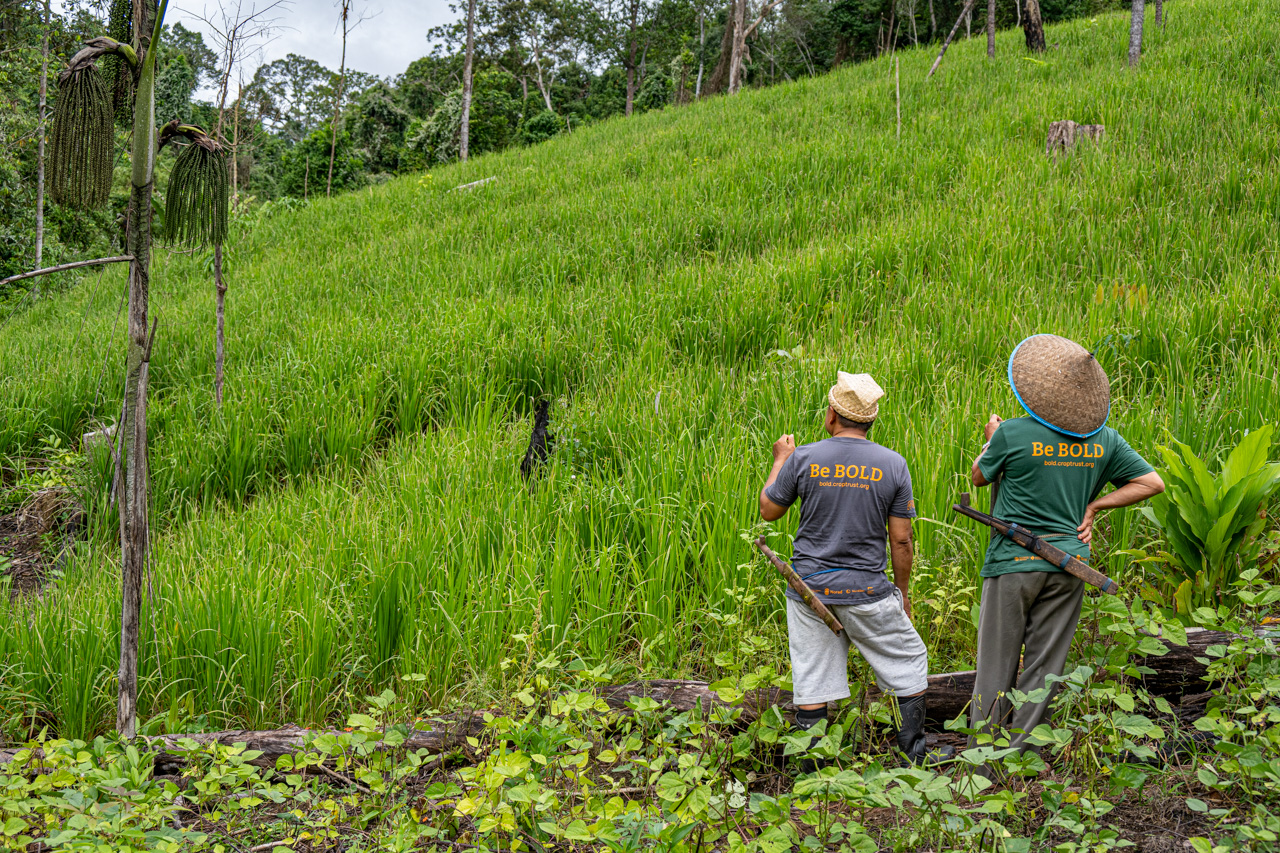
Papa Dewi told me about his way of ‘malan’. That means farming in his native Ngaju Dayak language of Central Kalimantan in Borneo, Indonesia. And it’s based on planting seeds according to local wisdom and ancestral customs. Those seeds are inseparable from the Dayak way of life. But the malan traditions are disappearing as traditional lands are now being planted to palm oil plantations or destroyed through gold mining or limited by government regulations. When farmers are able to farm, they often don’t have access to enough quality seed at the…
-
THE ROADSIDE MARKET IN PNG
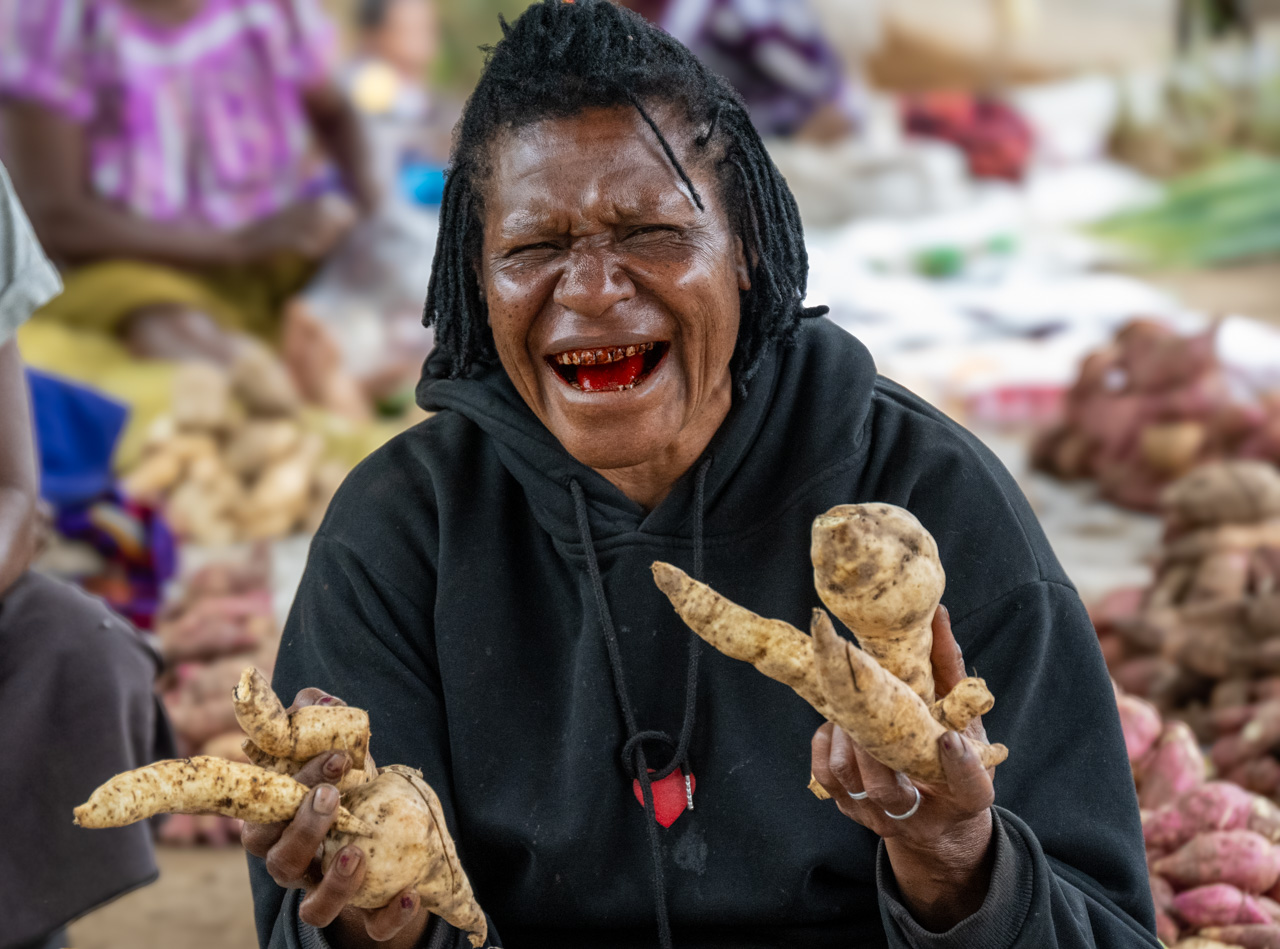
If you want a good sweetpotato in Papua New Guinea you don’t need to go to a supermarket. Just pull over on the road … on almost any road (but there are not too many roads in this super rugged country). My hosts from the National Agricultural Research Institute and I drove past a market near Goroka in the Central Highlands and pulled over in front of a huge display of different varieties of sweetpotato. I didn’t want to buy sweetpotatoes any but wanted to document the diversity. As I jumped…
-
I DON’T CARE SWEETPOTATOES
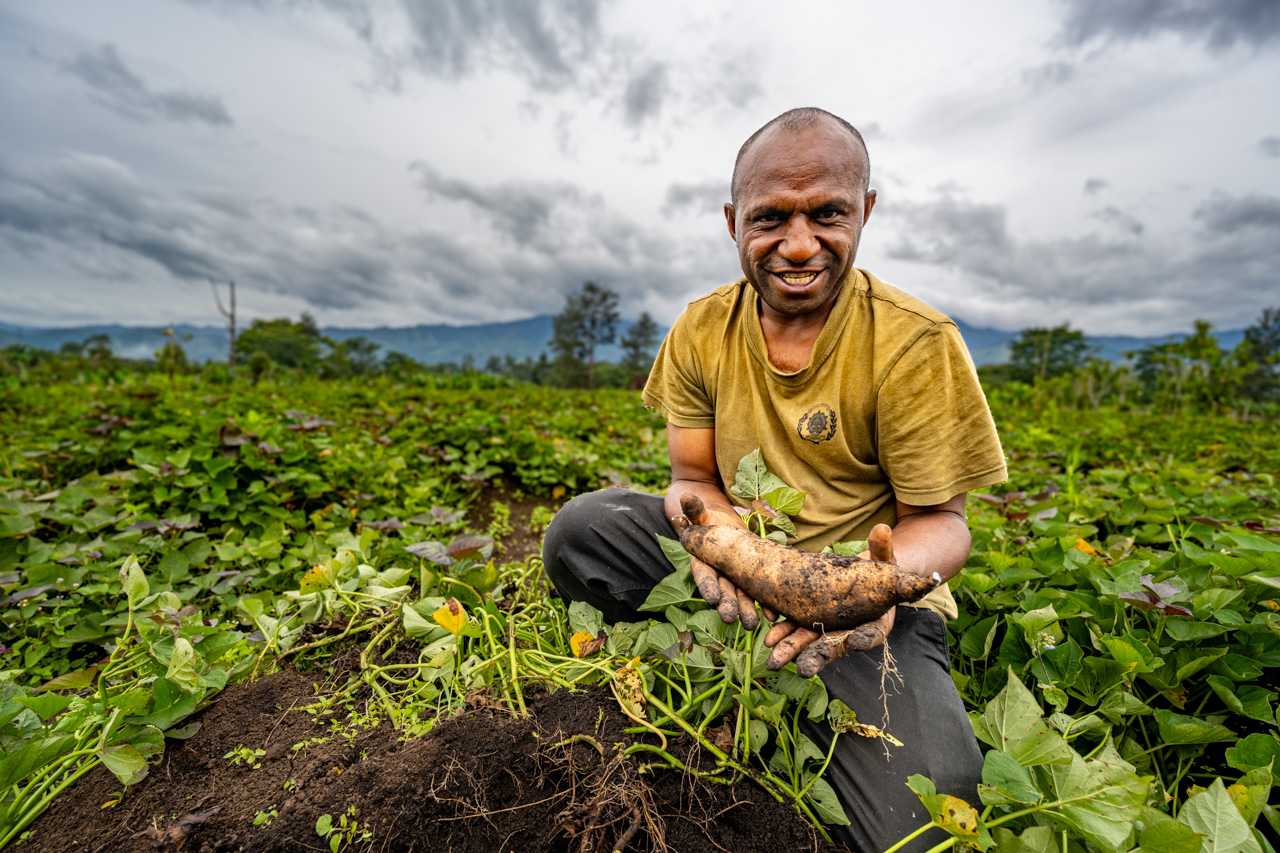
There’s a sweetpotato in Papua New Guinea called ‘gimane’. But the farmers prefer to call it ‘I don’t care’. It’s because it grows so well they don’t have to care about much once they get a vine or tuber in the ground and it’ll grow. No fertilizers, no insecticides … not really much to care about and in 4-5 months you’ll get a decent harvest. Gimane is one of about 1,000 varieties of sweetpotato in PNG. Traders brought vines or tubers here about 300 years ago and it’s just run amok…
-
FARMER TRAINING IN MOZAMBIQUE
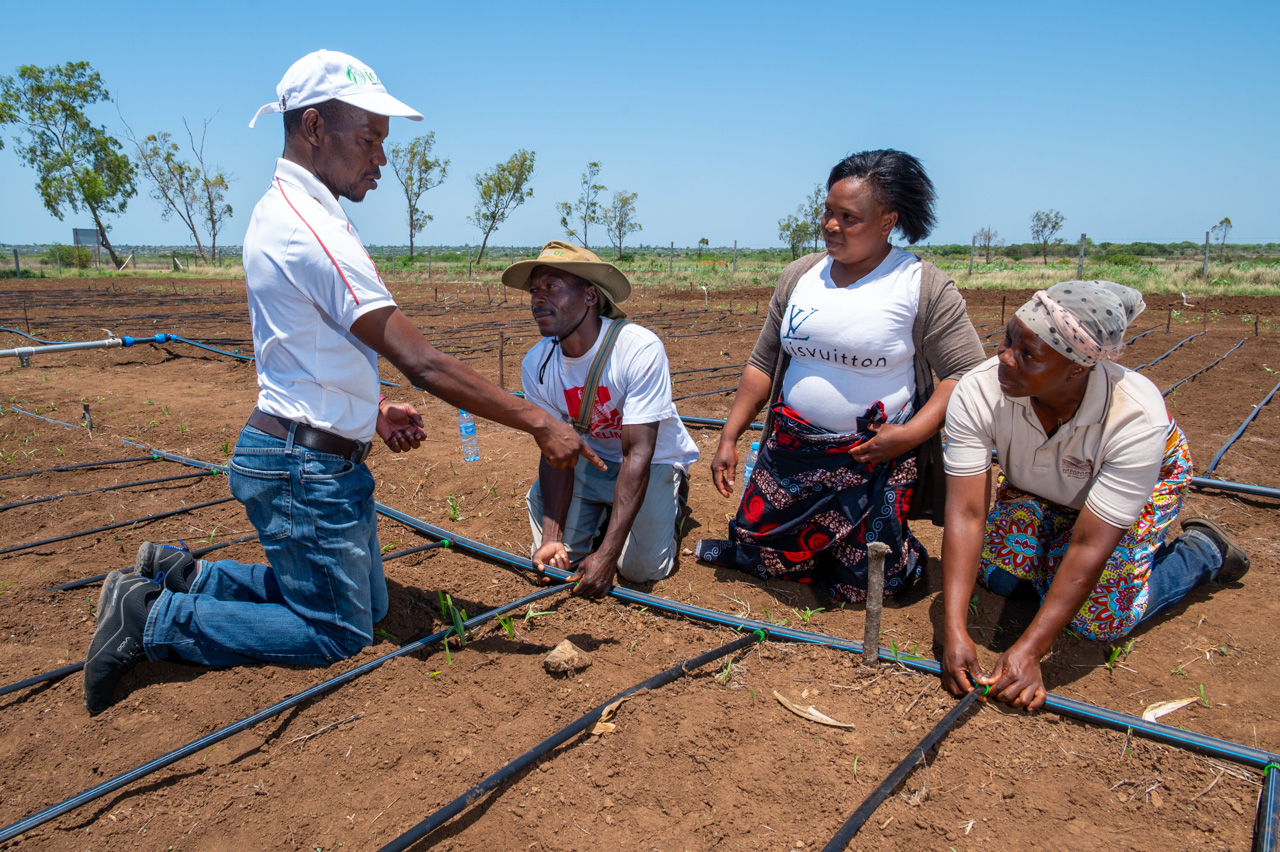
It takes a lot of smarts to be a farmer. There’s so much you need to know. What to plant, when to plant, how to fertilise, how to irrigate. The farmers of Moamba in Mozambique have been passing on local knowledge about how to tend their crops for generations. But the climate is changing faster than the locals can adapt their farming practices to suit the ever growing number of challenges they now encounter. The folks at IIAM, Mozambique’s agricultural research institute, have been teaching the farmers some new techniques as…
-
THE GOLD MEDALIST OF KWENENG
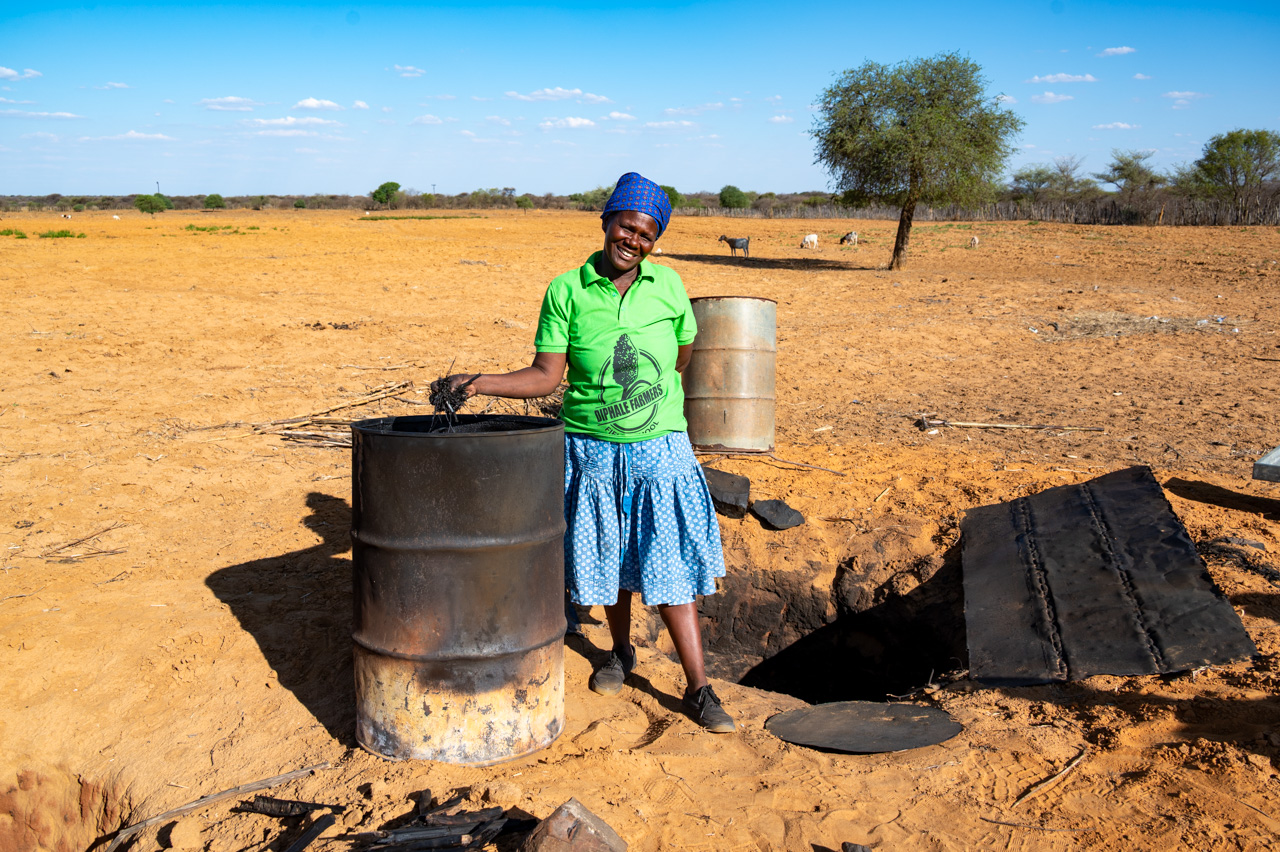
The rains in the Kweneng District of southern Botswana start in November. Until then farmers’ fields are pretty much barren. But when the rains come, farmers start to sow. I came to the farm of Mrs Rebaone Seabelo to see her innovation for making biochar. As we walked to her compound I asked if she had her seed ready for sowing next month. She said yes and then disappeared into a hut. And then one after one, baskets of seed started coming out of that hut. Five varieties of cowpea, three…
-
THE MELON JUICE MAKER OF MOLEPOLOLE
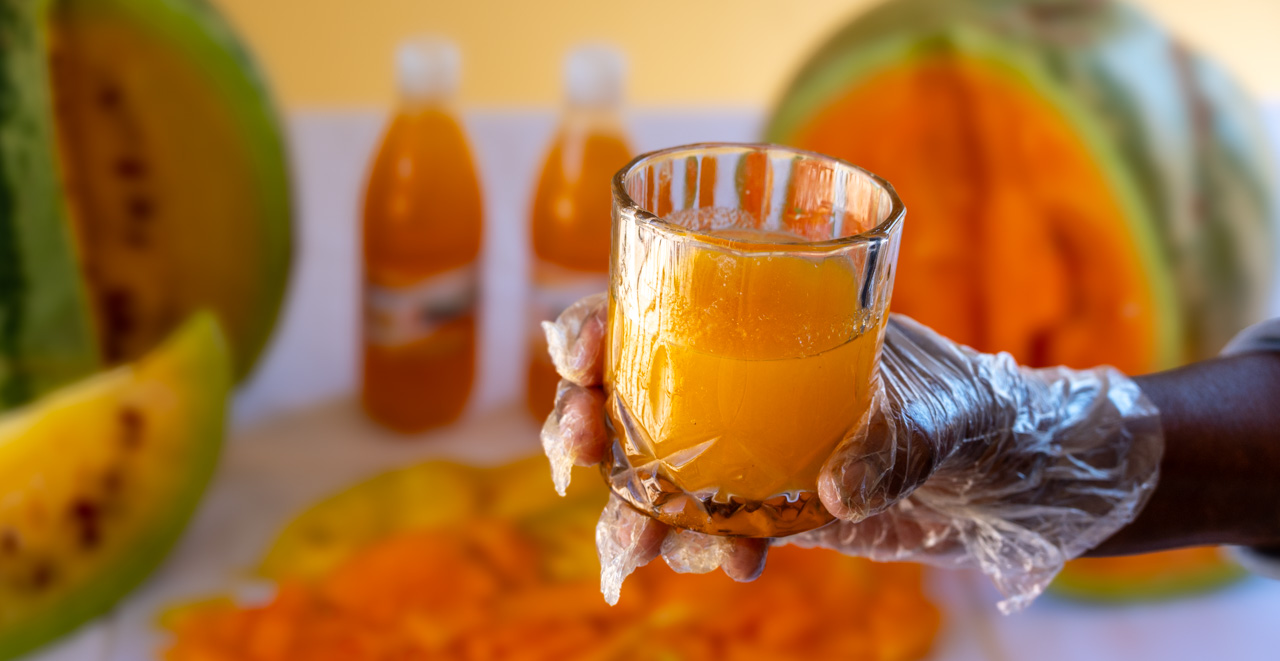
I met a remarkable woman turning cooling melons into something extraordinary. Her juice is a symbol of innovation, resilience, and local pride. Watching her grow her business with traditional crops and modern know-how left me hopeful for what small-scale farmers can achieve, even in the face of climate change.
-
RISE AND SHINE WITH COWPEA FLOUR
The members of the Rise and Shine multipurpose cooperative in a village near Buchanan, Liberia have been growing cowpeas for as long as they can remember. They eat the peas and the greens and may also use it to feed their livestock. But they have never used cowpeas as a substitute for wheat flour. Most wheat is imported and yet cowpeas grow in their backyards. And cowpeas are rich in protein. So the team at Liberia’s Central Agricultural Research Institute taught the Rise and Shiners how to make cowpea flour and use…

-
IRON-TOLERANT RICE FOR LIBERIA
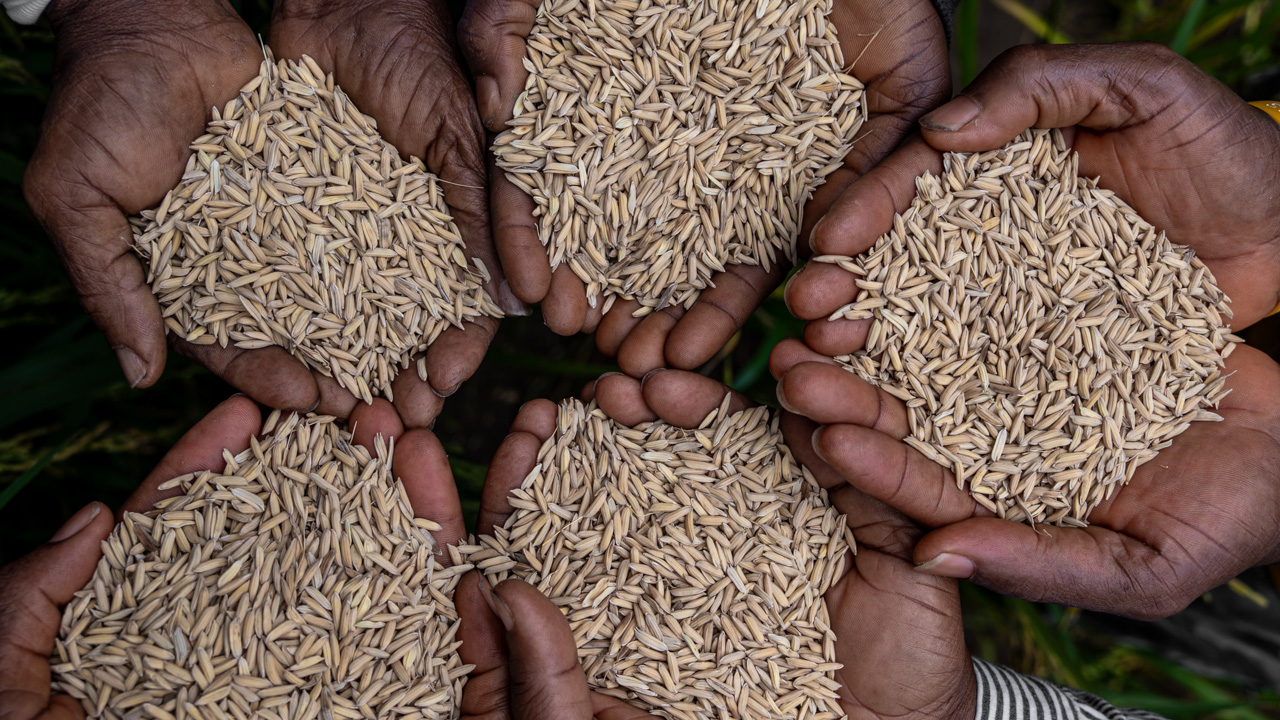
There are two types of rice. I’m not talking of basmati and jasmine and brown rice. There are two species of rice. The one most of us eat is Asian rice. The other is African rice. They’re both rice, but quite different genetically. In West Africa they plant both, but the African is the local. African rice has a slightly nuttier taste than Asian rice. West Africans eat a lot of rice and prepare a dish called jollof rice, which became my food of choice whenever we ate out. In the…
If you see this after your page is loaded completely, leafletJS files are missing.