
Tag: Agriculture
-
MULTIPLYING COWPEA SEEDS IN LIBERIA
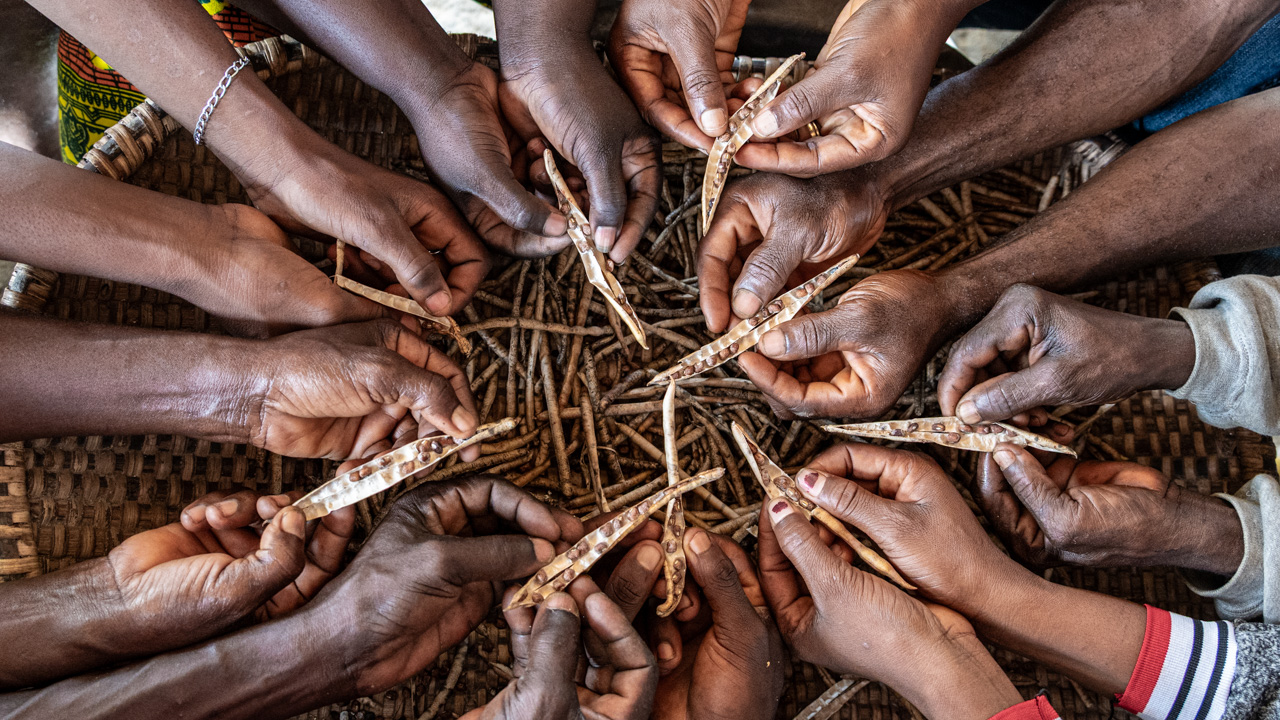
You may not think you know what cowpeas are but by another name they may sound familiar. It’s thought the slave ships that departed from West Africa for three centuries carried not only slaves but also cowpea seeds. Some say the slaves brought that which is dearest to them and hid cowpea seeds in their hair. Others say the slave traders filled their hulls with the cowpeas as food. Regardless of how they arrived, they became an important food for slaves in the Americas where they are better known as black-eyed…
-
PLANTING RICE IN STRAIGHT ROWS IN SIERRA LEONE
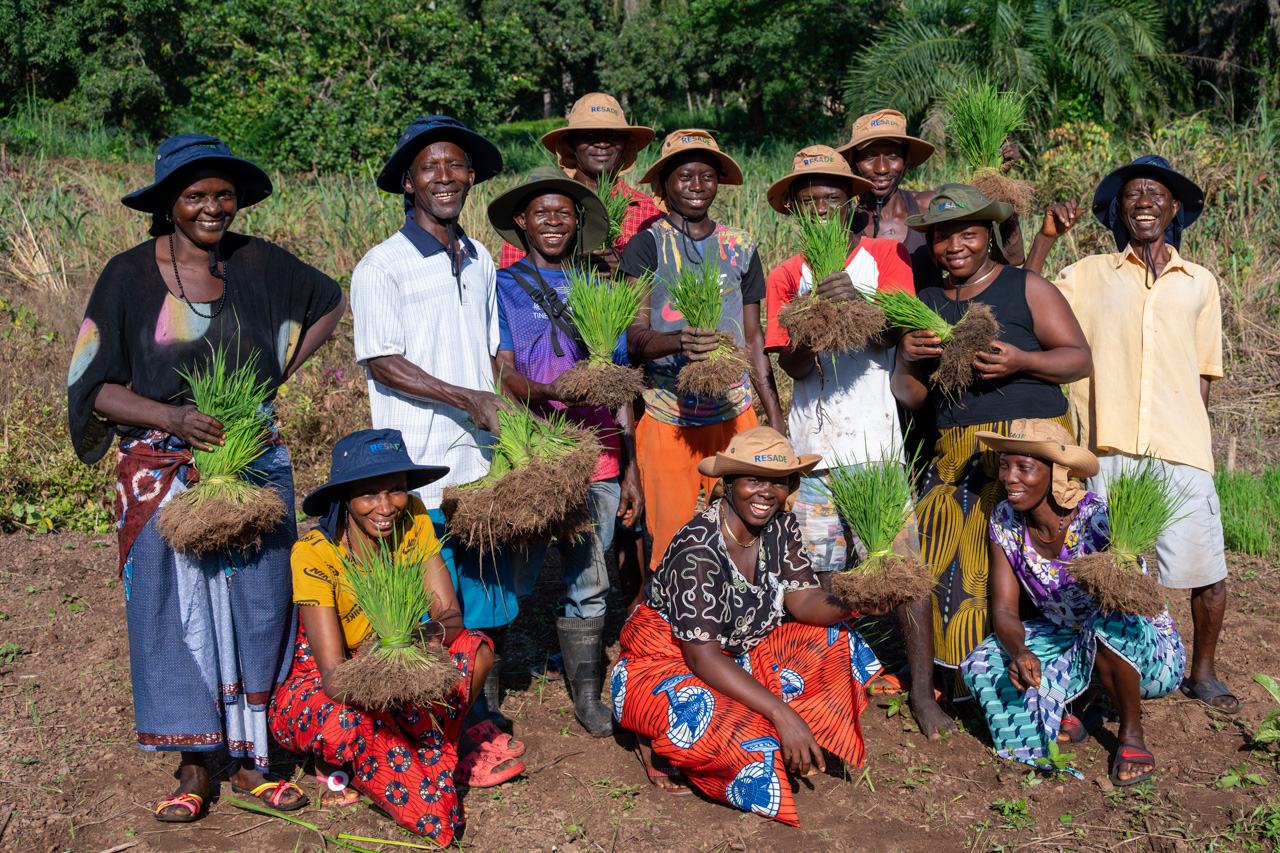
Most farmers in Sierra Leone plant their rice by broadcasting seed randomly into a paddy. They can plant a paddy pretty quickly that way, but they aren’t rewarded with great yields. Scientists at the Rokupt Research Centre have taught members of a cooperative near Kambia how to plant in straight lines. They first grow out the seeds in a nursery where they can monitor germination. Then they take the seedlings to the paddy. Using a knotted rope to indicate distance they first mark out the sides. Then they pull the rope…
-
BIOCHAR FOR TOGO
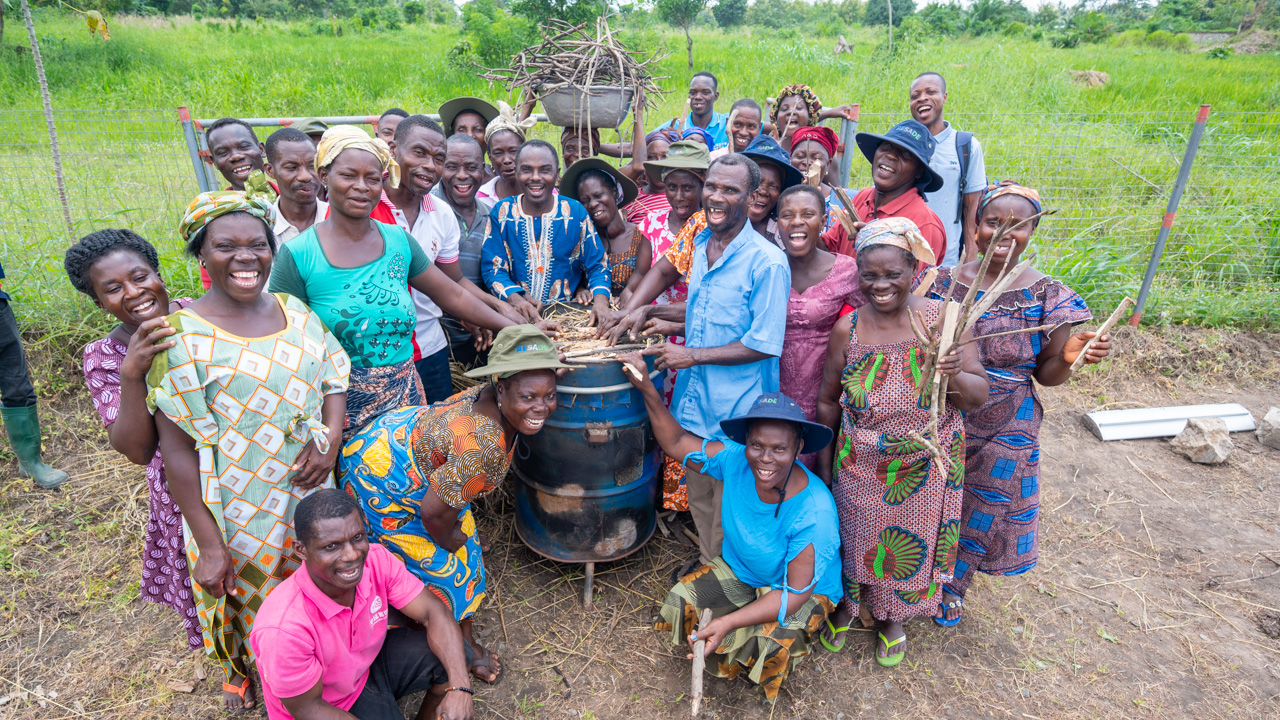
The soils around the village of Atti-Apedokoe in Togo no longer produce yields like they used to. They’ve become degraded and are gradually becoming more saline. But the villagers generate lots of organic waste. So, the Institut Togolais de Recherche Agronomique and the International Center for Biosaline Agriculture taught the locals how to make biochar. The villagers make biochar by adding their green waste such as rice husks, maize stalks, husks and grasses to a cylinder and seal the lid so no oxygen can get in. They then put the small…
-
GROW YOUR OWN SEEDS IN THE GAMBIA
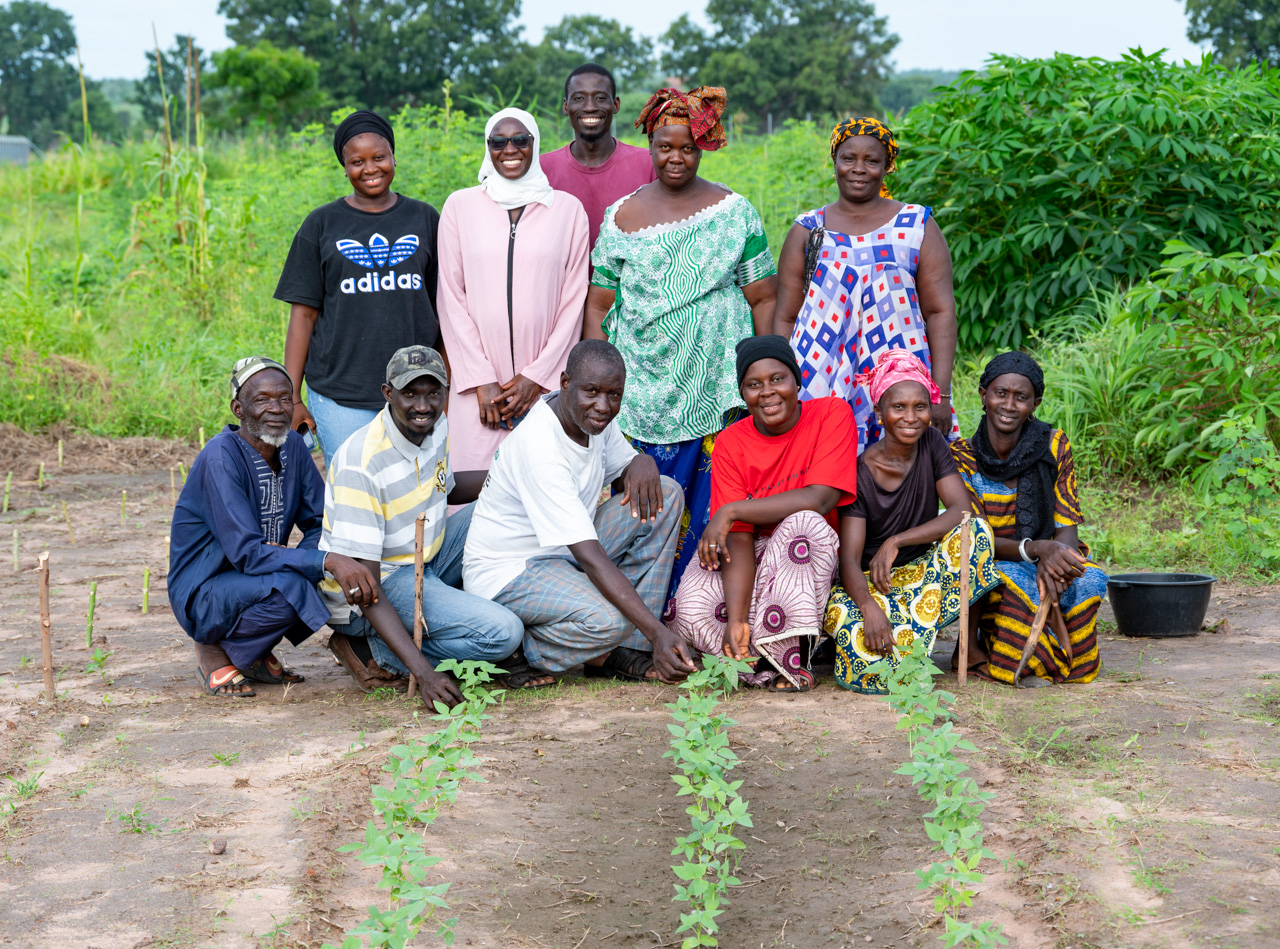
For most of us if we need seeds we pop into the local nursery and for a relatively small fee we can get any sort of high performing seeds. But it’s not so easy for smallholder farmers around the world. Seeds of improved varieties may not be available and if they are they can’t afford them. So the folks at Gambia’s National Agricultural Research Institute and the International Center of Biosaline Research taught the members of several farmer’s cooperatives how they can multiply seeds and process them. NARI gave them some…
-
TRY SOME SORGHUM IN YOUR COUSCOUS
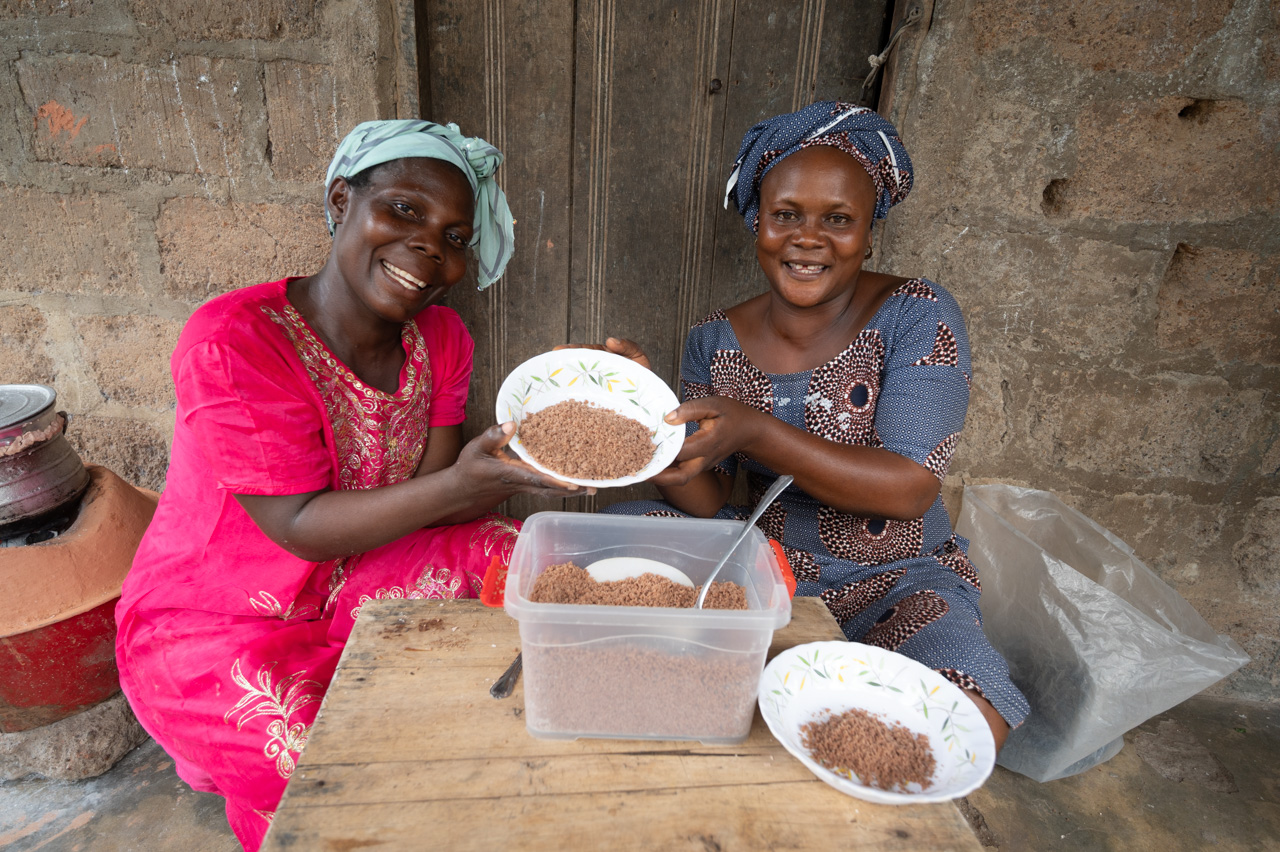
The villagers of Atti-Apedokoe in Togo love their couscous. For generations, they’ve made it with maize (corn). But maize isn’t terribly resilient to all the challenges that Mother Nature is throwing at our farming systems these days. So scientists at the Institut Togolais de Recherche Agronomique and the International Center for Biosaline Agriculture – ICBA suggested the villagers try making their couscous with sorghum. They weren’t familiar with the crop but they were game to give it a go. After all, sorghum is a pretty tough crop and can tolerate the…
-
TWO STANS AND ALFALFA
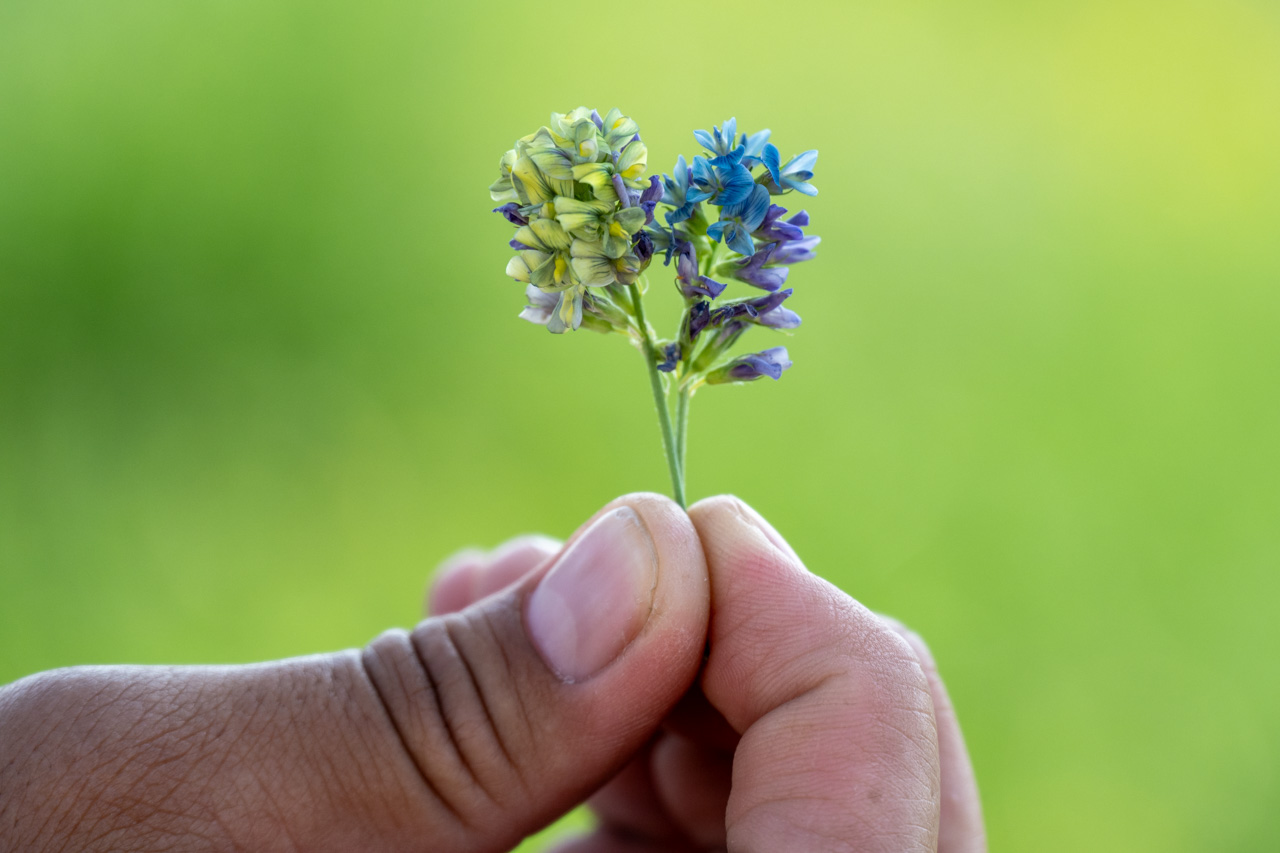
The glaciers of the Tien Shan mountain range in Central Asia are receding quickly. And that’s causing a lot of concern amongst the farmers of Kazakhstan and Kyrgyzstan. The glacial meltwaters which allowed them to irrigate their crops are no longer abundant. And without adequate water, yields plummet. I joined a group of scientists brought together by my former employer, the Crop Trust. We journeyed to Kazakhstan and Kyrgyzstan to explore ways to grow more alfalfa (or lucerne as its known here in Australia) with less water. The scientists reckon that…
-
A DAY IN THE RICE PADDIES OF CAO PHONG
Timing is so important in photography. And I seem to get it wrong so often. I stayed an extra day in Vietnam so I could see rice being harvested in terraced paddies. But it soon appeared that my timing was wrong. Turns out most of the rice in northern Vietnam had already been harvested. Nothing left but stubble. But our host, Vietnam’s National Genebank Director Dr Toan, said his sister-in-law had a homestay near the upland rice fields in the Cao Phong District near Hoa Binh – about two hours from…

-
NORTH OF GOYDER’S LINE
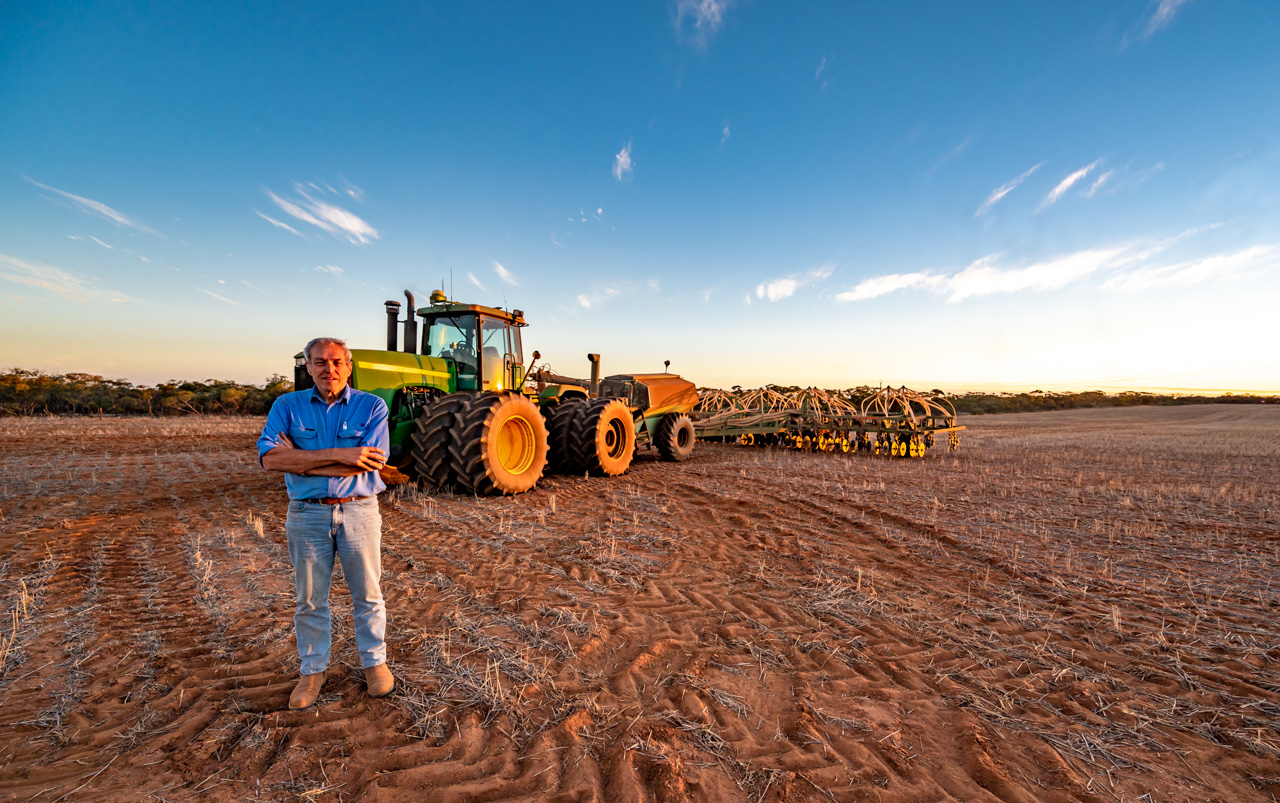
Back in 1865 a surveyor known as George Goyder got on his horse and traversed 3200 kms across South Australia. When he got home he drew a line across the state. He figured to the south of his line farmers could get enough rainfall to allow them to grow crops. To the north, he felt it was just too prone to drought and you’d best stick to grazing animals. Just after Goyder drew his line, South Australia had ample rains and farmers said ‘bugger that line’ and started planting to the…
-
ASKING THE WOMEN
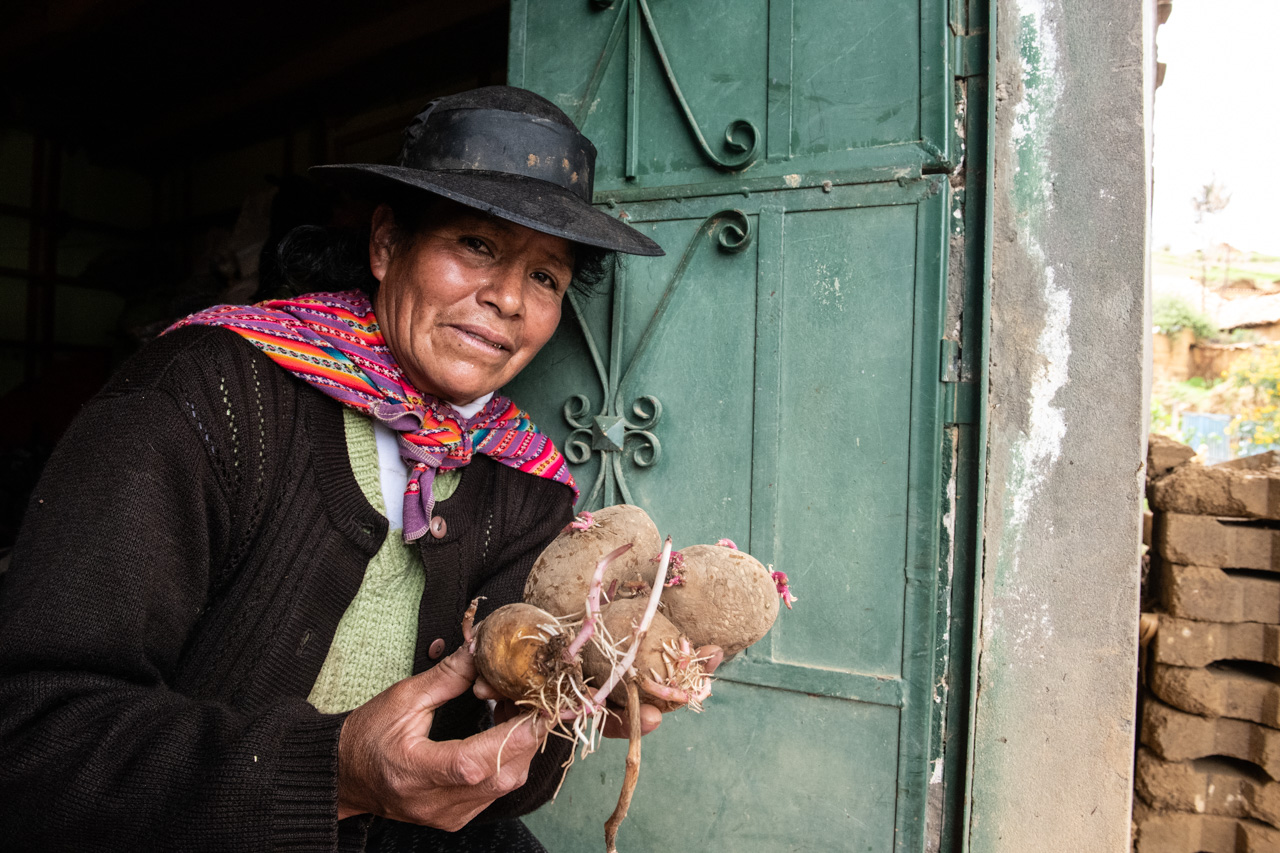
A few decades ago, crop breeders would develop new varieties which they thought farmers wanted and then expect farmers to plant those improved seeds. That didn’t work so well because farmers and breeders don’t always think alike. Nowadays good breeders get farmers involved early on in the process of developing new varieties and ask their opinion before the varieties are released. Our Crop Wild Relatives Project has helped breeders at the International Potato Center develop some climate-smart potatoes. But before the new varieties are released the breeders are asking farmers to…
If you see this after your page is loaded completely, leafletJS files are missing.