
Category: Travels for ICBA
In August to October of 2023, I travelled to six countries in sub-Saharan Africa for the International Center for Biosaline Agriculture to document its RESADE project.
-
BIOCHAR FOR TOGO
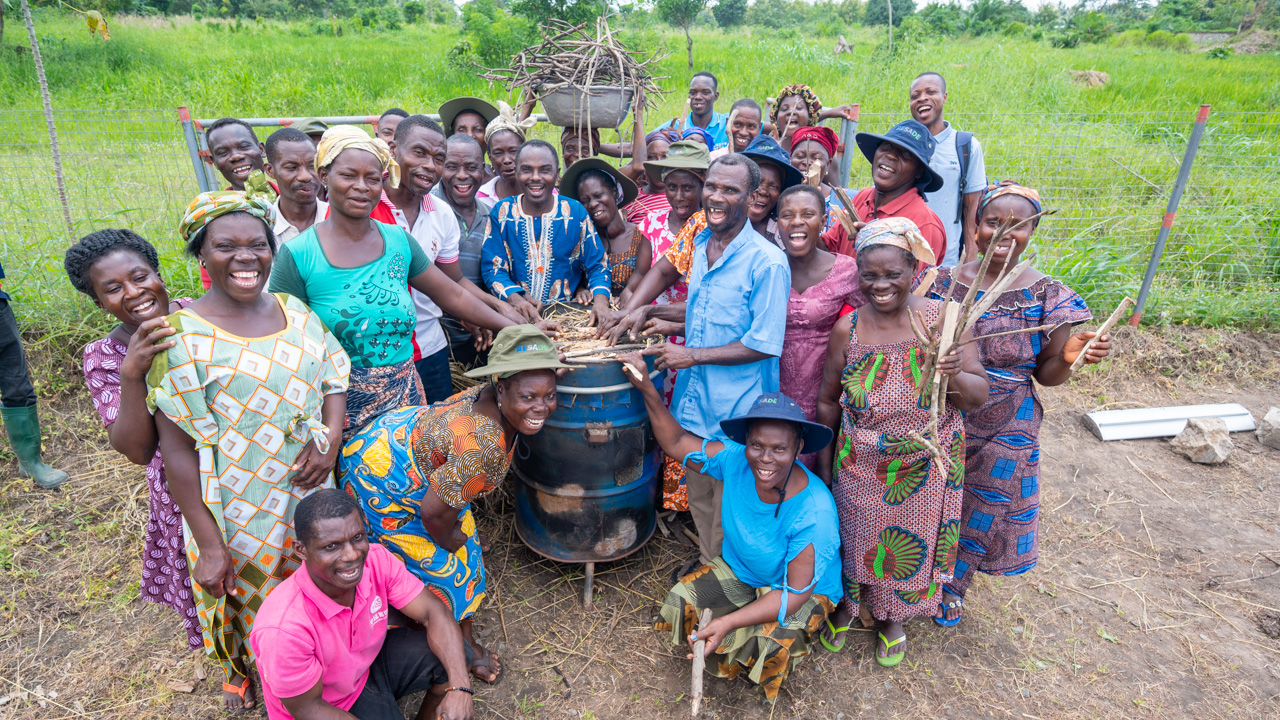
The soils around the village of Atti-Apedokoe in Togo no longer produce yields like they used to. They’ve become degraded and are gradually becoming more saline. But the villagers generate lots of organic waste. So, the Institut Togolais de Recherche Agronomique and the International Center for Biosaline Agriculture taught the locals how to make biochar. The villagers make biochar by adding their green waste such as rice husks, maize stalks, husks and grasses to a cylinder and seal the lid so no oxygen can get in. They then put the small…
-
CROSSING THE GAMBIA
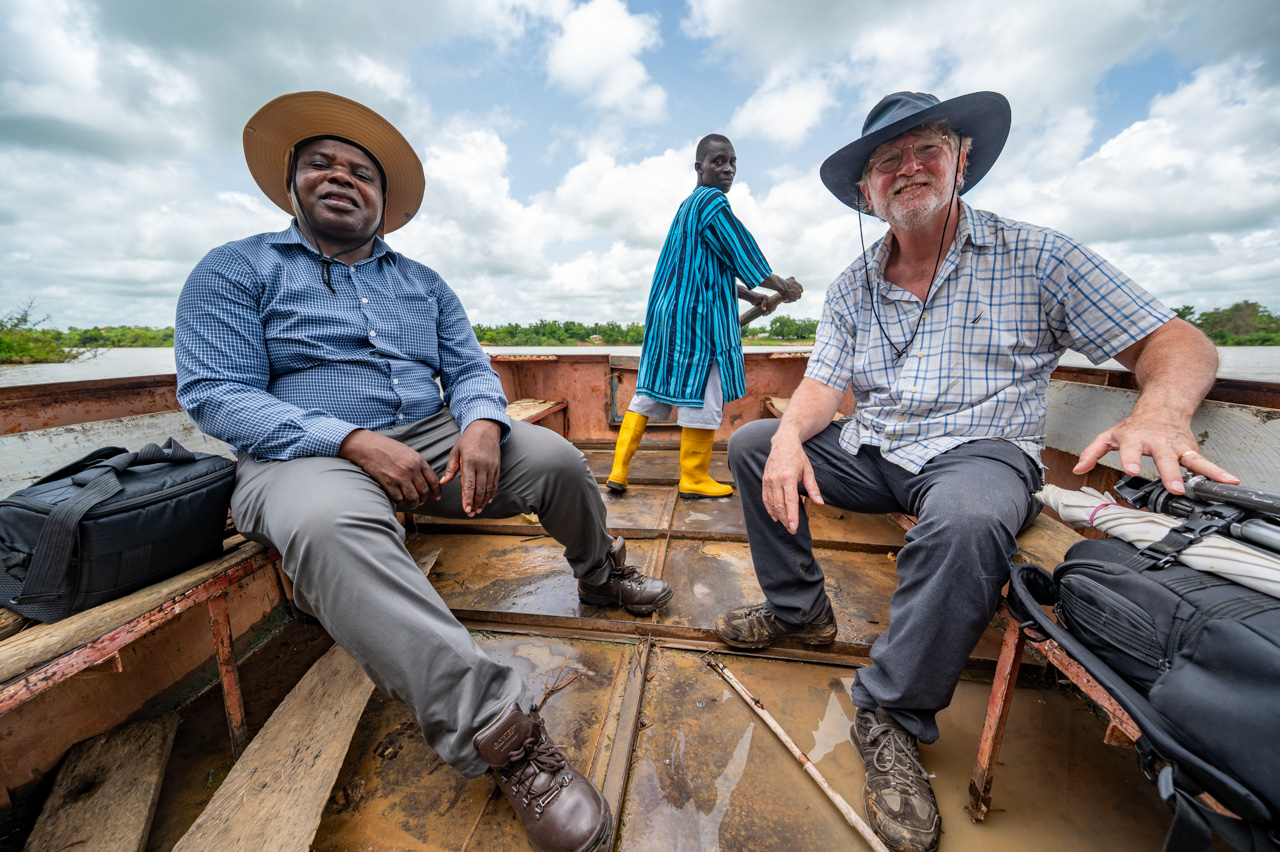
The Gambia is pretty much The Gambia. Or rather the country known as The Gambia pretty much is comprised of The Gambia River and 20 klicks or so on either bank. The Gambia is the smallest country of mainland Africa and is surrounded on three sides by Senegal. The two main highways on the north and south bank are quite good. They don’t have line markings but the bitumen is in fairly good shape. There just aren’t a lot of bridges that cross the river. We were on the north bank…
-
CELEBRATING THE RICE PLANTING
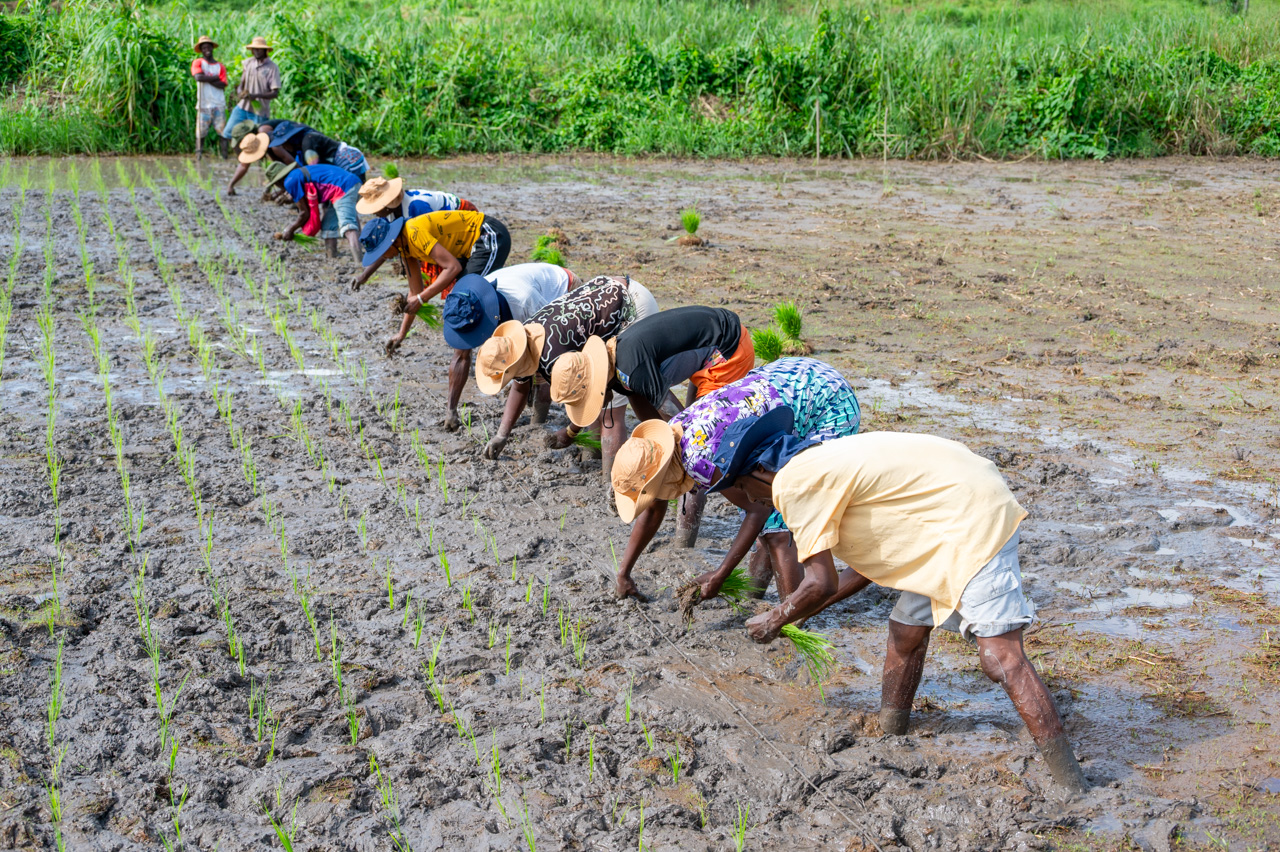
In Sierra Leone a group from the local cooperative showed me how they are now transplanting their rice seedlings in straight rows, rather than randomly broadcasting the seed. After toiling under hot and humid conditions for several hours they still had the energy to show me their musical talents as well.
-
GROW YOUR OWN SEEDS IN THE GAMBIA
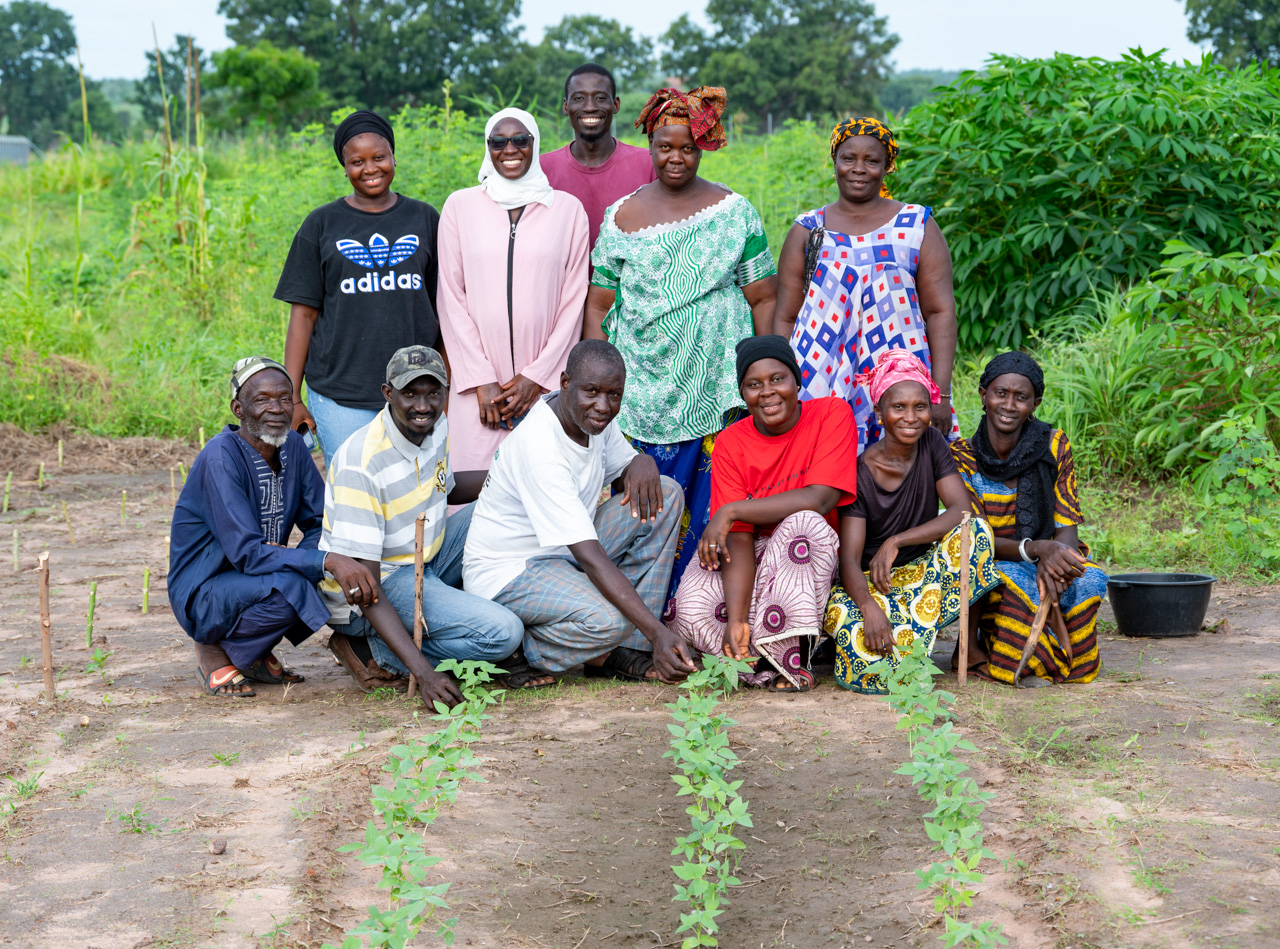
For most of us if we need seeds we pop into the local nursery and for a relatively small fee we can get any sort of high performing seeds. But it’s not so easy for smallholder farmers around the world. Seeds of improved varieties may not be available and if they are they can’t afford them. So the folks at Gambia’s National Agricultural Research Institute and the International Center of Biosaline Research taught the members of several farmer’s cooperatives how they can multiply seeds and process them. NARI gave them some…
-
BETTER PORRIDGE FOR THE GAMBIA
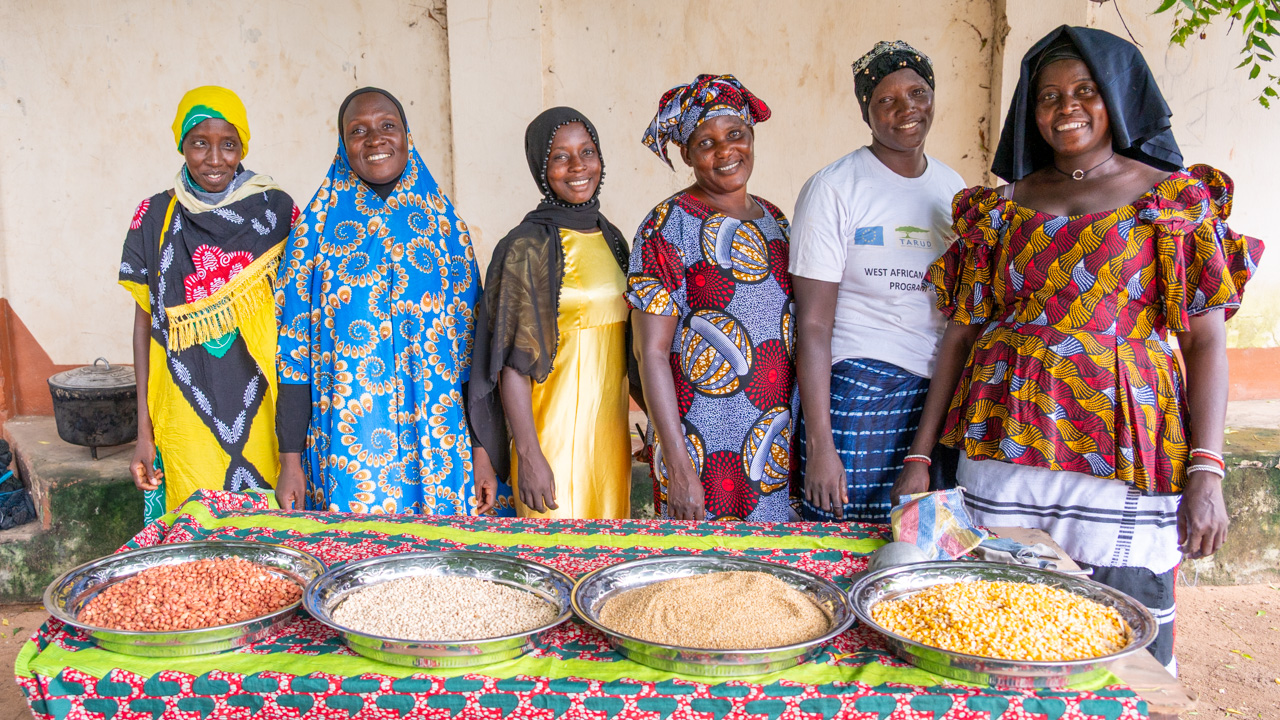
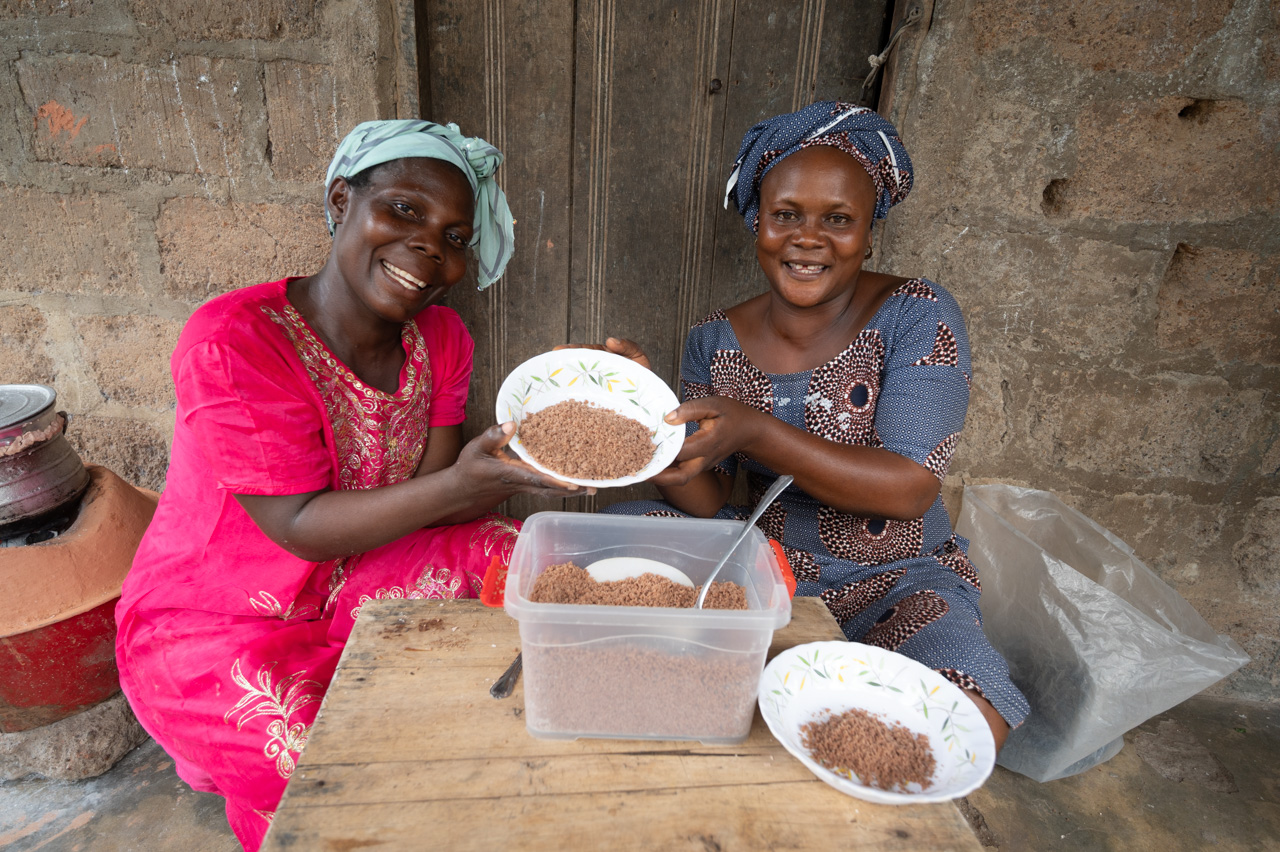
The people of The Gambia like to start their day with a bowl of porridge, which they call ‘mono’ in their local Mandinga language. But the processed porridge they buy in the market isn’t very nutritious. Members of a farming cooperative from the village of Jahaur, which is about half way up the country on The Gambia River, attended a training session provided by the Gambian National Agricultural Research Institute (NARI) to learn how to make their own ‘fortified’ porridge. To make the fortified porridge they use four crops, all which…
-
A SWEETER ABLO
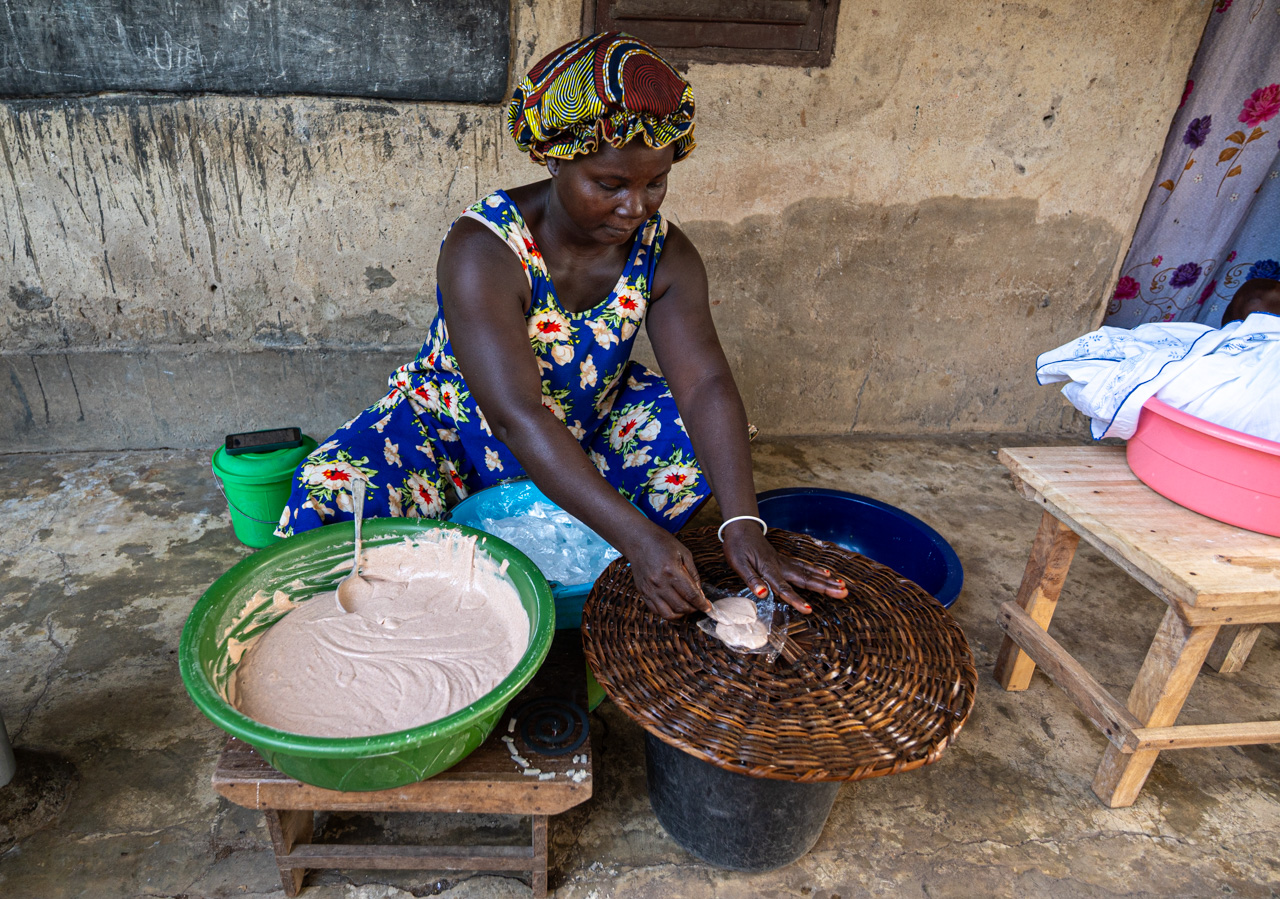
Ablo is a traditional Togolese corn cake. It’s made by steaming some paste and comes out as as kind of a dumpling like cake. The farmers of Atti-Apedokoe grow plenty of maize but they don’t always get great yields these days. So they attended a training session offered by staff at the Institut Togolais de Recherche Agronomique (ITRA) and learned how to make ablo out of sorghum. It’s not just a matter of substituting maize flour for sorghum flour. The farmers of that part of Togo don’t traditionally grown sorghum so…
-
CASSAVA IN YOUR BREAD
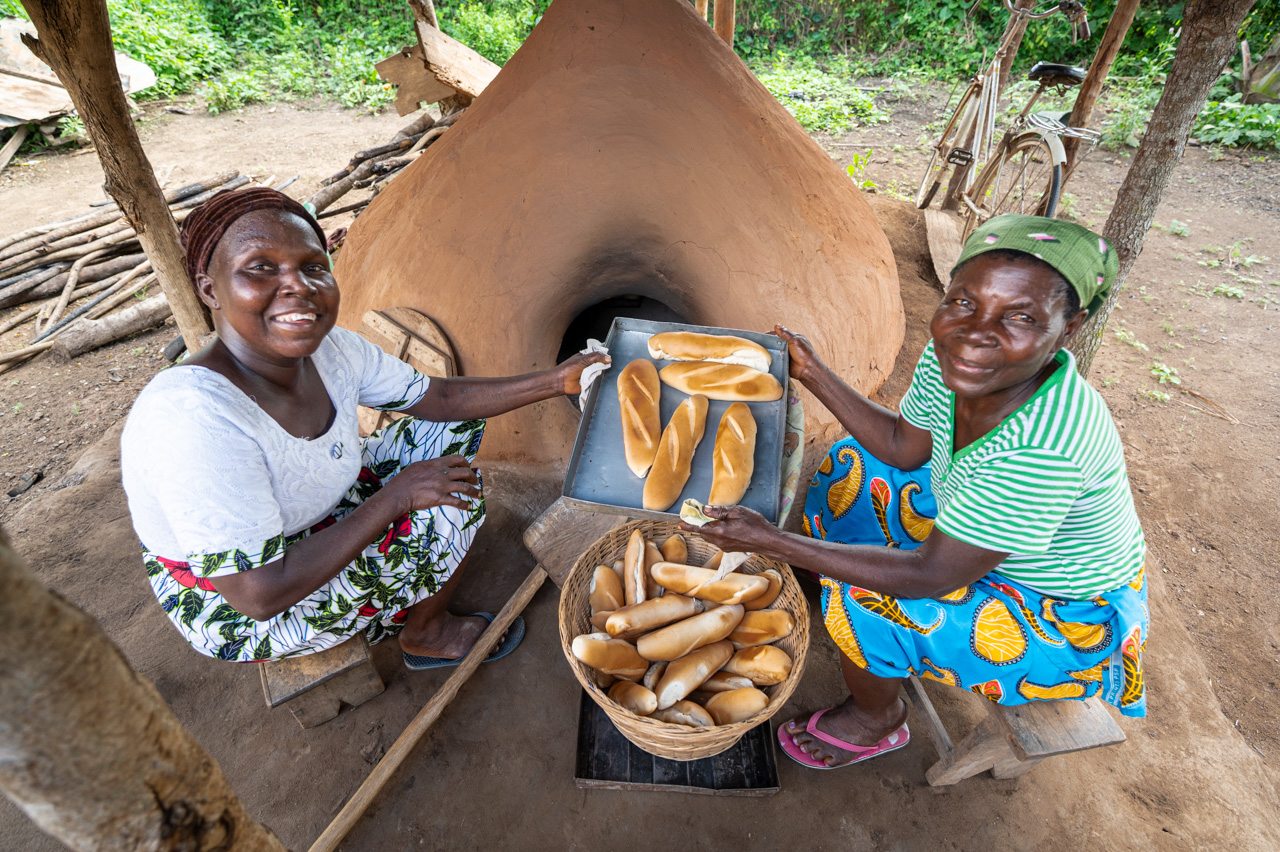
The people of Togo eat a lot of bread. But to make bread you need wheat. And Togo doesn’t grow much wheat. It has to import it and Russia is one of the major suppliers. So the folks at the Institut Togolais de Recherche Agronomique (ITRA) and the International Center for Biosaline Agriculture taught the folks in the village of Atti-Apedokoe how to use flour made out of cassava. Farmers in Togo grow a lot of cassava so its a crop they know. ITRA suggested they try some improved varieties of…
-
THE FRIENDLY FACES OF TOGO
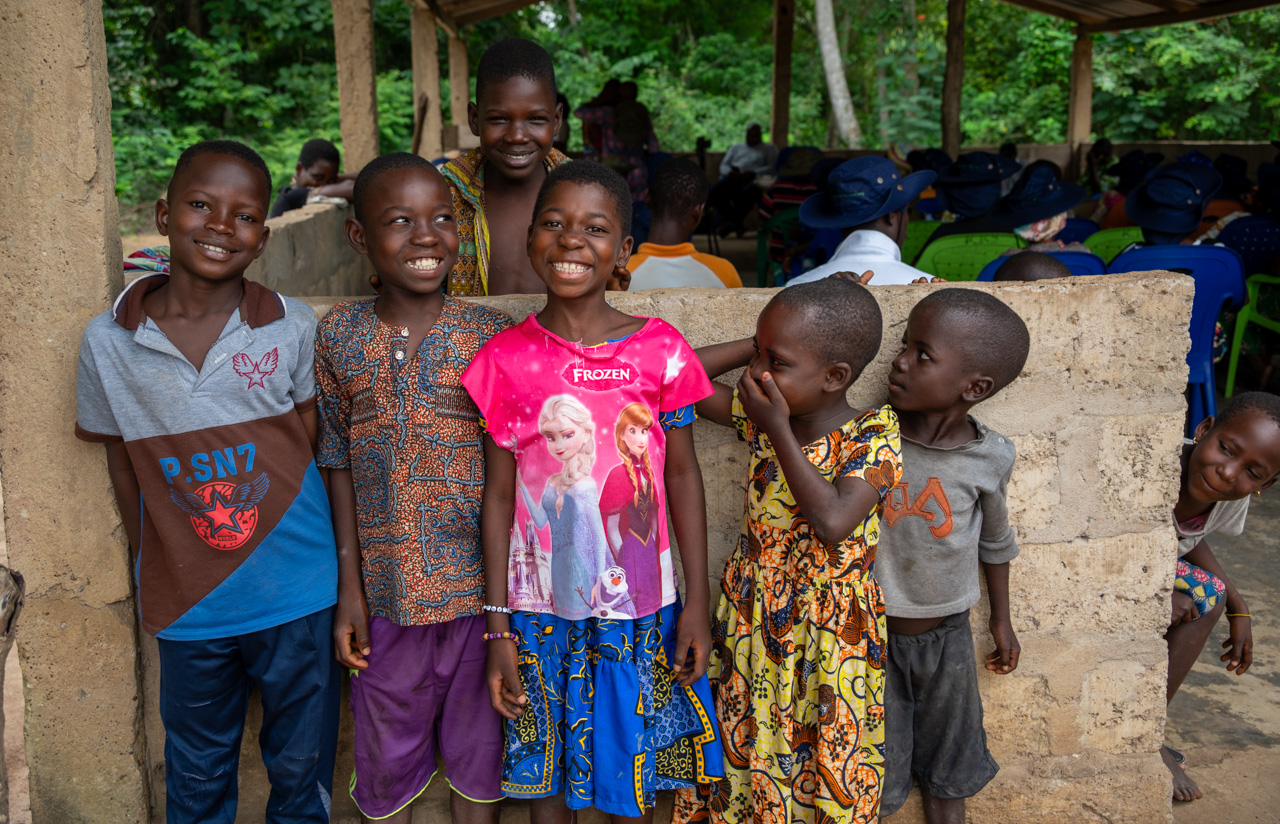
On my second day in Togo, the team of the Institut Togolais de Recherche Agronomique (ITRA) took my travel companion from the International Center for Biosaline Agriculture, Nhamo Nhamo, and me to a village about a hour or so from Lome. About 40 locals came from three villages to meet us. I learned of their efforts to create a community seedbank and took some lovely photos of the villagers with their seeds. But then I had some free time so I just wandered around snapping pics of the locals as well…
-
TRY SOME SORGHUM IN YOUR COUSCOUS
The villagers of Atti-Apedokoe in Togo love their couscous. For generations, they’ve made it with maize (corn). But maize isn’t terribly resilient to all the challenges that Mother Nature is throwing at our farming systems these days. So scientists at the Institut Togolais de Recherche Agronomique and the International Center for Biosaline Agriculture – ICBA suggested the villagers try making their couscous with sorghum. They weren’t familiar with the crop but they were game to give it a go. After all, sorghum is a pretty tough crop and can tolerate the…
If you see this after your page is loaded completely, leafletJS files are missing.