
Tag: Food Security
-
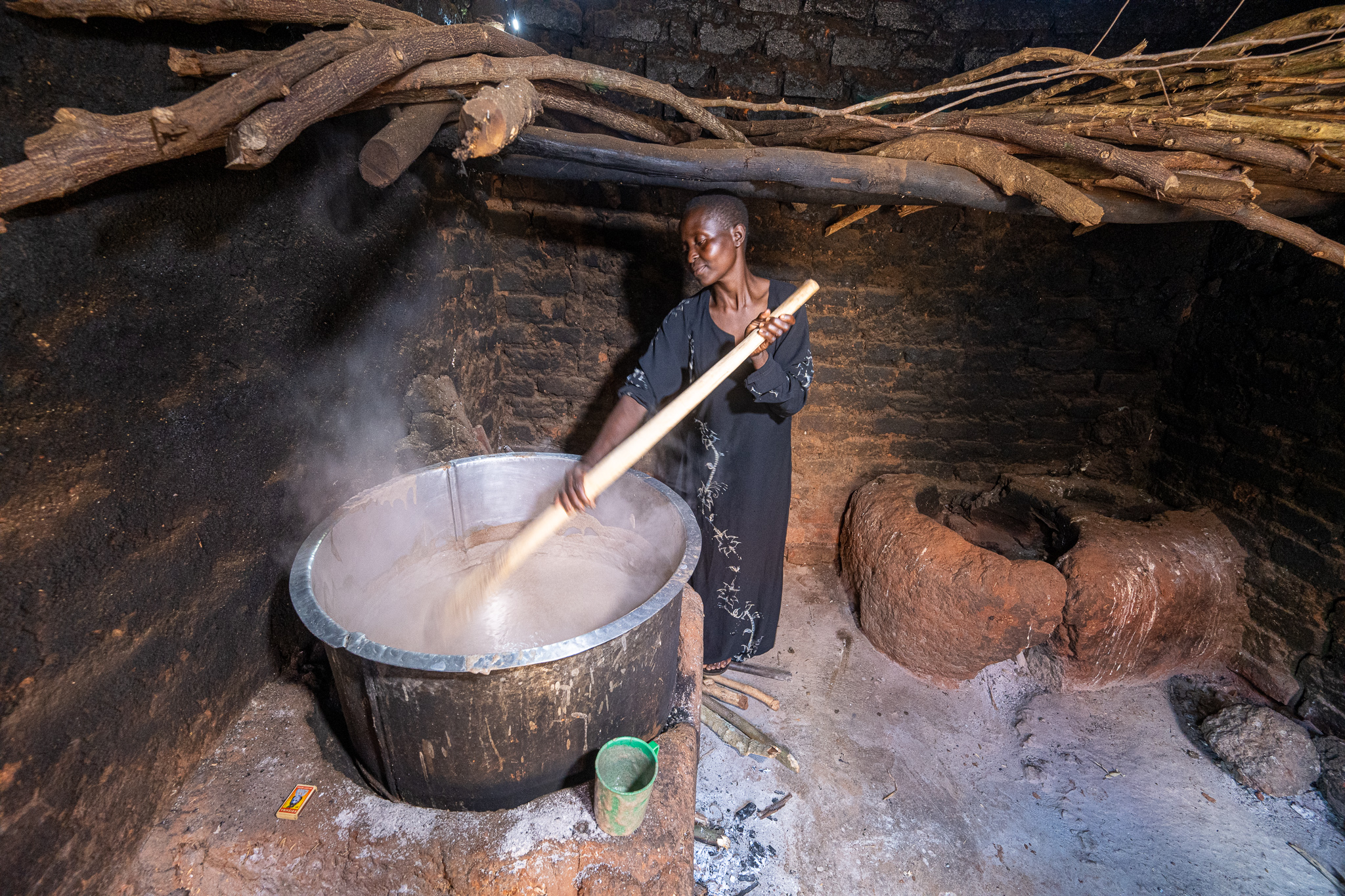
A BOWL THAT BROUGHT A SON BACK
The room in Naluwoli was full of women as we entered – babies on hips and laps, a lively chatter amongst mothers. My colleague Scott Christiansen and I were in Uganda to document the amaranth value chain research conducted by the World Vegetable Center with support from the Crop Trust’s BOLDER project. We wanted to document how to build markets and nutrition around lesser-known crops. This room was where the whole chain finally arrives. After a welcome song and dance, one woman rose. She has come, she says, because she wants…
-
SWEETPOTATOES A LA SINGIDA
When I heard that my colleague Scott Christiansen and I were assigned to look at the value chain of sweetpotatoes in Tanzania I assumed we’d be looking at the same orange, white, or purple tubers that make their way into our meals in a hundred different forms. But in Tanzania, especially in the Singida region, the story doesn’t start or end underground. People eat the leaves. These aren’t the same varieties grown for tubers. These are specially bred for foliage—nutrient-rich, fast-growing, and central to household cooking. I saw the sweetpotato story…
-
THE BAMBARA GROUNDNUTS OF UNYAMIKUMBI
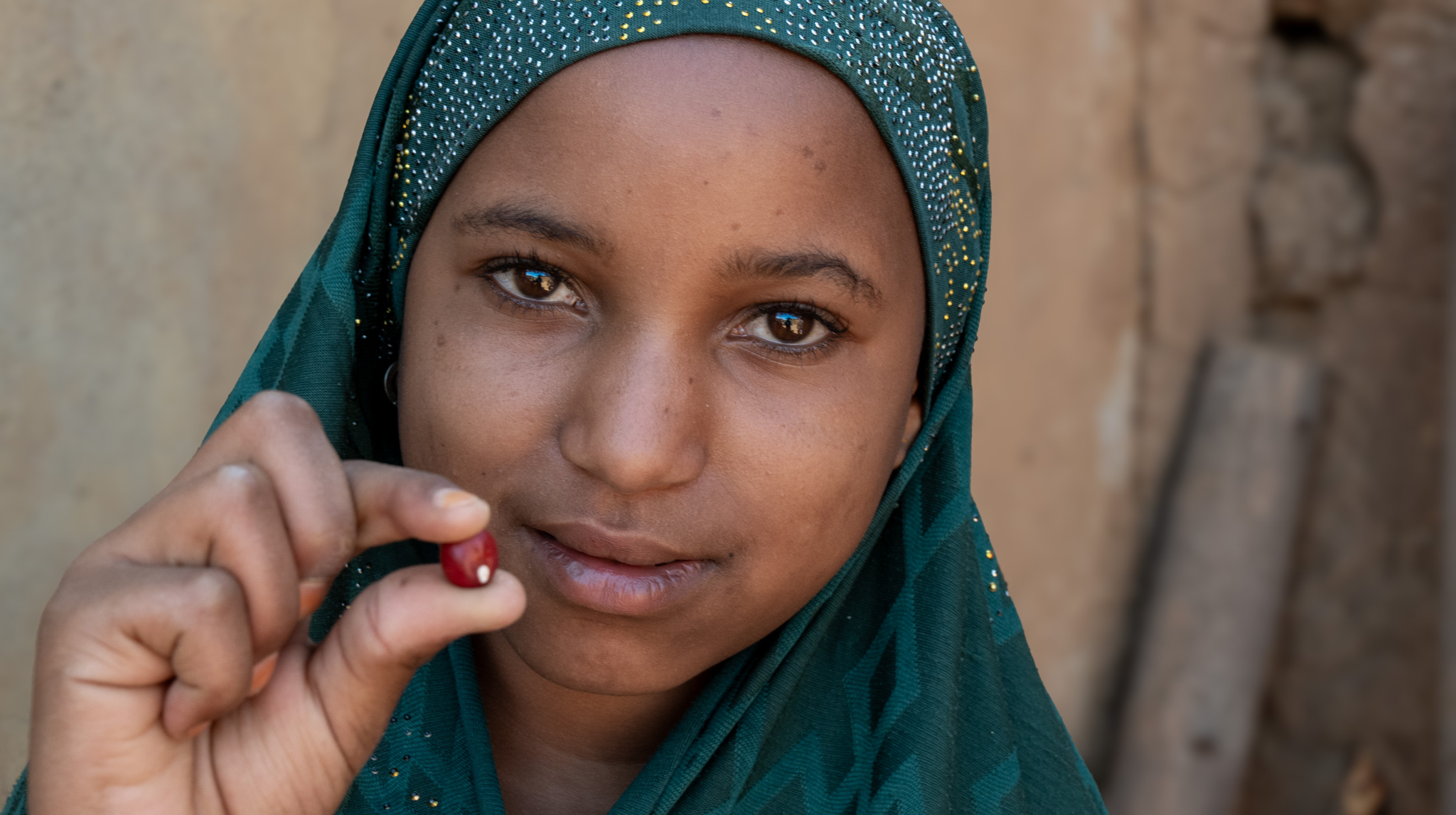
If you look at a dried Bambara groundnut in its shell you’d be forgiven if you thought it was a deformed peanut. They share a name. Peanuts are called ‘groundnuts’ in many places in the world. And they are both legumes. And both need to have hard shells removed prior to eating. But that’s pretty much where the similarities end. They’re distant botanical cousins but probably not close enough to be invited to family reunions. Bambara groundnuts (BGN) are sown in arid and semi-arid locations like the village of Unyamikumbi, in…
-
THE SINGIDA MORNING MARKET
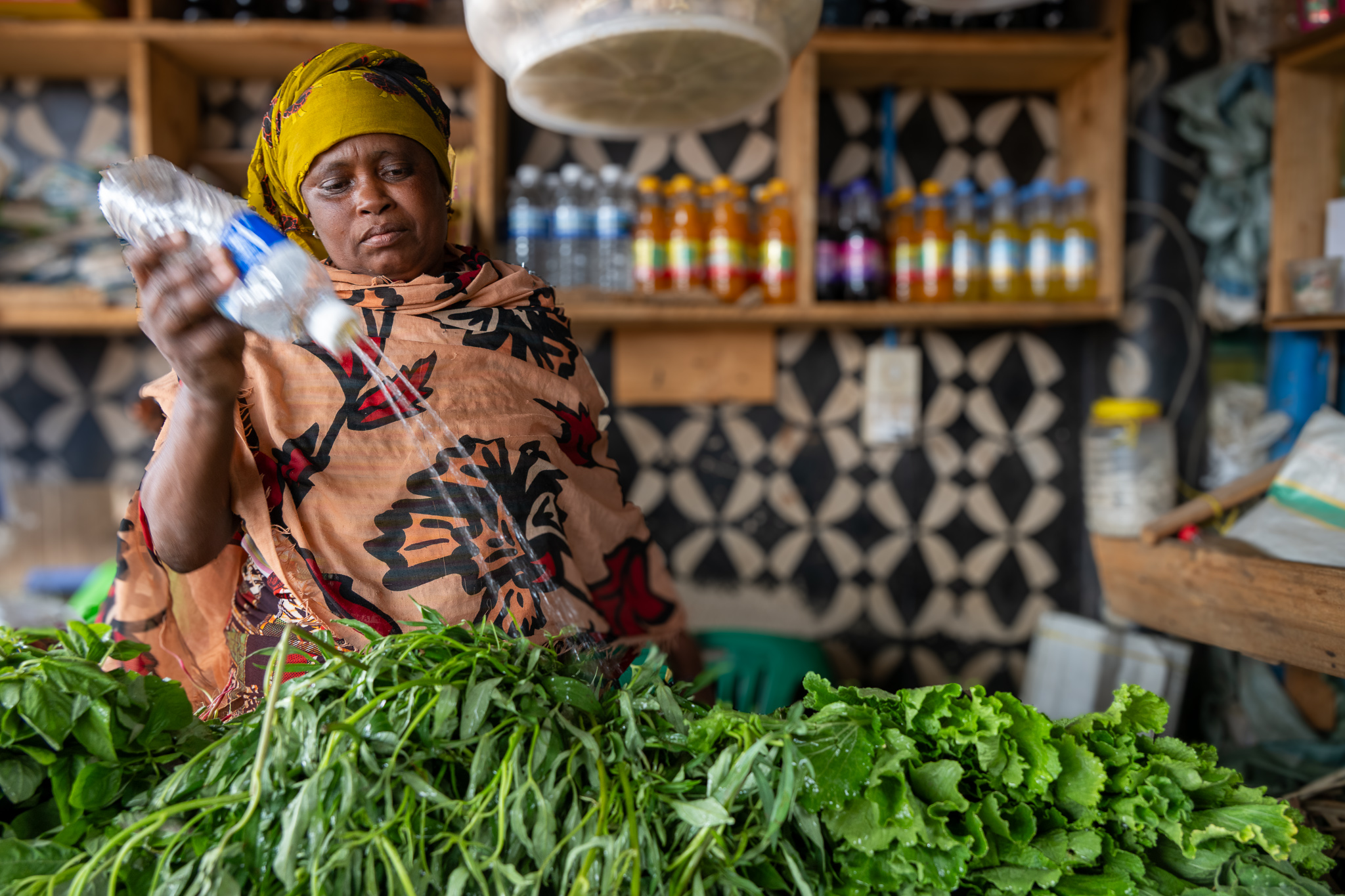
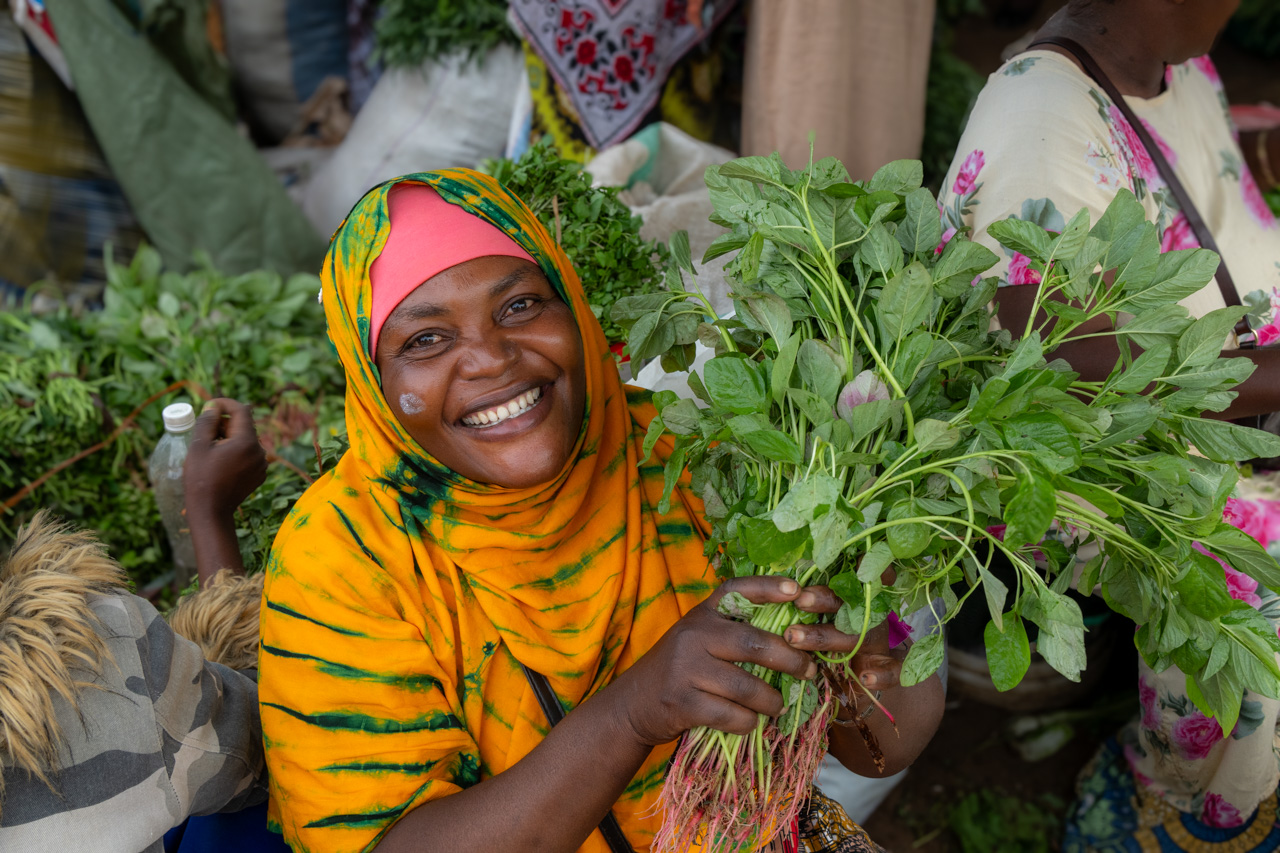
Sweetpotato leaves wilt quickly. They’re harvested in the early morning and usually consumed by nighttime. We wanted to see them nice and fresh so we ventured to the Singida market as the sun rose. We found leafy green vendors, Domina, Rahel and Mwasiti, setting up shop. They pulled out African nightshade, amaranth, mustard greens and sweetpotato leaves. Business was pretty slow at that hour of the day so the three women and I had fun as I got them to pose for photos with their leafy greens. I didn’t have to…
-
NJUGU
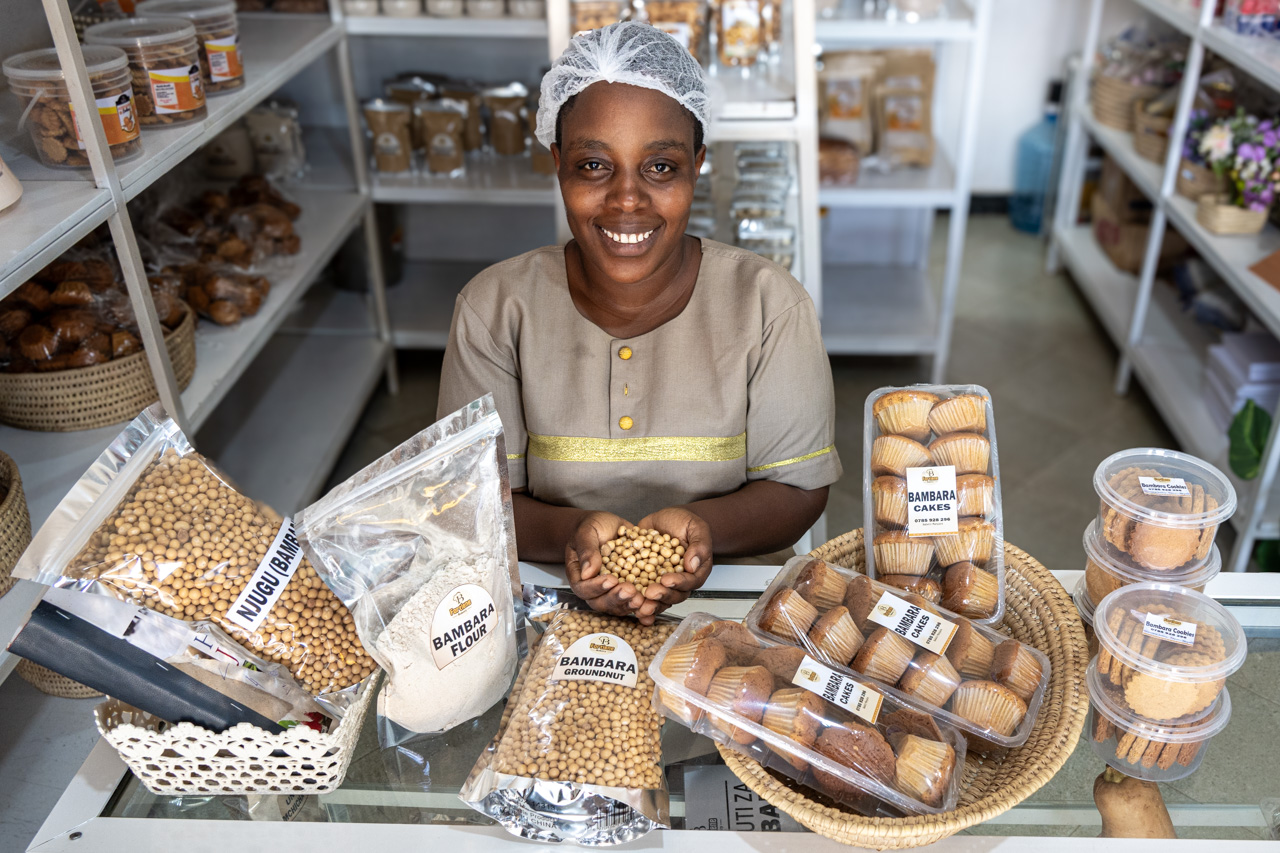
Esther Yoham Majija wanted to make her bakery, the Fortlene Bakery, a step apart from other bakeries in her town of Babati, Tanzania. She wanted to use traditional African vegetables in her baked products. The mother of three visited a booth of the World Vegetable Center at a trade fair and learned of different ingredients and recipes she could use to improve the nutrition of her products. We had heard that one of those ingredients she is using in the Bambara groundnut (njugu in Swahili) so we paid her a visit…
-
RECLAIMING FONIO
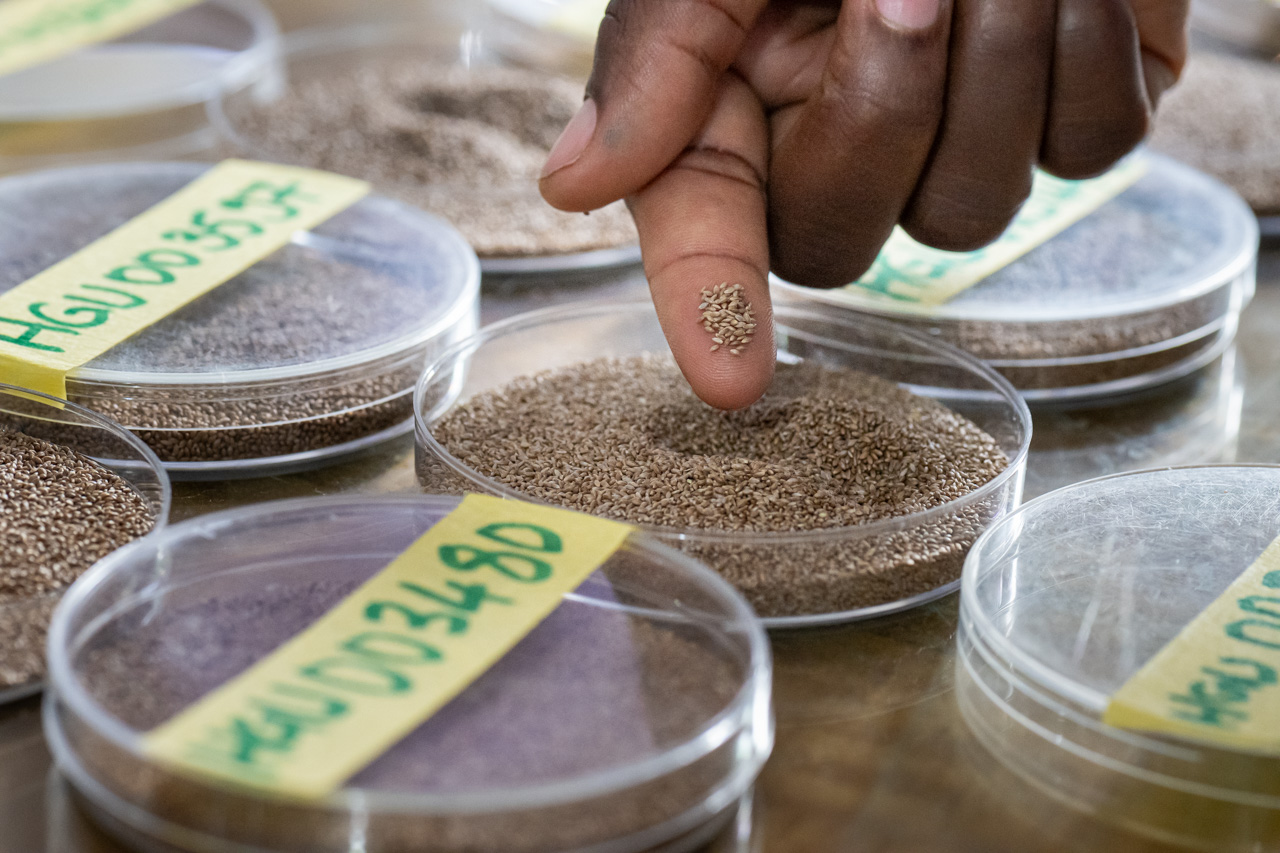
It’s one of the oldest cultivated crops in Africa but you’d be forgiven if you’d never heard of fonio. I had heard of fonio’s many qualities but had never seen nor eaten it. That’s changed now. I travelled to Benin with my colleague Scott Christiansen to learn more. Stakeholders in Benin led by the Crop Trust’s BOLDER project identified fonio as one of several priority opportunity crops. Those are crops which offer great potential in terms of food security but have been neglected by researchers and policymakers and underutilized. Fonio is…
-
ISLAMABAD’S SUNDAY BAZAAR
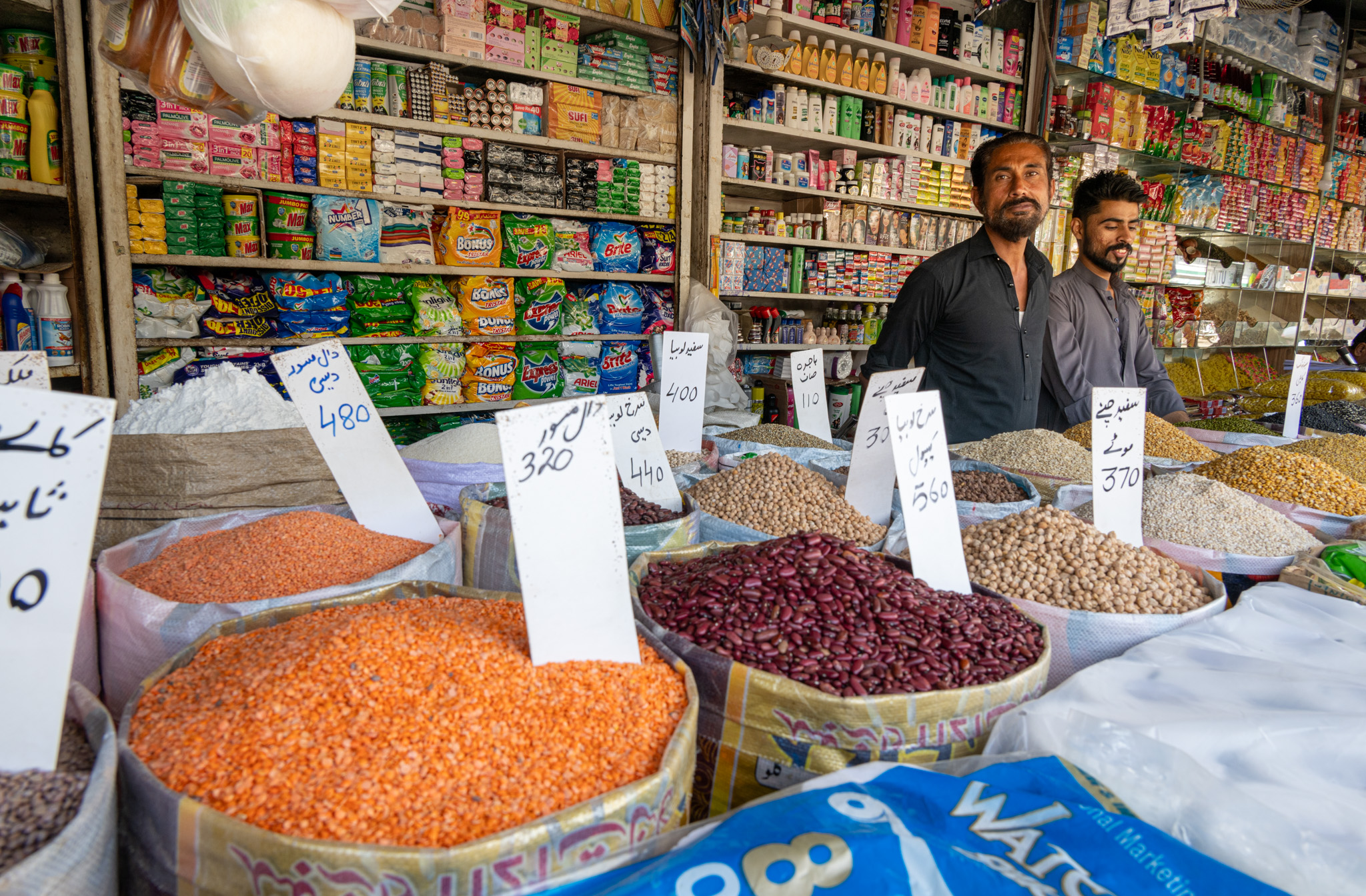
You can get pretty much anything at the Sunday (AKA Margalla) Bazaar, even on a Friday. Open three days a week, the bazaar is the place to go in Islamabad to purchase essential items at competitive prices. It sprawls across 25 acres with 2,760 stalls. Carpets, clothes, fresh food, techie stuff and even soccer balls. I wanted to have a look at food so my hosts, Drs Kashif and Umer from the Plant Genetic Resources Institute, brought me to the bazaar for a gander at the diversity of food the Pakistanis…
-
THE MELON JUICE MAKER OF MOLEPOLOLE
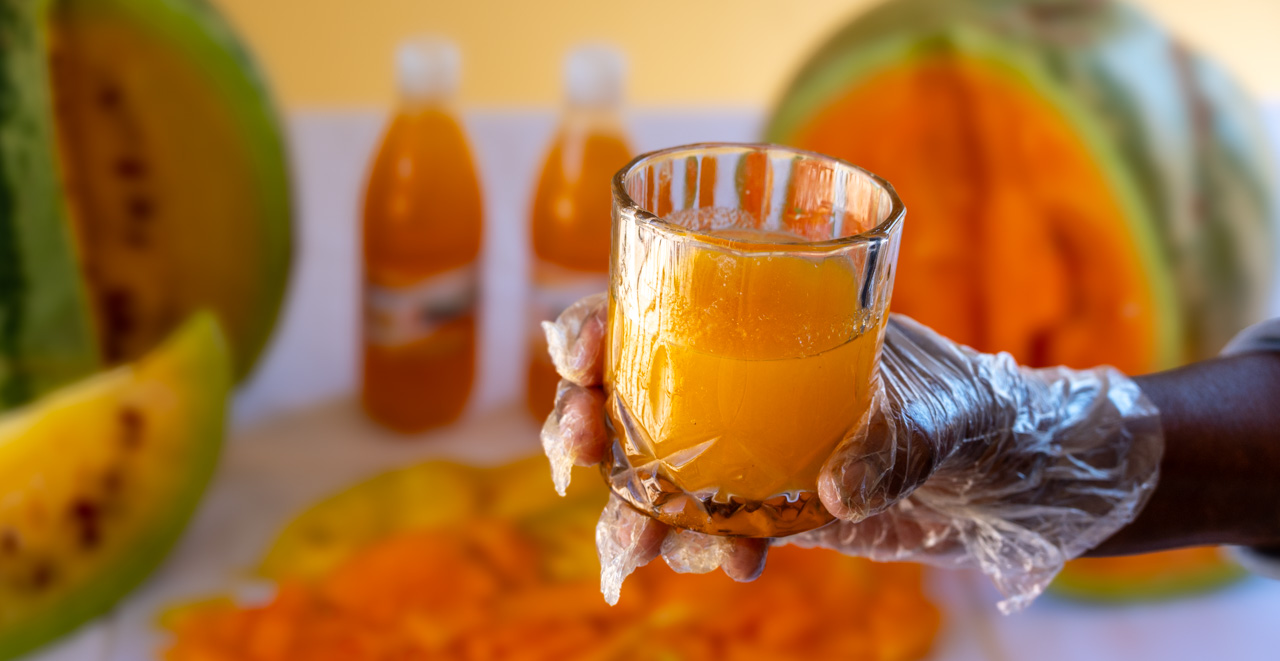
I met a remarkable woman turning cooling melons into something extraordinary. Her juice is a symbol of innovation, resilience, and local pride. Watching her grow her business with traditional crops and modern know-how left me hopeful for what small-scale farmers can achieve, even in the face of climate change.
-
RISE AND SHINE WITH COWPEA FLOUR
The members of the Rise and Shine multipurpose cooperative in a village near Buchanan, Liberia have been growing cowpeas for as long as they can remember. They eat the peas and the greens and may also use it to feed their livestock. But they have never used cowpeas as a substitute for wheat flour. Most wheat is imported and yet cowpeas grow in their backyards. And cowpeas are rich in protein. So the team at Liberia’s Central Agricultural Research Institute taught the Rise and Shiners how to make cowpea flour and use…

If you see this after your page is loaded completely, leafletJS files are missing.