Category: Travels for Crop Trust
-
8 June 2026
-
31 May 2026
-
28 May 2026
DORA AND THE FIERCE VOLUNTEER
Some crops don’t wait to be planted. They arrive uninvited,… -
23 May 2026
-
19 May 2026
-
15 May 2026
DANCIN’ UNDER THE BAOBAB TREE
The baobab tree has a most significant importance to the… -
11 May 2026
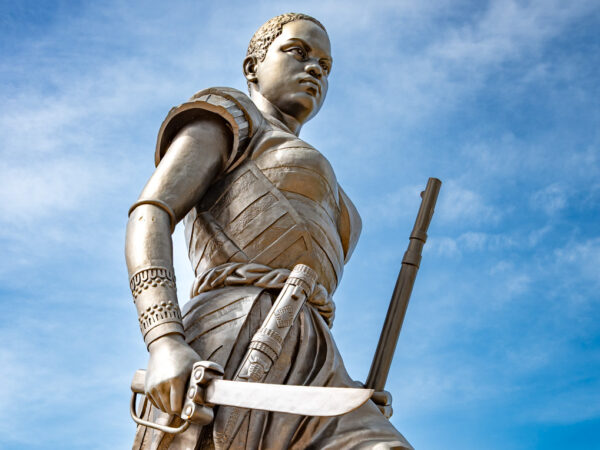
THE DOOR OF NO RETURN
Today my colleague, Scott Christiansen, and I stood inside Osu… -
4 May 2026
-
22 February 2026
MOUNTAINS, HORSES AND JAILOO
On maps, Kyrgyzstan looks like a country made of ridgelines…. -
27 November 2025
SWEETPOTATOES A LA SINGIDA
When I heard that my colleague Scott Christiansen and I… -
25 November 2025
THE BAMBARA GROUNDNUTS OF UNYAMIKUMBI
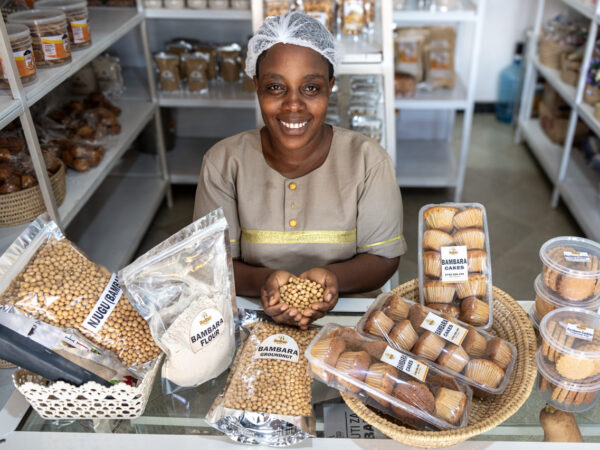
If you look at a dried Bambara groundnut in its… -
23 November 2025
THE SINGIDA MORNING MARKET
Sweetpotato leaves wilt quickly. They’re harvested in the early morning… -
21 November 2025
-
22 October 2025
-
18 October 2025
-
15 October 2025
-
12 October 2025
-
11 April 2025
-
17 March 2025
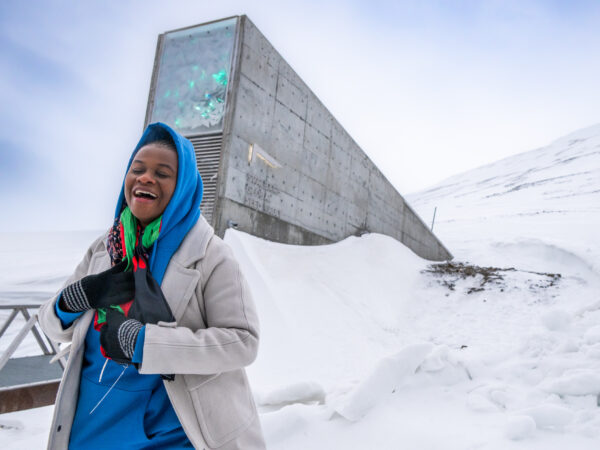
A PLANT GENETIC RESOURCE SCIENTIST’S MECCA
For a plant genetic resource scientist, mecca is the Svalbard… -
14 March 2025

IS ARCTIC SNOW REALLY BLUE?
For years, I have been seeing photographs of the Svalbard… -
28 February 2025
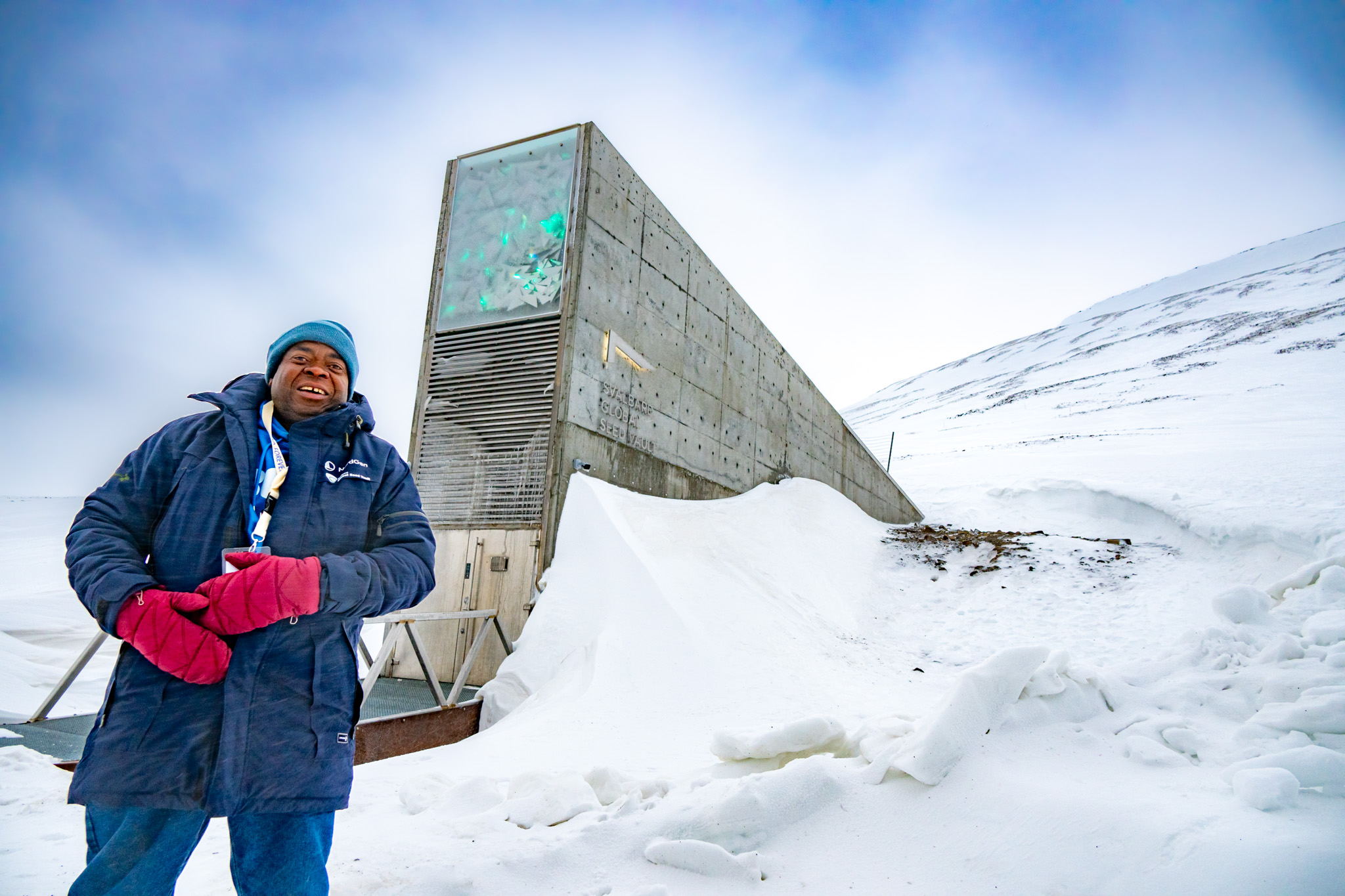
A SEED’S JOURNEY TO THE FAR FAR NORTH
It’s a long long way between Zimbabwe and the Svalbard… -
11 November 2024
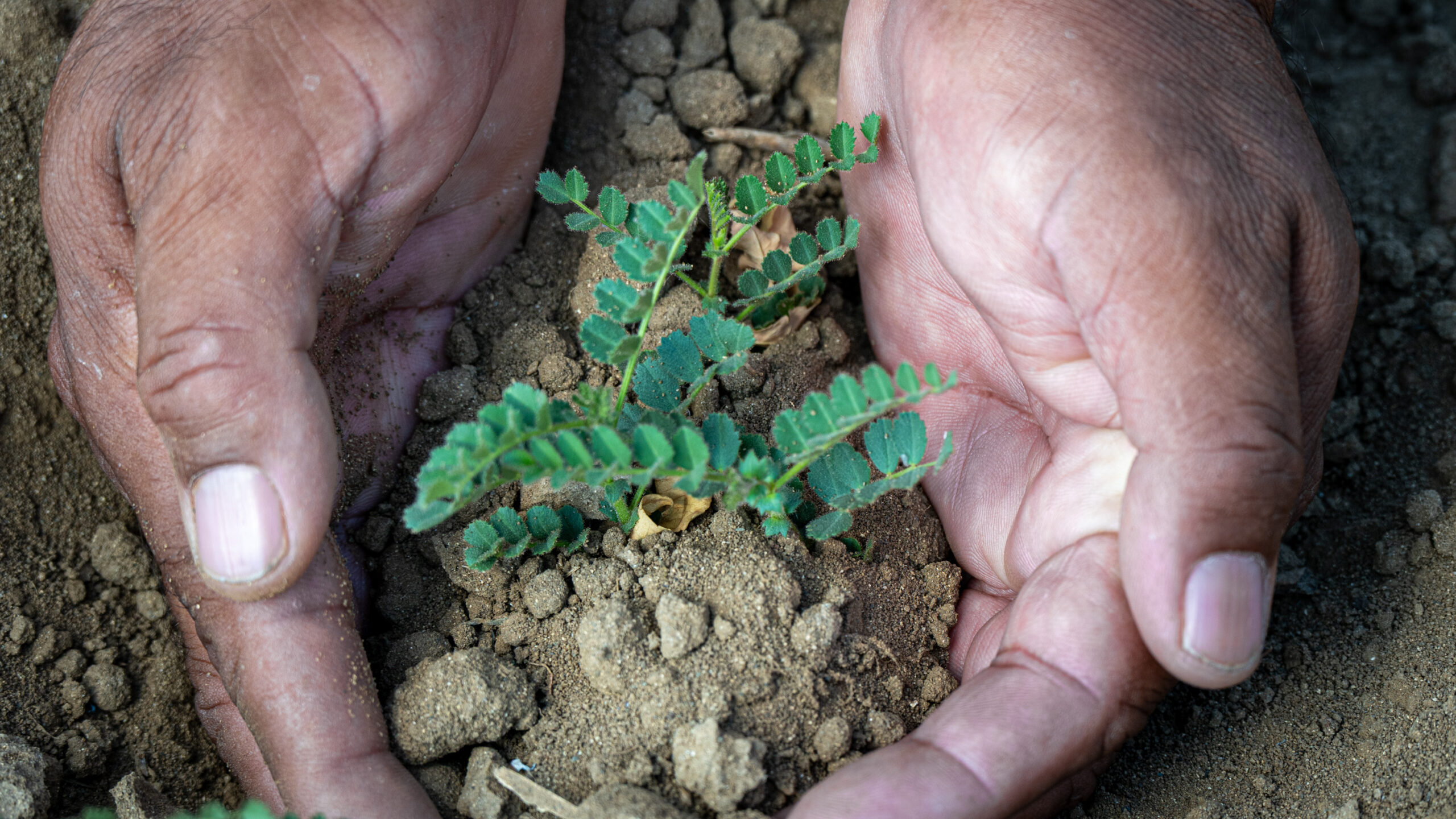
BETTER CHICKPEAS FOR KOT SARANG
Blight decimated the chickpea crop in the Punjab village of… -
4 November 2024
-
2 November 2024
-
5 October 2024
THE CANALS OF THE MEKONG DELTA
Back in the early 19th century the Emperor Gia Long,… -
14 September 2024
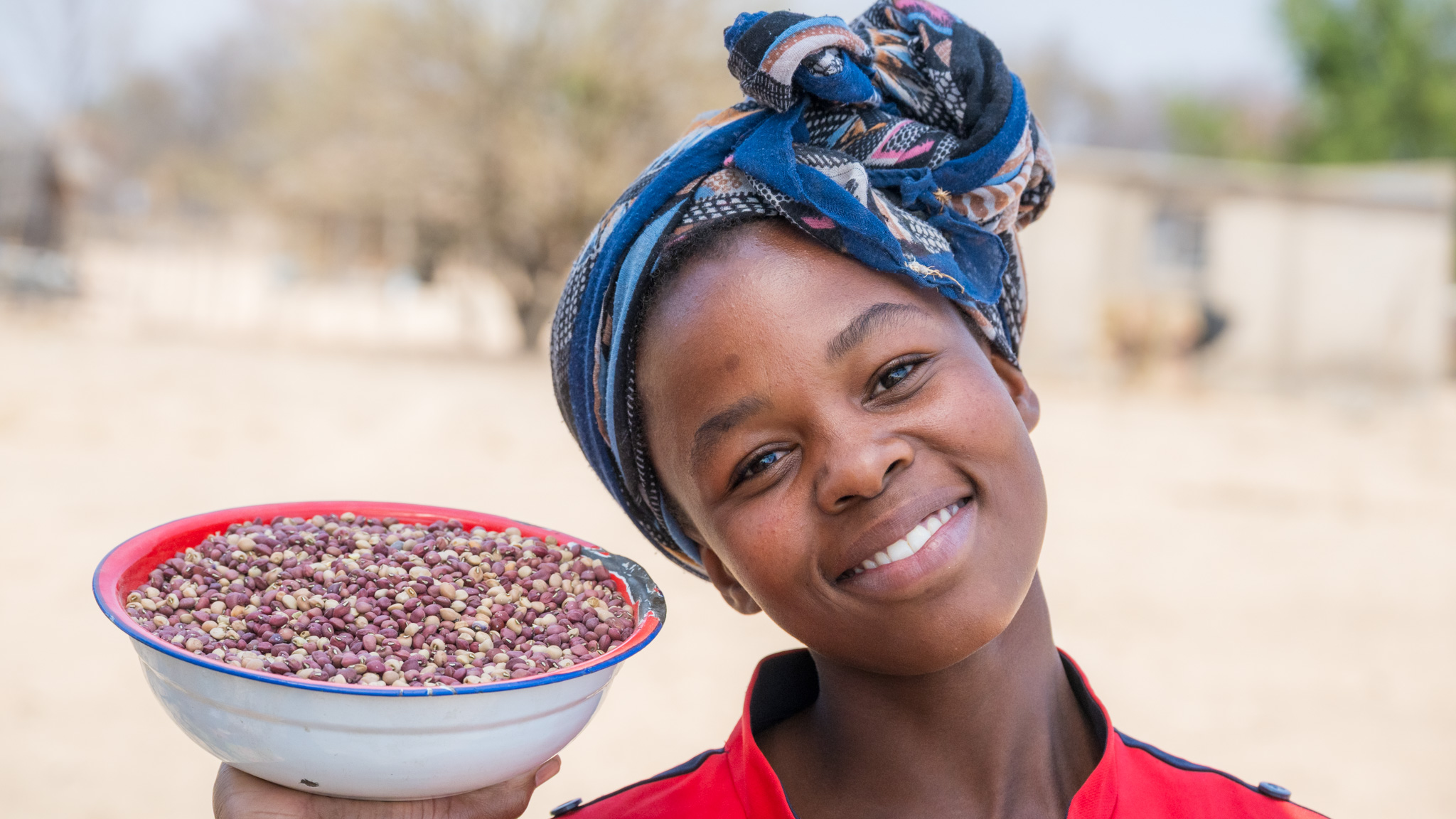
THE VARIED PERSONALITIES OF MALUNGA
The last time it rained in Malunga was in January…. -
12 September 2024
-
10 August 2024

-
2 August 2024
A POTATO JOURNEY FROM WISCONSIN TO KENYA
I started out begrudgingly planting potatoes for a merit badge… -
27 July 2024
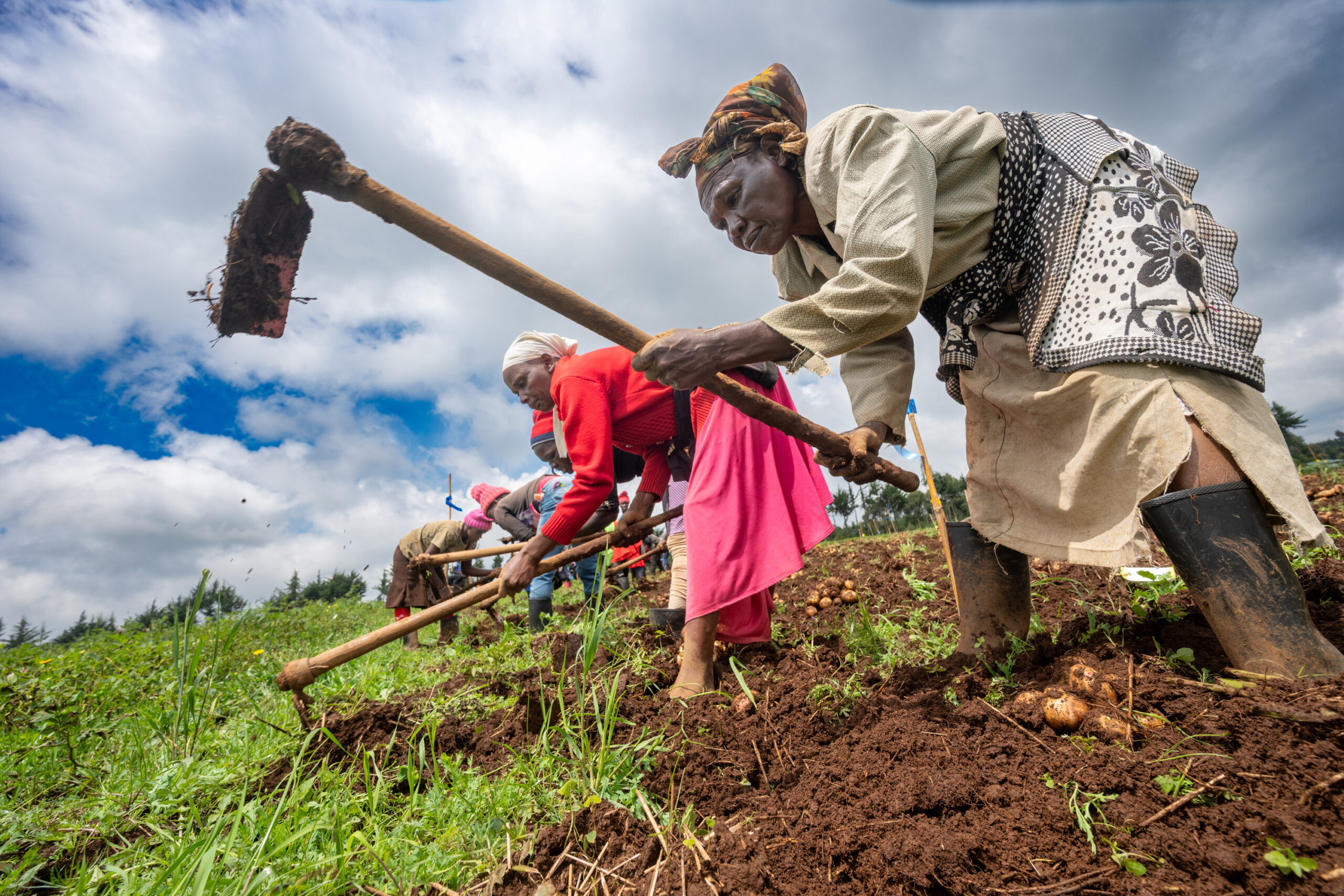
THEY’RE HARVESTING POTATOES IN KENYA
Potato harvesting in Kenya is being transformed through improved farming… -
12 April 2024
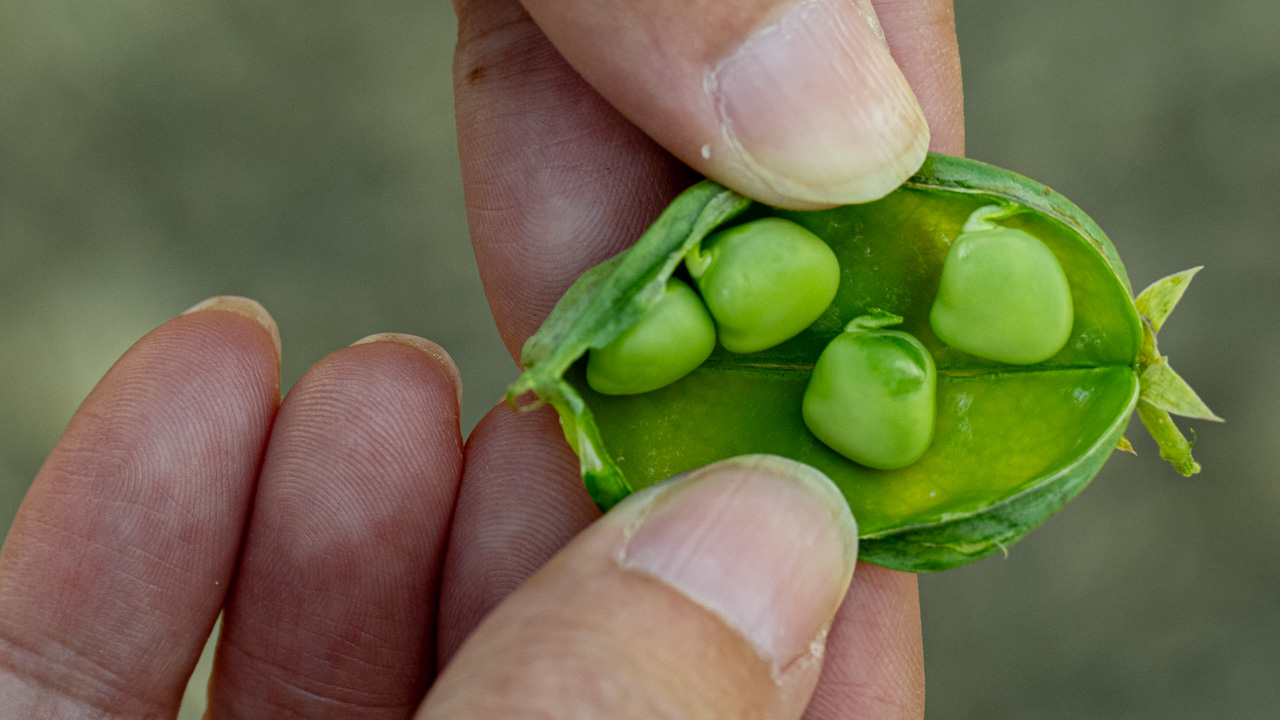
THE STIGMA OF GRASSPEA
The ancient Greeks, notably Hippocrates, were pretty wary of grasspea… -
7 March 2024
-
5 March 2024
-
1 March 2024
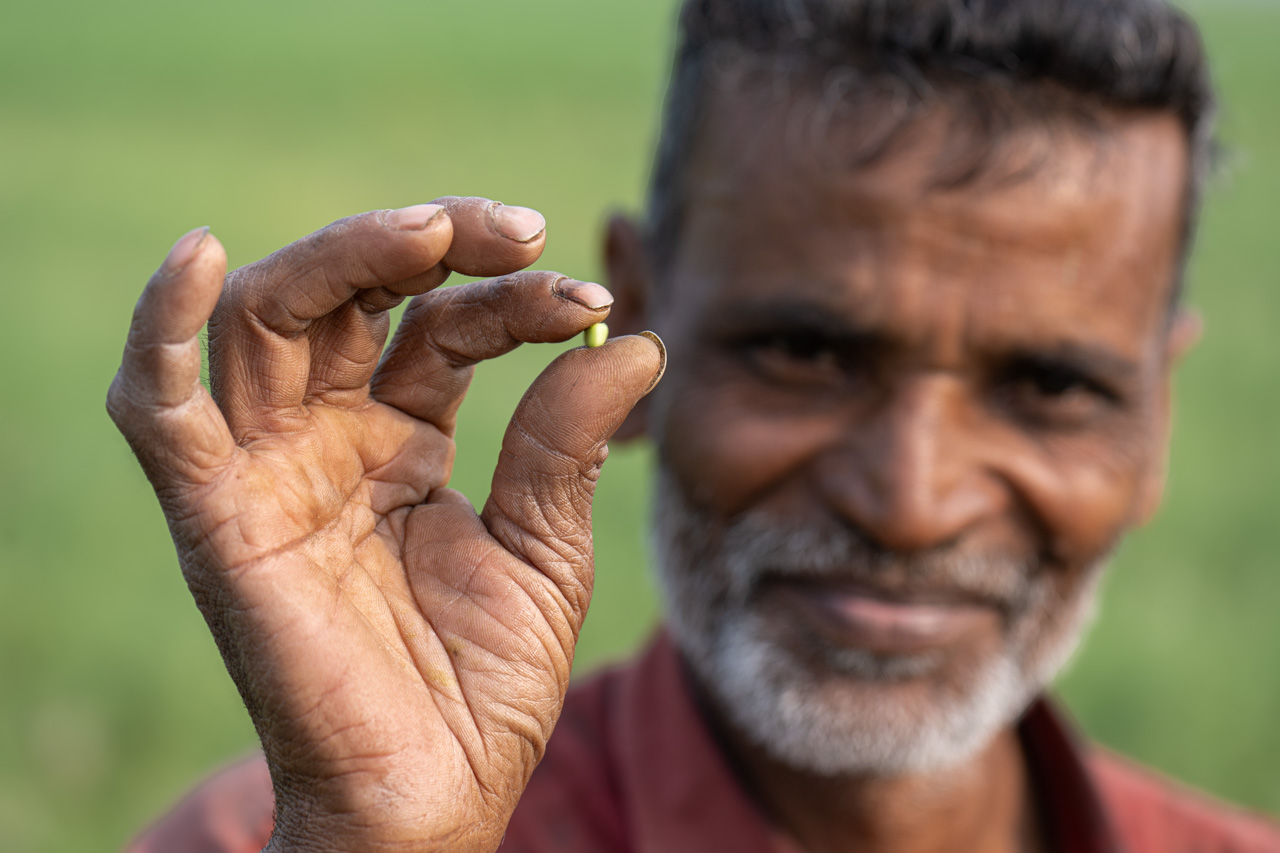
GRASSPEA IS A GRACIOUS GIFT OF GOD GLOBALLY (5G)
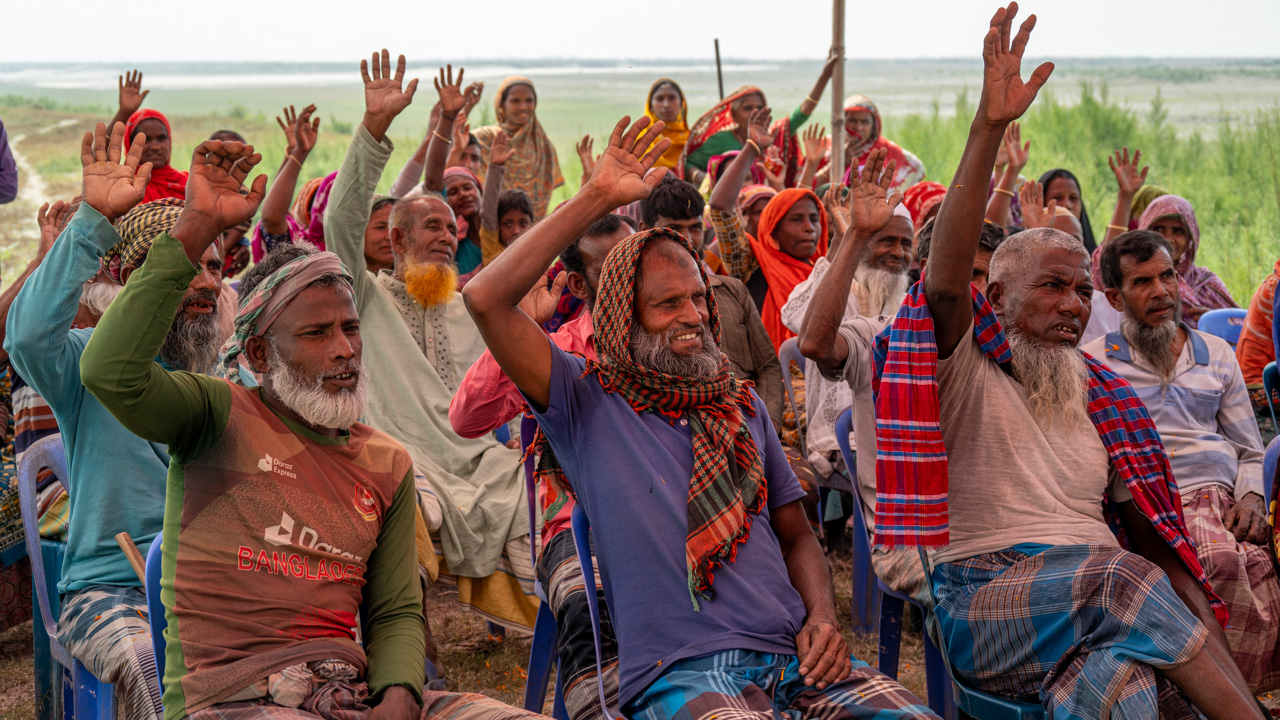
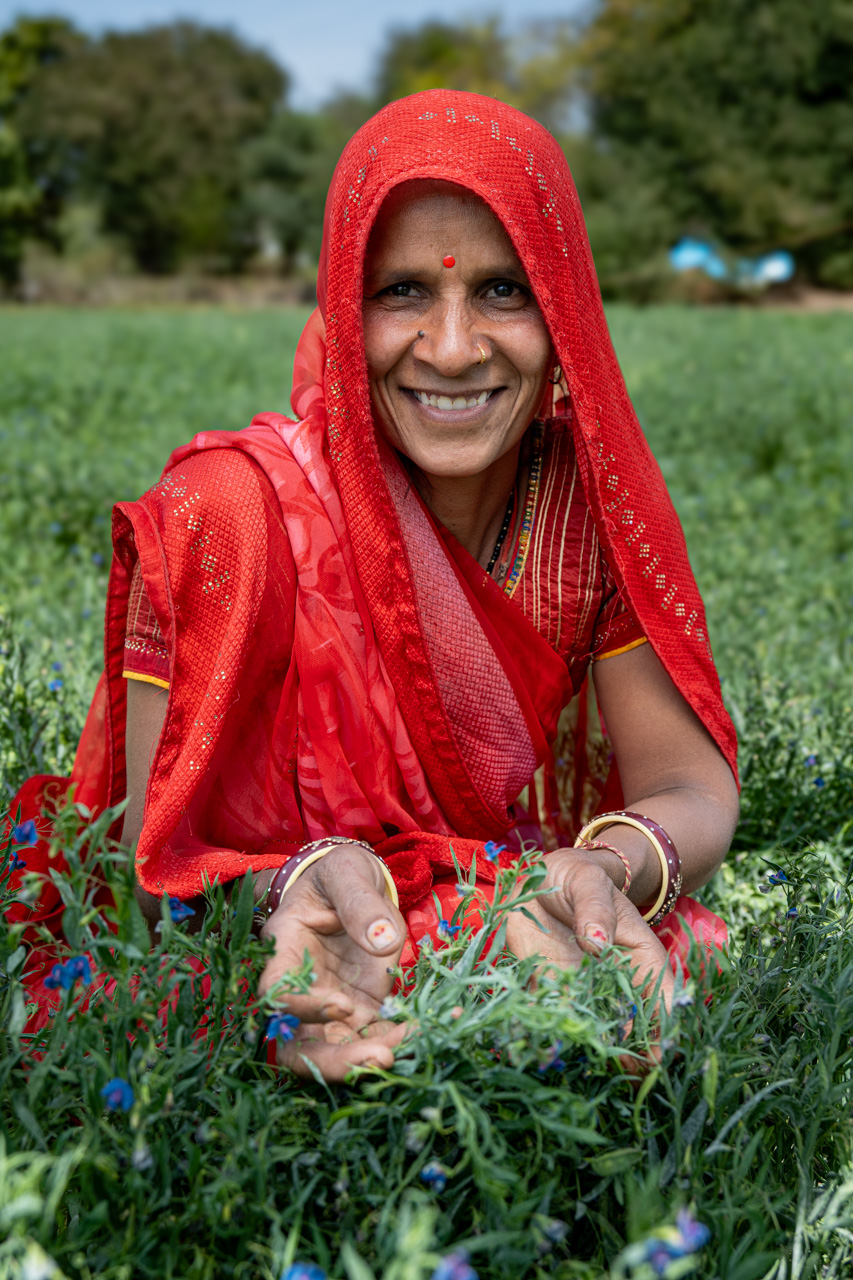
As I stood in the middle of a 28-acre community… -
27 February 2024
-
24 February 2024
-
4 February 2024
PRESERVING MALAN IN CENTRAL KALIMANTAN
Papa Dewi told me about his way of ‘malan’. That… -
27 January 2024
-
25 January 2024
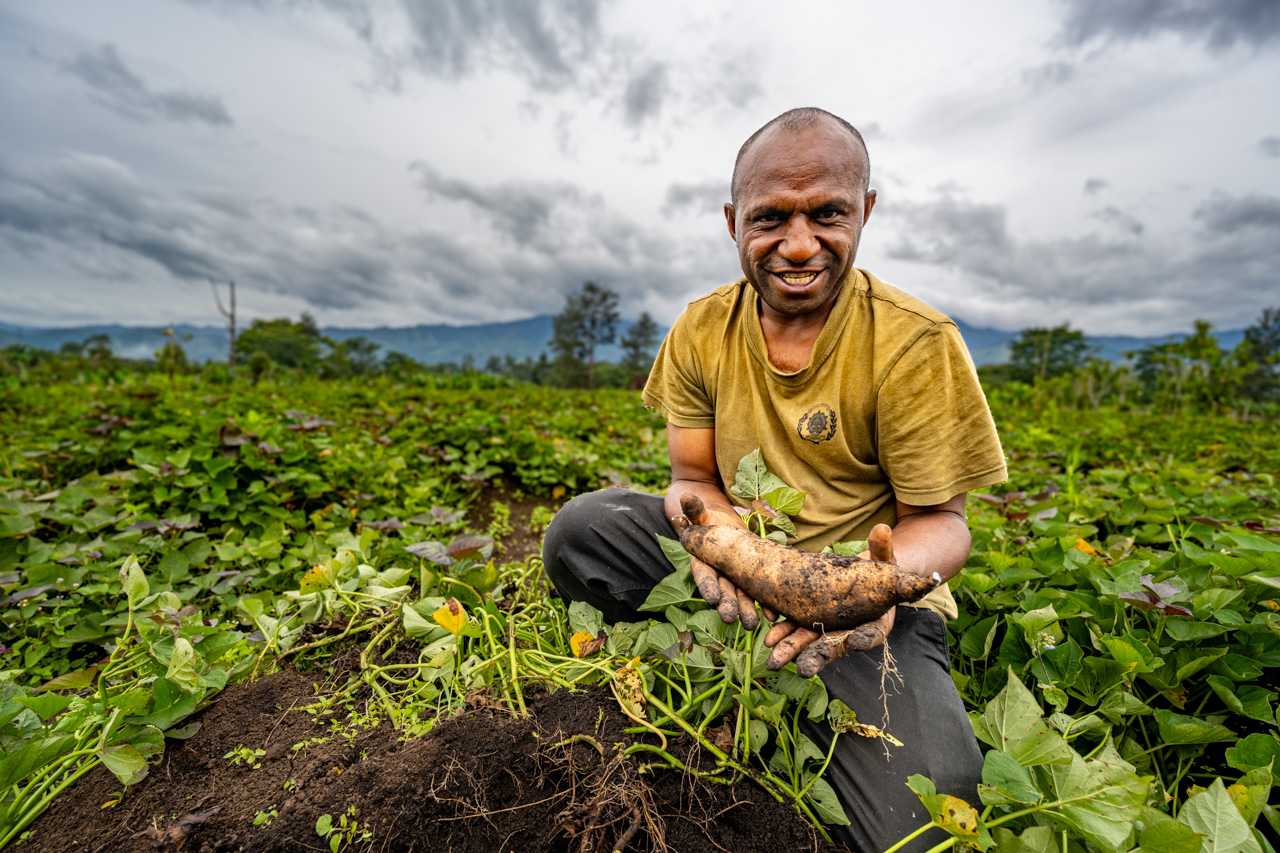
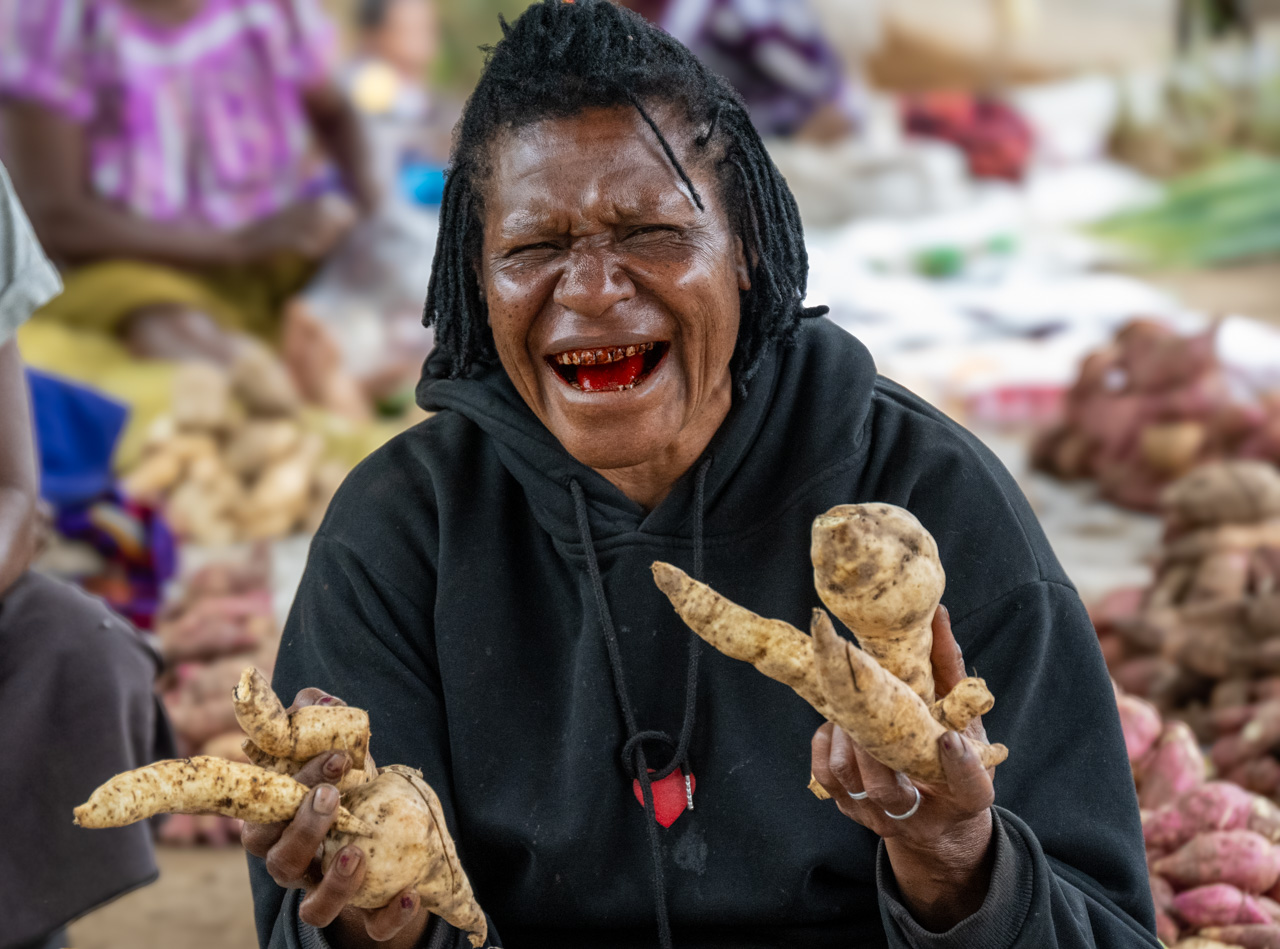
I DON’T CARE SWEETPOTATOES
There’s a sweetpotato in Papua New Guinea called ‘gimane’. But… -
1 January 2024
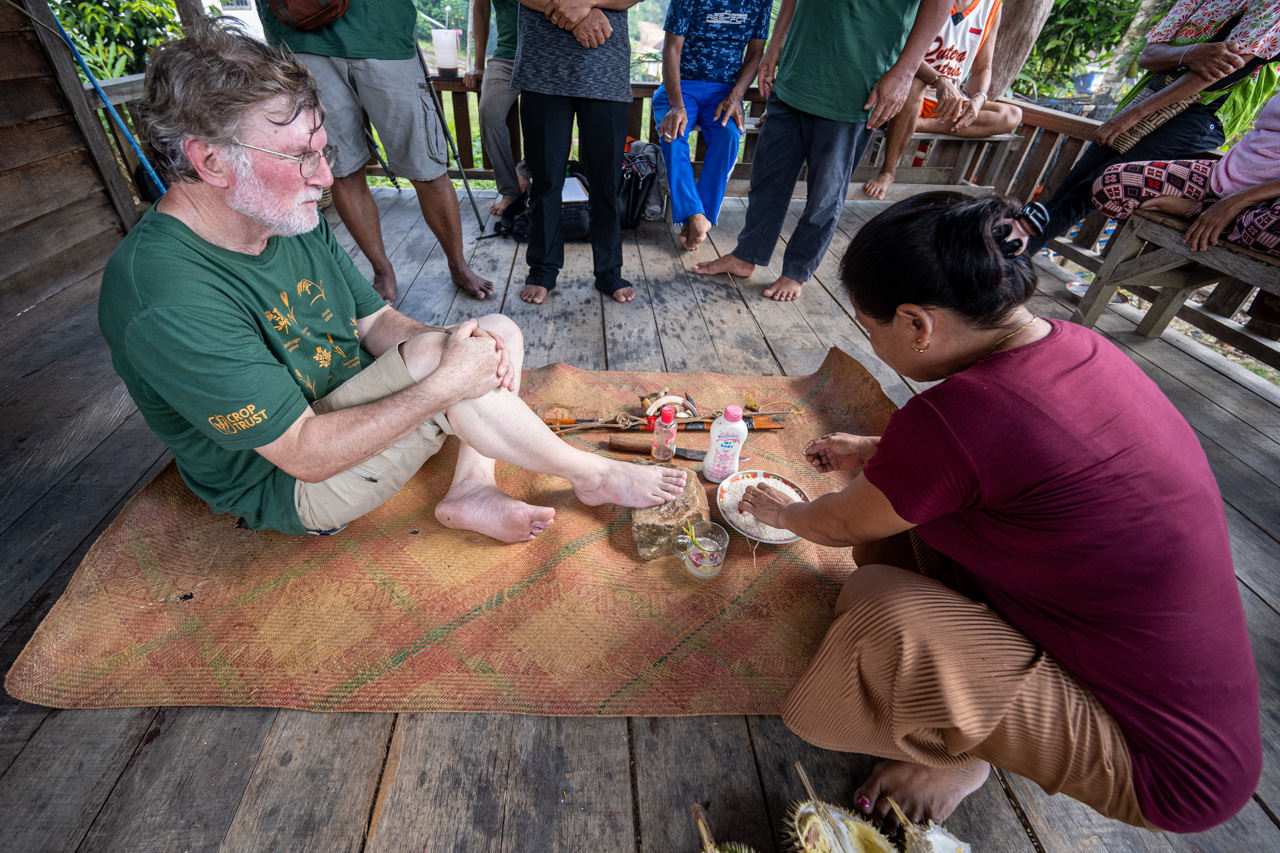
A DAYAK WELCOME IN BORNEO
The inter-tribal warfare amongst the Dayak people of Borneo in… -
1 August 2023
-
6 November 2022

A DAY IN THE RICE PADDIES OF CAO PHONG
Timing is so important in photography. And I seem to… -
30 October 2022
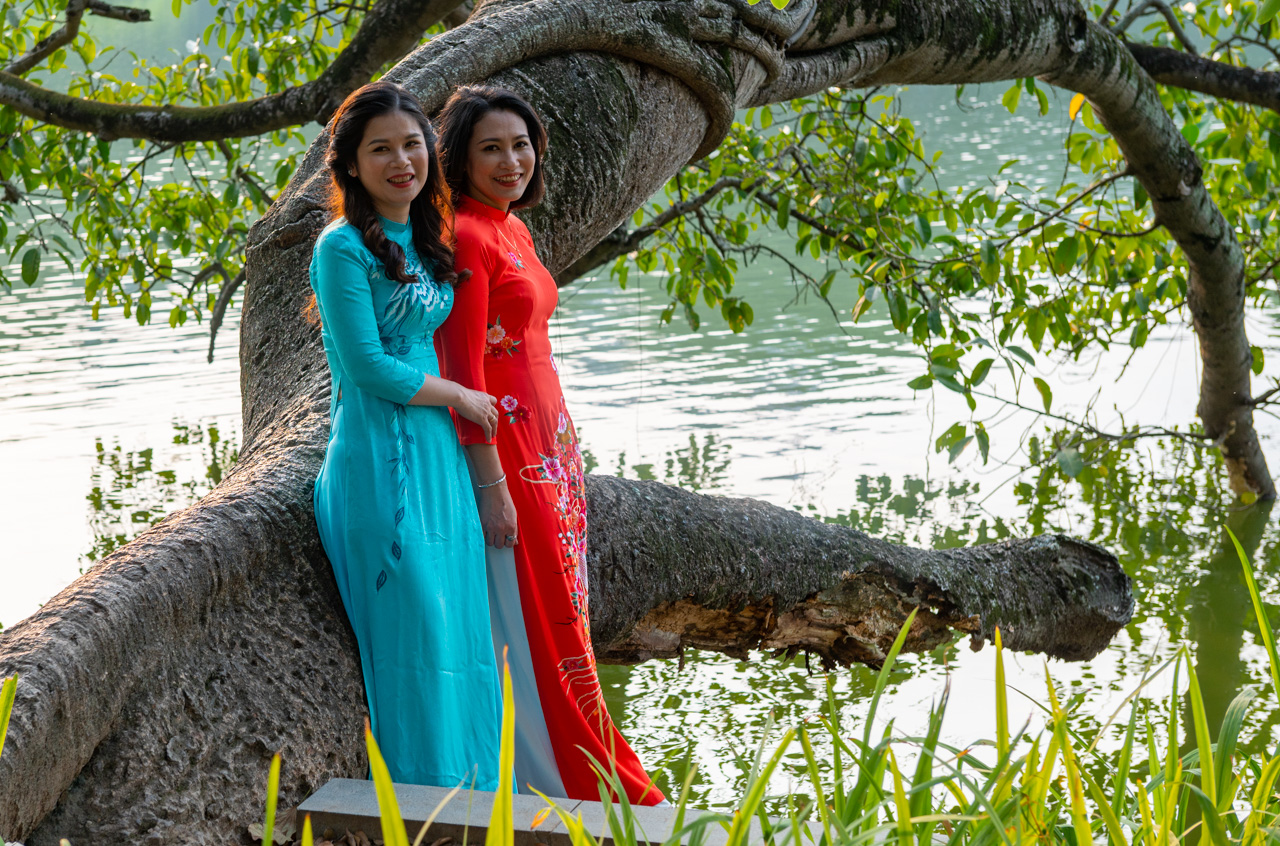
A TWILIGHT STROLL THROUGH HANOI’S OLD QUARTER
I came to Vietnam as part of a Crop Trust-supported… -
5 October 2022
-
13 December 2019
-
11 December 2019
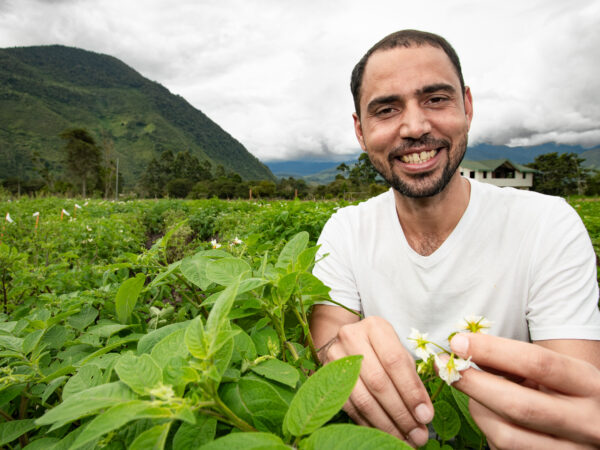
POTATOES FOR A CHANGING CLIMATE
Climate change is reducing potato yields due to drought, heat,… -
1 May 2019
-
7 June 2018
-
6 June 2018
-
6 June 2018
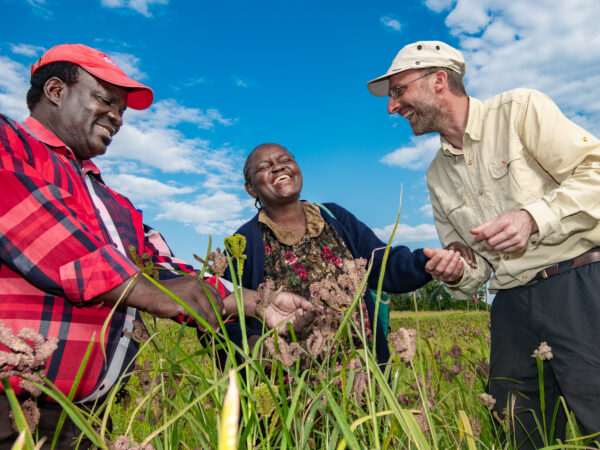
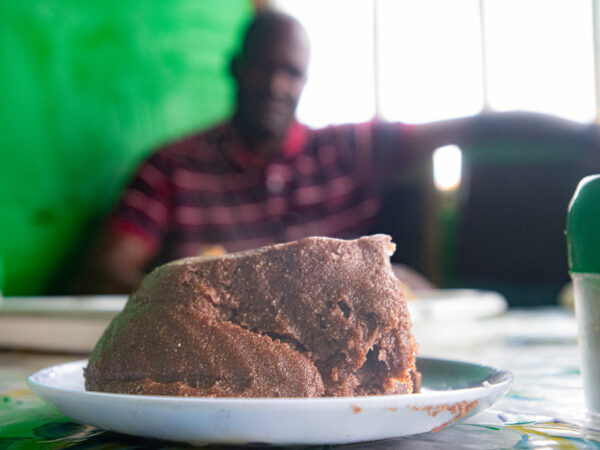
JOY IN THE FINGER MILLET FIELD
Margaret, a progressive farmer in Kakamega County of western Kenya,… -
6 June 2018
-
5 June 2018
JONAH, THE KENYAN TEA PLUCKER
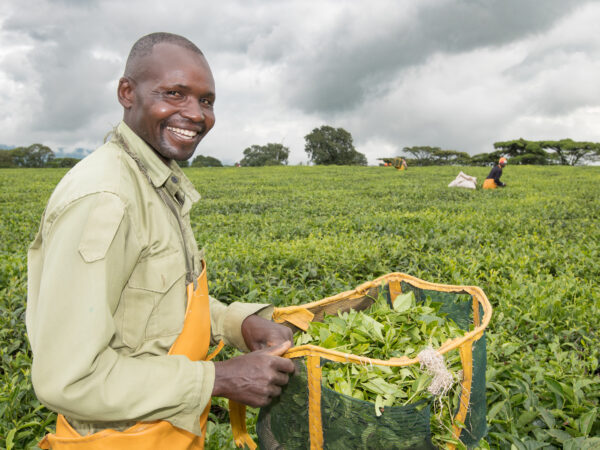
It’s an all-day journey from Nairobi to Kisimu, where my… -
5 June 2018
-
16 May 2018
-
16 May 2018
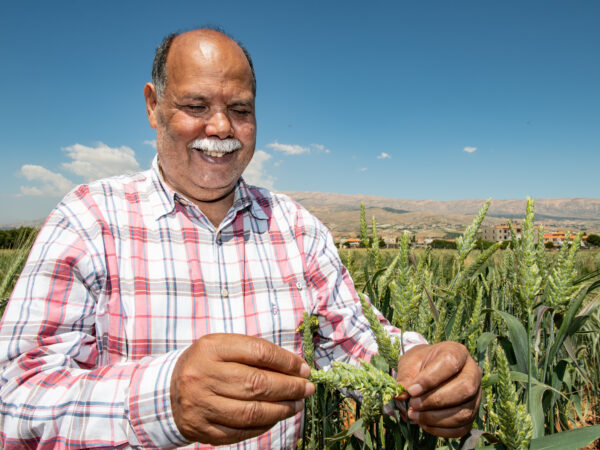
REPLENISHING THE SEED OF THE FERTILE CRESCENT
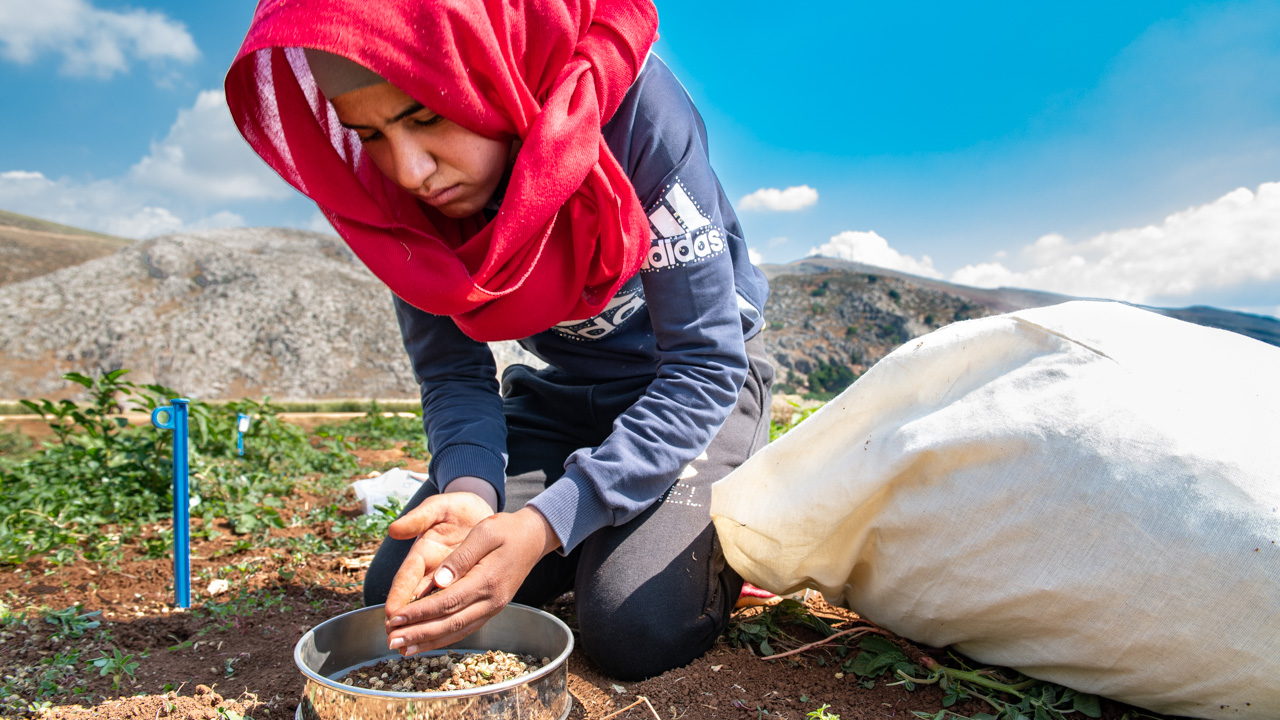
Ahmed Amri stood in the middle of a checkerboard-patterned field…. -
15 May 2018
-
11 December 2017

MARUTI THE PIGEONPEA SAVIOUR
In the early 1980s, the Indian state of Karnataka was…
-
A BOWL THAT BROUGHT A SON BACK
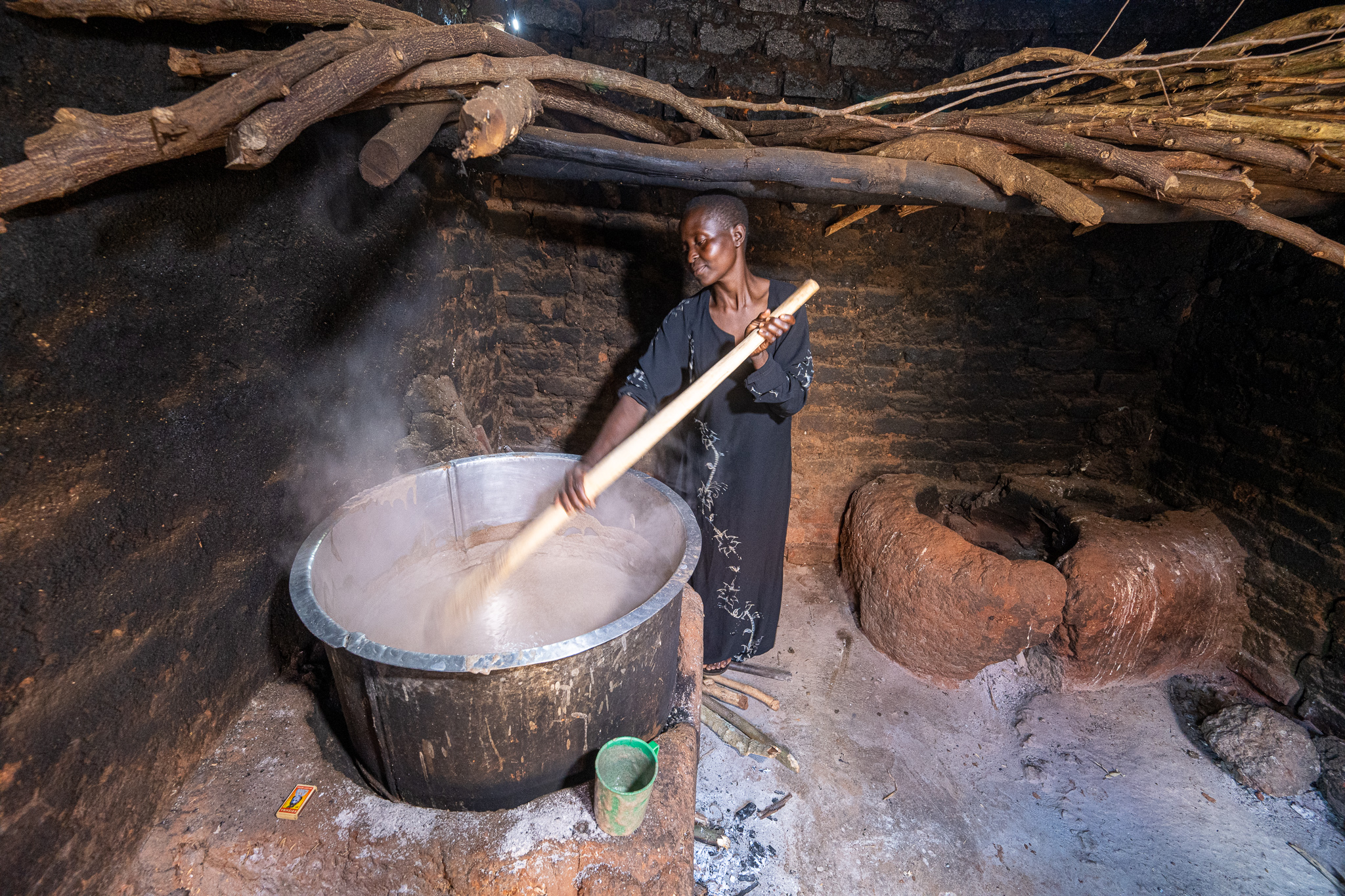
The room in Naluwoli was full of women as we entered – babies on hips and laps, a lively chatter amongst mothers. My colleague Scott Christiansen and I were in Uganda to document the amaranth value chain research conducted by the World Vegetable Center with support from the Crop Trust’s BOLDER project. We wanted to document how to build markets and nutrition around lesser-known crops. This room was where the whole chain finally arrives. After a welcome song and dance, one woman rose. She has come, she says, because she wants…
-
SEKAKO
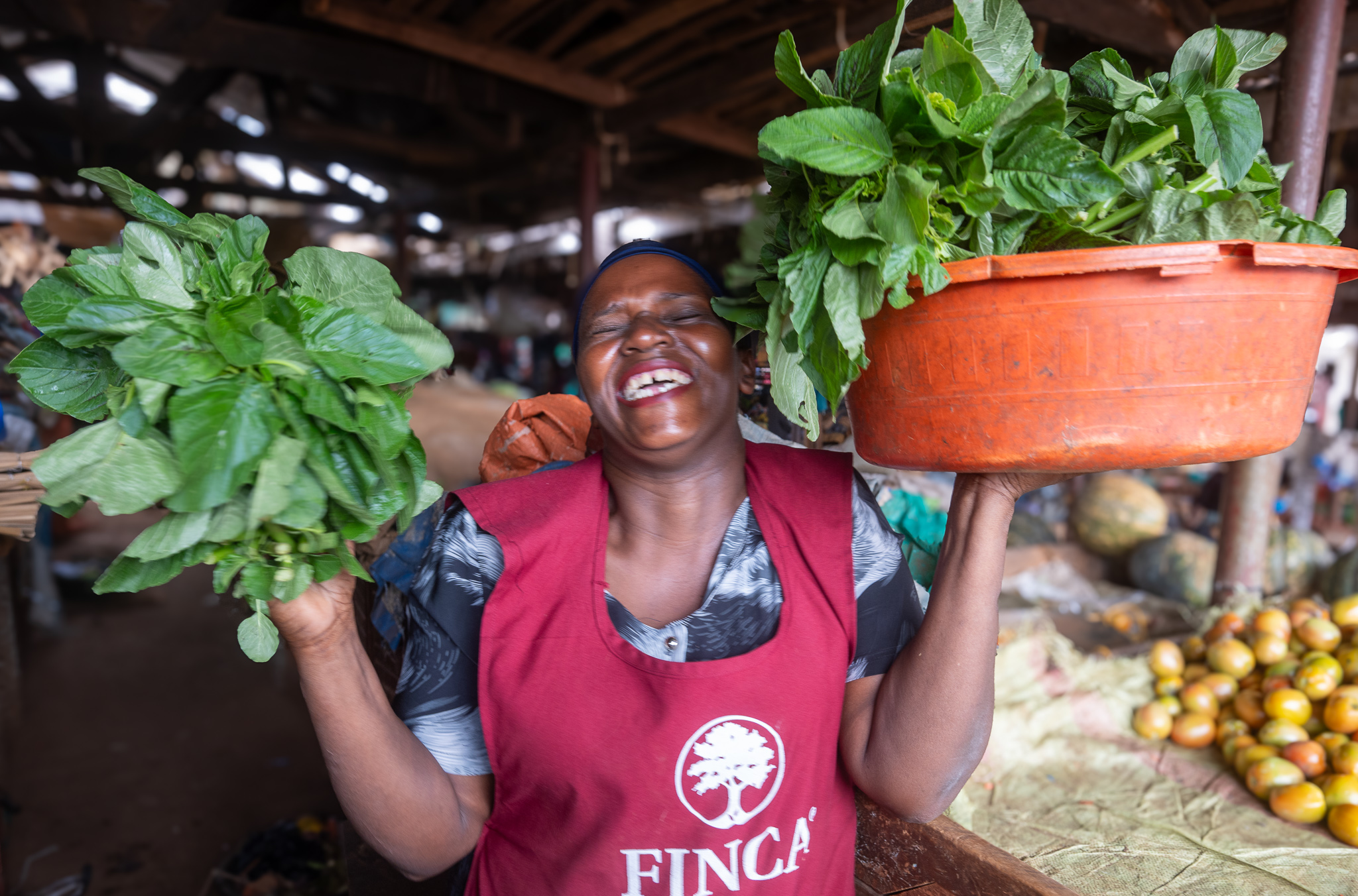
While in Uganda, I repeatedly asked our host partner, Moses Owori, for the word ‘smile’ in Lusoga. ‘Sekako’, he told me. Over and over … I’d hear it but spit something different out of my mouth: ‘Sikayo’ … ‘Sickaku’ … ‘Sykuku’. A simple three syllables but I mangled it every time. I was hopeless. But the results were brilliant. My Ugandan subjects thought the way I butchered their language was hilarious. I’d get my nice smiles in the end. No one found more hilarity with my speech impediment than Annet in…
-
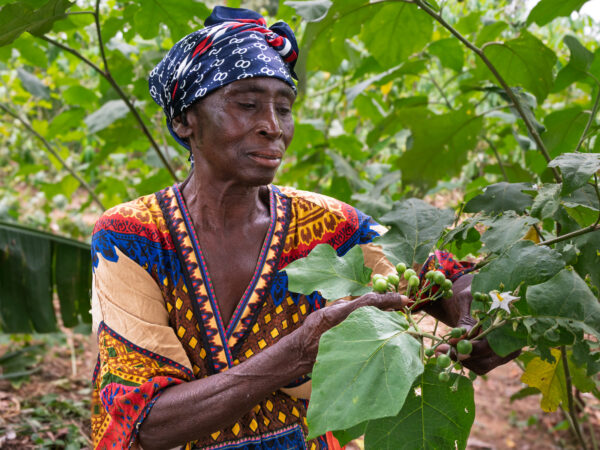
DORA AND THE FIERCE VOLUNTEER
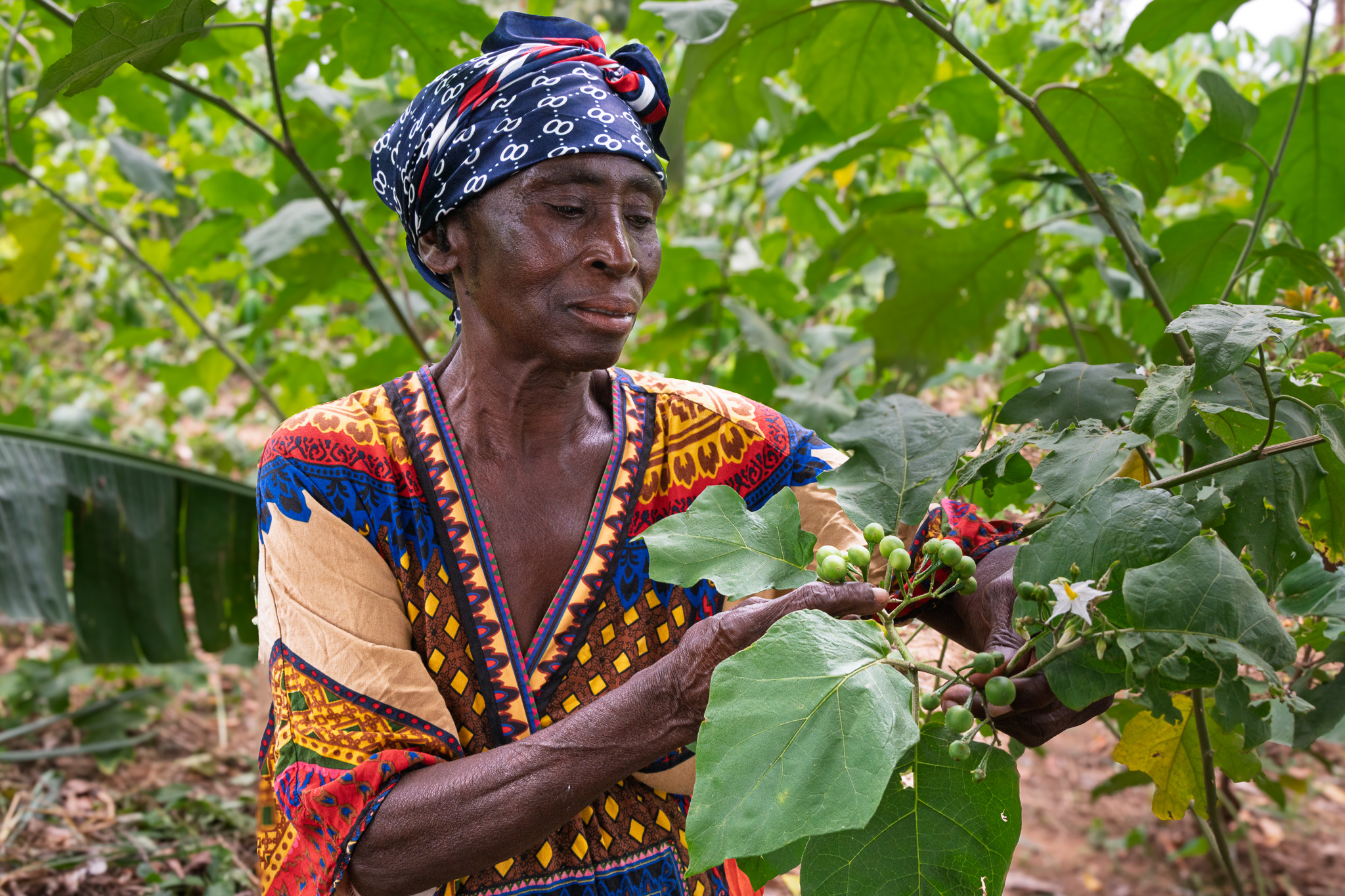
Some crops don’t wait to be planted. They arrive uninvited, establish themselves in the gaps between everything else and dare you to ignore them. They just show up – fierce, thorny and needing nothing from anyone. Smart farmers don’t ignore them. They understand, perhaps better than anyone, that you can reap where you did not sow – if you pay attention. They watch, they learn to work with the plant and not against it, and then they build something from the volunteers. Dora Ansong Yeboah is one of those farmers. The…
-
THE PUMPKIN PROCESSOR
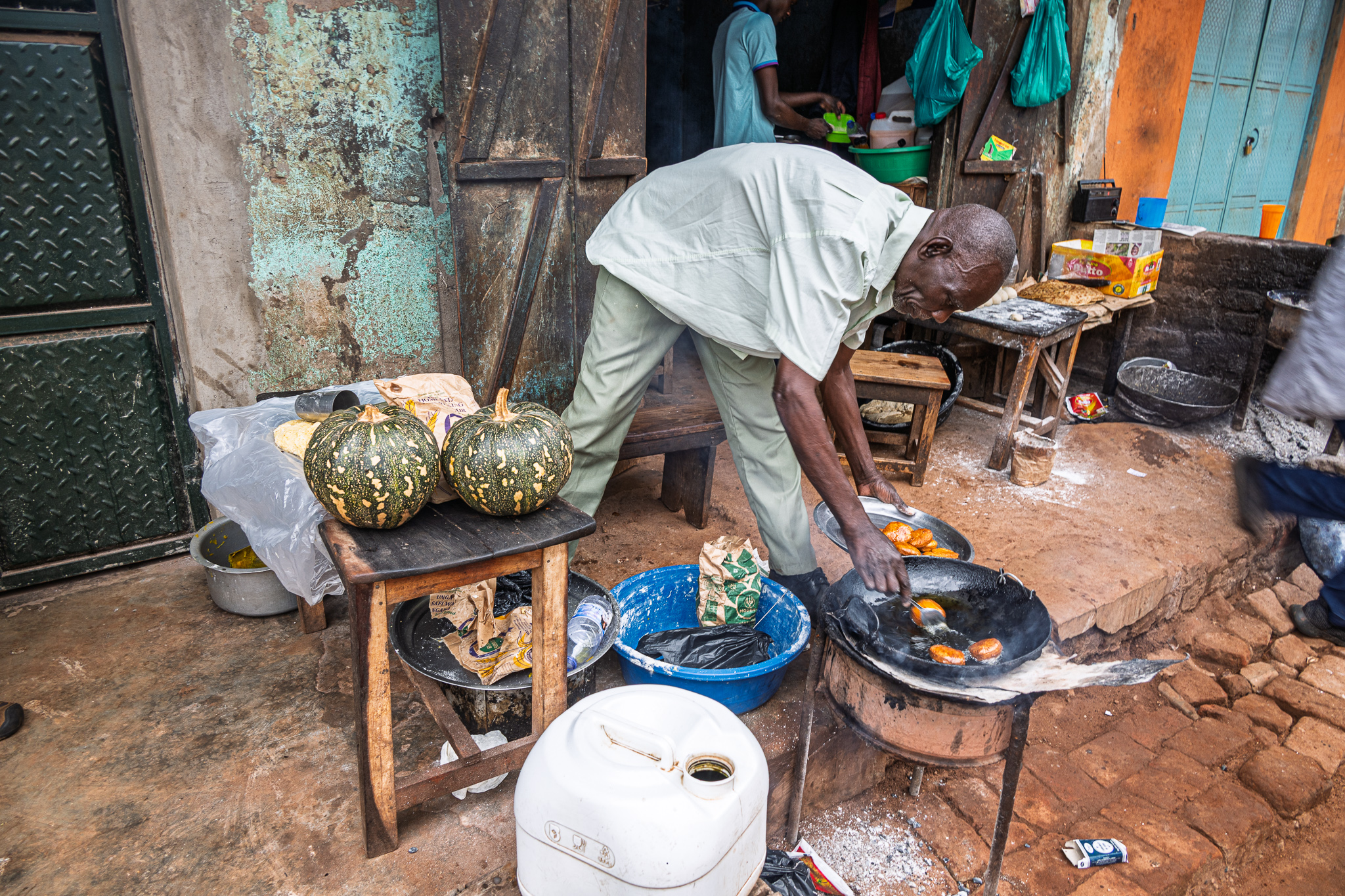
When our host and partner Moses Owori said our first of seven visits on the day would be with a “pumpkin processor,” I immediately began visualizing my photo opportunities. I saw workers in white coats and white clogs and hairnets checking stainless steel vats in a tidy factory. So when our Land Cruiser powered down on a narrow dirt road in the town of Balawoli in Uganda’s Kamuli District and Moses announced we had arrived, I was a bit bewildered. I didn’t see anything that looked like a food processing plant.…
-
AMARANTH MAN
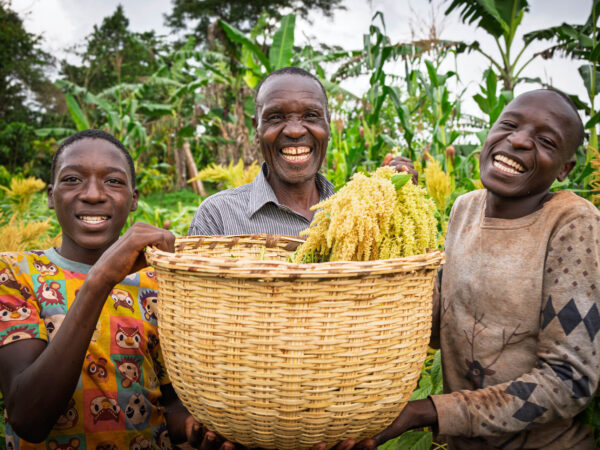
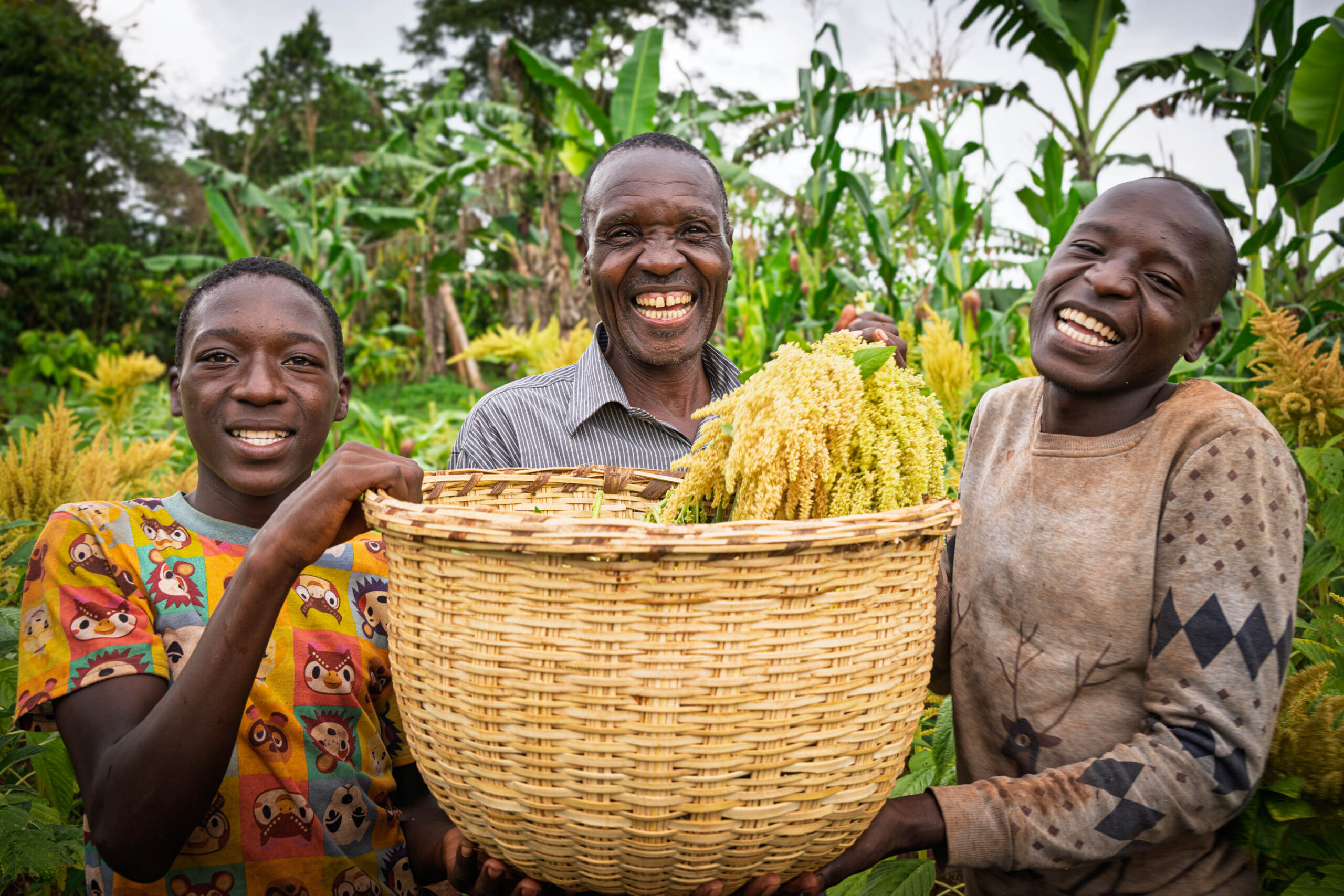
Down a muddy path in a smallholder farm near Kamuli in Uganda, past rows of cacao and towering maize, my colleague Scott Christiansen and I found Samuel Ngobi standing in a field that seemed to glow as storm clouds rolled in overhead. Samuel grows amaranth. And in these parts of Uganda it grows well. As the sky darkened and thunder rumbled in the distance, Samuel, along with his sons Steven and Emmanuel, moved quickly through the chest-high plants, harvesting armfuls of the brilliant yellow-green seed heads before the rains came. Back…
-
DANCIN’ UNDER THE BAOBAB TREE
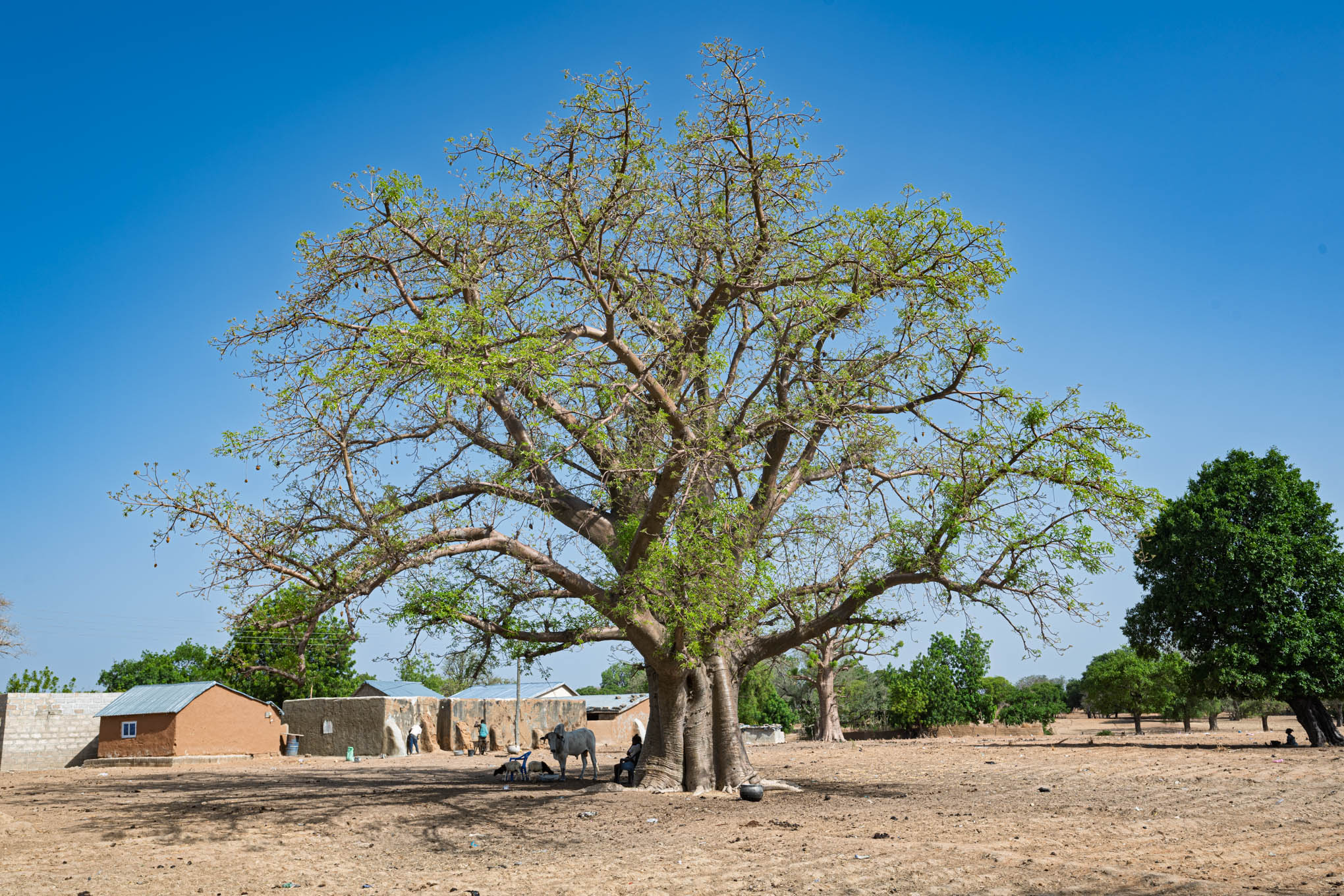
The baobab tree has a most significant importance to the people of northern Ghana. The leaves and fruit provide an excellent source of nutrition while the bark has medicinal values. And it’s a magical tree venerated by the locals. My colleague, Scott Christiansen, travelled to the village of Punga, just a few klicks south of the border with Burkina Faso in northern Ghana, for the Crop Trust to learn how a women’s association uses the baobab tree to its fullest potential. We sat for several hours in the shade of an…
-
THE DOOR OF NO RETURN
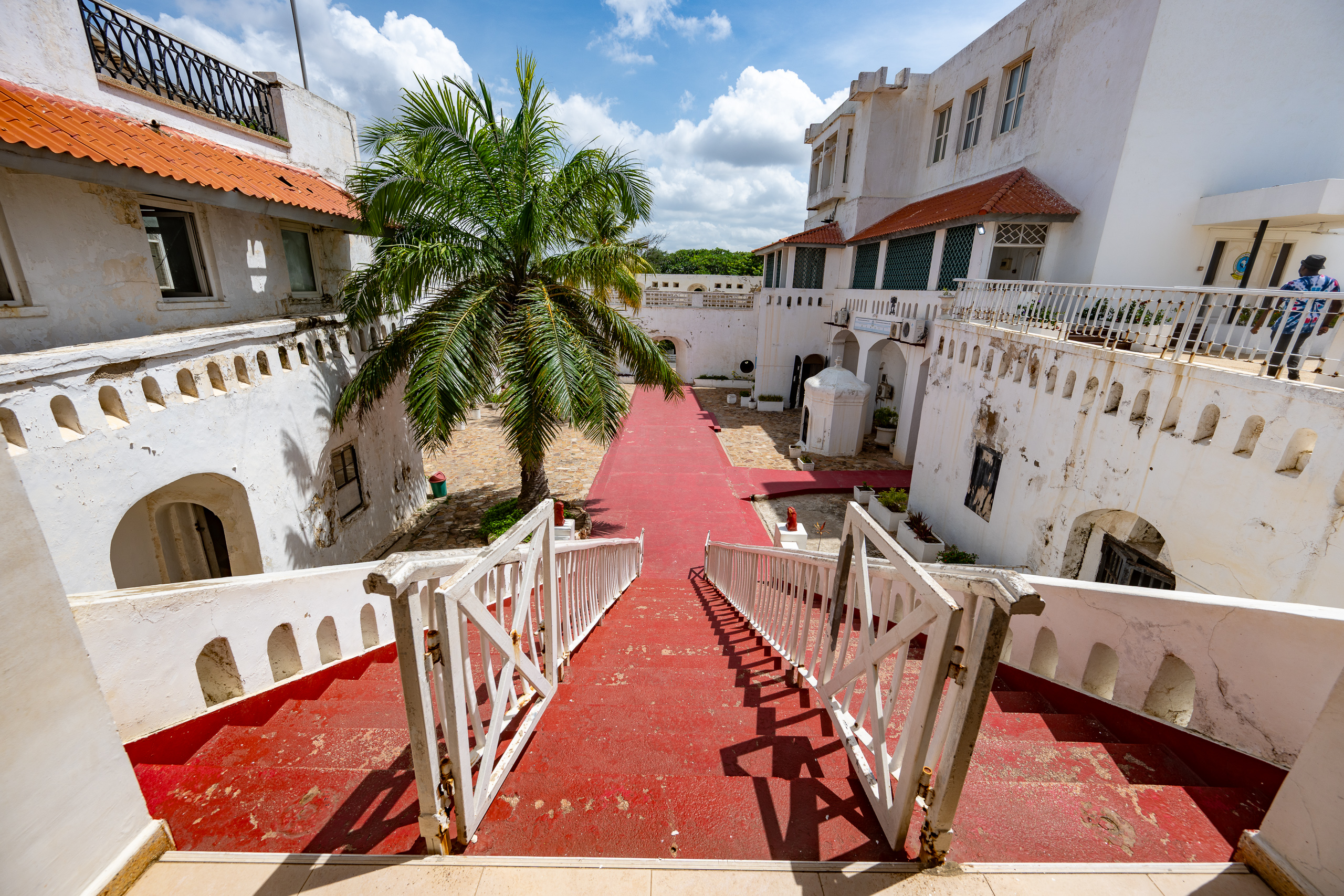
Today my colleague, Scott Christiansen, and I stood inside Osu Castle in Accra – Christiansborg – built by the Danes in the 1660s on a rocky promontory above the Atlantic. It’s a beautiful building. But that is the first, uncomfortable truth. The second truth is darker. In the dungeons below its whitewashed walls, up to 60 men were crammed into a single airless room for months at a time. Women, 30 to a cell. No light. No sanitation. No dignity. They waited there – sometimes for six months – not knowing…
-
THE SWAN AND THE SEAMSTRESS
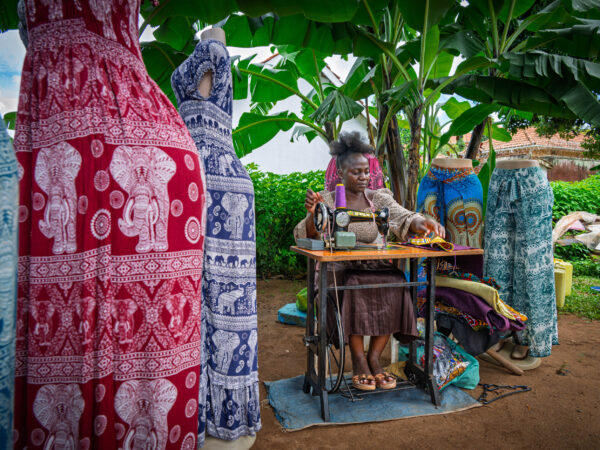
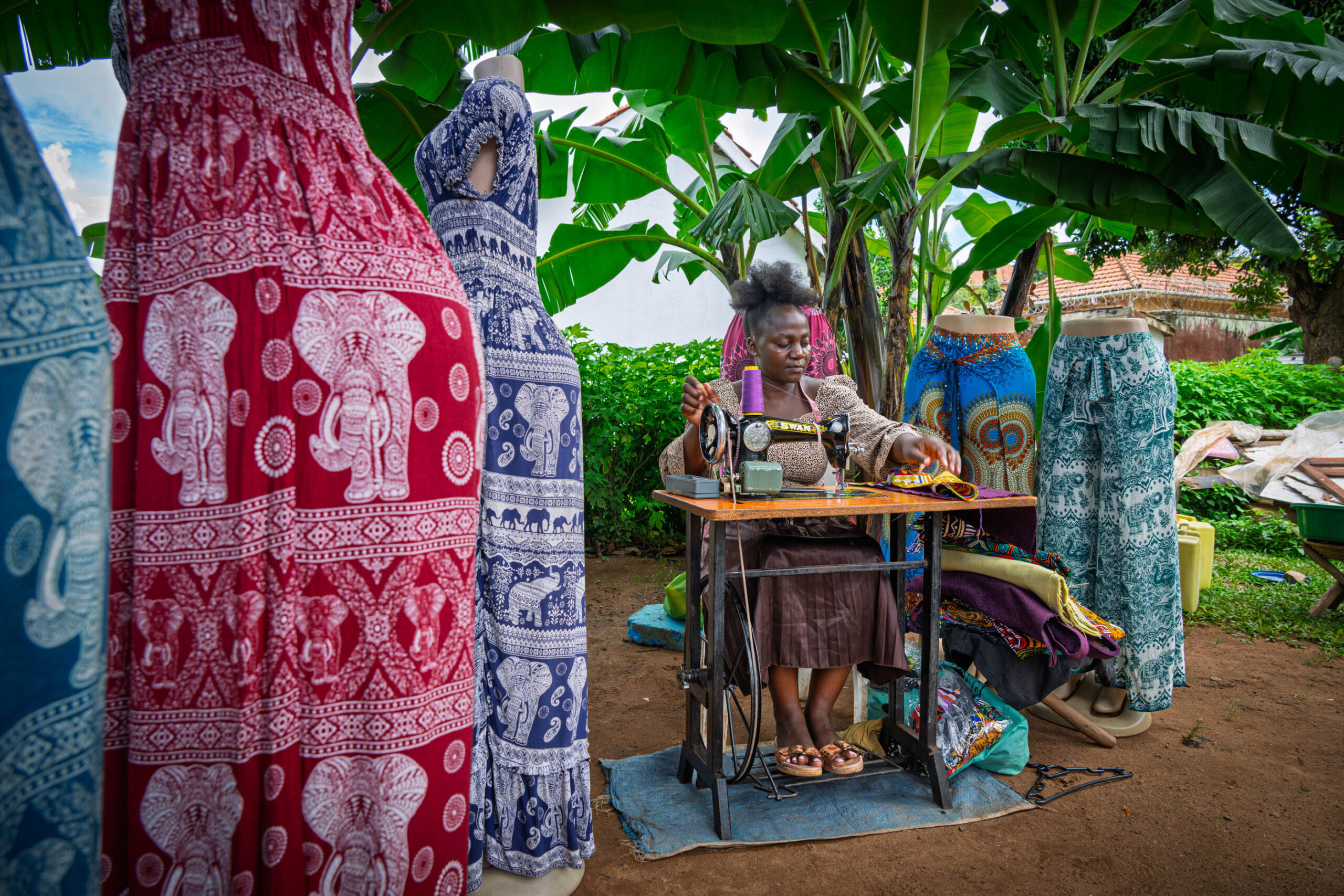
A Swan is a life-time investment. In fact, it’s a multi-generational investment. It’s a rip off of the classic treadle-powered Singer sewing machine of the late 19th century. As soon as the Singer lost its patent, the Swan company in China started mass-producing them and selling throughout sub-Saharan Africa. Every bit like the Singer but without the hefty brand-name price. Without a motor and with an abundance of spare parts in Africa, a Swan will outlast its owner. For Benitah Prossy the Swan is her livelihood. The seamstress from Entebbe, Uganda…
-
MOUNTAINS, HORSES AND JAILOO
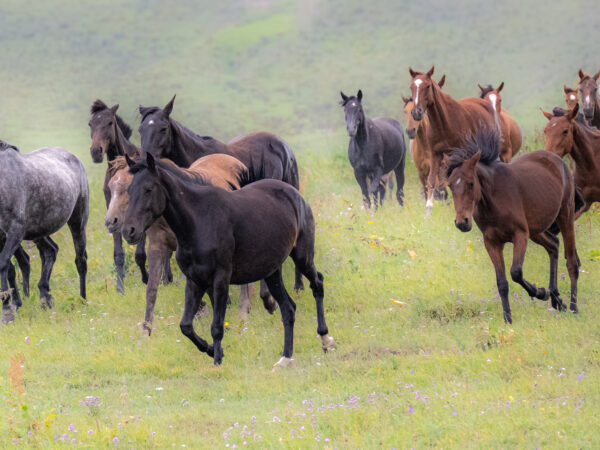
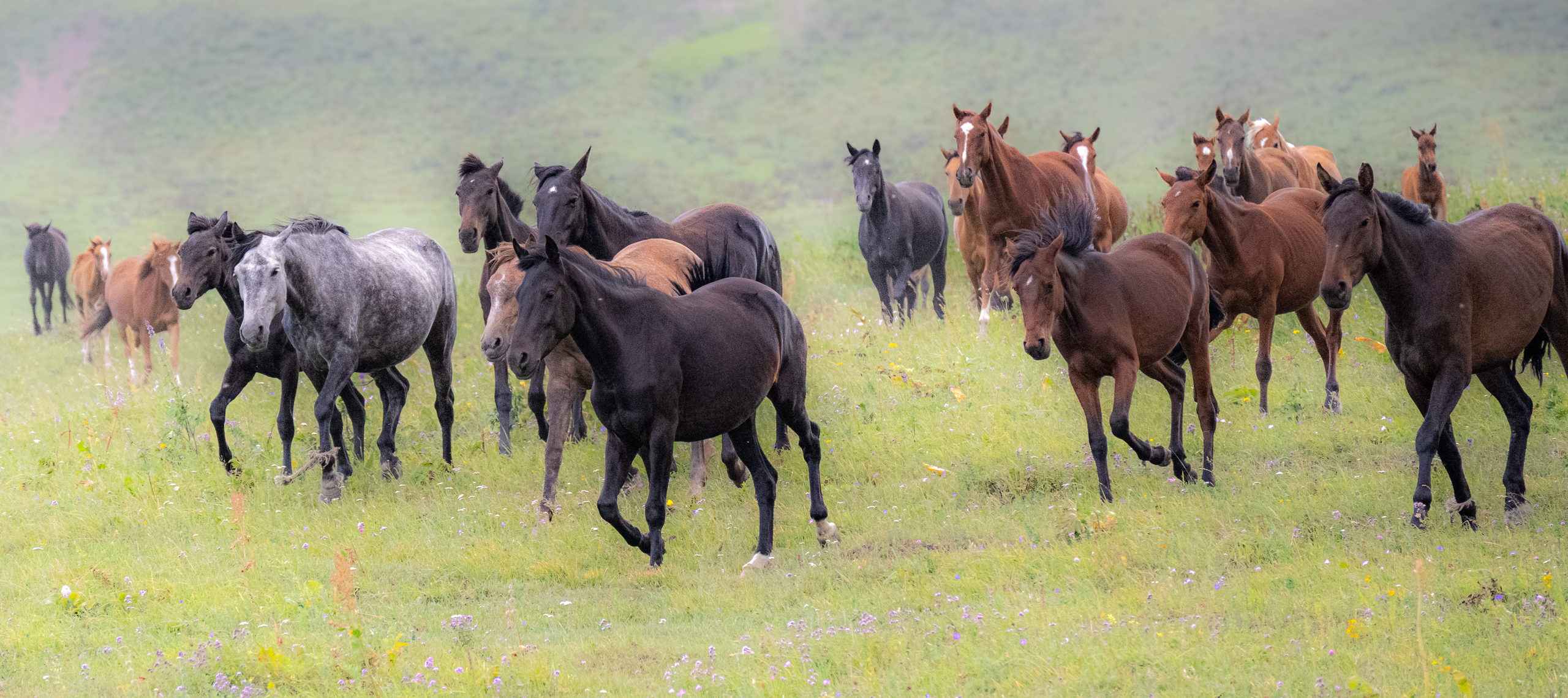
On maps, Kyrgyzstan looks like a country made of ridgelines. Landlocked, mountainous and wedged between larger powers, it had intrigued me for years. I finally visited in July 2023 to photograph alfalfa. What filled my viewfinder instead were ‘jailoo’ grasslands, towering mountains, vast skies and horses grazing as if little had changed in centuries. Kyrgyzstan is often described as the most mountainous country in the world. More than 90 percent of its territory lies above 1,500 metres. The Tien Shan range dominates the map, with peaks rising above 7,000 metres along…
If you see this after your page is loaded completely, leafletJS files are missing.