
Category: Travels for Crop Trust
-
8 June 2026
-
31 May 2026
-
28 May 2026
DORA AND THE FIERCE VOLUNTEER
Some crops don’t wait to be planted. They arrive uninvited,… -
23 May 2026
-
19 May 2026
-
15 May 2026
DANCIN’ UNDER THE BAOBAB TREE
The baobab tree has a most significant importance to the… -
11 May 2026
THE DOOR OF NO RETURN
Today my colleague, Scott Christiansen, and I stood inside Osu… -
4 May 2026
-
22 February 2026
MOUNTAINS, HORSES AND JAILOO
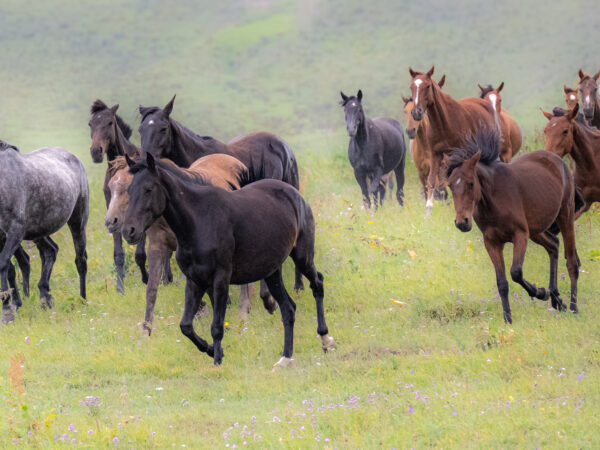
On maps, Kyrgyzstan looks like a country made of ridgelines…. -
27 November 2025
SWEETPOTATOES A LA SINGIDA
When I heard that my colleague Scott Christiansen and I… -
25 November 2025
THE BAMBARA GROUNDNUTS OF UNYAMIKUMBI
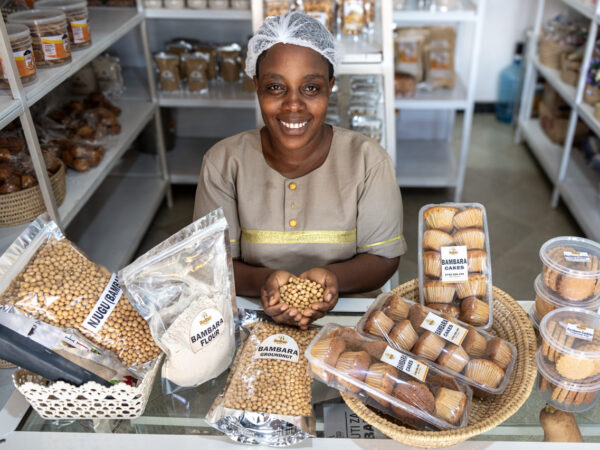
If you look at a dried Bambara groundnut in its… -
23 November 2025
THE SINGIDA MORNING MARKET
Sweetpotato leaves wilt quickly. They’re harvested in the early morning… -
21 November 2025
-
22 October 2025
-
18 October 2025
-
15 October 2025
-
12 October 2025

-
11 April 2025
-
14 March 2025

IS ARCTIC SNOW REALLY BLUE?
For years, I have been seeing photographs of the Svalbard… -
28 February 2025
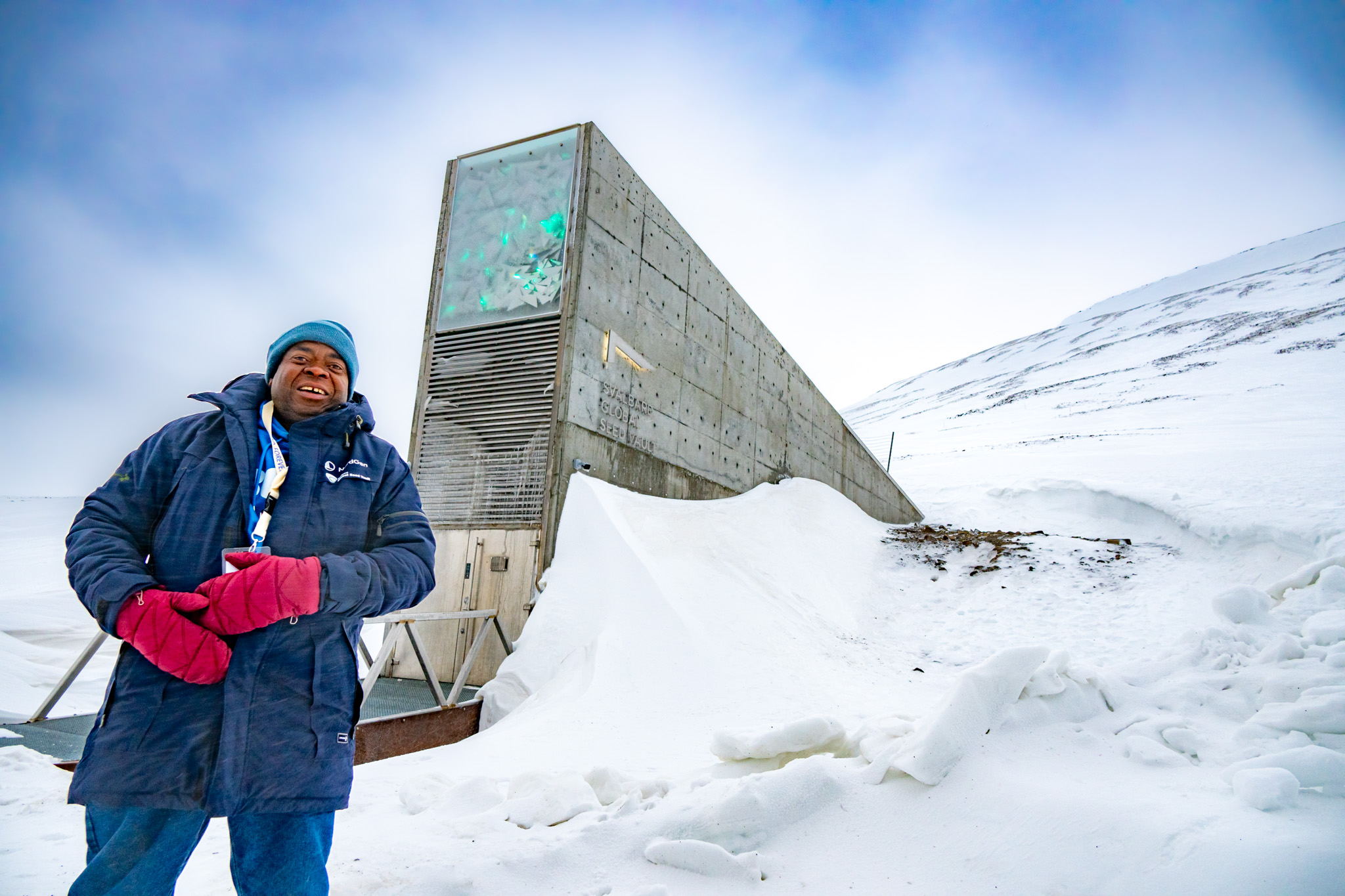
A SEED’S JOURNEY TO THE FAR FAR NORTH
It’s a long long way between Zimbabwe and the Svalbard… -
11 November 2024
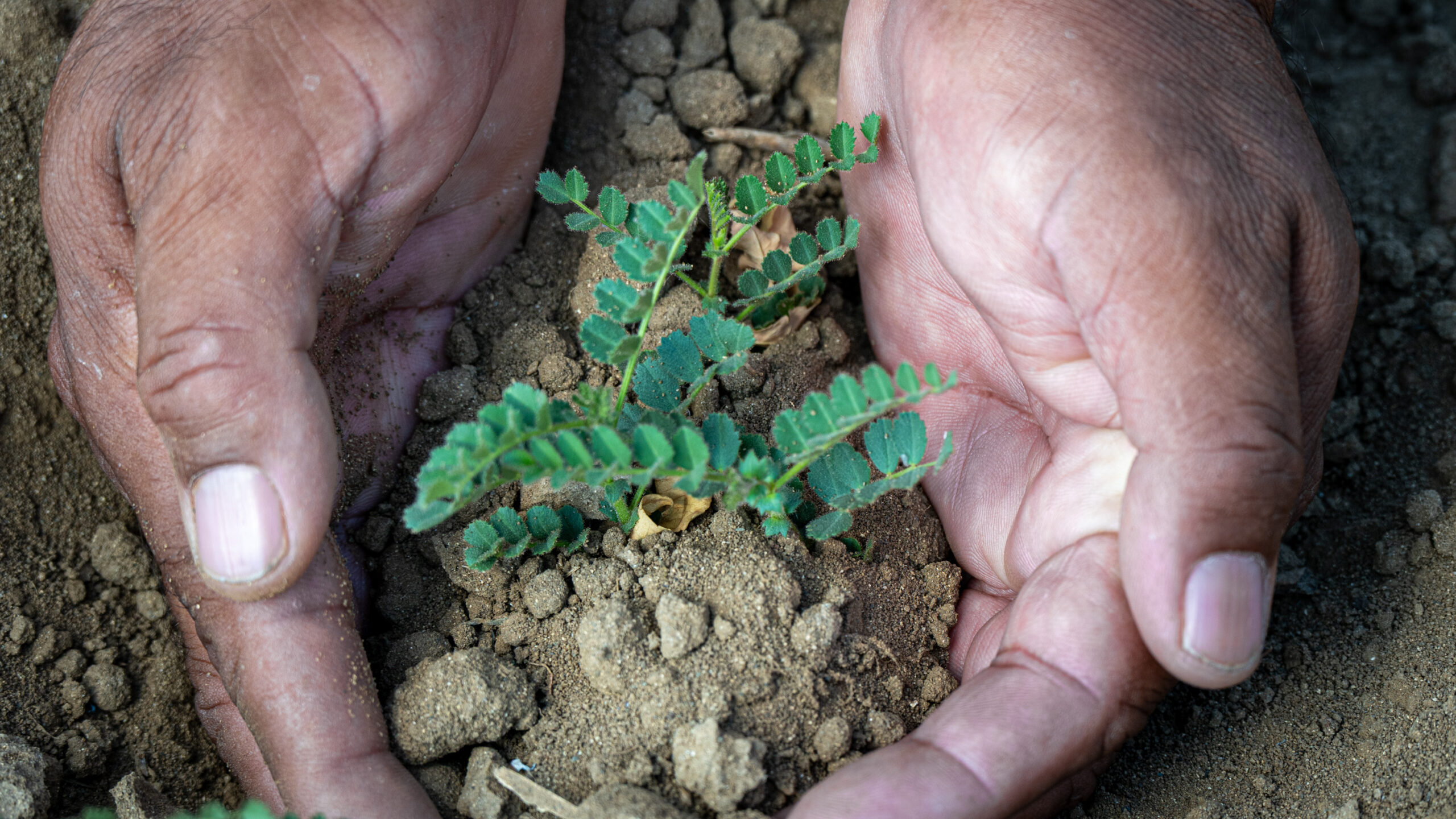
BETTER CHICKPEAS FOR KOT SARANG
Blight decimated the chickpea crop in the Punjab village of… -
4 November 2024

-
2 November 2024
-
5 October 2024
THE CANALS OF THE MEKONG DELTA
Back in the early 19th century the Emperor Gia Long,… -
14 September 2024
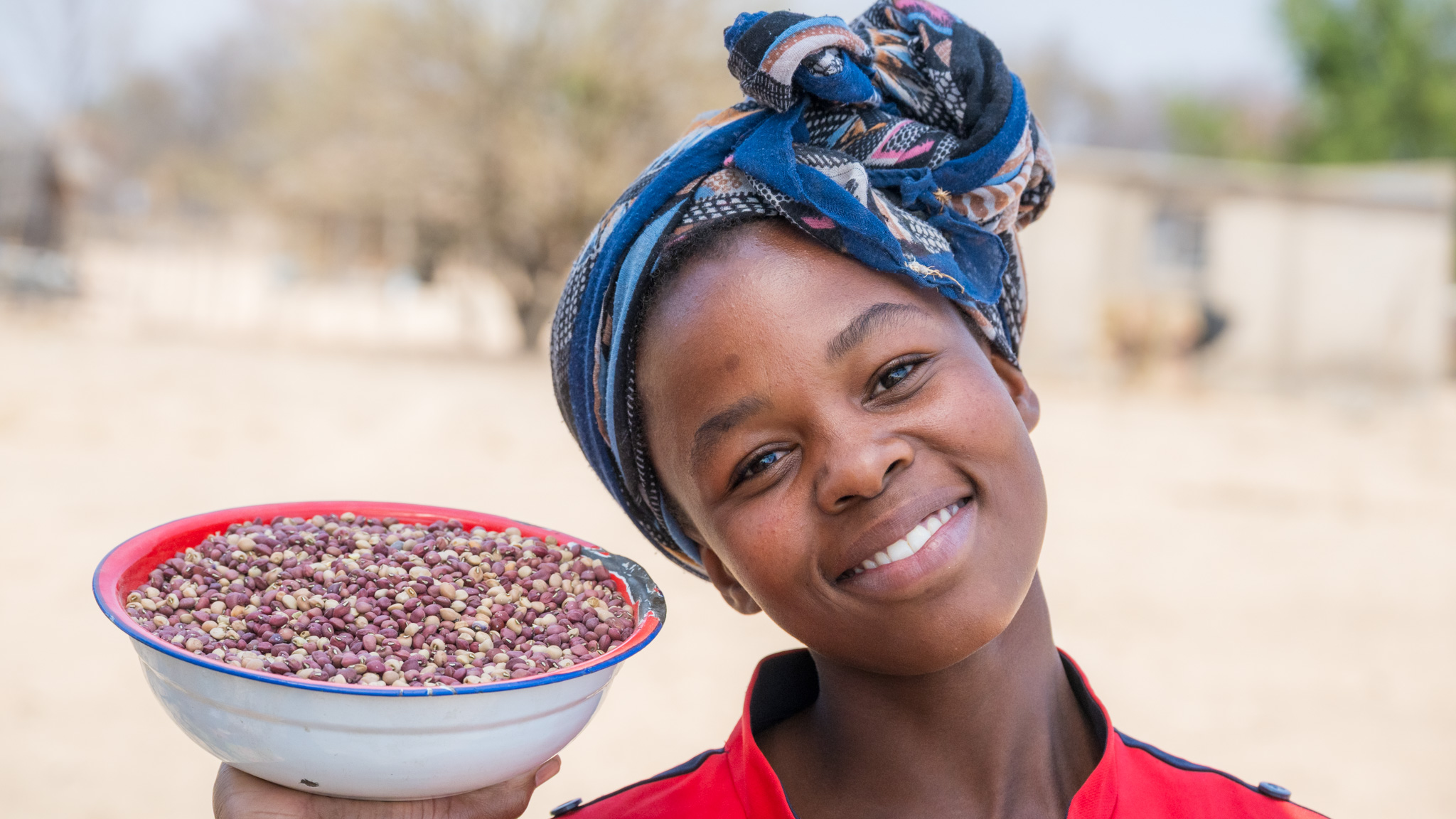
THE VARIED PERSONALITIES OF MALUNGA
The last time it rained in Malunga was in January…. -
12 September 2024
-
10 August 2024

-
2 August 2024

A POTATO JOURNEY FROM WISCONSIN TO KENYA
I started out begrudgingly planting potatoes for a merit badge… -
27 July 2024
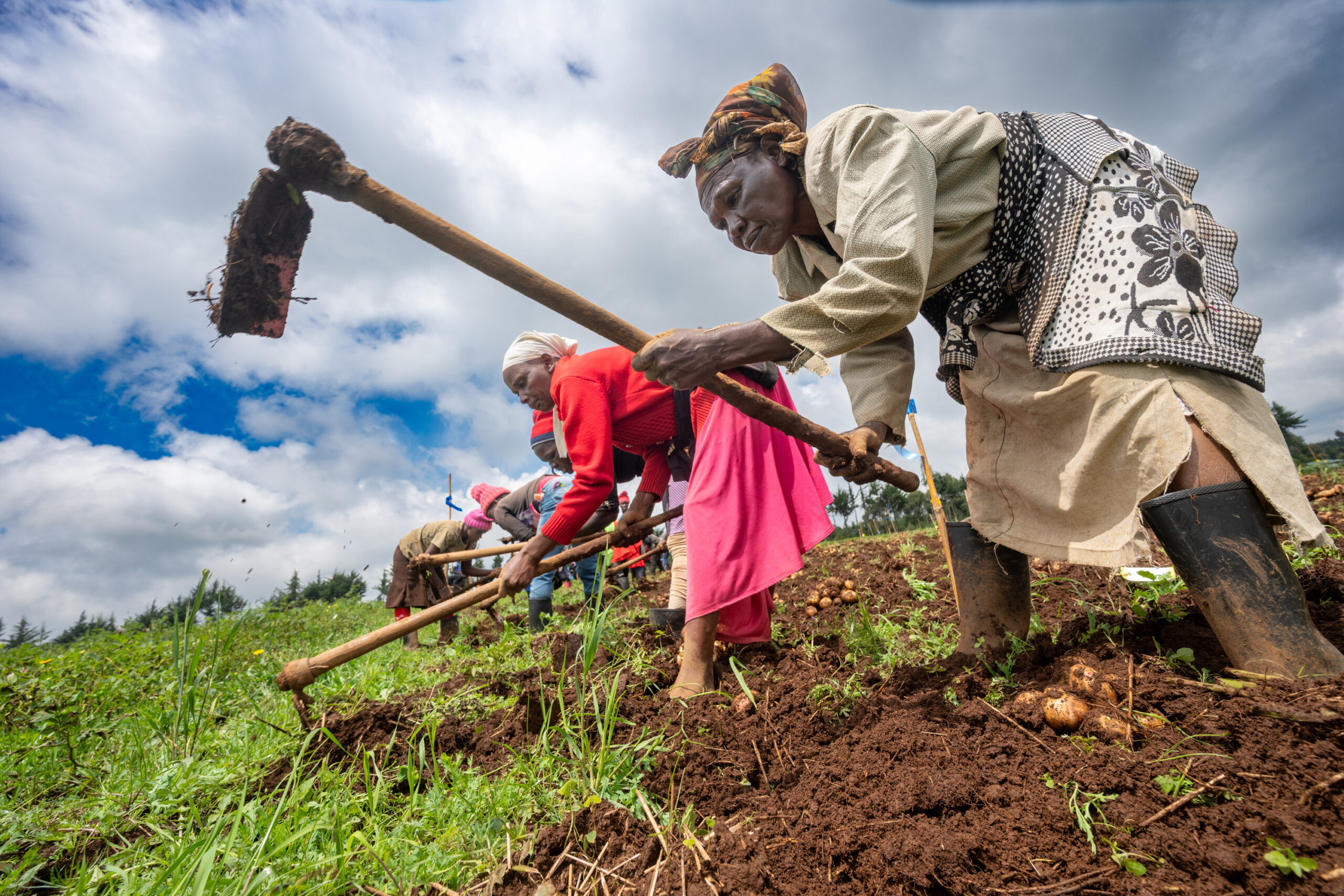
THEY’RE HARVESTING POTATOES IN KENYA
Potato harvesting in Kenya is being transformed through improved farming… -
12 April 2024
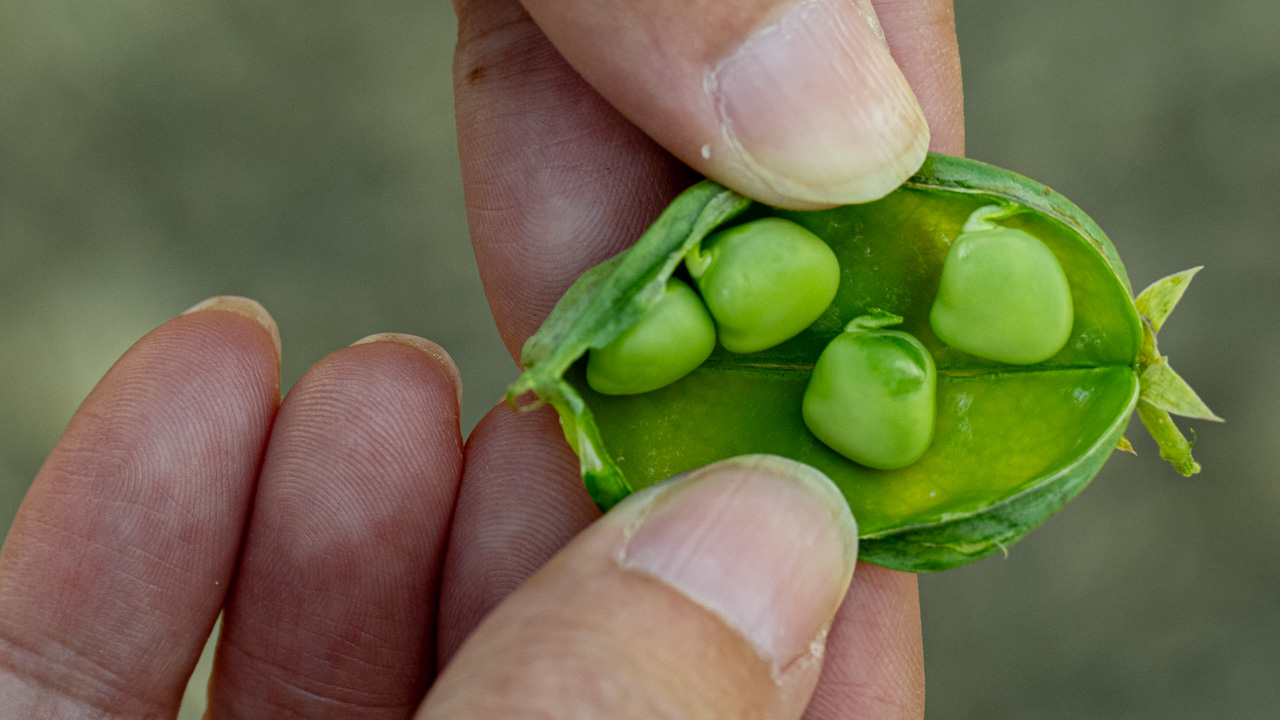
THE STIGMA OF GRASSPEA
The ancient Greeks, notably Hippocrates, were pretty wary of grasspea… -
7 March 2024
-
5 March 2024
-
1 March 2024
GRASSPEA IS A GRACIOUS GIFT OF GOD GLOBALLY (5G)
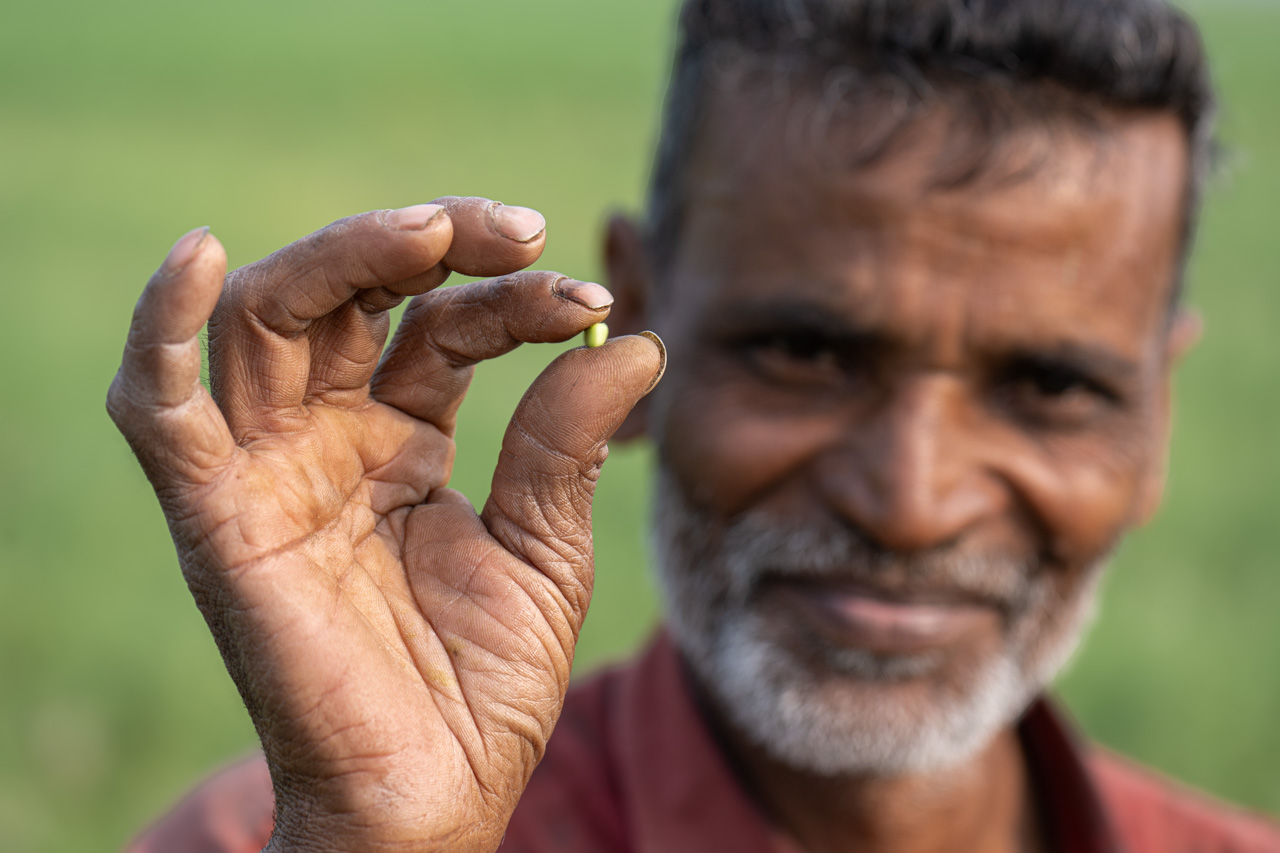
As I stood in the middle of a 28-acre community… -
27 February 2024

-
24 February 2024
-
4 February 2024
PRESERVING MALAN IN CENTRAL KALIMANTAN
Papa Dewi told me about his way of ‘malan’. That… -
27 January 2024
-
25 January 2024
I DON’T CARE SWEETPOTATOES
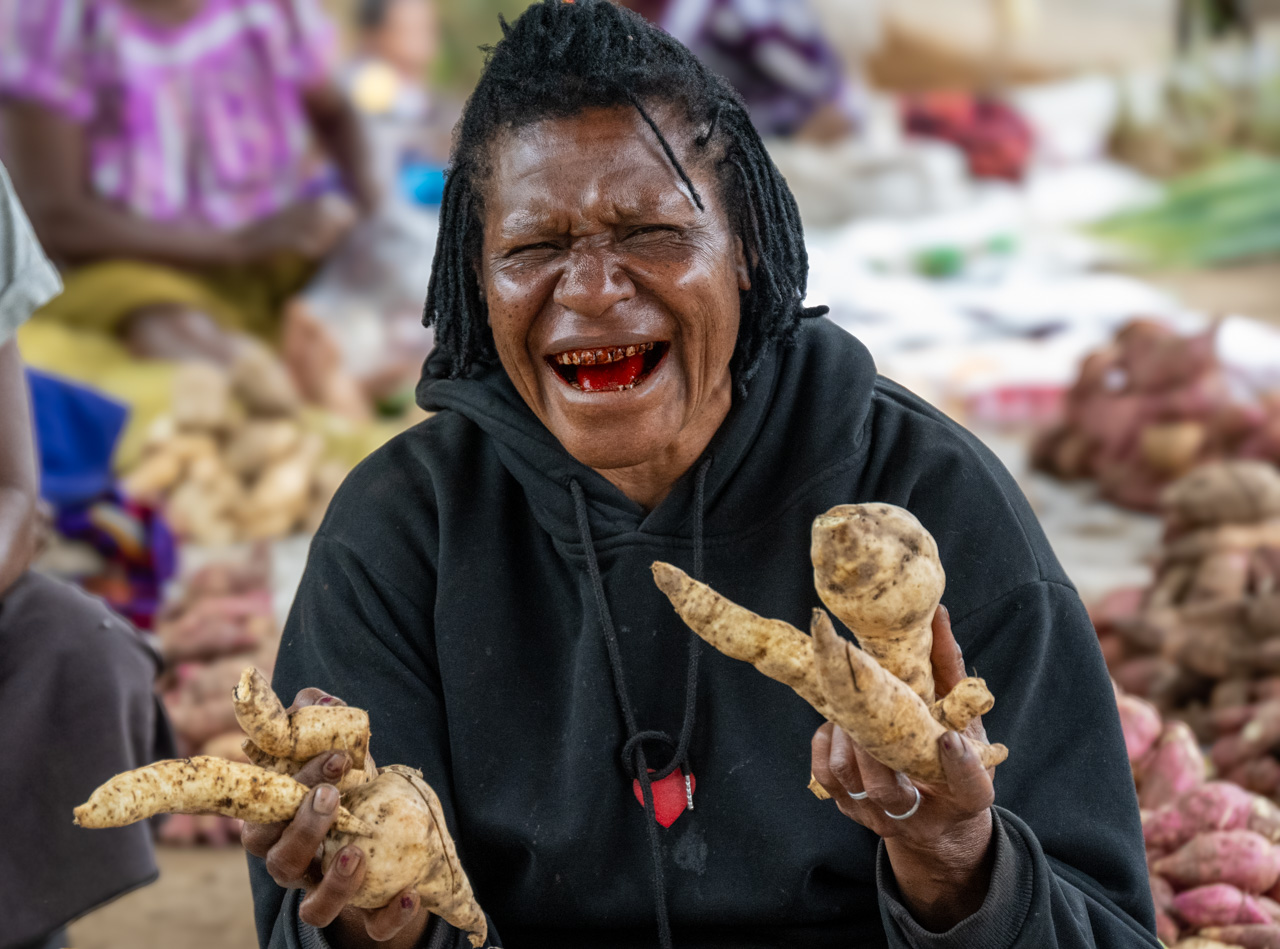
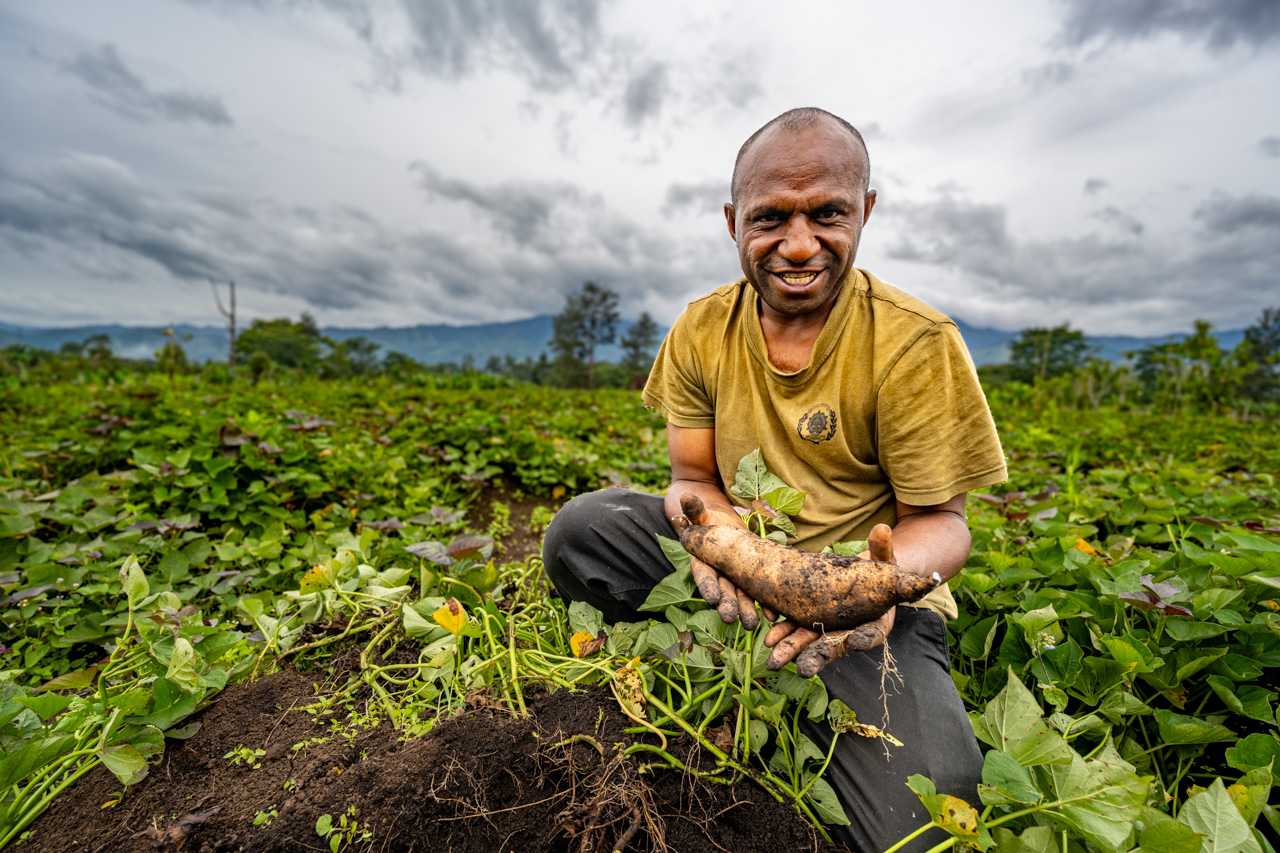
There’s a sweetpotato in Papua New Guinea called ‘gimane’. But… -
1 January 2024

A DAYAK WELCOME IN BORNEO
The inter-tribal warfare amongst the Dayak people of Borneo in… -
1 August 2023
-
6 November 2022

A DAY IN THE RICE PADDIES OF CAO PHONG
Timing is so important in photography. And I seem to… -
30 October 2022

A TWILIGHT STROLL THROUGH HANOI’S OLD QUARTER
I came to Vietnam as part of a Crop Trust-supported… -
5 October 2022
-
13 December 2019
-
11 December 2019
POTATOES FOR A CHANGING CLIMATE
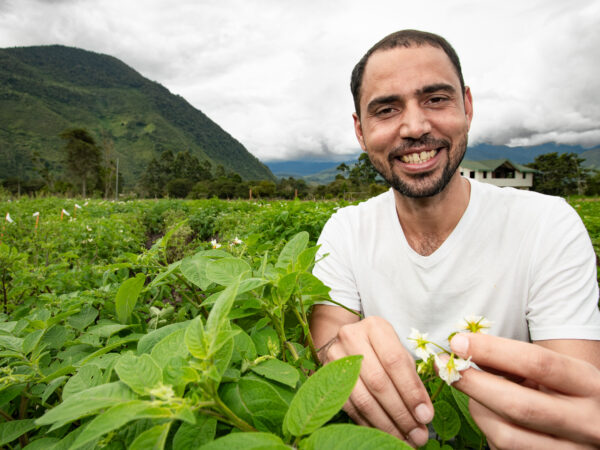
Climate change is reducing potato yields due to drought, heat,… -
1 May 2019
-
7 June 2018
-
6 June 2018
-
6 June 2018
JOY IN THE FINGER MILLET FIELD
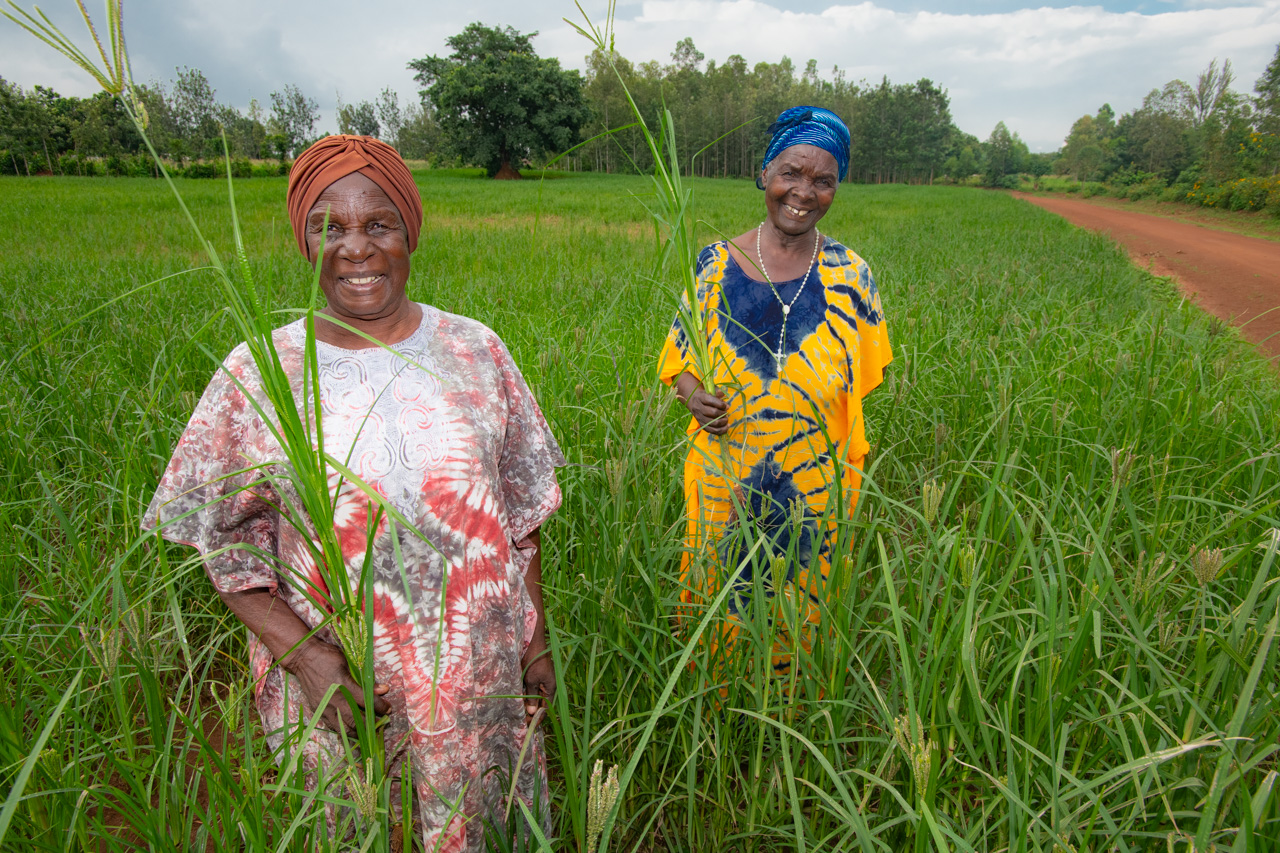
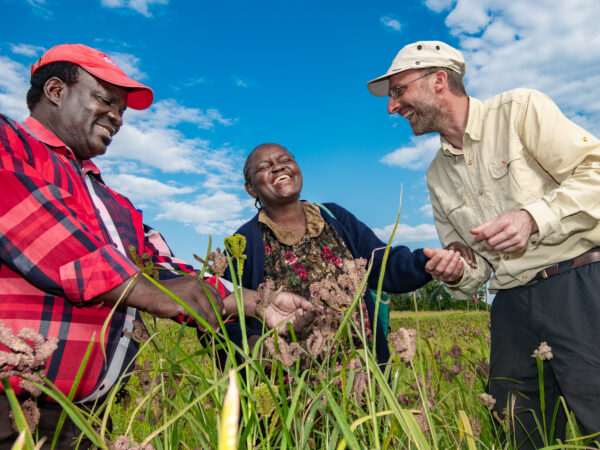
Margaret, a progressive farmer in Kakamega County of western Kenya,… -
6 June 2018
-
5 June 2018
JONAH, THE KENYAN TEA PLUCKER
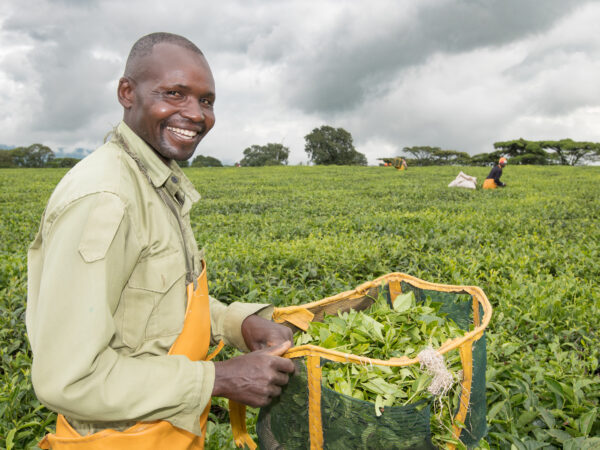
It’s an all-day journey from Nairobi to Kisimu, where my… -
5 June 2018
-
16 May 2018
-
16 May 2018
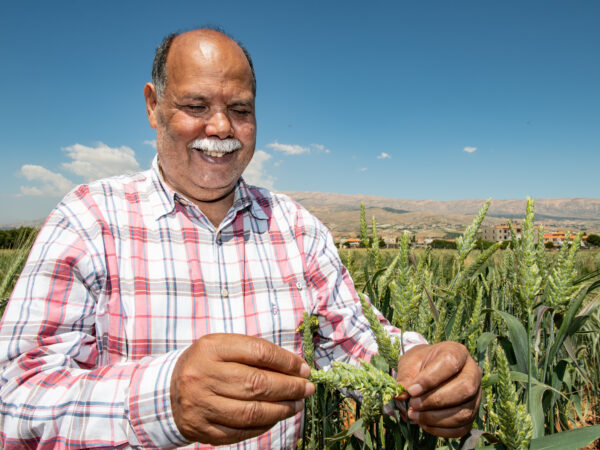
REPLENISHING THE SEED OF THE FERTILE CRESCENT
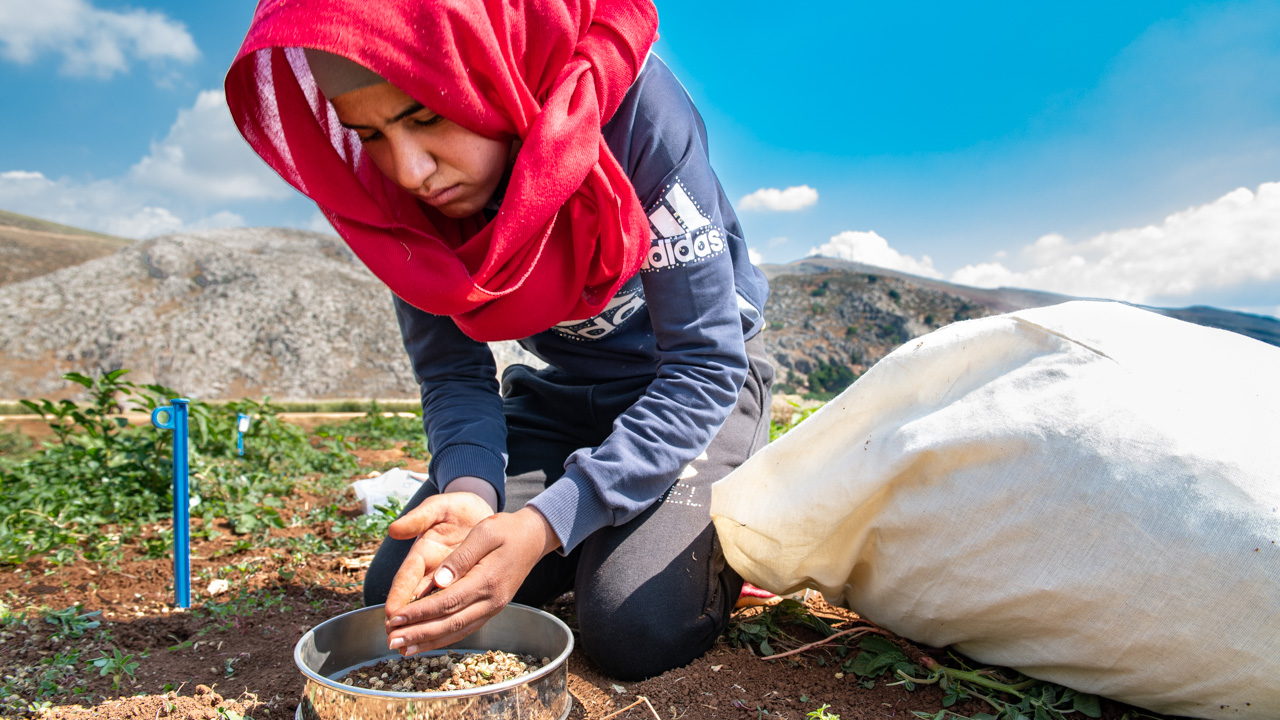
Ahmed Amri stood in the middle of a checkerboard-patterned field…. -
15 May 2018
-
11 December 2017

MARUTI THE PIGEONPEA SAVIOUR
In the early 1980s, the Indian state of Karnataka was…
-
SWEETPOTATOES A LA SINGIDA
When I heard that my colleague Scott Christiansen and I were assigned to look at the value chain of sweetpotatoes in Tanzania I assumed we’d be looking at the same orange, white, or purple tubers that make their way into our meals in a hundred different forms. But in Tanzania, especially in the Singida region, the story doesn’t start or end underground. People eat the leaves. These aren’t the same varieties grown for tubers. These are specially bred for foliage—nutrient-rich, fast-growing, and central to household cooking. I saw the sweetpotato story…
-
THE BAMBARA GROUNDNUTS OF UNYAMIKUMBI
If you look at a dried Bambara groundnut in its shell you’d be forgiven if you thought it was a deformed peanut. They share a name. Peanuts are called ‘groundnuts’ in many places in the world. And they are both legumes. And both need to have hard shells removed prior to eating. But that’s pretty much where the similarities end. They’re distant botanical cousins but probably not close enough to be invited to family reunions. Bambara groundnuts (BGN) are sown in arid and semi-arid locations like the village of Unyamikumbi, in…

-
THE SINGIDA MORNING MARKET
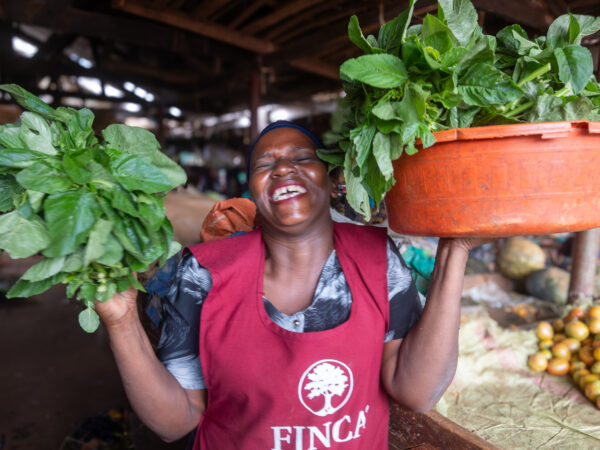
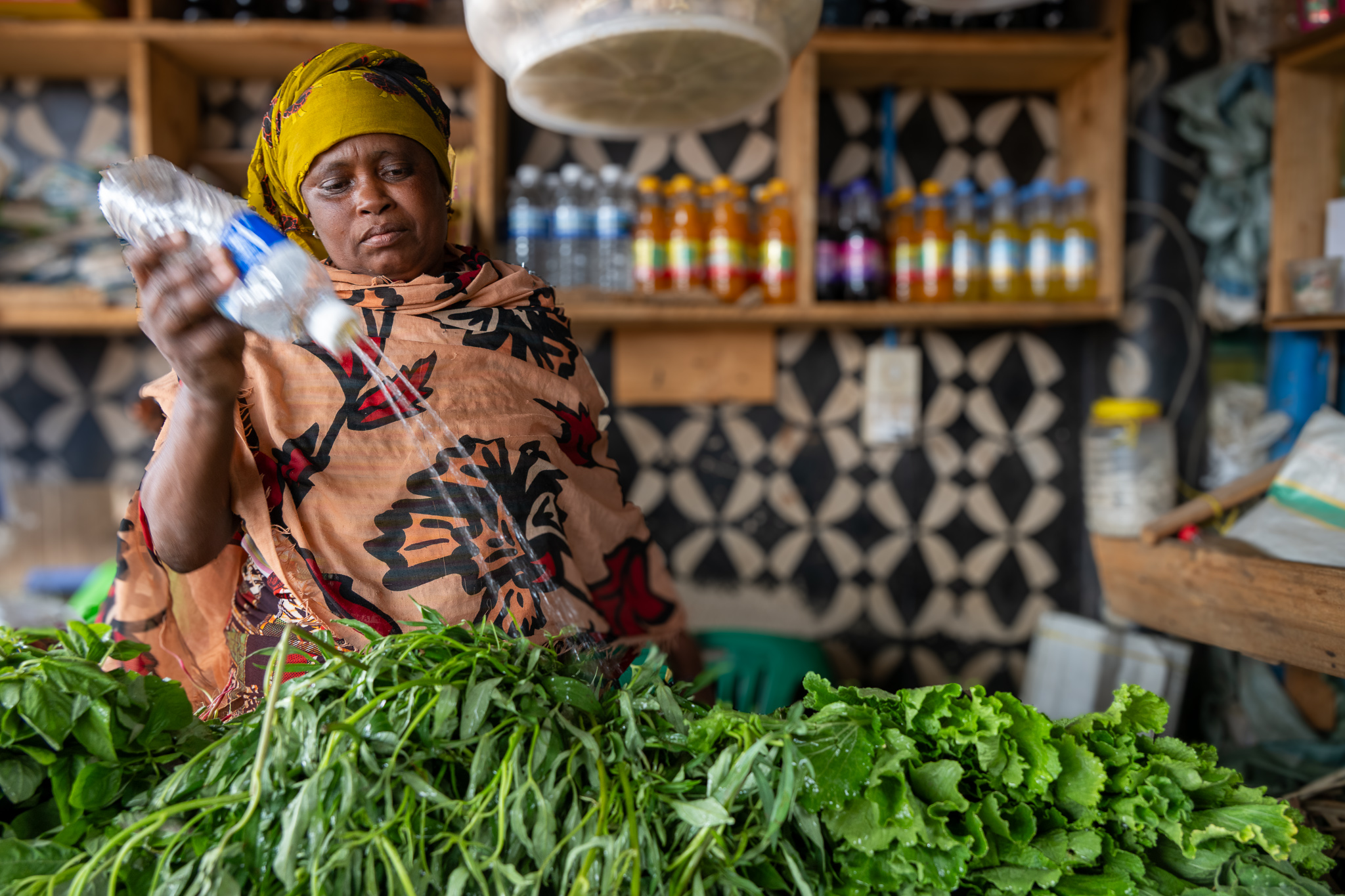
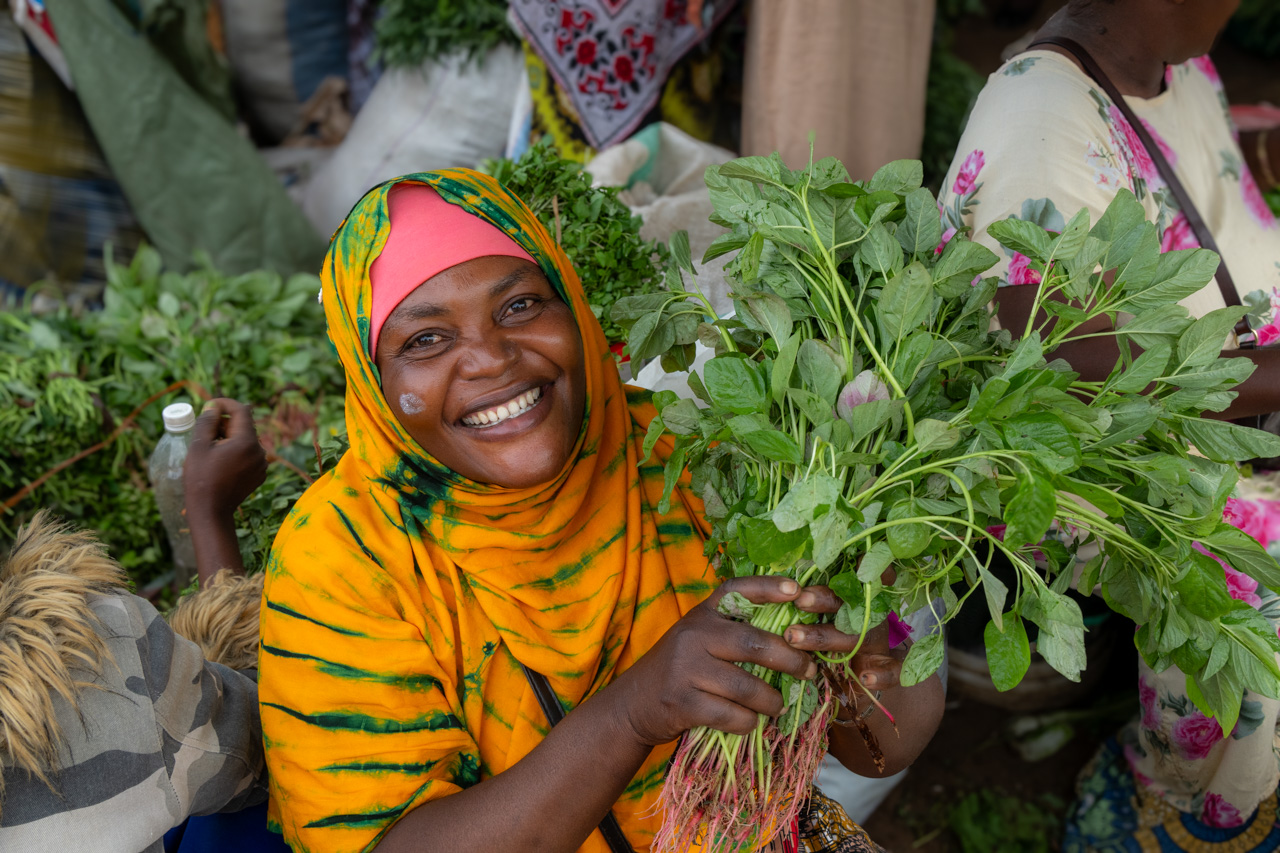
Sweetpotato leaves wilt quickly. They’re harvested in the early morning and usually consumed by nighttime. We wanted to see them nice and fresh so we ventured to the Singida market as the sun rose. We found leafy green vendors, Domina, Rahel and Mwasiti, setting up shop. They pulled out African nightshade, amaranth, mustard greens and sweetpotato leaves. Business was pretty slow at that hour of the day so the three women and I had fun as I got them to pose for photos with their leafy greens. I didn’t have to…
-
NJUGU
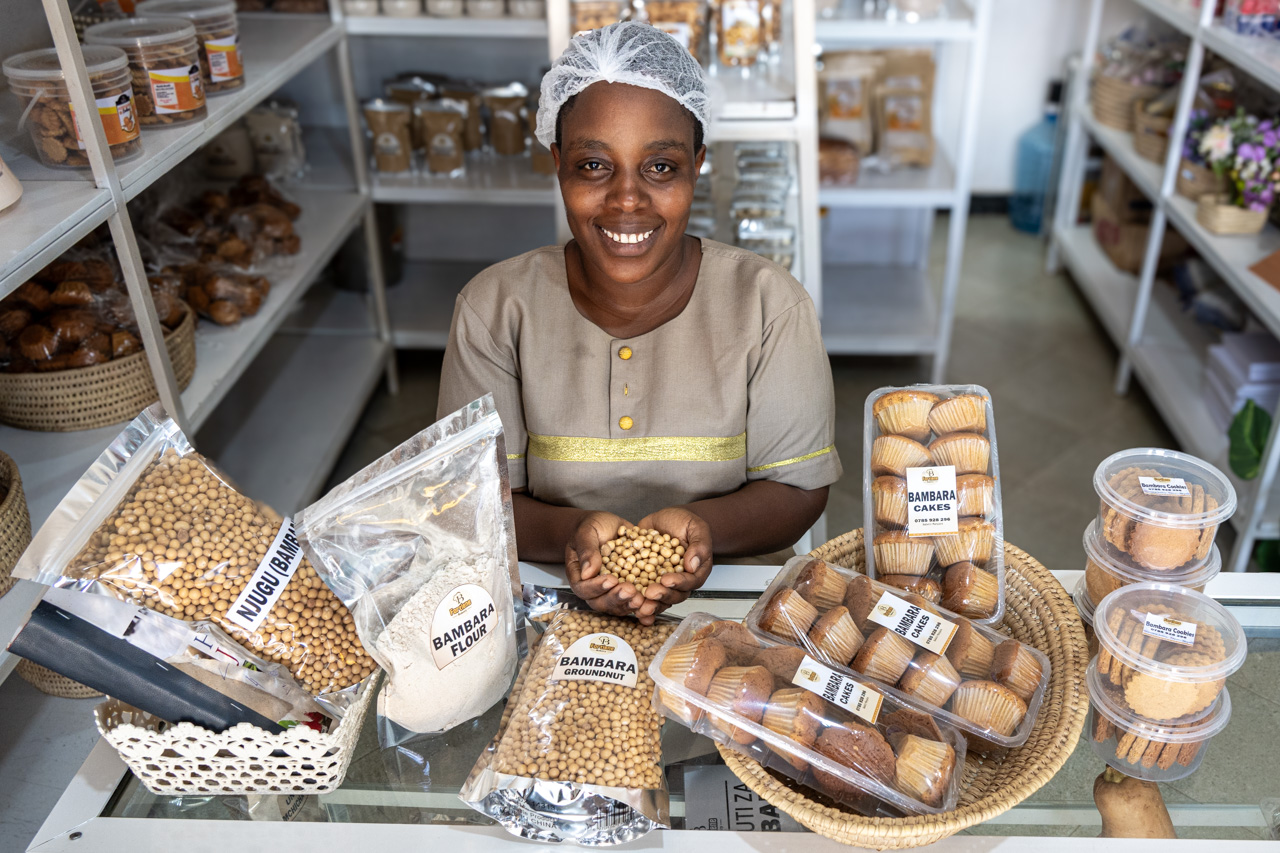
Esther Yoham Majija wanted to make her bakery, the Fortlene Bakery, a step apart from other bakeries in her town of Babati, Tanzania. She wanted to use traditional African vegetables in her baked products. The mother of three visited a booth of the World Vegetable Center at a trade fair and learned of different ingredients and recipes she could use to improve the nutrition of her products. We had heard that one of those ingredients she is using in the Bambara groundnut (njugu in Swahili) so we paid her a visit…
-
RECLAIMING FONIO
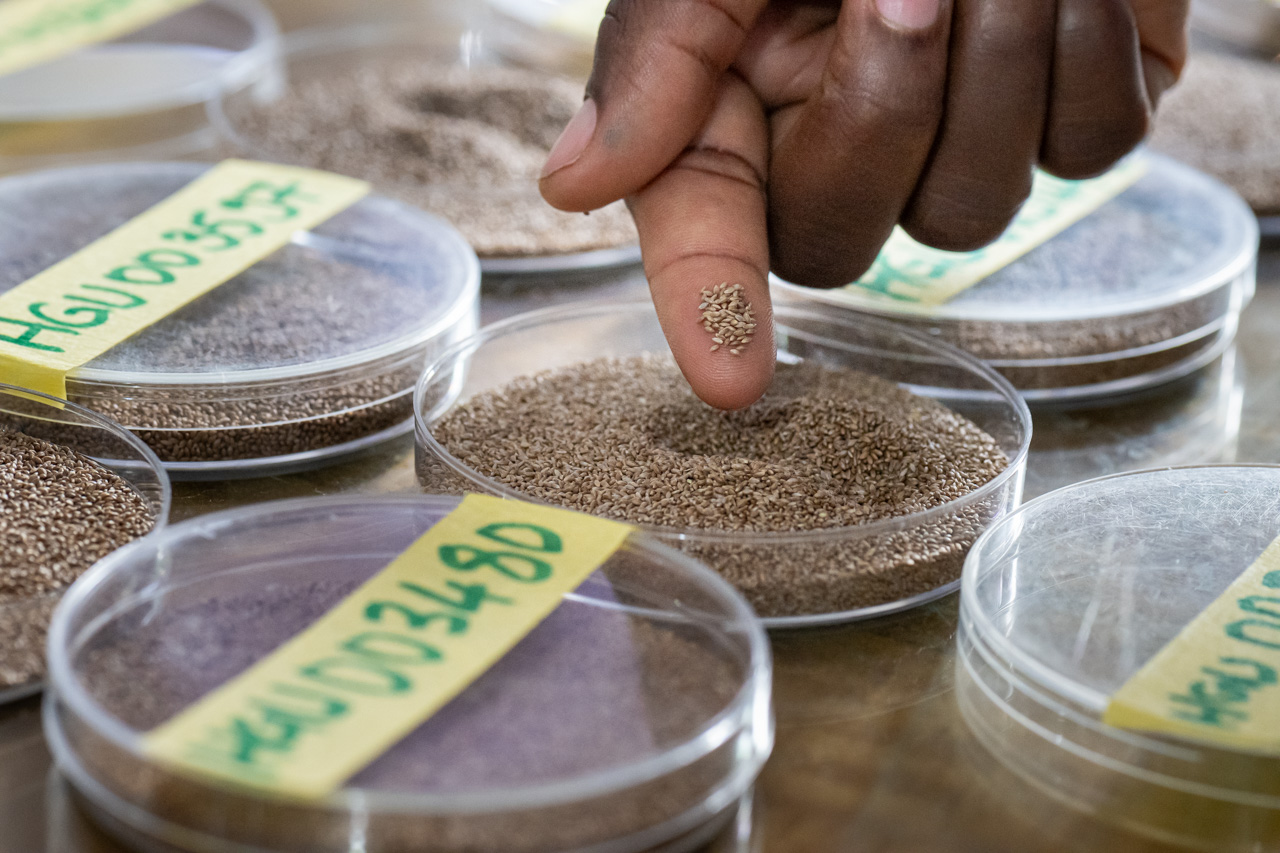
It’s one of the oldest cultivated crops in Africa but you’d be forgiven if you’d never heard of fonio. I had heard of fonio’s many qualities but had never seen nor eaten it. That’s changed now. I travelled to Benin with my colleague Scott Christiansen to learn more. Stakeholders in Benin led by the Crop Trust’s BOLDER project identified fonio as one of several priority opportunity crops. Those are crops which offer great potential in terms of food security but have been neglected by researchers and policymakers and underutilized. Fonio is…
-
CRINCRIN
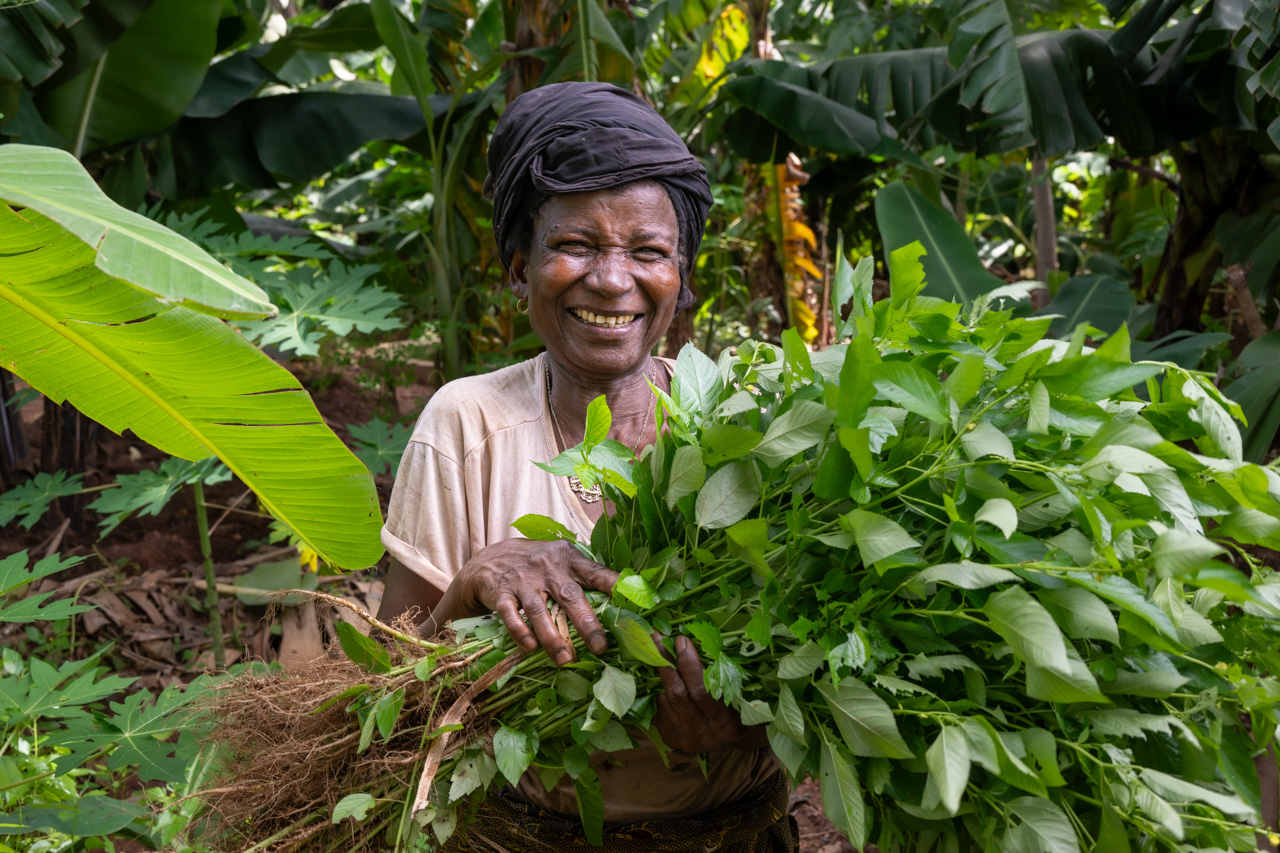
I never thought I’d enjoy eating green mucilaginous slime. But I did. Jute mallow is a favorite with the Beninese who call the crop crincrin. It’s an annual leafy crop grown in many places around the world. Its leaves are rich in pro-vitamin A, iron, calcium, and vitamins B and C. Those are important in a country where the staple foods are energy-dense but micronutrient-poor. It grows pretty much everywhere in Benin. In small home gardens or market gardens. It’s not fussy about inputs but insects like it as well. Farmers…
-
AGOUN FOR LUNCH
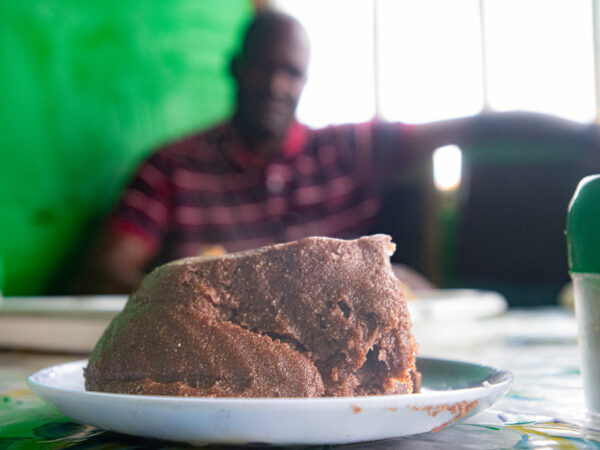
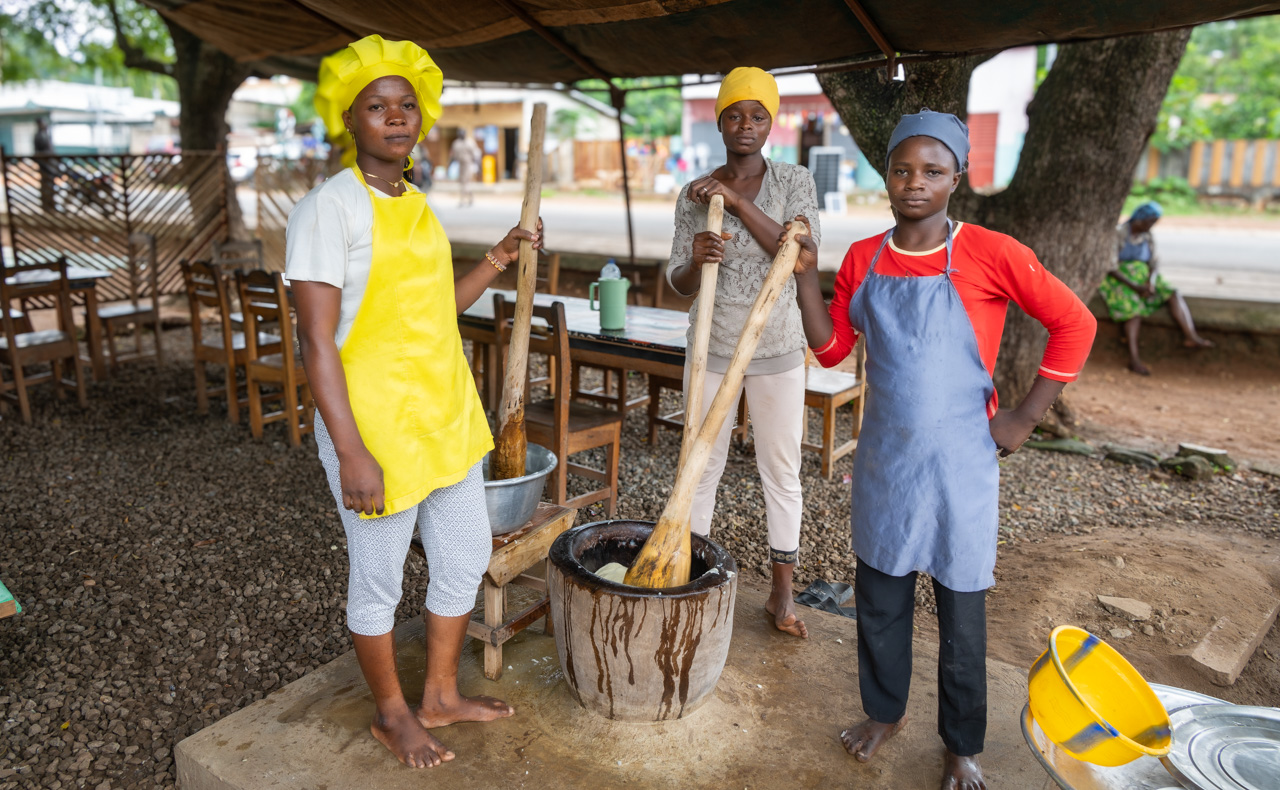
The city Dassa-Zoumé is about half way between Cotonou and Natitingou in Benin and pops up just about when your stomach starts to grumble during the day-long trip. Our colleagues, Malika and Sam, knew just the place for lunch and we stopped in at a roadside kitchen for a feed. Malika said something about yams and groundnuts and Scott and I said OK, but not really knowing what we were going to eat. A short time later we saw three women trying to massacre a ball of dough. Lunch was presented…
-
BY THE RIVER OF DEATH
The mouth of the Ouémé River in Benin was historically quite a treacherous place with dangerous currents which took many lives. Yet the settlers and traders built a fishing village at the mouth and that village has now grown to be Benin’s largest city. French colonists liked the location and stablised the currents and built a port to export Benin’s riches, including palm oil and slaves. The locals called the area Kútɔ̀nú in their Fon language, which means by the river of death. The French put their lingual twist on the…

-
THE ‘YOU NEVER KNOW’ RICE
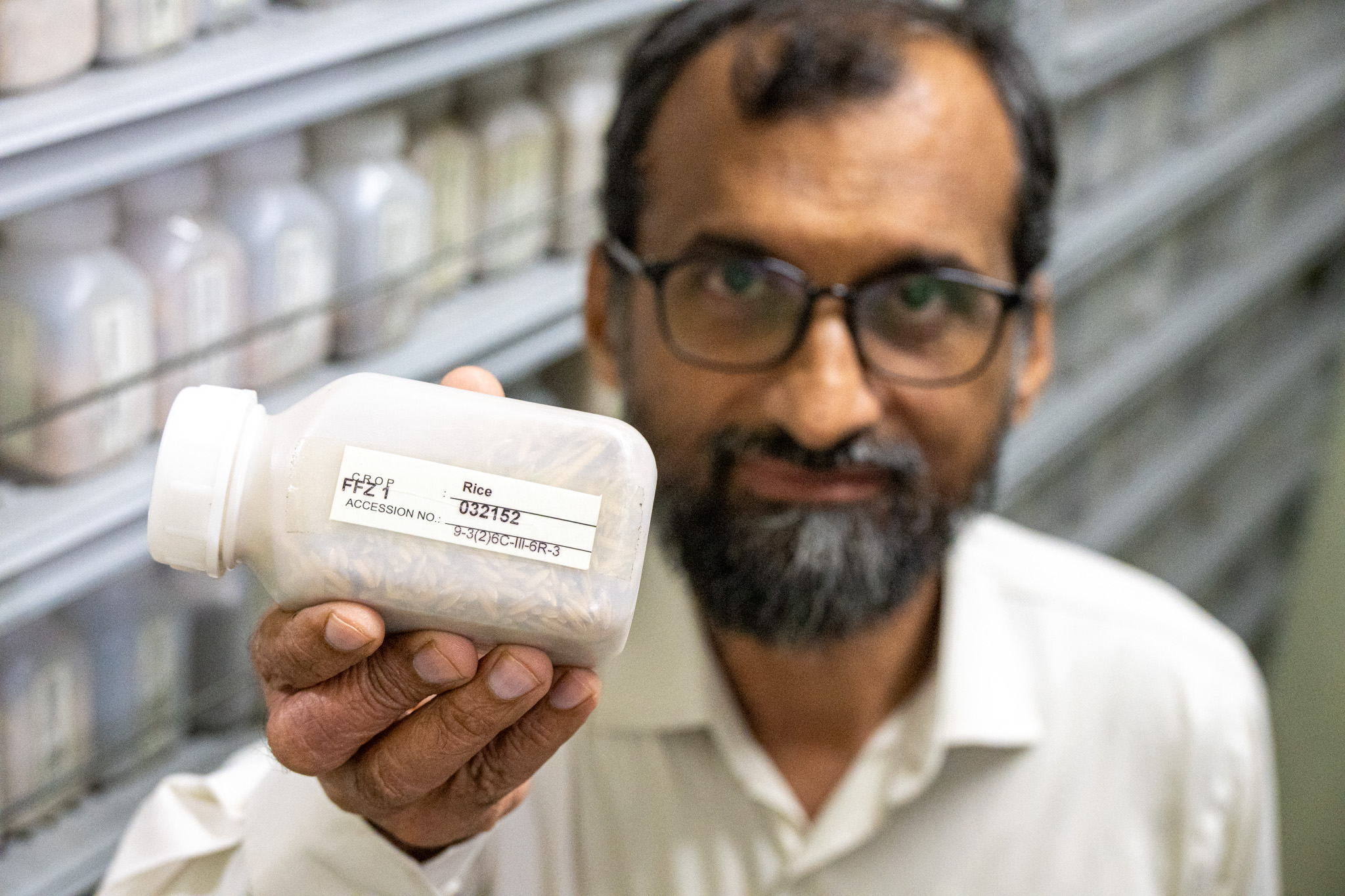
A rice variety developed in China in 2008, stored in international genebanks, has emerged as a top-performing crop in Pakistan. After years of preservation and testing, this resilient strain—now called NARC-RICE-1—demonstrates the vital role of seed conservation in ensuring future food security.
If you see this after your page is loaded completely, leafletJS files are missing.