
Some crops don’t wait to be planted. They arrive uninvited, establish themselves in the gaps between everything else and dare you to ignore them. They just show up – fierce, thorny and needing nothing from anyone.
Smart farmers don’t ignore them. They understand, perhaps better than anyone, that you can reap where you did not sow – if you pay attention. They watch, they learn to work with the plant and not against it, and then they build something from the volunteers.
Dora Ansong Yeboah is one of those farmers.
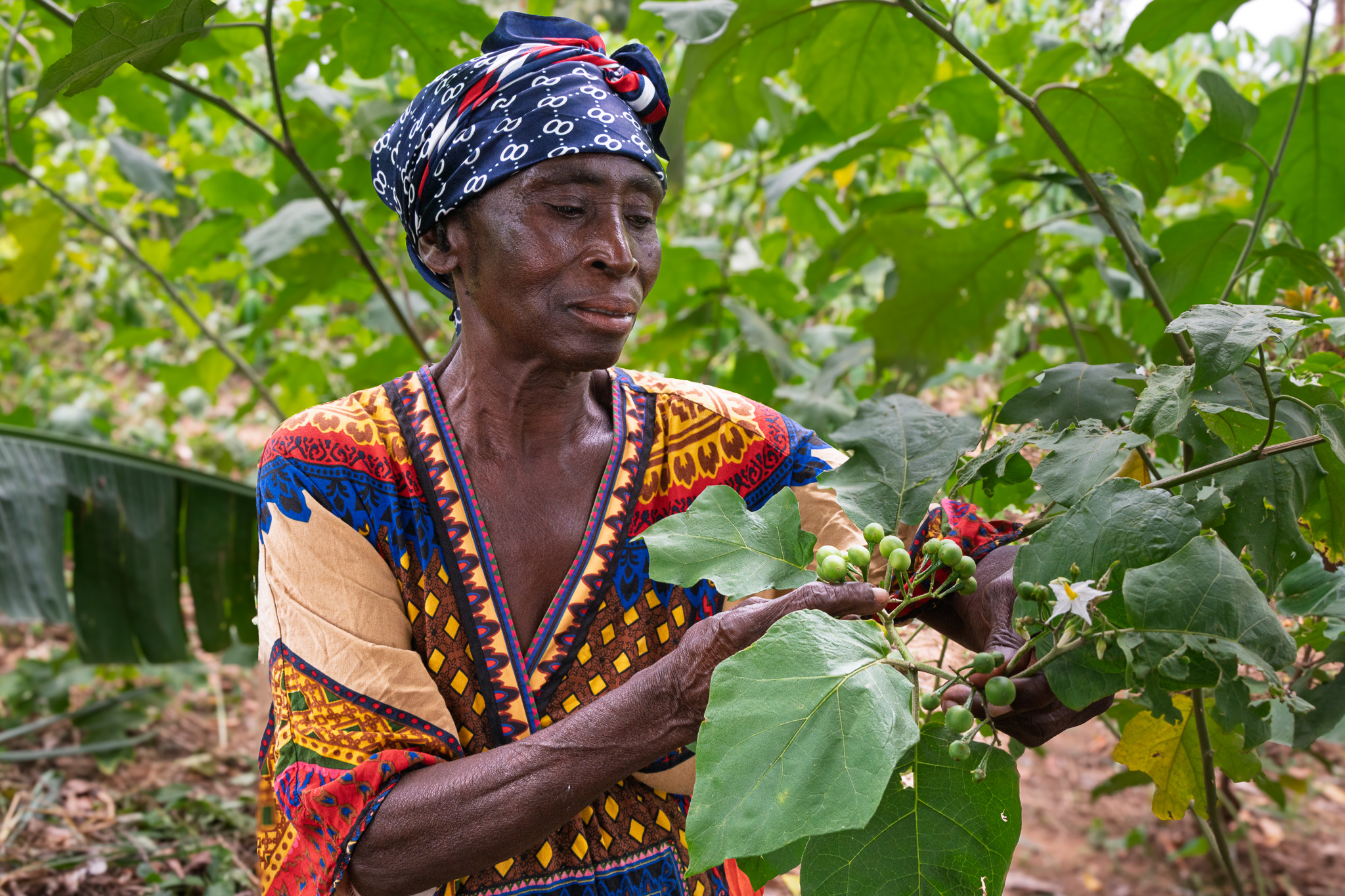
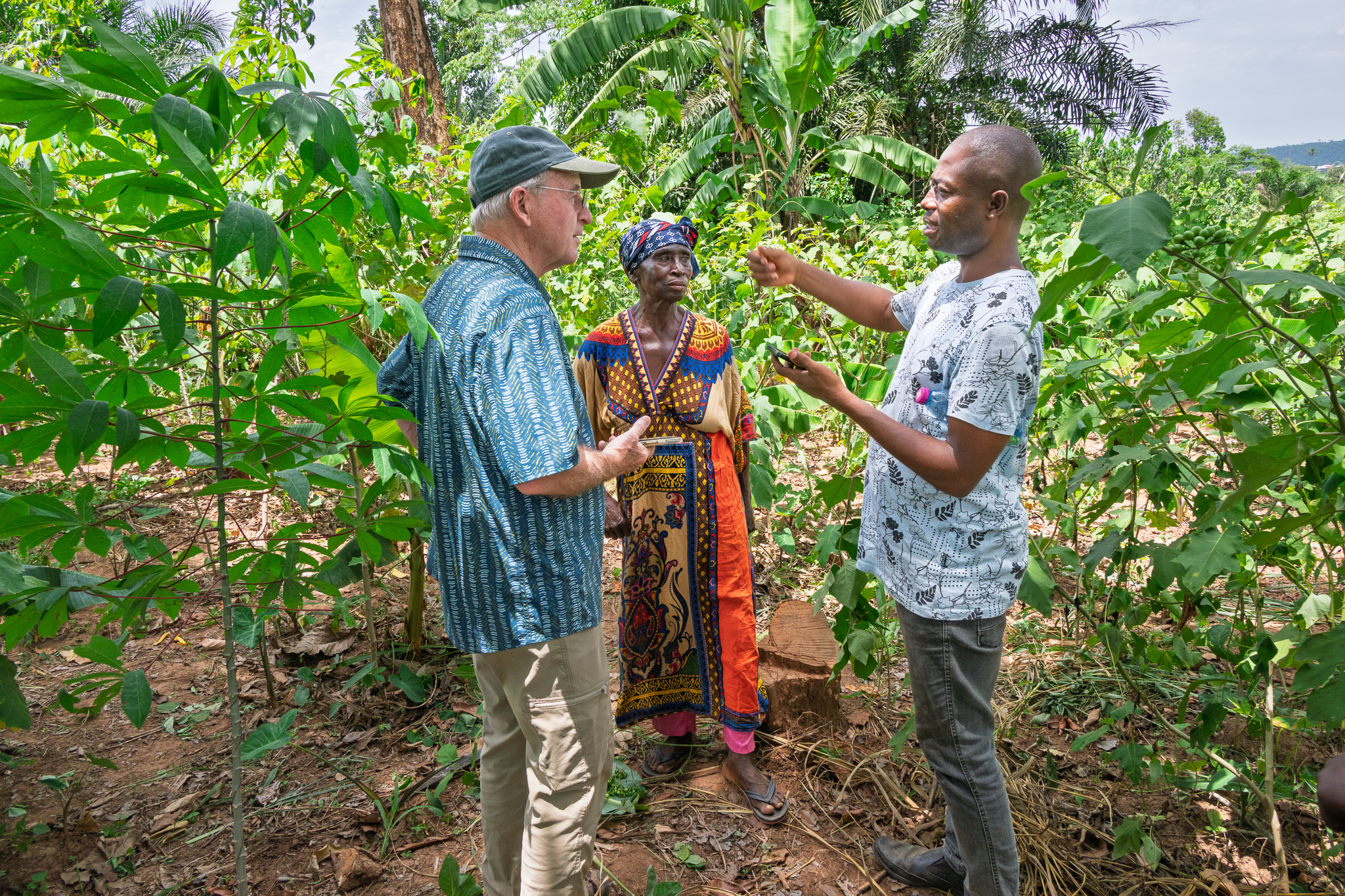
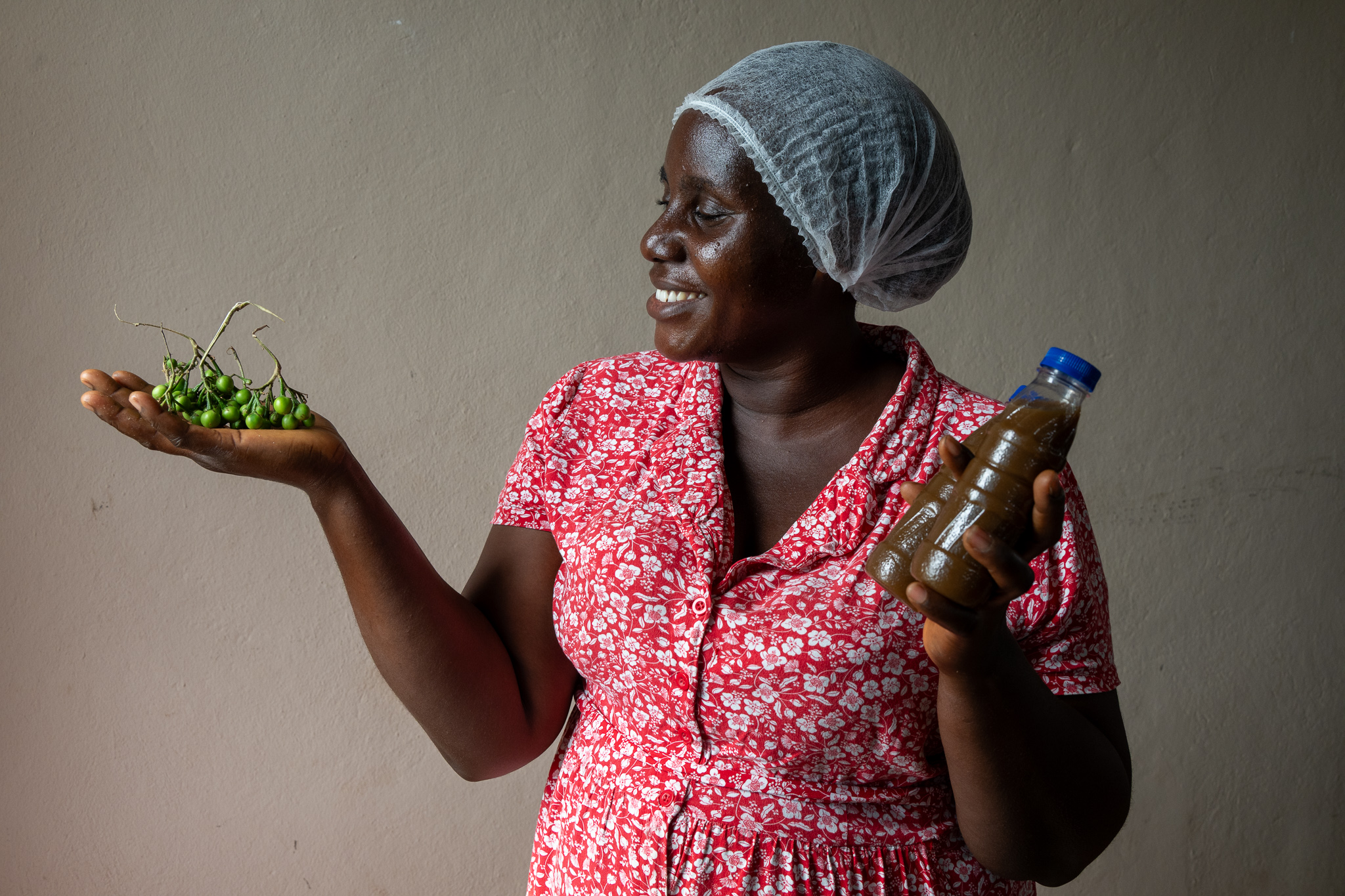
The 71-year-old from Nsuta in Ghana’s Ashanti Region has been working with turkey berry (‘Solanum torvum’) for more than five years. She didn’t plant it. She didn’t buy seed or prepare a nursery or apply for an extension program. The plants appeared on the land she inherited from her father, and Dora simply recognised them for what they were: useful and profitable.
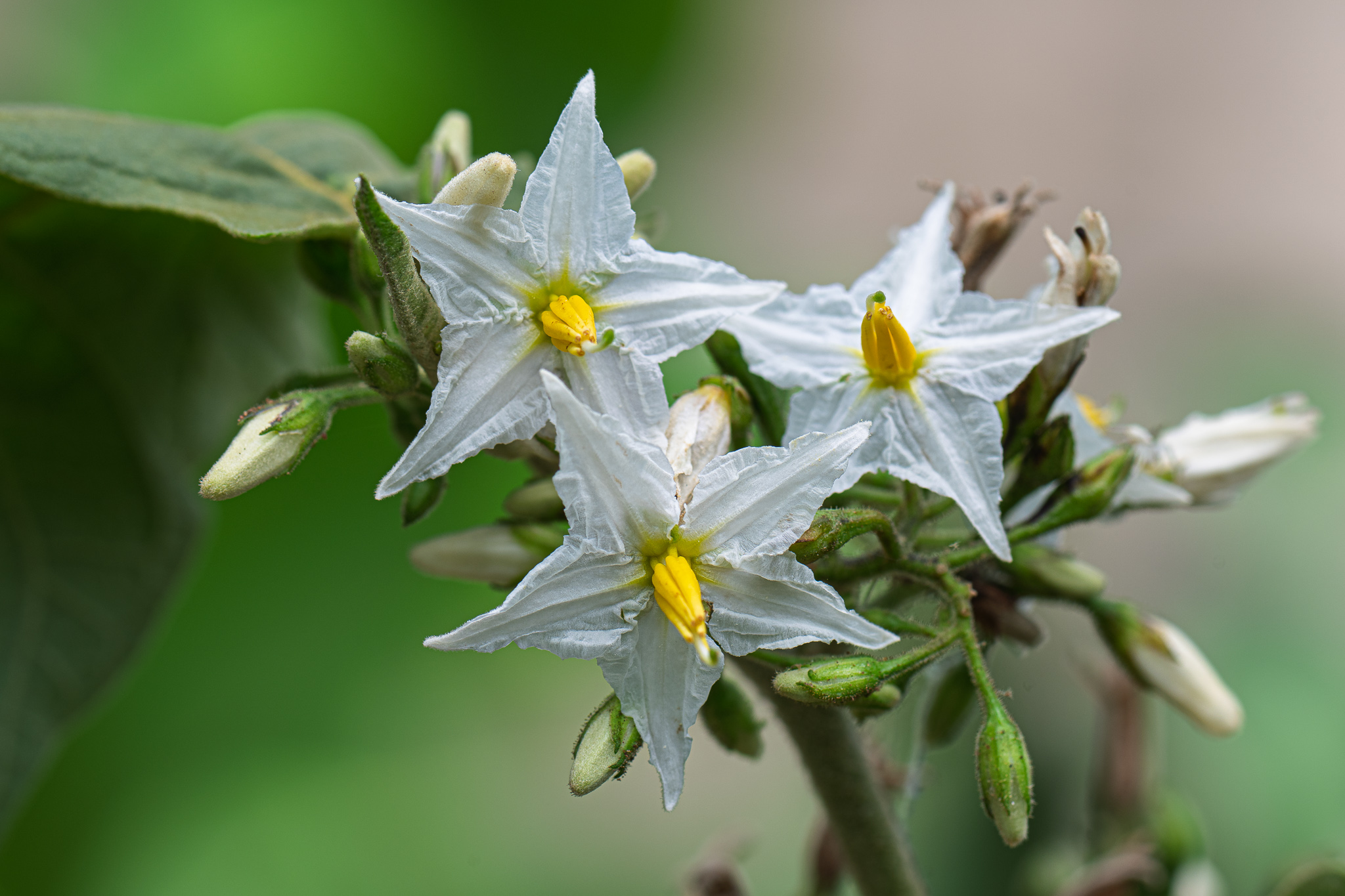
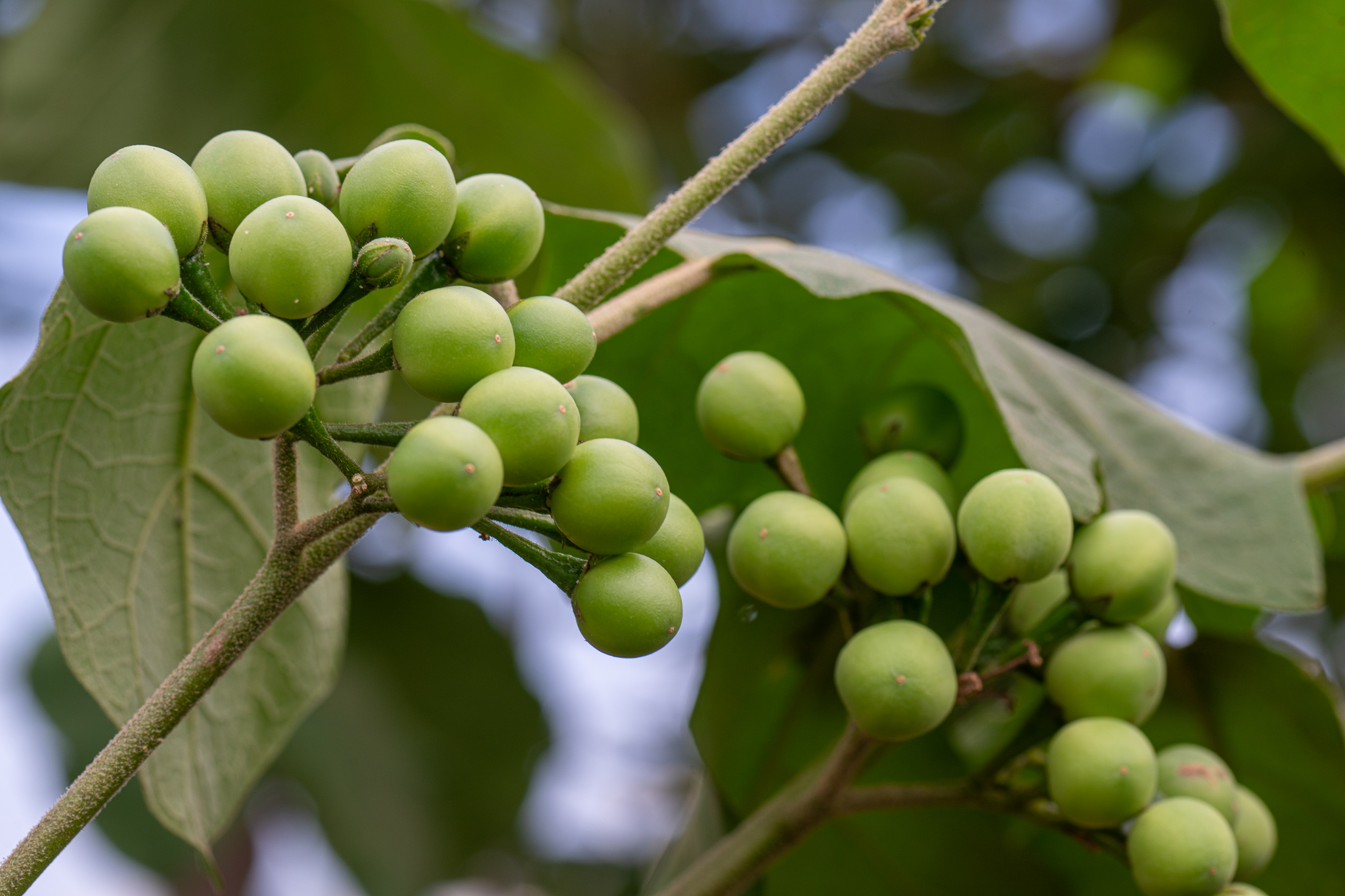
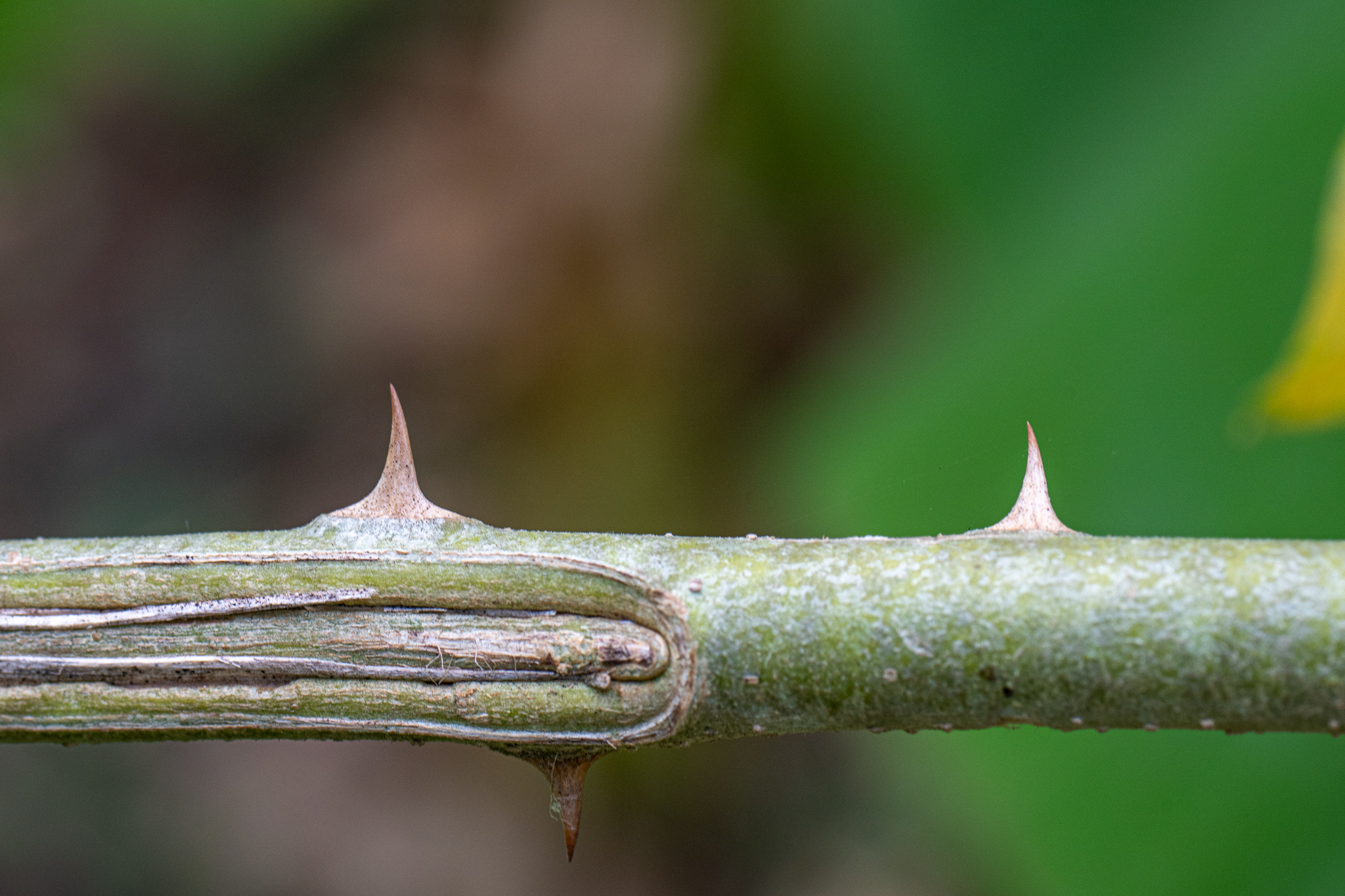
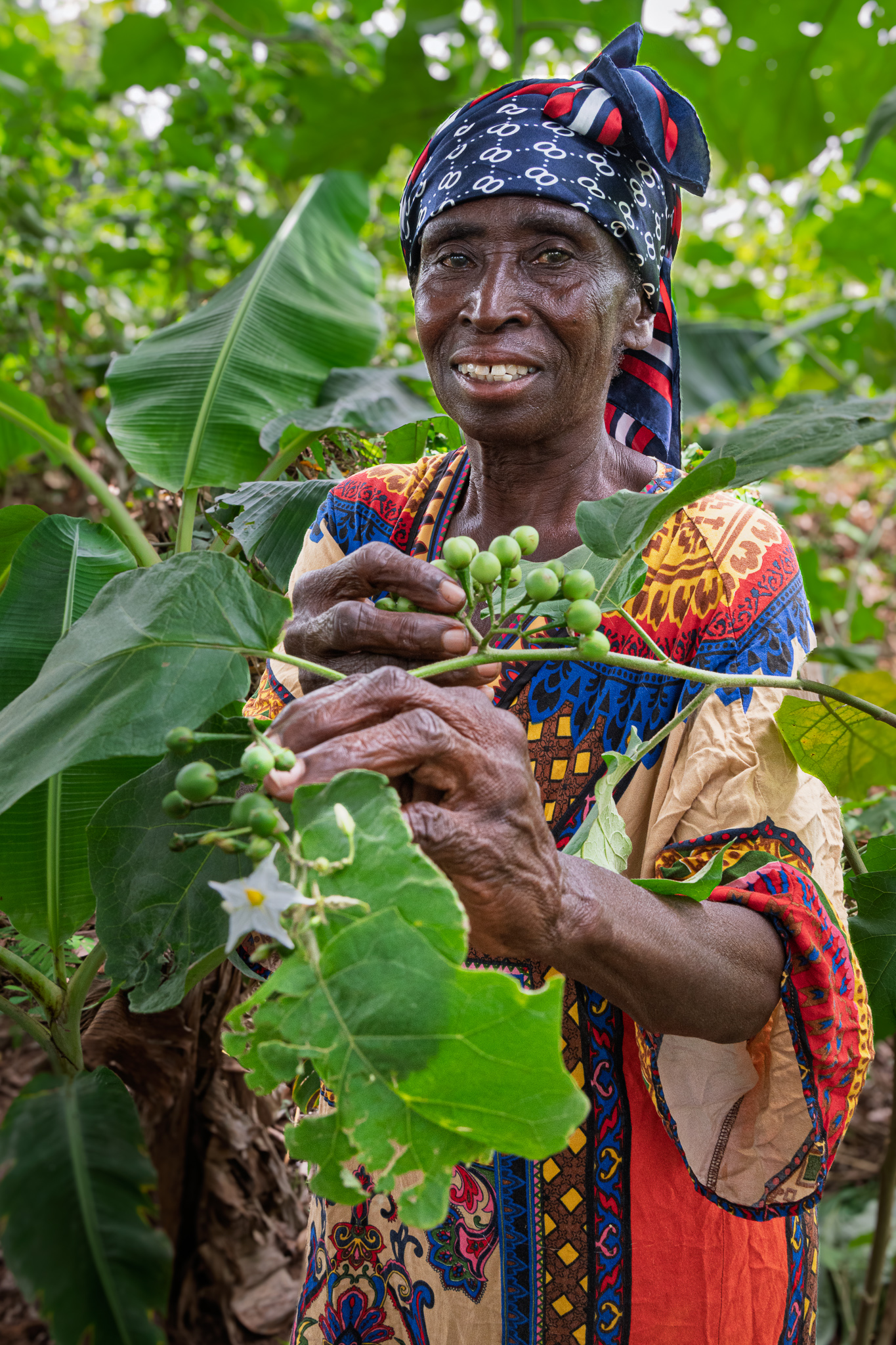
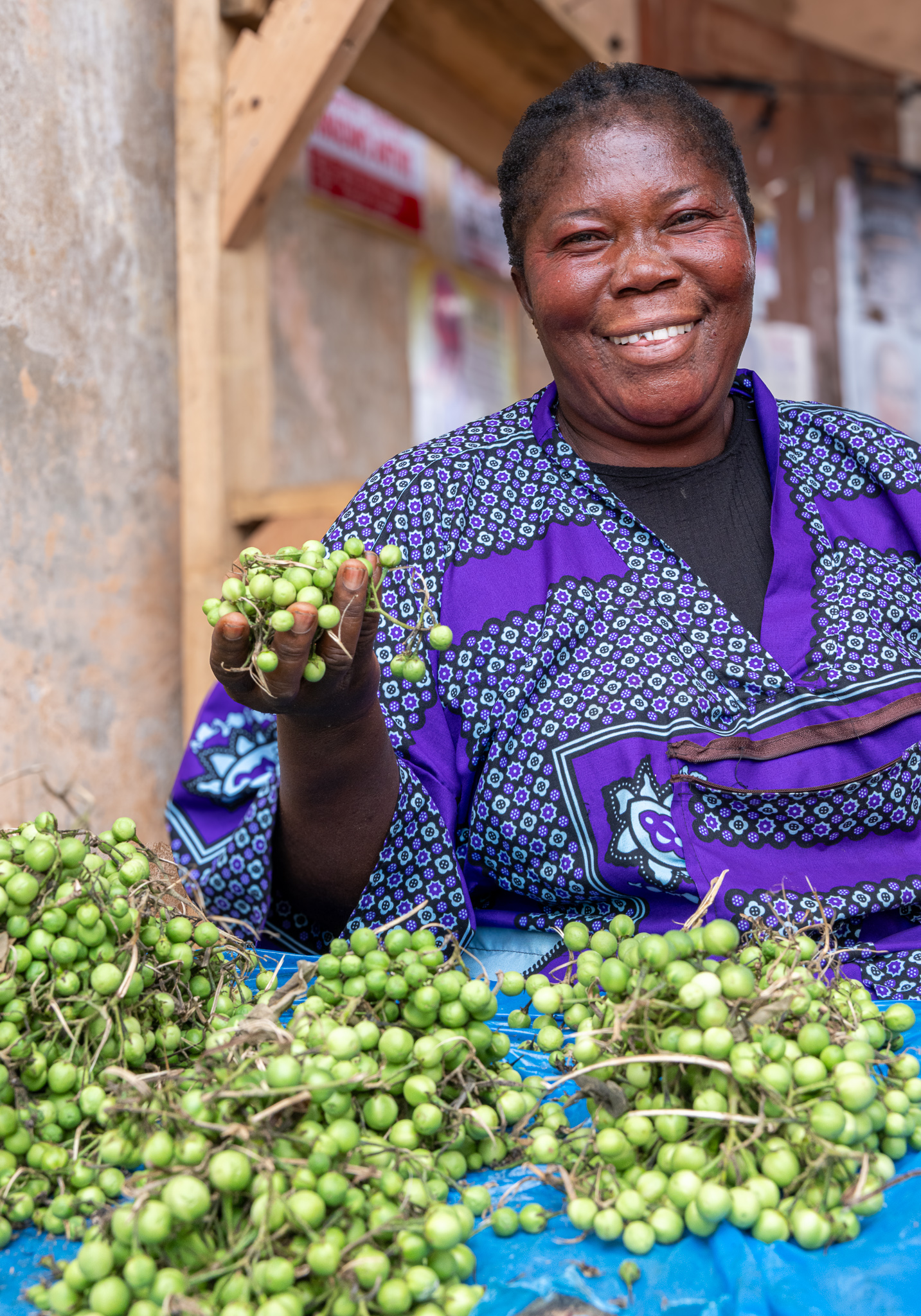
My colleague Scott Christiansen and I visited her farm to learn about the turkey berry berry value chain in Ashanti. It’s a plant that most Ghanaians know but few would call a crop. It’s a sprawling, fast-growing shrub, armed with sharp thorns and broad, slightly furry leaves, producing tight clusters of small green berries that look a little like miniature green tomatoes. Which makes sense. Turkey berry is a cousin of tomatoes and in the same Solanaceae family.
It’s probably native to the Caribbean and Central America – the botanists hedge with that ‘probably,’ because the plant has spread so aggressively that it’s now hard to tell where it truly belongs. Turkey berry has hitchhiked across the tropical world on the wings of fruit-eating birds. It has decided that Ghana suits it perfectly.
It doesn’t wait to be invited or planted. It arrives on its own, pushes up through disturbed soil around homes and farms, and gets on with things. Not a cultivated crop. A volunteer. A plant that has found its place and made itself useful.
Even the name tells you something. “Turkey” for the exotic and the foreign – in old English botanical naming, things that arrived from unfamiliar distant places often got “turkey” attached to them. “Torvum” is Latin for fierce, stern, wild-looking – from torvus, the kind of savage gaze that makes you take a step back. The Swedish botanist Olof Swartz gave it that name in 1788, and he almost certainly had the thorns in mind.
We found Dora – resplendent in a blaze of colour, deep blues, burnt oranges, reds – harvesting her turkey berry plants. She moved through the plants quietly, her hands finding the clusters of small green berries with the kind of ease that only comes from years of repetition. The thorns had introduced themselves to me earlier that day, via my bloodied arms. Dora required no such introduction.
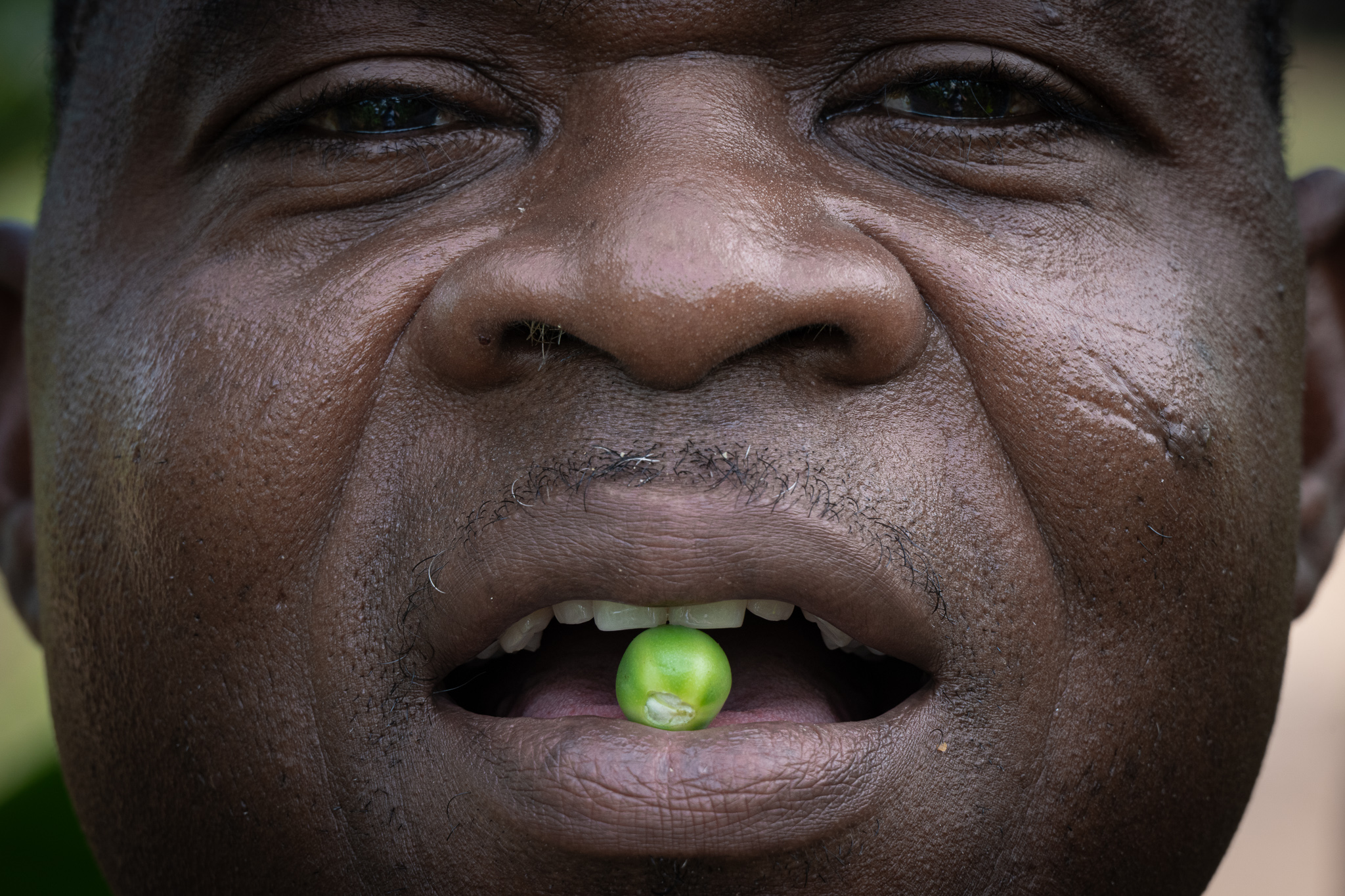
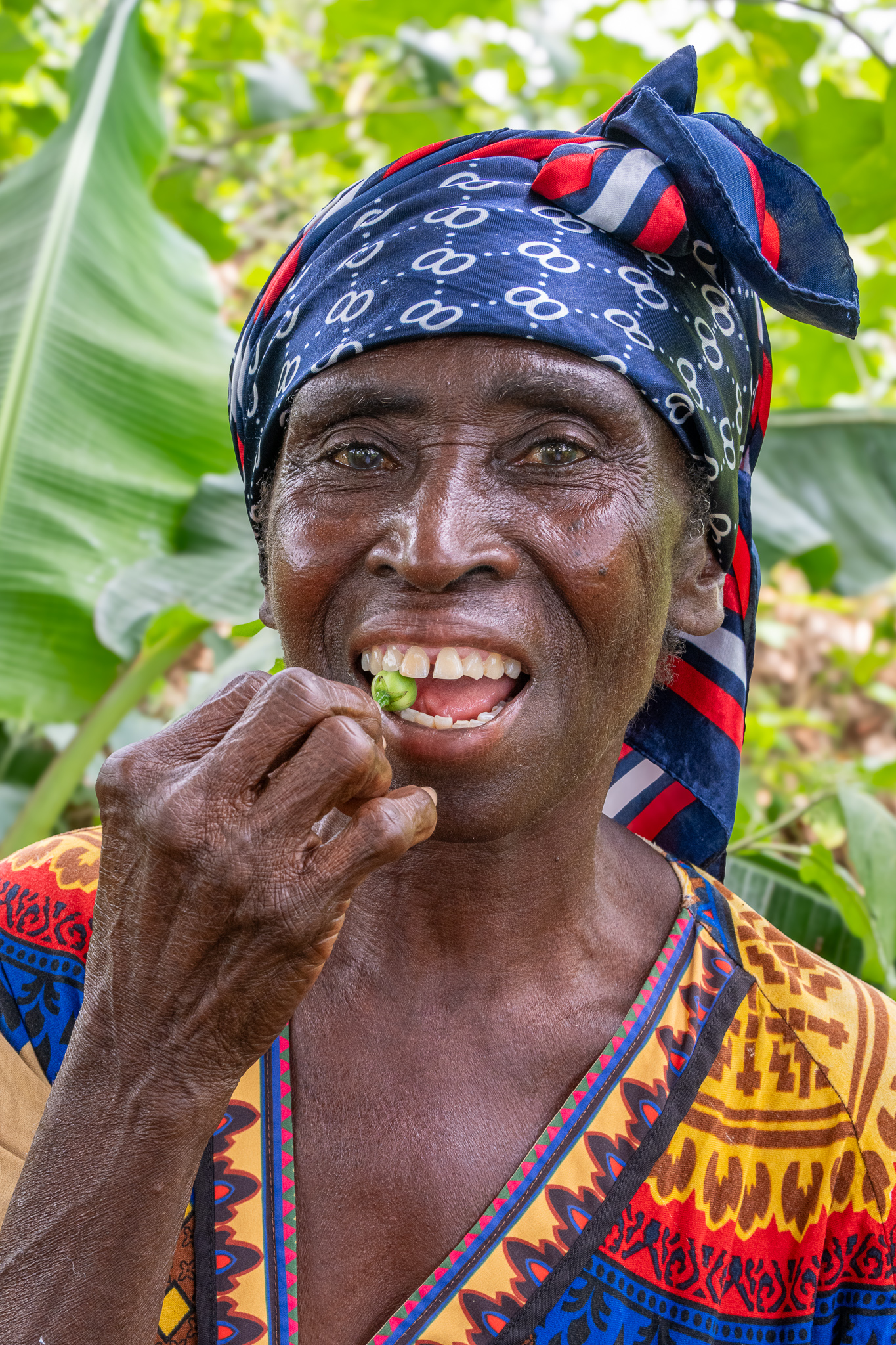
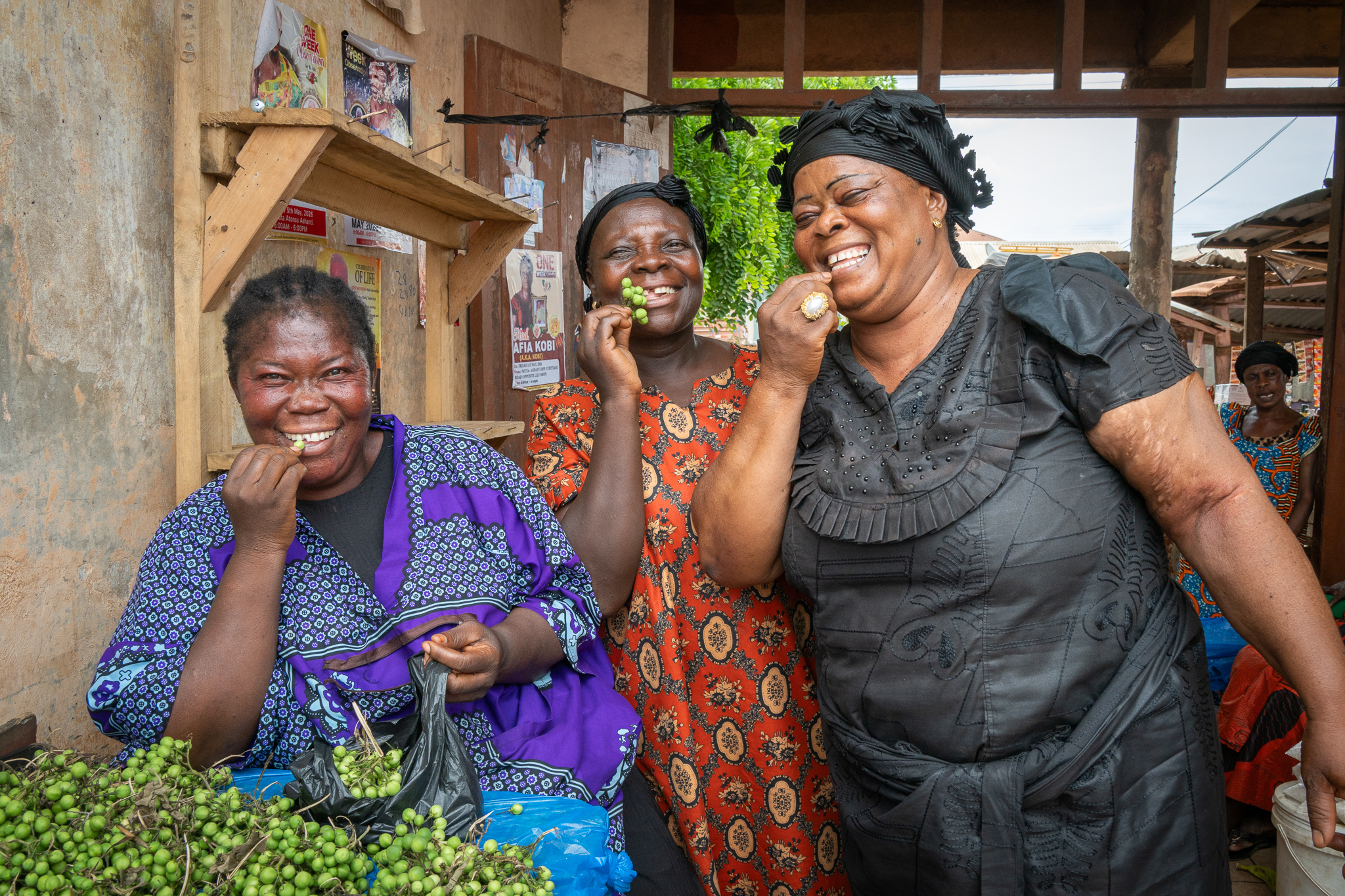
I picked one of the berries and bit into it. It was crunchy – firmer than I expected – with a flavour that was neither bitter nor particularly sweet, just green and faintly earthy. In Ashanti kitchens, that understated quality is precisely the point.
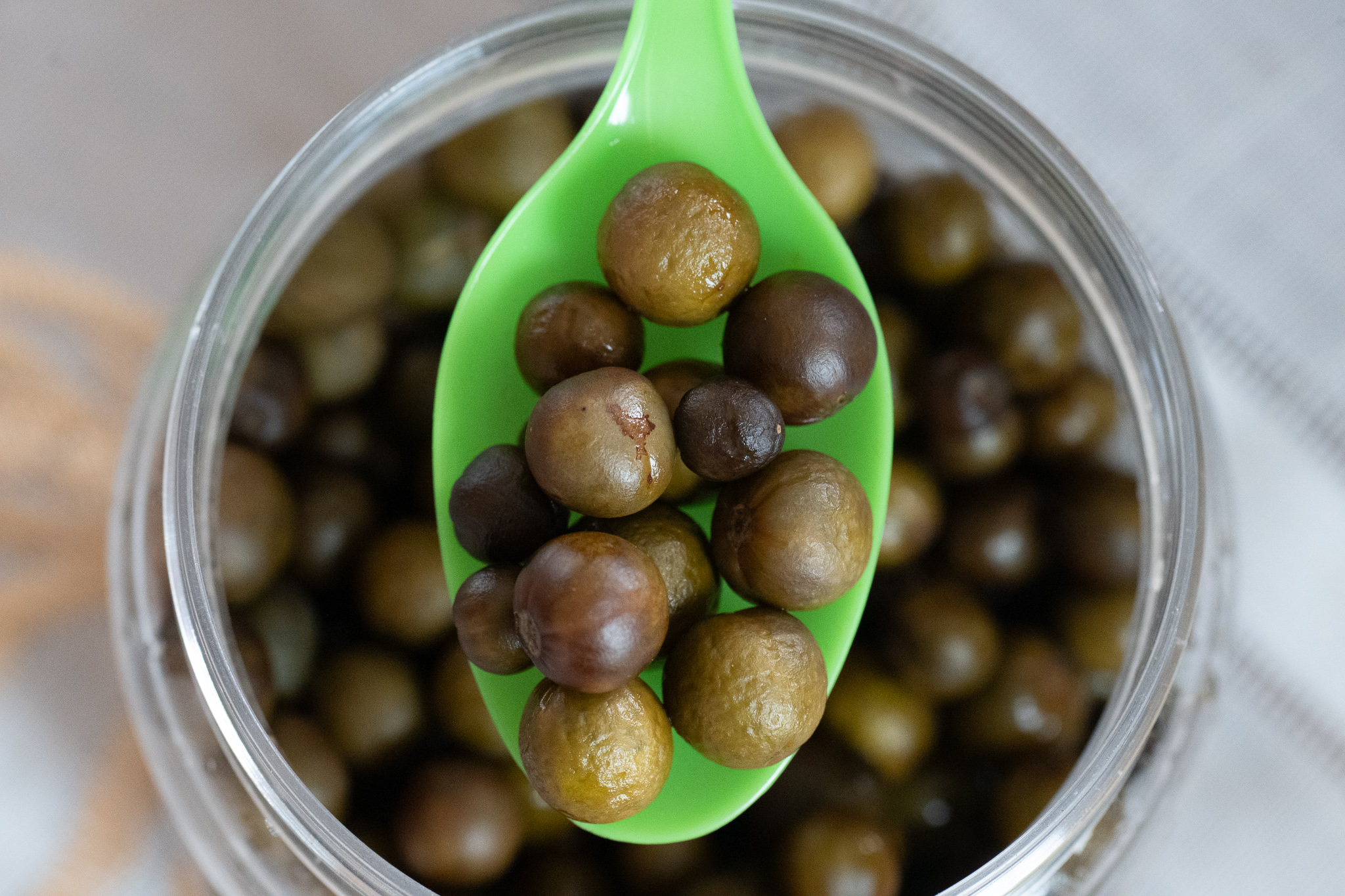
Turkey berry is crushed into stews, blended into soups, squeezed into juice, pounded into sauces and served alongside rice, yam or plantain. It adds body, texture and a subtle depth that local cooks have been working with for generations. Beyond the kitchen, people here have long associated it with blood health and anaemia, with coughs and colds, with general good health – claims that researchers are now beginning to take seriously.
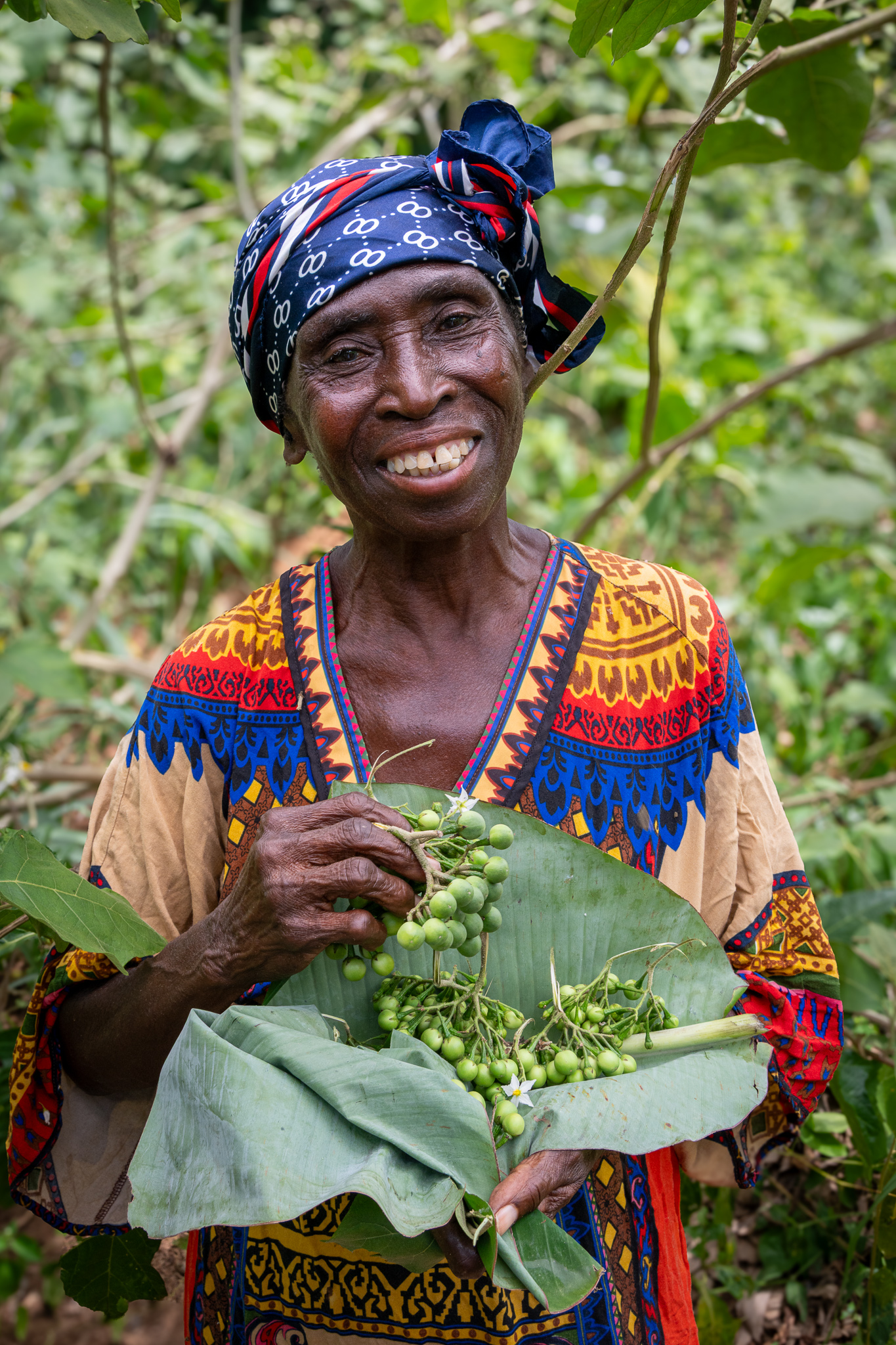
When the berries are ready, Dora harvests and takes them to whichever market is paying best that day. She doesn’t simply sell at the nearest stall – she shops around, choosing markets based on price, navigating a system where what turkey berry fetches can shift quickly with the seasons and no formal price information exists to guide her.
For more than five years this arrangement has delivered her a meaningful cash income. Because the inputs are essentially zero, almost everything she earns is return. On a farm where most other crops go straight to the family table, turkey berry is one that puts cash in her pocket – which makes the return on zero investment look even more striking.
This is what Crop Trust’s BOLDER project is trying to understand and support: the food plants that are already working for women like Dora, quietly, on the margins of formal agriculture – and what it would take to help them work a little harder.
Dora didn’t plant the turkey berry. The turkey berry, in its own fierce way, planted itself. Dora just did what smart farmers do – she paid attention.
All images used on this page were photographed by Michael Major for the Crop Trust and used here under a CC BY-NC-ND 2.0 license.