
When our host and partner Moses Owori said our first of seven visits on the day would be with a “pumpkin processor,” I immediately began visualizing my photo opportunities. I saw workers in white coats and white clogs and hairnets checking stainless steel vats in a tidy factory.
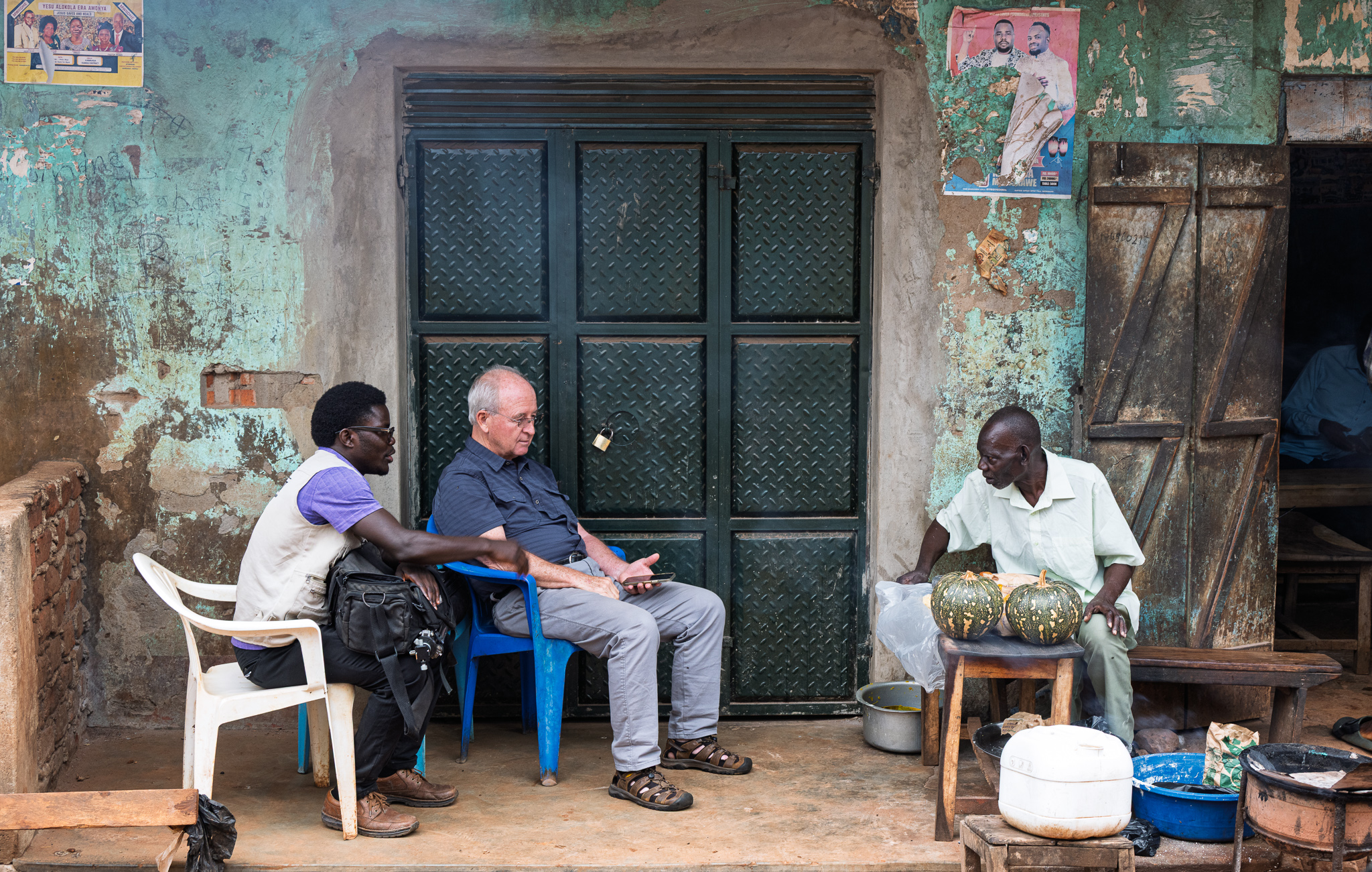
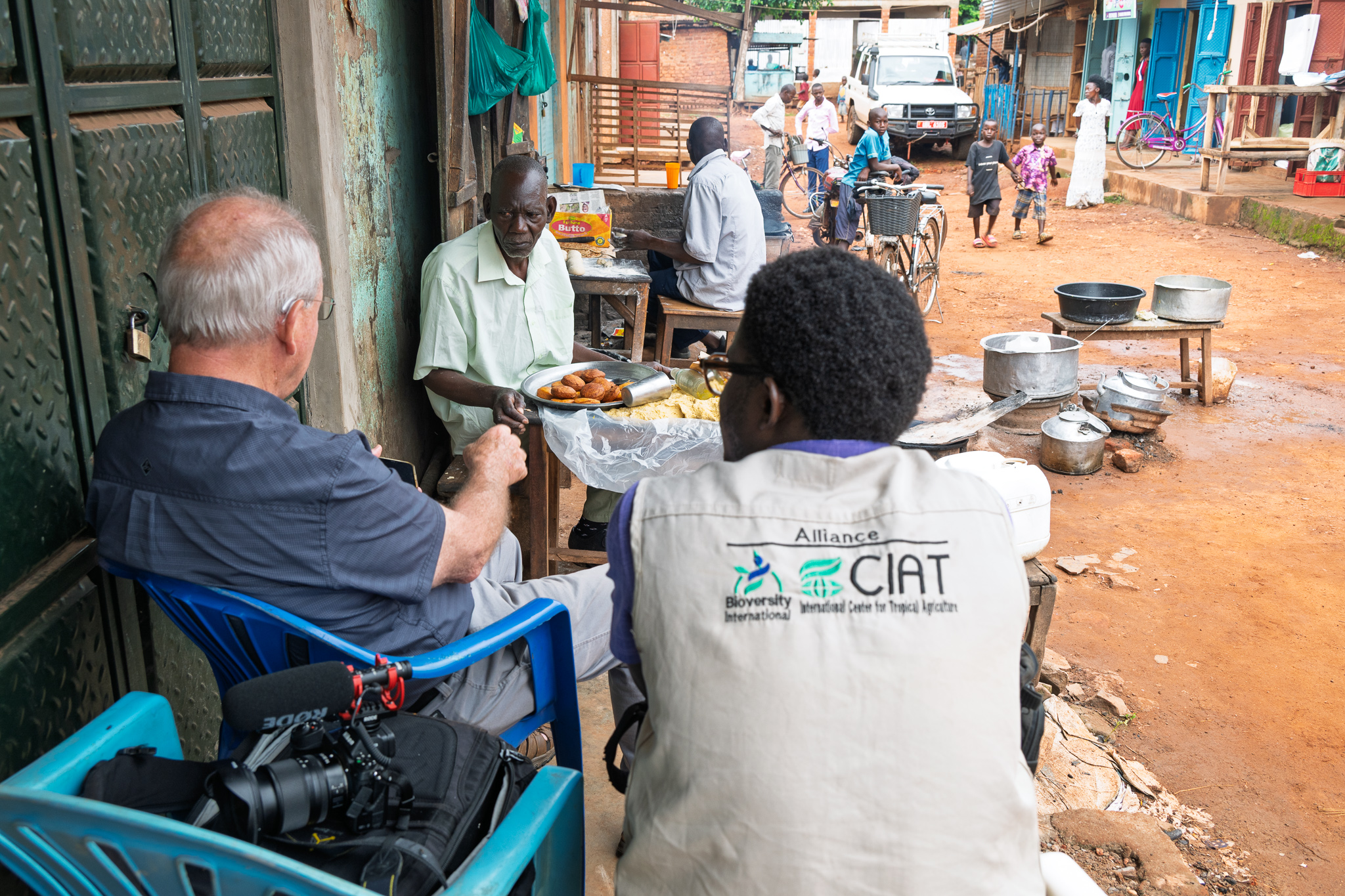
So when our Land Cruiser powered down on a narrow dirt road in the town of Balawoli in Uganda’s Kamuli District and Moses announced we had arrived, I was a bit bewildered. I didn’t see anything that looked like a food processing plant.
But then I remembered. I was in rural Uganda.
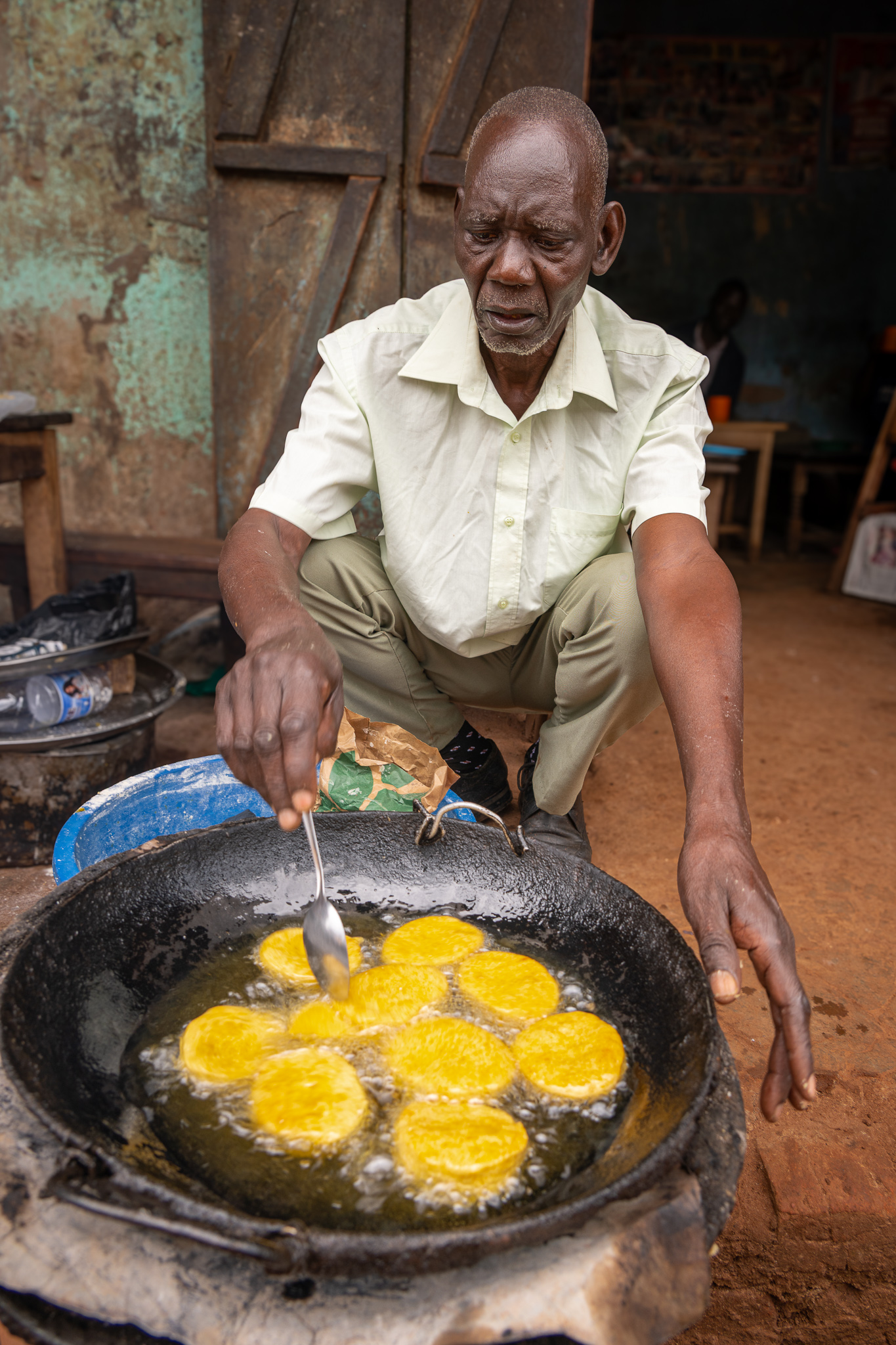
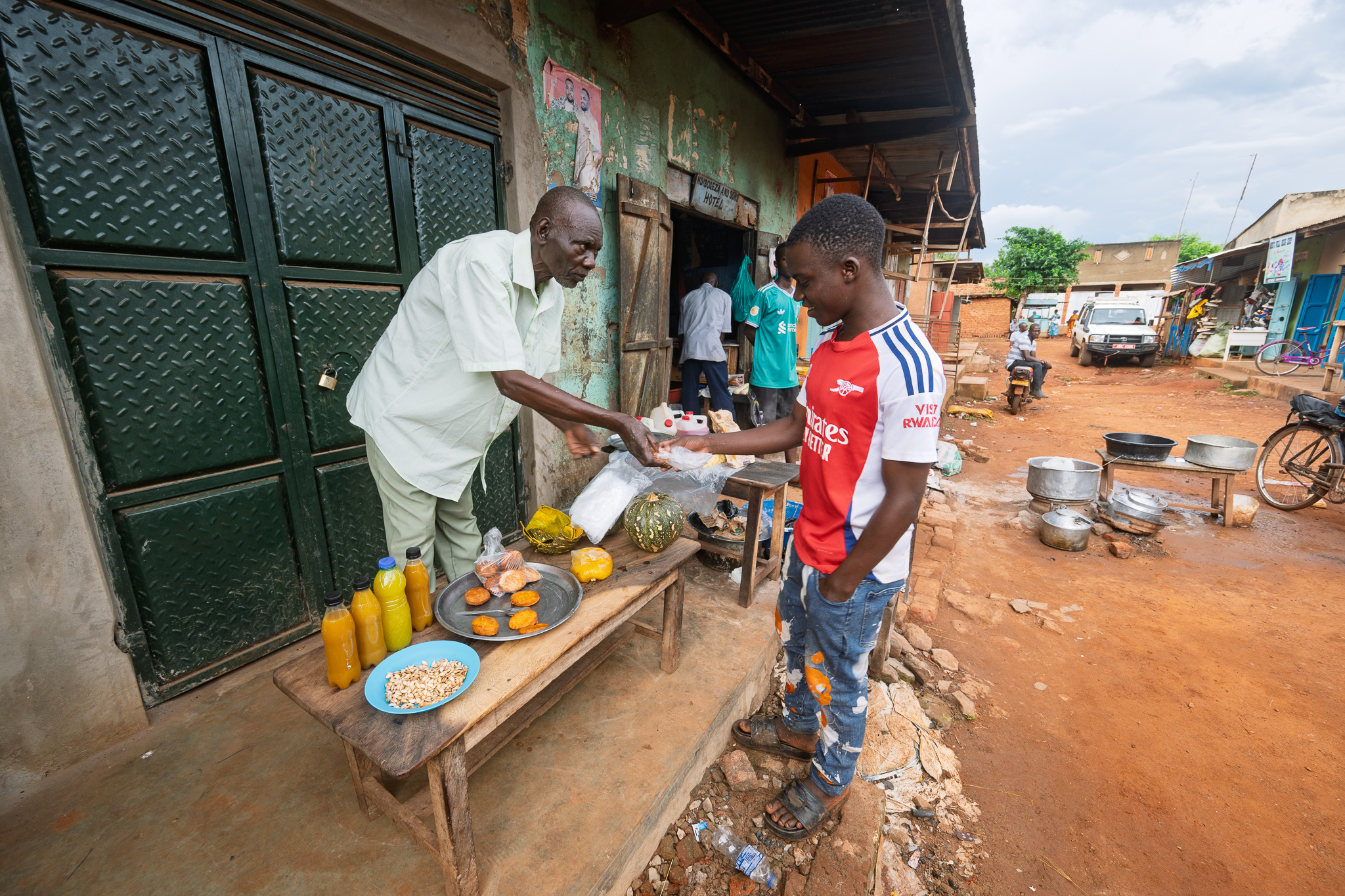
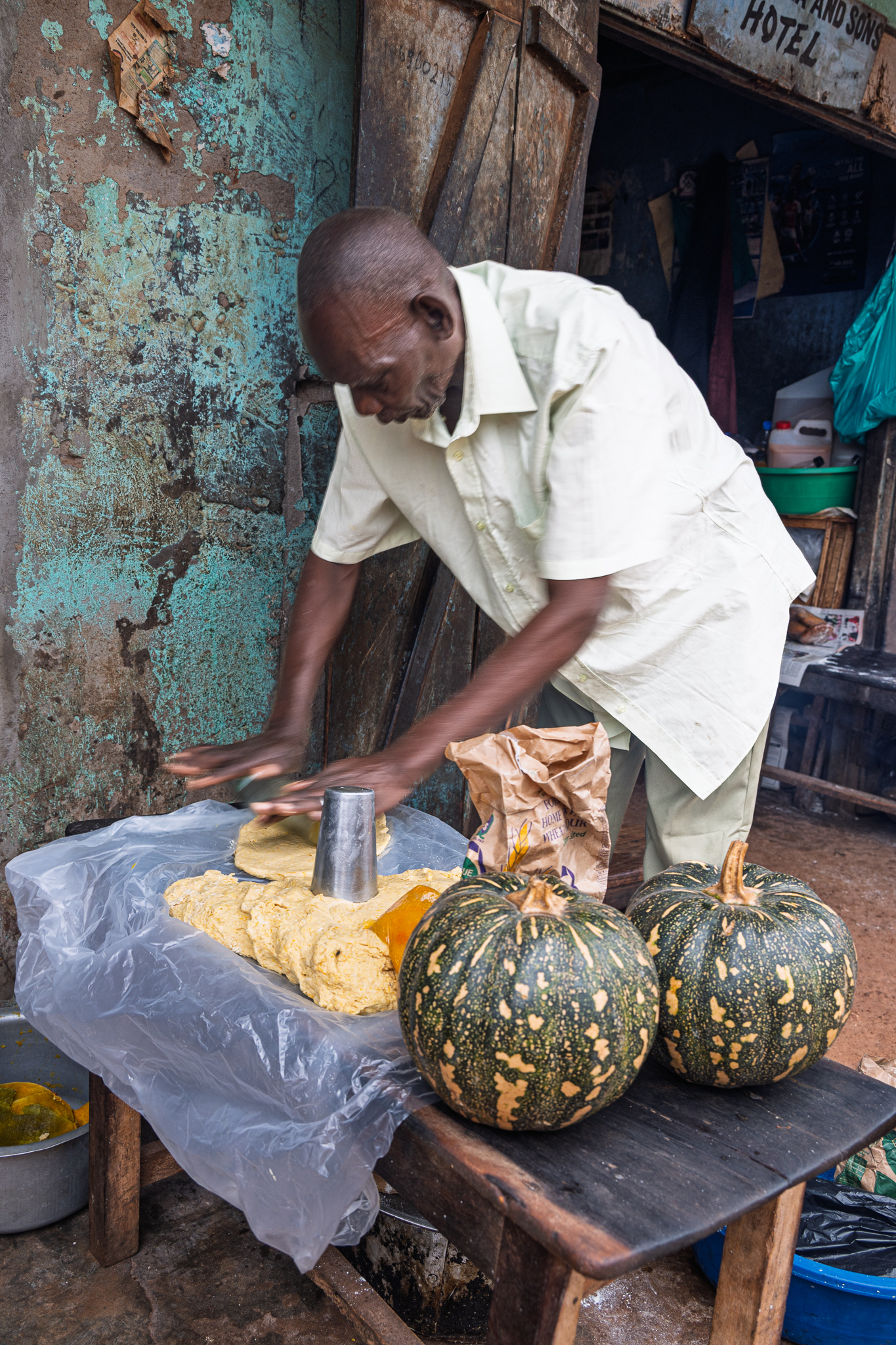
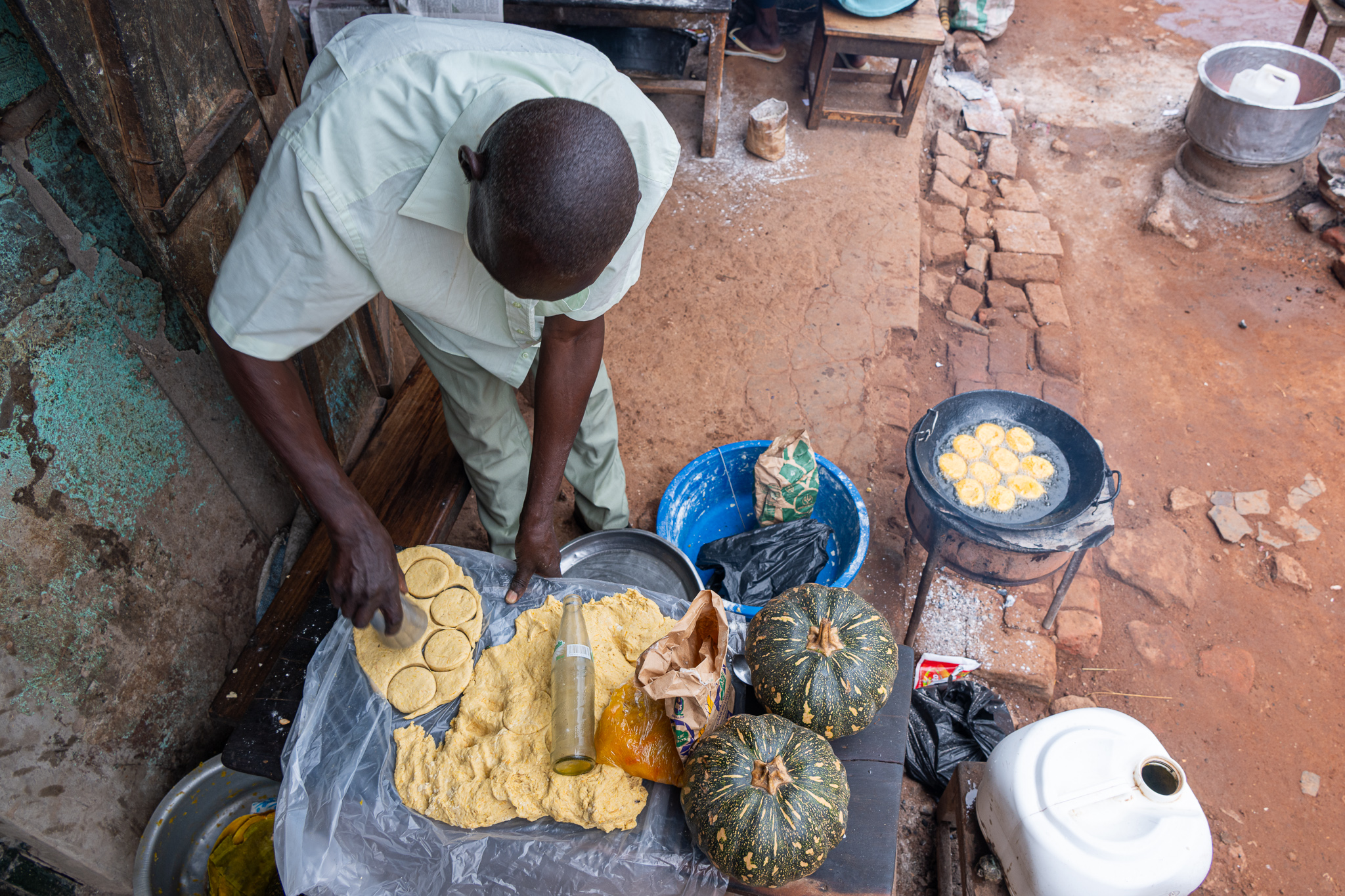
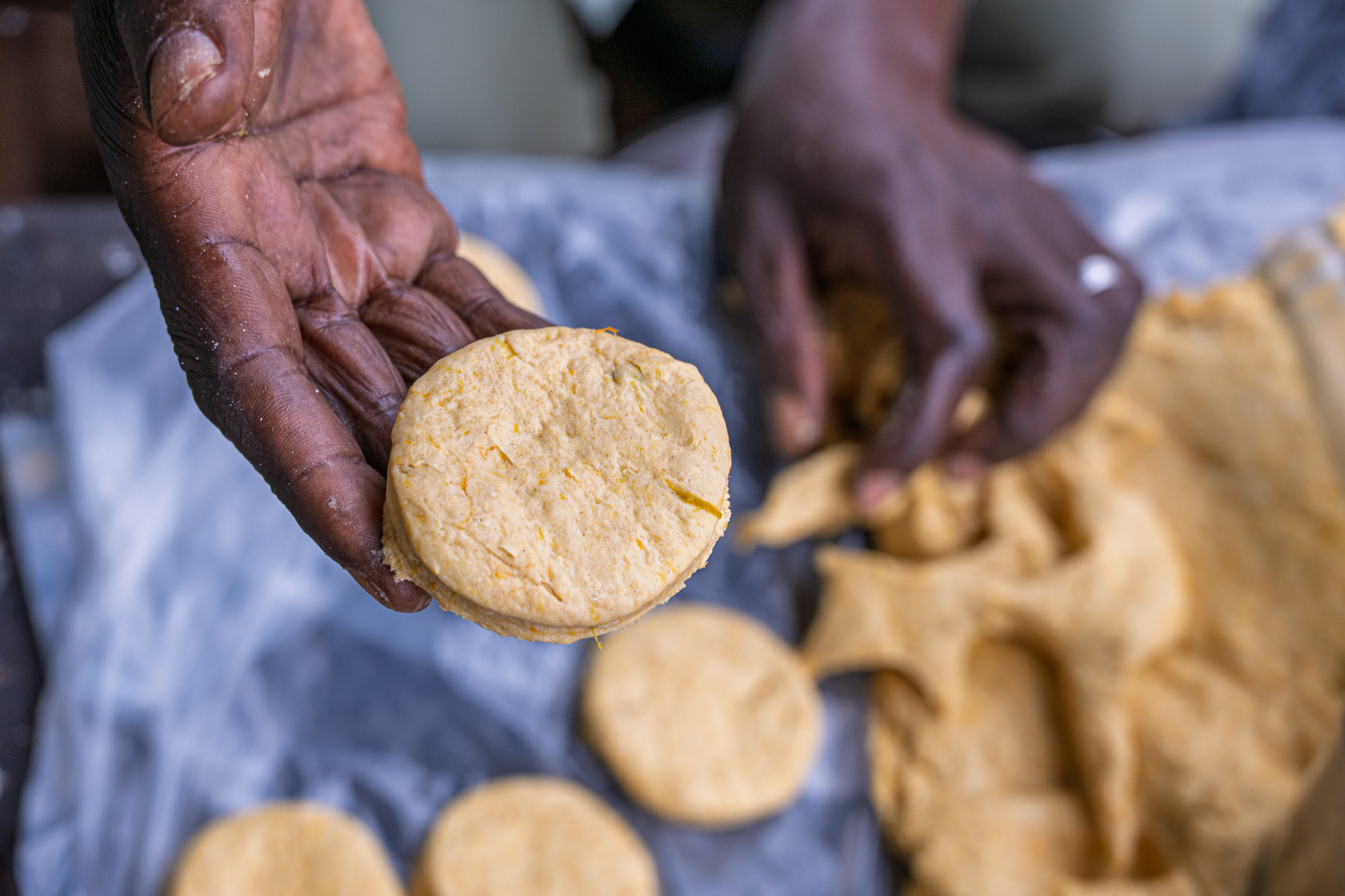
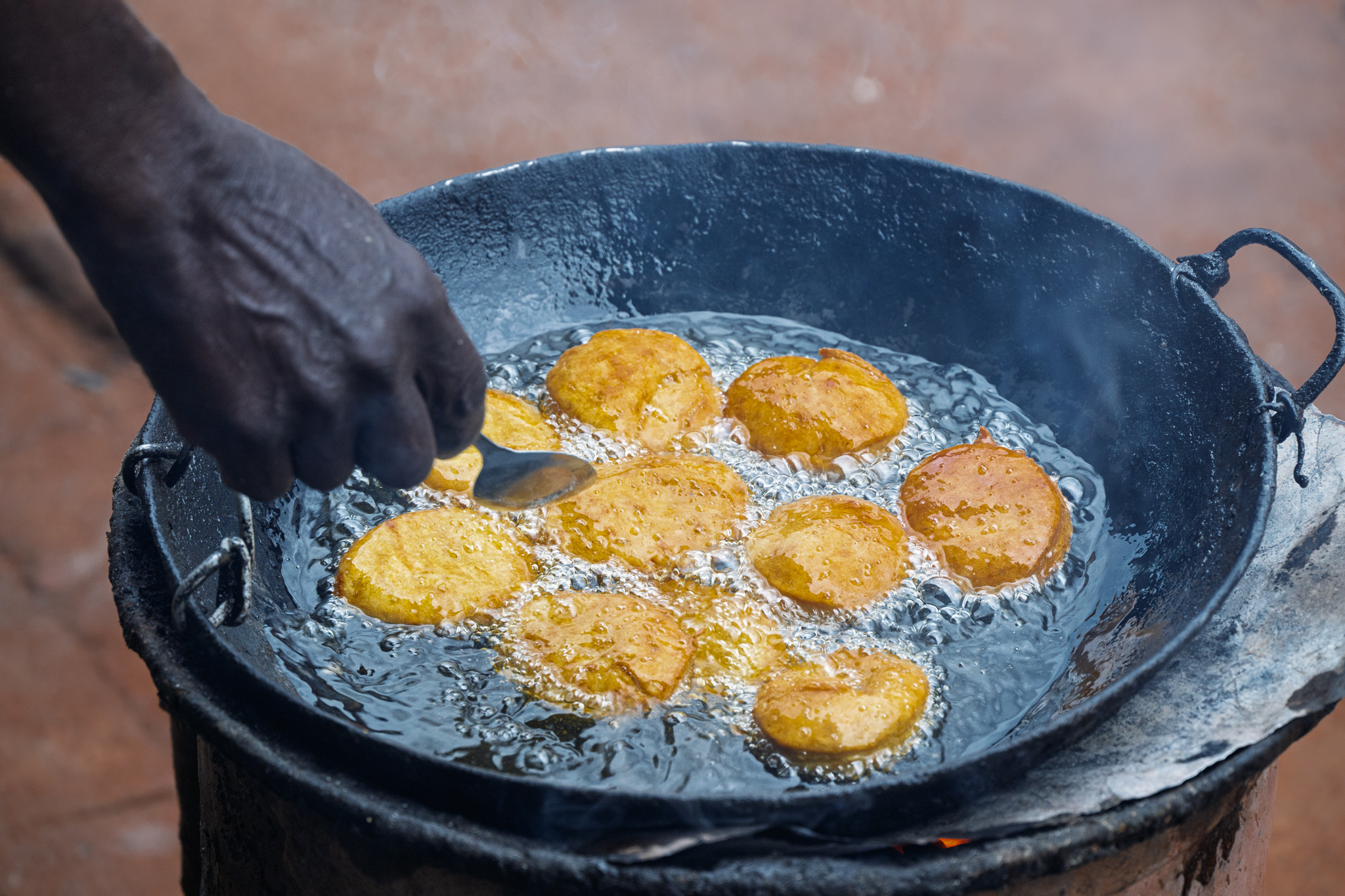
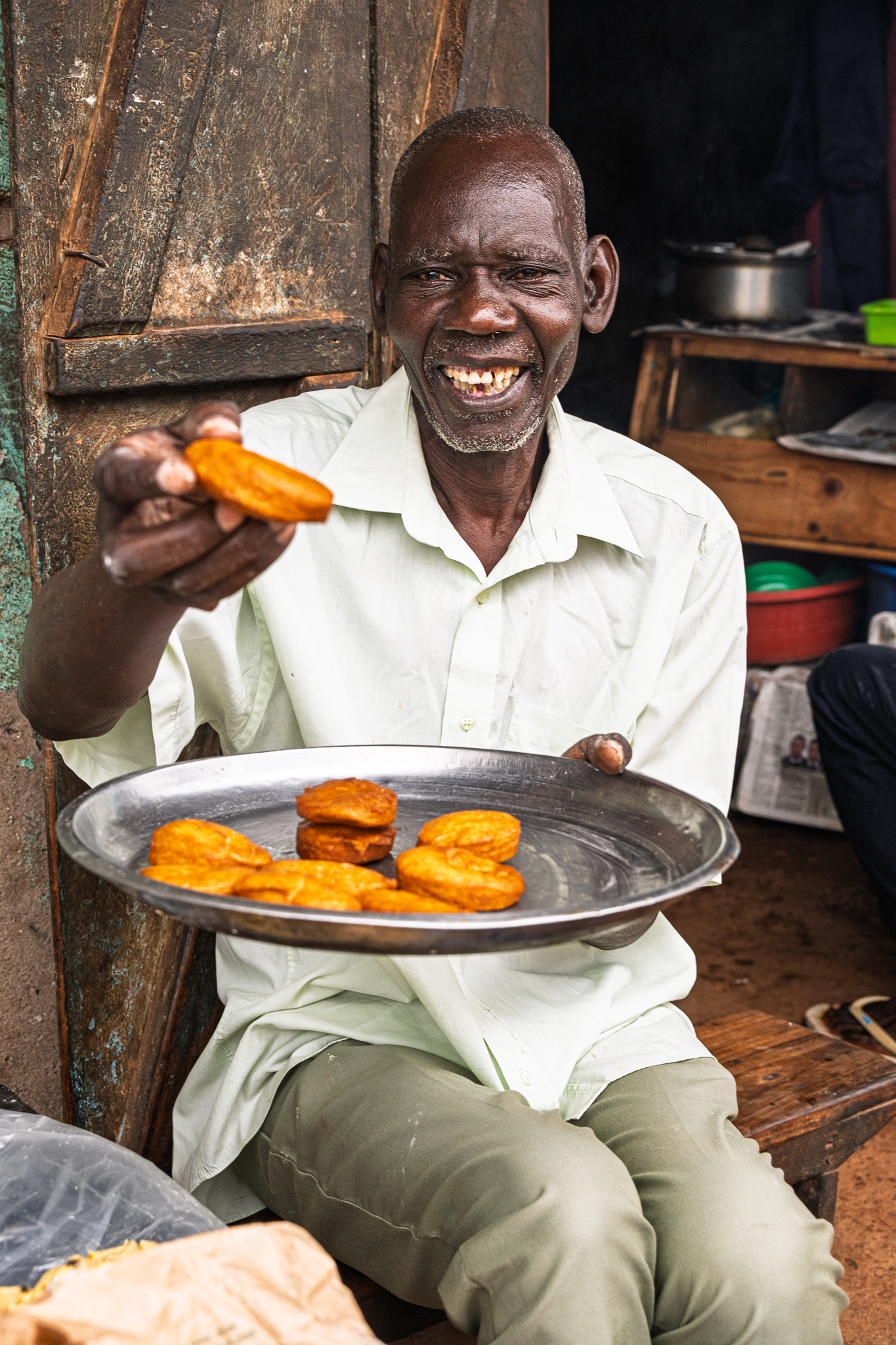
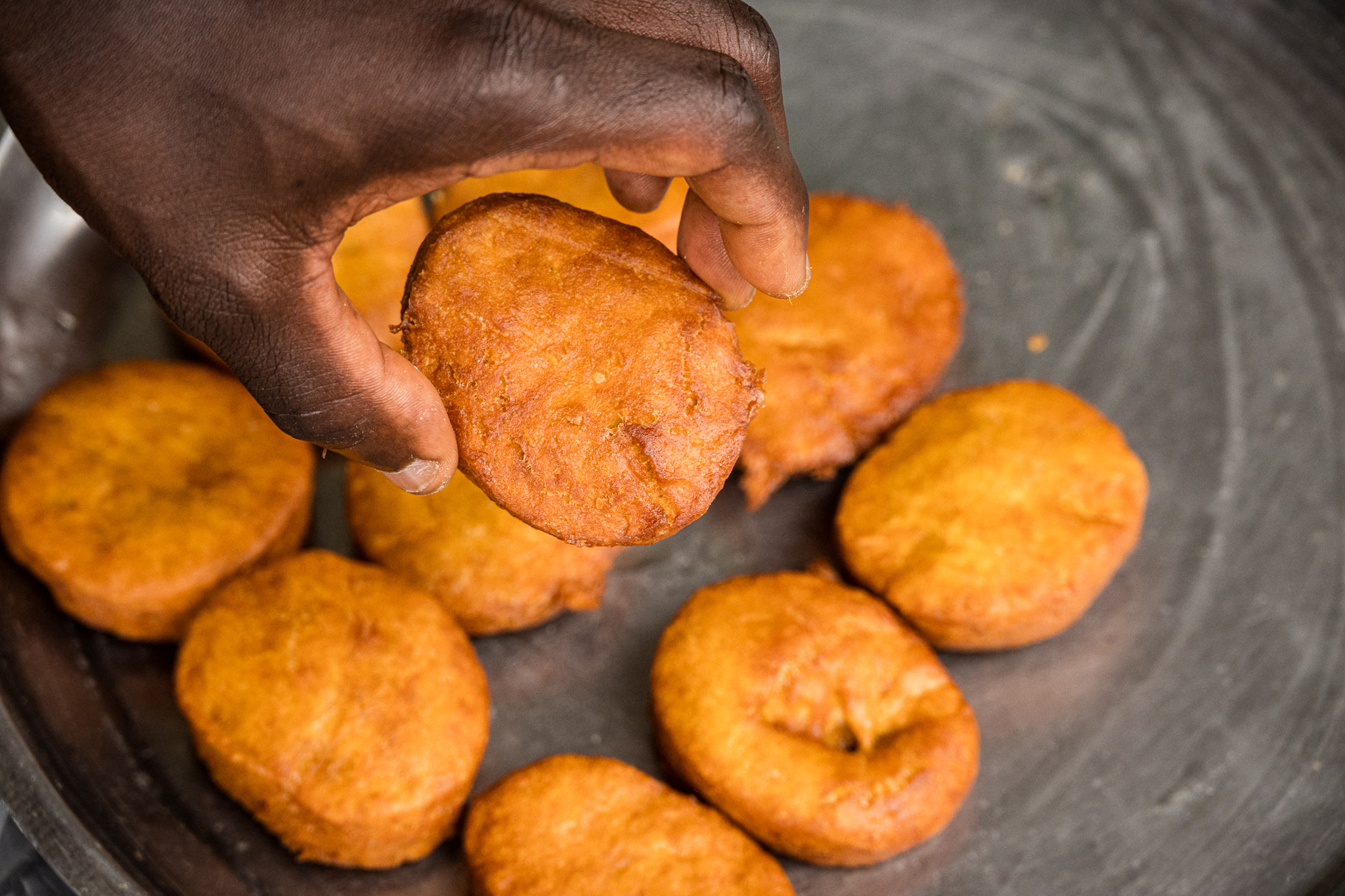
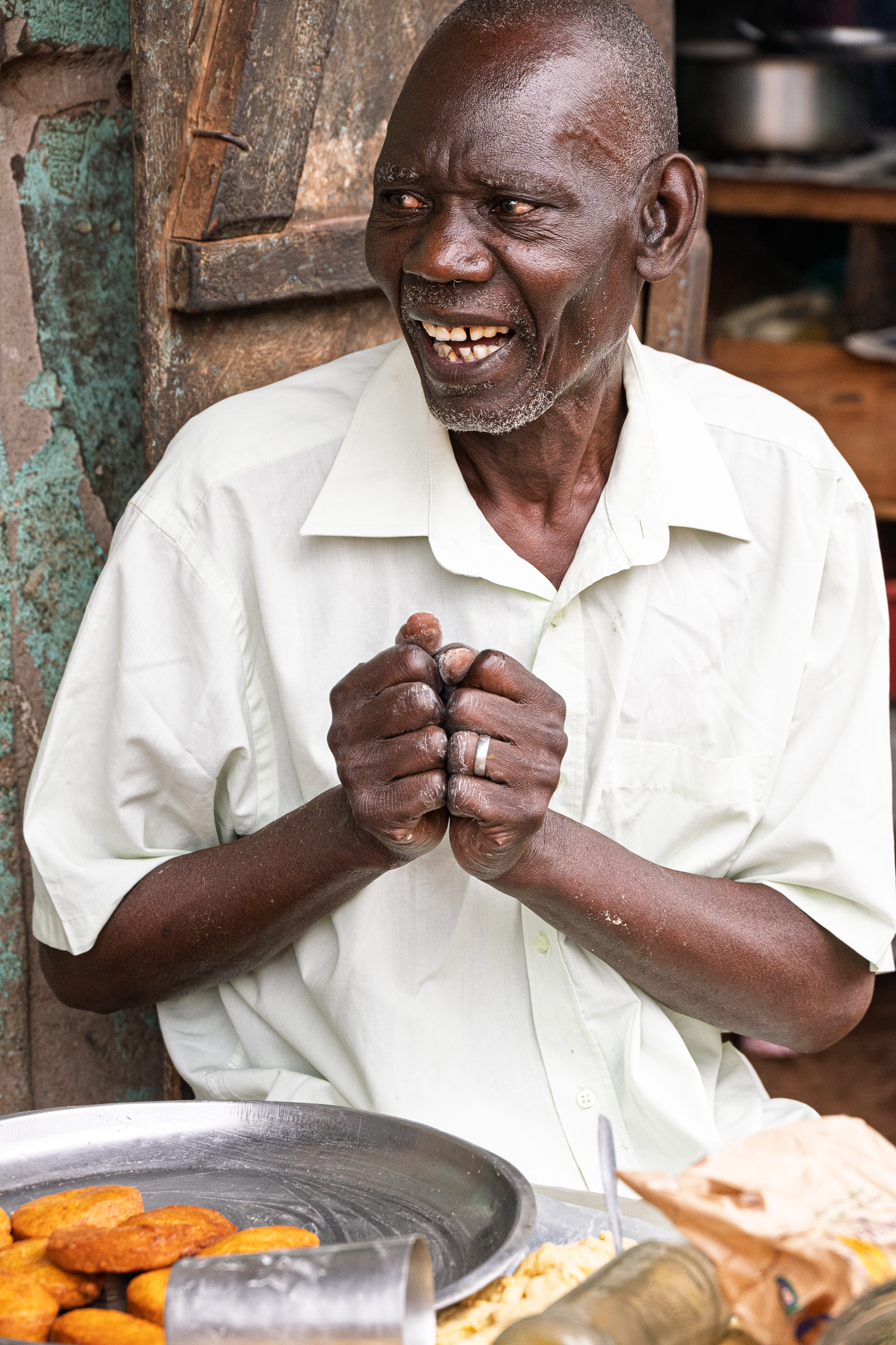
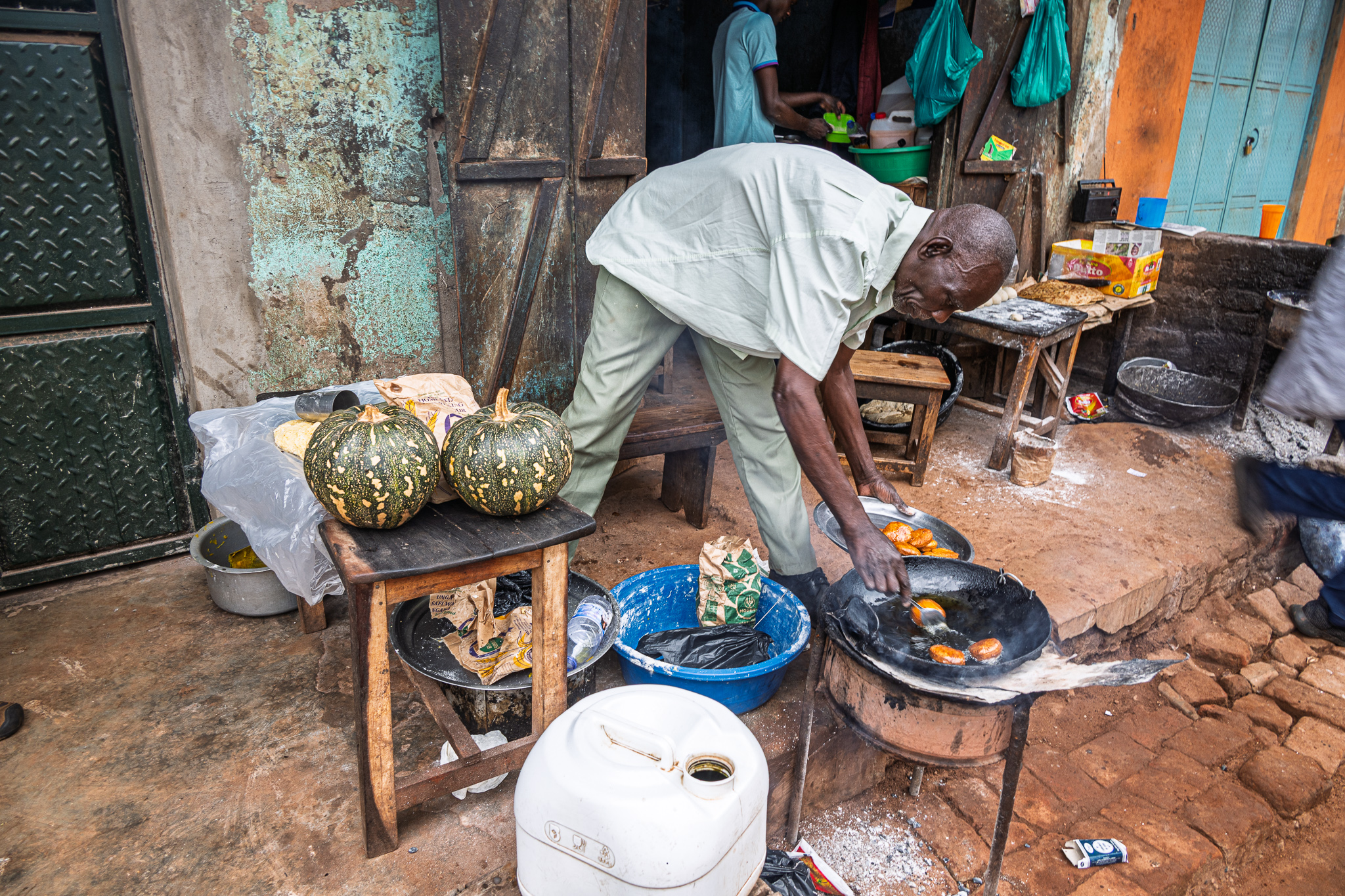
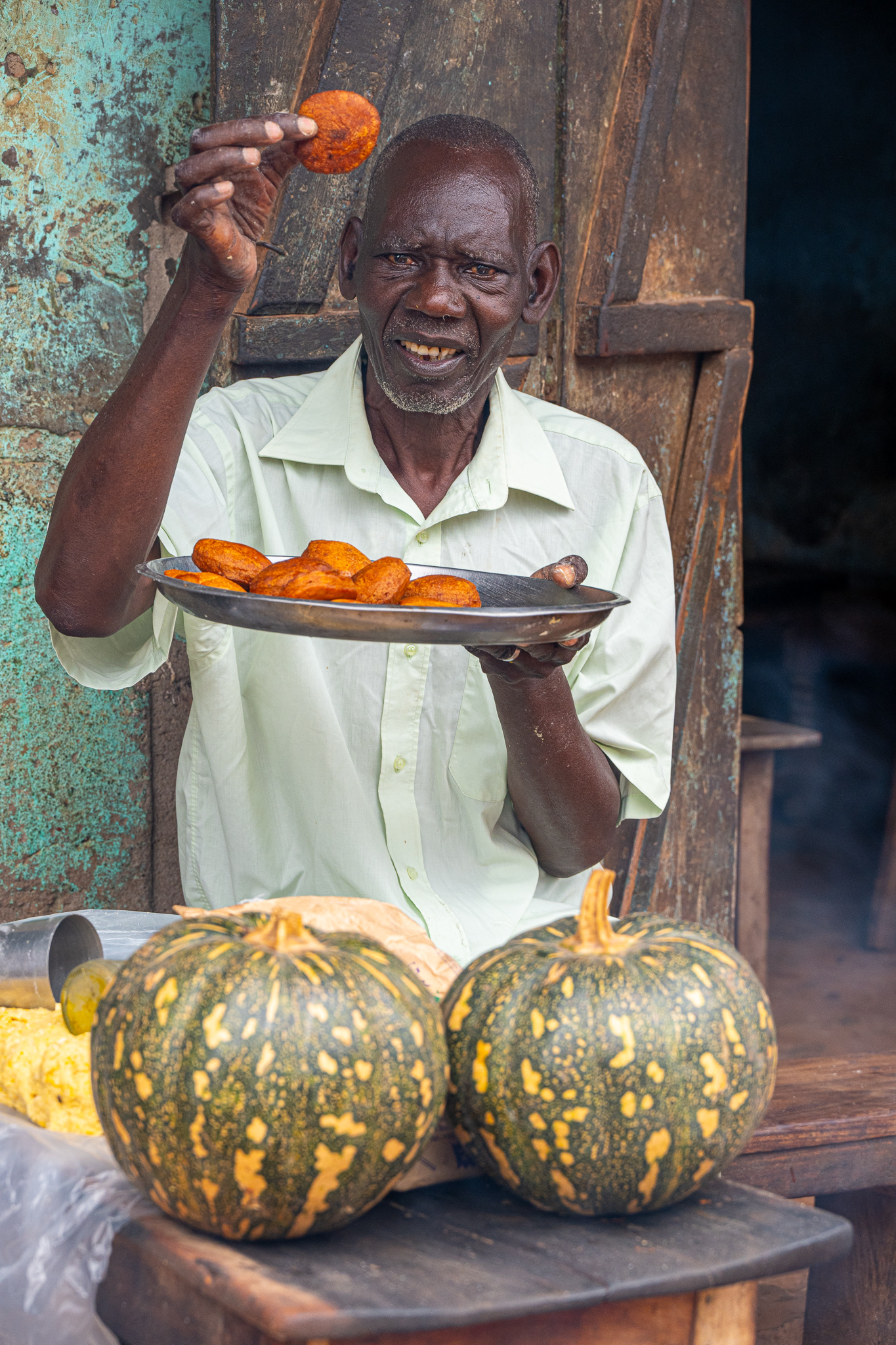
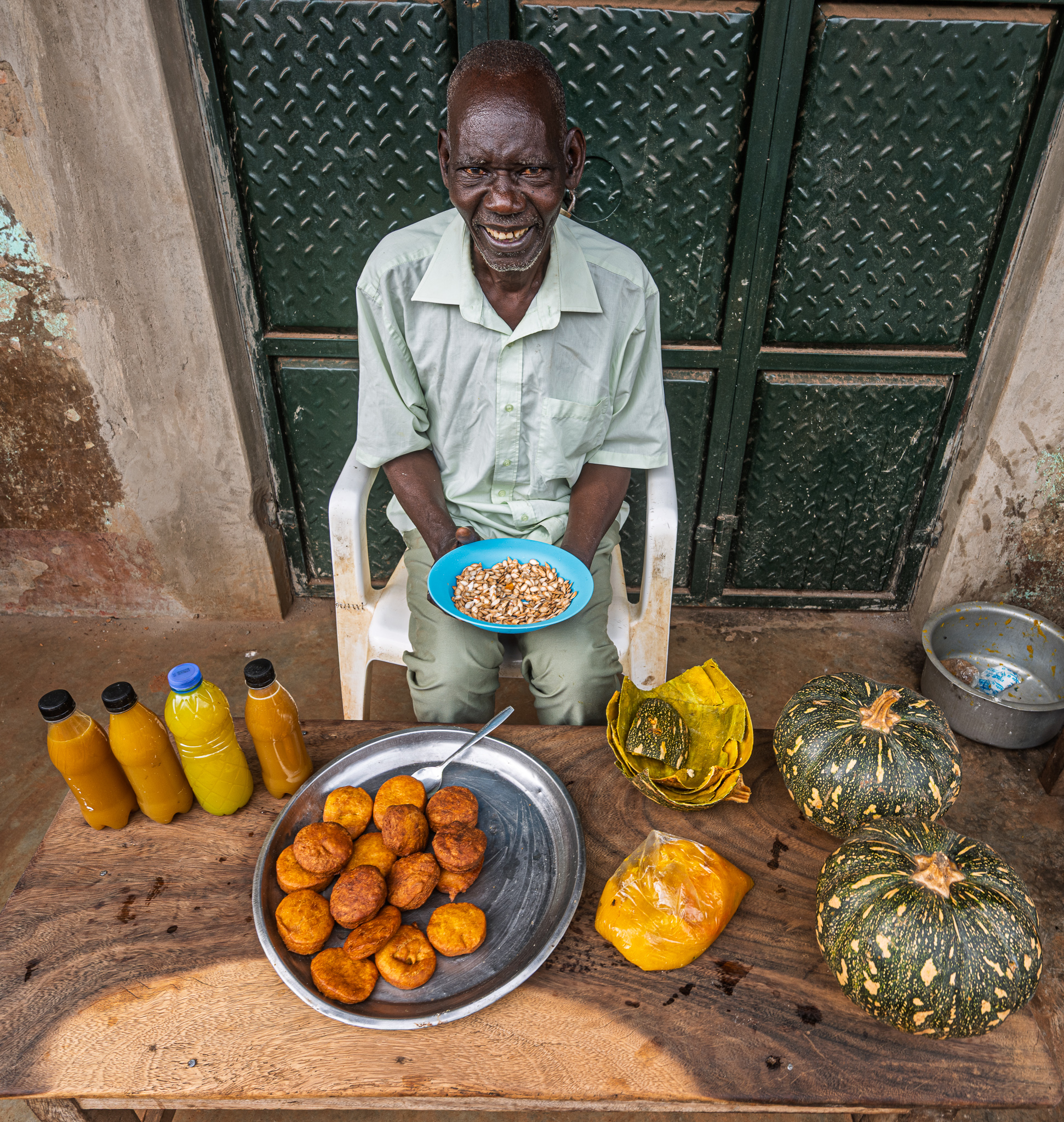
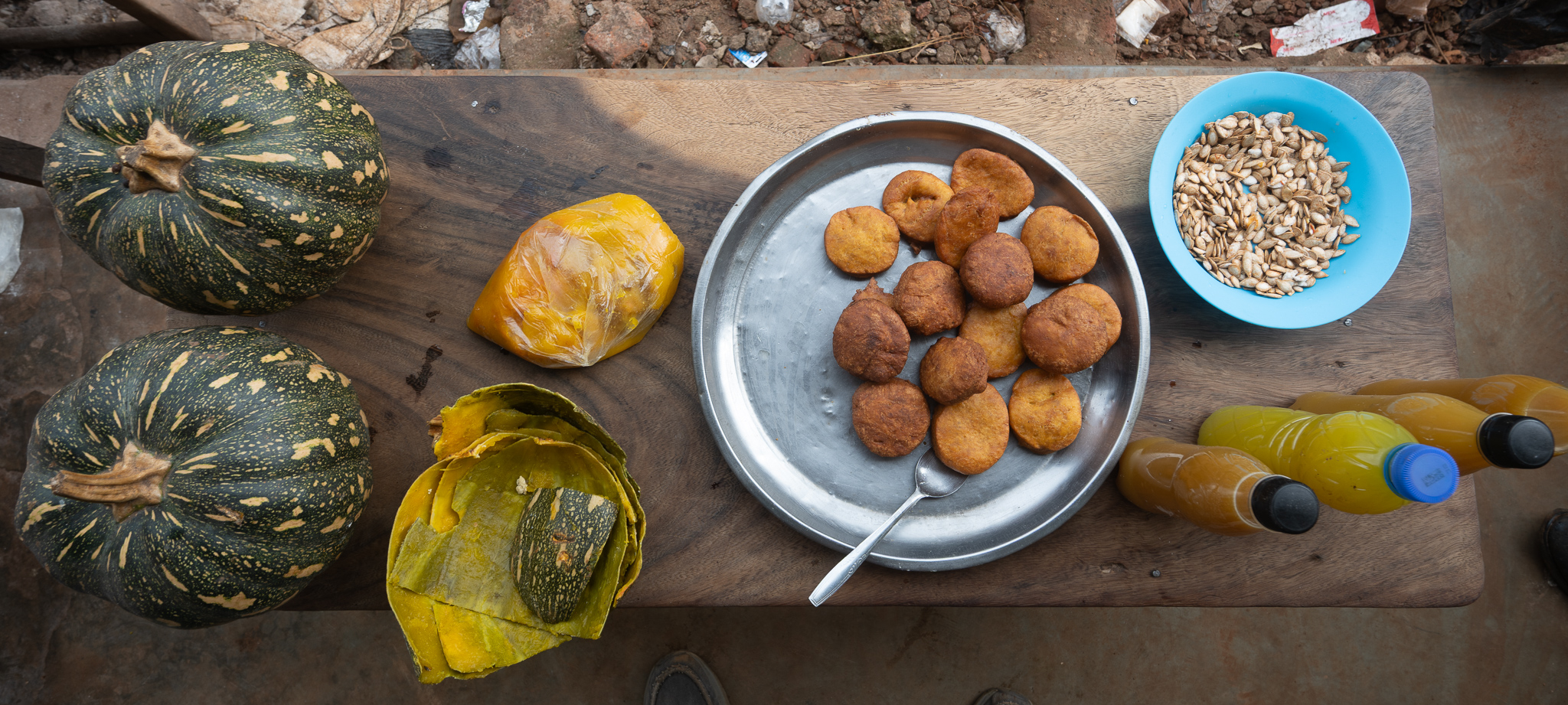
Moses led us to a man who was bent over a blackened iron pan balanced on a clay charcoal stove outside his shopfront, carefully turning golden pumpkin fritters in bubbling oil with the focused attention of someone who has done it ten thousand times. Two whole pumpkins sat waiting their turn on a wooden stool beside him.
This was Tom Zijja’s “factory”. His stainless steel was a cast-iron wok. His white coat was a pale green shirt. And his production line ran entirely on charcoal and skill.
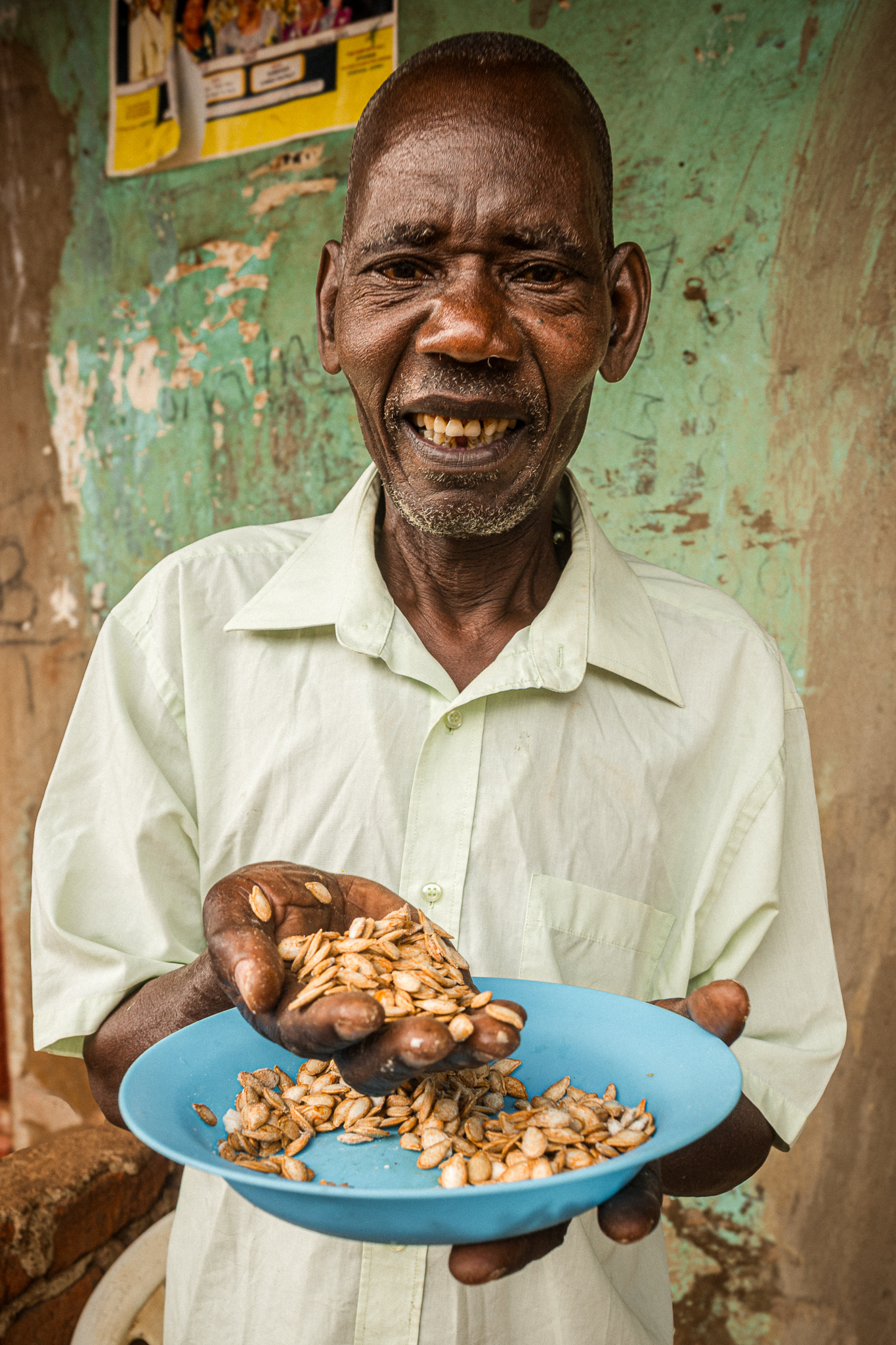
But don’t let the modest setting fool you. Tom’s mind runs well ahead of his equipment. He sources pumpkins from local farmers, sometimes supplying them with seed from fruits he favours himself. From those pumpkins he makes juice, puree, flour, fortified snacks and seed powder. The residues go to poultry feed. Nothing is wasted. In a world increasingly obsessed with circular economies and zero-waste manufacturing, Tom figured it out on a dirt road in Kamuli District with a wok and a charcoal fire.
His dreams aren’t small either. He wants to expand across Uganda. Eventually beyond. What he needs – an extractor, an oven, transport, workers, packaging, certification – is a very specific and not impossibly long list.
Tom is exactly the kind of entrepreneur that the Crop Trust’s BOLDER project – Building Opportunities for Lesser-known Diversity in Edible Resources – has in mind. Ugandans themselves identified pumpkin as a priority opportunity crop, and understanding the full value chain, from farmer to processor to market, is the first step toward making that potential real.
Standing there as I munched on Tom’s delicious fritters, I found myself thinking: given the right support, maybe one day Tom Zijja will have his factory after all. And somewhere in it, perhaps, a few stainless steel vats.
All images used on this page were photographed by Michael Major for the Crop Trust and used here under a CC BY-NC-ND 2.0 license.