
Category: Travels for Crop Trust
-
8 June 2026
-
31 May 2026
-
28 May 2026
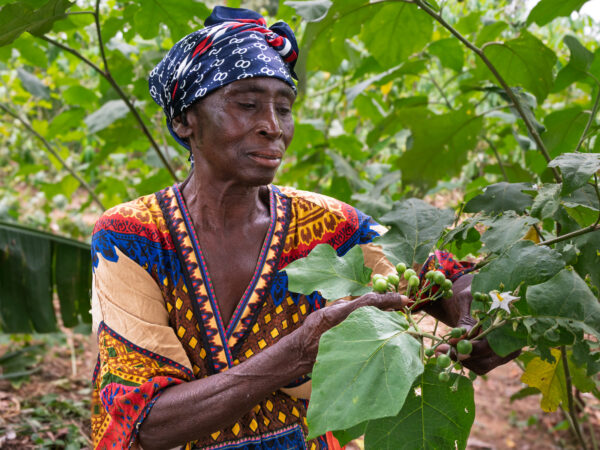
DORA AND THE FIERCE VOLUNTEER
Some crops don’t wait to be planted. They arrive uninvited,… -
23 May 2026
-
19 May 2026
-
15 May 2026
DANCIN’ UNDER THE BAOBAB TREE
The baobab tree has a most significant importance to the… -
11 May 2026
THE DOOR OF NO RETURN
Today my colleague, Scott Christiansen, and I stood inside Osu… -
4 May 2026
-
22 February 2026
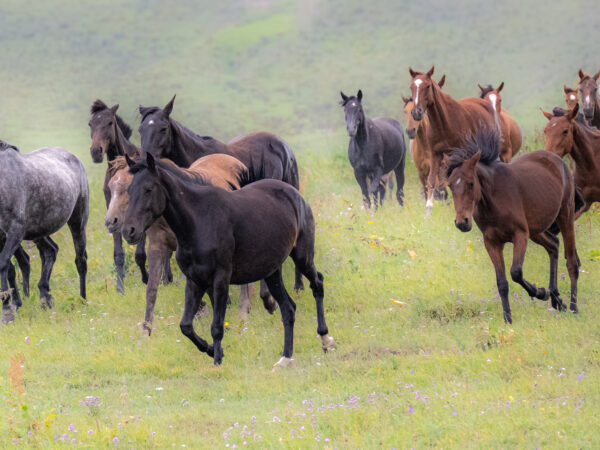
MOUNTAINS, HORSES AND JAILOO
On maps, Kyrgyzstan looks like a country made of ridgelines…. -
27 November 2025
SWEETPOTATOES A LA SINGIDA
When I heard that my colleague Scott Christiansen and I… -
25 November 2025
THE BAMBARA GROUNDNUTS OF UNYAMIKUMBI
If you look at a dried Bambara groundnut in its… -
23 November 2025
THE SINGIDA MORNING MARKET
Sweetpotato leaves wilt quickly. They’re harvested in the early morning… -
21 November 2025
-
22 October 2025
-
18 October 2025
-
15 October 2025
-
12 October 2025
-
11 April 2025
-
14 March 2025

IS ARCTIC SNOW REALLY BLUE?
For years, I have been seeing photographs of the Svalbard… -
28 February 2025
A SEED’S JOURNEY TO THE FAR FAR NORTH
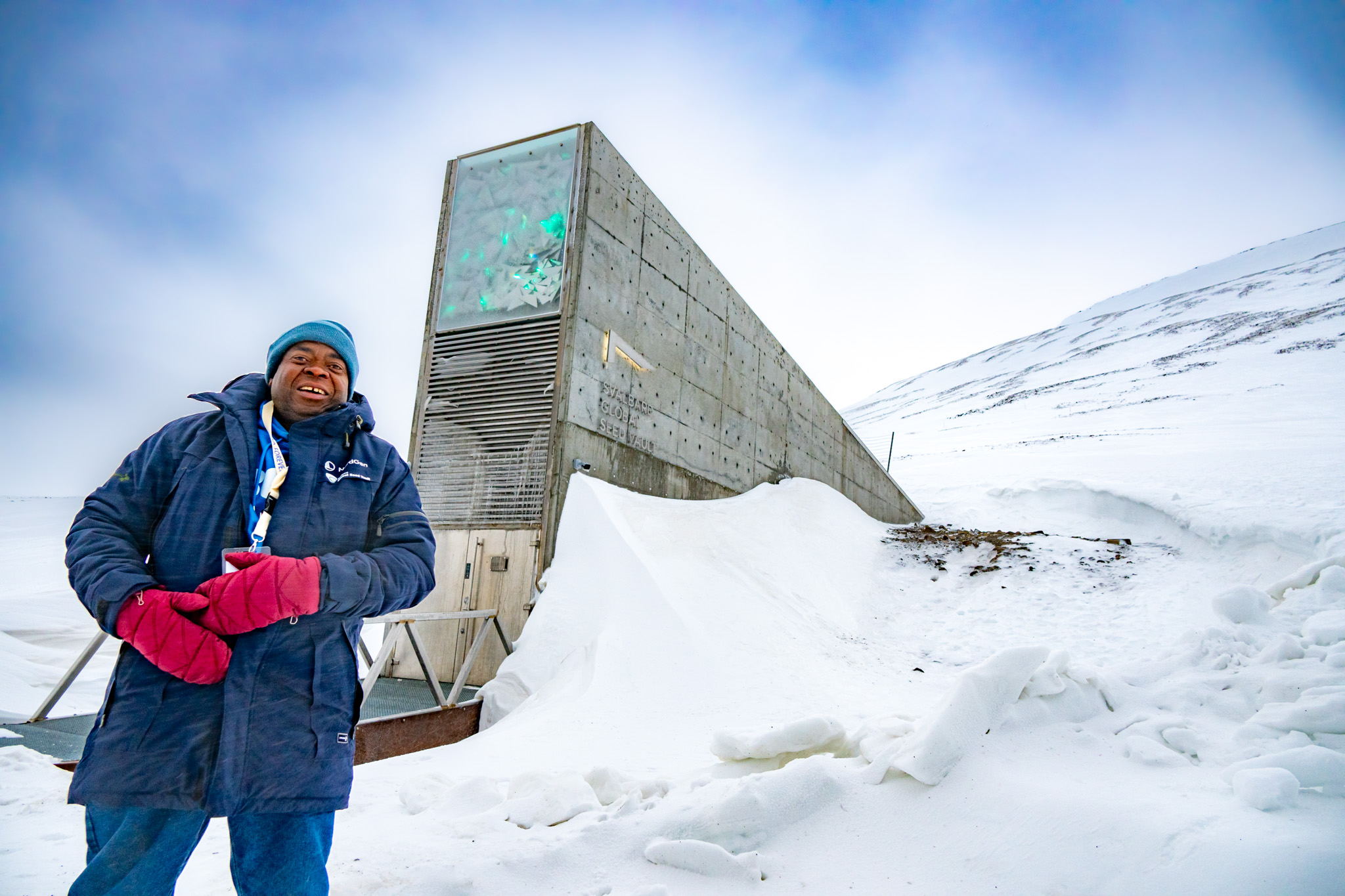
It’s a long long way between Zimbabwe and the Svalbard… -
11 November 2024
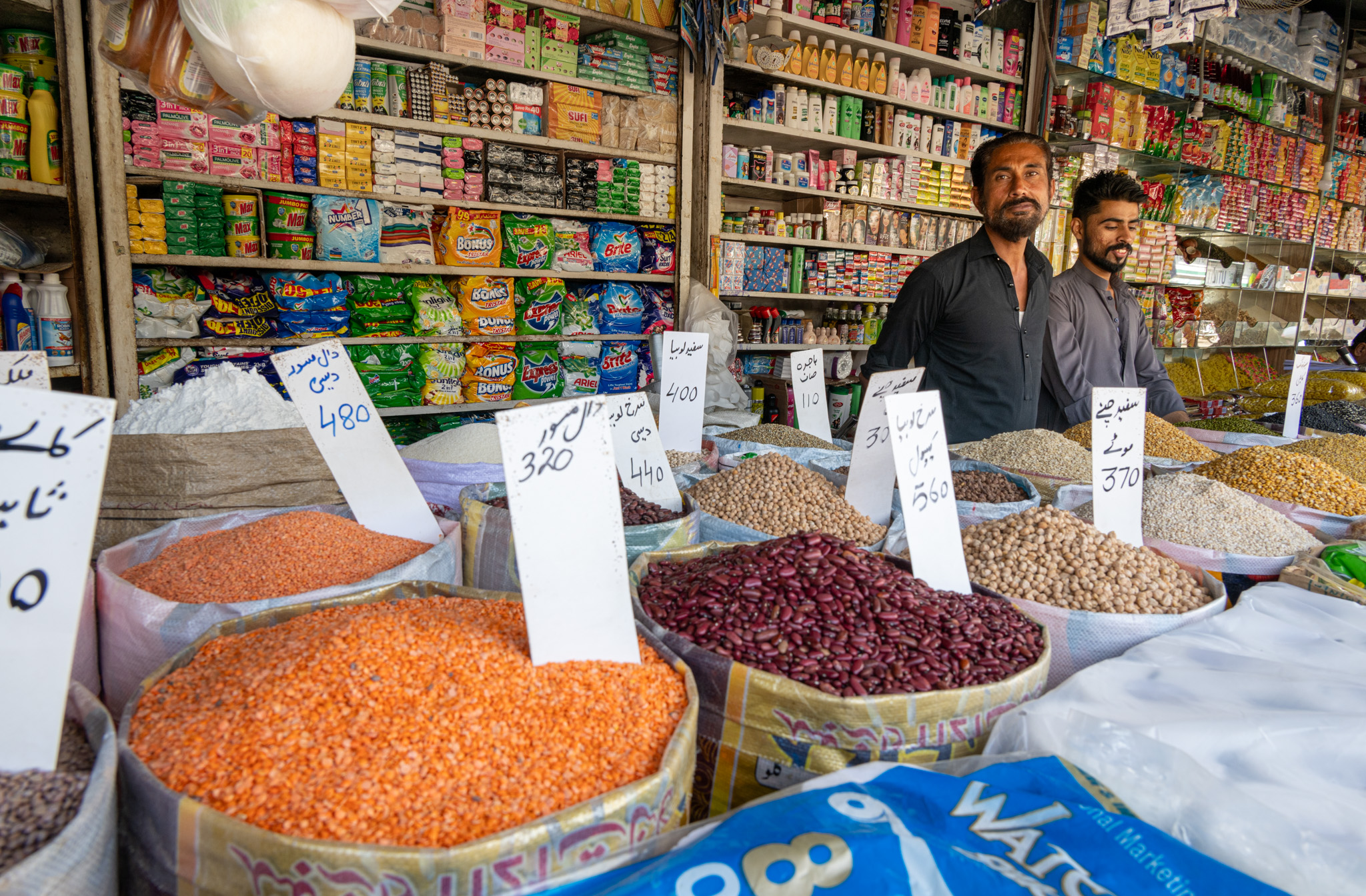
BETTER CHICKPEAS FOR KOT SARANG
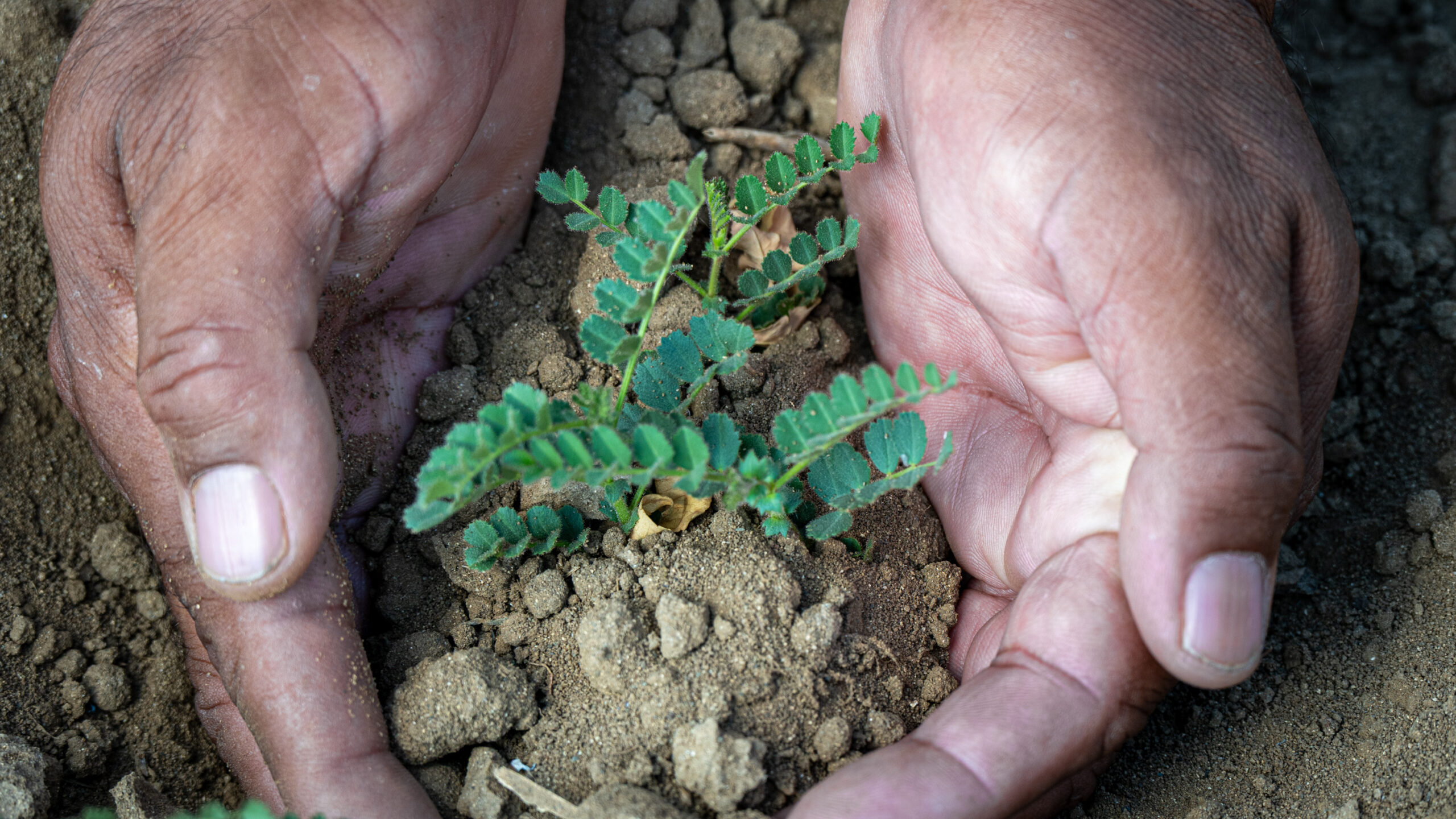
Blight decimated the chickpea crop in the Punjab village of… -
4 November 2024
-
2 November 2024
-
5 October 2024
THE CANALS OF THE MEKONG DELTA
Back in the early 19th century the Emperor Gia Long,… -
14 September 2024
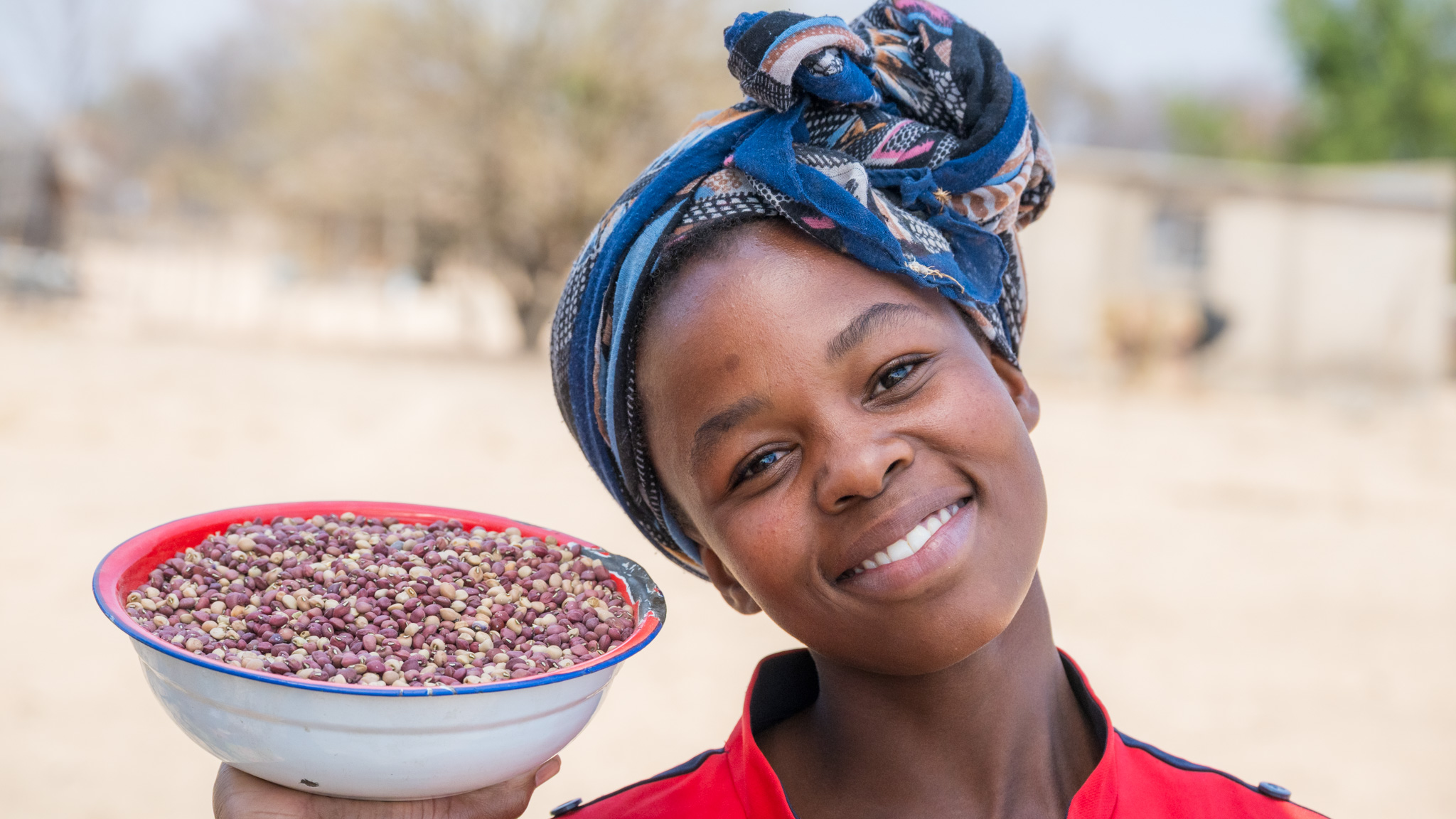
THE VARIED PERSONALITIES OF MALUNGA
The last time it rained in Malunga was in January…. -
12 September 2024
-
10 August 2024

-
2 August 2024
A POTATO JOURNEY FROM WISCONSIN TO KENYA
I started out begrudgingly planting potatoes for a merit badge… -
27 July 2024
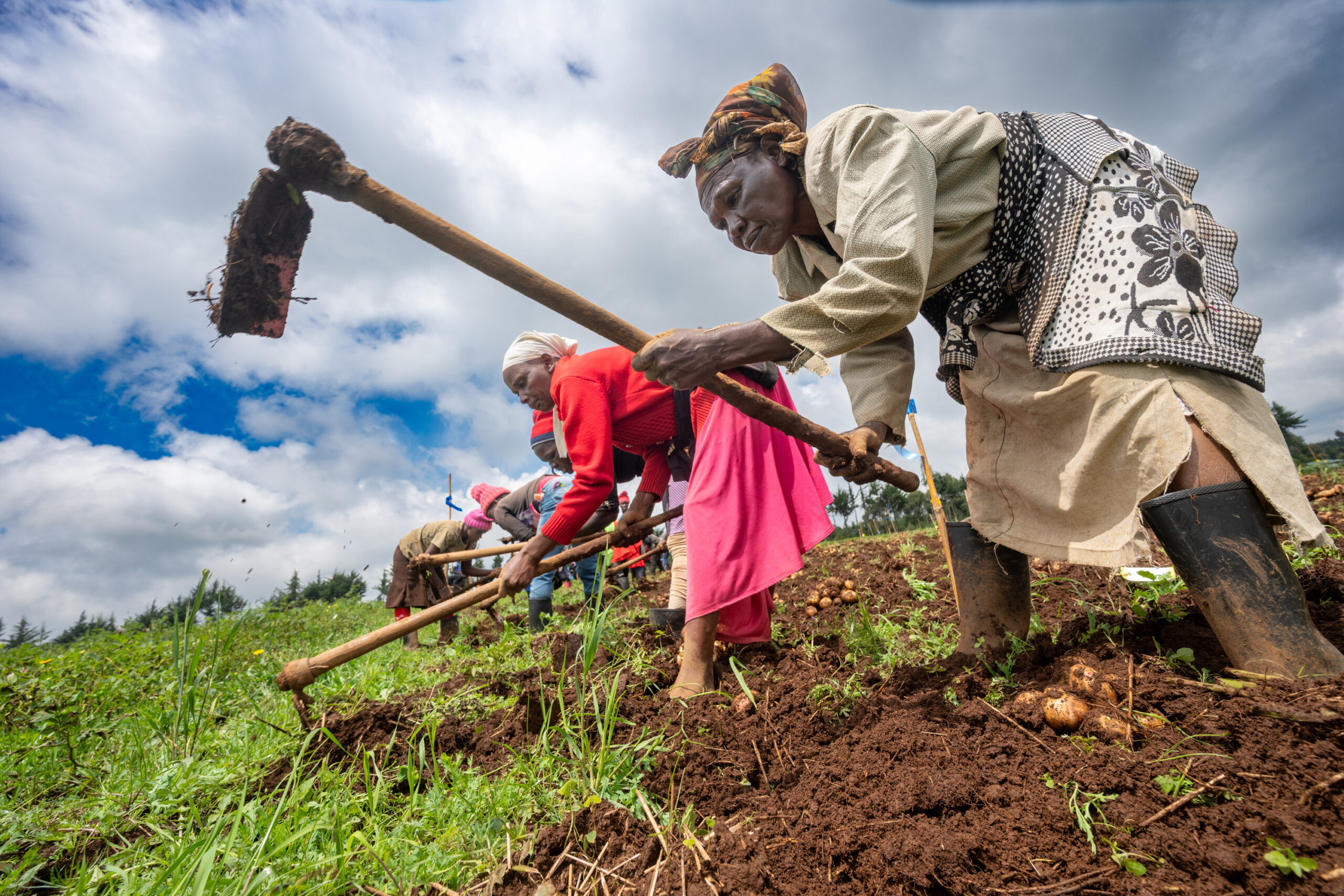
THEY’RE HARVESTING POTATOES IN KENYA
Potato harvesting in Kenya is being transformed through improved farming… -
12 April 2024
THE STIGMA OF GRASSPEA
The ancient Greeks, notably Hippocrates, were pretty wary of grasspea… -
7 March 2024
-
5 March 2024
-
1 March 2024
GRASSPEA IS A GRACIOUS GIFT OF GOD GLOBALLY (5G)
As I stood in the middle of a 28-acre community… -
27 February 2024
-
24 February 2024
-
4 February 2024
PRESERVING MALAN IN CENTRAL KALIMANTAN
Papa Dewi told me about his way of ‘malan’. That… -
27 January 2024
-
25 January 2024
I DON’T CARE SWEETPOTATOES
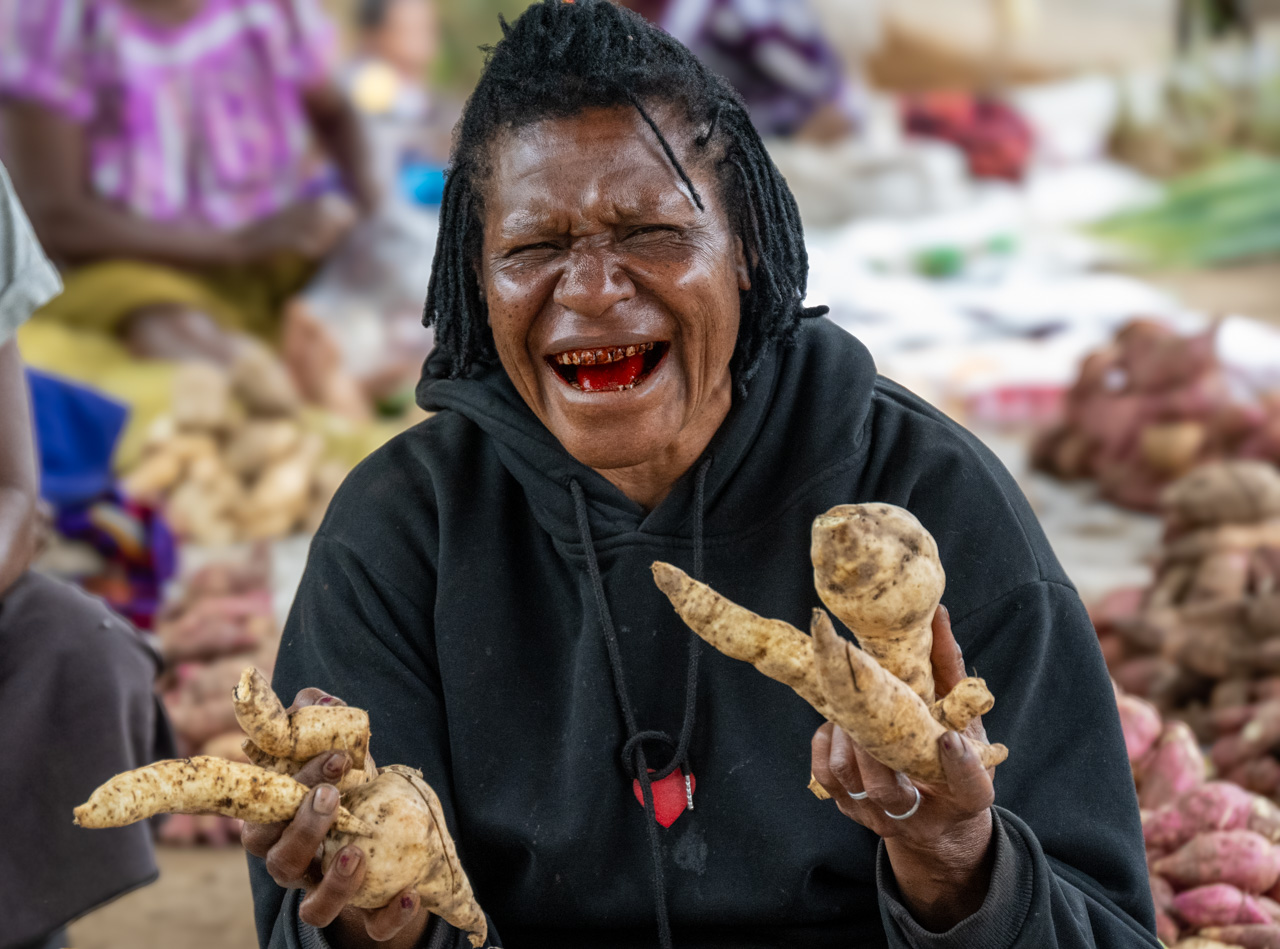
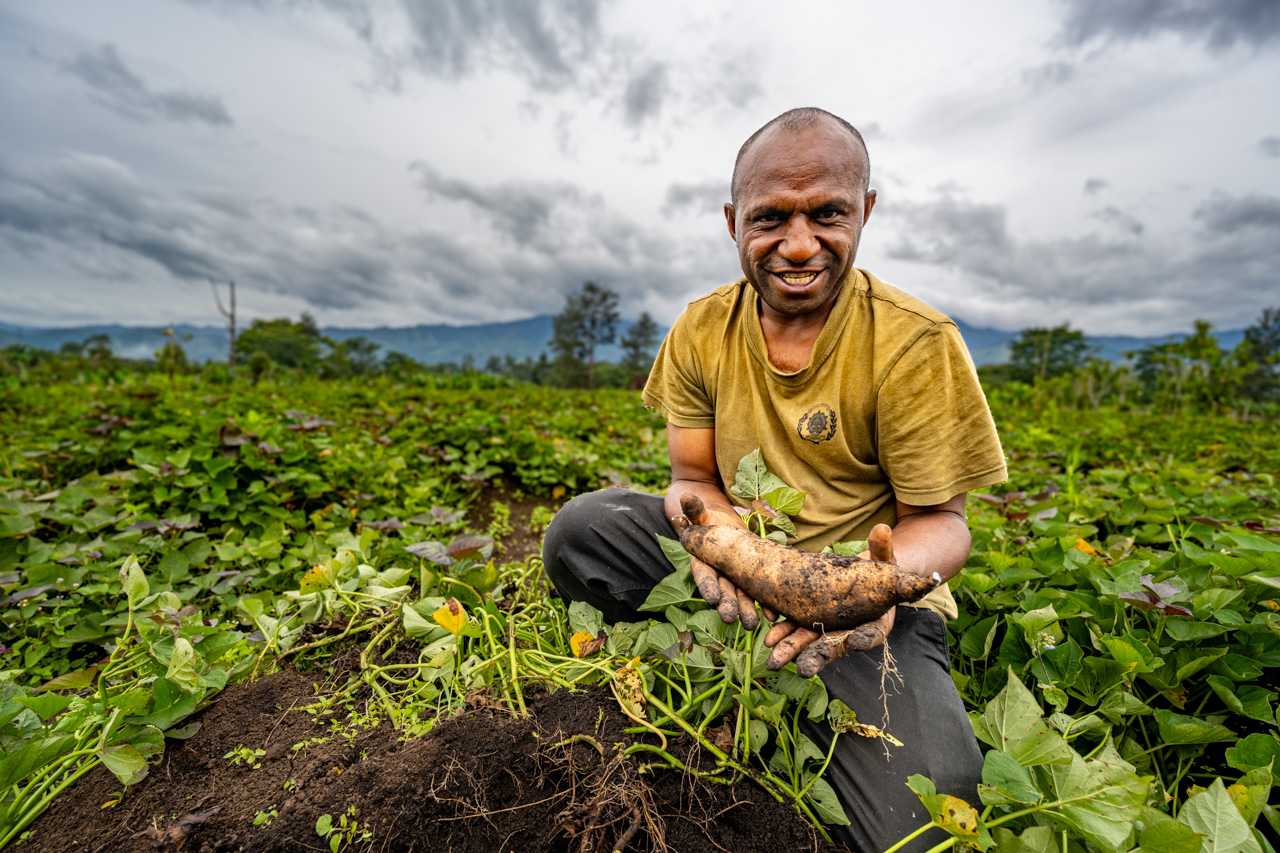
There’s a sweetpotato in Papua New Guinea called ‘gimane’. But… -
1 January 2024
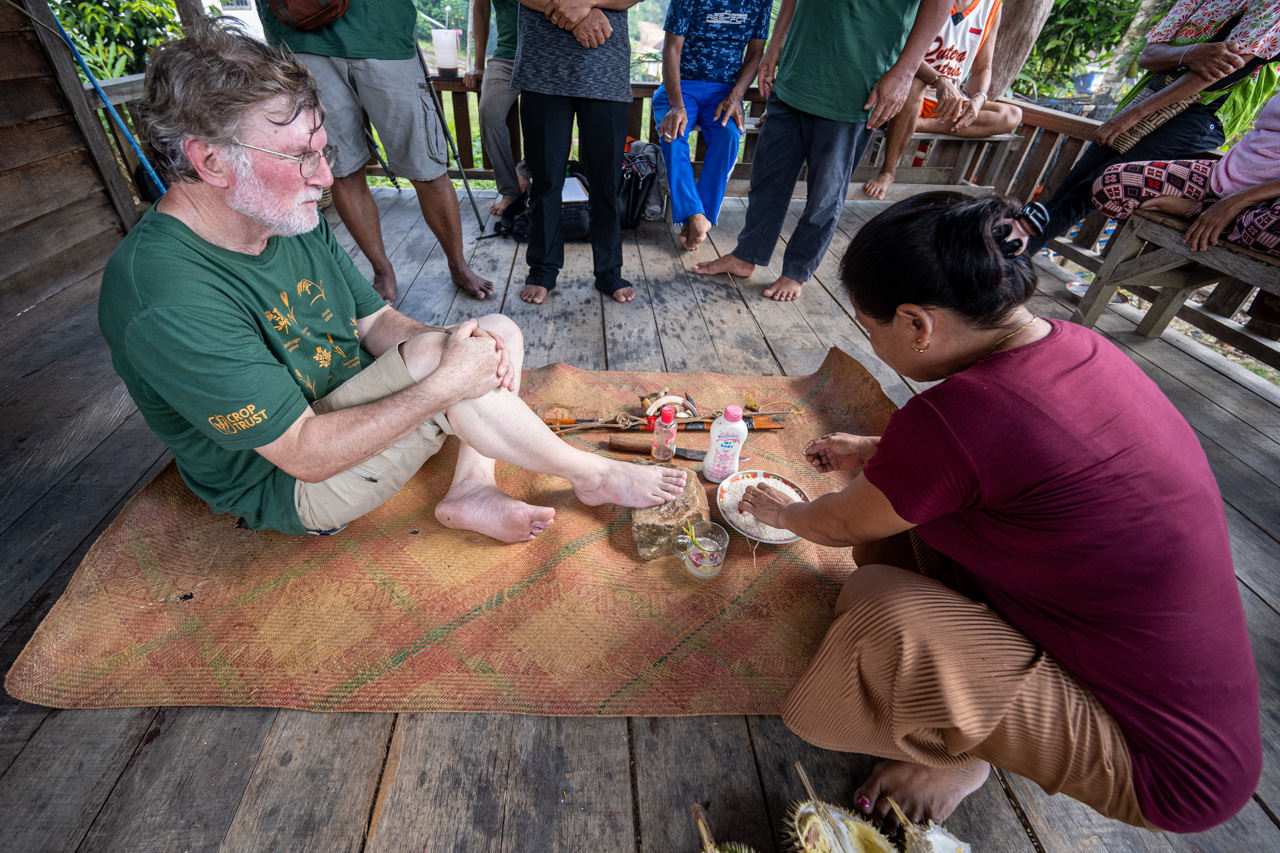
A DAYAK WELCOME IN BORNEO
The inter-tribal warfare amongst the Dayak people of Borneo in… -
1 August 2023
-
6 November 2022

A DAY IN THE RICE PADDIES OF CAO PHONG
Timing is so important in photography. And I seem to… -
30 October 2022

A TWILIGHT STROLL THROUGH HANOI’S OLD QUARTER
I came to Vietnam as part of a Crop Trust-supported… -
5 October 2022
-
13 December 2019
-
11 December 2019
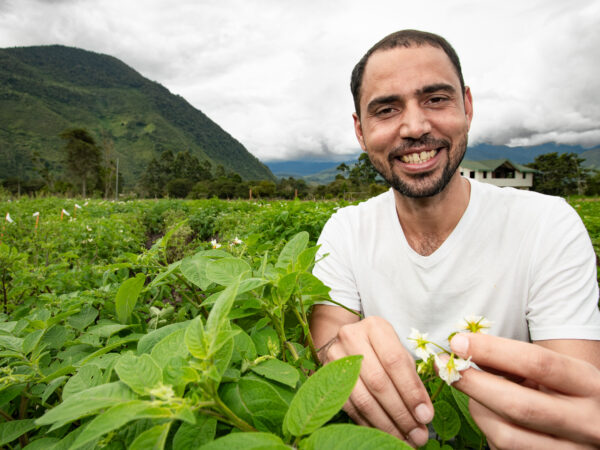
POTATOES FOR A CHANGING CLIMATE
Climate change is reducing potato yields due to drought, heat,… -
1 May 2019
-
7 June 2018
-
6 June 2018
-
6 June 2018
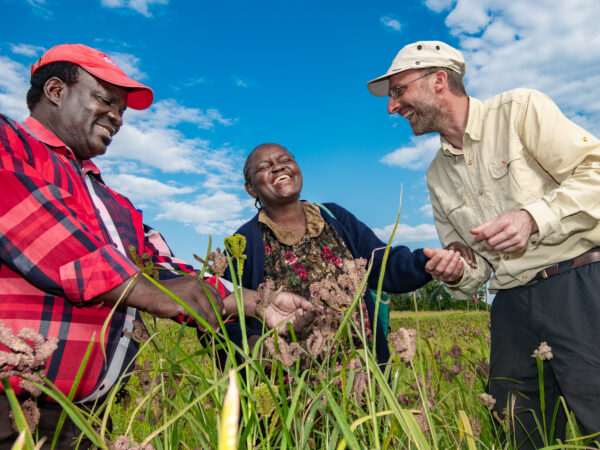
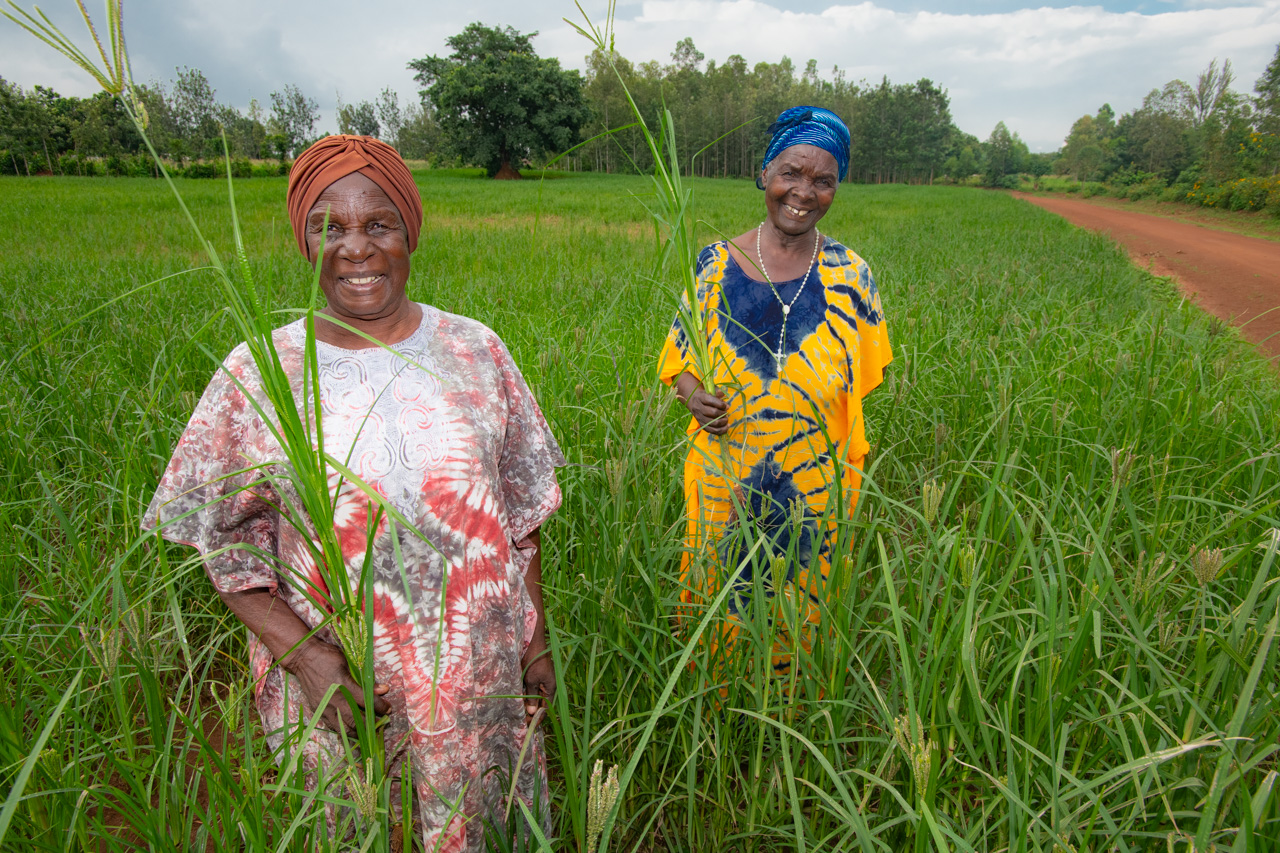
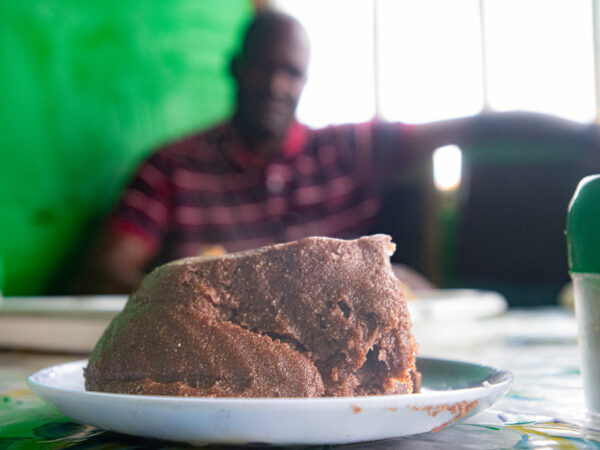
JOY IN THE FINGER MILLET FIELD
Margaret, a progressive farmer in Kakamega County of western Kenya,… -
6 June 2018
-
5 June 2018
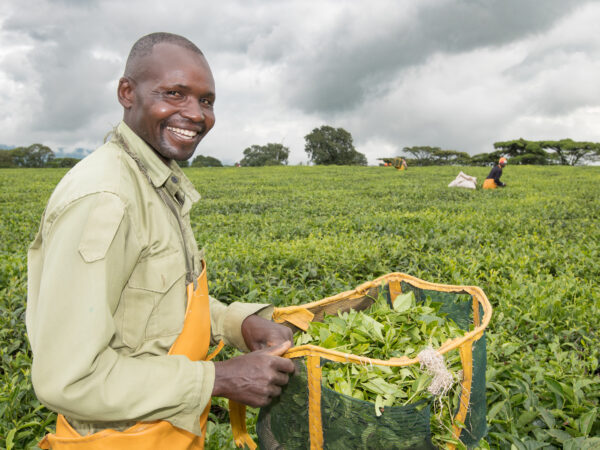
JONAH, THE KENYAN TEA PLUCKER
It’s an all-day journey from Nairobi to Kisimu, where my… -
5 June 2018
-
16 May 2018
-
16 May 2018
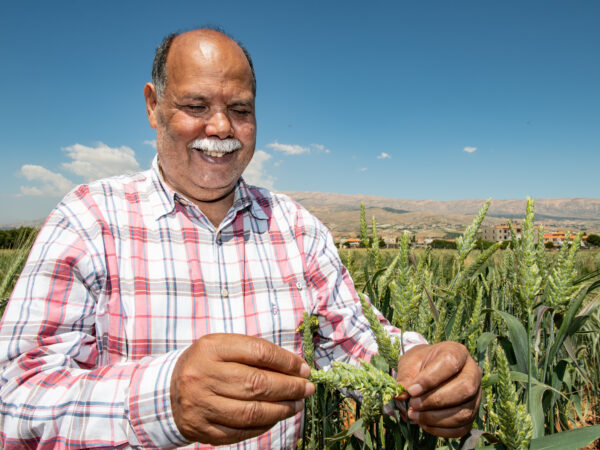
REPLENISHING THE SEED OF THE FERTILE CRESCENT
Ahmed Amri stood in the middle of a checkerboard-patterned field…. -
15 May 2018
-
11 December 2017

MARUTI THE PIGEONPEA SAVIOUR
In the early 1980s, the Indian state of Karnataka was…
-
A POTATO JOURNEY FROM WISCONSIN TO KENYA
I started out begrudgingly planting potatoes for a merit badge in Wisconsin. Decades later, I found myself in Kenya, watching advanced potato breeding at work. From garden patches to in vitro labs, I’ve come to appreciate the science behind every spud, and the people shaping its future.
-
THEY’RE HARVESTING POTATOES IN KENYA
Potato harvesting in Kenya is being transformed through improved farming practices, including better seed selection, soil management, and access to agricultural support. These changes are helping smallholder farmers increase yields, strengthen food security, and build more resilient livelihoods in the face of climate and economic challenges across the region.
-
THE STIGMA OF GRASSPEA
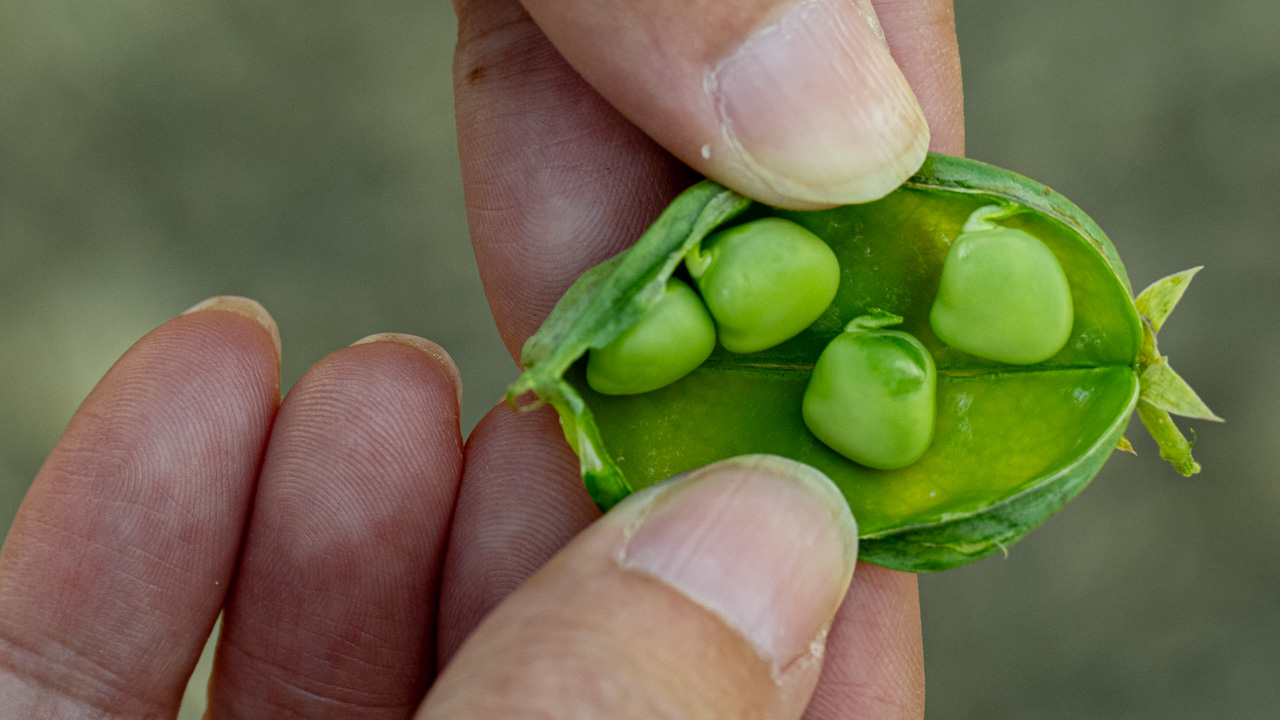
The ancient Greeks, notably Hippocrates, were pretty wary of grasspea (Lathyrus sativa). They figured if they ate too much they’d get some neurological disorders. The stigma of grasspea still persists today in many parts of the world.Last month I joined a team from the Crop Trust‘s BOLD Project to visit researchers and farmers in India and Bangladesh to learn more about grasspea. ICARDA’s Shiv Kumar Agrawal led us on a journey to Bhopal, New Delhi, Kolkata, Gazipur, Ishurdi and Rangpur. And I had two takeaways from that journey. First … wow!…
-
CROSSING THE BRAHMAPUTRA
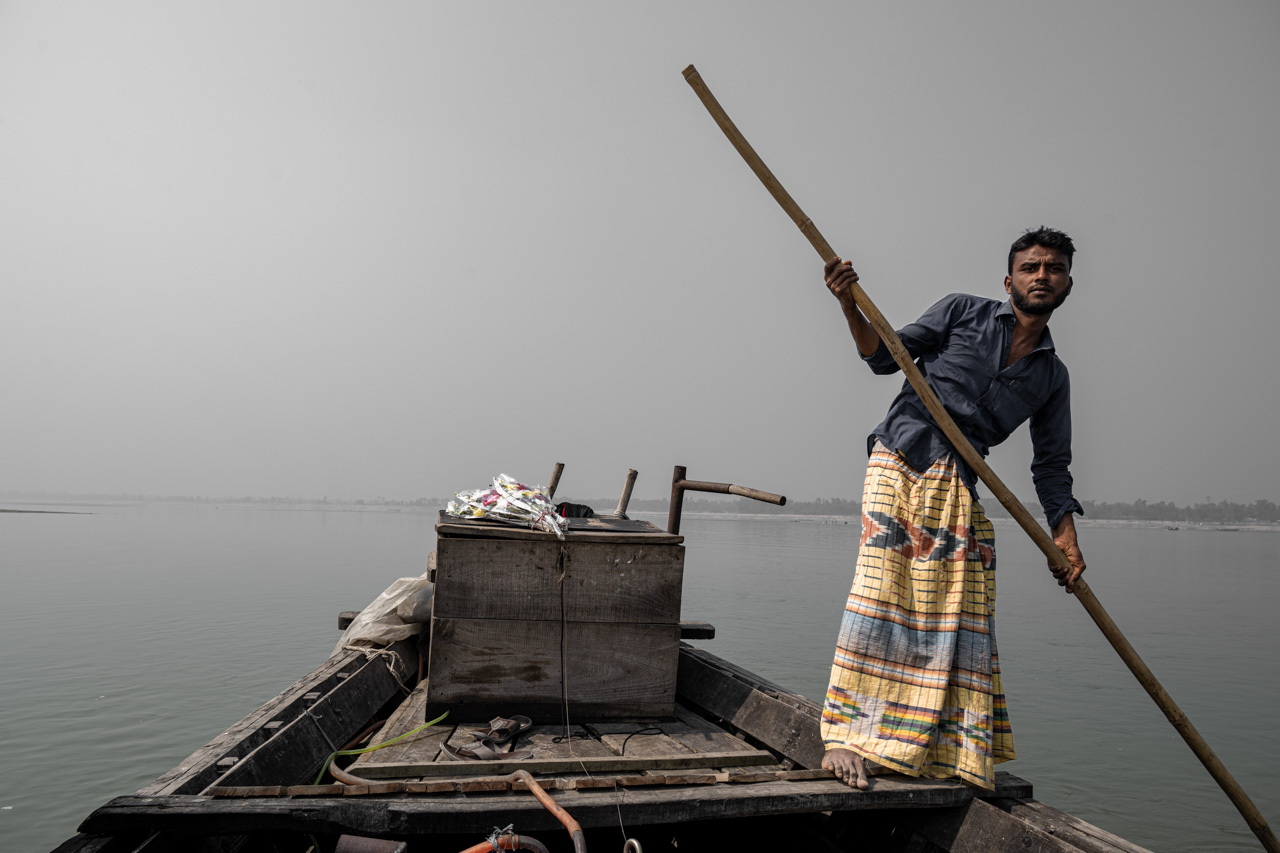
The Brahmaputra is one of the mightiest rivers in the world. From its source on the Angsi Glacier in Tibet it flows nearly 4,000 kilometres to its mouth in the Bay of Bengal. Our hosts at the Bangladesh Agricultural Research Institute wanted to take us to a char on the river. A char is a salt and silt island. But they’re not really islands … they’ve got kind of a ‘here today, gone tomorrow’ existence as the Brahmaputra keeps changing its mind about where it wants to flow. It was a…
-
THE PEA OF THE CHAR
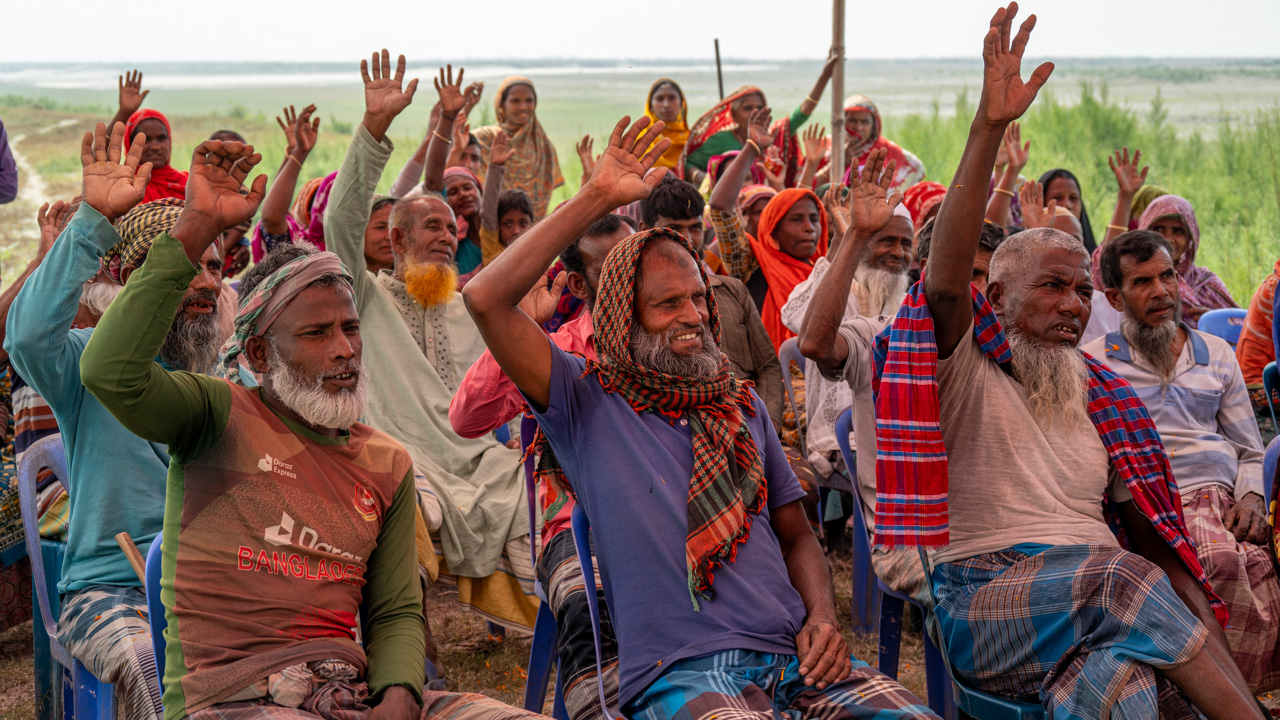
As I jumped off the horse cart and landed on the sandy soil of Charbongram, an island in the Brahmaputra River in Bangladesh, I kicked what appeared to be a weed. It was a scraggly, prostrate plant somehow surviving where no other plants could. ‘That’s grasspea,’ said ICARDA pulses breeder Shiv Agrawal proudly as if showing off his children. ‘The locals just broadcast the seed and come back 100 days or so later and harvest the pods. Absolutely no inputs.’ I looked around the char, a sand and silt island, and…
-
GRASSPEA IS A GRACIOUS GIFT OF GOD GLOBALLY (5G)
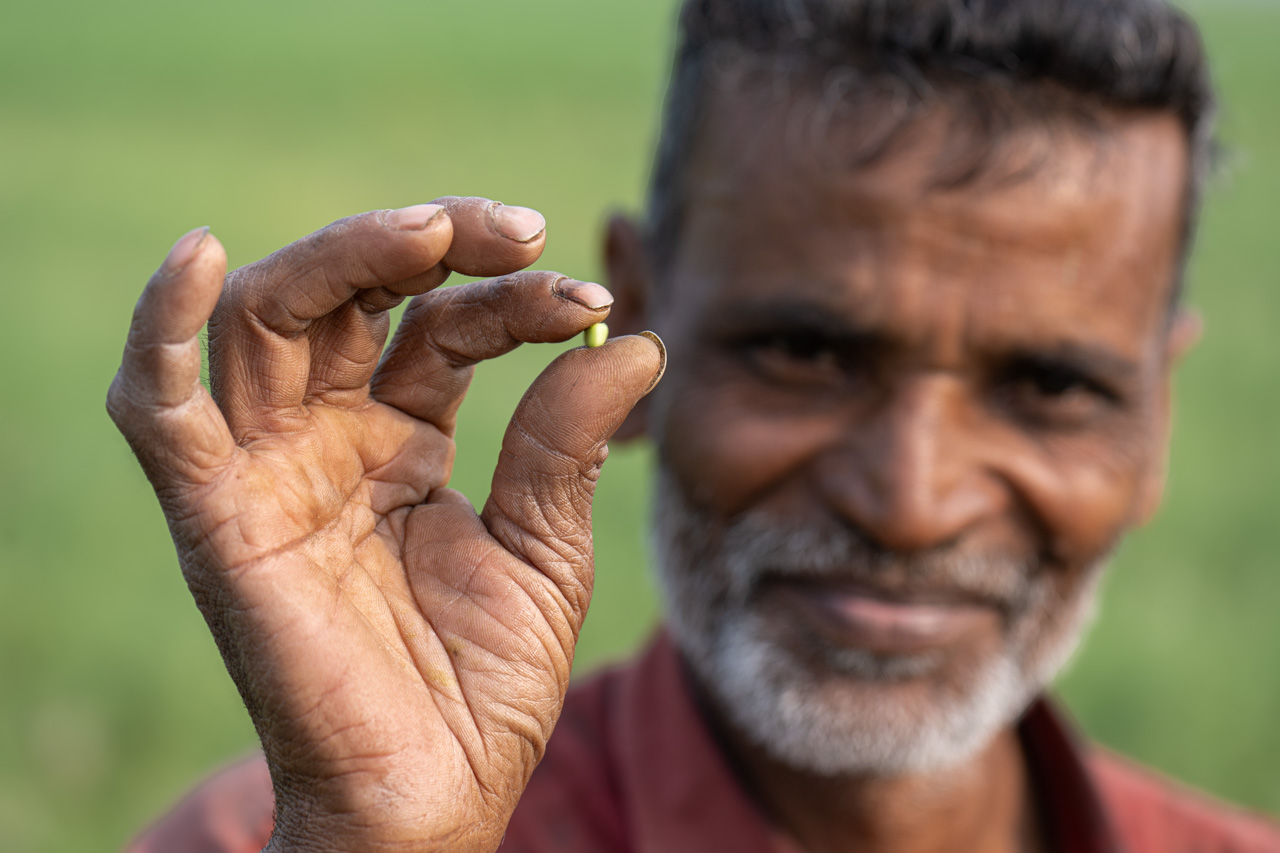
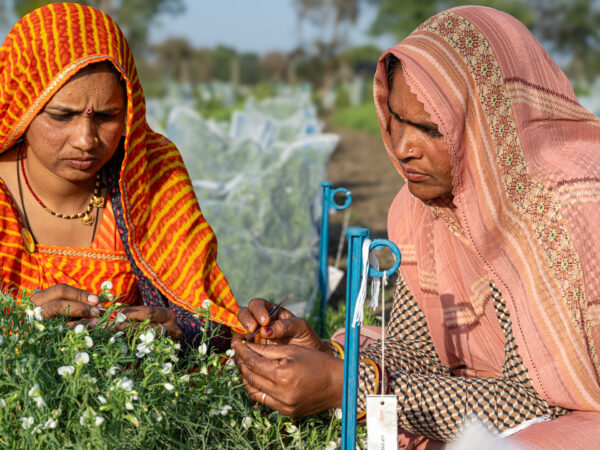
As I stood in the middle of a 28-acre community managed grasspea field in West Bengal, India, I asked how the villagers divided the tasks of managing the field. There were puzzled looks on the farmers’ faces. ‘There is no labour with grasspea … only sowing. God does the rest.’ Former ICARDA pulse breed Ashuthosh Sarker told me that the proper moniker for the hardy crop is ‘Grasspea is a Gracious Gift from God Globally’. It’s not a terribly demanding crop. It’s hardy enough to withstand pretty much anything Mother Nature…
-
SHUSHILA SPEAKS OUT
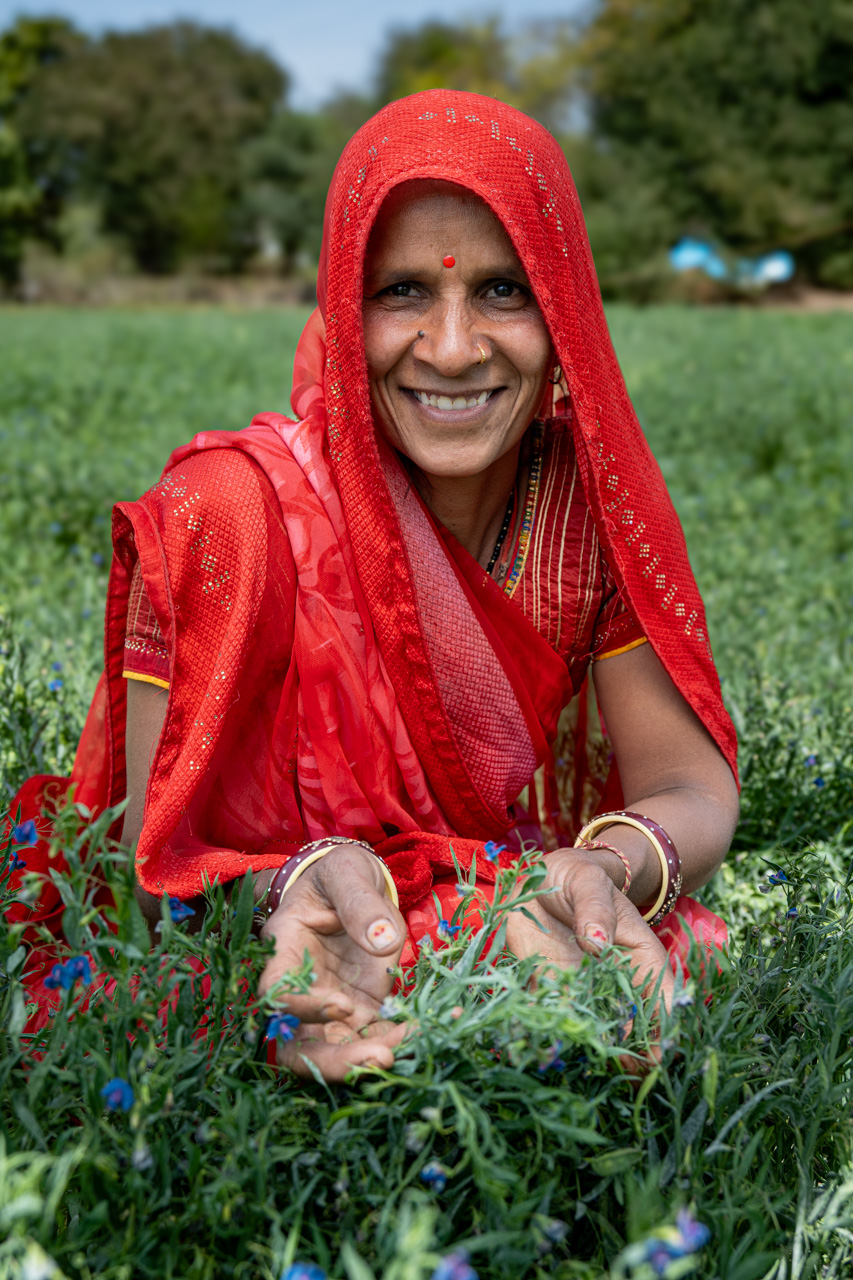
As our convoy of three cars arrived to Bamuliya, a village an hour out of Bhopal, we were met by a gaggle of men. They escorted us to a field neatly planted with grasspea. I asked which of the men was the farmer and then attached a microphone to his shirt. I forgot some equipment, so I hiked back to the car. As I passed the farmhouse a woman in a glowing red sari came out the door and looked to see where everyone had disappeared to. I greeted her with…
-
THE FAMINE CROP
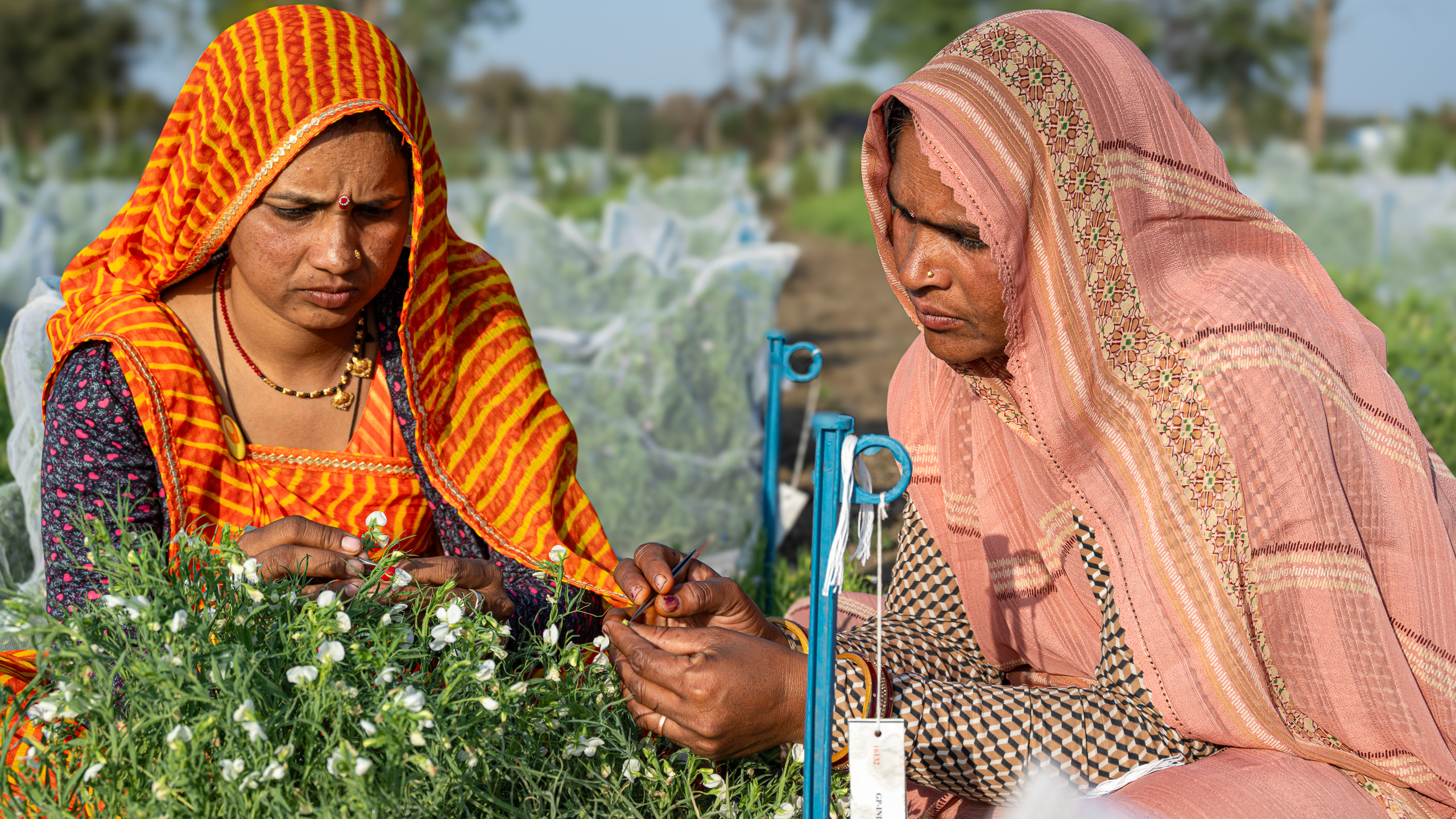
You’d be forgiven if you admitted you had never heard of grasspea. It’s really not one of the world’s leading crops. But as our climate is changing and soils degrading it could be one of the most promising. Grasspea is a nutritious crop which is heat- and drought-tolerant and often survives when other crops fail, thus gaining a reputation as a ‘famine crop’. The problem with the crop is that for many years people believed that a toxin in the plant could cause paralysis if people eat too much of it…
-
PRESERVING MALAN IN CENTRAL KALIMANTAN
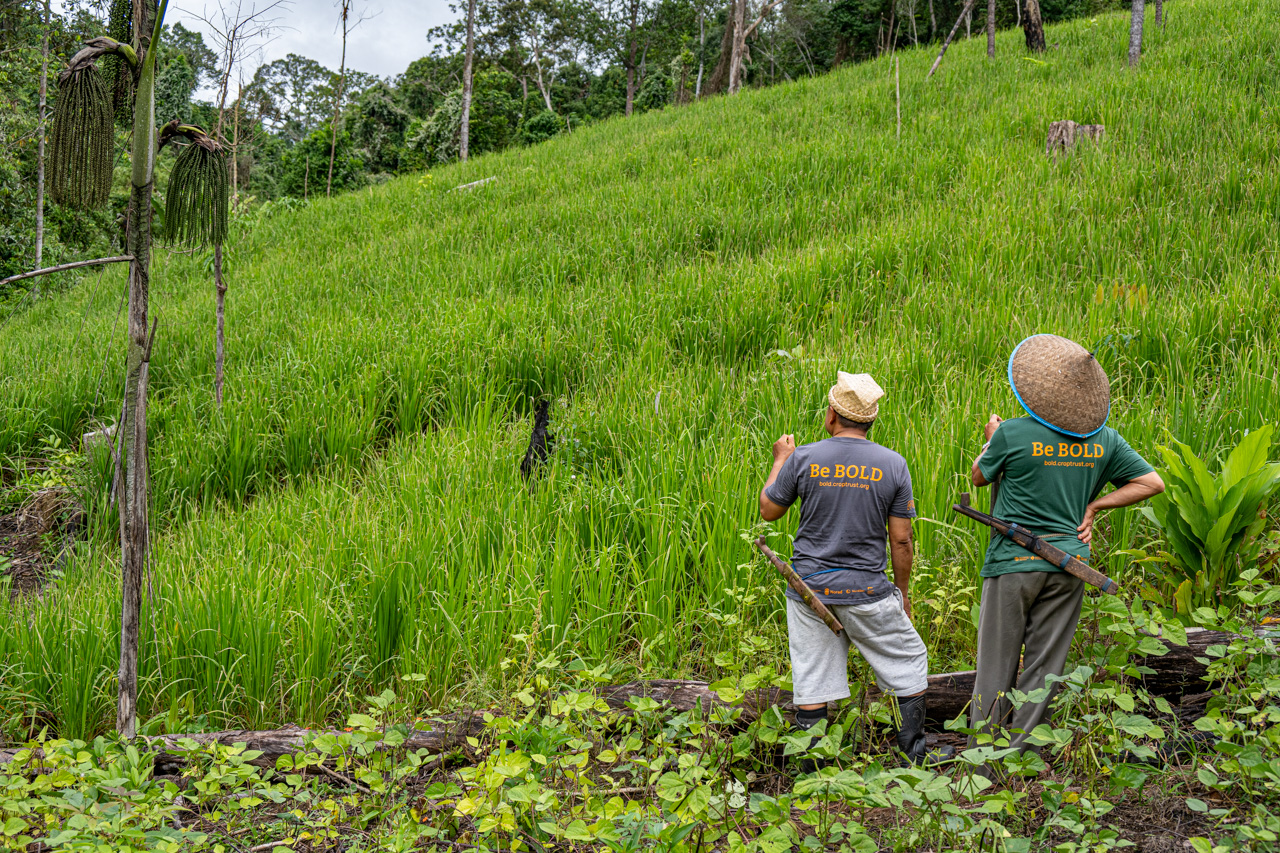
Papa Dewi told me about his way of ‘malan’. That means farming in his native Ngaju Dayak language of Central Kalimantan in Borneo, Indonesia. And it’s based on planting seeds according to local wisdom and ancestral customs. Those seeds are inseparable from the Dayak way of life. But the malan traditions are disappearing as traditional lands are now being planted to palm oil plantations or destroyed through gold mining or limited by government regulations. When farmers are able to farm, they often don’t have access to enough quality seed at the…
If you see this after your page is loaded completely, leafletJS files are missing.