
Category: Travels for Crop Trust
-
8 June 2026
-
31 May 2026
-
28 May 2026
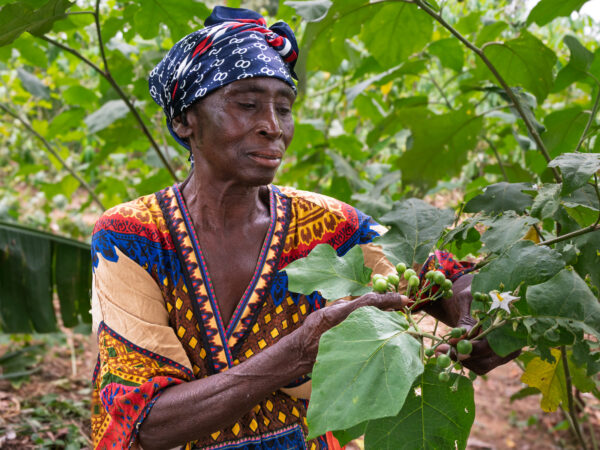
DORA AND THE FIERCE VOLUNTEER
Some crops don’t wait to be planted. They arrive uninvited,… -
23 May 2026
-
19 May 2026
-
15 May 2026
DANCIN’ UNDER THE BAOBAB TREE
The baobab tree has a most significant importance to the… -
11 May 2026
THE DOOR OF NO RETURN
Today my colleague, Scott Christiansen, and I stood inside Osu… -
4 May 2026
-
22 February 2026
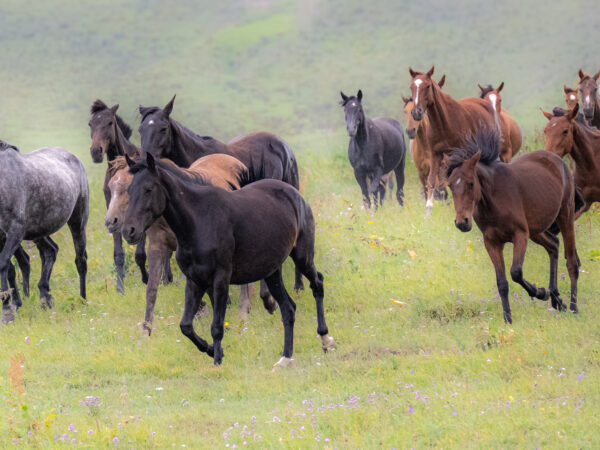
MOUNTAINS, HORSES AND JAILOO
On maps, Kyrgyzstan looks like a country made of ridgelines…. -
27 November 2025
SWEETPOTATOES A LA SINGIDA
When I heard that my colleague Scott Christiansen and I… -
25 November 2025
THE BAMBARA GROUNDNUTS OF UNYAMIKUMBI
If you look at a dried Bambara groundnut in its… -
23 November 2025
THE SINGIDA MORNING MARKET
Sweetpotato leaves wilt quickly. They’re harvested in the early morning… -
21 November 2025
-
22 October 2025
-
18 October 2025
-
15 October 2025
-
12 October 2025
-
11 April 2025
-
14 March 2025

IS ARCTIC SNOW REALLY BLUE?
For years, I have been seeing photographs of the Svalbard… -
28 February 2025
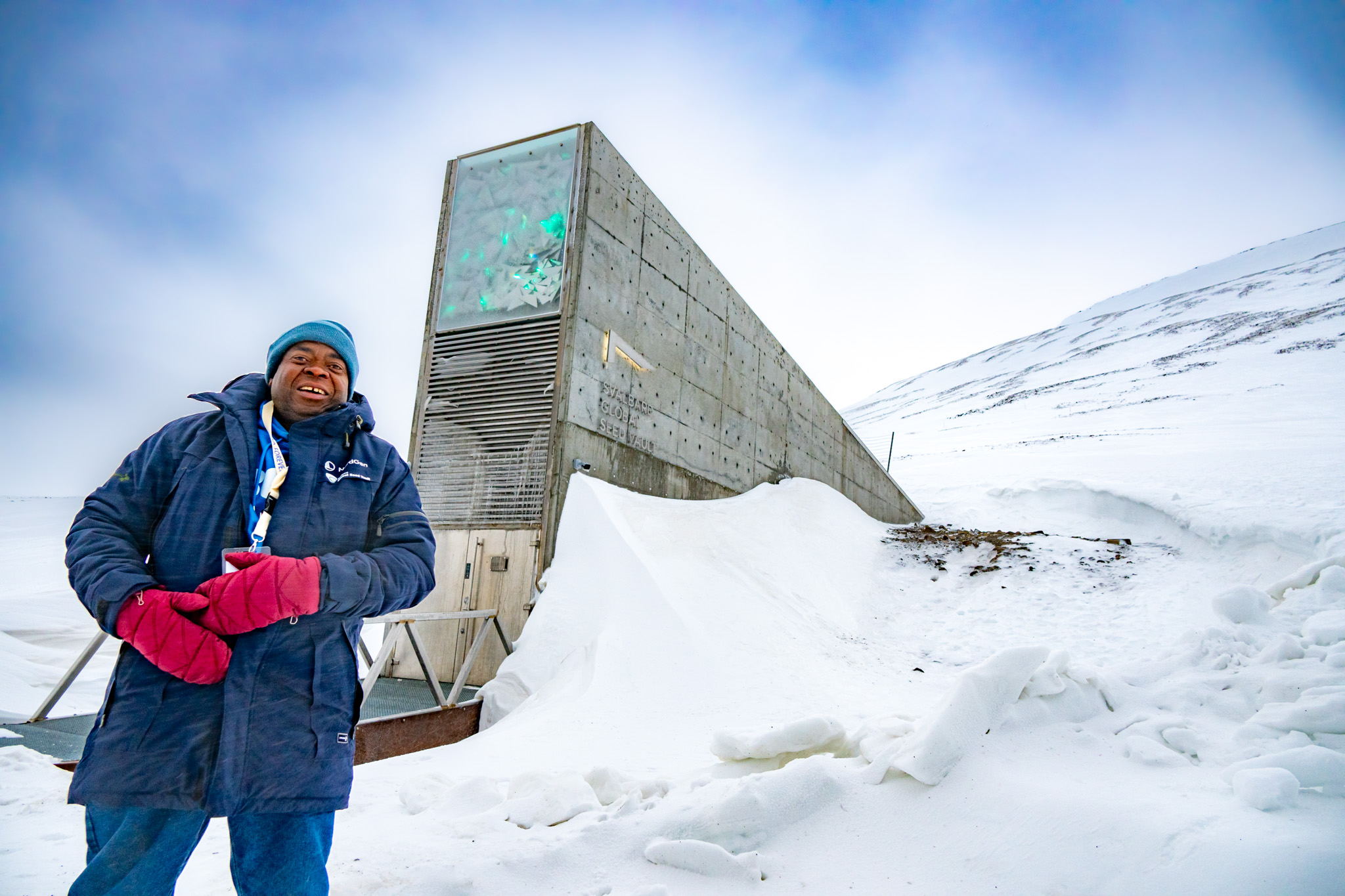
A SEED’S JOURNEY TO THE FAR FAR NORTH
It’s a long long way between Zimbabwe and the Svalbard… -
11 November 2024
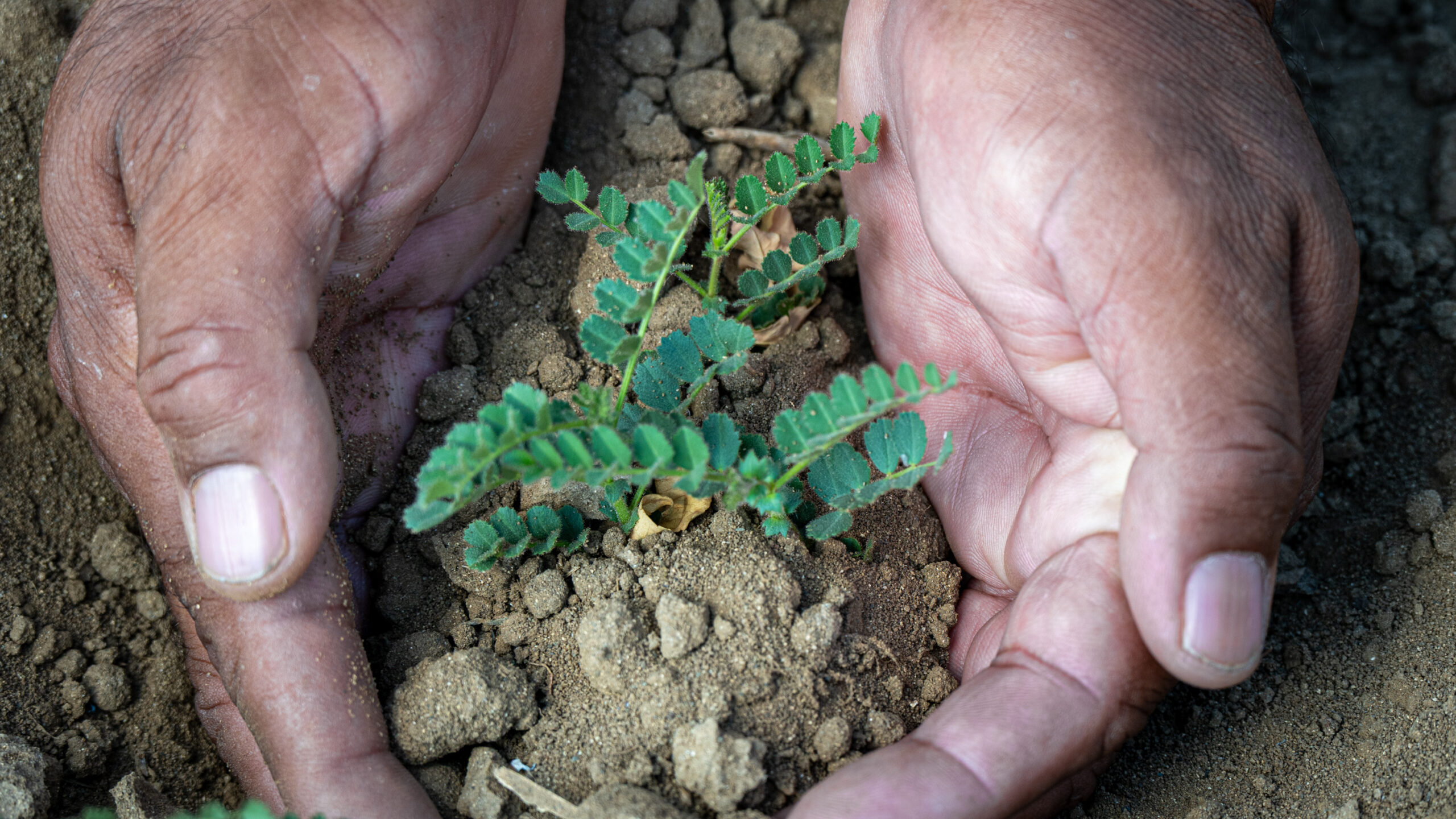
BETTER CHICKPEAS FOR KOT SARANG
Blight decimated the chickpea crop in the Punjab village of… -
4 November 2024

-
2 November 2024
-
5 October 2024
THE CANALS OF THE MEKONG DELTA
Back in the early 19th century the Emperor Gia Long,… -
14 September 2024
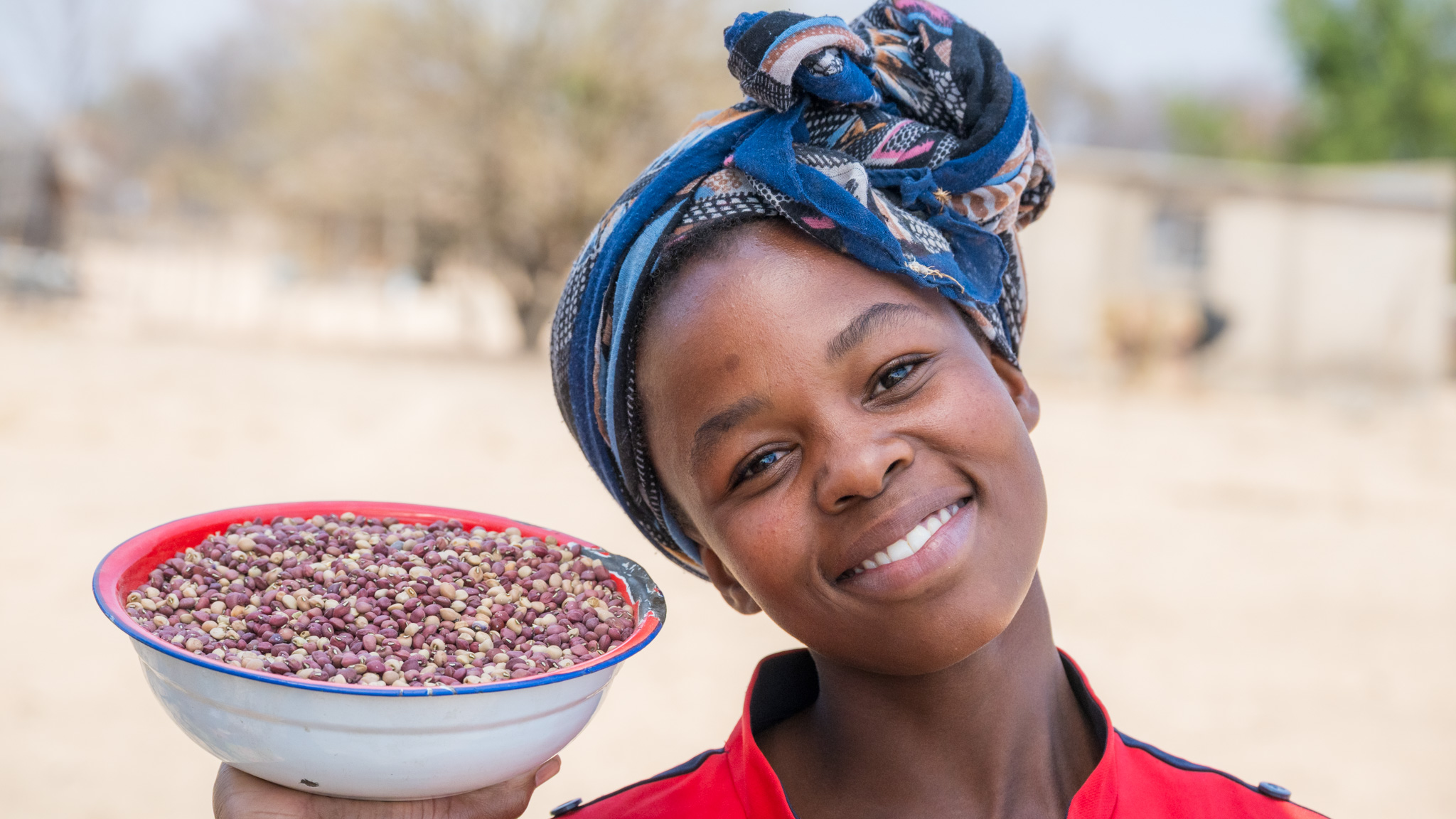
THE VARIED PERSONALITIES OF MALUNGA
The last time it rained in Malunga was in January…. -
12 September 2024
-
10 August 2024

-
2 August 2024

A POTATO JOURNEY FROM WISCONSIN TO KENYA
I started out begrudgingly planting potatoes for a merit badge… -
27 July 2024
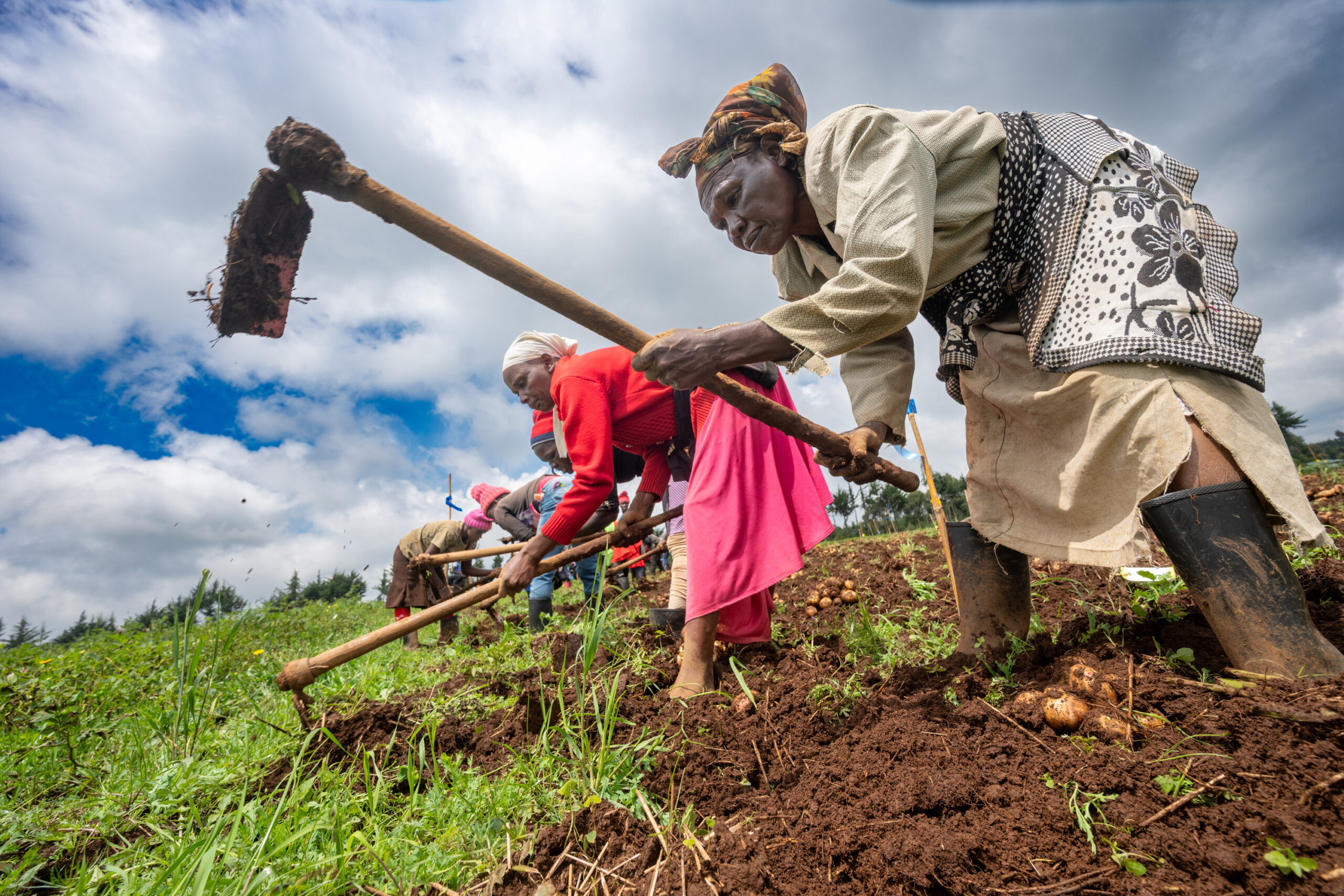
THEY’RE HARVESTING POTATOES IN KENYA
Potato harvesting in Kenya is being transformed through improved farming… -
12 April 2024
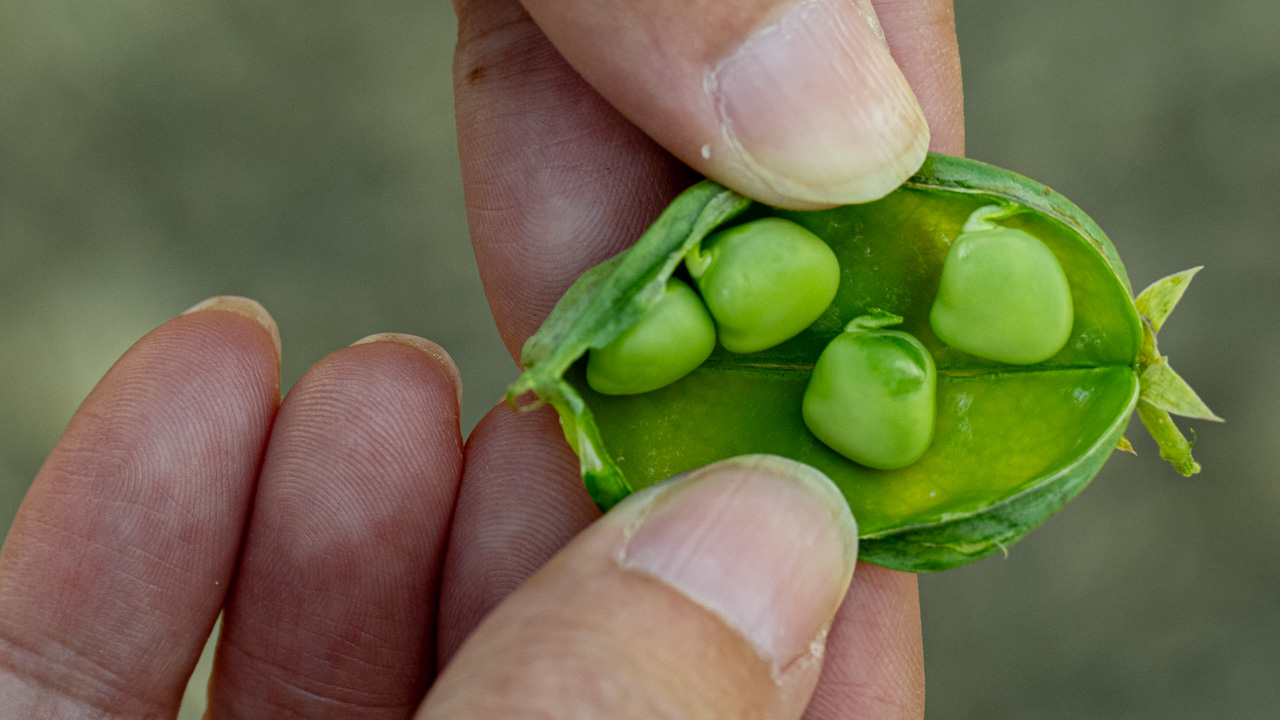
THE STIGMA OF GRASSPEA
The ancient Greeks, notably Hippocrates, were pretty wary of grasspea… -
7 March 2024
-
5 March 2024
-
1 March 2024
GRASSPEA IS A GRACIOUS GIFT OF GOD GLOBALLY (5G)
As I stood in the middle of a 28-acre community… -
27 February 2024
-
24 February 2024
-
4 February 2024
PRESERVING MALAN IN CENTRAL KALIMANTAN
Papa Dewi told me about his way of ‘malan’. That… -
27 January 2024
-
25 January 2024
I DON’T CARE SWEETPOTATOES
There’s a sweetpotato in Papua New Guinea called ‘gimane’. But… -
1 January 2024
A DAYAK WELCOME IN BORNEO
The inter-tribal warfare amongst the Dayak people of Borneo in… -
1 August 2023
-
6 November 2022

A DAY IN THE RICE PADDIES OF CAO PHONG
Timing is so important in photography. And I seem to… -
30 October 2022

A TWILIGHT STROLL THROUGH HANOI’S OLD QUARTER
I came to Vietnam as part of a Crop Trust-supported… -
5 October 2022
-
13 December 2019
-
11 December 2019
POTATOES FOR A CHANGING CLIMATE
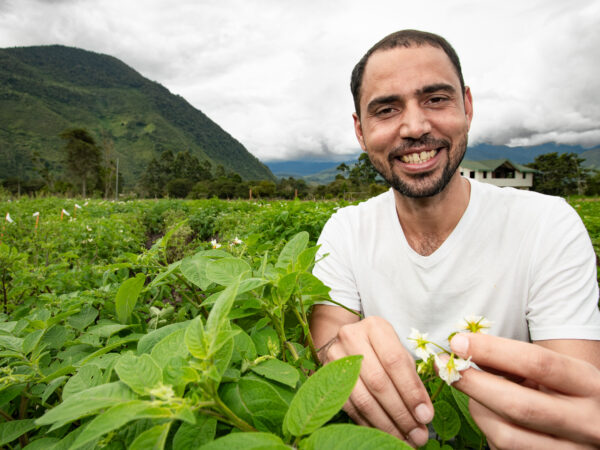
Climate change is reducing potato yields due to drought, heat,… -
1 May 2019
-
7 June 2018
-
6 June 2018
-
6 June 2018
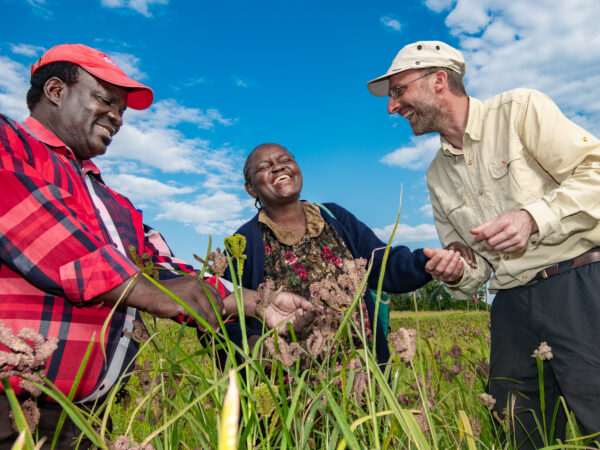
JOY IN THE FINGER MILLET FIELD
Margaret, a progressive farmer in Kakamega County of western Kenya,… -
6 June 2018
-
5 June 2018
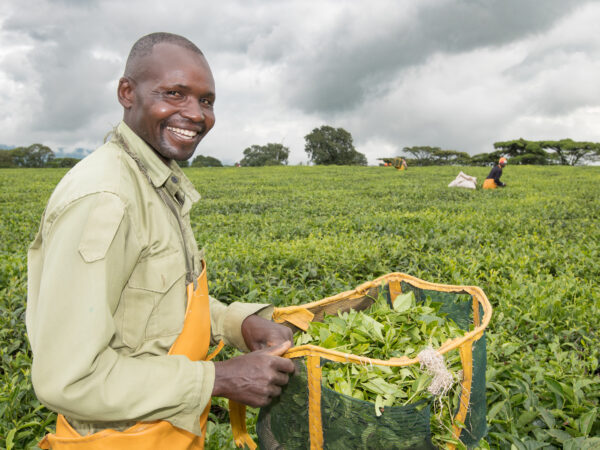
JONAH, THE KENYAN TEA PLUCKER
It’s an all-day journey from Nairobi to Kisimu, where my… -
5 June 2018
-
16 May 2018
-
16 May 2018
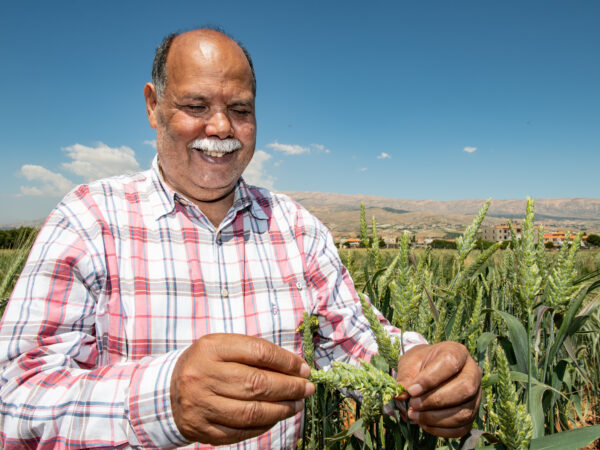
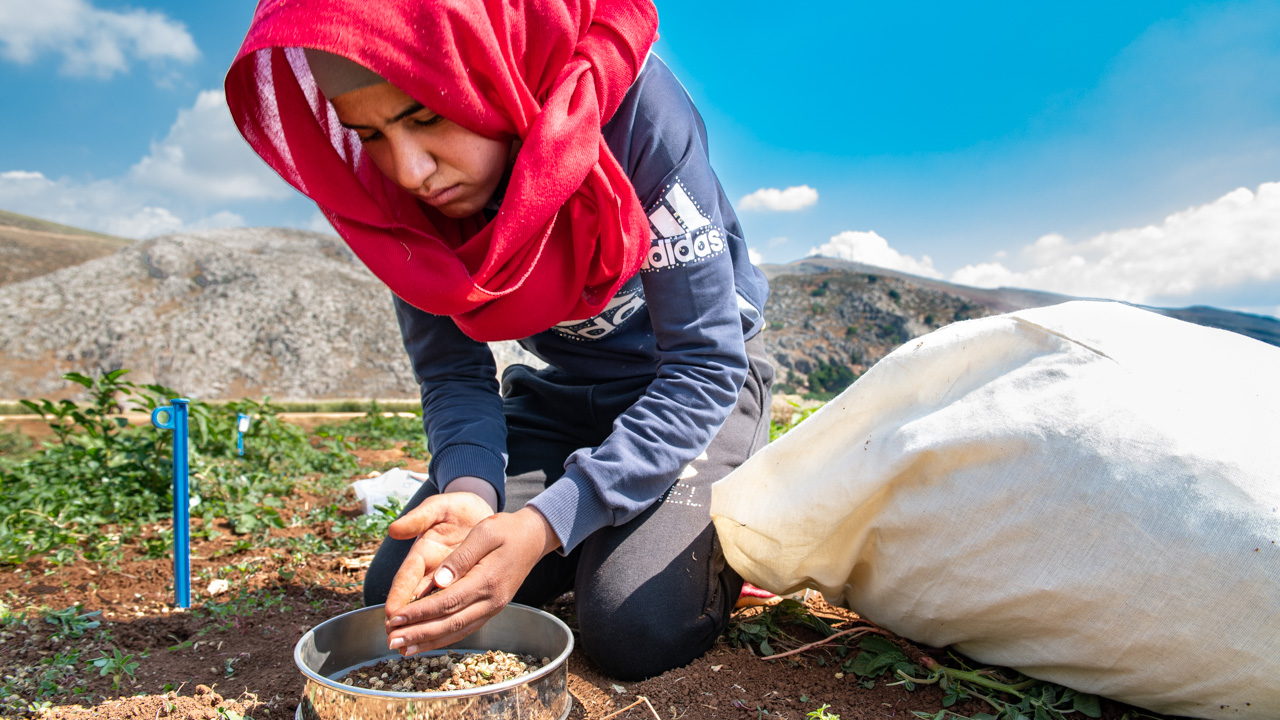
REPLENISHING THE SEED OF THE FERTILE CRESCENT
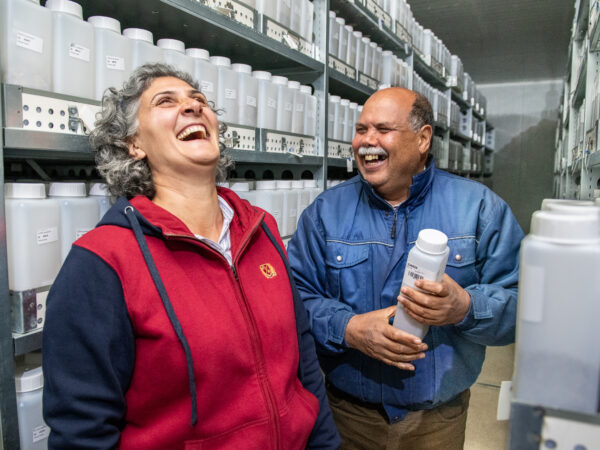
Ahmed Amri stood in the middle of a checkerboard-patterned field…. -
15 May 2018
-
11 December 2017

MARUTI THE PIGEONPEA SAVIOUR
In the early 1980s, the Indian state of Karnataka was…
-
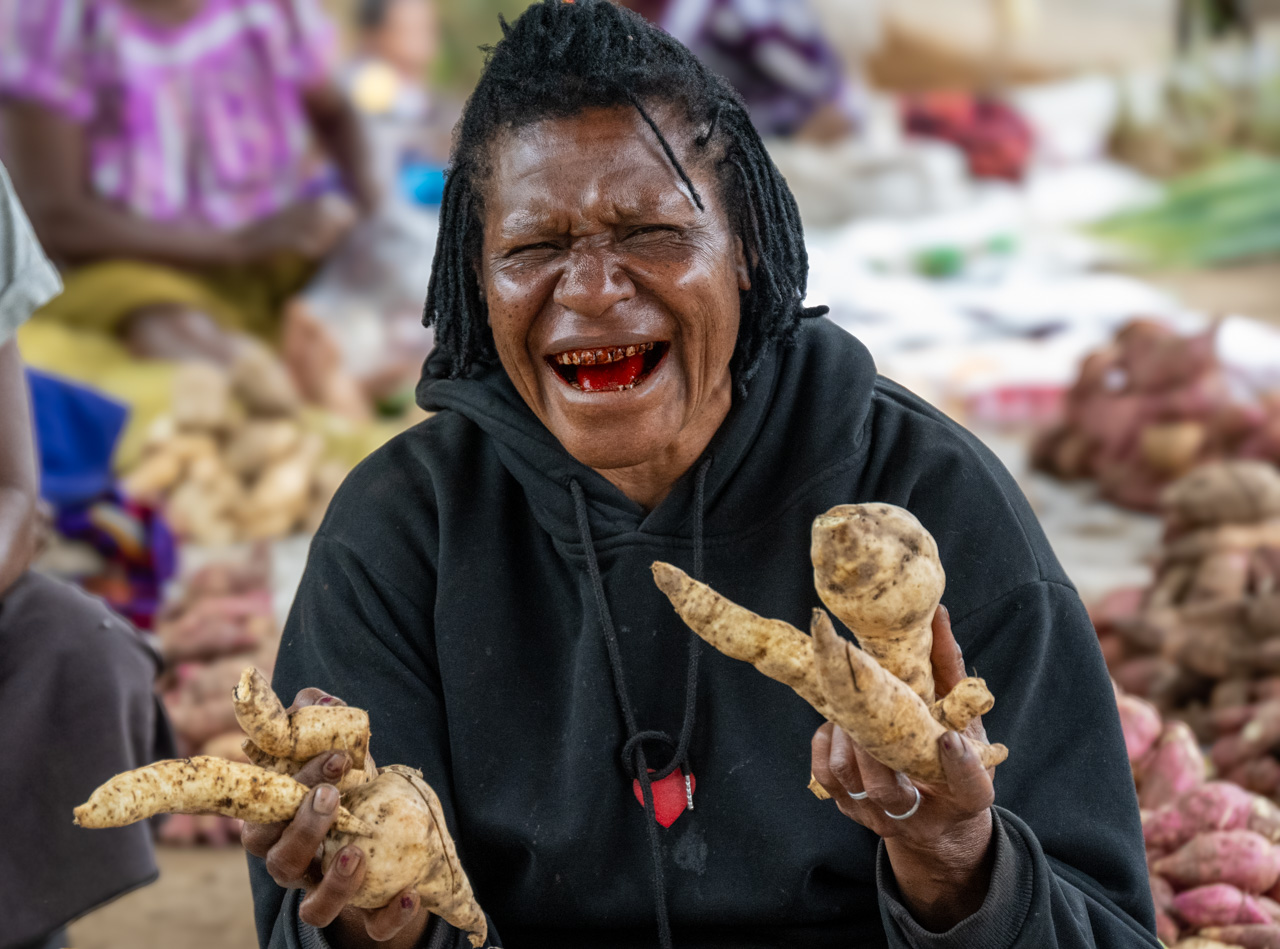
THE ROADSIDE MARKET IN PNG
If you want a good sweetpotato in Papua New Guinea you don’t need to go to a supermarket. Just pull over on the road … on almost any road (but there are not too many roads in this super rugged country). My hosts from the National Agricultural Research Institute and I drove past a market near Goroka in the Central Highlands and pulled over in front of a huge display of different varieties of sweetpotato. I didn’t want to buy sweetpotatoes any but wanted to document the diversity. As I jumped…
-
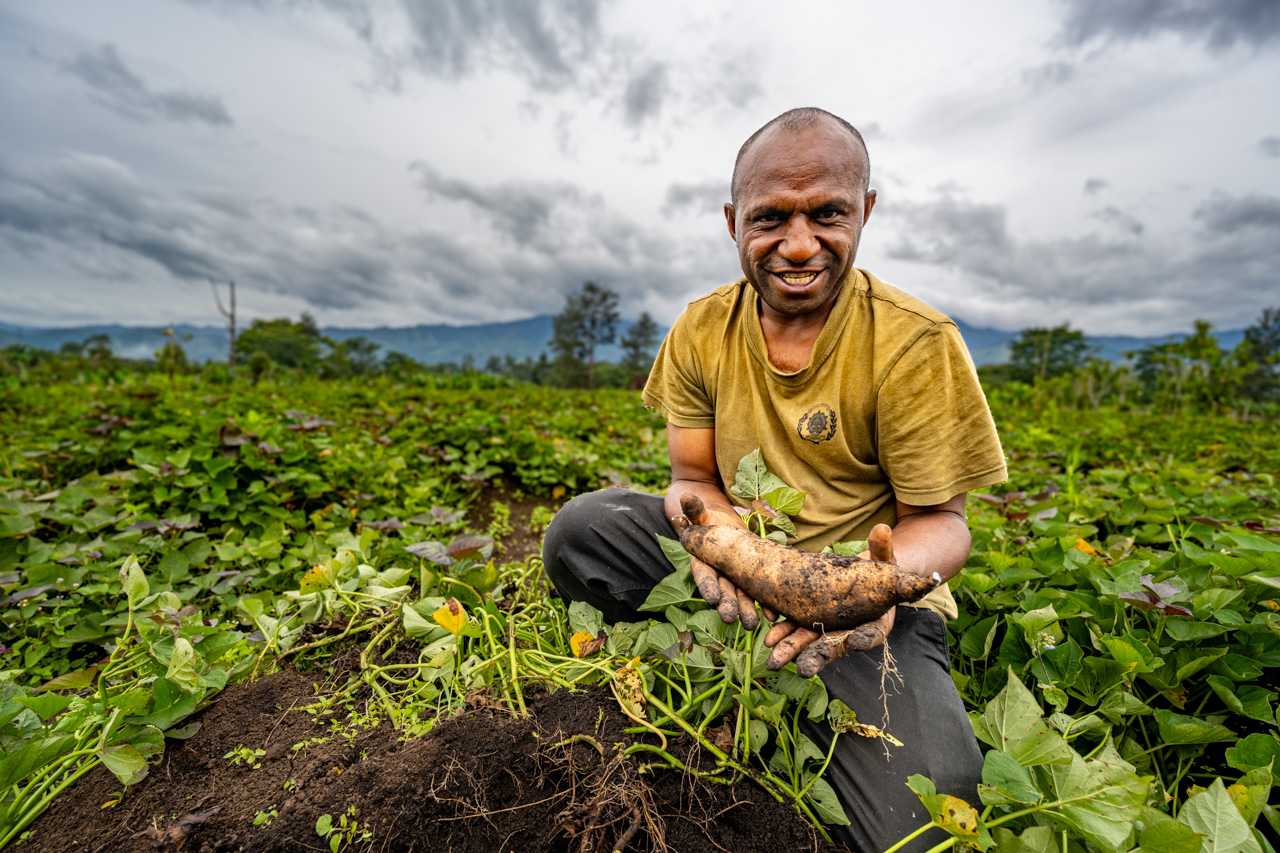
I DON’T CARE SWEETPOTATOES
There’s a sweetpotato in Papua New Guinea called ‘gimane’. But the farmers prefer to call it ‘I don’t care’. It’s because it grows so well they don’t have to care about much once they get a vine or tuber in the ground and it’ll grow. No fertilizers, no insecticides … not really much to care about and in 4-5 months you’ll get a decent harvest. Gimane is one of about 1,000 varieties of sweetpotato in PNG. Traders brought vines or tubers here about 300 years ago and it’s just run amok…
-
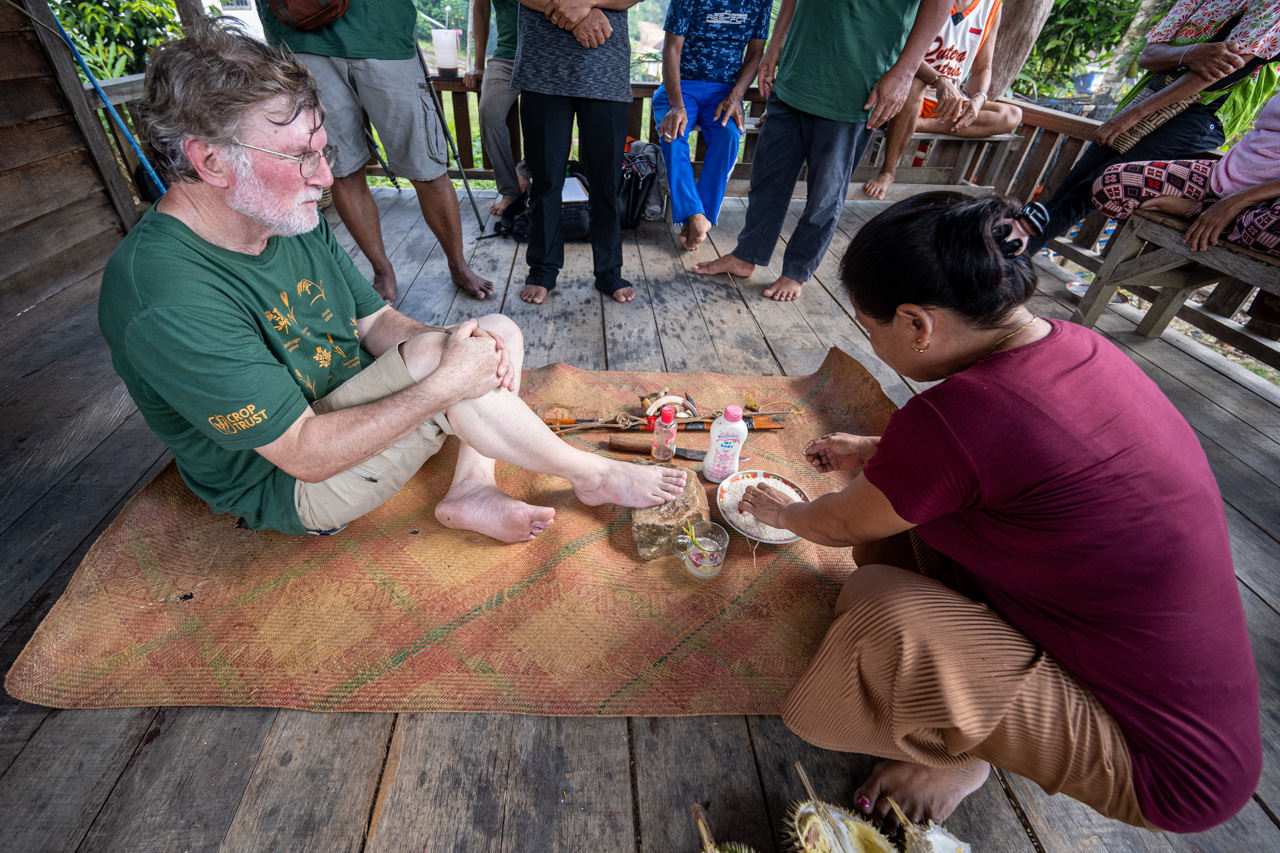
A DAYAK WELCOME IN BORNEO
The inter-tribal warfare amongst the Dayak people of Borneo in the old days was pretty brutal. But once the tribes made peace they welcomed their former enemies in a ceremony called ‘tampung tawar’. Now the Dayak use the ceremony to welcome visitors. My colleague, Beri, and I came to the village of Tumbang Samui in Indonesia’s Central Kalimantan to visit a community seedbank. With the assistance of the Borneo Institute and the Crop Trust the villagers are preparing their seed to conserve forever in the icy shelves of the Svalbard Global…
-
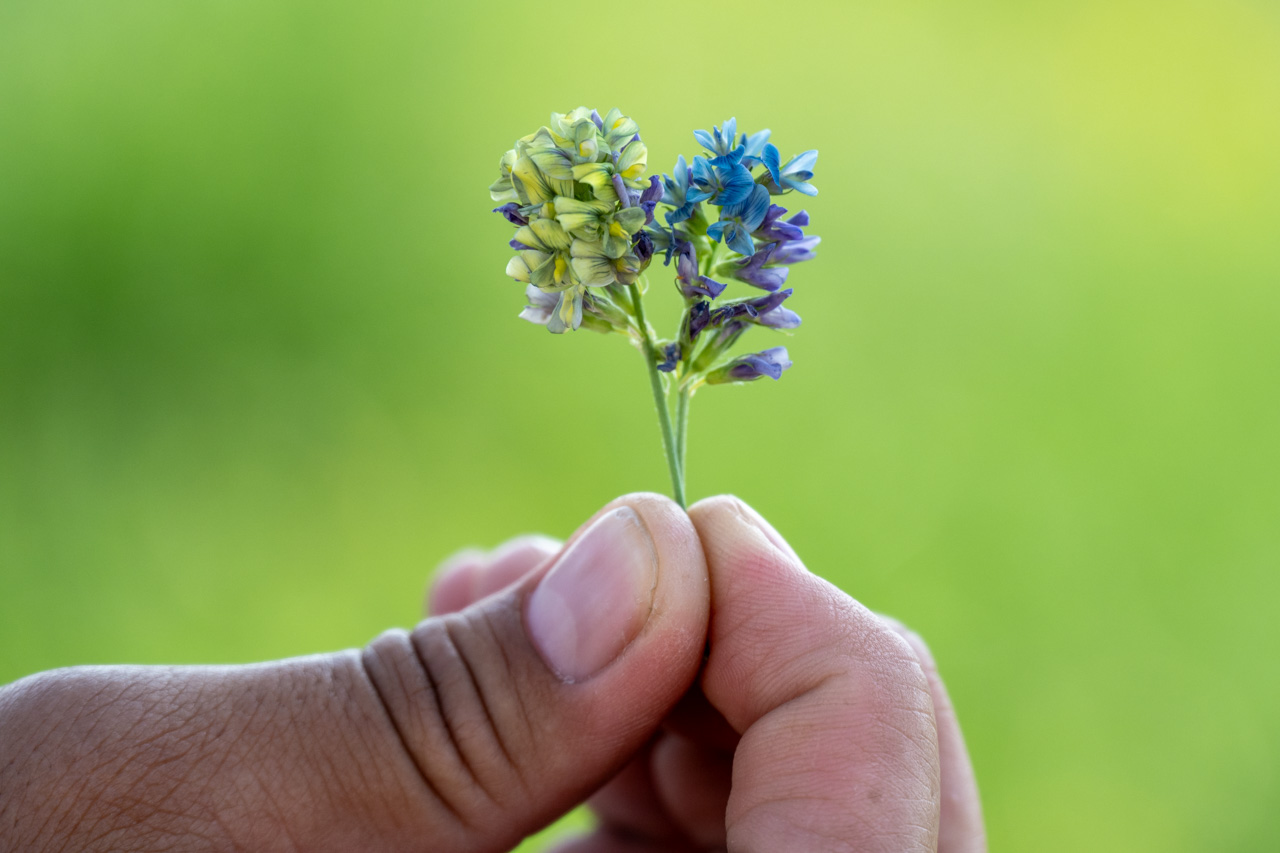
TWO STANS AND ALFALFA
The glaciers of the Tien Shan mountain range in Central Asia are receding quickly. And that’s causing a lot of concern amongst the farmers of Kazakhstan and Kyrgyzstan. The glacial meltwaters which allowed them to irrigate their crops are no longer abundant. And without adequate water, yields plummet. I joined a group of scientists brought together by my former employer, the Crop Trust. We journeyed to Kazakhstan and Kyrgyzstan to explore ways to grow more alfalfa (or lucerne as its known here in Australia) with less water. The scientists reckon that…
-
A DAY IN THE RICE PADDIES OF CAO PHONG
Timing is so important in photography. And I seem to get it wrong so often. I stayed an extra day in Vietnam so I could see rice being harvested in terraced paddies. But it soon appeared that my timing was wrong. Turns out most of the rice in northern Vietnam had already been harvested. Nothing left but stubble. But our host, Vietnam’s National Genebank Director Dr Toan, said his sister-in-law had a homestay near the upland rice fields in the Cao Phong District near Hoa Binh – about two hours from…
-
A TWILIGHT STROLL THROUGH HANOI’S OLD QUARTER
I came to Vietnam as part of a Crop Trust-supported genebank review team and after five days here I thought I’d only see a slice of Vietnam between our hotel and the plant resource center. But the team was able to wrap up its work by mid-afternoon on Friday so we all travelled to Hanoi’s Old Quarter to get a taste of the city and unwind a bit. And there’s no better location to immerse yourself in Hanoi. The Old Quarter is vibrant and bustling with people constantly dodging motorcycles and…
-
THE FRIENDLY COUNTRY OF LAOS
VIENTIANE To be honest, I can’t tell you much about Laos. I can tell you the Americans bombed the s**t out of the country 50 years ago. In fact, Laos’s claim to ‘fame’ is that it is probably the most bombed country in history. 270 million cluster bombs were dropped on the country. That’s about all I know about Laos. Well, until today that is. I arrived in Vientiane, the capital of Laos, today to join some colleagues from the Crop Trust who are here to review the national genebank. I…
-
ASKING THE WOMEN
A few decades ago, crop breeders would develop new varieties which they thought farmers wanted and then expect farmers to plant those improved seeds. That didn’t work so well because farmers and breeders don’t always think alike. Nowadays good breeders get farmers involved early on in the process of developing new varieties and ask their opinion before the varieties are released. Our Crop Wild Relatives Project has helped breeders at the International Potato Center develop some climate-smart potatoes. But before the new varieties are released the breeders are asking farmers to…
-
POTATOES FOR A CHANGING CLIMATE
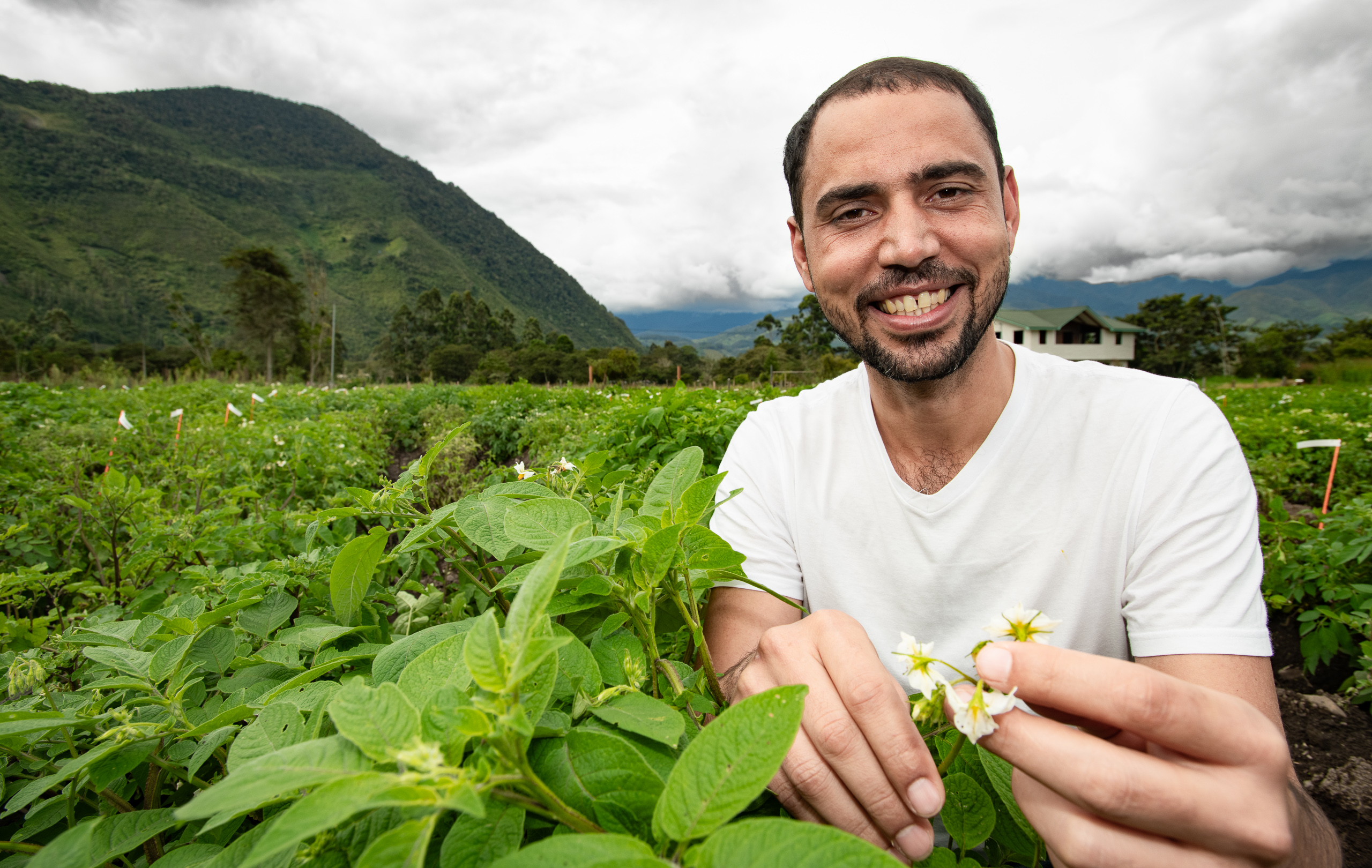
Climate change is reducing potato yields due to drought, heat, and diseases like late blight and bacterial wilt. The Crop Trust’s Crop Wild Relatives Project is funding a pre-breeding project in Peru and Kenya that aims to develop improved potatoes by tapping into the genetic diversity available in the wild relatives of potato … there are about 150 known species of wild potatoes. These potato wild relatives grow in diverse soils and climates, from the dry desert along the Peruvian coast, to the inter-Andean valleys, up to altitudes of 4,200 meters…
If you see this after your page is loaded completely, leafletJS files are missing.