
Category: Travels for Crop Trust
-
8 June 2026
-
31 May 2026
-
28 May 2026
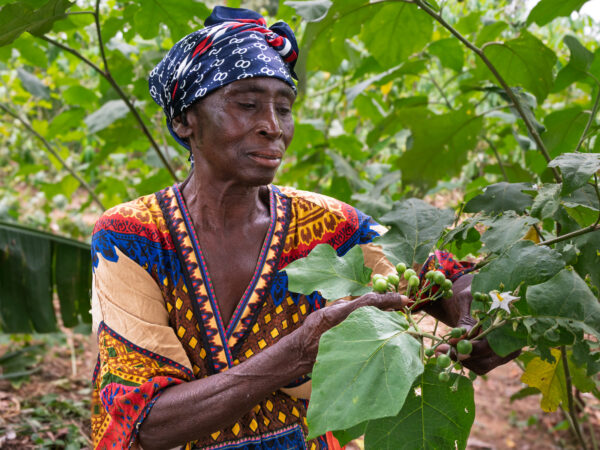
DORA AND THE FIERCE VOLUNTEER
Some crops don’t wait to be planted. They arrive uninvited,… -
23 May 2026
-
19 May 2026
-
15 May 2026
DANCIN’ UNDER THE BAOBAB TREE
The baobab tree has a most significant importance to the… -
11 May 2026
THE DOOR OF NO RETURN
Today my colleague, Scott Christiansen, and I stood inside Osu… -
4 May 2026
-
22 February 2026
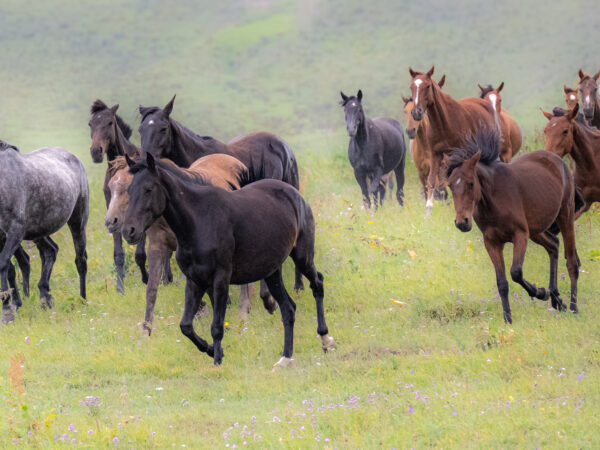
MOUNTAINS, HORSES AND JAILOO
On maps, Kyrgyzstan looks like a country made of ridgelines…. -
27 November 2025
SWEETPOTATOES A LA SINGIDA
When I heard that my colleague Scott Christiansen and I… -
25 November 2025
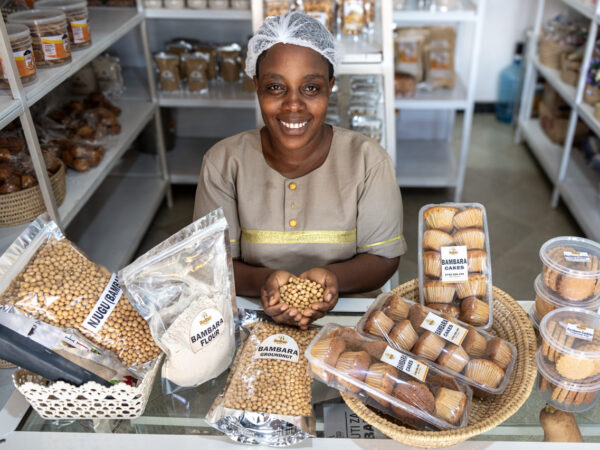
THE BAMBARA GROUNDNUTS OF UNYAMIKUMBI
If you look at a dried Bambara groundnut in its… -
23 November 2025
THE SINGIDA MORNING MARKET
Sweetpotato leaves wilt quickly. They’re harvested in the early morning… -
21 November 2025
-
22 October 2025
-
18 October 2025
-
15 October 2025
-
12 October 2025
-
11 April 2025
-
14 March 2025

IS ARCTIC SNOW REALLY BLUE?
For years, I have been seeing photographs of the Svalbard… -
28 February 2025
A SEED’S JOURNEY TO THE FAR FAR NORTH
It’s a long long way between Zimbabwe and the Svalbard… -
11 November 2024
BETTER CHICKPEAS FOR KOT SARANG
Blight decimated the chickpea crop in the Punjab village of… -
4 November 2024
-
2 November 2024
-
5 October 2024
THE CANALS OF THE MEKONG DELTA
Back in the early 19th century the Emperor Gia Long,… -
14 September 2024
THE VARIED PERSONALITIES OF MALUNGA
The last time it rained in Malunga was in January…. -
12 September 2024
-
10 August 2024

-
2 August 2024
A POTATO JOURNEY FROM WISCONSIN TO KENYA
I started out begrudgingly planting potatoes for a merit badge… -
27 July 2024
THEY’RE HARVESTING POTATOES IN KENYA
Potato harvesting in Kenya is being transformed through improved farming… -
12 April 2024
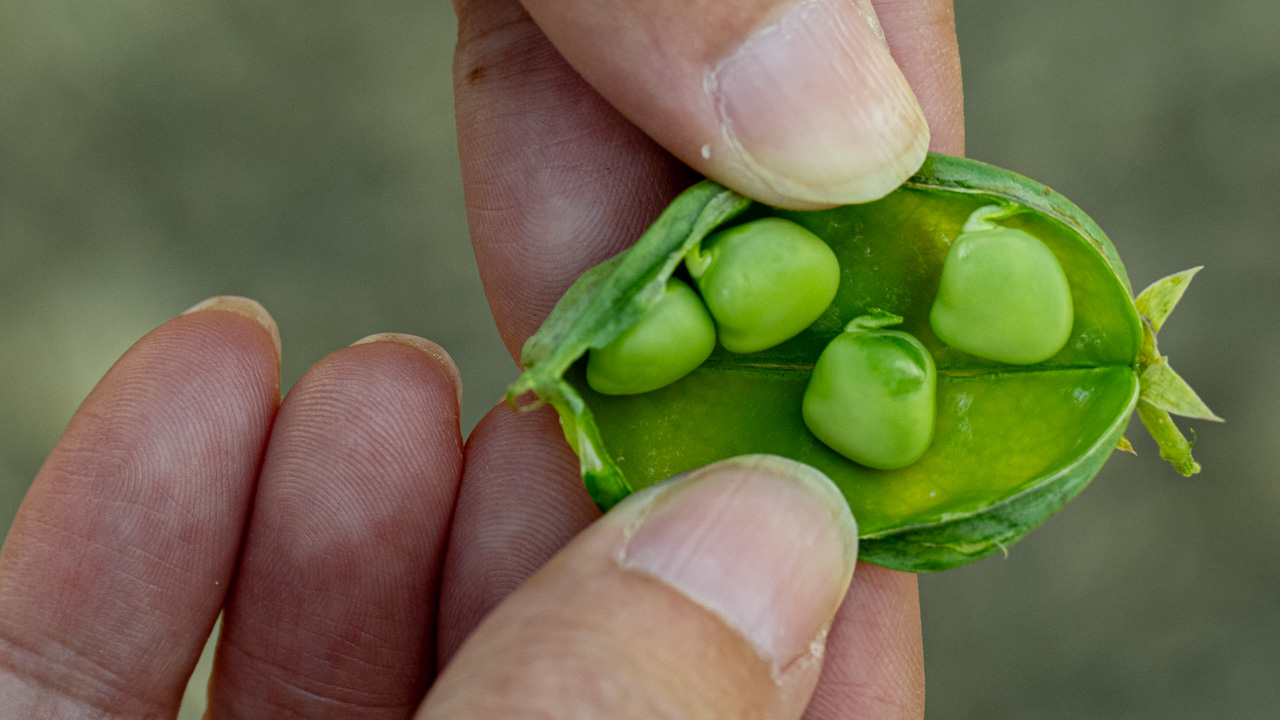
THE STIGMA OF GRASSPEA
The ancient Greeks, notably Hippocrates, were pretty wary of grasspea… -
7 March 2024
-
5 March 2024
-
1 March 2024
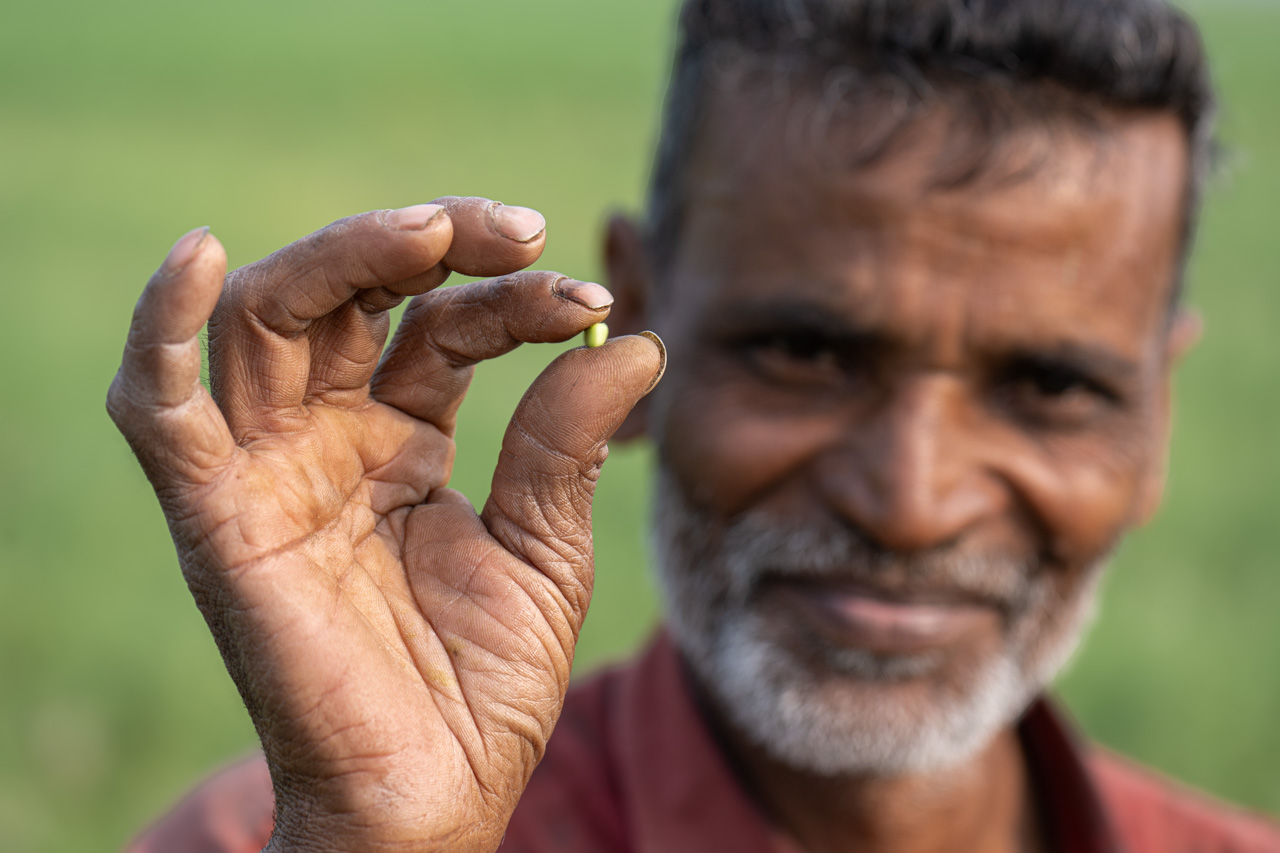
GRASSPEA IS A GRACIOUS GIFT OF GOD GLOBALLY (5G)
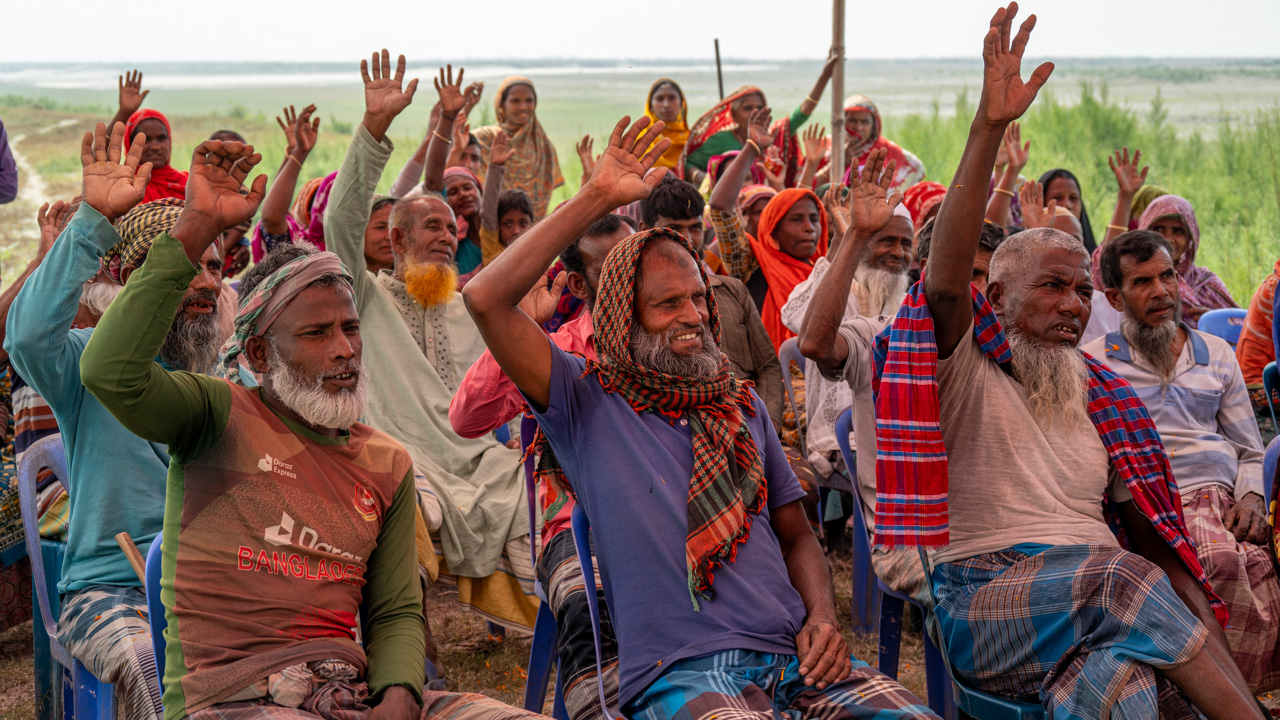
As I stood in the middle of a 28-acre community… -
27 February 2024
-
24 February 2024
-
4 February 2024
PRESERVING MALAN IN CENTRAL KALIMANTAN
Papa Dewi told me about his way of ‘malan’. That… -
27 January 2024
-
25 January 2024
I DON’T CARE SWEETPOTATOES
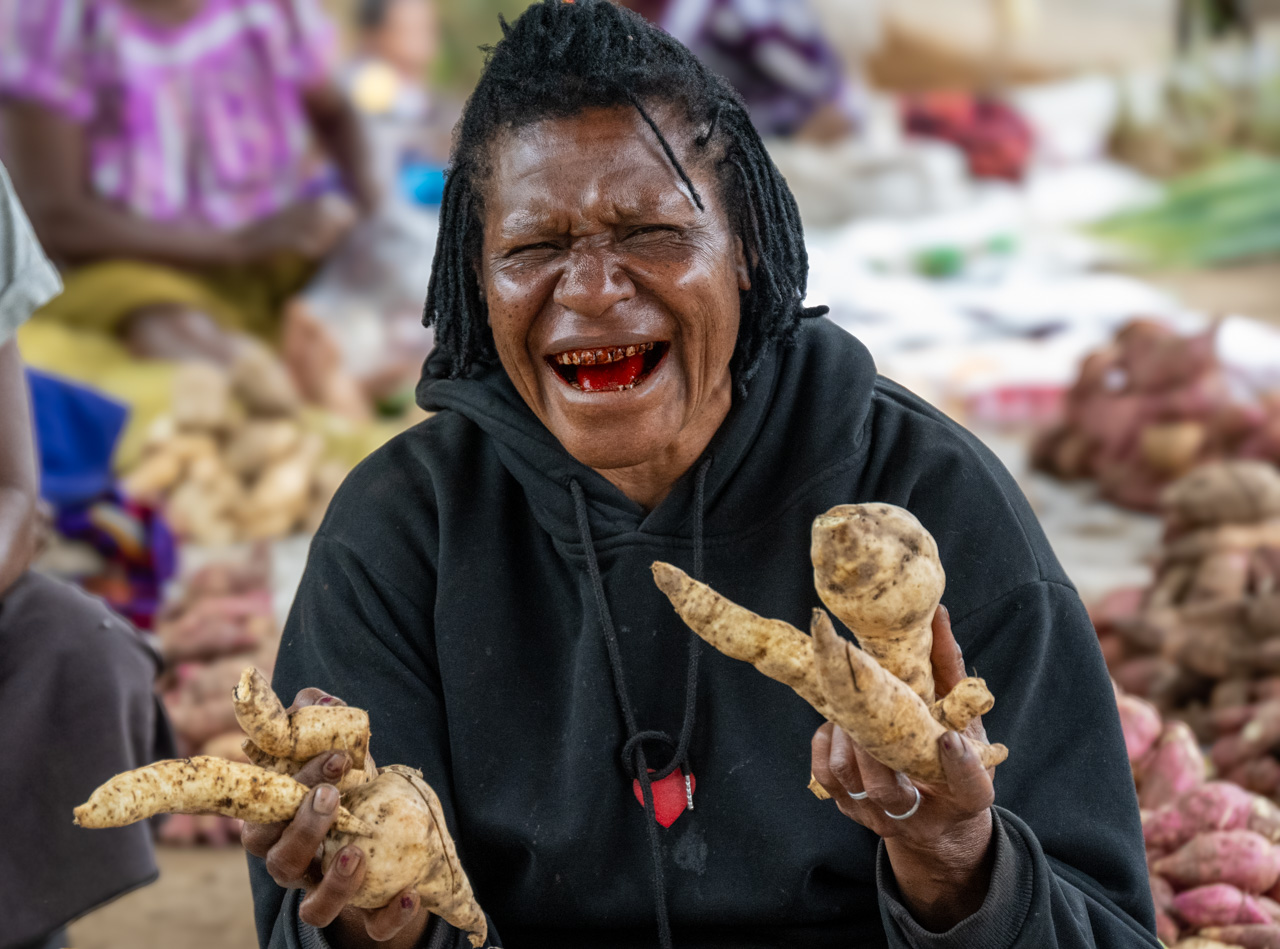
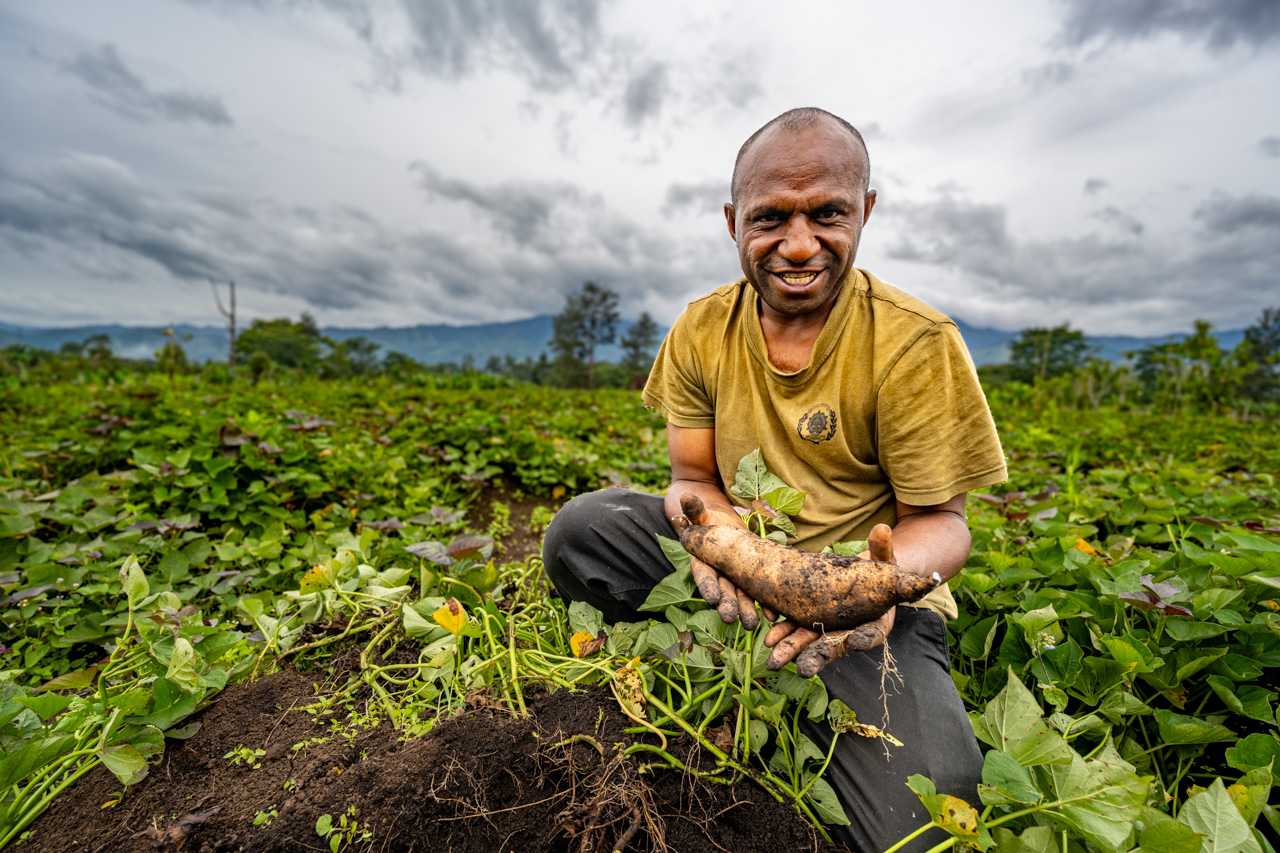
There’s a sweetpotato in Papua New Guinea called ‘gimane’. But… -
1 January 2024
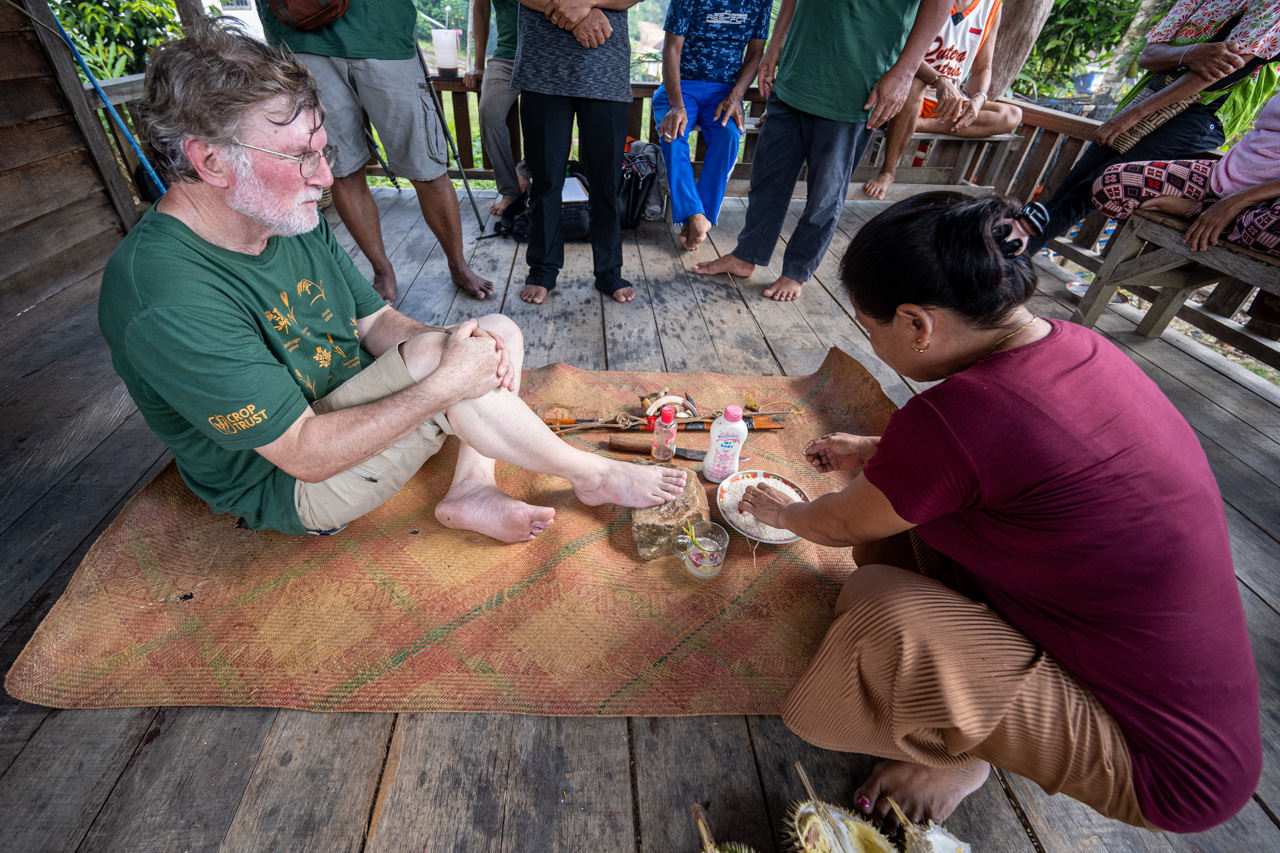
A DAYAK WELCOME IN BORNEO
The inter-tribal warfare amongst the Dayak people of Borneo in… -
1 August 2023
-
6 November 2022

A DAY IN THE RICE PADDIES OF CAO PHONG
Timing is so important in photography. And I seem to… -
30 October 2022

A TWILIGHT STROLL THROUGH HANOI’S OLD QUARTER
I came to Vietnam as part of a Crop Trust-supported… -
5 October 2022
-
13 December 2019
-
11 December 2019
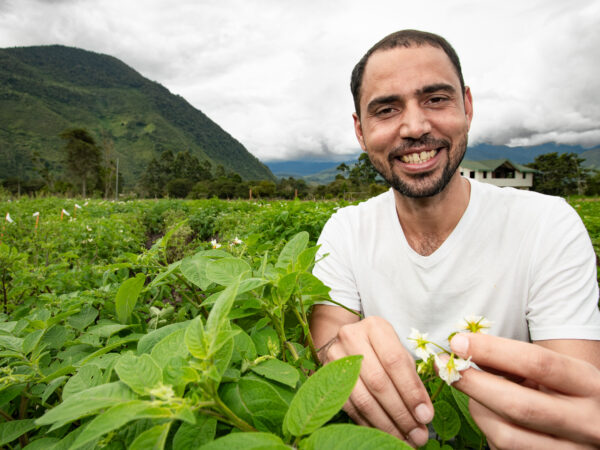
POTATOES FOR A CHANGING CLIMATE
Climate change is reducing potato yields due to drought, heat,… -
1 May 2019
-
7 June 2018
-
6 June 2018
-
6 June 2018
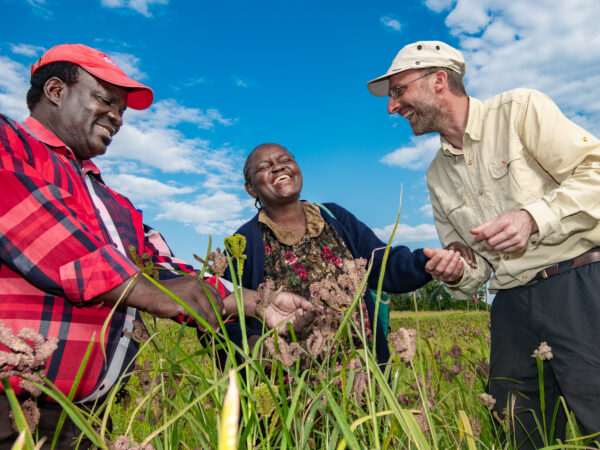
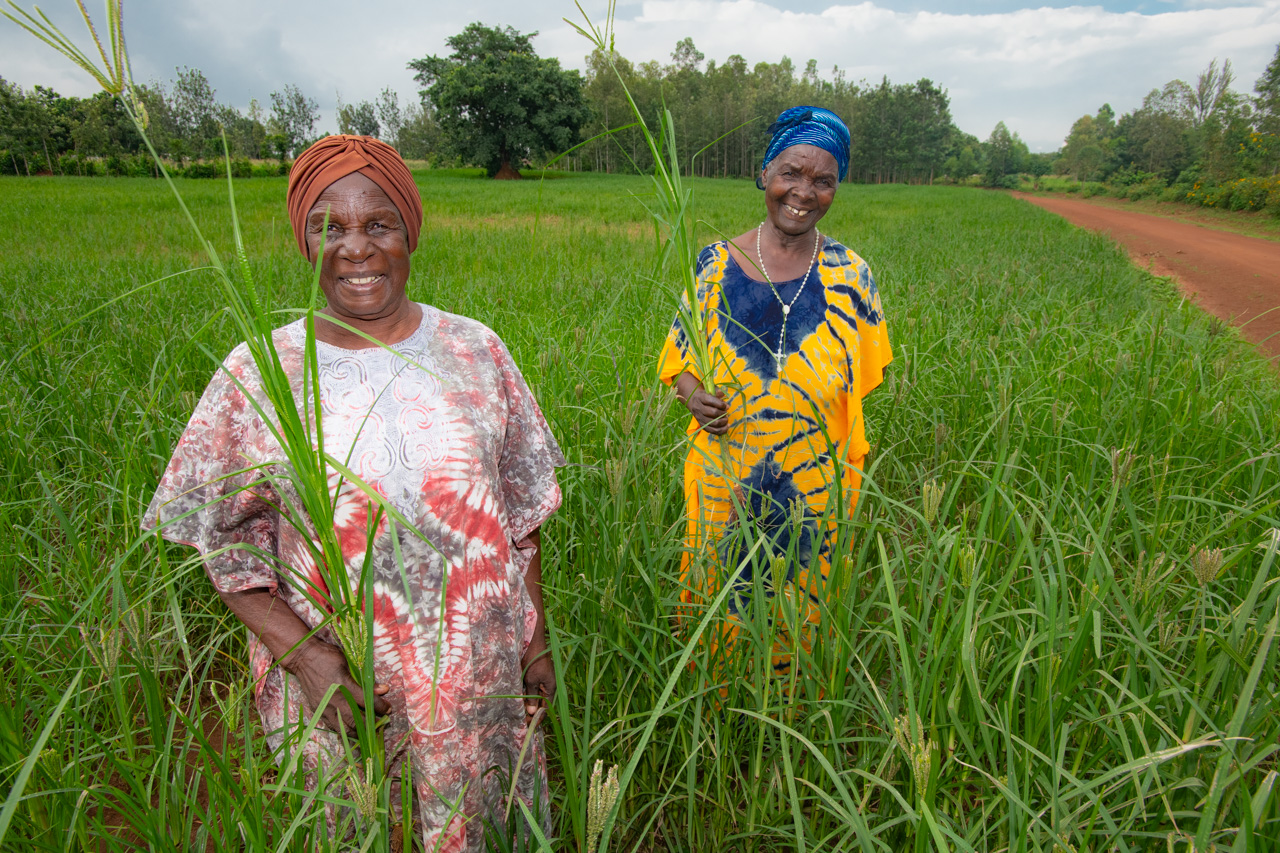
JOY IN THE FINGER MILLET FIELD
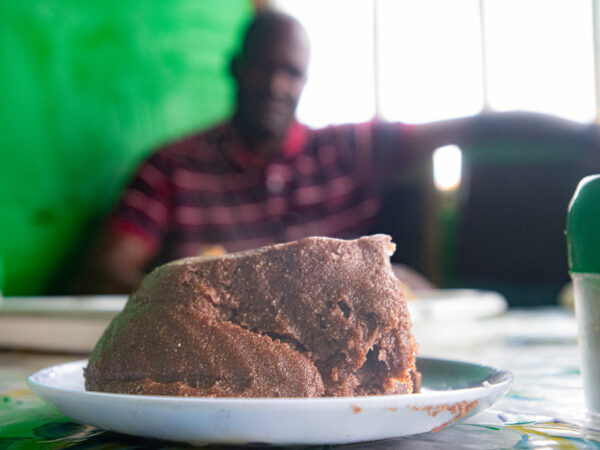
Margaret, a progressive farmer in Kakamega County of western Kenya,… -
6 June 2018
-
5 June 2018
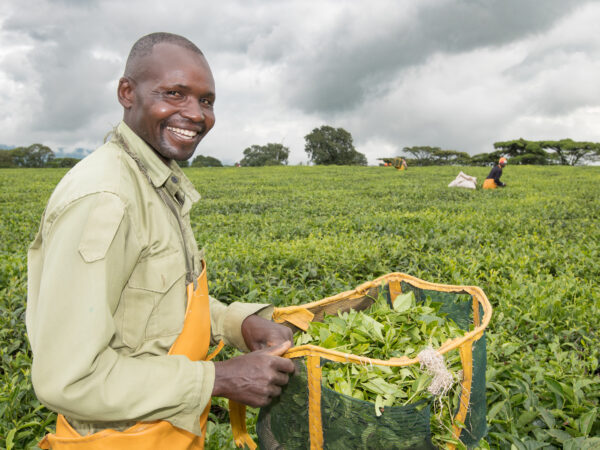
JONAH, THE KENYAN TEA PLUCKER
It’s an all-day journey from Nairobi to Kisimu, where my… -
5 June 2018
-
16 May 2018
-
16 May 2018
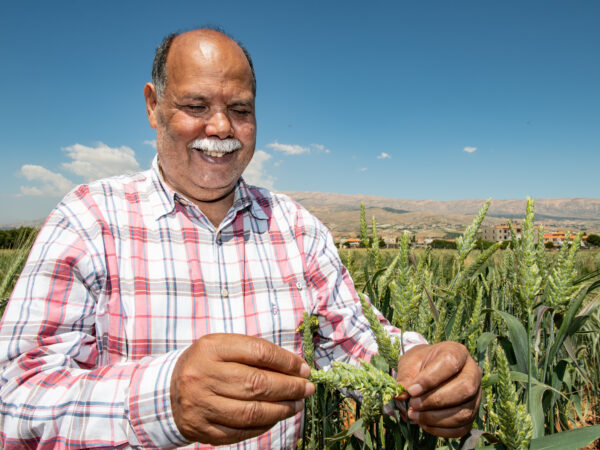
REPLENISHING THE SEED OF THE FERTILE CRESCENT
Ahmed Amri stood in the middle of a checkerboard-patterned field…. -
15 May 2018
-
11 December 2017

MARUTI THE PIGEONPEA SAVIOUR
In the early 1980s, the Indian state of Karnataka was…
-
IS ARCTIC SNOW REALLY BLUE?
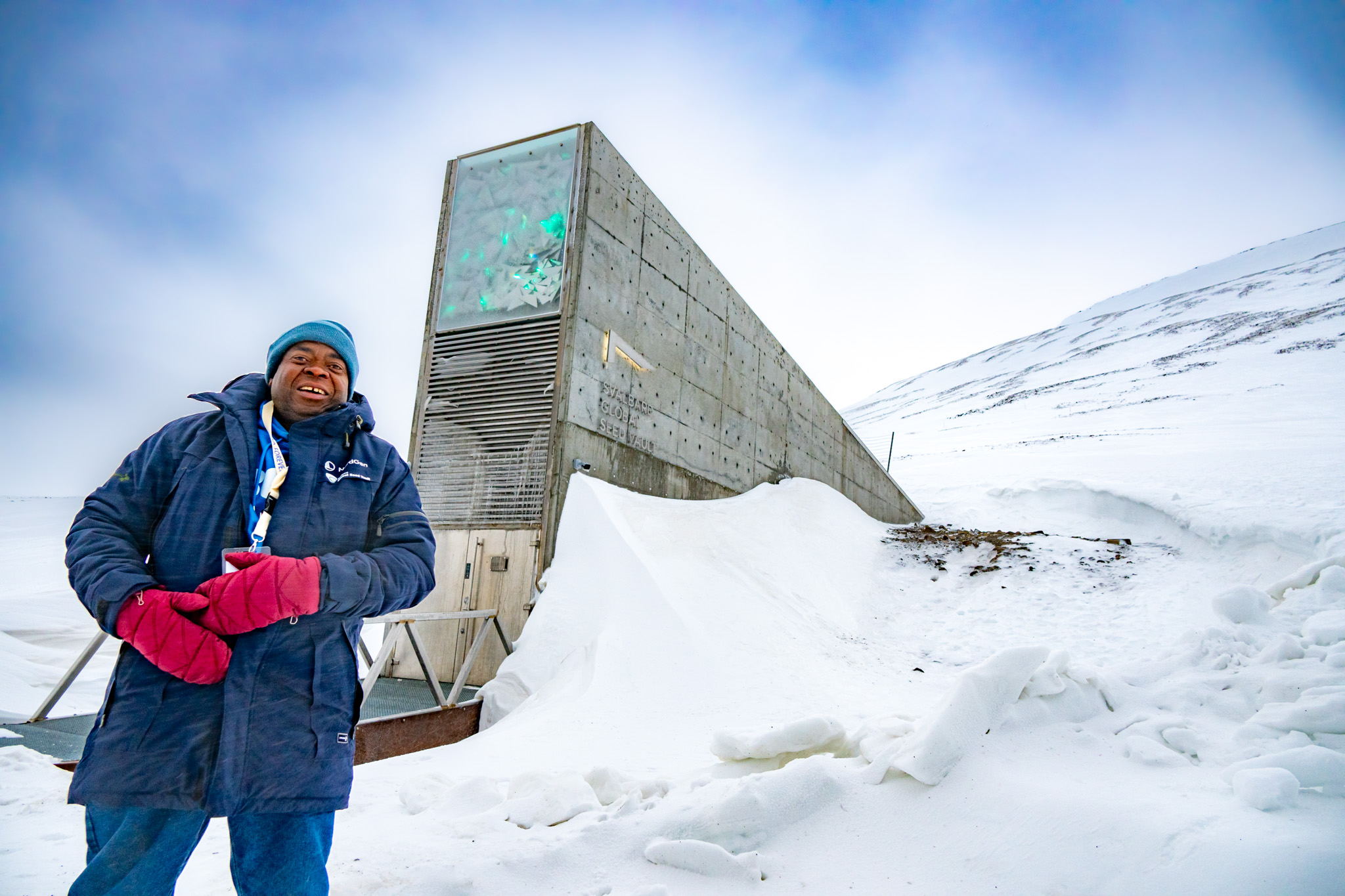
For years, I have been seeing photographs of the Svalbard Global Seed Vault. And in nearly every photograph, the snow is blue. The Svalbard Archipelago is halfway between the Arctic Circle and the North Pole, so I often wondered if perhaps up there the snow truly is blue. I finally got an opportunity to travel to Svalbard last month. And I can ensure you … the Arctic snow is perfectly white. It’s just that our not-so-smartphones think it’s blue. I bought my first camera – an Olympus OM-1 – in 1978…
-
A SEED’S JOURNEY TO THE FAR FAR NORTH
It’s a long long way between Zimbabwe and the Svalbard Archipelago in the Barents Sea inside the Arctic Circle. It’s 10,500 km precisely. That’s a long way for a seed to travel. But a bunch of vacuum packed seeds of rice, sorghum, millets and groundnuts made that journey this week. I saw those seeds at the beginning and end of their journey. Last September, I travelled to Zimbabwe to see those seeds being multiplied, cleaned and processed for their long journey to the Arctic. And yesterday I saw those same seeds…
-
BETTER CHICKPEAS FOR KOT SARANG
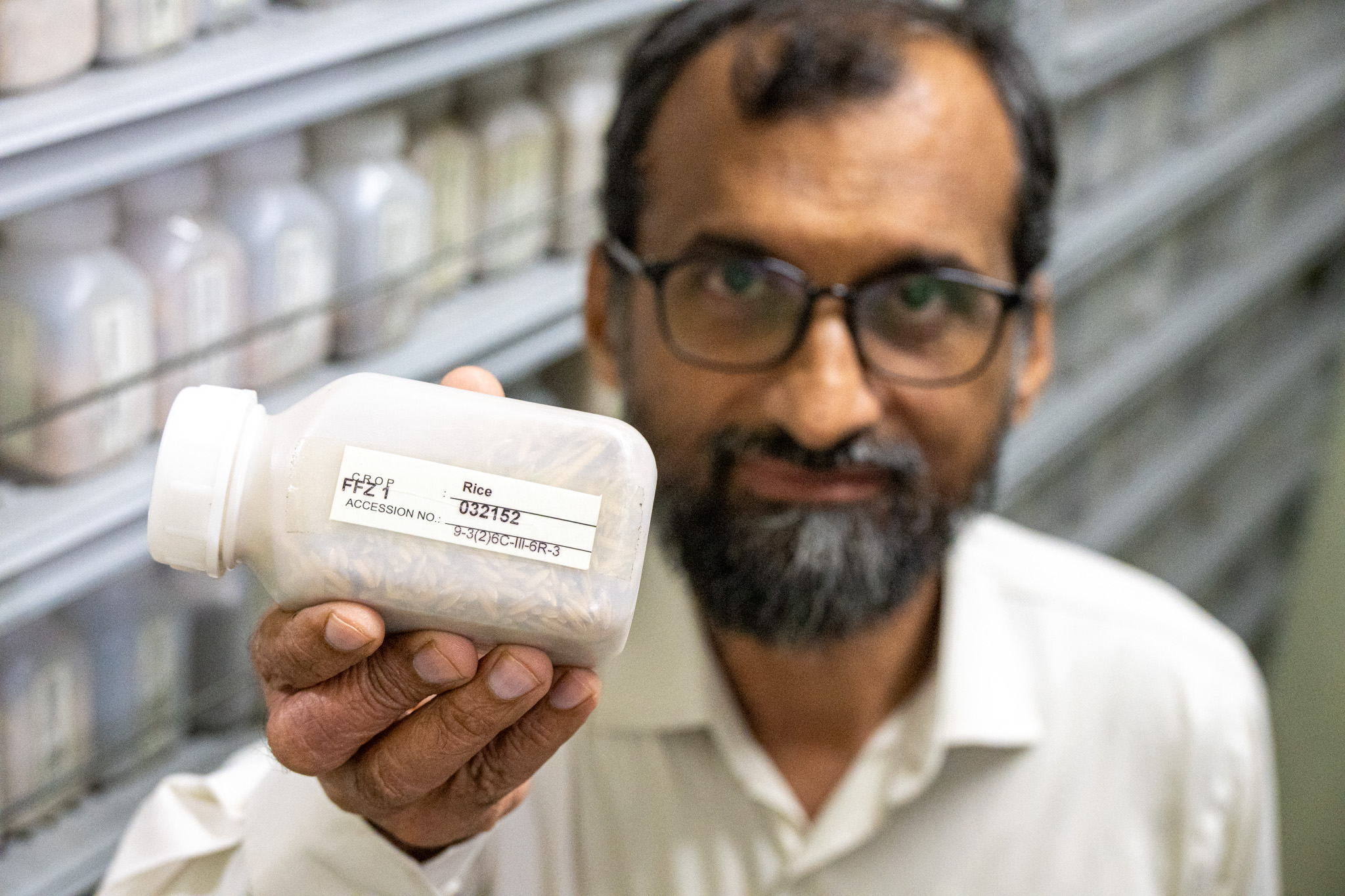
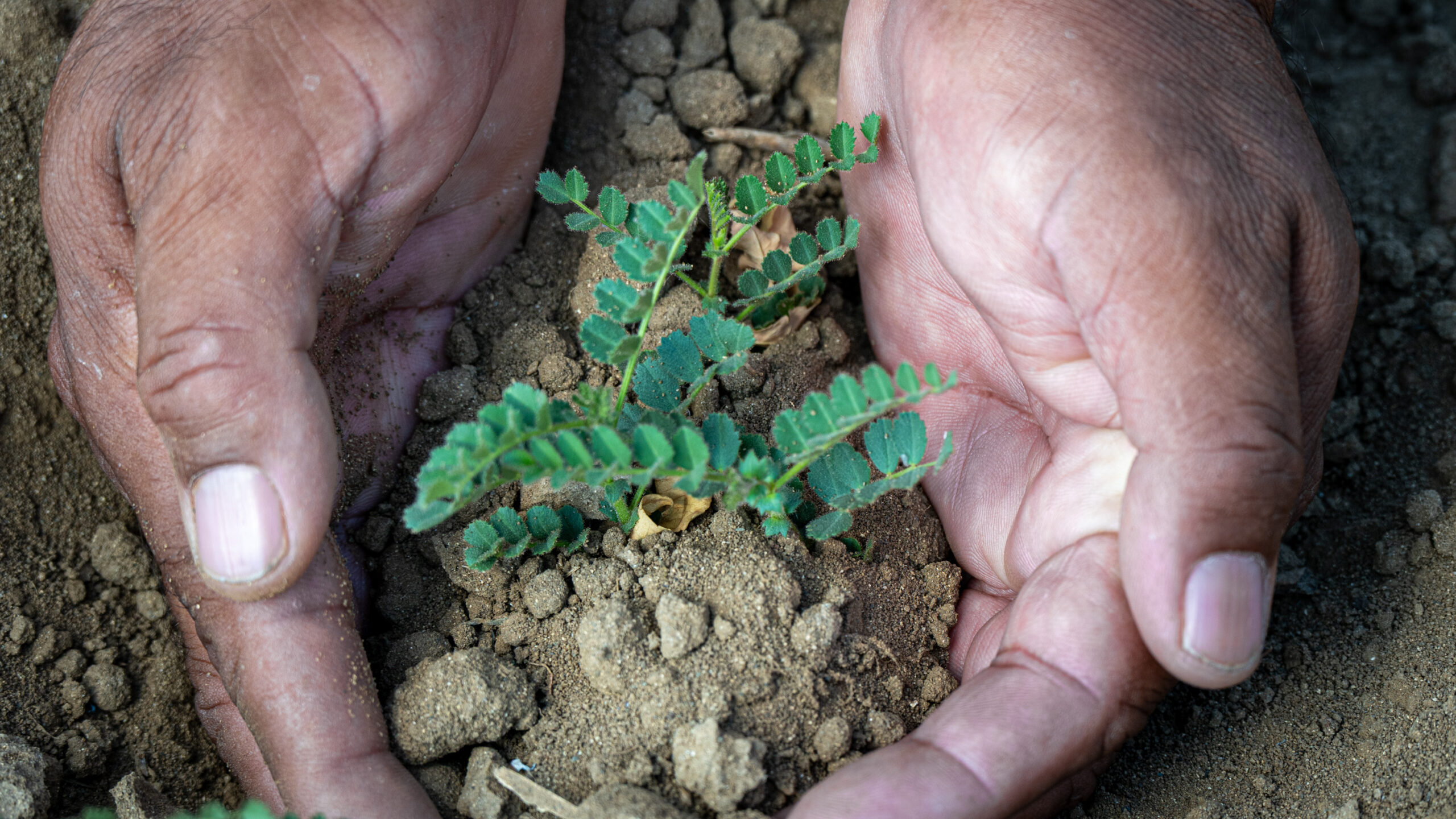
Blight decimated the chickpea crop in the Punjab village of Kot Sarang a decade or so ago. Farmers were reluctant to plant it again. But breeders from Pakistan’s National Agricultural Research Center found types of chickpea in the National Genebank of Pakistan that had some resistance to the blight. The breeders planted those chickpeas in Kot Sarang and sure enough they had some blight tolerance. So, the farmers are now growing chickpeas again. I joined those breeders and staff from the National Genebank to pay those farmers a visit and see…
-
THE CITY OF ISLAM
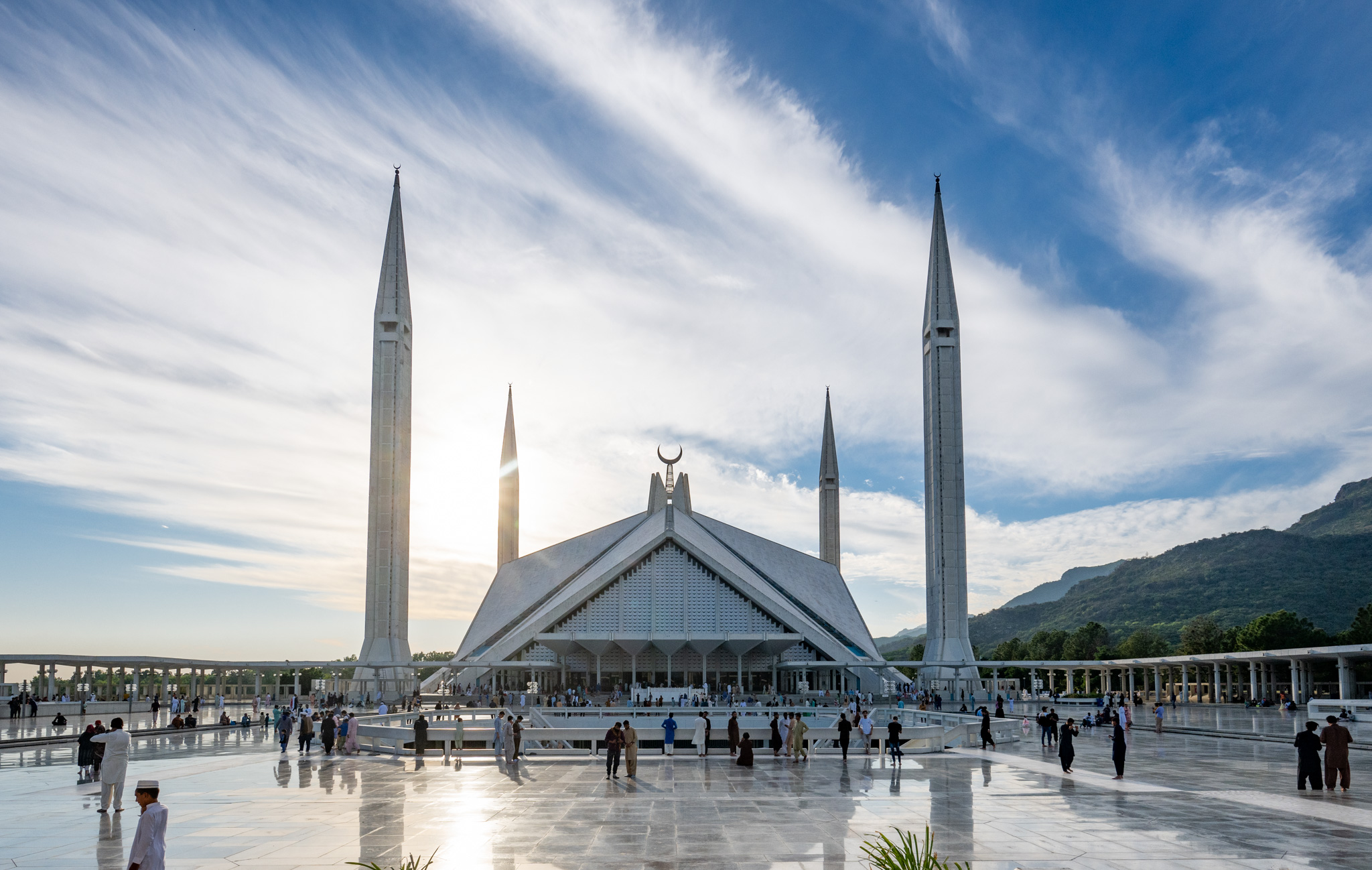
‘Islamabad’ means “City of Islam” or “City of Peace” in Urdu. So, I thought it would remiss of me if I didn’t visit the Faisal Mosque while visiting the City of Islam. The Faisal Mosque was built in 1988 and named after King Faisal of Saudi Arabia who inaugurated it. It was designed by a Turkish architect who aimed for a more contemporary structure in a triangular design reminiscent of a Bedouin tent. The foothills of the Margalla Hills give it a picturesque backdrop. With a 100,000-person capacity it ranks as…
-
ISLAMABAD’S SUNDAY BAZAAR
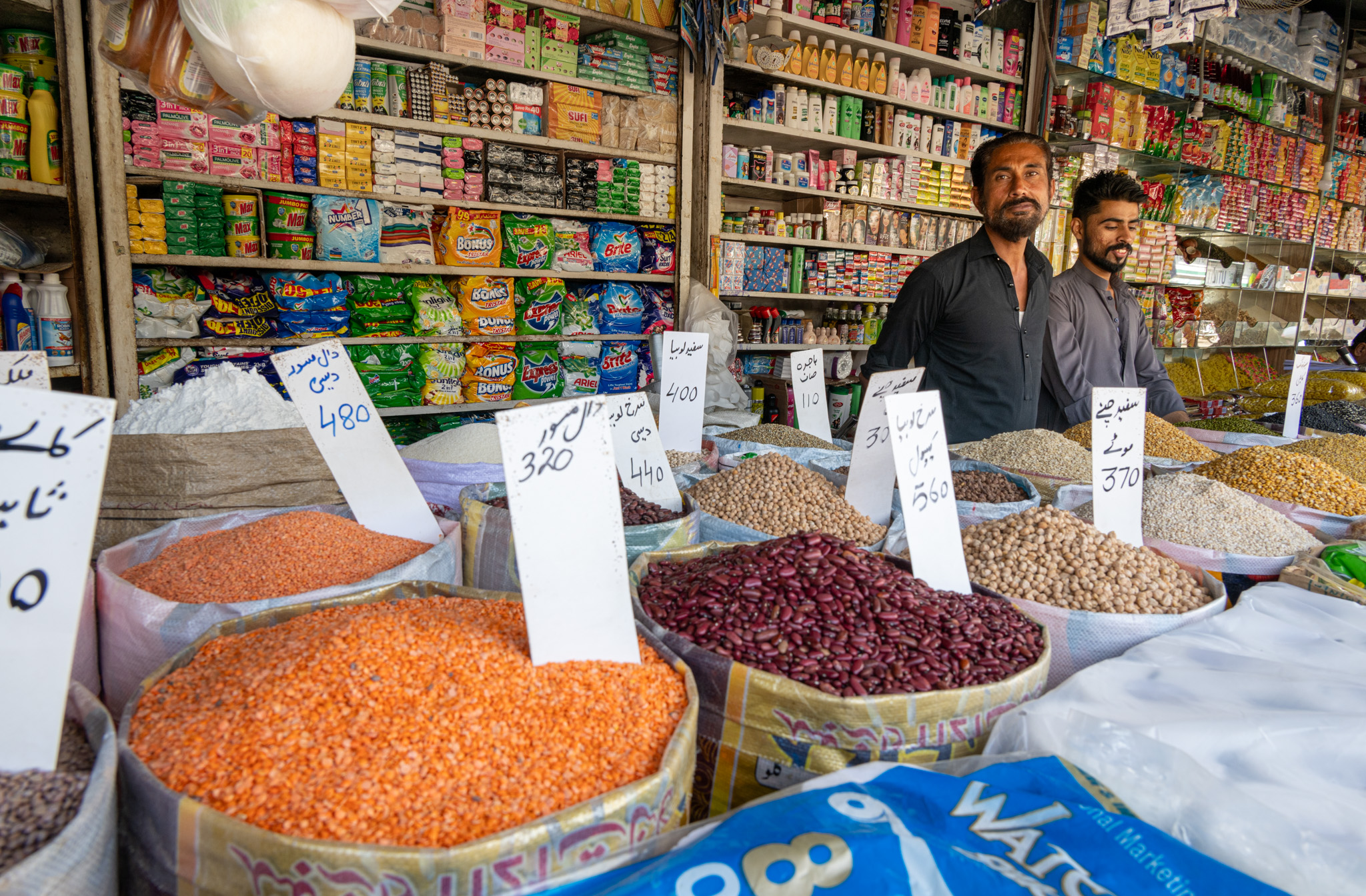
You can get pretty much anything at the Sunday (AKA Margalla) Bazaar, even on a Friday. Open three days a week, the bazaar is the place to go in Islamabad to purchase essential items at competitive prices. It sprawls across 25 acres with 2,760 stalls. Carpets, clothes, fresh food, techie stuff and even soccer balls. I wanted to have a look at food so my hosts, Drs Kashif and Umer from the Plant Genetic Resources Institute, brought me to the bazaar for a gander at the diversity of food the Pakistanis…
-
THE CANALS OF THE MEKONG DELTA
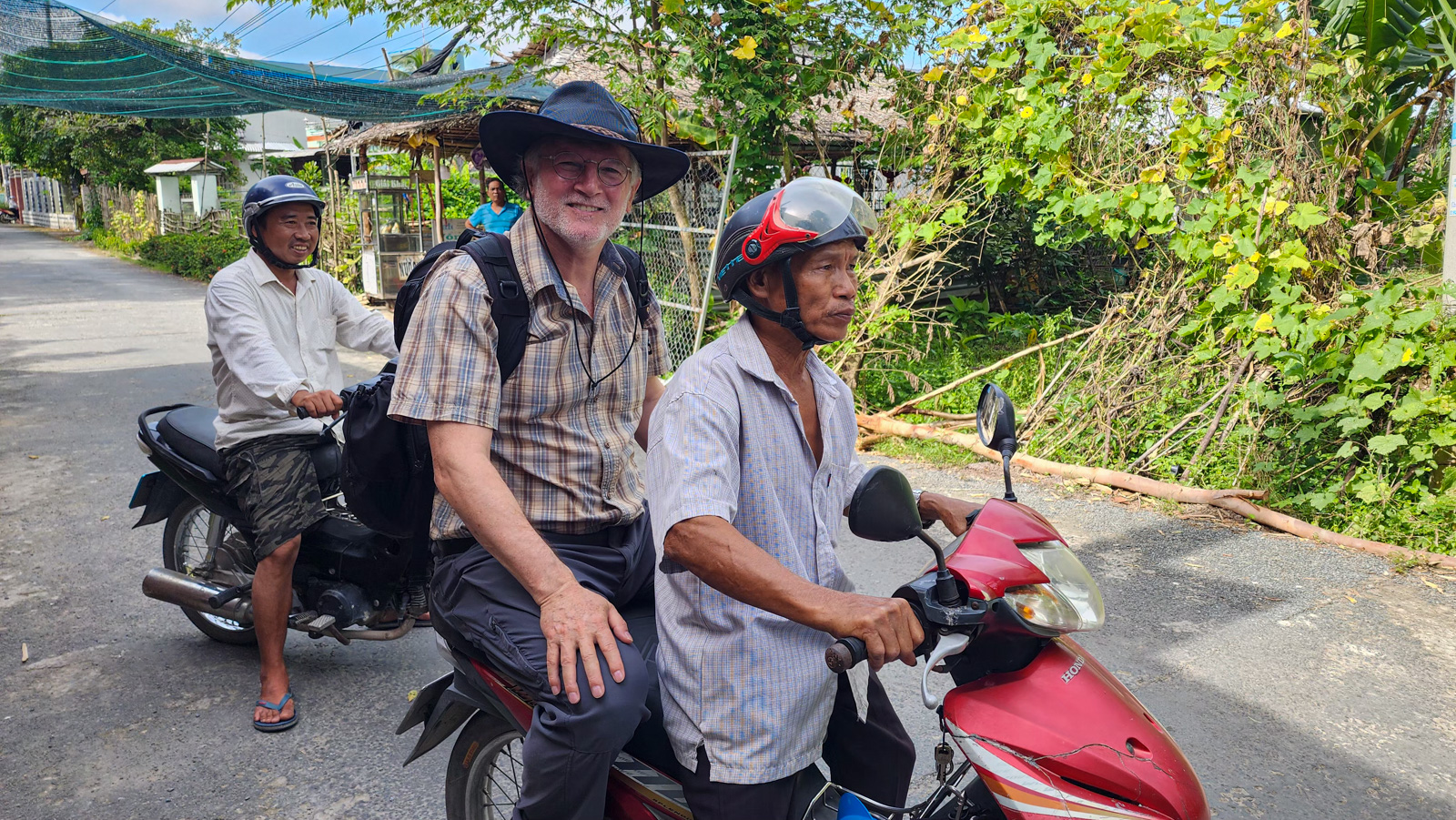
Back in the early 19th century the Emperor Gia Long, the founder of the Nguyễn Dynasty, had the foresight to build canals for irrigation, transportation and military purposes in Vietnam’s Mekong Delta. The French colonizers thought that was a pretty good idea as well and they enlarged the network in the mid-19th to mid-20th century. The French recognized the agricultural potential of the Mekong Delta and used the canals to promote rice cultivation, improve transportation and extract natural resources. Today, canals are everywhere in the Mekong. It does mean, however, that…
-
THE VARIED PERSONALITIES OF MALUNGA
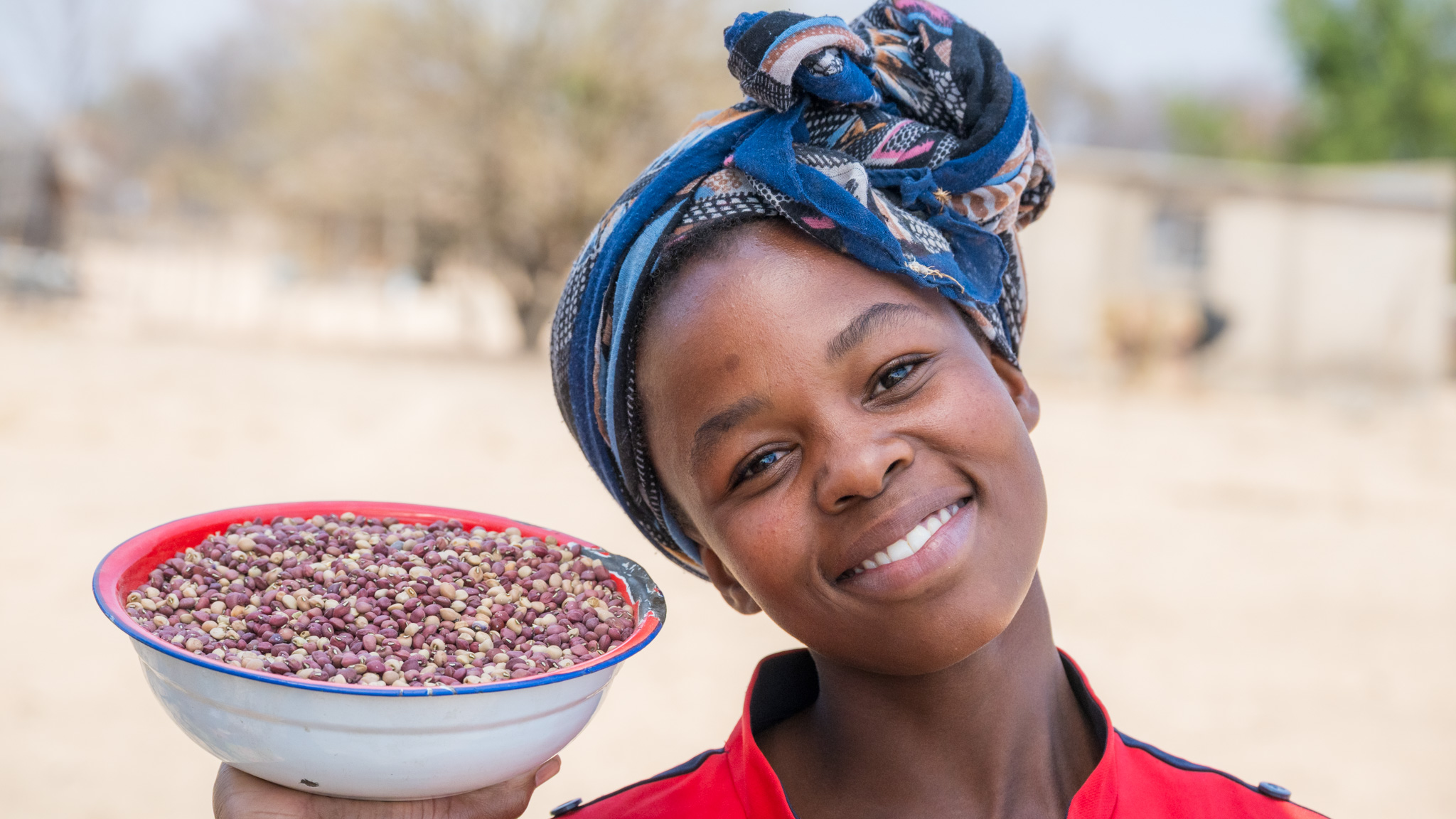
The last time it rained in Malunga was in January. The rainy season ended early in this part of the Motobo District of southwestern Zimbabwe, on the fringe of the Kalahari. The village only recorded 181 mm of rain during the rainy season, due to an El Niño-induced drought. The region is arid regardless and even in the best of years it wouldn’t get more than 400 mm of rain. But that’s enough to grow pearl millet and sorghum. My Crop Trust colleague, Beri, and I joined our partner from the…
-
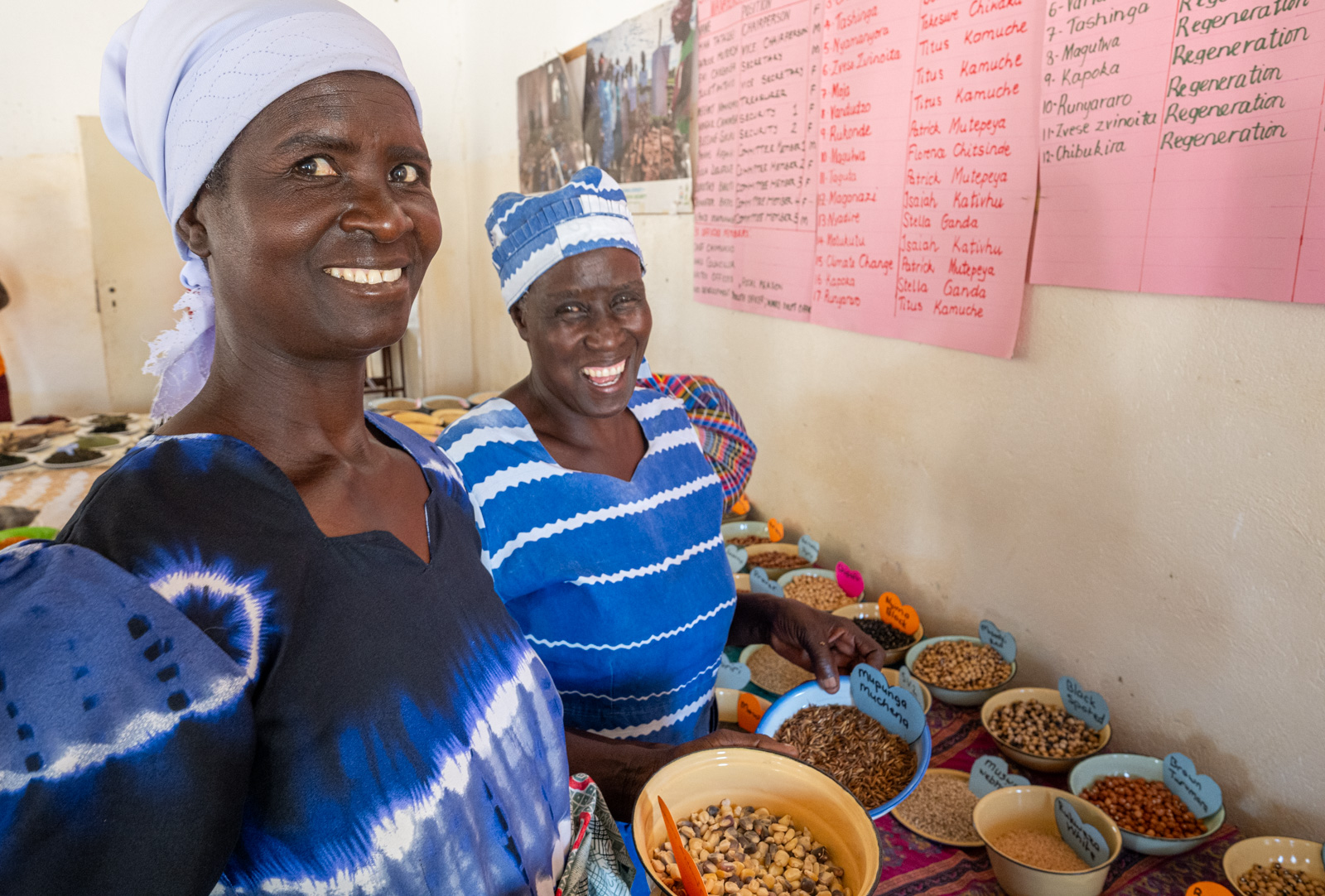
GOOD TO BE ORGANISED
For three days, my Crop Trust colleague, Beri, and I have been visiting farmers in Zimbabwe. As we arrive to each destination, we find a group ranging from 25 to 200 of farmers awaiting us under the shade of a tree or two. Without fail we are greeted with song and dance, which continue throughout our meetings. Today’s spontaneous performance at the Chimukoko Community Seed Bank in northeastern Zimbabwe was my favourite. In her closing remarks, Beri commended the community members for efforts in developing their genebank and how organised the…
-
ASK THE WOMEN
A long time ago a client asked me to document a forestry project in the rural town of Hojancha in northern Costa Rica. I took photos of proud men standing by amazing stands of introduced eucalypts, Gmelina and teak. The trees were grown for both timber and firewood. But I learned the women weren’t too crazy about eucalypts as firewood. They said they didn’t like the smell and it made their gallo pinto taste bad. No one bothered to ask the women about their preferences before the trees were planted. That…
If you see this after your page is loaded completely, leafletJS files are missing.