
Category: Travels for Crop Trust
-
31 May 2026
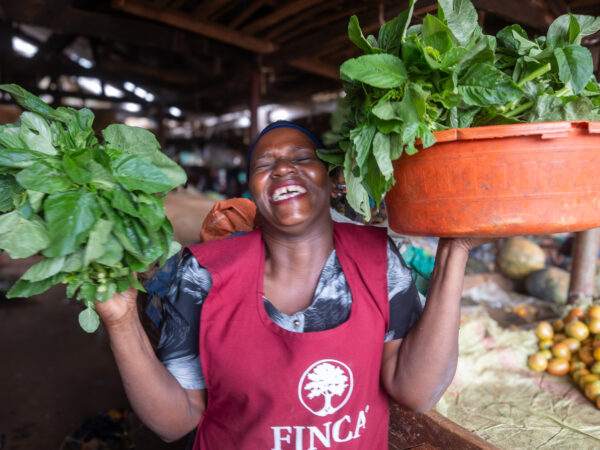
-
28 May 2026
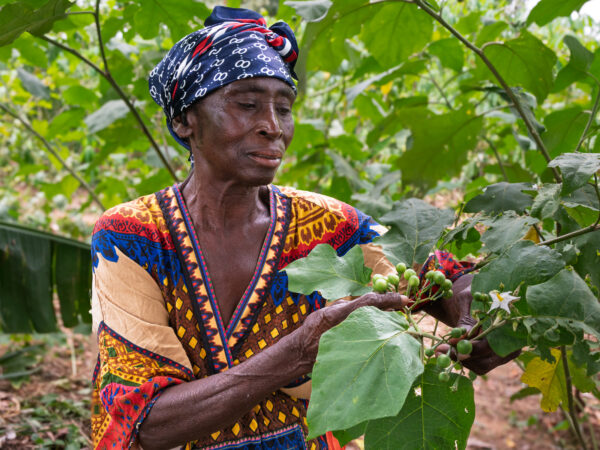
DORA AND THE FIERCE VOLUNTEER
Some crops don’t wait to be planted. They arrive uninvited,… -
23 May 2026
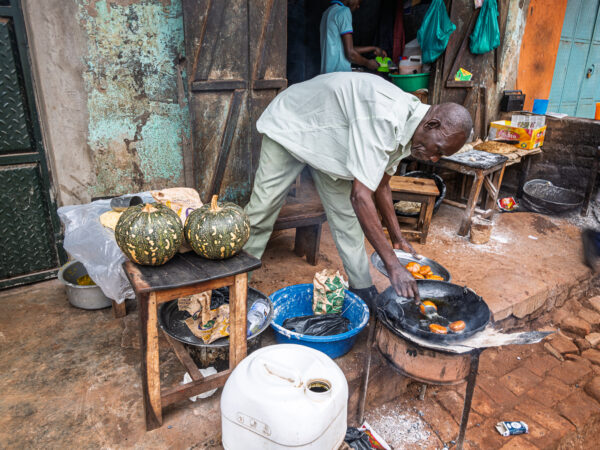
-
19 May 2026
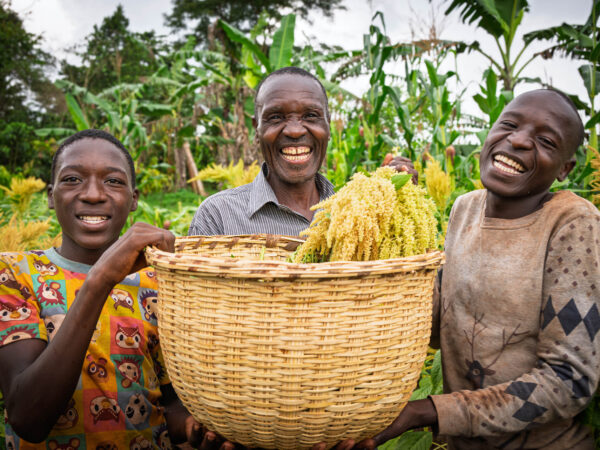
-
15 May 2026
DANCIN’ UNDER THE BAOBAB TREE
The baobab tree has a most significant importance to the… -
14 May 2026
-
11 May 2026
THE DOOR OF NO RETURN
Today my colleague, Scott Christiansen, and I stood inside Osu… -
8 May 2026
-
6 May 2026
-
6 May 2026
-
4 May 2026
-
3 May 2026

TARZAN NEVER MADE IT TO THIS JUNGLE. BUT I DID.
My earliest perception of a jungle came from the old… -
22 February 2026
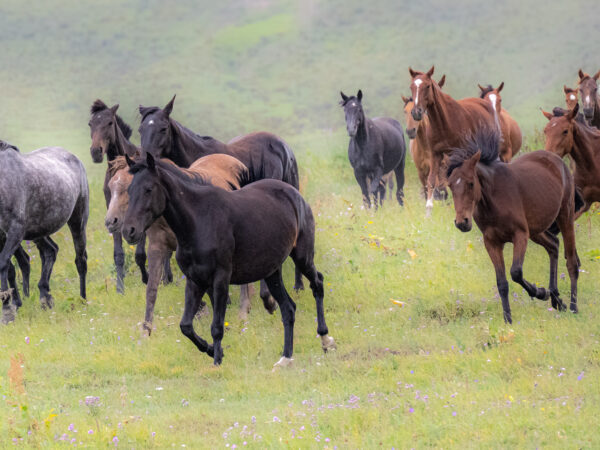
MOUNTAINS, HORSES AND JAILOO
On maps, Kyrgyzstan looks like a country made of ridgelines…. -
7 December 2025
-
27 November 2025
SWEETPOTATOES A LA SINGIDA
When I heard that my colleague Scott Christiansen and I… -
25 November 2025
THE BAMBARA GROUNDNUTS OF UNYAMIKUMBI
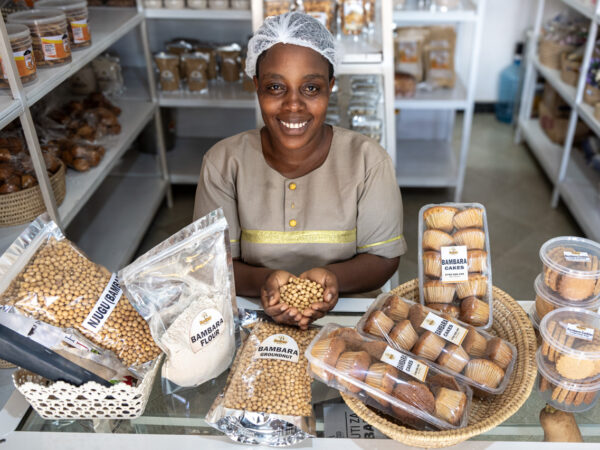
If you look at a dried Bambara groundnut in its… -
23 November 2025
THE SINGIDA MORNING MARKET
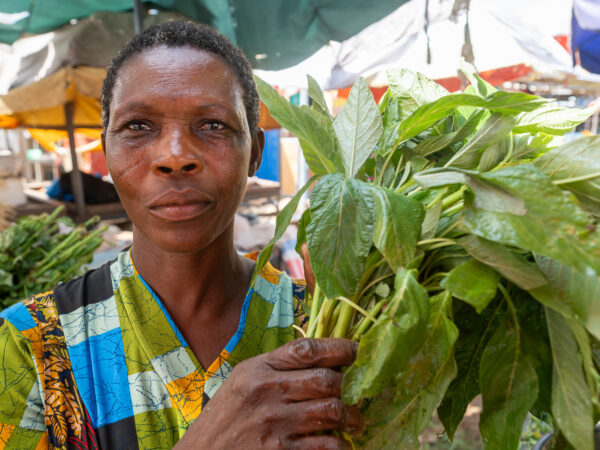
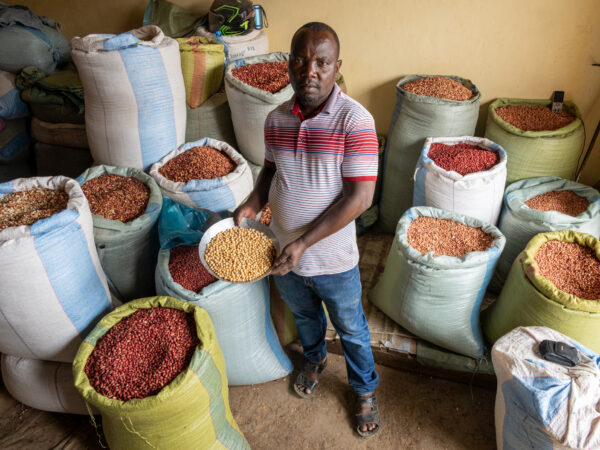
Sweetpotato leaves wilt quickly. They’re harvested in the early morning… -
21 November 2025
-
19 November 2025
-
22 October 2025
-
18 October 2025
-
15 October 2025
AGOUN AND TCHOUKOUTOU
The city of Dassa-Zoumé is about halfway between Cotonou and… -
12 October 2025
-
11 April 2025
-
17 March 2025
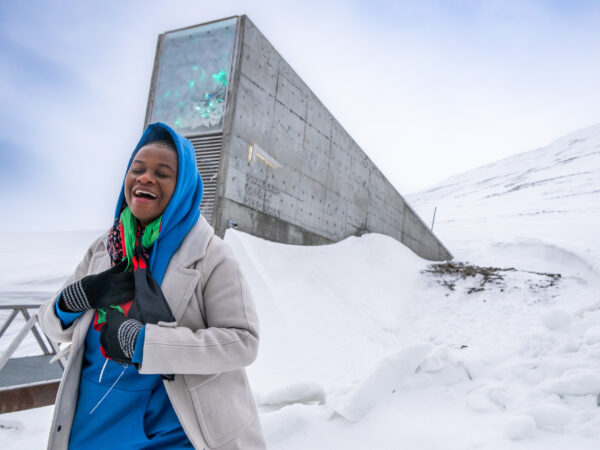
A PLANT GENETIC RESOURCE SCIENTIST’S MECCA
For a plant genetic resource scientist, mecca is the Svalbard… -
14 March 2025

IS ARCTIC SNOW REALLY BLUE?
For years, I have been seeing photographs of the Svalbard… -
28 February 2025
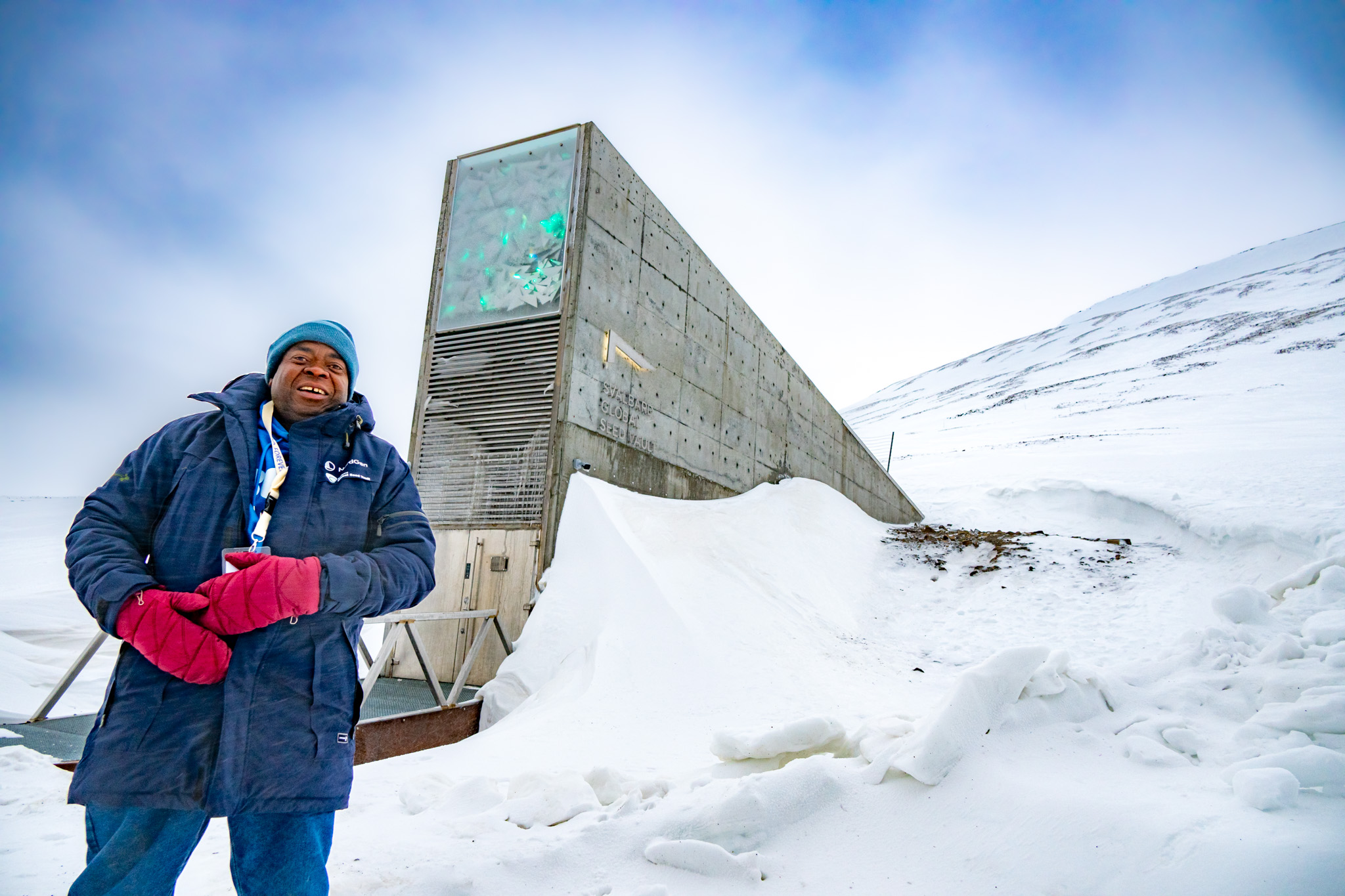
A SEED’S JOURNEY TO THE FAR FAR NORTH
It’s a long long way between Zimbabwe and the Svalbard… -
11 November 2024
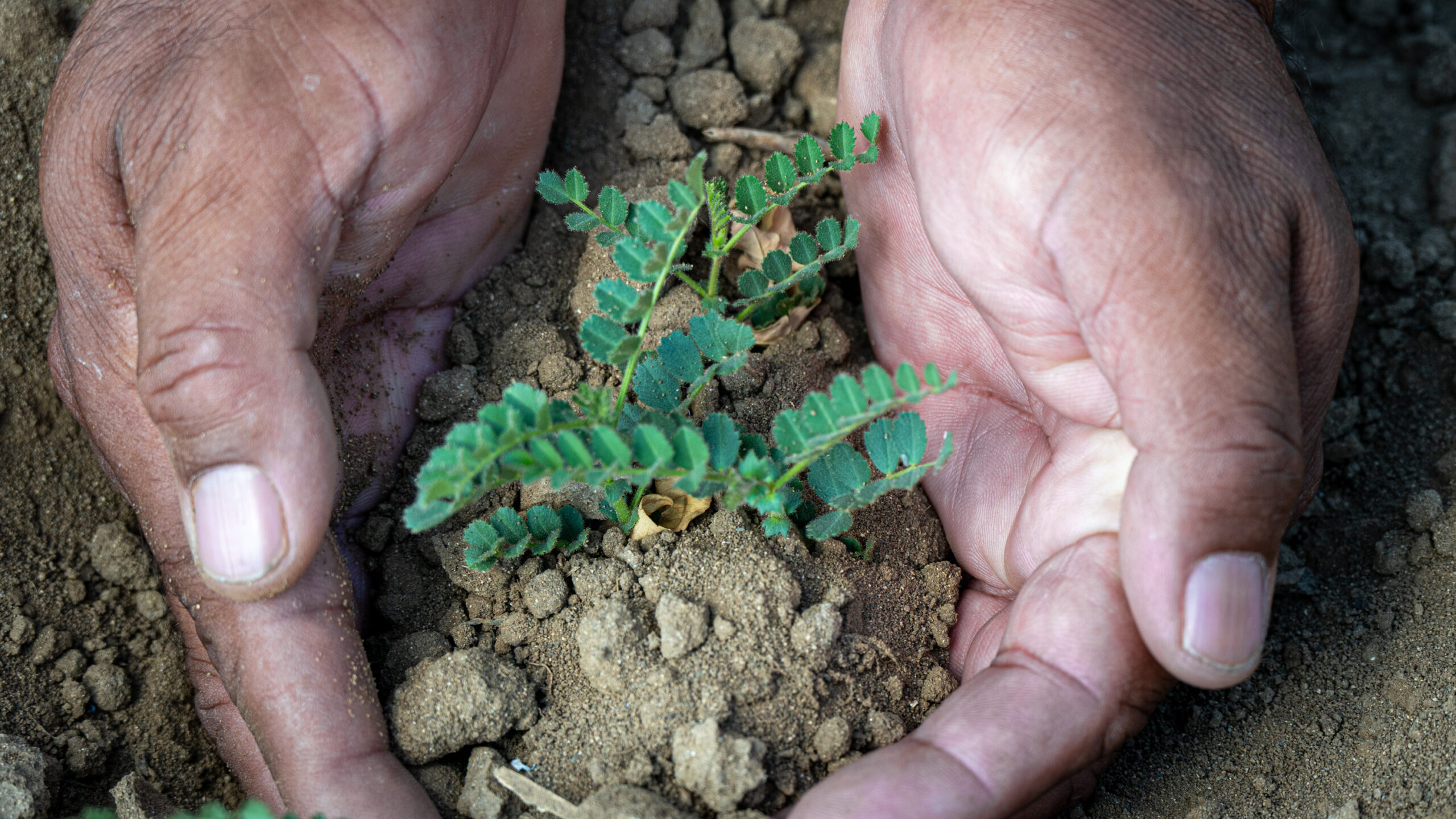
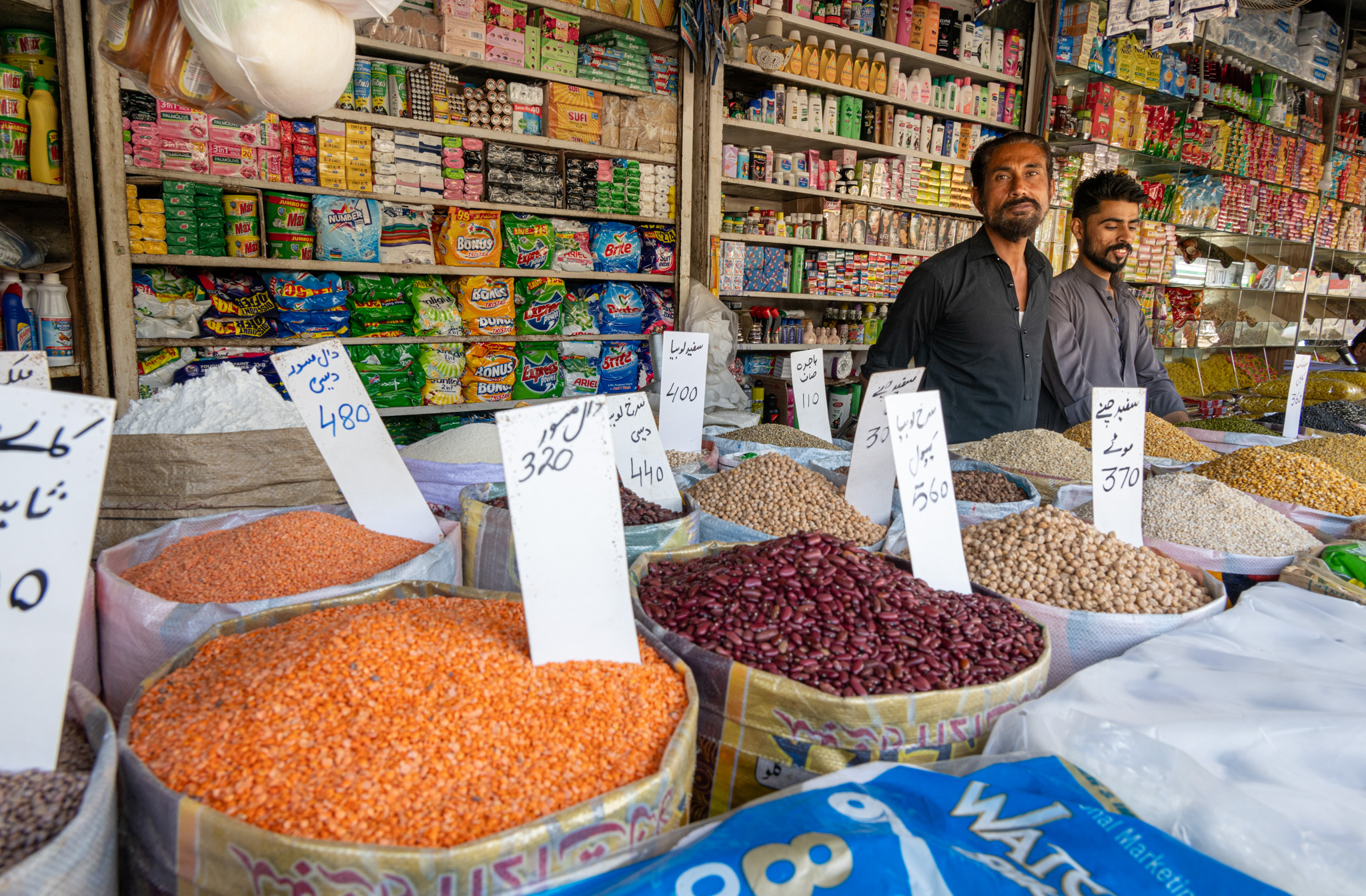
BETTER CHICKPEAS FOR KOT SARANG
Blight decimated the chickpea crop in the Punjab village of… -
4 November 2024

-
2 November 2024
-
5 October 2024
THE CANALS OF THE MEKONG DELTA
Back in the early 19th century the Emperor Gia Long,… -
14 September 2024
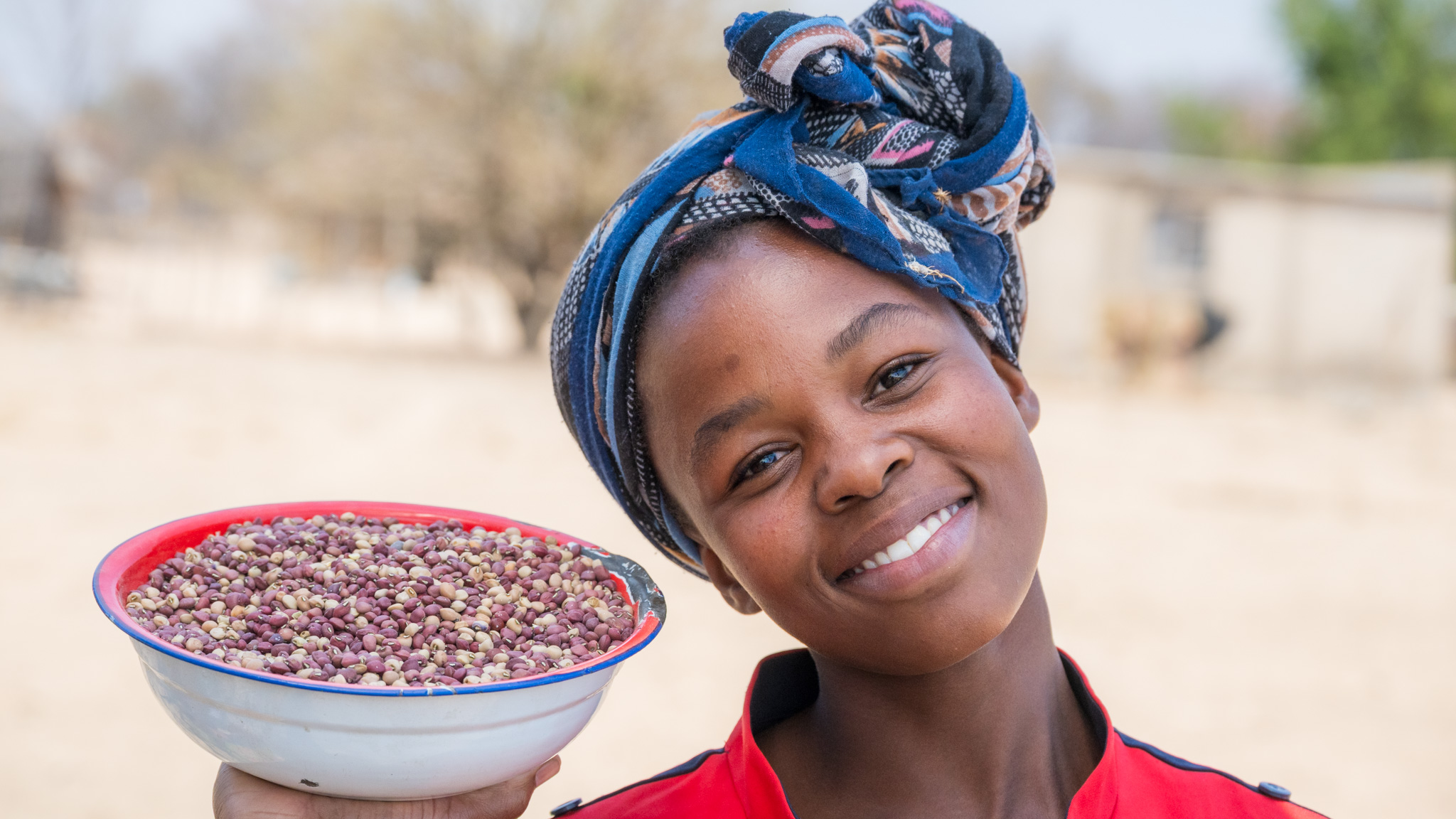
THE VARIED PERSONALITIES OF MALUNGA
The last time it rained in Malunga was in January…. -
12 September 2024
-
10 August 2024

-
2 August 2024
A POTATO JOURNEY FROM WISCONSIN TO KENYA
I started out begrudgingly planting potatoes for a merit badge… -
27 July 2024
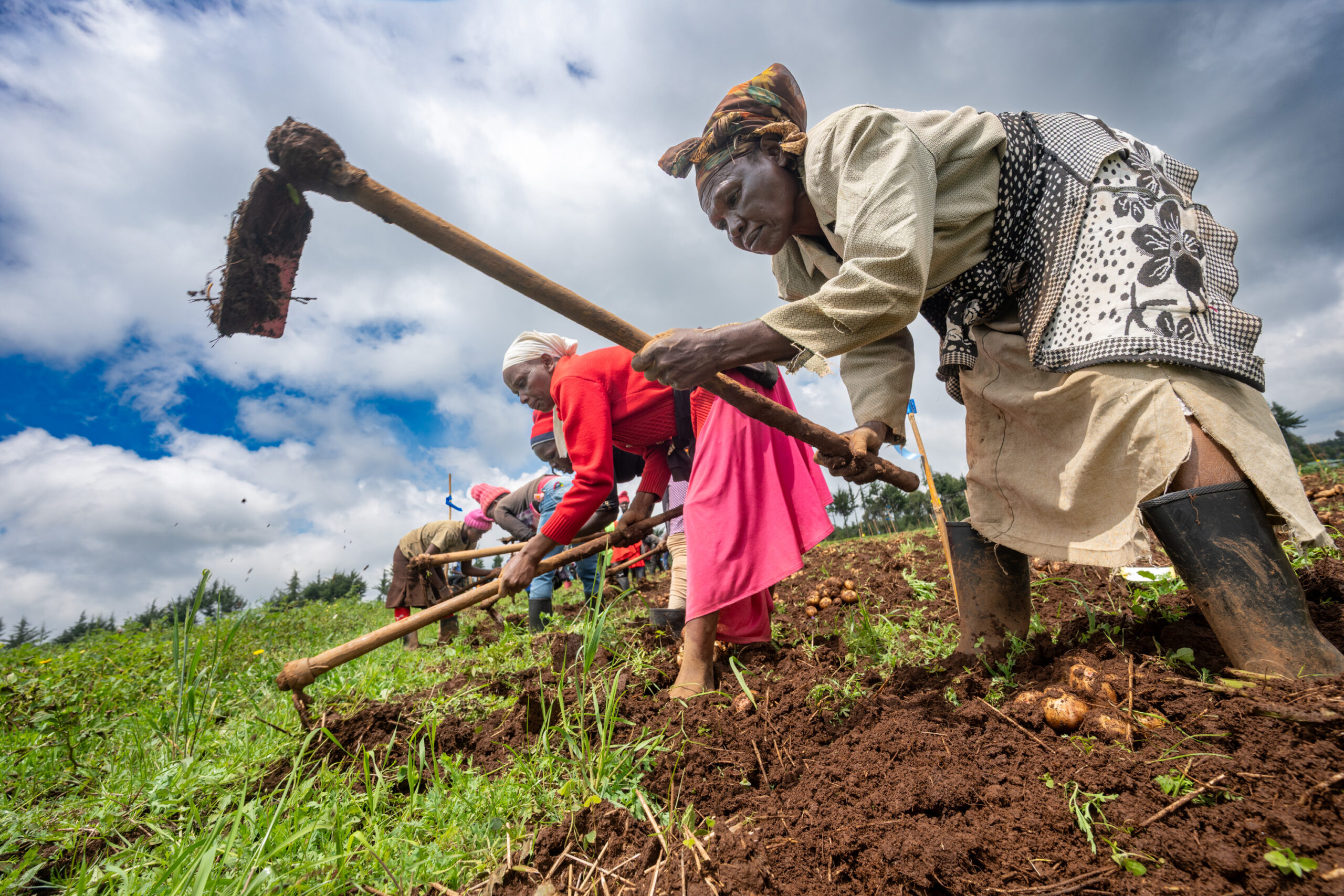
THEY’RE HARVESTING POTATOES IN KENYA
Potato harvesting in Kenya is being transformed through improved farming… -
12 April 2024
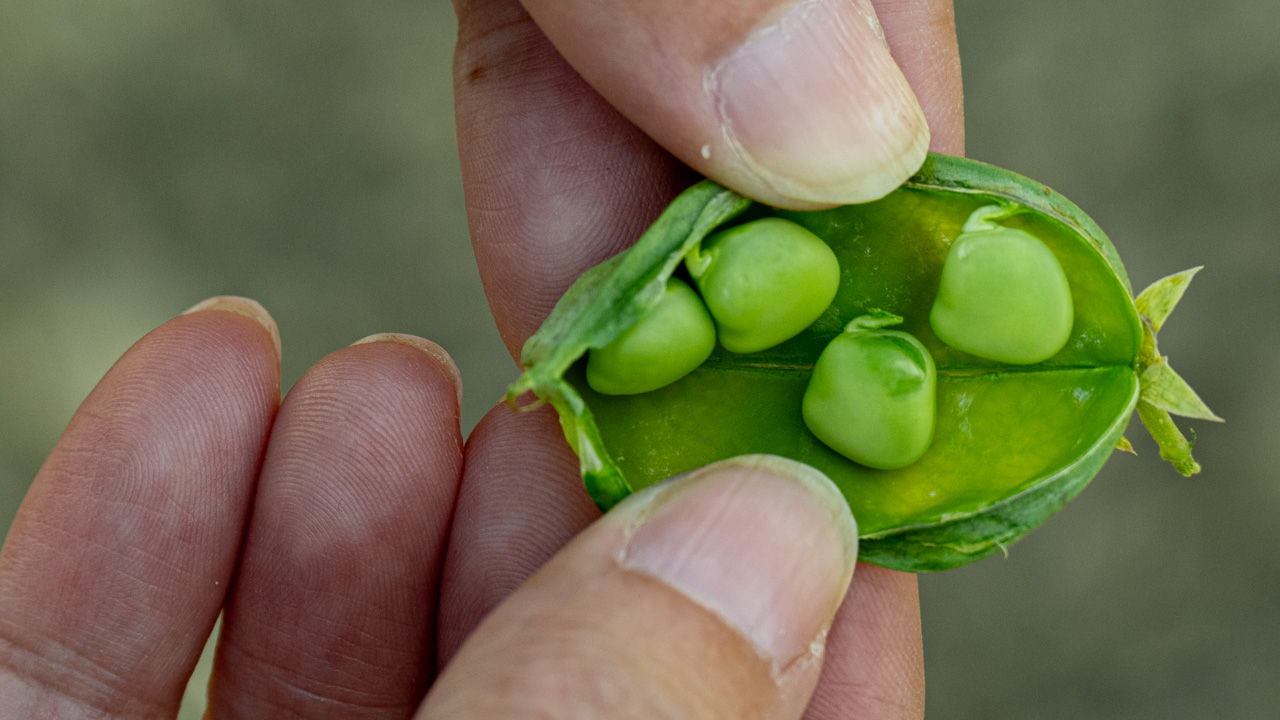
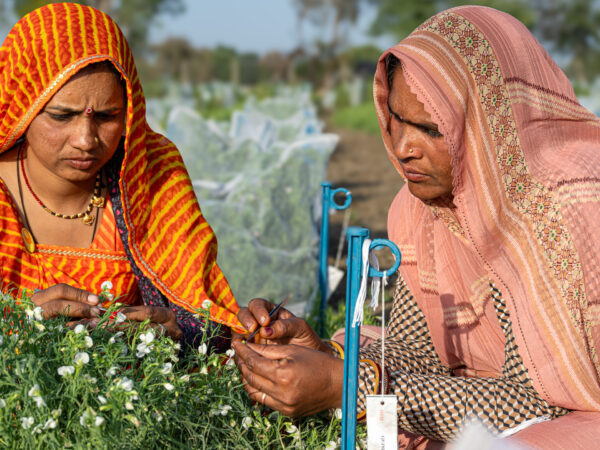
THE STIGMA OF GRASSPEA
The ancient Greeks, notably Hippocrates, were pretty wary of grasspea… -
7 March 2024
-
5 March 2024
-
1 March 2024
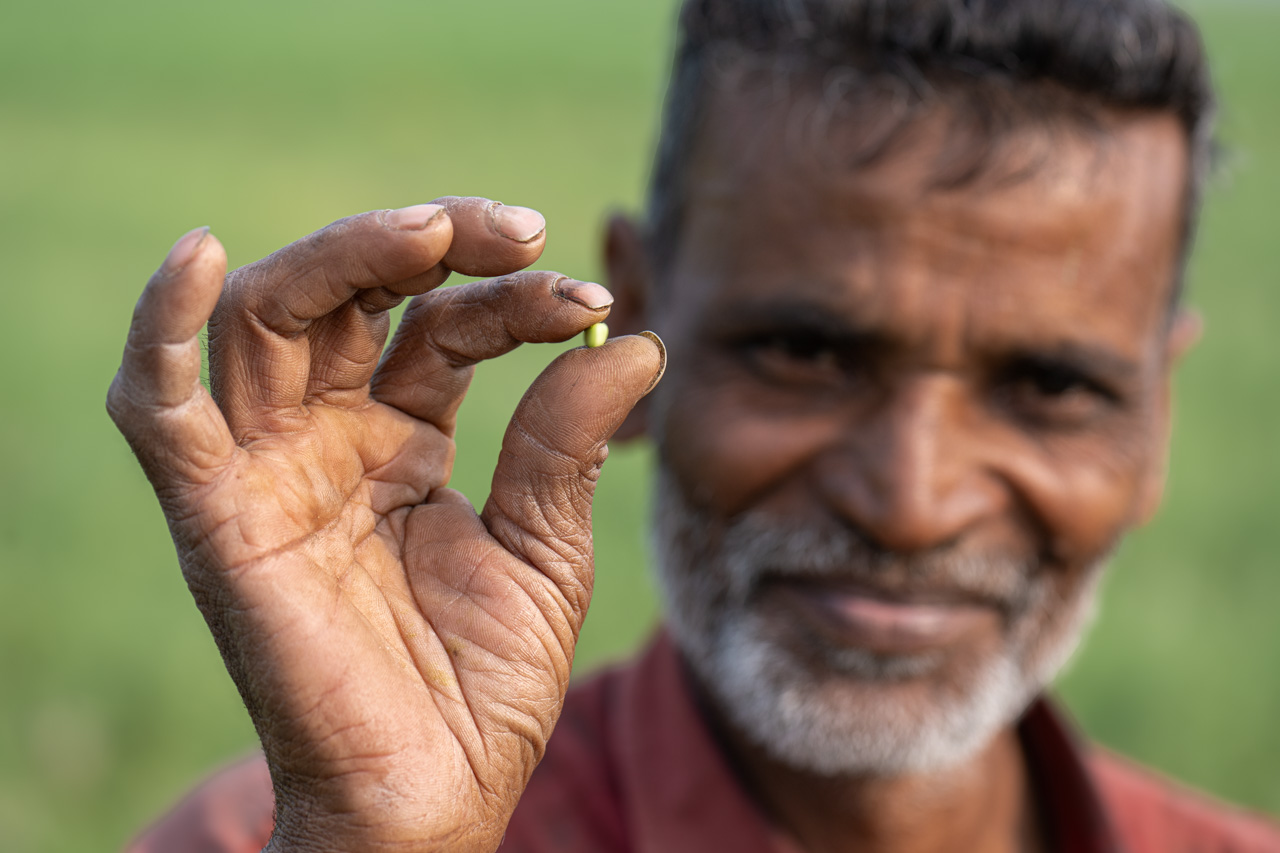
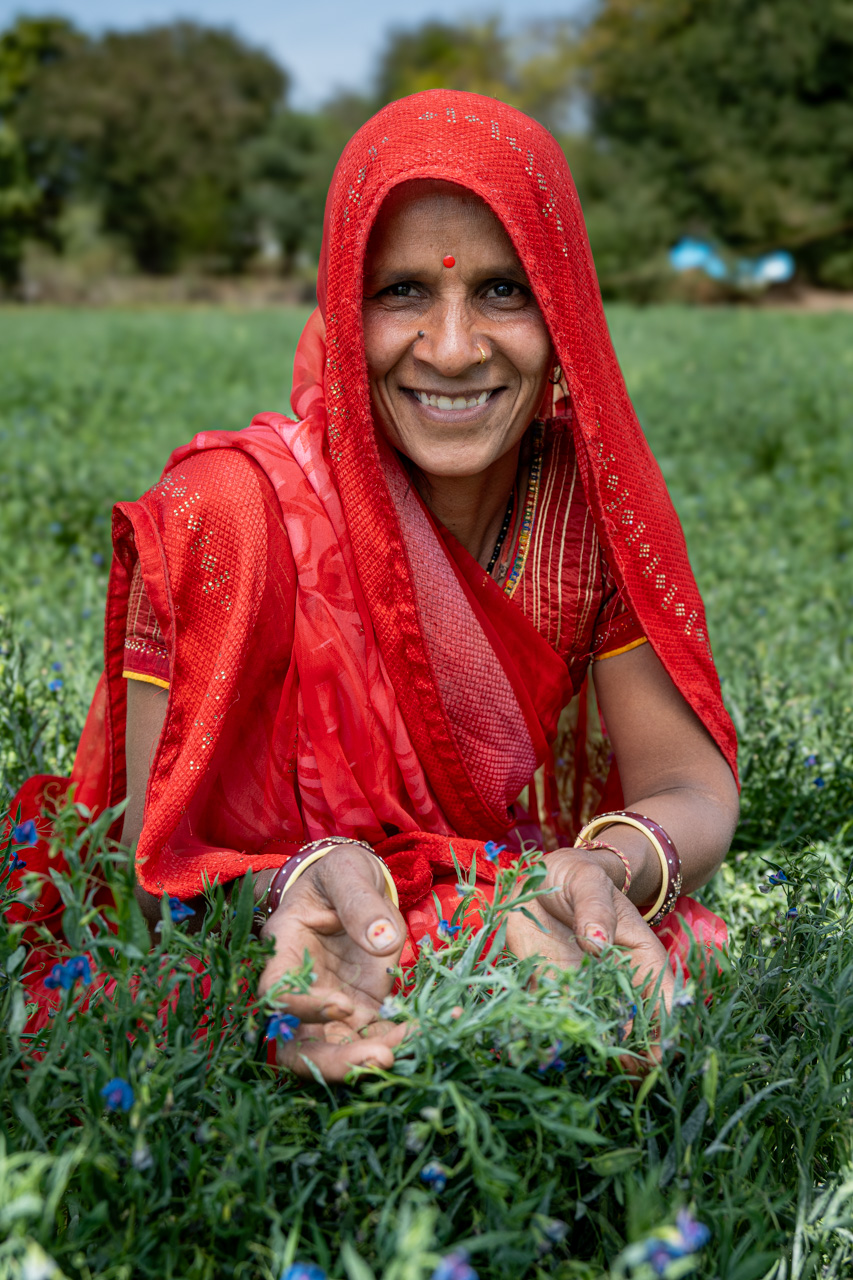
GRASSPEA IS A GRACIOUS GIFT OF GOD GLOBALLY (5G)
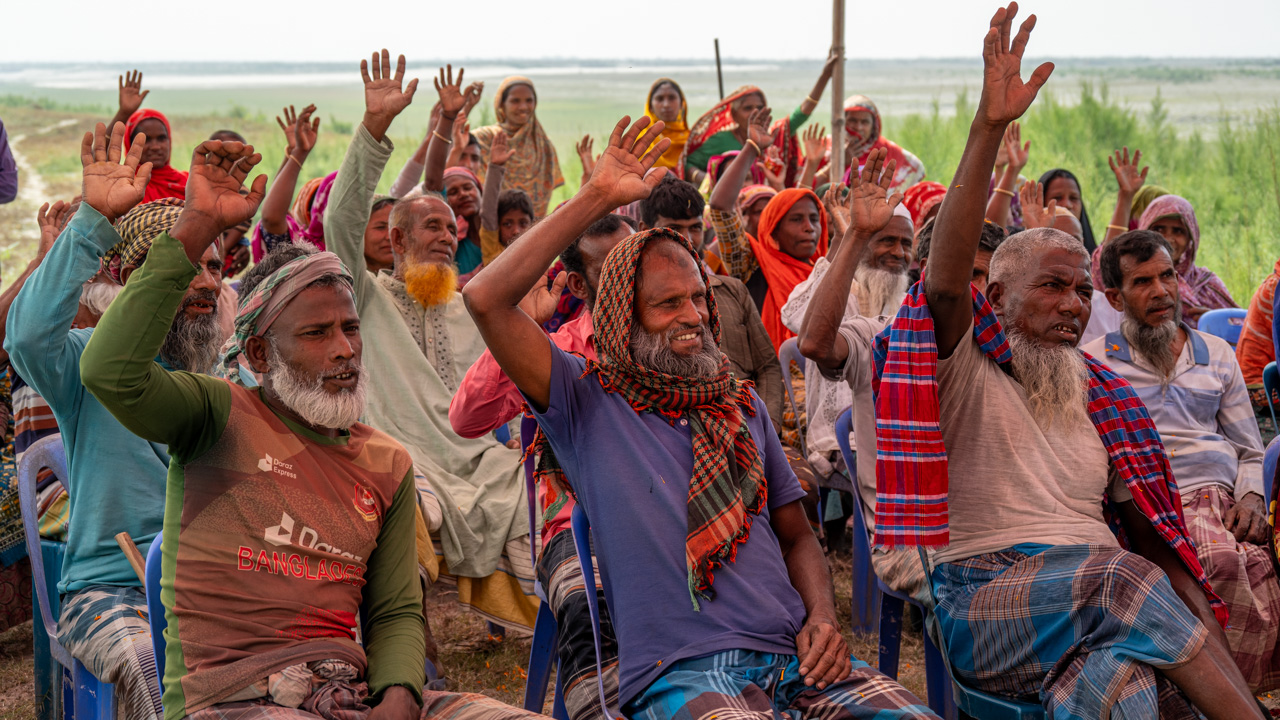
As I stood in the middle of a 28-acre community… -
27 February 2024
-
24 February 2024
-
4 February 2024
PRESERVING MALAN IN CENTRAL KALIMANTAN
Papa Dewi told me about his way of ‘malan’. That… -
27 January 2024
-
25 January 2024
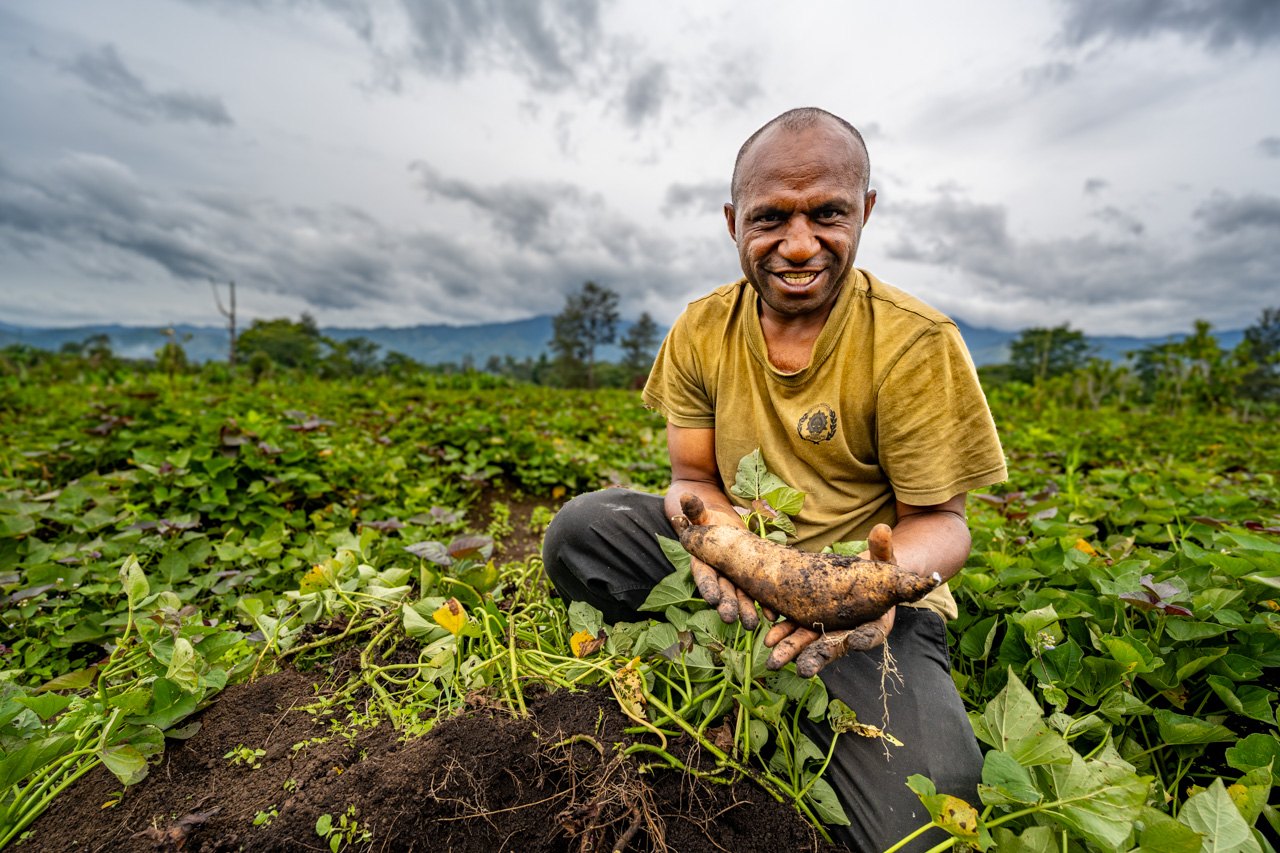
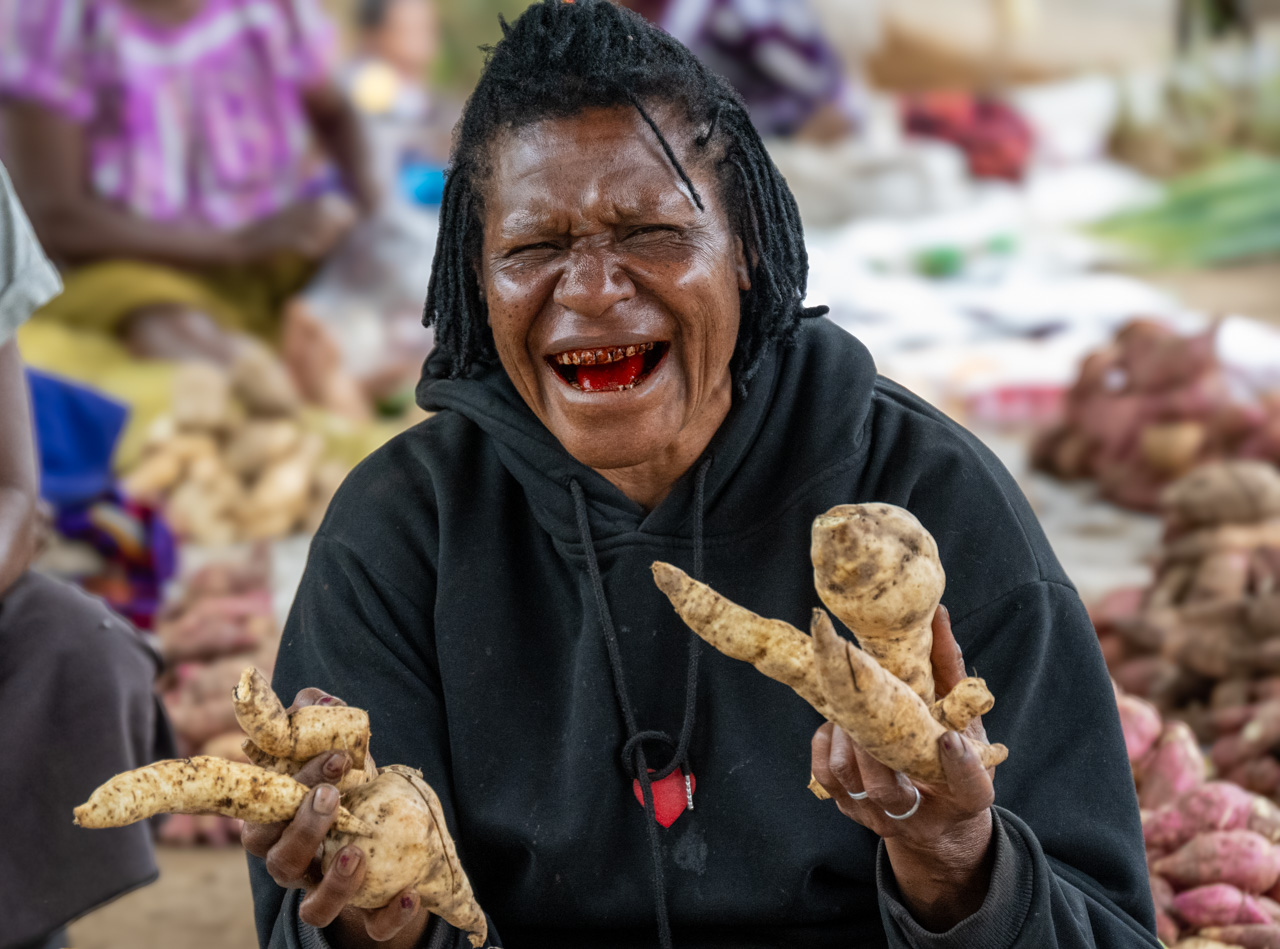
I DON’T CARE SWEETPOTATOES
There’s a sweetpotato in Papua New Guinea called ‘gimane’. But… -
1 January 2024
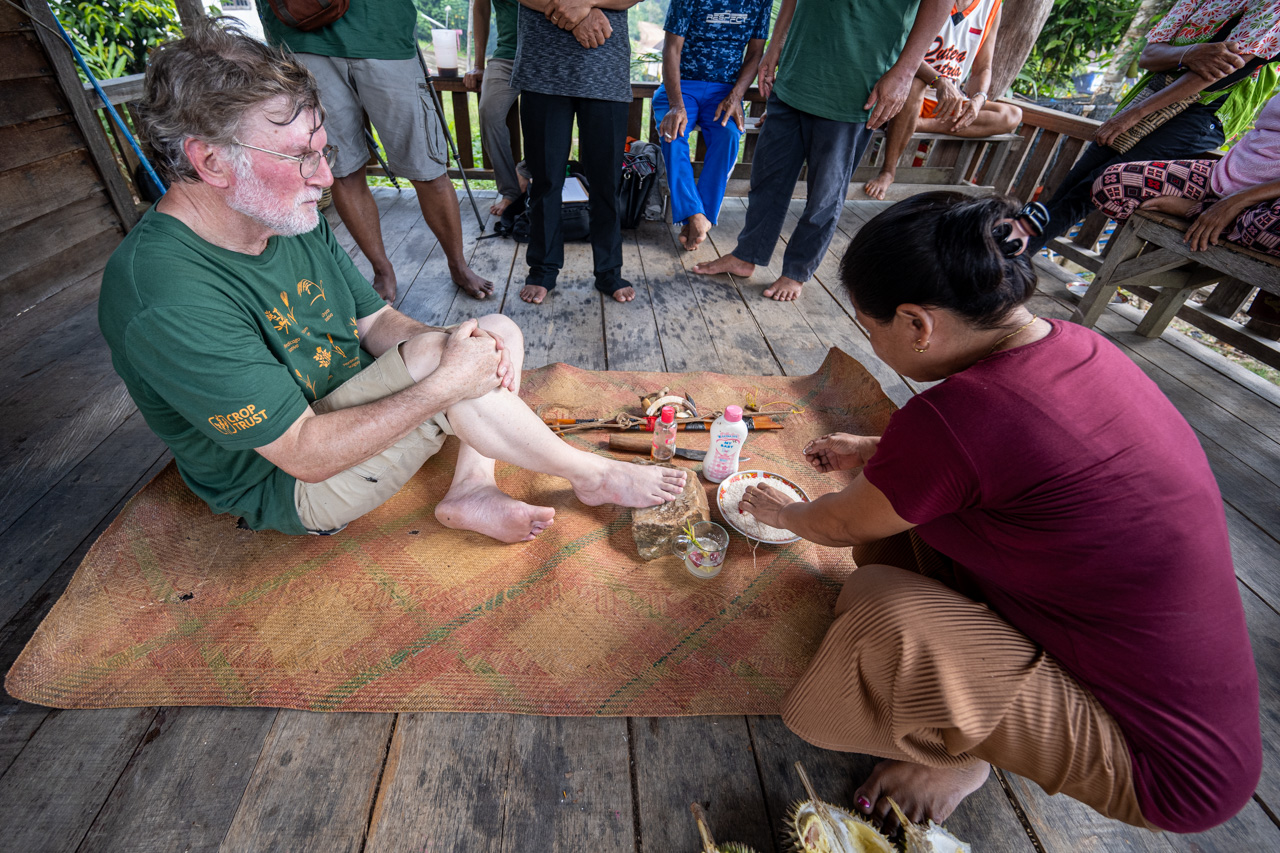
A DAYAK WELCOME IN BORNEO
The inter-tribal warfare amongst the Dayak people of Borneo in… -
1 August 2023
-
6 November 2022

A DAY IN THE RICE PADDIES OF CAO PHONG
Timing is so important in photography. And I seem to… -
30 October 2022

A TWILIGHT STROLL THROUGH HANOI’S OLD QUARTER
I came to Vietnam as part of a Crop Trust-supported… -
5 October 2022
-
13 December 2019
-
11 December 2019
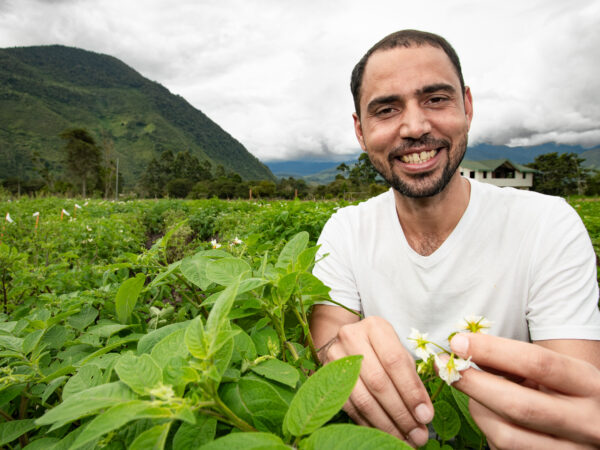
POTATOES FOR A CHANGING CLIMATE
Climate change is reducing potato yields due to drought, heat,… -
1 May 2019
-
7 June 2018
-
6 June 2018
-
6 June 2018
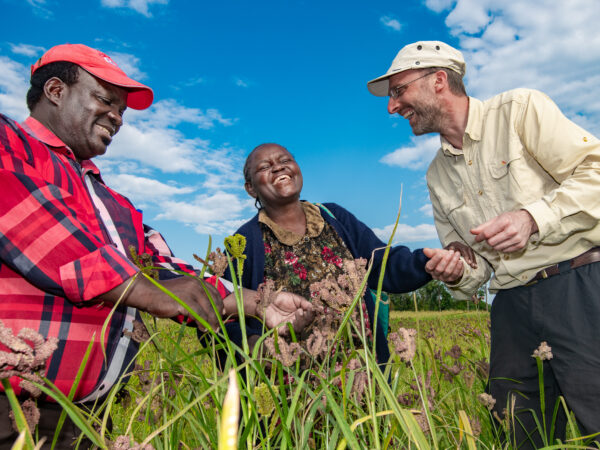
JOY IN THE FINGER MILLET FIELD
Margaret, a progressive farmer in Kakamega County of western Kenya,… -
6 June 2018
-
5 June 2018
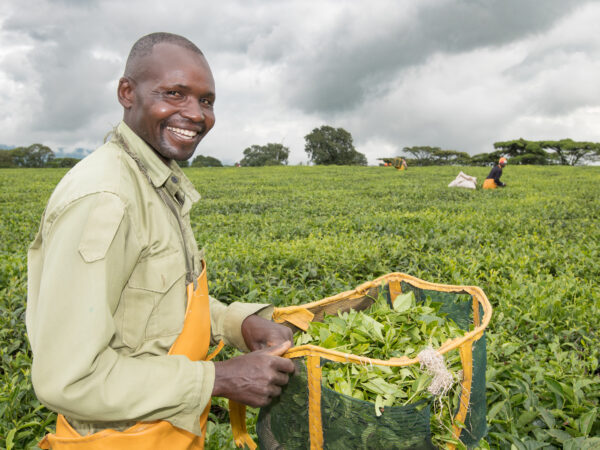
JONAH, THE KENYAN TEA PLUCKER
It’s an all-day journey from Nairobi to Kisimu, where my… -
5 June 2018
-
16 May 2018
-
16 May 2018
REPLENISHING THE SEED OF THE FERTILE CRESCENT
Ahmed Amri stood in the middle of a checkerboard-patterned field…. -
15 May 2018
-
11 December 2017

MARUTI THE PIGEONPEA SAVIOUR
In the early 1980s, the Indian state of Karnataka was…
-
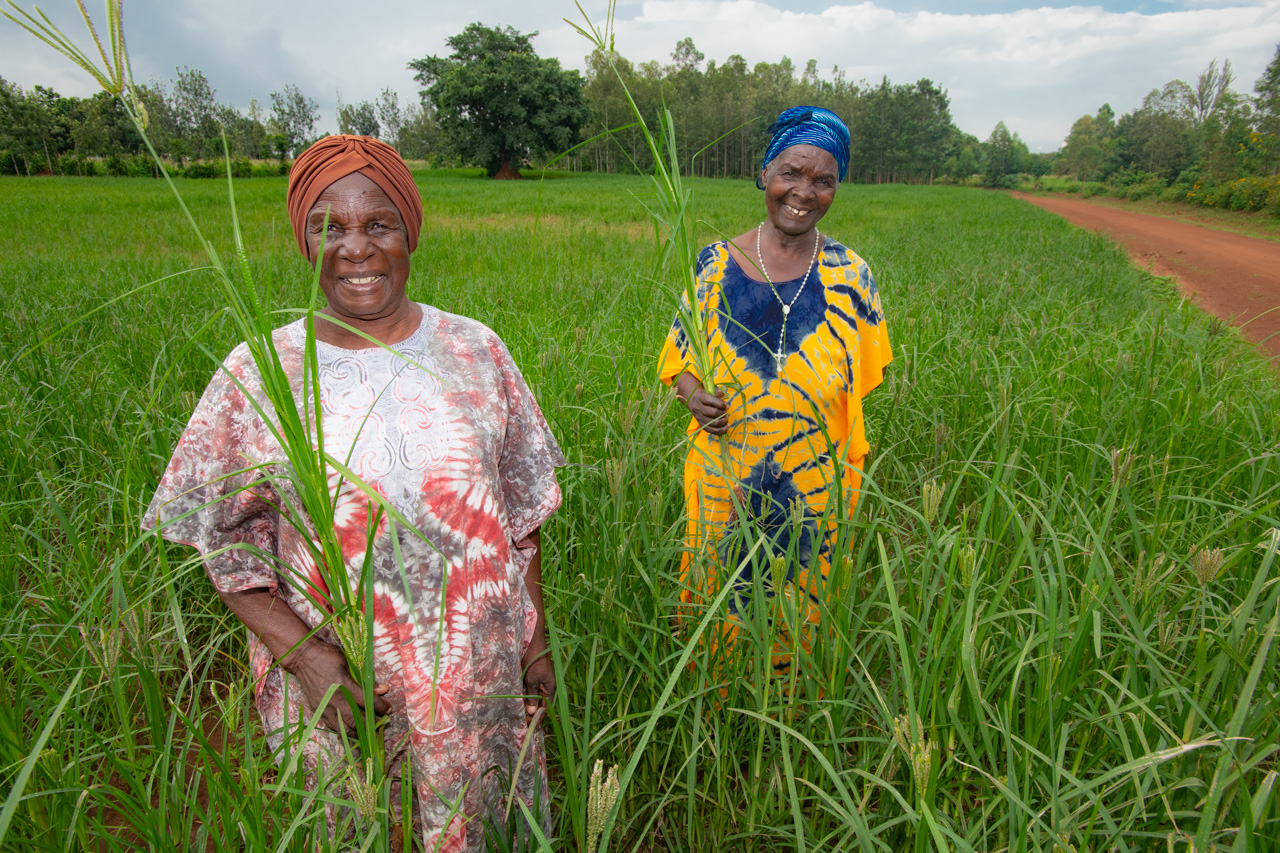
A TALE OF TWO MARYS
Once upon a time a man married two Marys, which is something you can do in Kenya. The man passed away but his two wives, the Marys, lived on and prospered while growing finger millet. Finger millet is a traditional crop of Eastern Africa and once grew abundantly in the Western Kenya near the town of Kakamega. But in the 1990s farmers replaced it with maize. That was a pity as finger millet is incredibly nutritious, grows really well in these parts and can command about twice the price at market…
-
JOY IN THE FINGER MILLET FIELD
Margaret, a progressive farmer in Kakamega County of western Kenya, suffers from diabetes. So she planted finger millet at a time when all of her neighbours planted maize. She likes the finger millet because it is high in nutritional content, is gluten free, and has a low GI. Magaret has been growing finger millet for more than a decade and reports that her diabetes is under control and she and her family are healthy thanks to regular consumption of finger millet. My colleague, Benjamin Kilian, and our finger millet pre-breeding partner,…

-
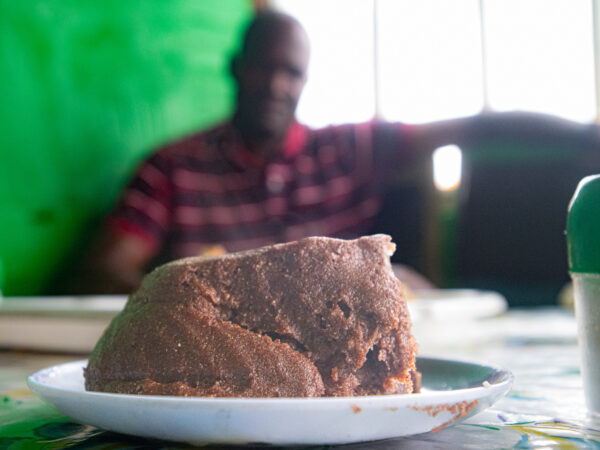
UGALI AKA WIMBI
My colleague, Benjamin, and I travelled to Kenya to learn about finger millet and check up on some projects the Crop Trust is supporting. Neither of us had ever eaten finger millet so our hosts made sure we’d change that. Our hosts brought us to a small village called Ekero in Kakamega County which was supposedly famous for its barbecued goat. They ordered some goat and chicken as well as finger millet ugali. Ugali is a very stiff porridge which can be made of maize, sorghum or finger millet. You eat…

-
JONAH, THE KENYAN TEA PLUCKER
It’s an all-day journey from Nairobi to Kisimu, where my colleague, Benjamin Kilian, and I will look at some finger millet pre-breeding projects. Halfway into the journey we climbed to 2400 metres on the western side of the Riff Valley and entered prime Kenyan tea country. We stretched our legs and met Jonah, a tea plucker on a massive plantation owned by Unilever. Jonah picks only the light green recent growth leaves. With all the rain the plantation has received, he’ll be back in a couple of months to pick again…

-
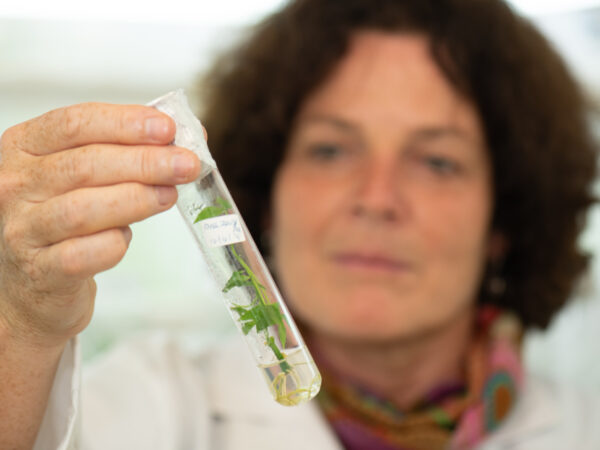
MORAG, THE QUEEN OF CASSAVA
The last time I saw Morag Ferguson I was shoving hummus into my mouth and washing it down with arak. It’s been 25 years since Morag and I worked in Syria. The times have changed, but not Morag. I caught up with Morag at her home for the past 15 years – Nairobi, Kenya. Morag now works for the International Institute of Tropical Agriculture and she’s doing some mighty fascinating work with cassava. Morag took my Crop Trust colleague, Benjamin Kilian, and me, out to her second home at KEPHIS, which…

-
BACK AT ICARDA
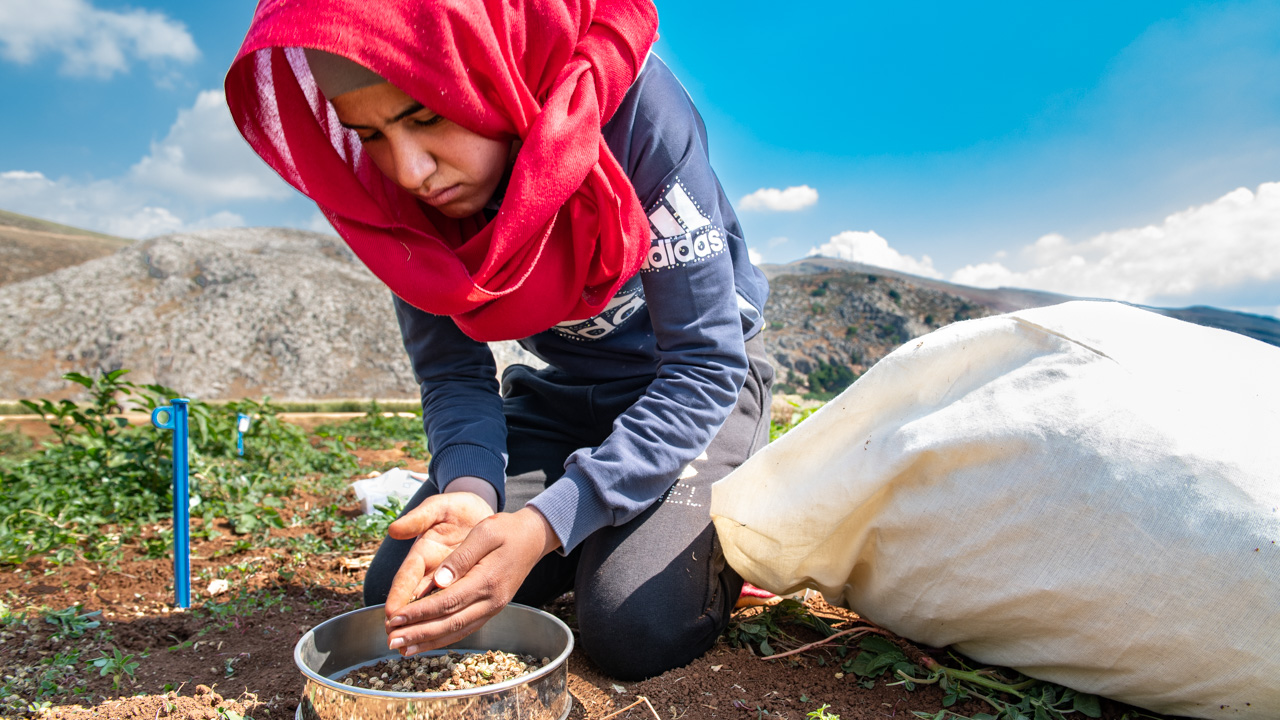
It’s taken me 25 years, but I’ve finally returned to the International Center for Agricultural Research in the Dry Areas, the organisation I once worked for. This time it wasn’t in Syria but the Beqaa Valley of Lebanon … but Syria was just a few kilometres away beyond the mountains in this photo. The location has changed but not the work. ICARDA is doing some amazing work in regenerating seeds from crops native to the Fertile Crescent. For me, it felt like old times when I lay down in the soil…
-
REPLENISHING THE SEED OF THE FERTILE CRESCENT
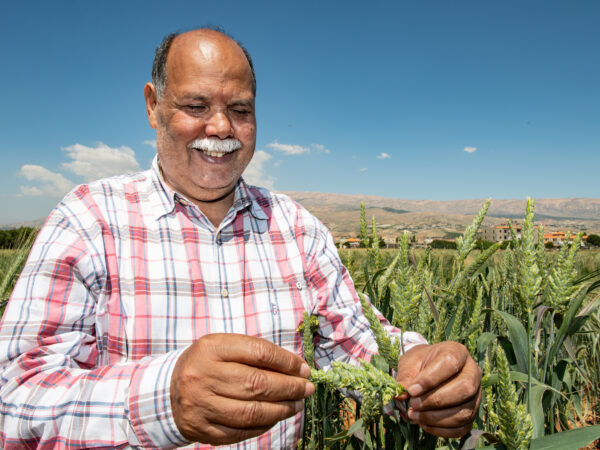
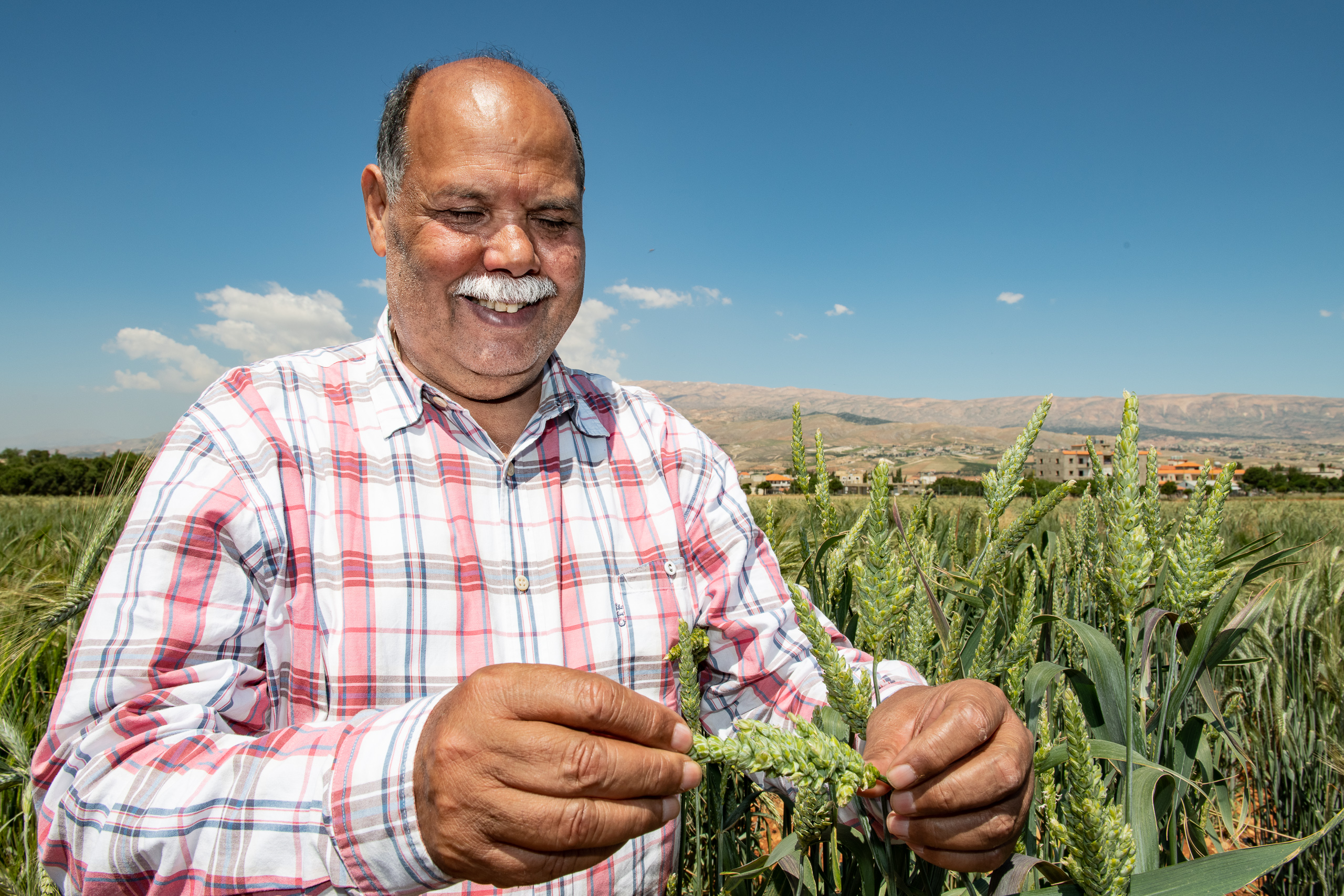
Ahmed Amri stood in the middle of a checkerboard-patterned field. “This field sums up the diversity of wheat in the Fertile Crescent,” said Ahmed. “All the plots are wild wheat, but each one is slightly different, and any one of these could possess a beneficial trait which could help crop breeders develop wheat varieties more resilient to climate change.” Ahmed, the head of the Genetic Resources Section of the International Center for Agricultural Research in the Dry Areas (ICARDA), was surveying seed regeneration plots in Lebanon’s Beqaa Valley, in the very…
-
FUN IN THE GENEBANK
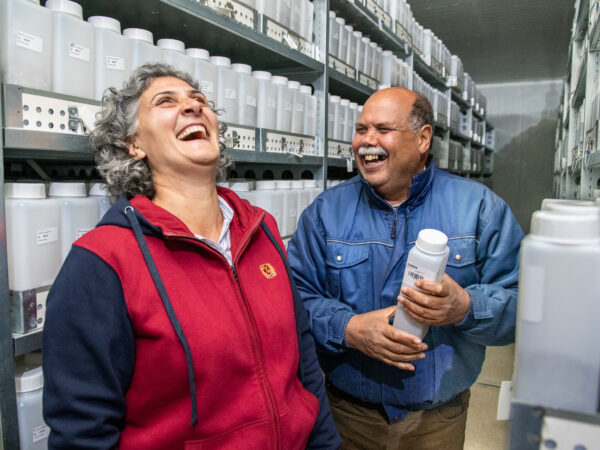
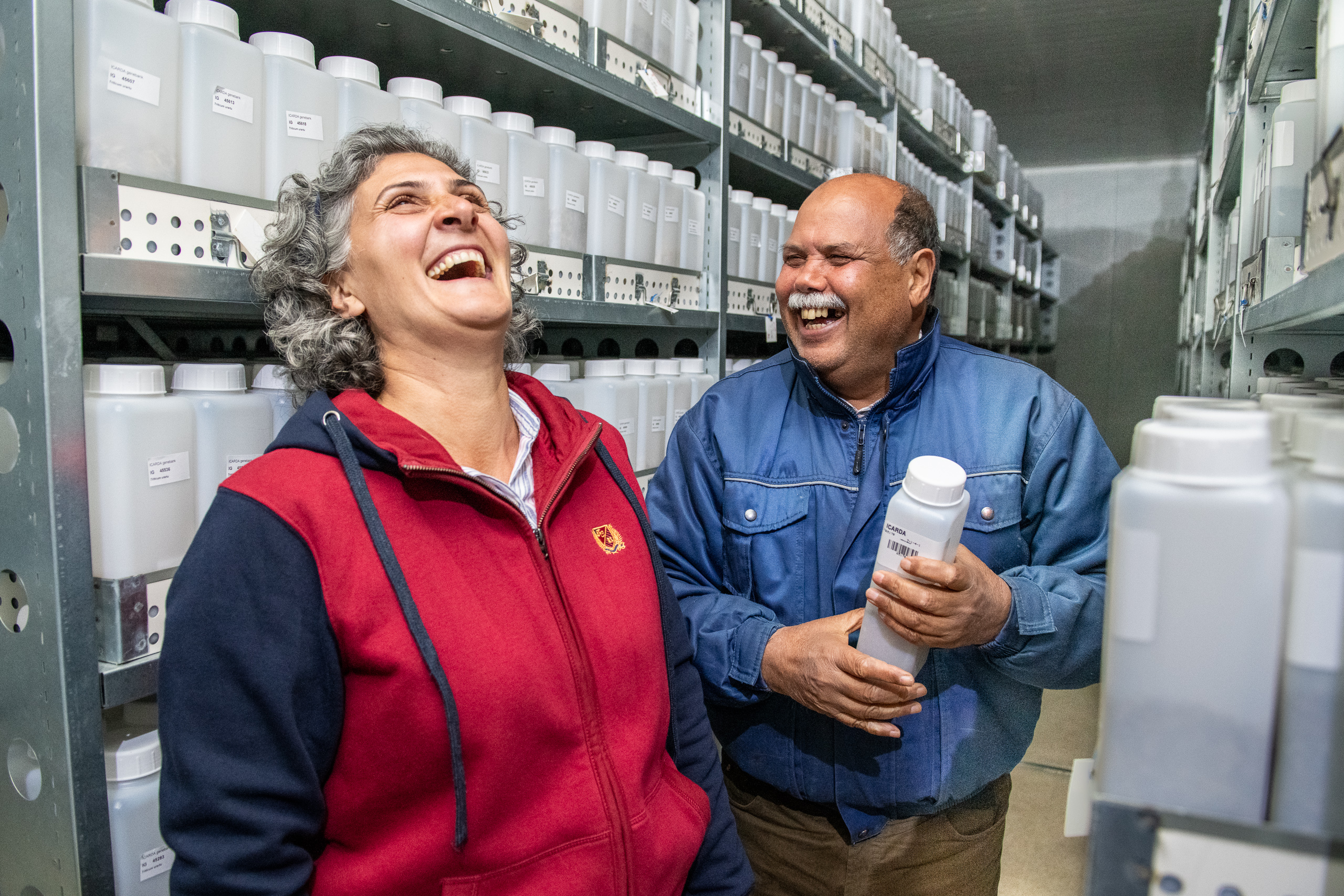
In the 48 hours I was at ICARDA’s Terbol station in Lebanon, I shot close to 1000 photos. This is my favourite and sums up the joy I felt in sharing time with ICARDA’s Genetic Resources team. As I started firing off shots of Ahmed Amri and Mariana Yazbek in the genebank’s active collection, I questioned why Ahmed was so serious. Earlier in the day he had told me ‘I am always smiling’. I must have caught him in a serious moment of reflection while studying the bar codes of the…
-
MARUTI THE PIGEONPEA SAVIOUR
In the early 1980s, the Indian state of Karnataka was suffering. Its principle commercial crop, pigeonpea, was being devastated by wilt. Researchers discovered some pigeonpea seeds in the genebank of the International Crops Research Center for Semi-Arid Tropics which were resistant to wilt. The seeds were directly released from the genebank to pigeonpea specialists in Karnataka within a few years, the pigeonpea industry was restored and is thriving today. I wanted to see the long-lasting impact of this direct release so ICRISAT’s Head of Genebank, Dr Hari Upadhyaya, took my Crop…
If you see this after your page is loaded completely, leafletJS files are missing.