Category: BOLDER
-
21 June 2026

TARZAN NEVER MADE IT TO THIS JUNGLE. BUT I DID.
My earliest perception of a jungle came from the old… -
8 June 2026
-
31 May 2026
-
28 May 2026
DORA AND THE FIERCE VOLUNTEER
Some crops don’t wait to be planted. They arrive uninvited,… -
23 May 2026
-
19 May 2026
-
15 May 2026
DANCIN’ UNDER THE BAOBAB TREE
The baobab tree has a most significant importance to the… -
14 May 2026
-
11 May 2026
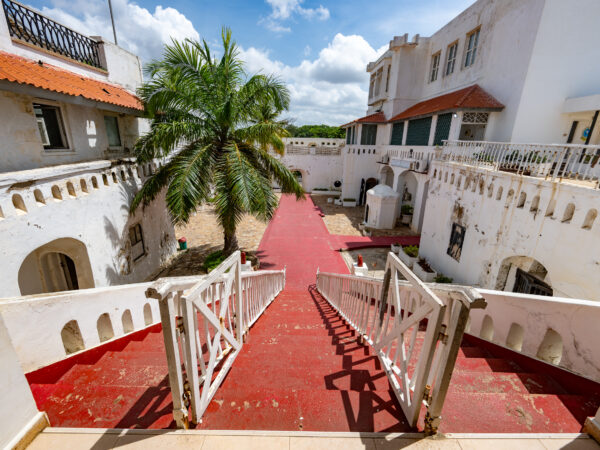
THE DOOR OF NO RETURN
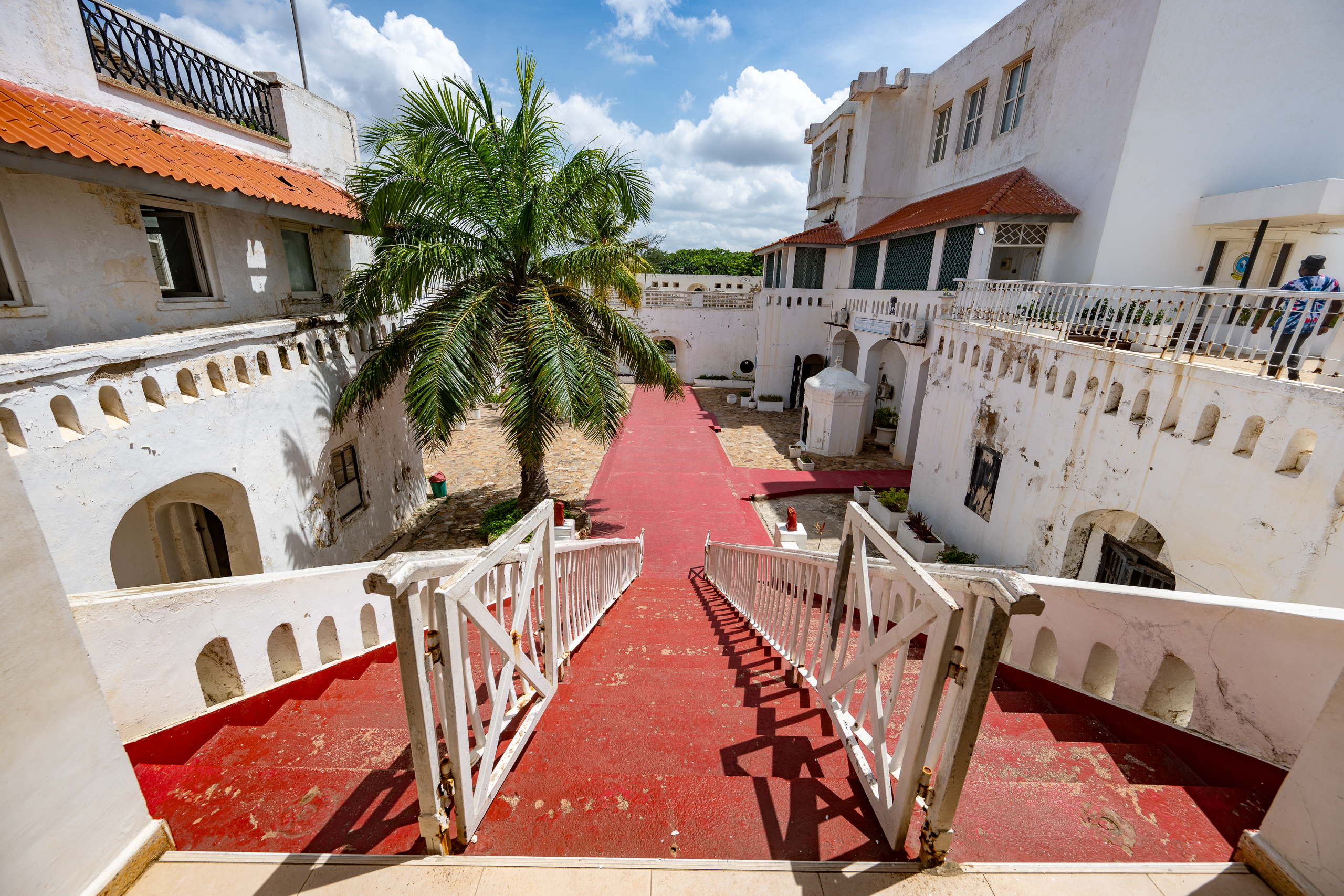
Today my colleague, Scott Christiansen, and I stood inside Osu…
Some of Africa’s most promising crops are ones most of the world has never heard of. Fonio. Bambara groundnut. Jute mallow. Turkey berry. They’re nutritious, they put up with drought and poor soils, but researchers, policymakers and markets have overlooked them.
The Crop Trust’s BOLDER project (Building Opportunities for Lesser-known Diversity in Edible Resources) set out to change that. Working with partners in Benin, Tanzania, Uganda and Ghana, BOLDER helps each country choose its priority opportunity crops and work out what it will take to get them from the field into more mouths.
Between October 2025 and May 2026, Scott Christiansen and I travelled to the four countries to document the value chains of those crops. We followed them from seed to bowl and heard the stories of the people along the way: farmers, researchers, processors, market vendors and the cooks who turned them into some of the finest meals I’ve eaten.
Scott and I go back to 1990. We were neighbours in Aleppo, Syria, while we worked at ICARDA, and we’ve been mates ever since. Across four countries we laughed a lot, ate too many things we couldn’t name, and now and then danced when we probably shouldn’t have.
-
TARZAN NEVER MADE IT TO THIS JUNGLE. BUT I DID.
My earliest perception of a jungle came from the old Tarzan movies – Johnny Weissmuller re-runs, then all the other bare-chested muscular guys who followed on the big screen and television. I gathered that jungles were full of swinging vines, chimps and elephants. I didn’t know at the time that those “jungles” were mostly Hollywood sets. So I found myself in genuinely unfamiliar territory when I explored my first real jungle – a tropical rainforest in Malaysia in 1978. The real jungle looked a whole lot more chaotic than the ones…

-
A BOWL THAT BROUGHT A SON BACK
The room in Naluwoli was full of women as we entered – babies on hips and laps, a lively chatter amongst mothers. My colleague Scott Christiansen and I were in Uganda to document the amaranth value chain research conducted by the World Vegetable Center with support from the Crop Trust’s BOLDER project. We wanted to document how to build markets and nutrition around lesser-known crops. This room was where the whole chain finally arrives. After a welcome song and dance, one woman rose. She has come, she says, because she wants…
-
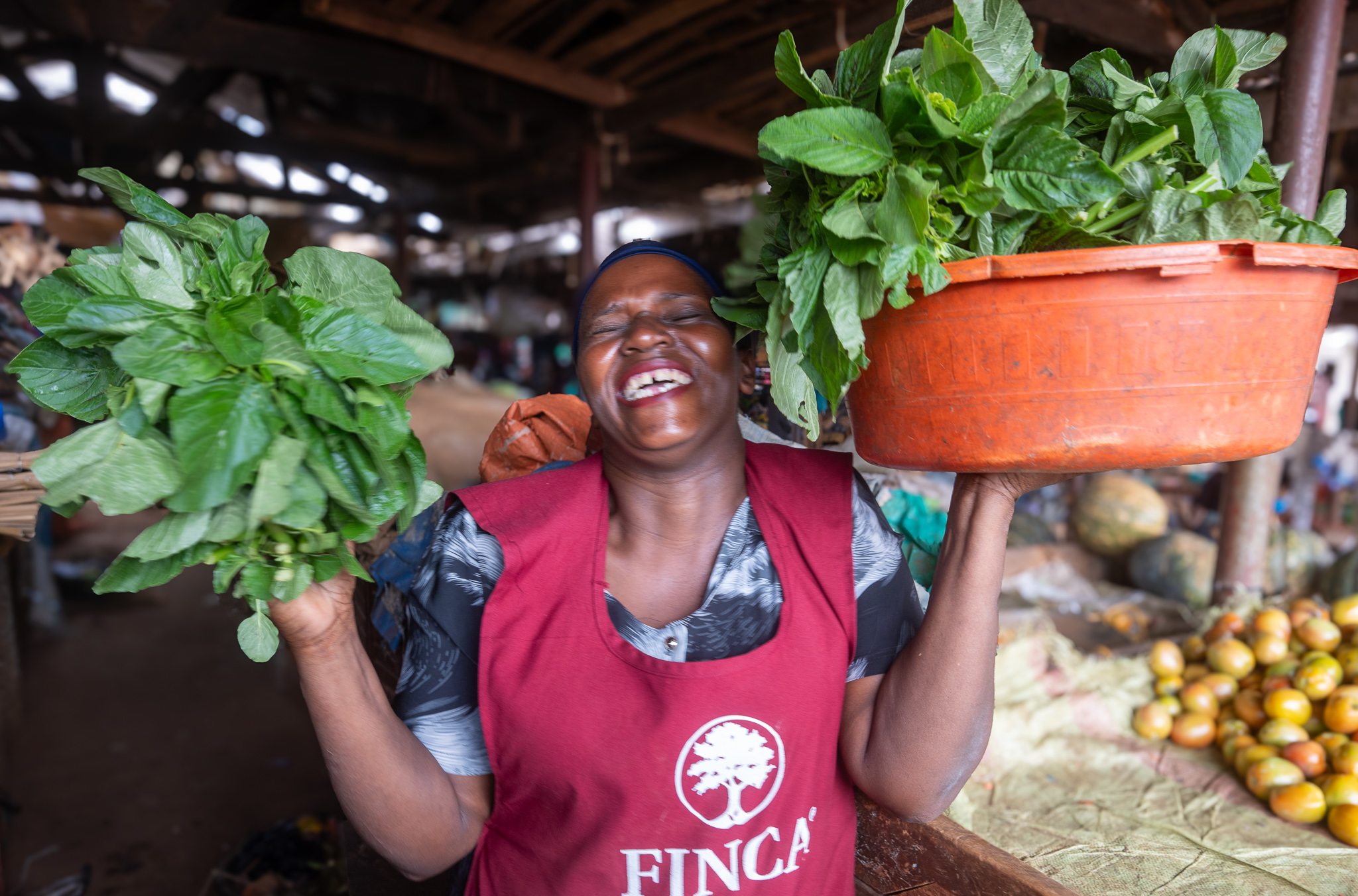
SEKAKO
While in Uganda, I repeatedly asked our host partner, Moses Owori, for the word ‘smile’ in Lusoga. ‘Sekako’, he told me. Over and over … I’d hear it but spit something different out of my mouth: ‘Sikayo’ … ‘Sickaku’ … ‘Sykuku’. A simple three syllables but I mangled it every time. I was hopeless. But the results were brilliant. My Ugandan subjects thought the way I butchered their language was hilarious. I’d get my nice smiles in the end. No one found more hilarity with my speech impediment than Annet in…
-
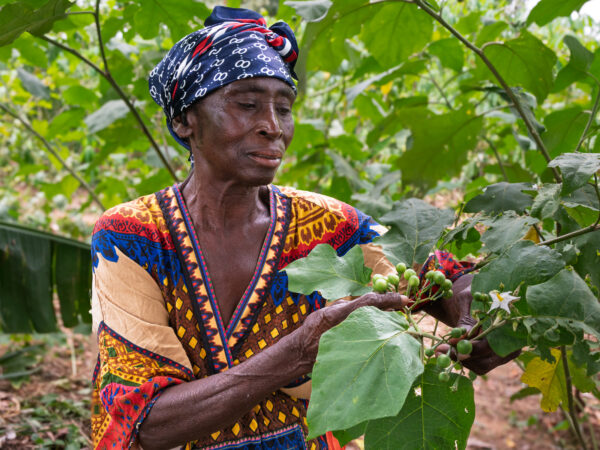
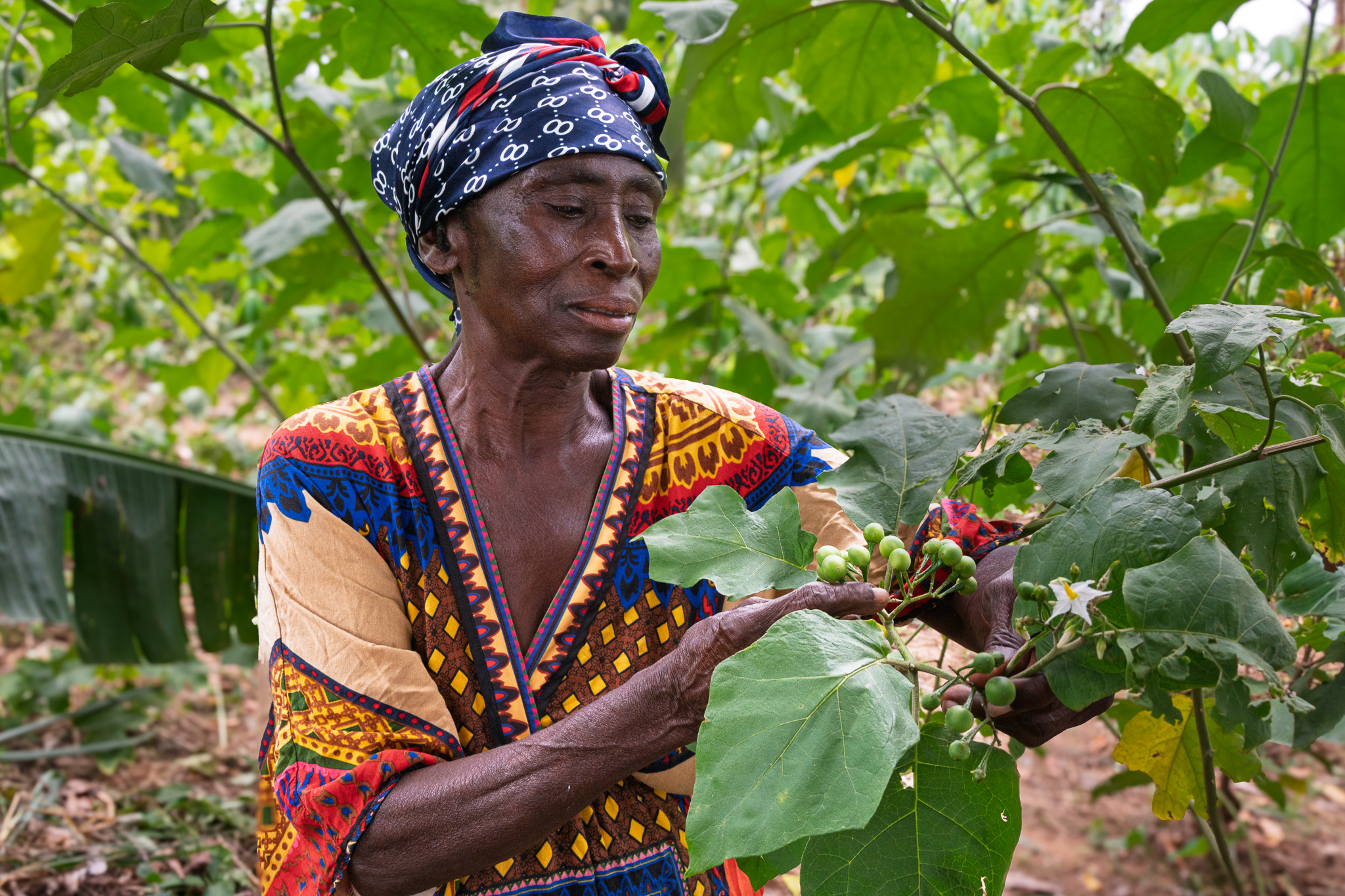
DORA AND THE FIERCE VOLUNTEER
Some crops don’t wait to be planted. They arrive uninvited, establish themselves in the gaps between everything else and dare you to ignore them. They just show up – fierce, thorny and needing nothing from anyone. Smart farmers don’t ignore them. They understand, perhaps better than anyone, that you can reap where you did not sow – if you pay attention. They watch, they learn to work with the plant and not against it, and then they build something from the volunteers. Dora Ansong Yeboah is one of those farmers. The…
-
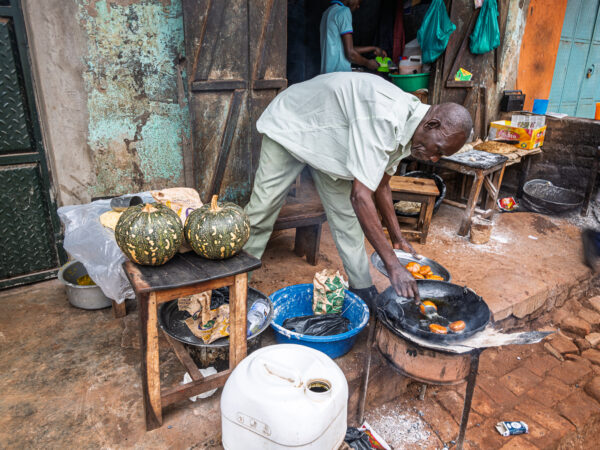
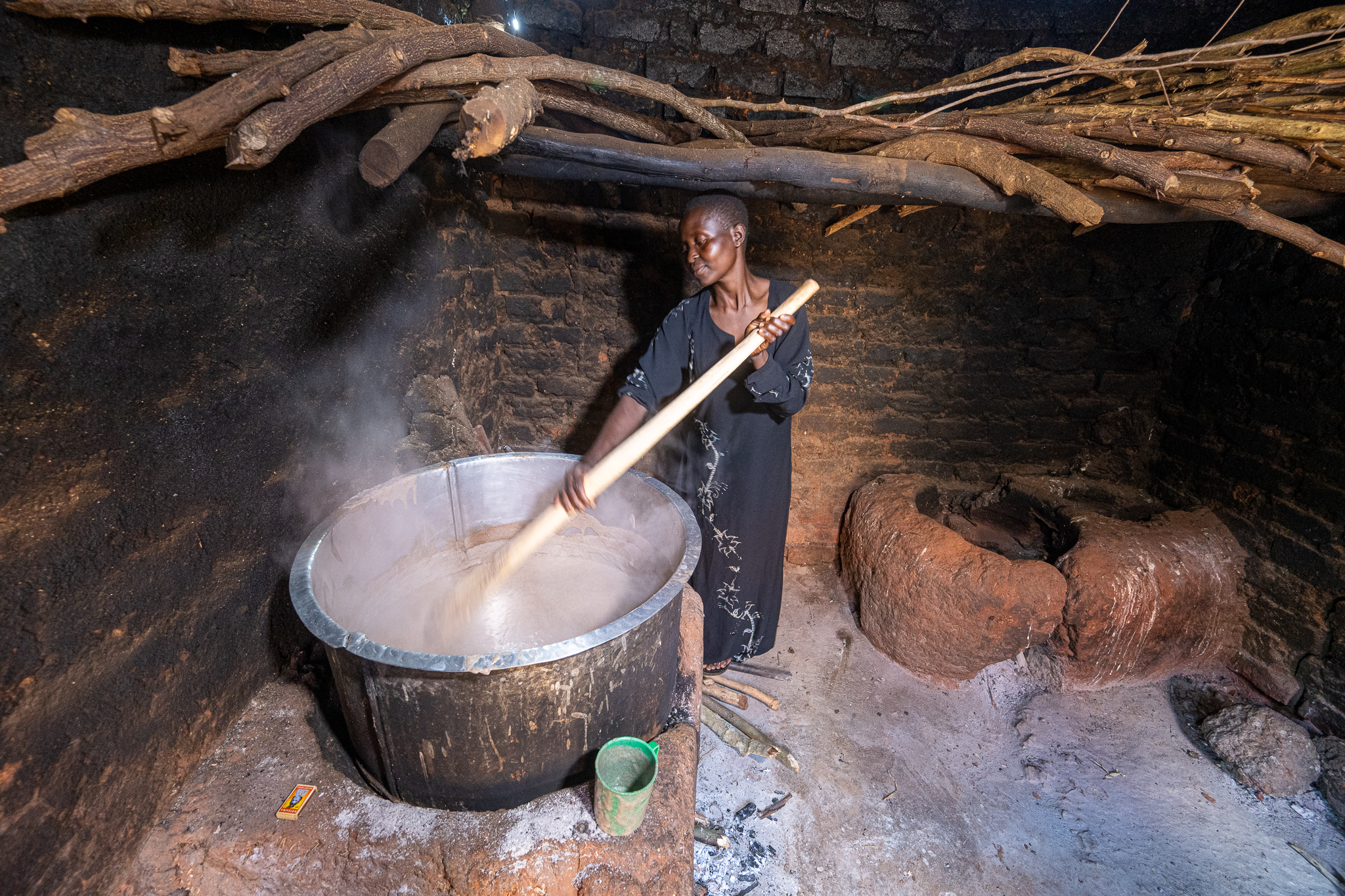
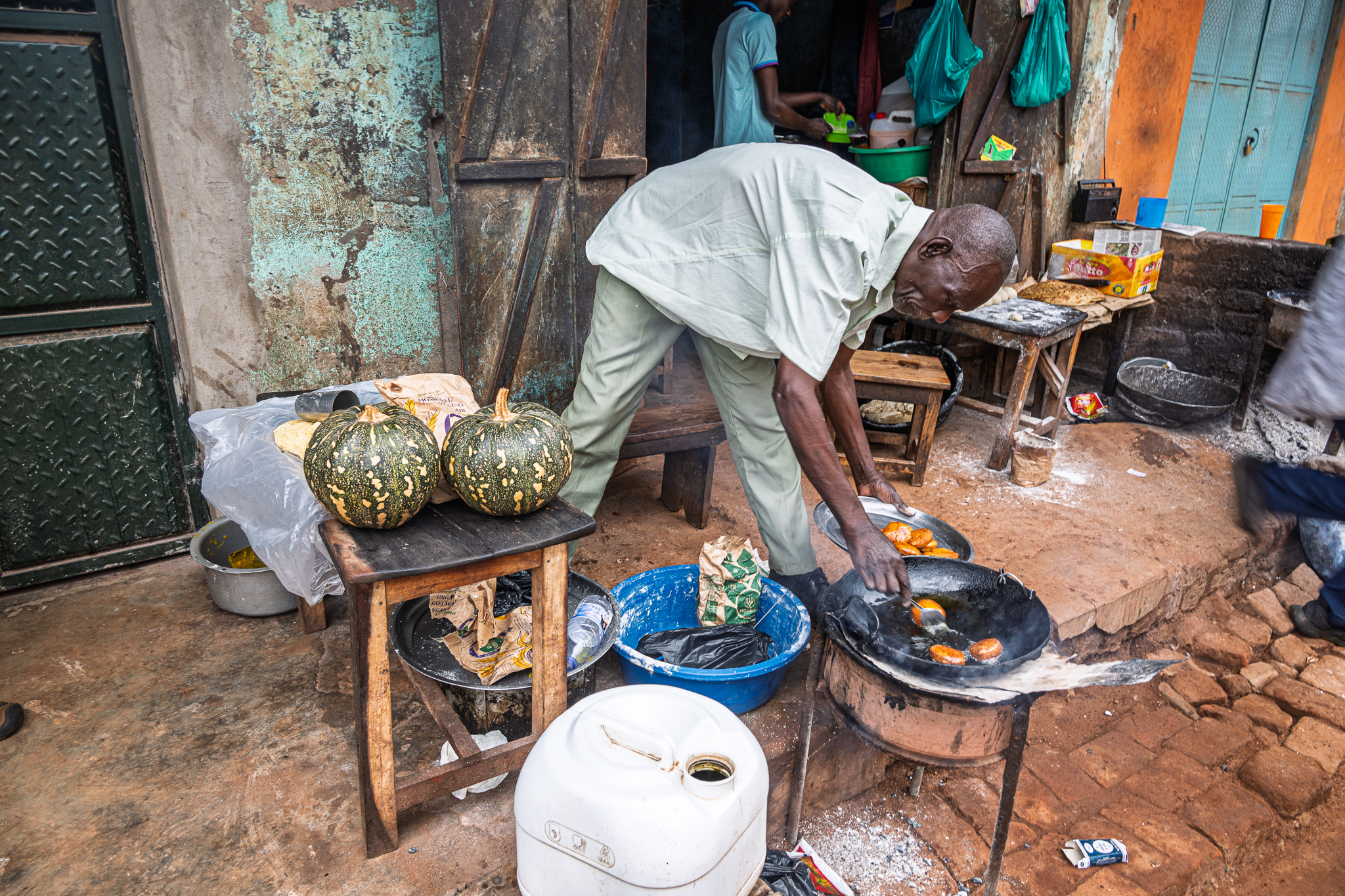
THE PUMPKIN PROCESSOR
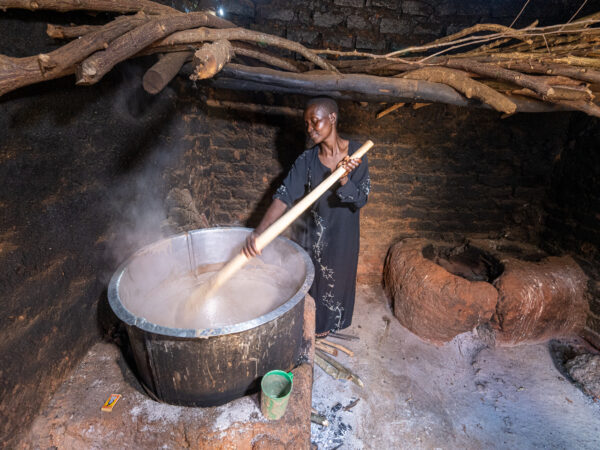
When our host and partner Moses Owori said our first of seven visits on the day would be with a “pumpkin processor,” I immediately began visualizing my photo opportunities. I saw workers in white coats and white clogs and hairnets checking stainless steel vats in a tidy factory. So when our Land Cruiser powered down on a narrow dirt road in the town of Balawoli in Uganda’s Kamuli District and Moses announced we had arrived, I was a bit bewildered. I didn’t see anything that looked like a food processing plant.…
-
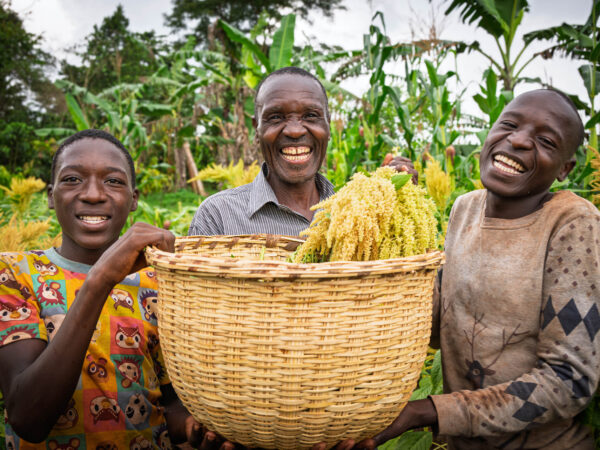
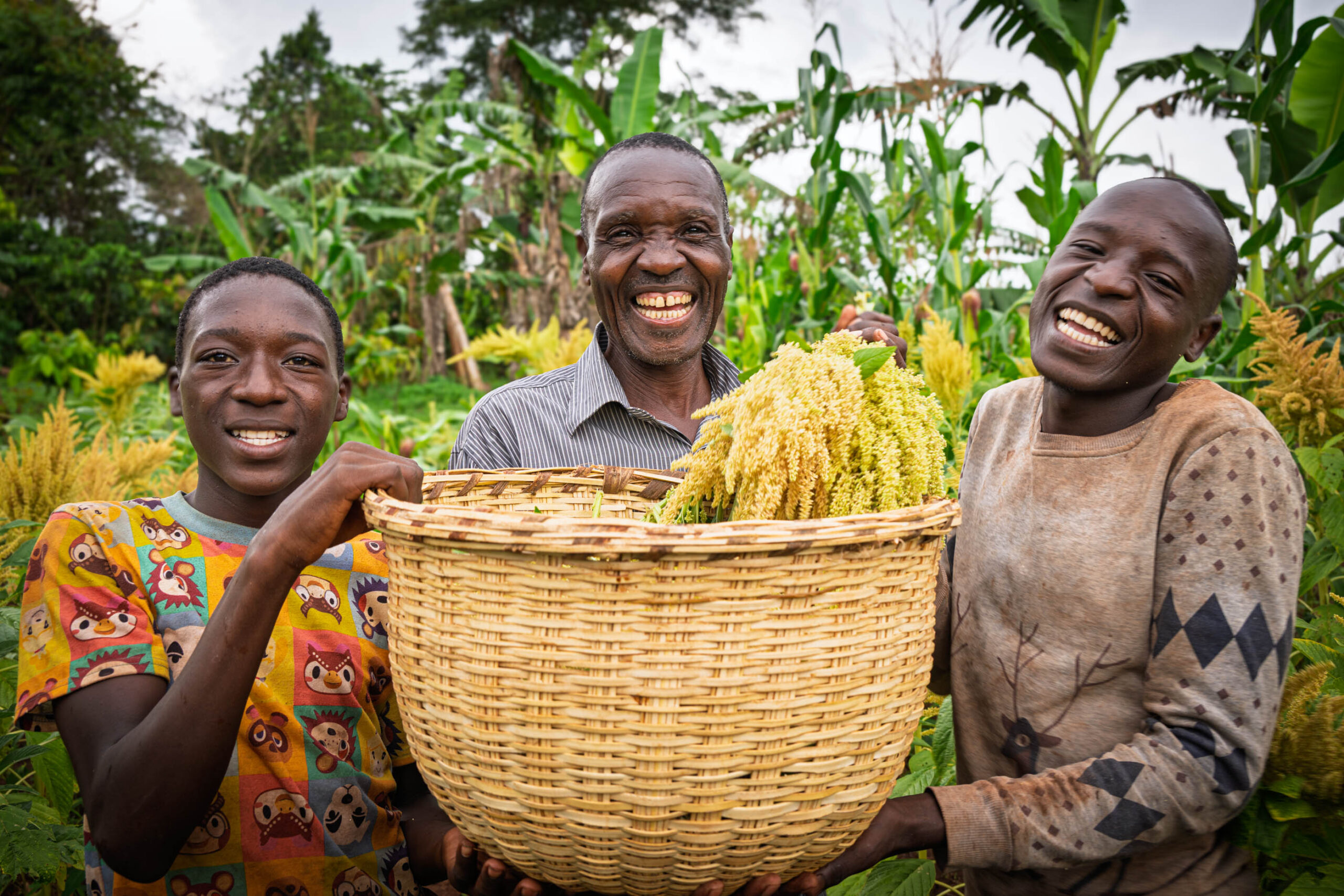
AMARANTH MAN
Down a muddy path in a smallholder farm near Kamuli in Uganda, past rows of cacao and towering maize, my colleague Scott Christiansen and I found Samuel Ngobi standing in a field that seemed to glow as storm clouds rolled in overhead. Samuel grows amaranth. And in these parts of Uganda it grows well. As the sky darkened and thunder rumbled in the distance, Samuel, along with his sons Steven and Emmanuel, moved quickly through the chest-high plants, harvesting armfuls of the brilliant yellow-green seed heads before the rains came. Back…
-
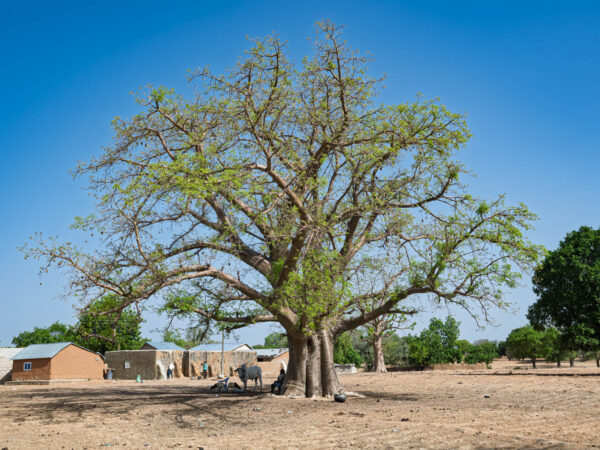
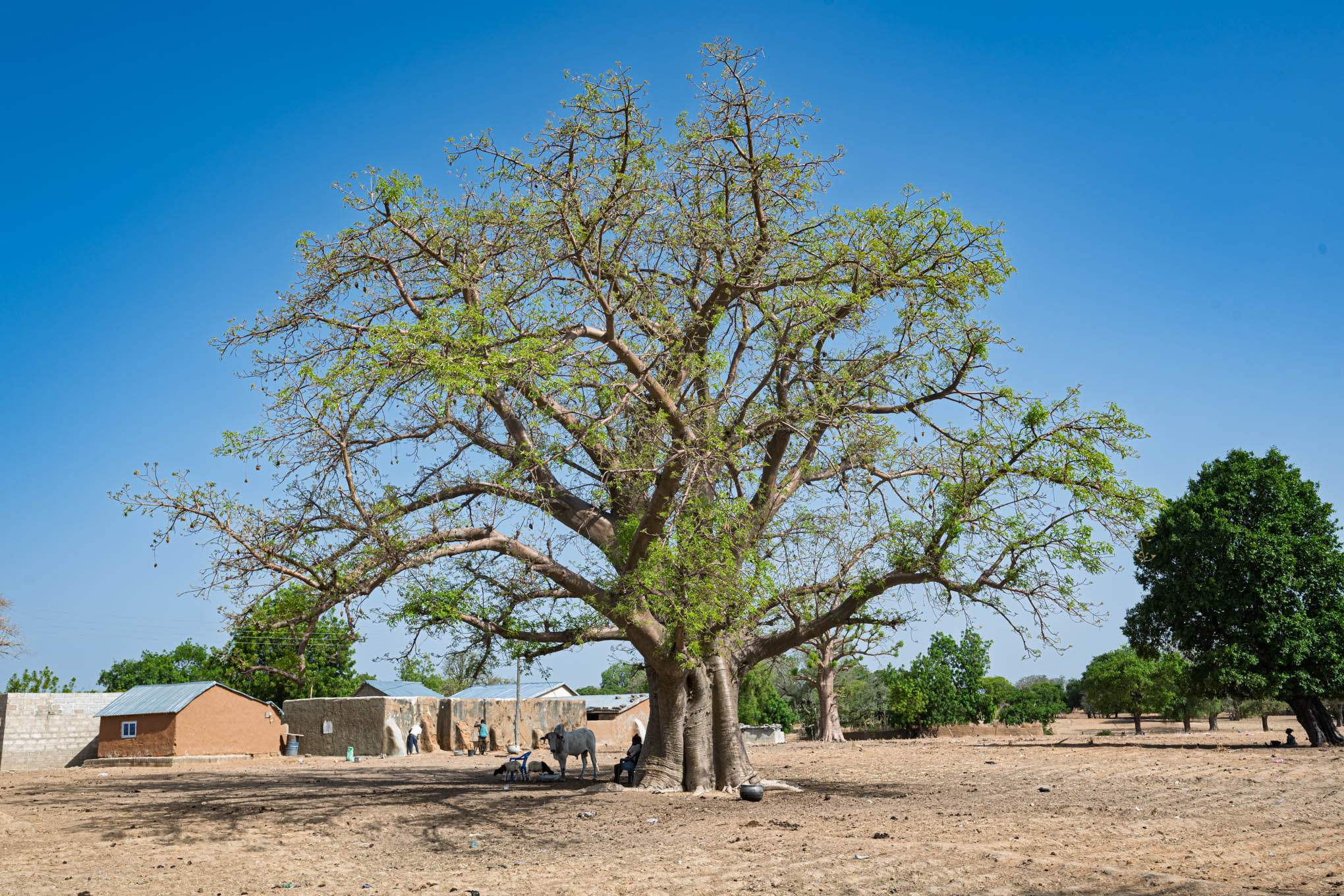
DANCIN’ UNDER THE BAOBAB TREE
The baobab tree has a most significant importance to the people of northern Ghana. The leaves and fruit provide an excellent source of nutrition while the bark has medicinal values. And it’s a magical tree venerated by the locals. My colleague, Scott Christiansen, travelled to the village of Punga, just a few klicks south of the border with Burkina Faso in northern Ghana, for the Crop Trust to learn how a women’s association uses the baobab tree to its fullest potential. We sat for several hours in the shade of an…
-
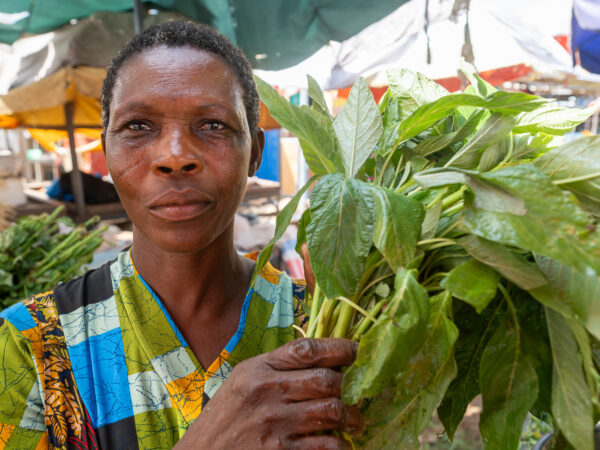
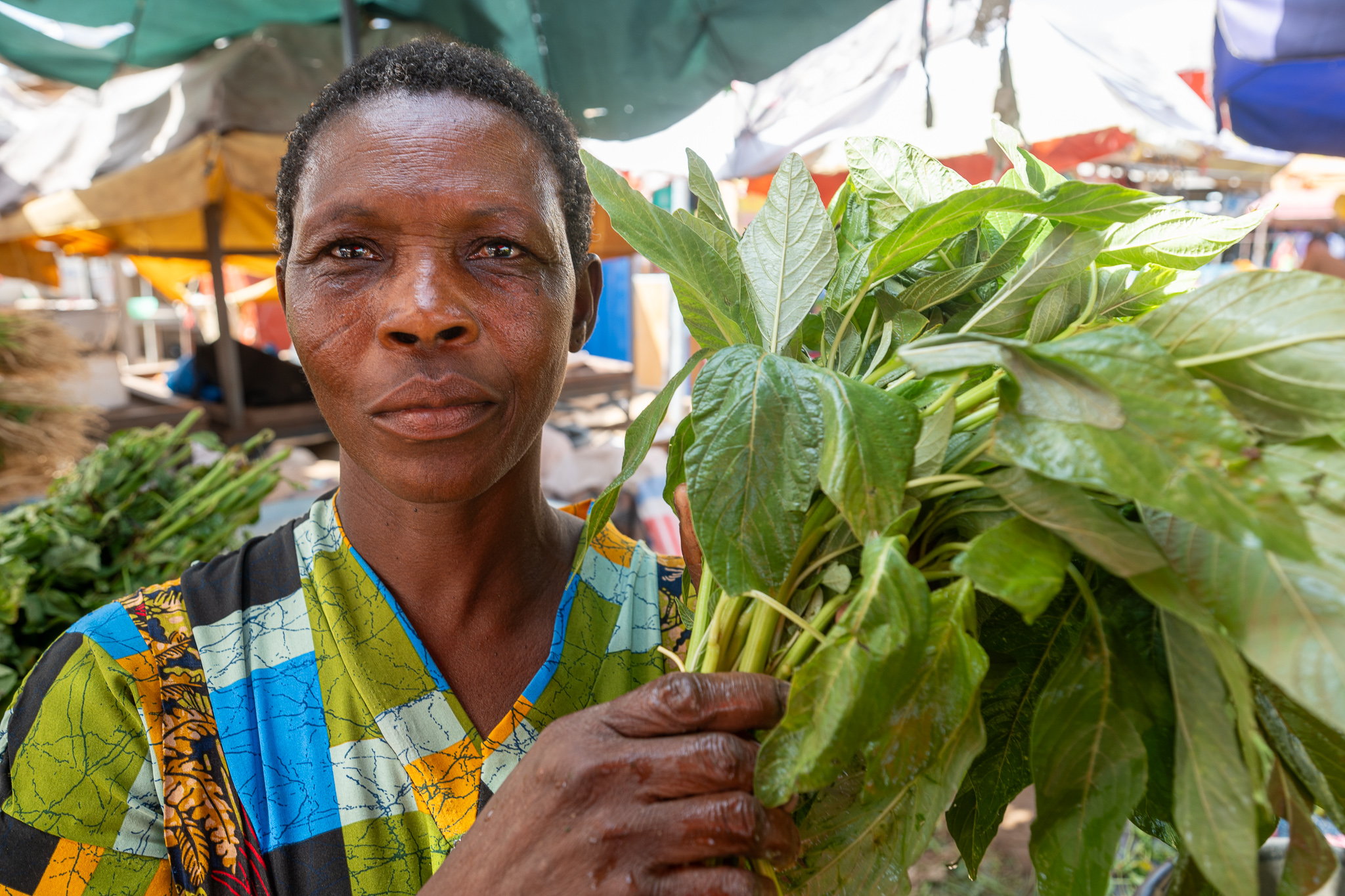
No Pedigree Required
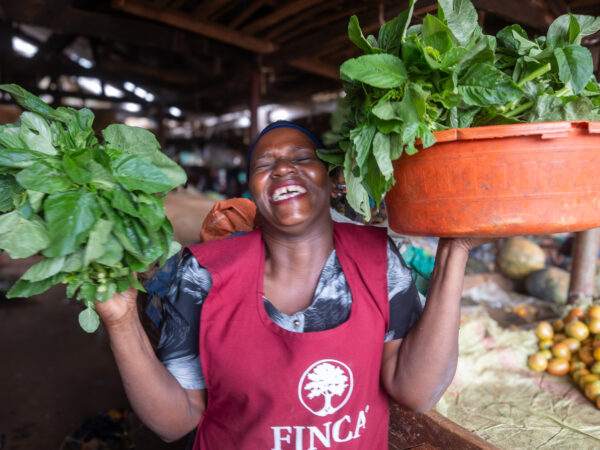
A leafy green with no name and no papers – until someone started writing it down. By late afternoon the thermometer in Bolgatanga was still above 40°C, and the market hadn’t slowed one bit. Sofia Azure sat in the shade of her stall, splitting big bundles of amaranth into smaller ones as fast as a card dealer. The leaves come in from villages up to 50 kilometres away and are gone by the end of the day. Her customers cook them with kenaf leaves into the soup that goes with tuo…
-
THE DOOR OF NO RETURN
Today my colleague, Scott Christiansen, and I stood inside Osu Castle in Accra – Christiansborg – built by the Danes in the 1660s on a rocky promontory above the Atlantic. It’s a beautiful building. But that is the first, uncomfortable truth. The second truth is darker. In the dungeons below its whitewashed walls, up to 60 men were crammed into a single airless room for months at a time. Women, 30 to a cell. No light. No sanitation. No dignity. They waited there – sometimes for six months – not knowing…
If you see this after your page is loaded completely, leafletJS files are missing.