
A leafy green with no name and no papers – until someone started writing it down.
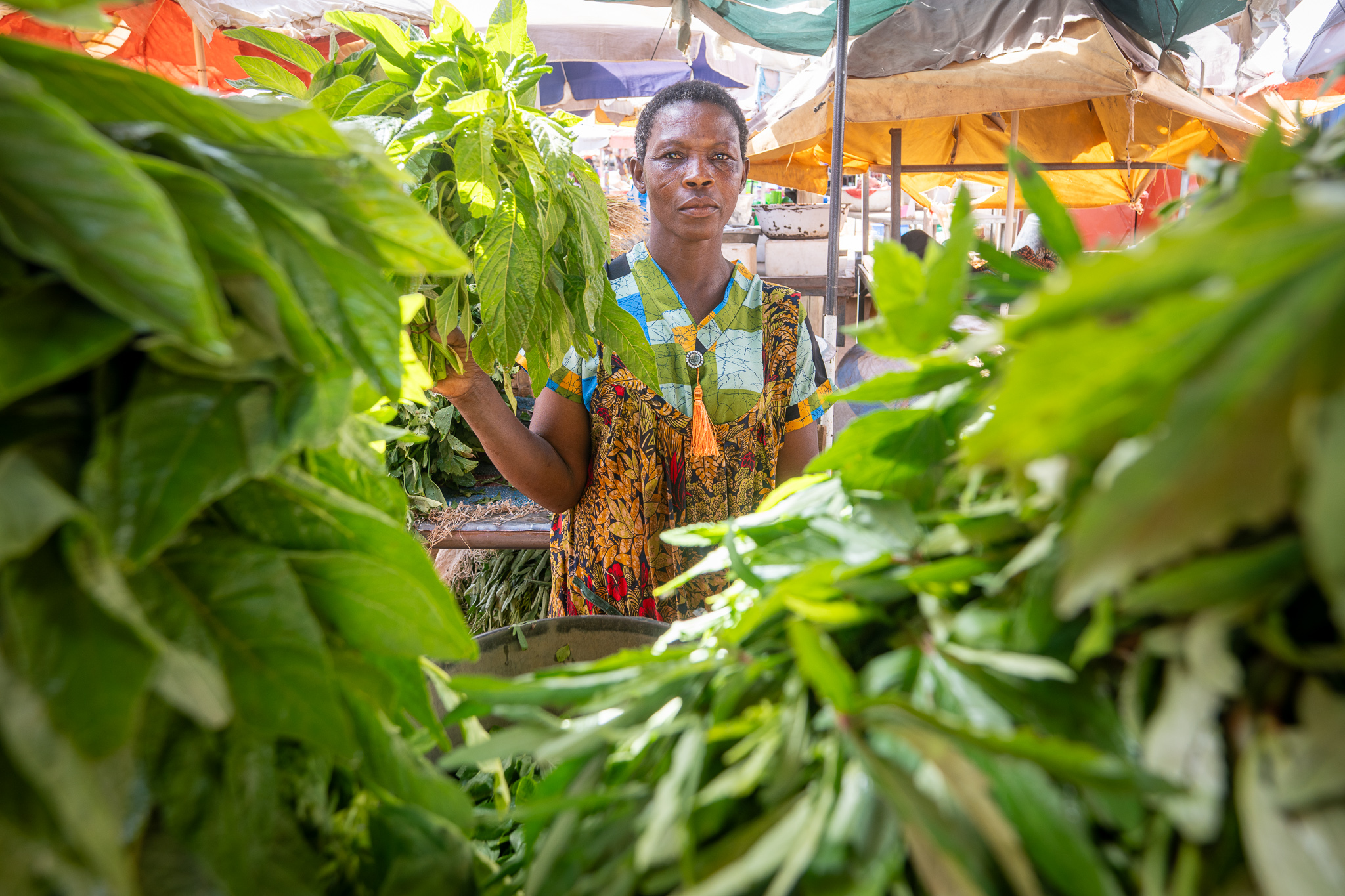
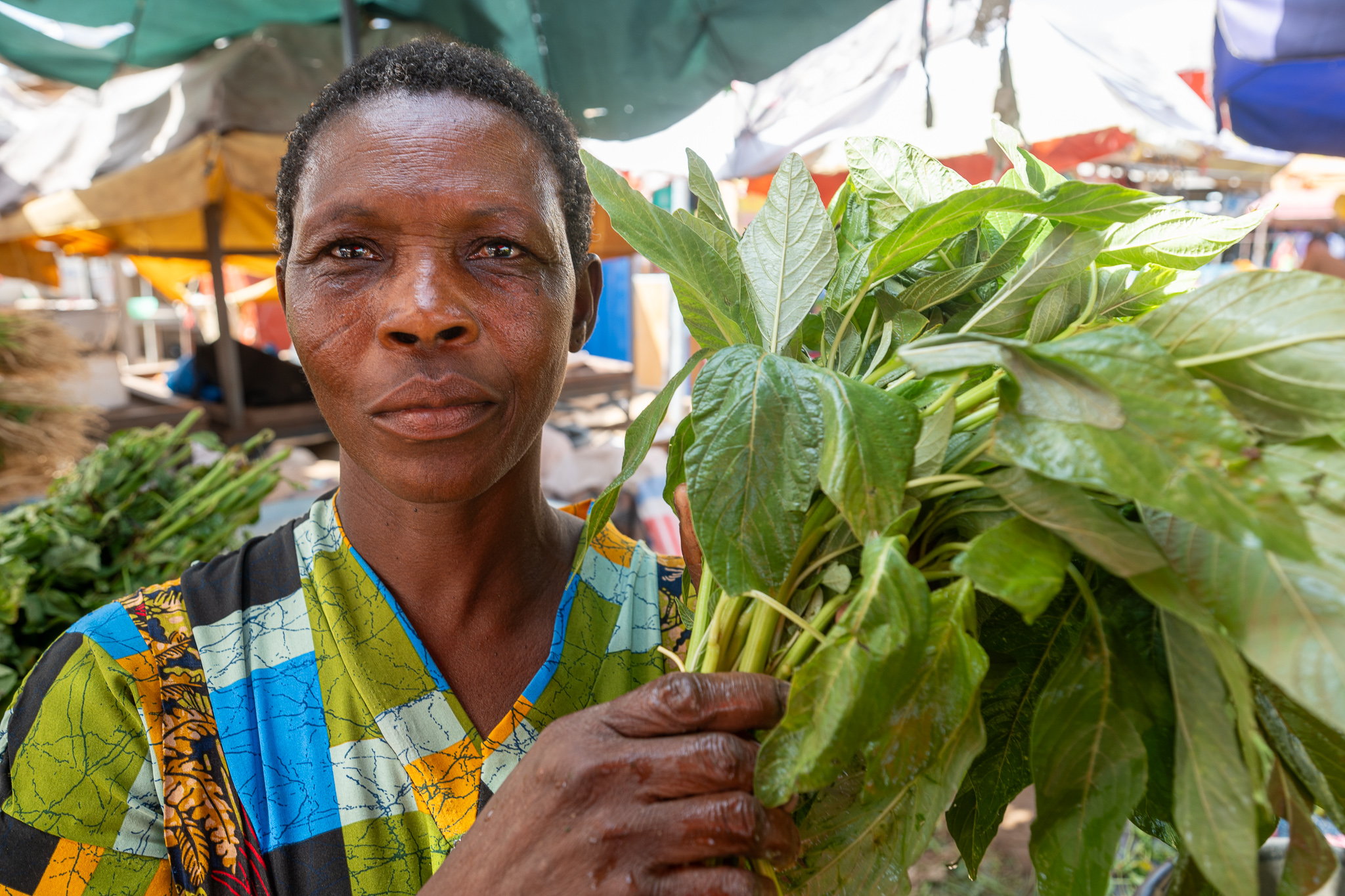
By late afternoon the thermometer in Bolgatanga was still above 40°C, and the market hadn’t slowed one bit. Sofia Azure sat in the shade of her stall, splitting big bundles of amaranth into smaller ones as fast as a card dealer. The leaves come in from villages up to 50 kilometres away and are gone by the end of the day. Her customers cook them with kenaf leaves into the soup that goes with tuo zaafi, the stiff porridge of the north.
I wondered what variety it was. Nobody could say. It was just amaranth: no name, no papers, no pedigree.
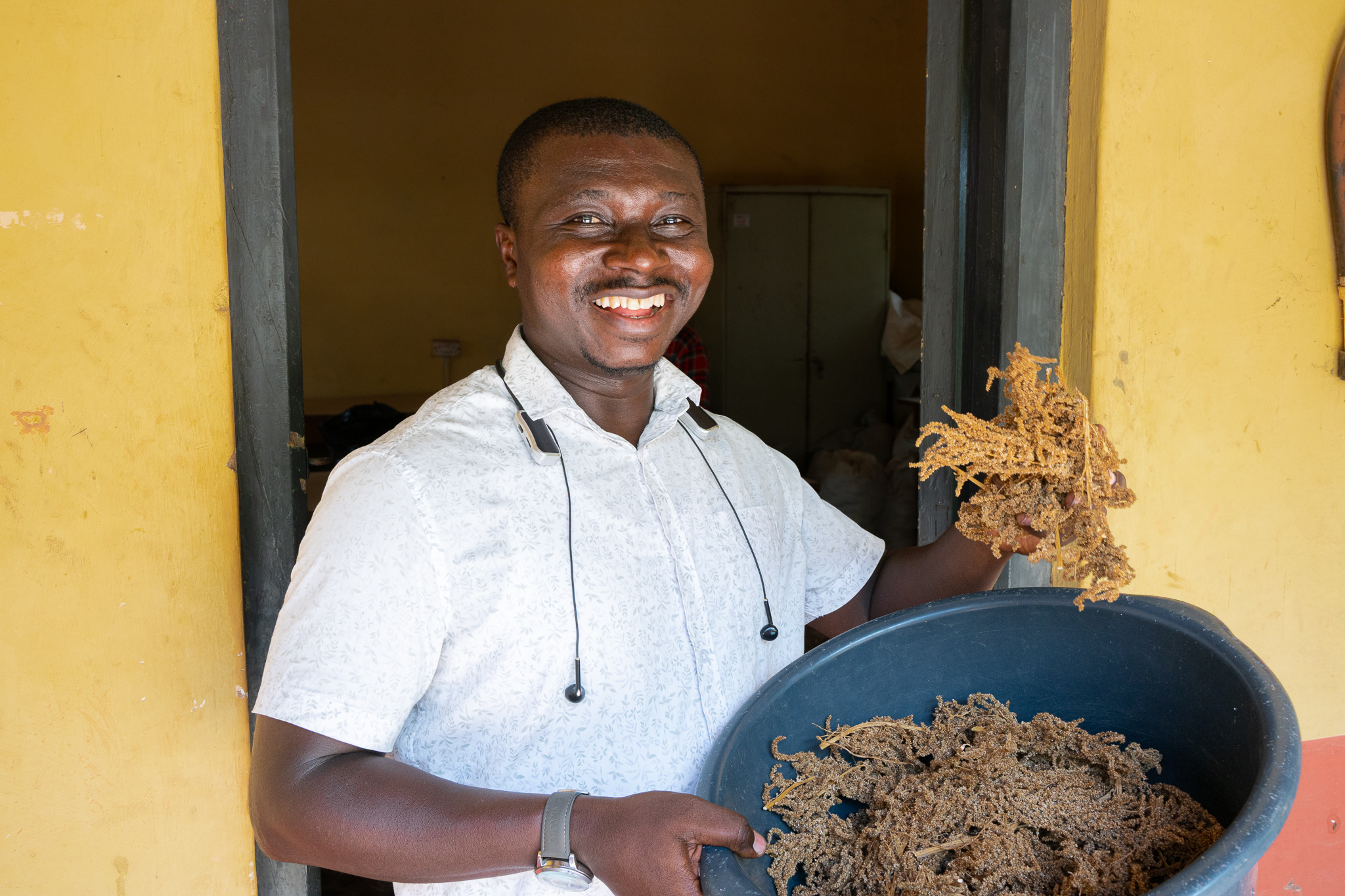
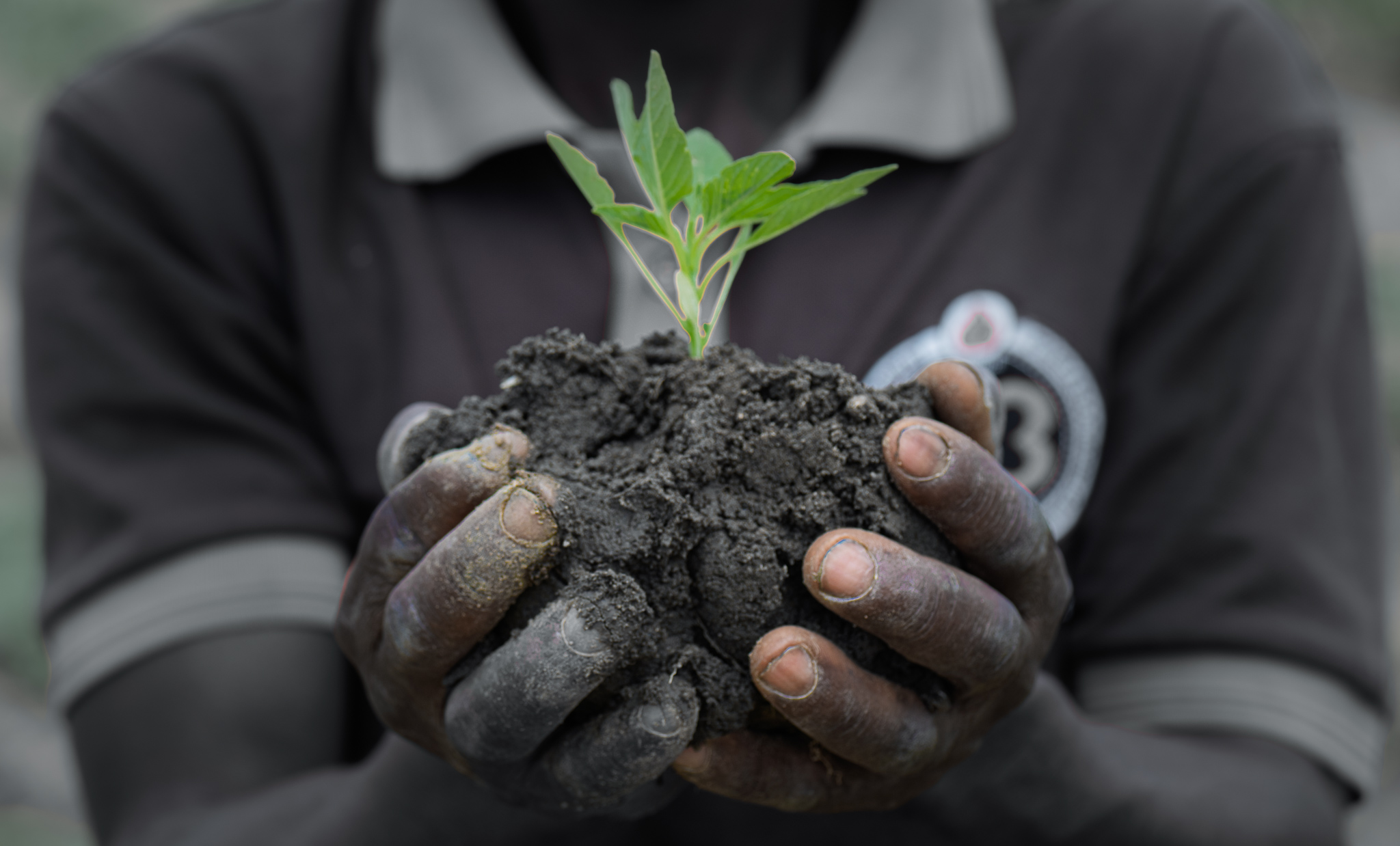
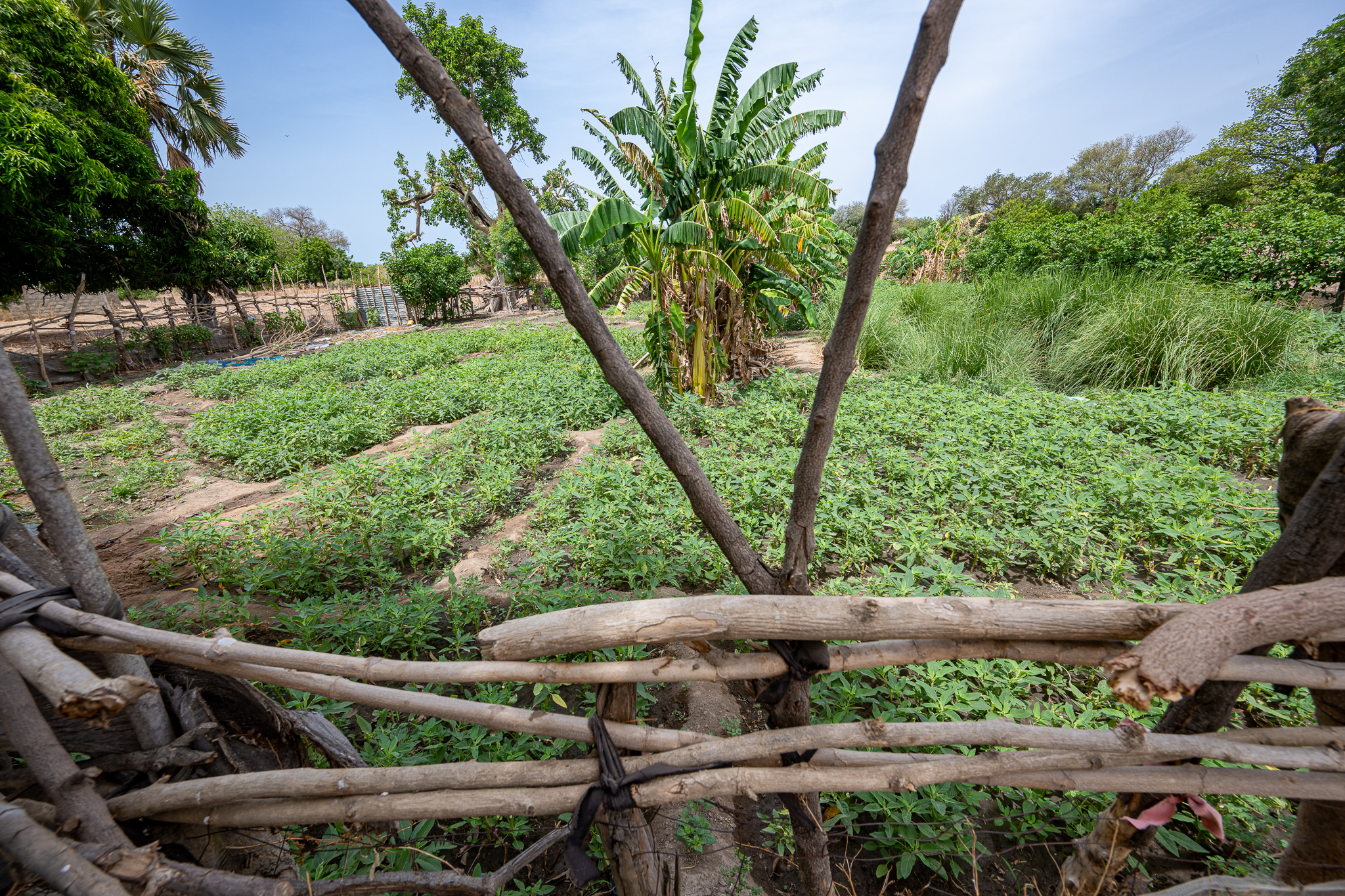
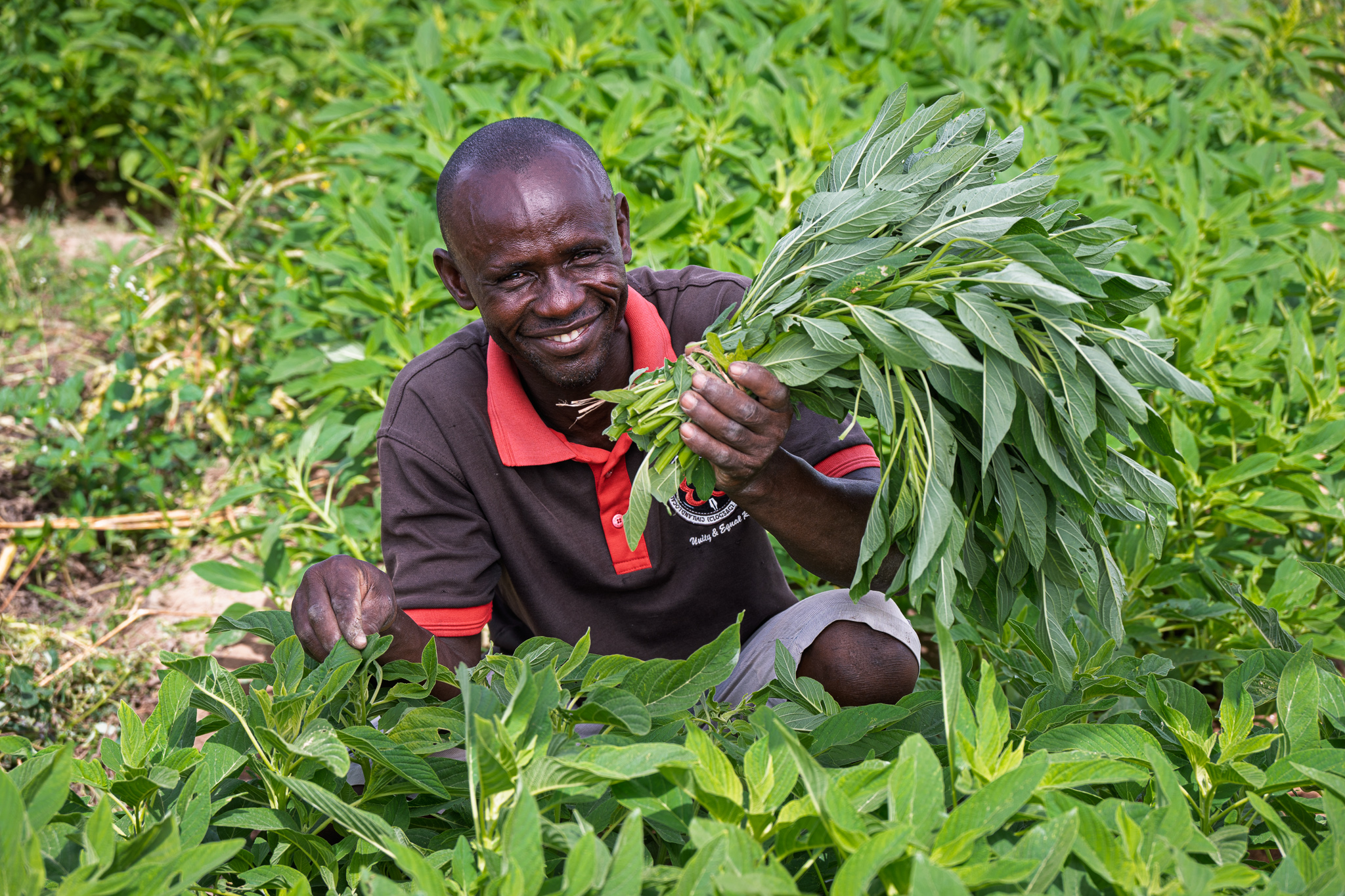
The next day, near Navrongo, Atidoo Wedajoro showed us where the leaves begin. Water from a borehole runs by gravity along his beds, so he has amaranth to sell in the dry season, when everyone else is buying. From each crop he lets his best plants run to seed. He saves that seed, raises seedlings in a nursery bed and transplants them into his rows. He lifted one and cradled it in his palm. Season after season, his farm supplies itself, and his own eye is the only plant breeder it has ever had.
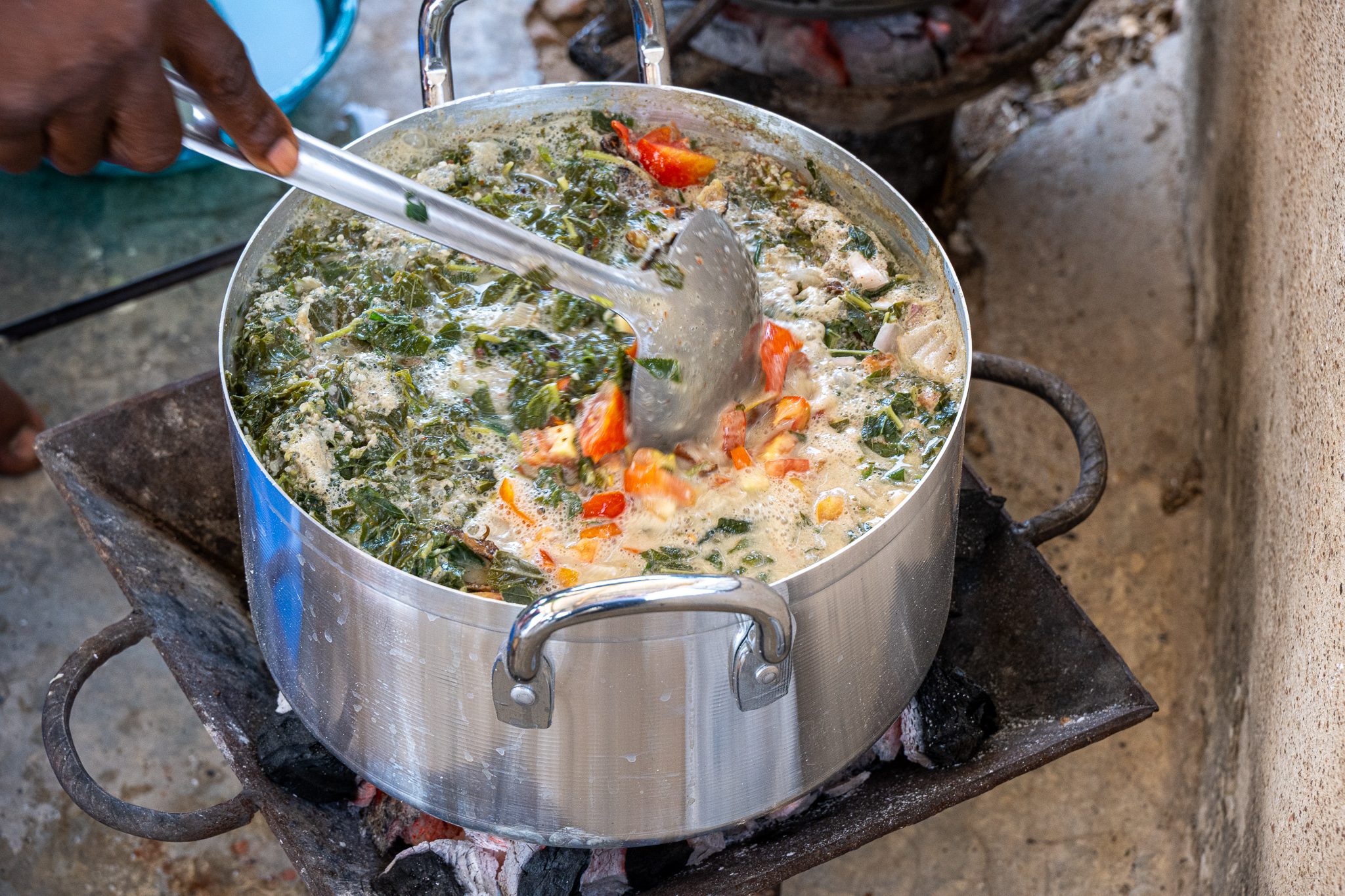
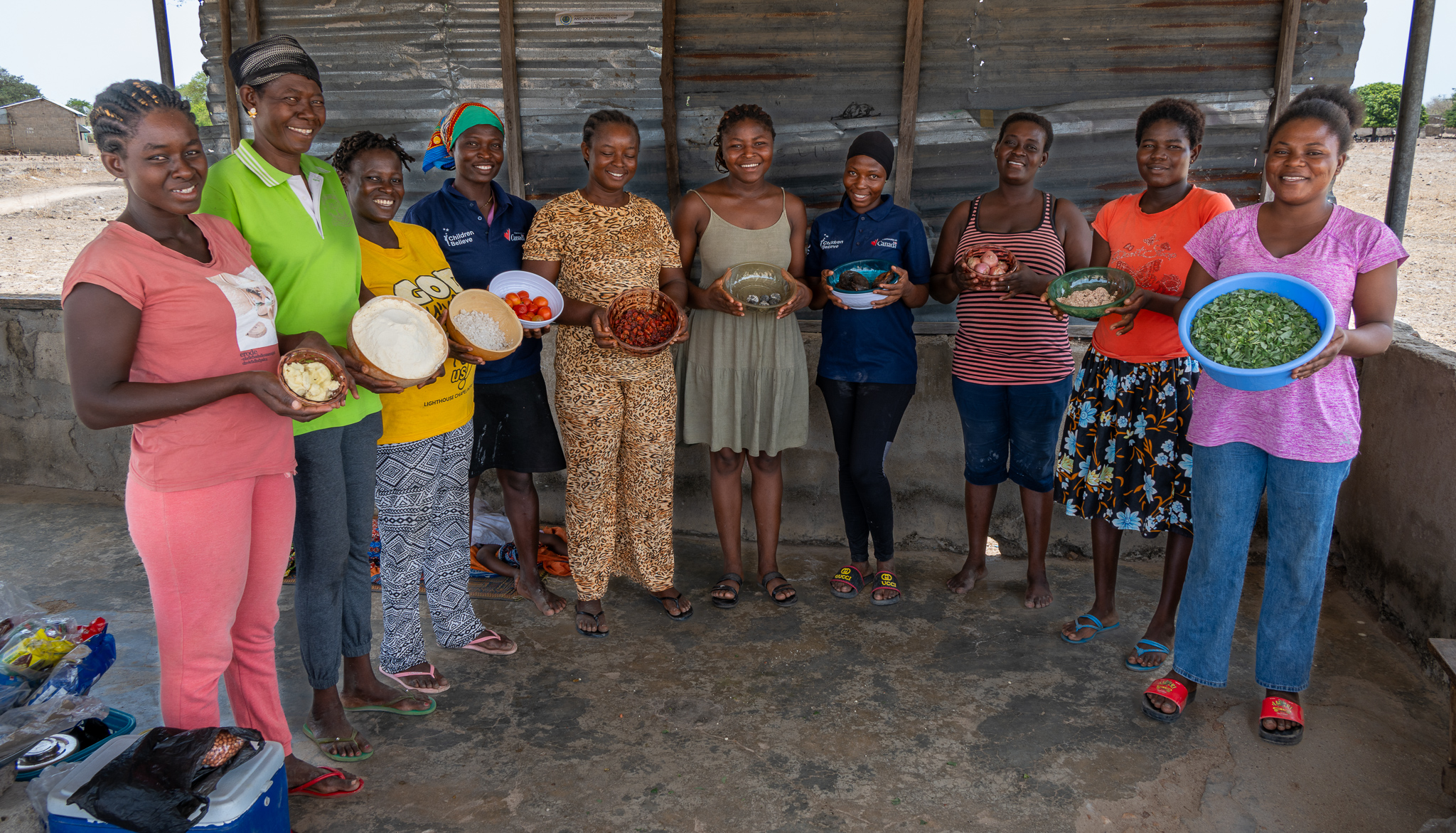
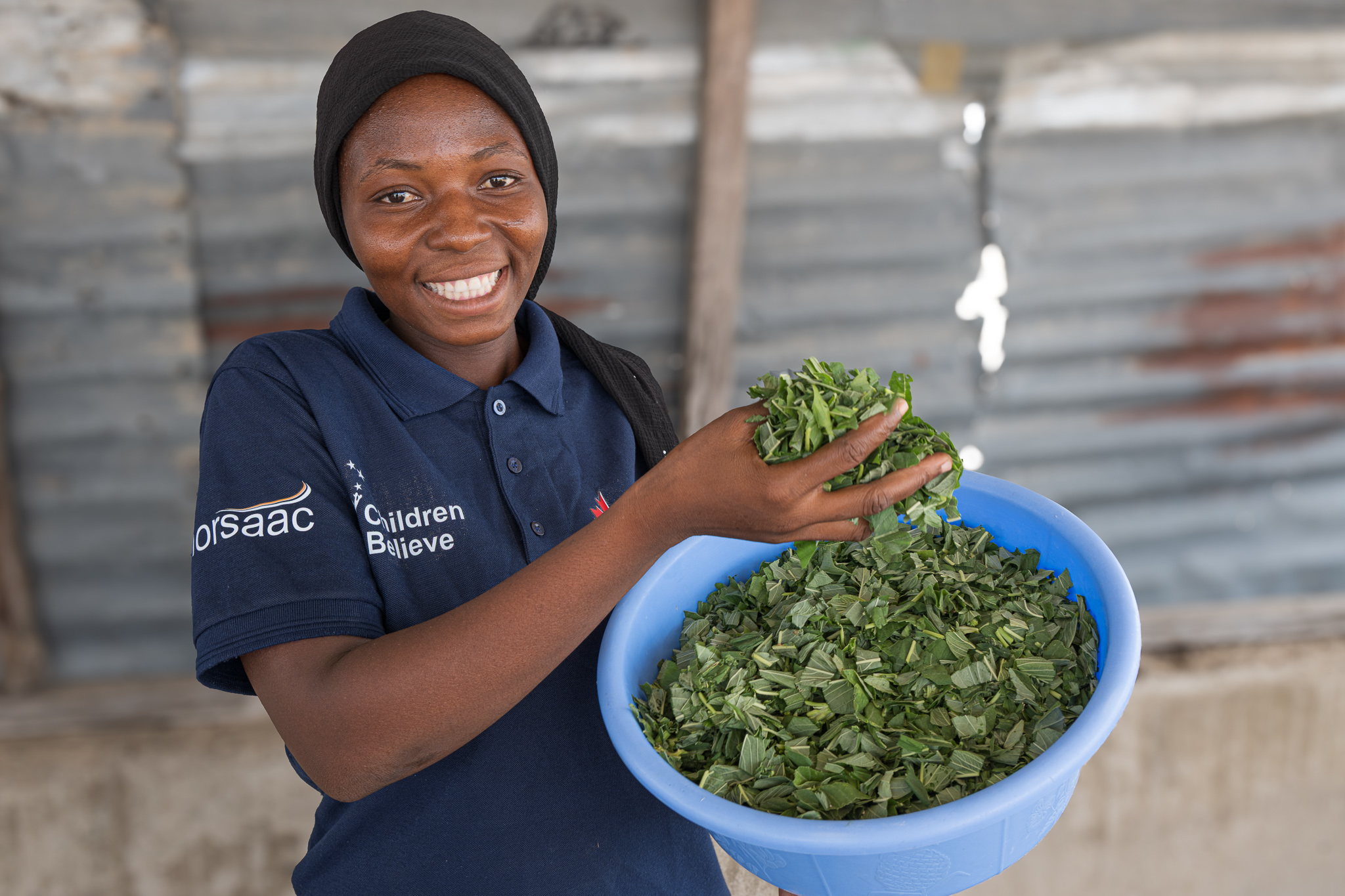
The Lagezena Women’s Group showed us what comes next. Addi Roland stripped the leaves from the stems, washed them, chopped them and rinsed them again. Over a charcoal fire they went into the pot with tomato, onion and catfish: a rich green soup for tuo zaafi or rice.
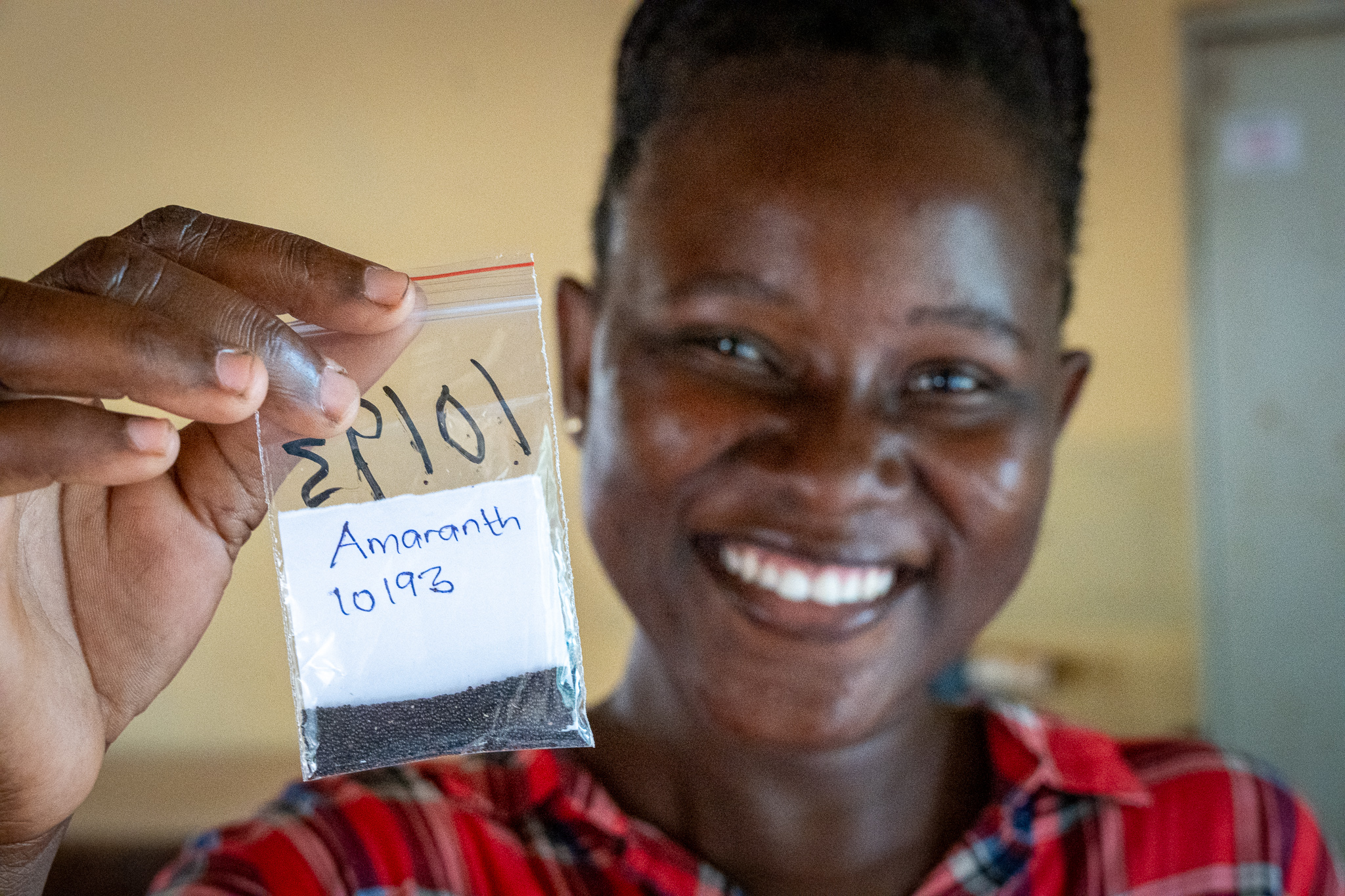
Then Scott and I travelled south to the Savanna Agricultural Research Institute (SARI), near Tamale, where Dr Richard Yaw Agyare had some answers for us. In the genebank, Dorothy Pwadam showed us the seed, bagged, numbered and documented: GH10285, GH10193, GH10186. One packet carried its local name, aleefu. These were the same nameless amaranths farmers like Atidoo have been selecting for generations. Here, each one had a number and a place on the shelf.
Richard’s work starts there. He grows the collections out side by side and picks the lines that give the most leaf, stand up to the heat and taste the way people like them. It is what Atidoo does every season, only with records, so that one day the best of what Sofia sells can come with a name, and with seed a farmer can trust.
The pedigree had been there all along. Until now, nobody had written it down.
All images used on this page were photographed by Michael Major for the Crop Trust and used here under a CC BY-NC-ND 2.0 license.