Kuantan and Beserah – 3–8 February 1978
The yellow book did it. Tony Wheeler’s South-East Asia on a Shoestring – the traveller’s bible, already dog-eared and coming apart at the spine – beckoned me to the east coast, away from the ordered calm of the Universiti of Malaya campus in Kuala Lumpur and toward what I was convinced was the real Malaysia. Ten days of Chinese New Year holiday stretched ahead of me. It was the Year of the Earth Horse; the New Year fell on the seventh of February. I packed a tent and my three-week-old Olympus OM-1, stuck out my thumb, and went to look for it.
The hitch was the worst I would ever know, and I eventually decided the festival was to blame. Half the peninsula was on the move – going home to families, to reunion dinners and red envelopes and firecrackers – and nobody had room for an American with a rucksack. It took the better part of a day to cross the mountains to the coast. But the road delivered me, in the end, to the sea.
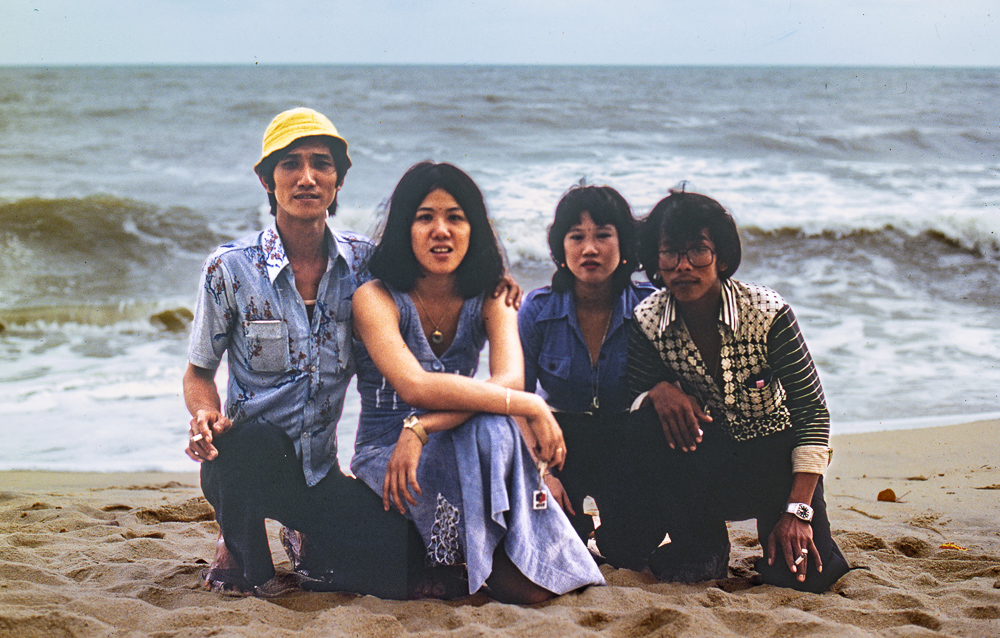
Kuantan then was a quiet town, the administrative seat of Pahang, facing the South China Sea before the oil money and the tourists arrived. Its beach was everything I’d hoped for: good surf, coconut palms leaning over white sand, the light going gold. I spent that first evening in halting conversation with a local Malay fellow, then pitched my tent on the sand and slept to the surf.
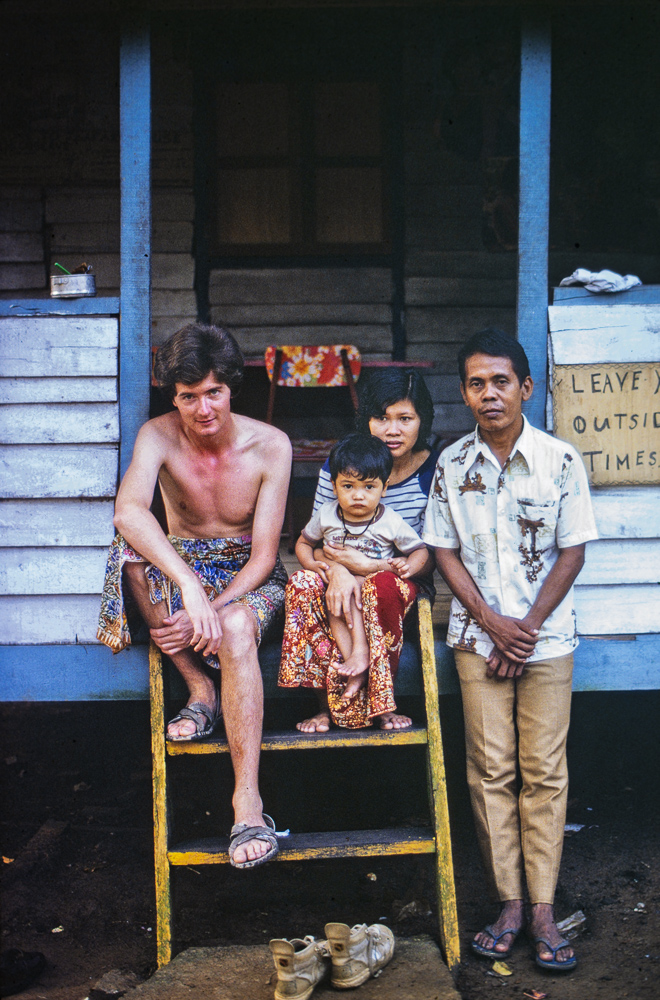
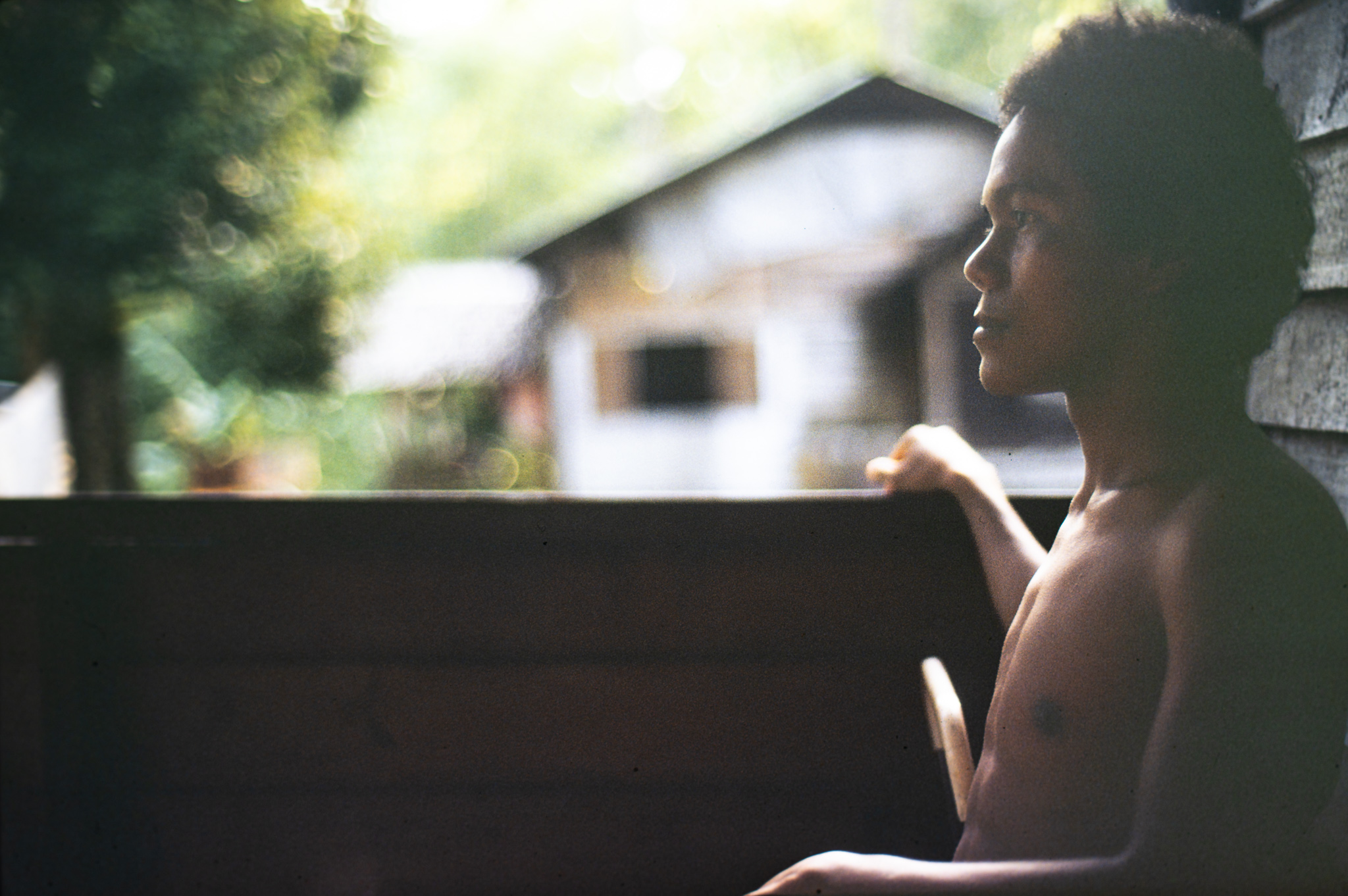
The next morning he walked me eight kilometres north to Beserah. I’d read the village was known for its handicrafts; it wasn’t, not any longer – the cooperative had gone bankrupt. But when I asked after the handicraft centre, a small Malay boy took me by the hand and led me off the road, half a kilometre into the jungle, to a wooden house up on stilts. There were no handicrafts inside. There was a mattress on the floor, and there was Jaafar.
Jaafar opened his home to travellers – six Malaysian dollars a day, about two and a half American, for a place on the floor of his big communal room and three enormous meals cooked by his wife, who did not know how to skimp. I ate so well, and so unwisely, that I paid for it.
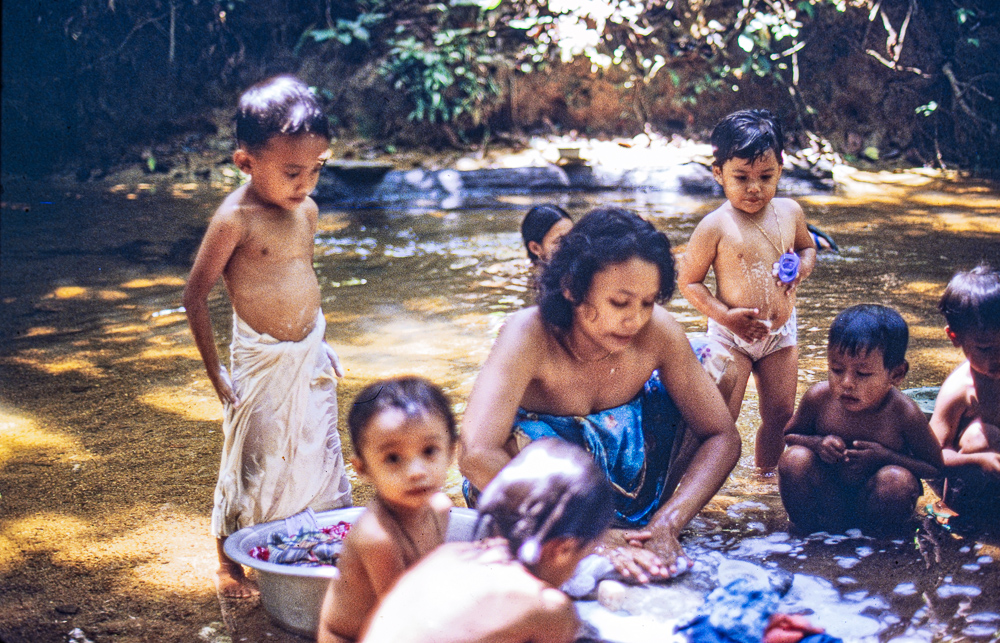
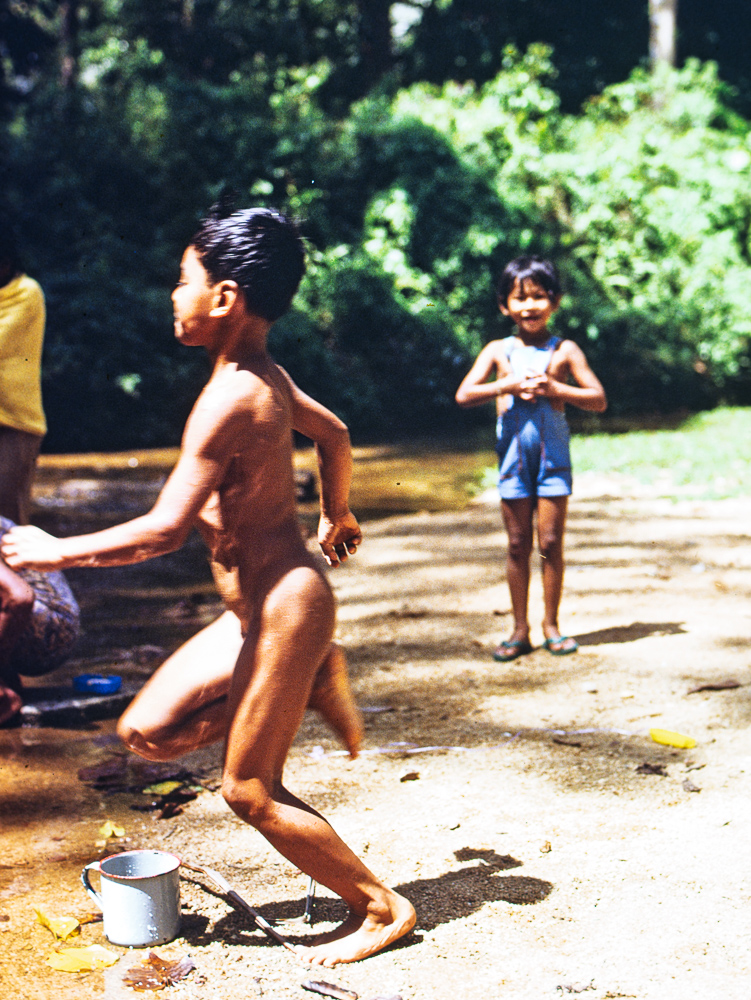
There was no electricity and no plumbing. I bathed and washed my clothes in a clear river, read by kerosene lamp after dark, and otherwise did, as far as an outsider could tell, very little at all. But I wasn’t doing nothing, exactly – I was actually doing something, which was doing nothing. I came to understand that staring at a chameleon on a branch, or a fly on a wall, for an endless stretch of time could be a genuinely relaxing way to pass an afternoon. I stayed three days.
Jaafar’s house was a crossroads. In those three days I shared that room with a Christian the Swede and Kevin the Brit, a pair of Australians and two American Peace Corps Volunteers whose stories of their postings lodged somewhere in me and would not leave. Years later, degree in hand, I joined the Peace Corps myself. I can trace the decision straight back to a mattress on a jungle floor in Beserah.
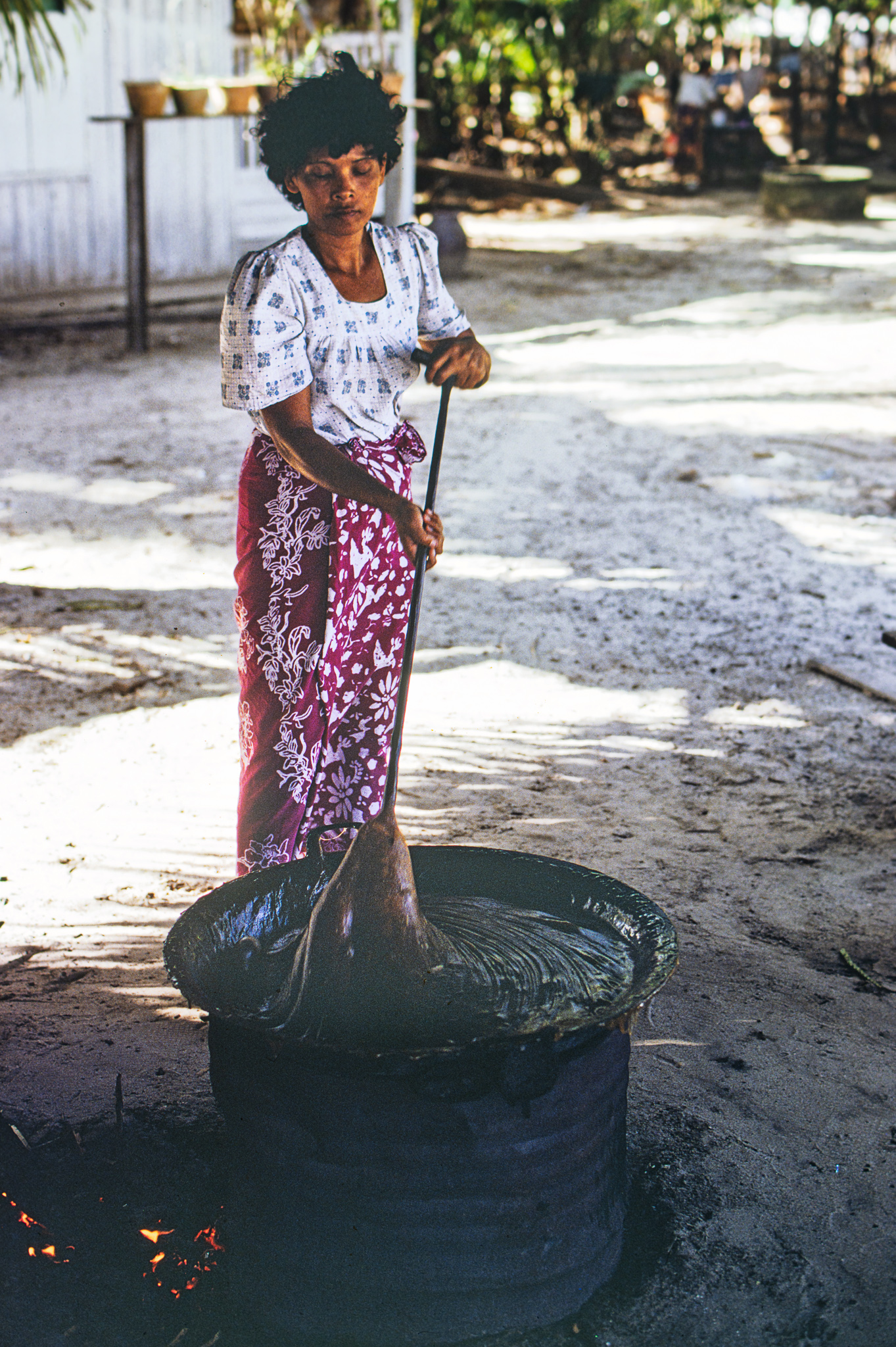
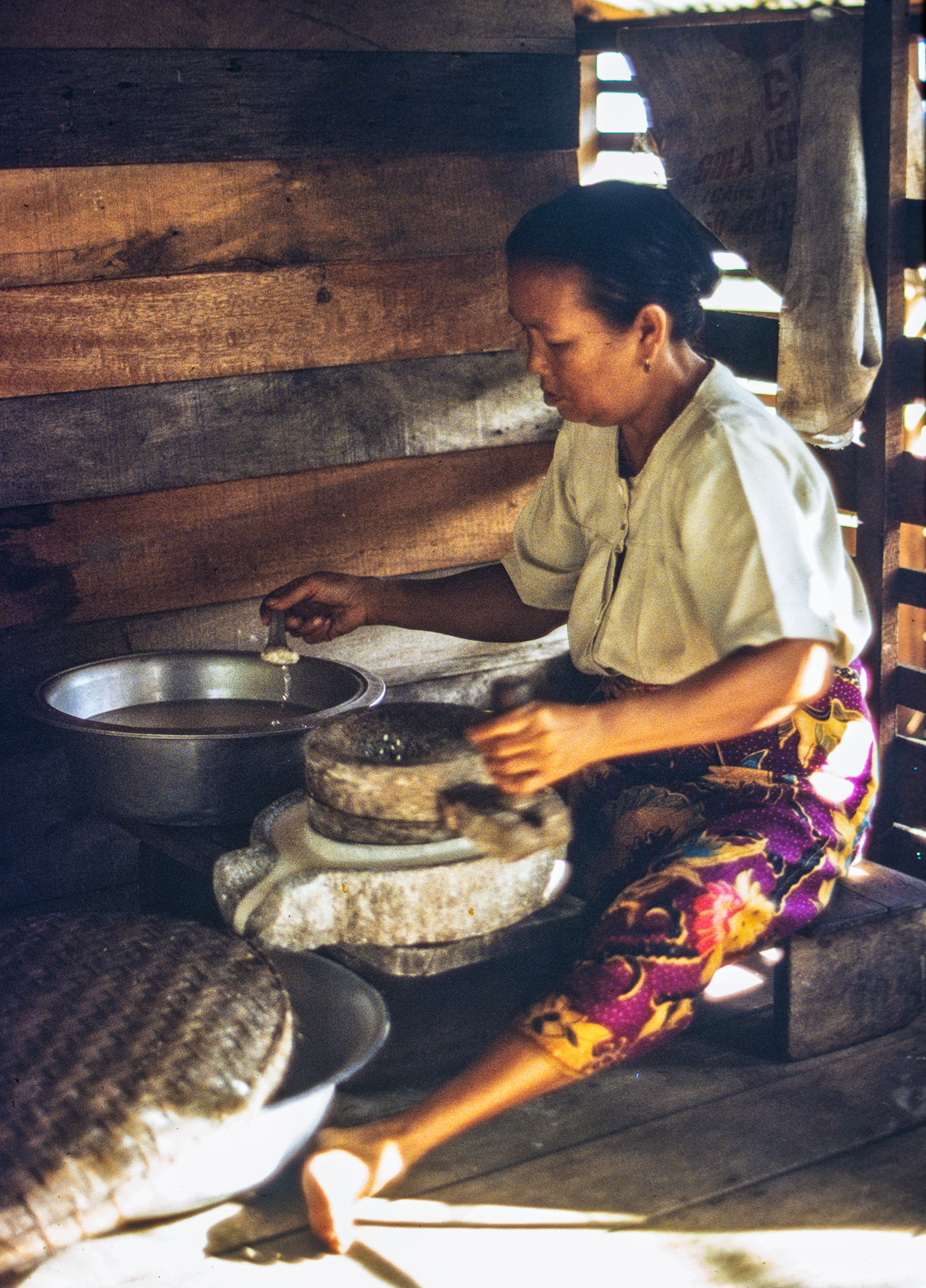
Down in the village, the New Year meant dodoi. A woman crouched over a stone mill, grinding rice that had soaked overnight into a pale slurry; another stood over a great iron kawah set on a fire in the sand, working a long paddle through darkening paste – coconut milk, palm sugar and glutinous rice, stirred without pause for hours until it thickened into the sticky, toffee-dark sweet the east-coast Malays call dodoi. It’s festival food, made in quantity to be shared, and its making is a small act of communal endurance.
One afternoon, Christian, Kevin and I came upon a cross-country race assembling, and within twenty minutes we had our running shoes on. It was my first Hash House Harrier run – the “paper chase,” a course laid down ahead of time through jungle, rubber plantations, banana groves, swamps and fences, and marked with torn scraps of paper for the pack to track. I didn’t know it then, but the Hash had been invented in Kuala Lumpur, back in 1938 – dreamed up by homesick British expatriates who named it for the bland food at their club. I was running a paper chase in the country that gave the world the sport. The pack was mostly Australians, with a few Britons and Americans. I bushwhacked, I fell behind, I caught up. I finished second – and felt a small, belated flush of shame about it over the beers afterward, when it dawned on me that this was a fun run, that no one had been keeping score, and that no one cared in the least who came in first.
After three days I could happily have stayed a week. But the Shoestring had more coast to give, and there were islands to the north I meant to reach.