
Kuala Besut and Pulau Perhentian – February 1978
I lay on the floor of Jaafar’s house with a map of Malaysia spread out in front of me, and let my eye wander north. Jaafar took in travellers at his home, half a kilometre back in the jungle behind the fishing village of Beserah – no electricity, no plumbing, a big room and a row of mattresses – and the days there had a way of dissolving into nothing much at all. That was the point of the place. But a map is a dangerous thing to hand a young man with time on his hands. Mine showed how much more of the country ran on up the east coast, and, scattered along that coast, a freckling of islands I knew nothing about. I lay there and wondered about them until wondering wasn’t enough.
Christian Wigardt wondered along with me. A Swede – tall, sun-browned, travelling alone and in no particular hurry, the way the best of them always were – and when I finally shouldered my rucksack he rolled up his own loose plans and came too. That was how travel worked in those days. You met a stranger over breakfast on a mattress on a jungle floor, and by lunch you had a partner for the next thousand kilometres.
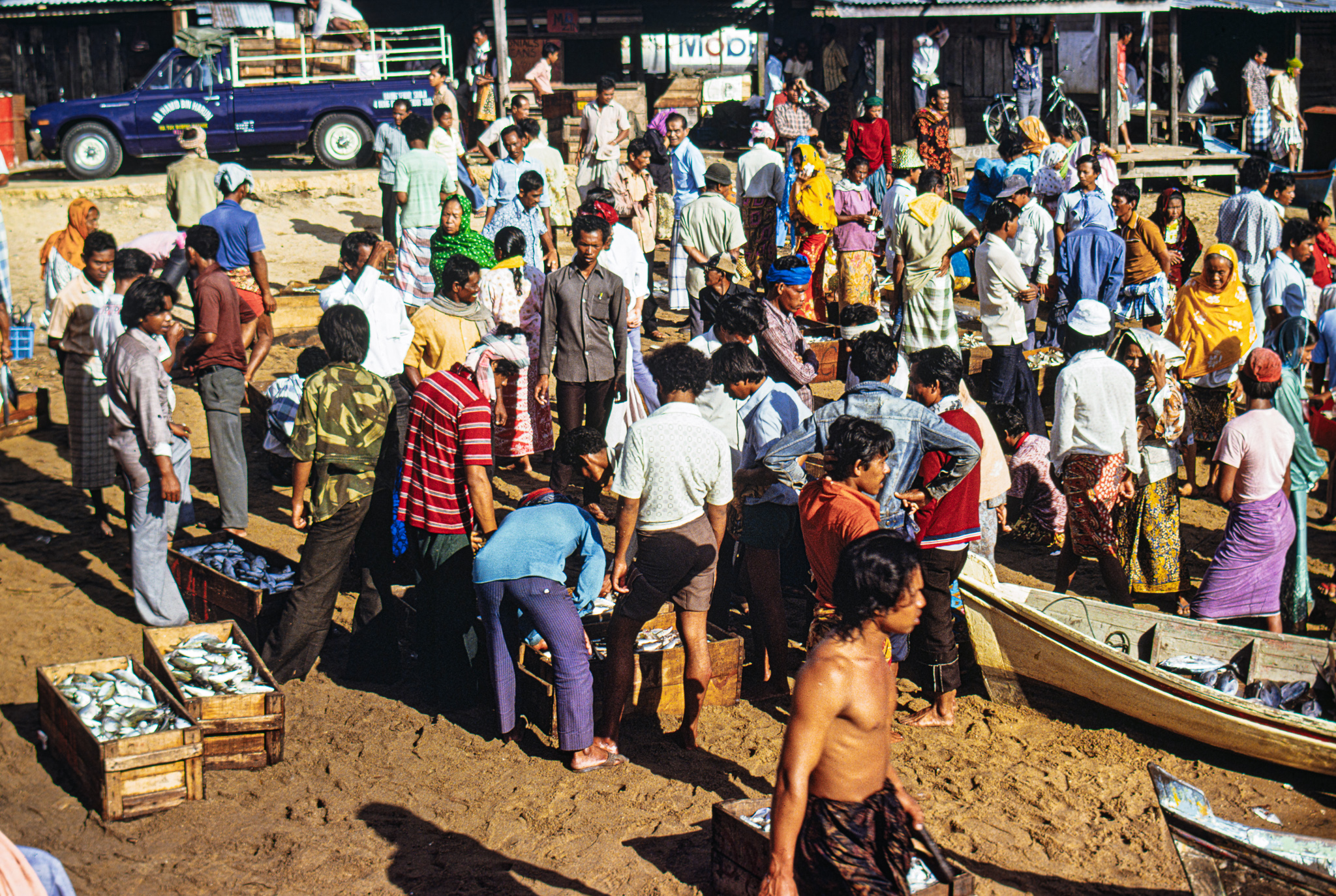
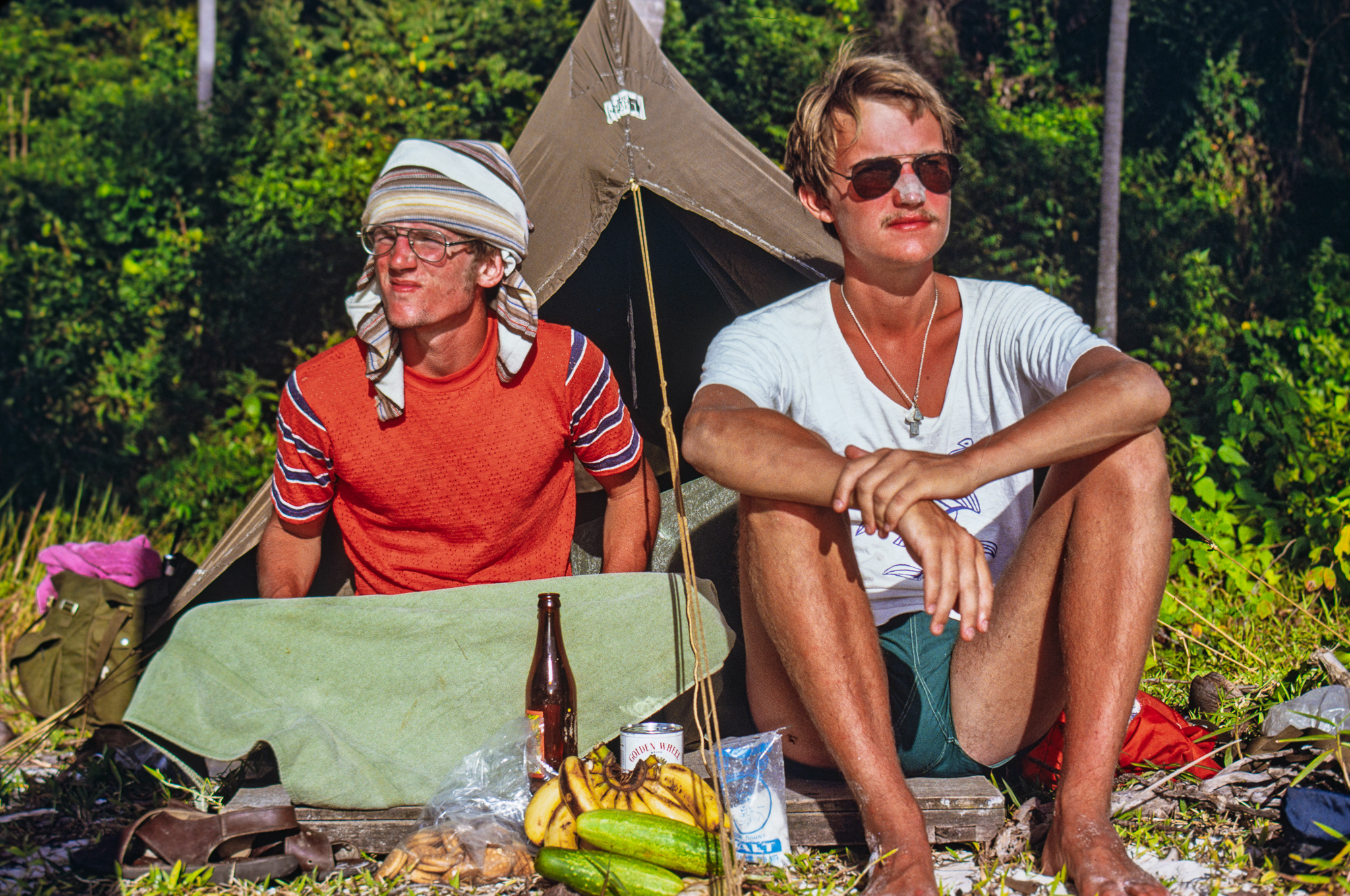
We worked our way north up the coast. The hitching was atrocious – the whole peninsula still coming and going for the New Year – up through Kuala Trengganu and on to the fishing town of Kuala Besut. Its market was a churn of humanity: fish laid out by the crateful on the sand, women moving through the crowd in bright headscarves, everyone haggling at the top of their lungs. Someone threw a fish at me – whether in fun or in temper I never did work out – and it seemed as good a reason as any to find a boat and get out of there. Because out where we were going there would be nothing at all: no kitchen, no shop, no one selling so much as a banana. You brought your own food or you went without. So we bought what would keep – bananas, cucumbers, a few tins, biscuits, a bottle or two or three of beer – and carried it down to the water.
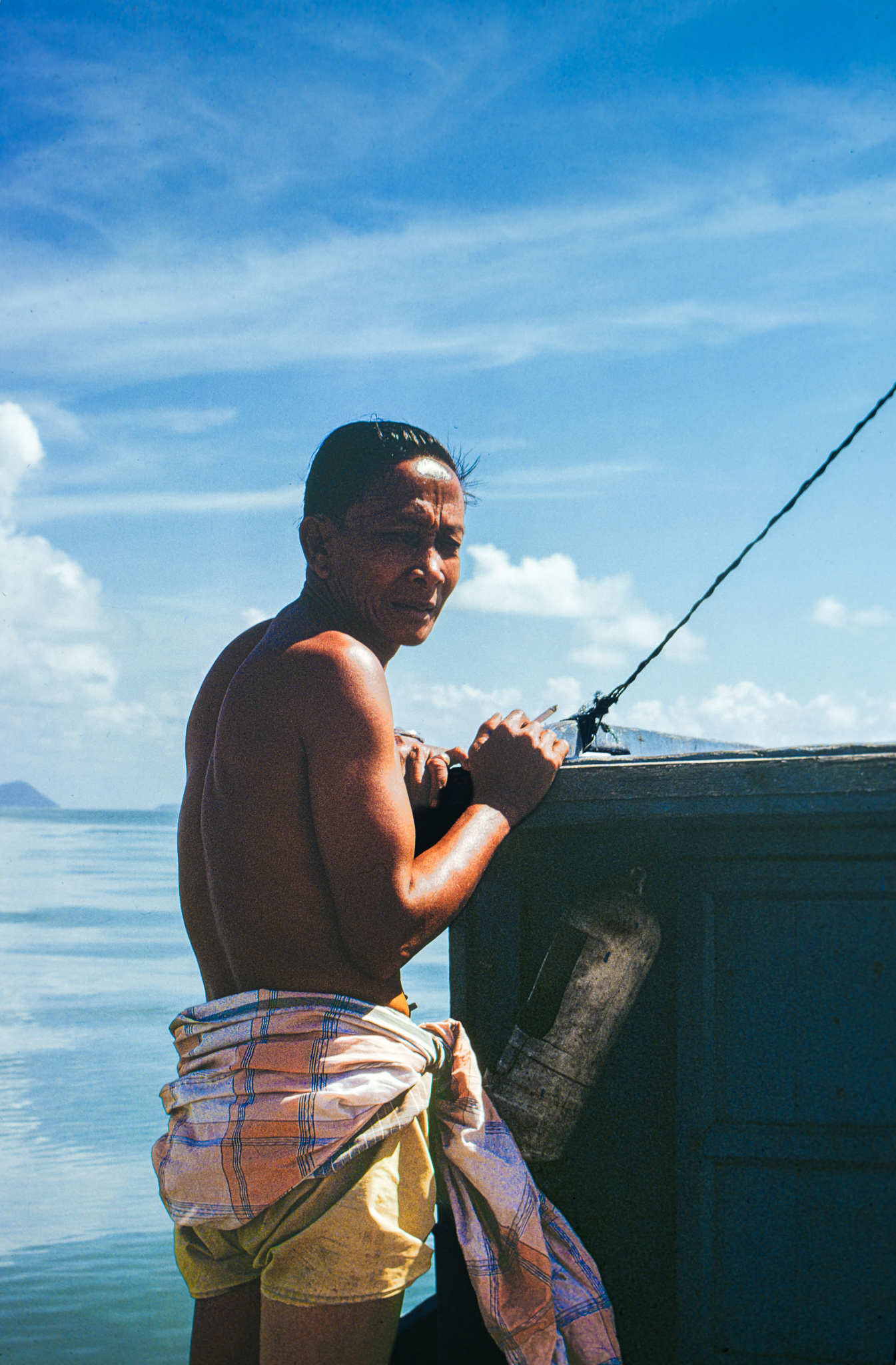
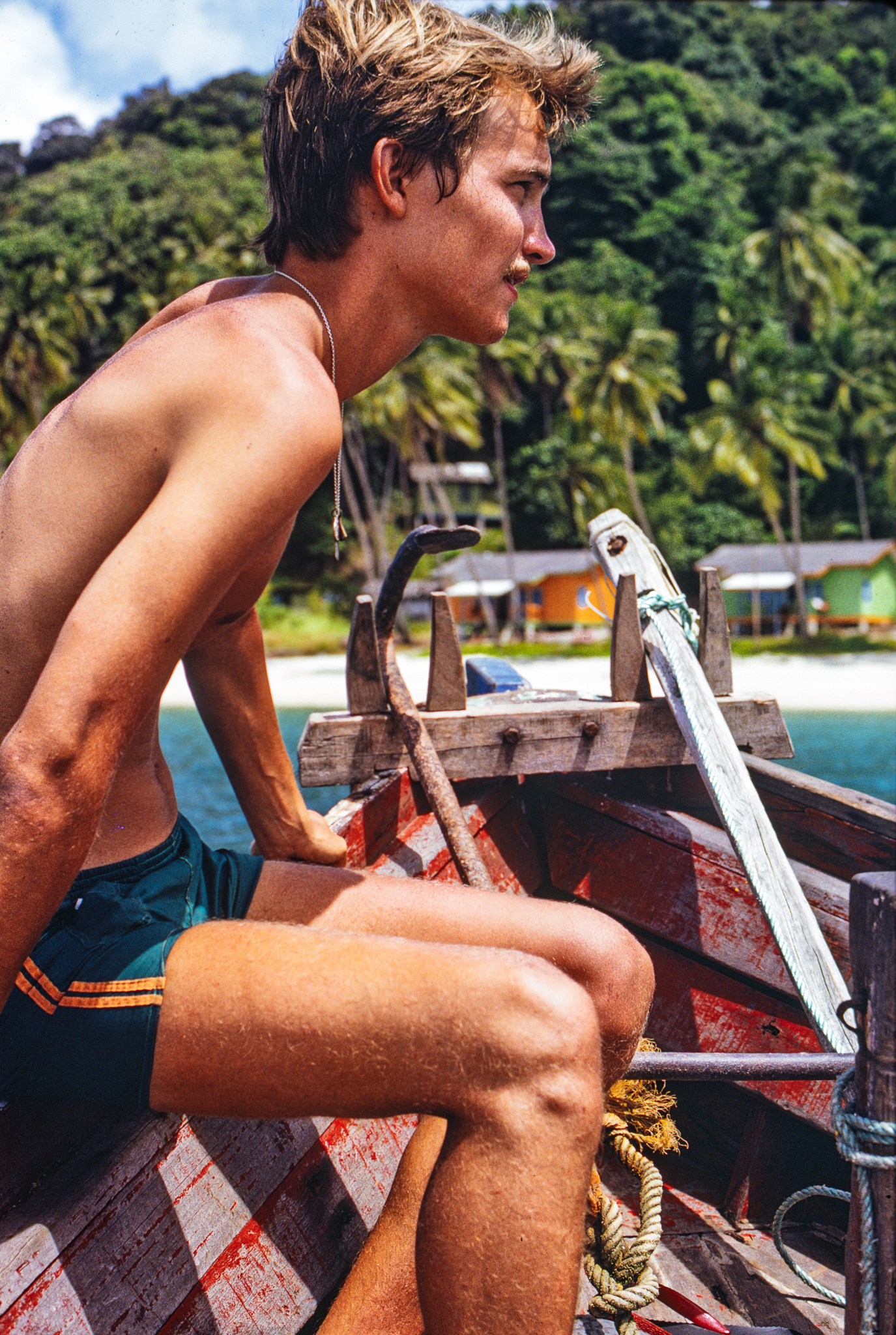
The islands lay ten or eleven miles out, low and green on the horizon. A Malay boatman agreed to run us across for a few dollars. We loaded the food and the tent into a wooden boat painted red and white and gone soft with salt, and pushed off. Christian rode up on the bow like a figurehead, and I watched the mainland thin to a line behind us, and then to nothing.
I did not know then that the name of the place was a small joke at my own expense. Perhentian means “the stopping place” – a stopover, a waystation. For centuries these islands had been where traders sailing between Bangkok and the Malay coast paused to take on fresh water and wait out the weather, and on the old British charts they are marked, drily, as the Station Islands. I had spent six weeks being swept along on a current of other people: the crush of Chinatown, the human river climbing the steps at the Thaipusam festival, an entire country on the move for the New Year. Now, without having planned it in the least, I was going to the one place on the map whose entire purpose was to stop.
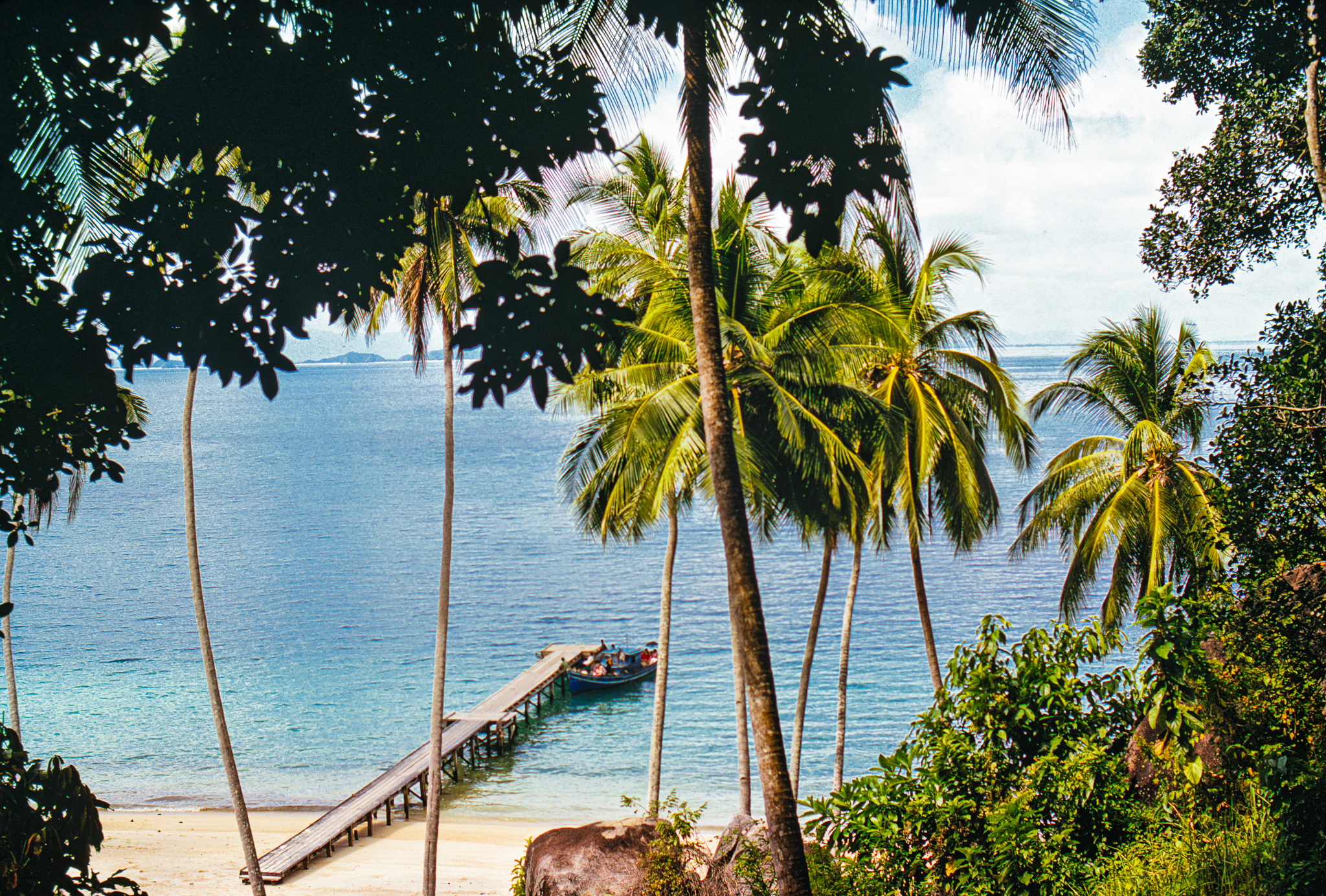
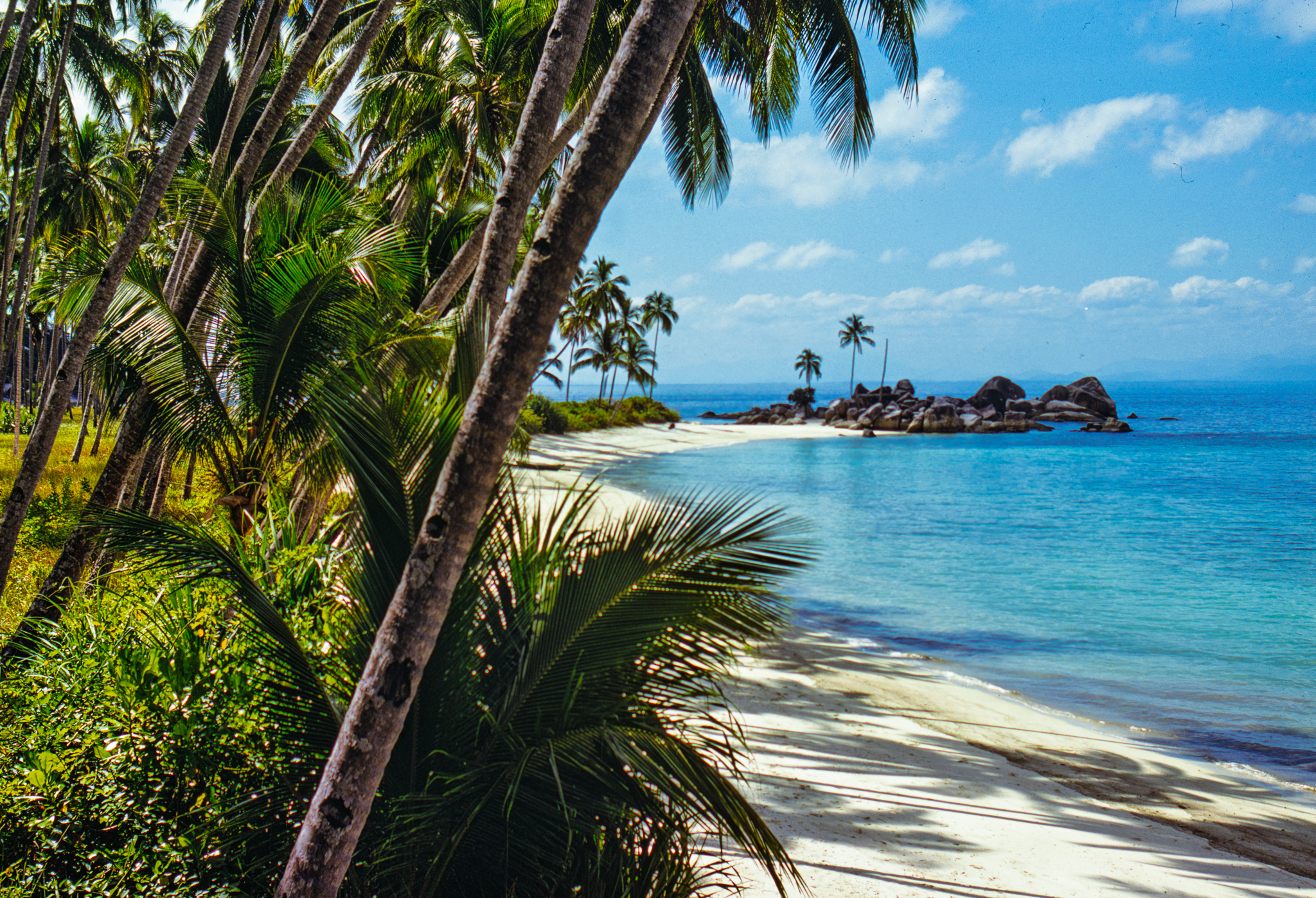
What I remember first is the water. It came in over the sand in bands of glass and turquoise so clear that a boat at the jetty seemed to float on air. The beach ran long and white and was littered – the only litter on it – with shells and shards of coral ground fine by the sea. Behind the sand the jungle stood up in a green wall, impenetrable, unbothered, running back over the island’s hills to beaches we never bothered to reach. The Kodachrome loved all of it.
There were perhaps five other souls on the whole island the week we were there – an Australian and a French girl among them – and for long stretches we saw no one at all. We pitched the tent above the tide line and spread our unglamorous larder out on the sand, and there I gave myself over completely to an art I had only been dabbling in on the mainland: how to do nothing, which is not remotely the same as doing nothing at all. No one to answer to, no reunion dinners, no firecrackers, no New Year. Only Christian, and the sea, and a paperback going soft in the humidity, and whole hours that arrived and left again without asking anything of us. I had never in my life been anywhere so empty, and I have rarely been so content.
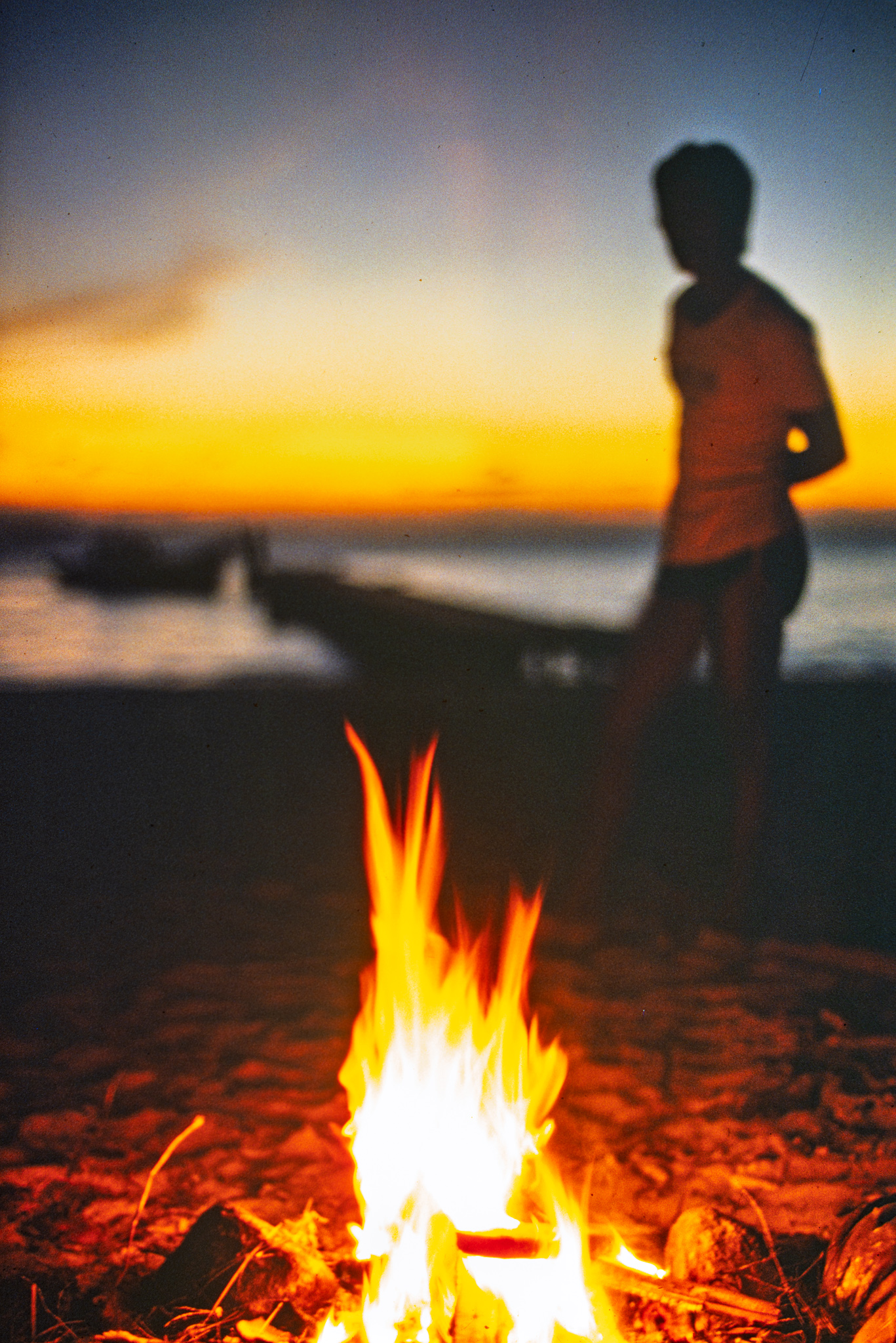
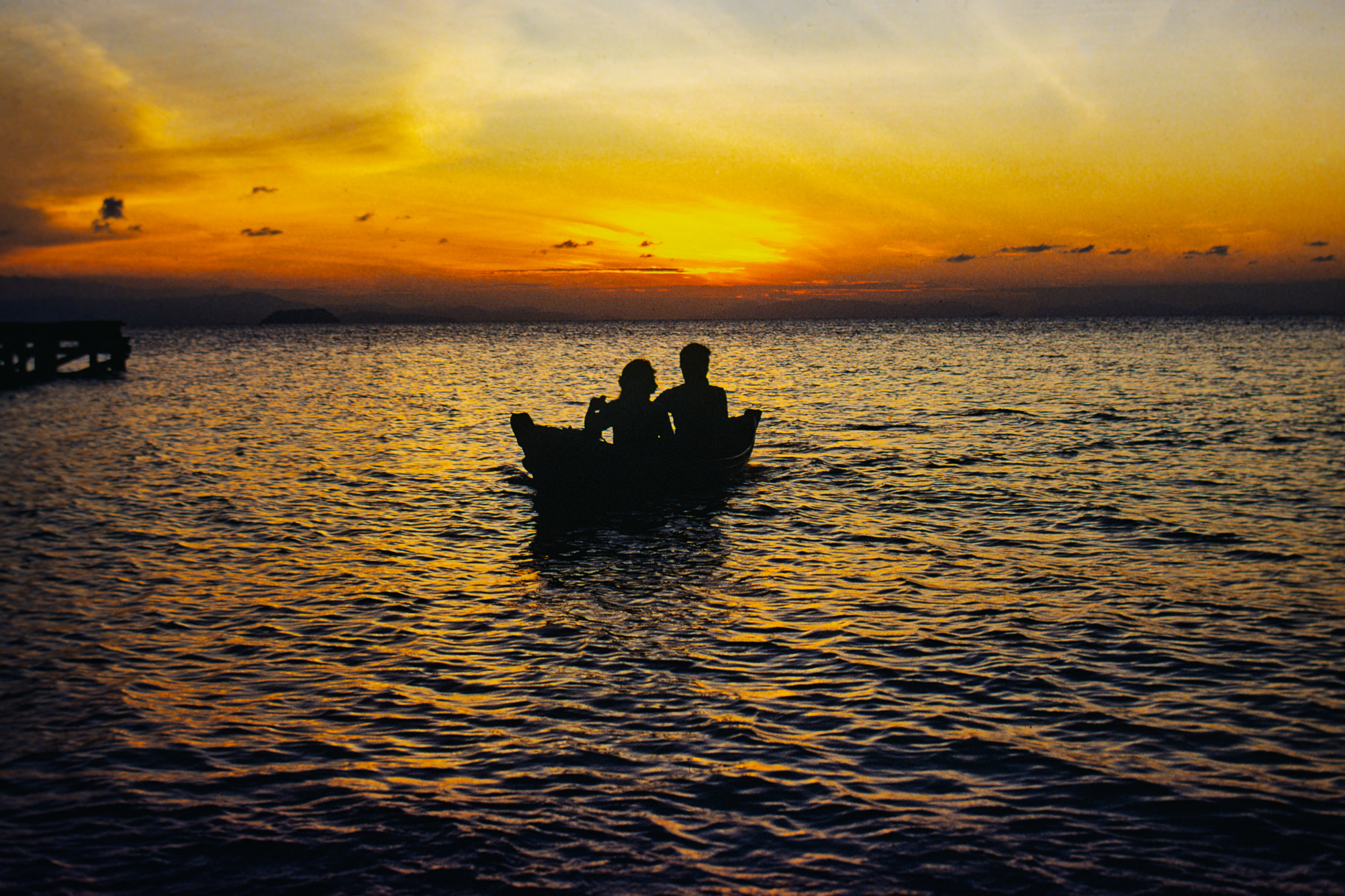
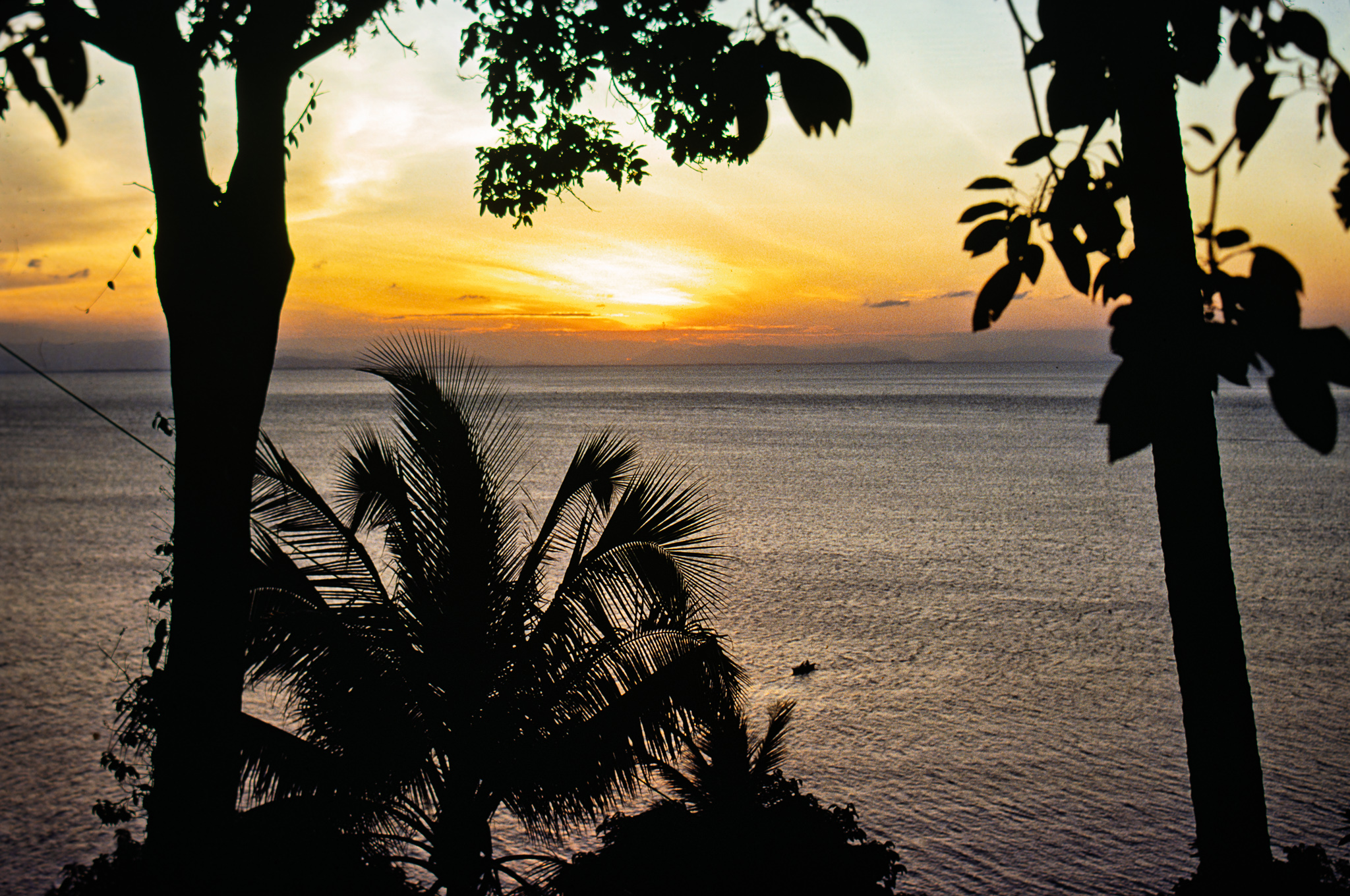
The sun set behind the mainland and threw the whole sky and half the sea into molten orange, and the palms went to black paper against it. We would build a fire on the sand and let it burn down while somebody took the boat out onto the gold water, two silhouettes drifting on a mirror. There is a particular silence to a tropical island at dusk, once the day’s small industry of nothing is done, and I have spent a good part of my life since then trying to get back to it.
On the crossing back the sea gave us a parting gift – a school of dolphins, rolling and sounding alongside the boat the whole way in, close enough to hear them breathe.
Back on the mainland we pushed north again to Kota Bharu, the friendly, batik-making town that sits just short of the Thai border. We wandered its market, where – if you managed to look curious and hungry enough – someone would press a sample of something on you to try, and we spent a good evening with two Australian women. After a week of making myself understood by pointing and grinning, the plain pleasure of sitting down and speaking English felt close to luxury.
Then the road home, which was punishing. The hitch back to Kuala Lumpur was the worst I ever had, worse even than the run out to the coast had been; Christian and I finally split up on the sound theory that one traveller gets picked up faster than two, and it did not help in the slightest. We got there in the end. We always did.
Just the year before you visited the untouristed island Pulau Perhentian off of Malaysia’s east coast, I visited the untouristed island of Ko Samui off of Thailand’s east coast (in January, 1977). The movie “The Beach” brought back memories of my time there. Have you seen the movie or read the book? Here is what Wikipedia has to say:
“The Beach is a 1996 novel by English author Alex Garland. Set in Thailand, it is the story of a young backpacker‘s search for a legendary, idyllic, and isolated beach untouched by tourism, and his time there in its small, international community of backpackers. In 2000, it was adapted into a film directed by Danny Boyle and starring Leonardo DiCaprio,
I biked to the other side of the island from the main town and stayed in a tropical shack for 25 cents a night. I spent a lot of time laying in my hammock with a view of the beach. I wrote: “There’s not too many foreigners on this side of the island; only five or ten, and it’s quiet most of the time.”
I had a similar experience three weeks later, sharing a tropical shack with a Danish couple near an untouristed beach on the island of Penang, Malaysia. An apocryphal story going around was that the Malaysian immigration police stamped your passport “Suspected Hippie In Transit” (S.H.I.T.) and gave you 24 hours to leave Malaysia. Something like that happened to the Danes, who had to hurry off on their rented scooter the next day to catch a flight.
I still have the letters you sent me with guidelines to travelling in Southeast Asia. I haven’t seen The Beach but it sounds interesting so I’m going to look for it. You were fortunate to visit Ko Samui at a time without tourists. I think it’s been over run now. That’s funny about the ‘Suspected Hippie’ stamp.