Category: BOLDER
-
21 June 2026
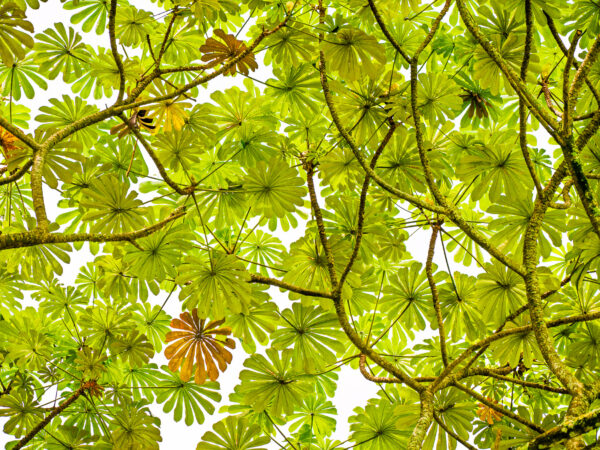
TARZAN NEVER MADE IT TO THIS JUNGLE. BUT I DID.
My earliest perception of a jungle came from the old… -
8 June 2026
-
31 May 2026
-
28 May 2026
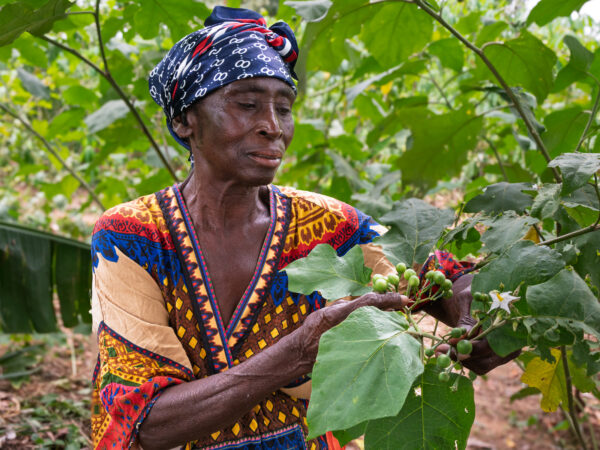
DORA AND THE FIERCE VOLUNTEER
Some crops don’t wait to be planted. They arrive uninvited,… -
23 May 2026
-
19 May 2026
-
15 May 2026
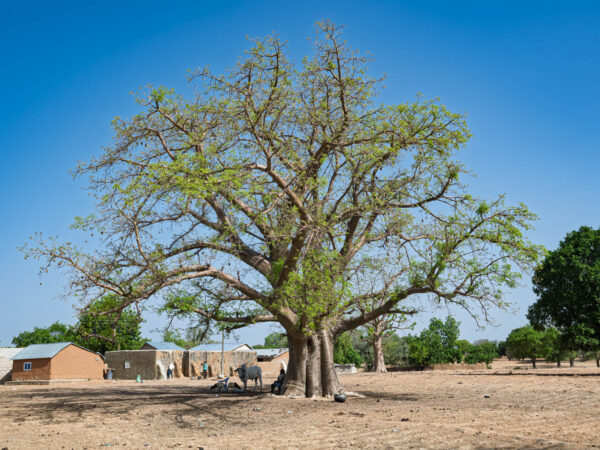
DANCIN’ UNDER THE BAOBAB TREE
The baobab tree has a most significant importance to the… -
14 May 2026
-
11 May 2026
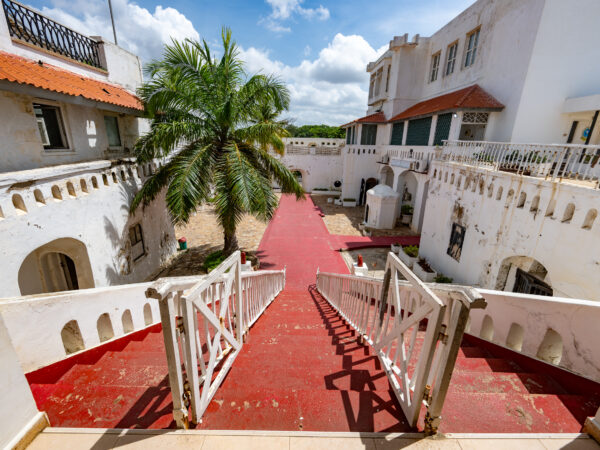
THE DOOR OF NO RETURN
Today my colleague, Scott Christiansen, and I stood inside Osu…
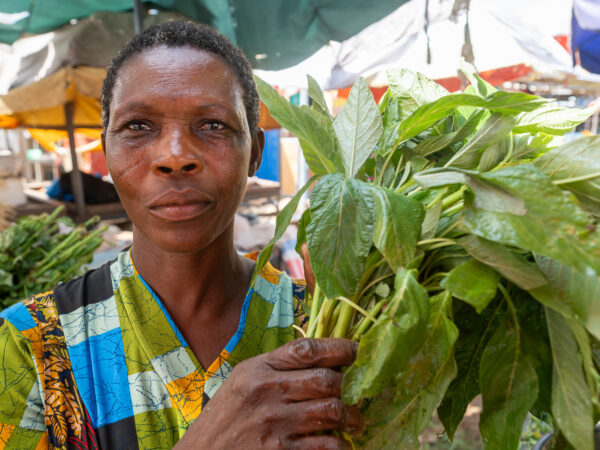
Some of Africa’s most promising crops are ones most of the world has never heard of. Fonio. Bambara groundnut. Jute mallow. Turkey berry. They’re nutritious, they put up with drought and poor soils, but researchers, policymakers and markets have overlooked them.
The Crop Trust’s BOLDER project (Building Opportunities for Lesser-known Diversity in Edible Resources) set out to change that. Working with partners in Benin, Tanzania, Uganda and Ghana, BOLDER helps each country choose its priority opportunity crops and work out what it will take to get them from the field into more mouths.
Between October 2025 and May 2026, Scott Christiansen and I travelled to the four countries to document the value chains of those crops. We followed them from seed to bowl and heard the stories of the people along the way: farmers, researchers, processors, market vendors and the cooks who turned them into some of the finest meals I’ve eaten.
Scott and I go back to 1990. We were neighbours in Aleppo, Syria, while we worked at ICARDA, and we’ve been mates ever since. Across four countries we laughed a lot, ate too many things we couldn’t name, and now and then danced when we probably shouldn’t have.
-
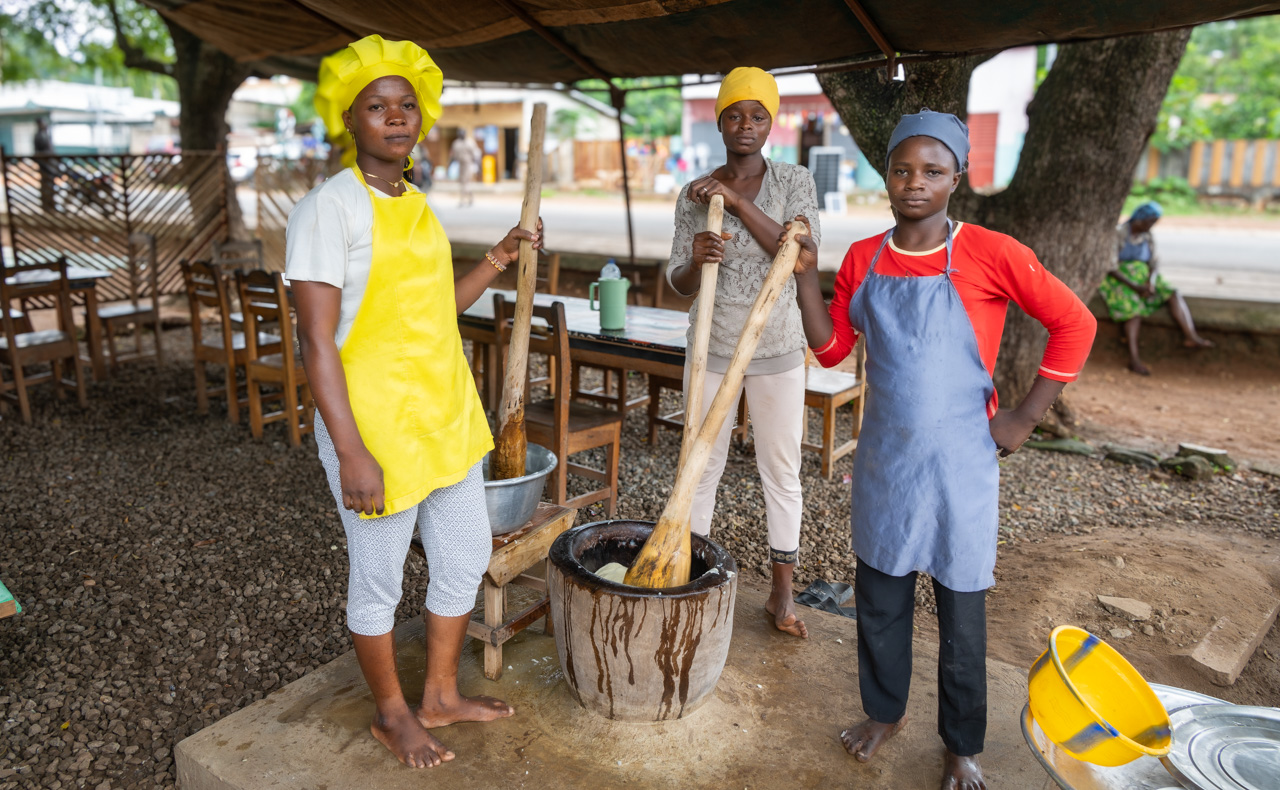
AGOUN AND TCHOUKOUTOU
The city of Dassa-Zoumé is about halfway between Cotonou and Natitingou in Benin, and it pops up just about when your stomach starts to grumble on the day-long trip. Our colleagues, Dr Sam Bodjrenou and Dr Malika Bankole of the Alliance of Bioversity International and CIAT, knew just the place for lunch, so we stopped at a roadside kitchen for a feed. Malika suggested something about eating yams and groundnuts, and Scott and I said OK, not really knowing what we were going to eat. A short time later we saw…
-
BY THE RIVER OF DEATH
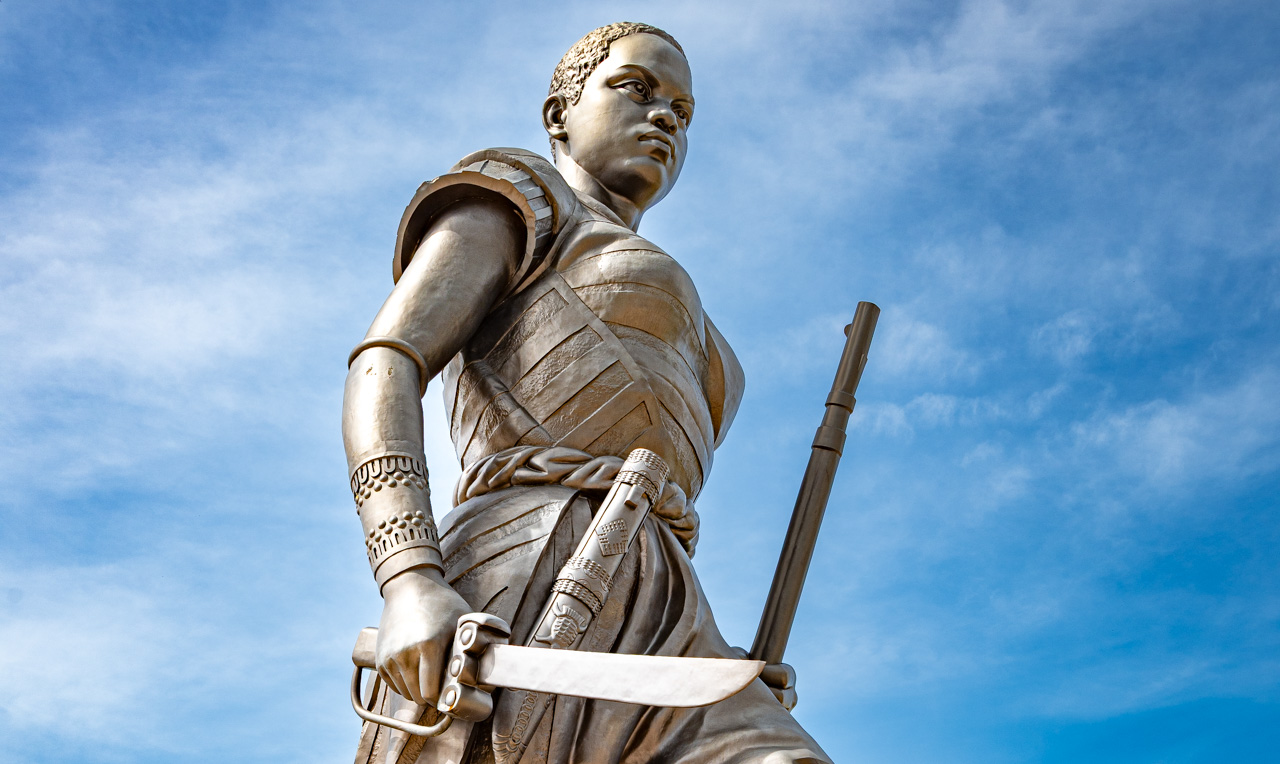
The channel where Lake Nokoué, fed by the Ouémé River, empties into the Atlantic in Benin was historically a treacherous place, with dangerous currents that took many lives. Yet settlers and traders built a fishing village at the channel’s mouth, and that village has grown into Benin’s largest city. French colonists liked the location, stabilised the currents and built a port to export Benin’s riches, most notably palm oil. The locals called the area Kútɔ̀nú in their Fon language, which means ‘mouth of the river of death’. The French put their…
If you see this after your page is loaded completely, leafletJS files are missing.