Climate change is reducing potato yields due to drought, heat, and diseases like late blight and bacterial wilt. The Crop Trust’s Crop Wild Relatives Project is funding a pre-breeding project in Peru and Kenya that aims to develop improved potatoes by tapping into the genetic diversity available in the wild relatives of potato … there are about 150 known species of wild potatoes.
These potato wild relatives grow in diverse soils and climates, from the dry desert along the Peruvian coast, to the inter-Andean valleys, up to altitudes of 4,200 meters above sea level (MASL). Cultivated potatoes have lost a great deal of genetic variation through domestication, but their crop wild relatives (CWR) are a rich source of traits that can be used to breed more nutritious, disease-resistant varieties.
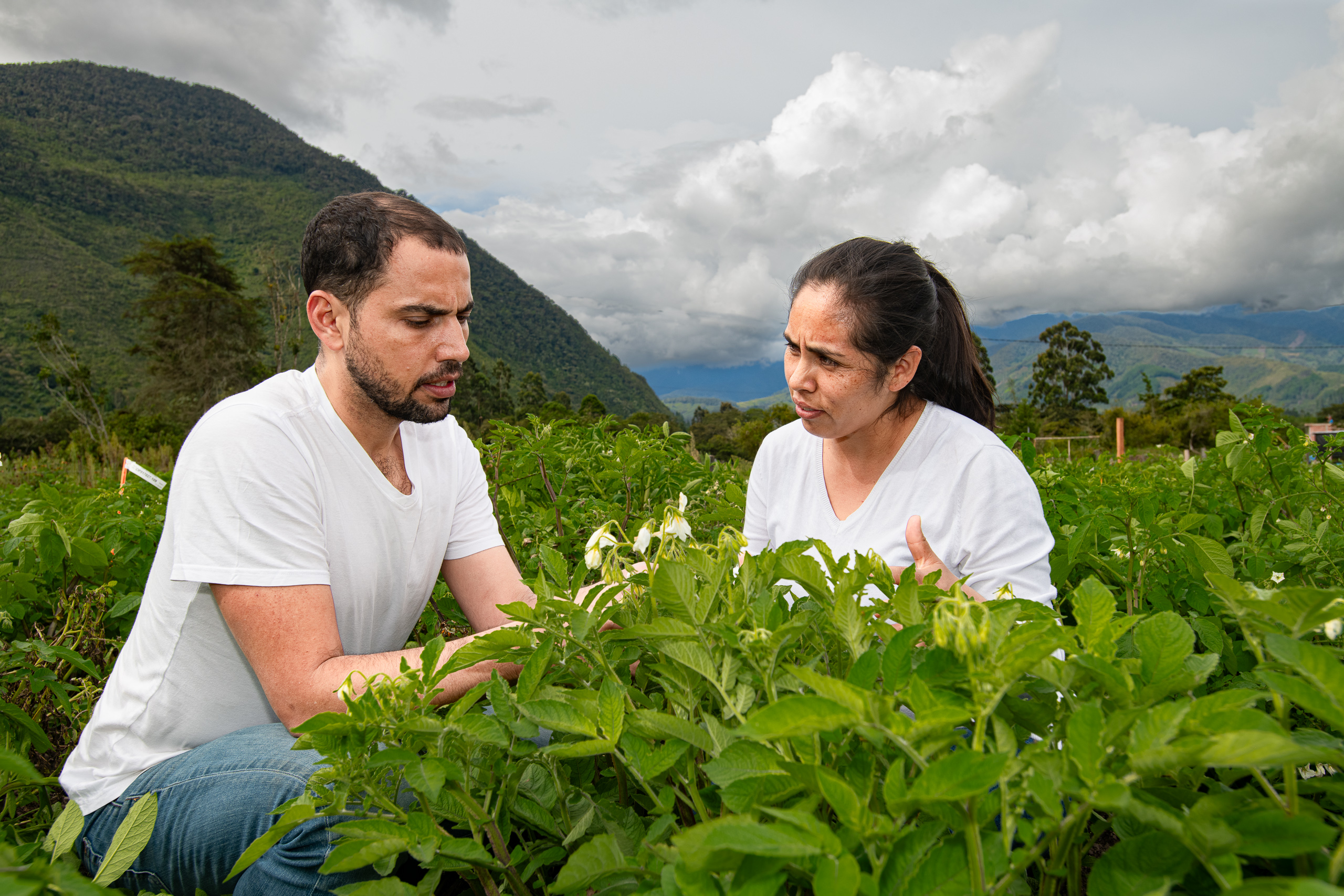
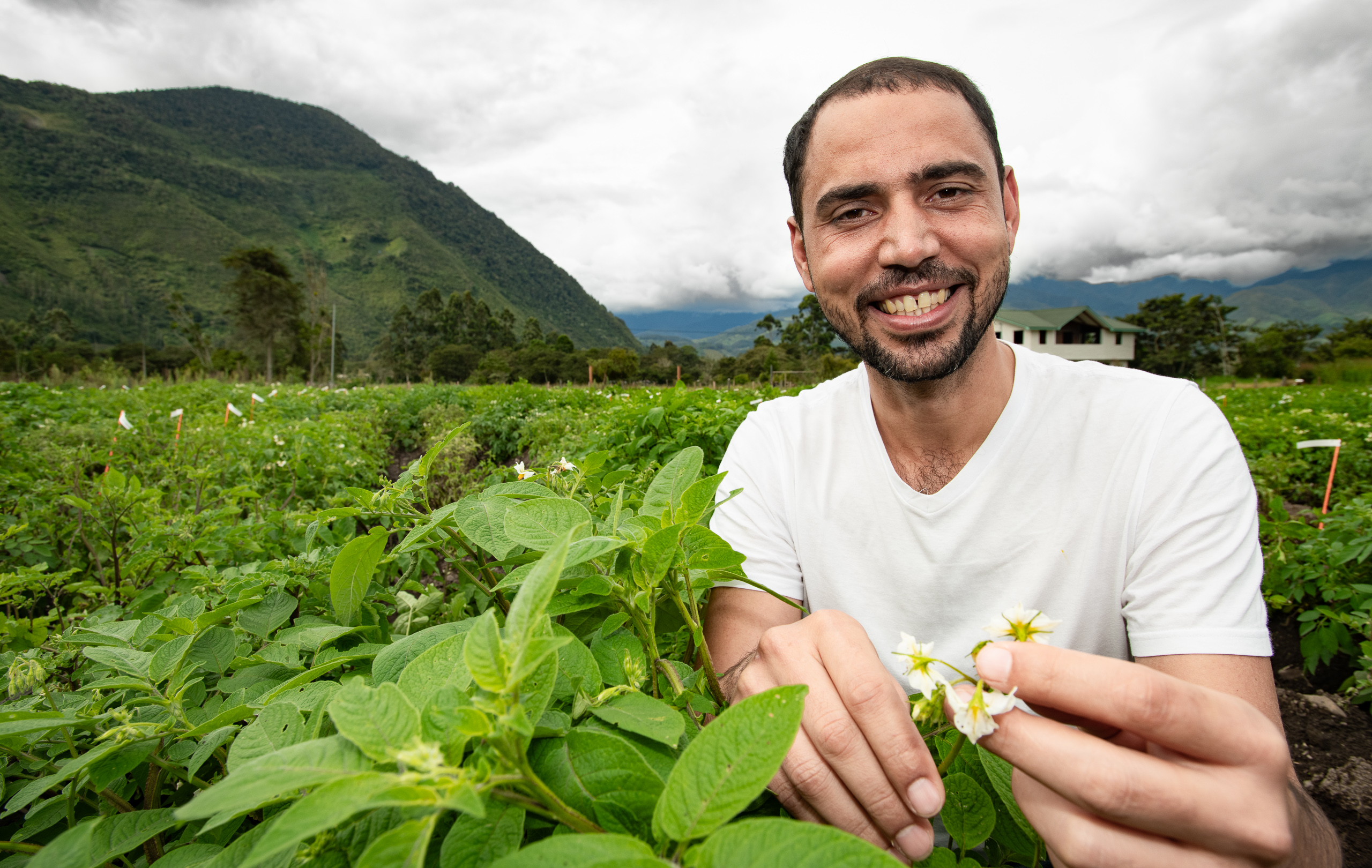
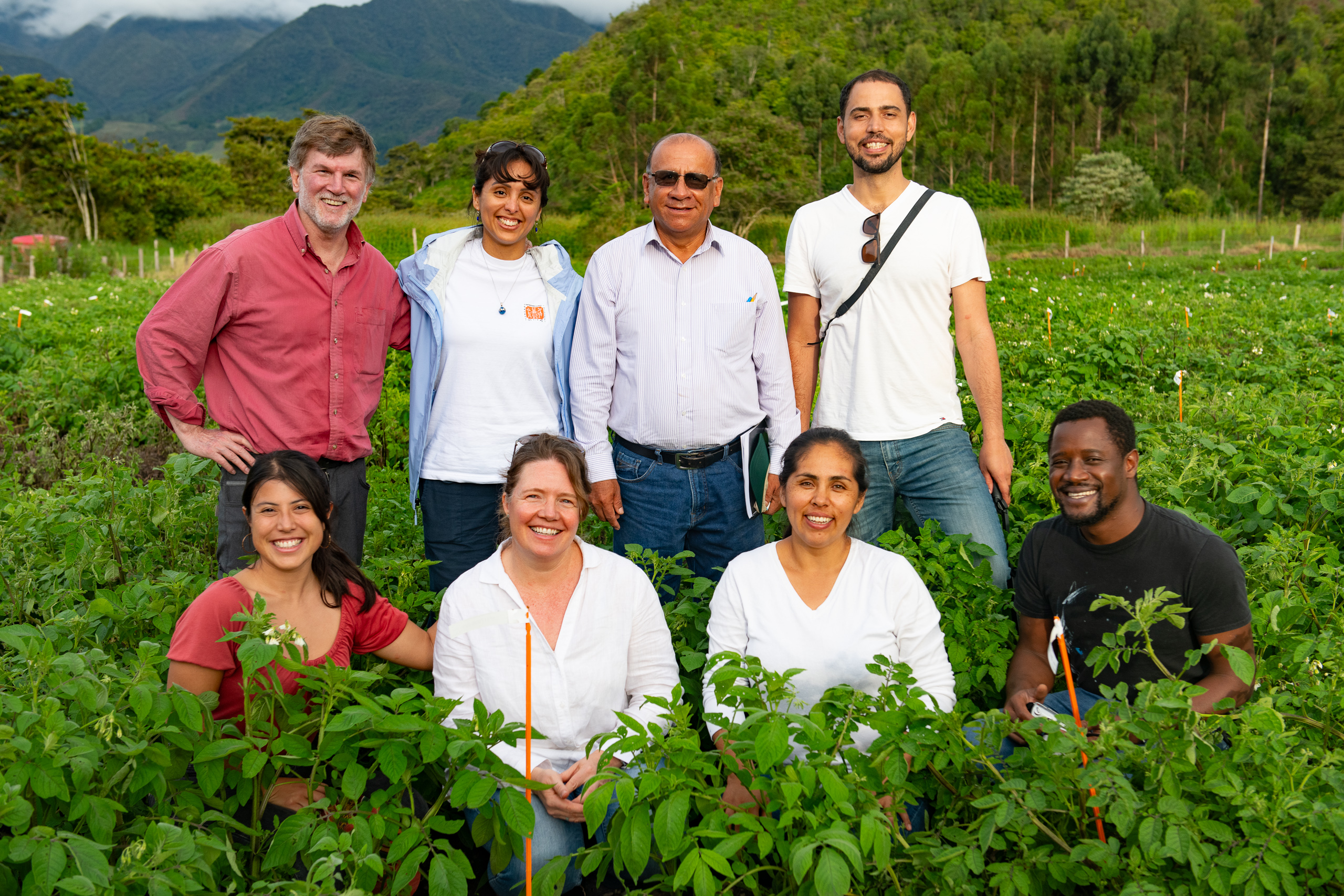
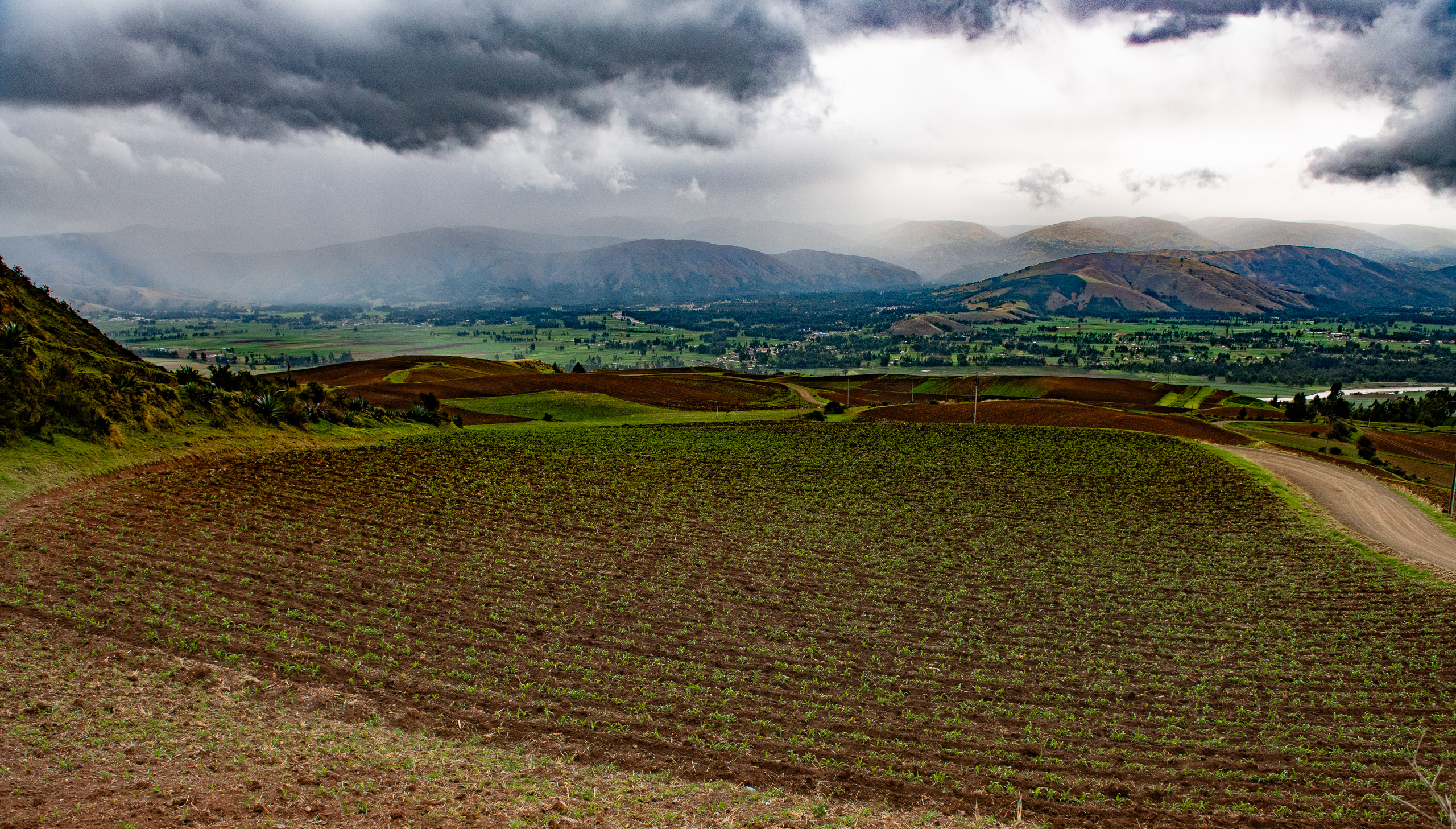
I travelled with our partners from the International Potato Center (CIP) in Peru to see some of the project’s activities. I visited Oxapampa (1800 MASL) where CIP is screening potatoes derived from crop wild relatives to determine the degree of resistance to late blight, a fungus which can devastate potatoes. It was really discouraging at first as I saw rows and rows of potatoes dying from late blight. Then I saw a big block with very healthy potatoes. ‘These are the crop wild relative-derived lines,’ I was told. Wow! So many of them had a natural resistance to late blight which had been derived after crosses with crop wild relatives. That’s great news for farmers who will be able to reduce chemical sprays and farm in a more sustainable way to ensure our food security despite climate change.
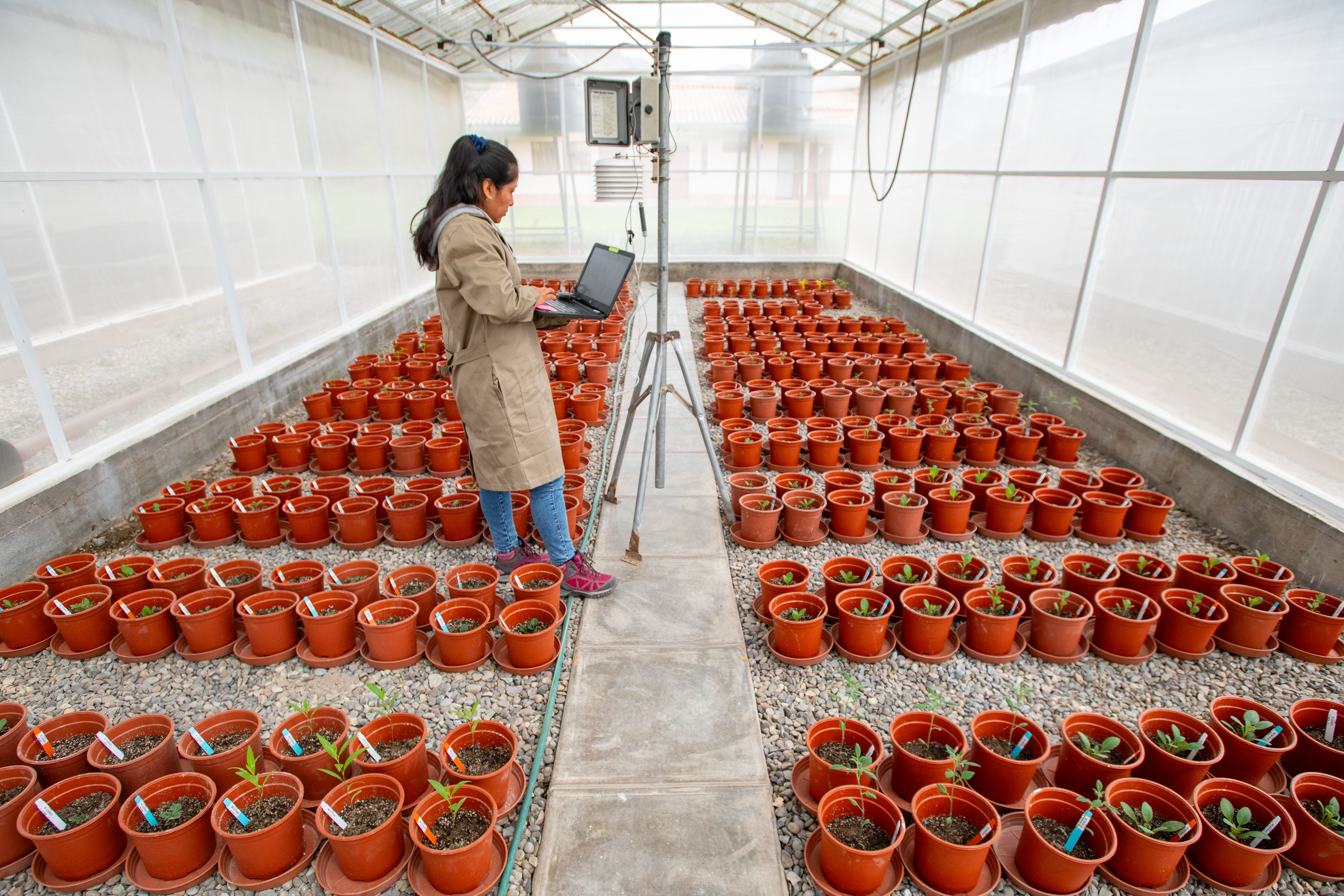
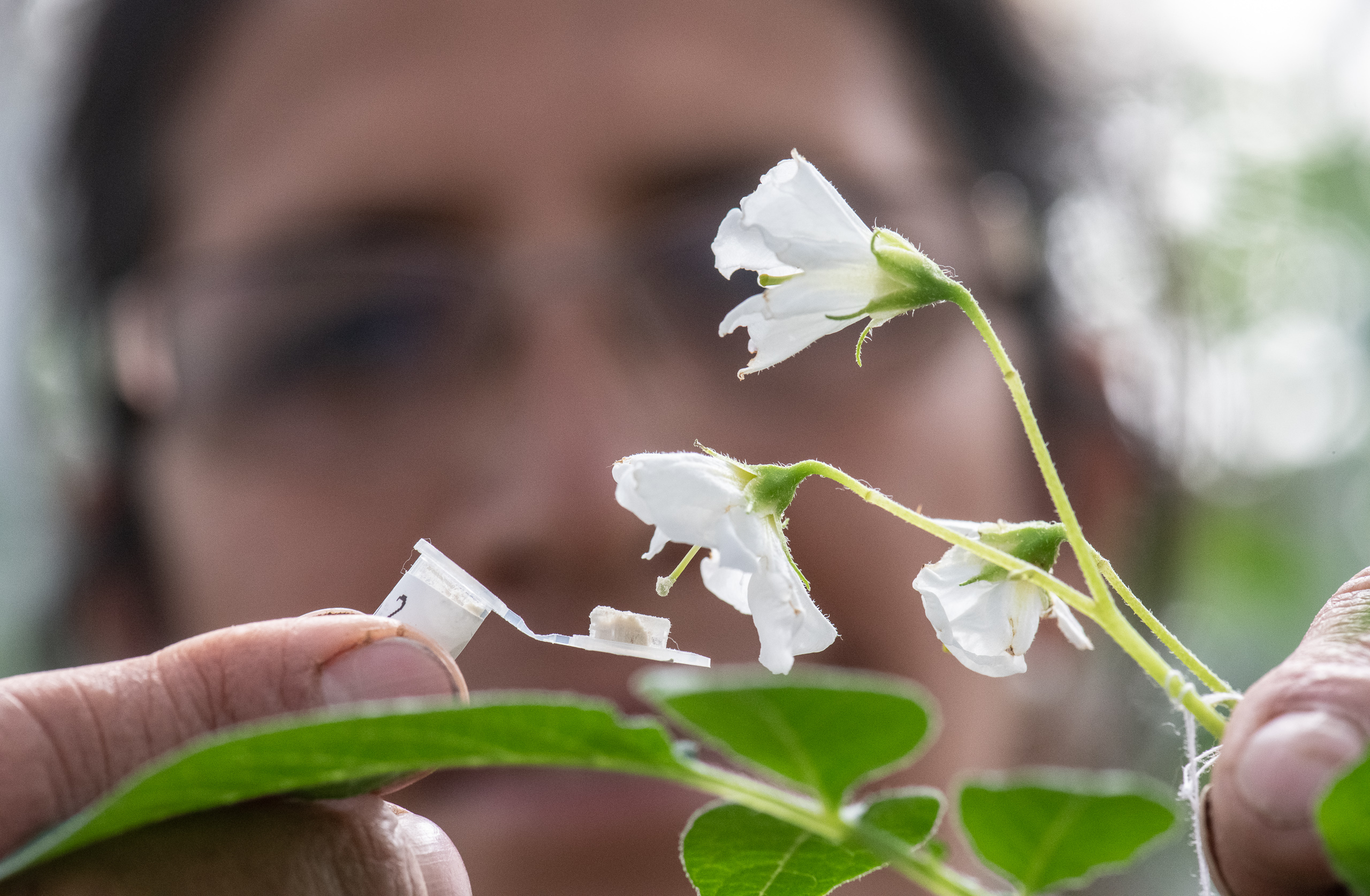
Near the highland city of Huancayo (3200 MASL), I met with CIP researchers who are making crosses between potatoes resistant to bacterial wilt and potatoes with heat tolerance.
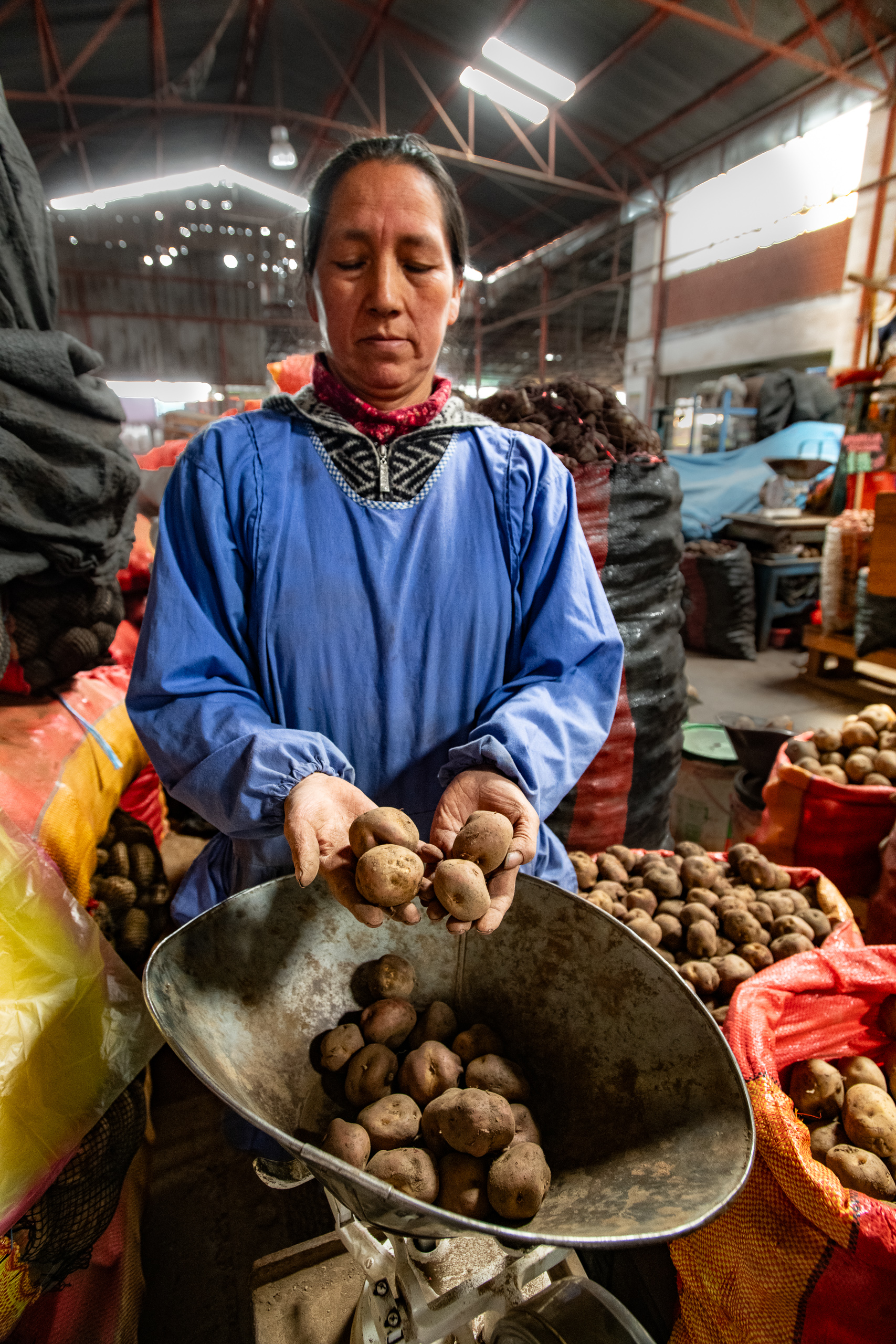
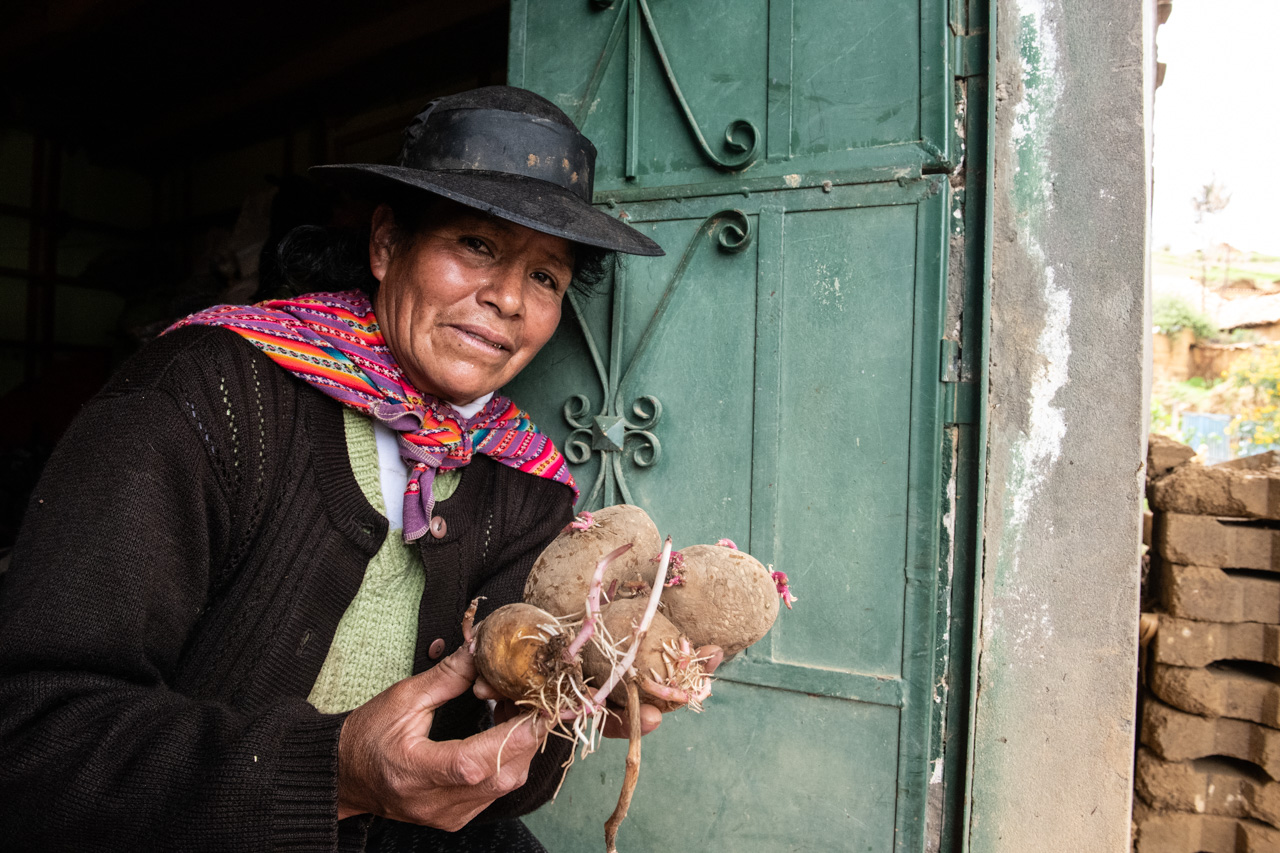
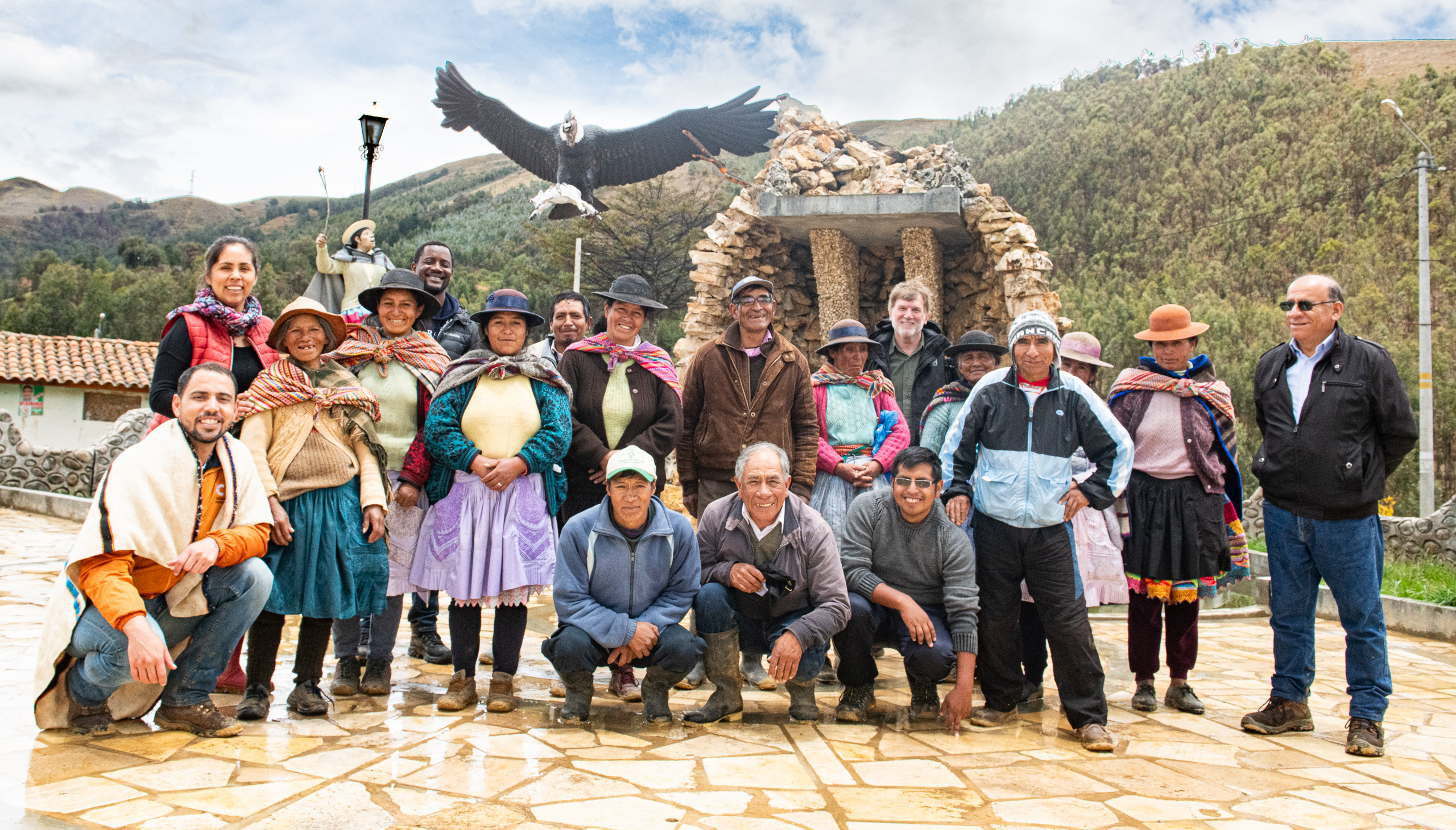
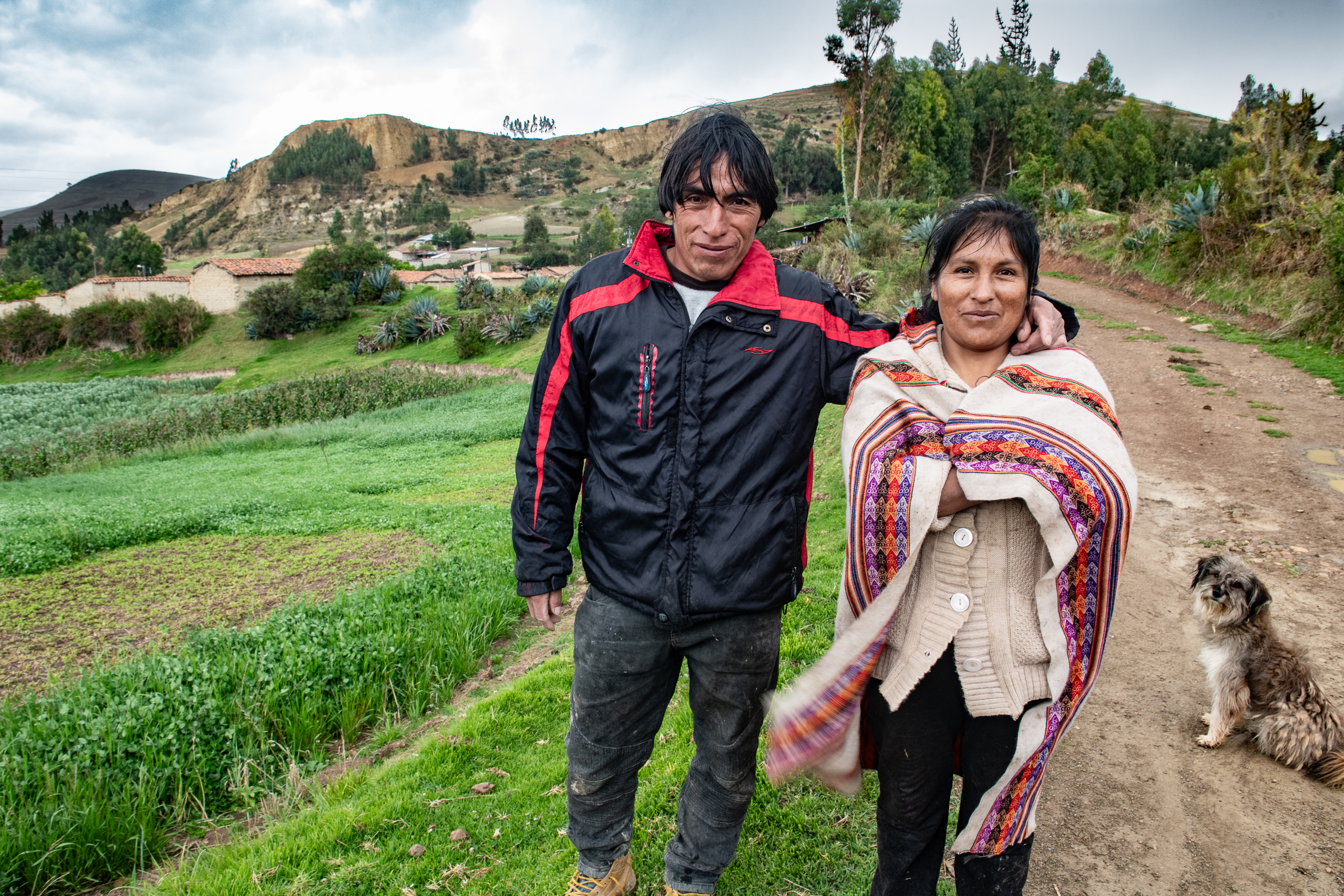
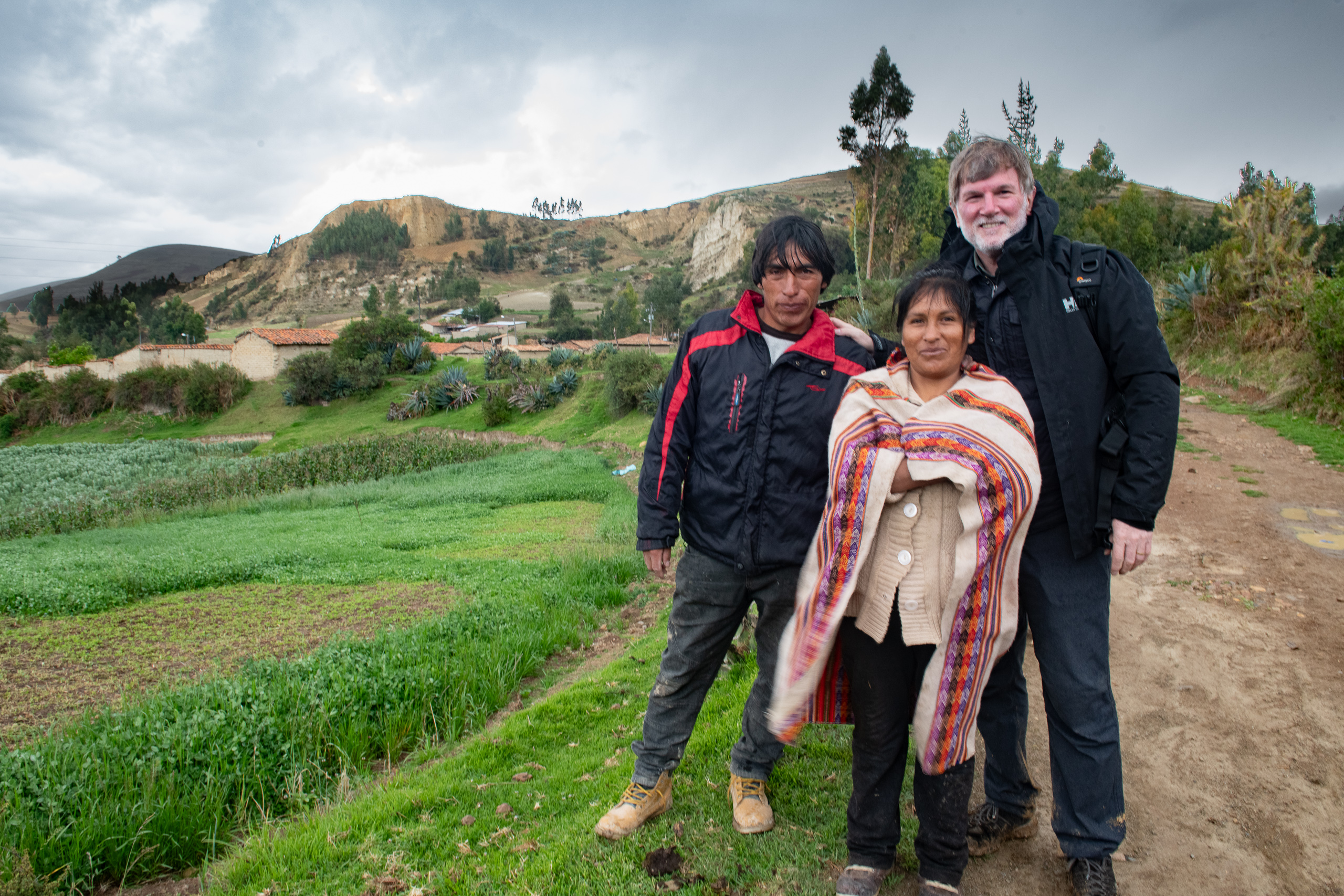
And further up into the highlands at 3500 MASL, I joined Raúl Ccanto of GRUPO Yanapai, an NGO dedicated to research and development in Andean communities, and met farmers from the community of Colpar who are evaluating two types of wild-derived potatoes which have already displayed resistance to late blight in order to select one potato for release in 2020.