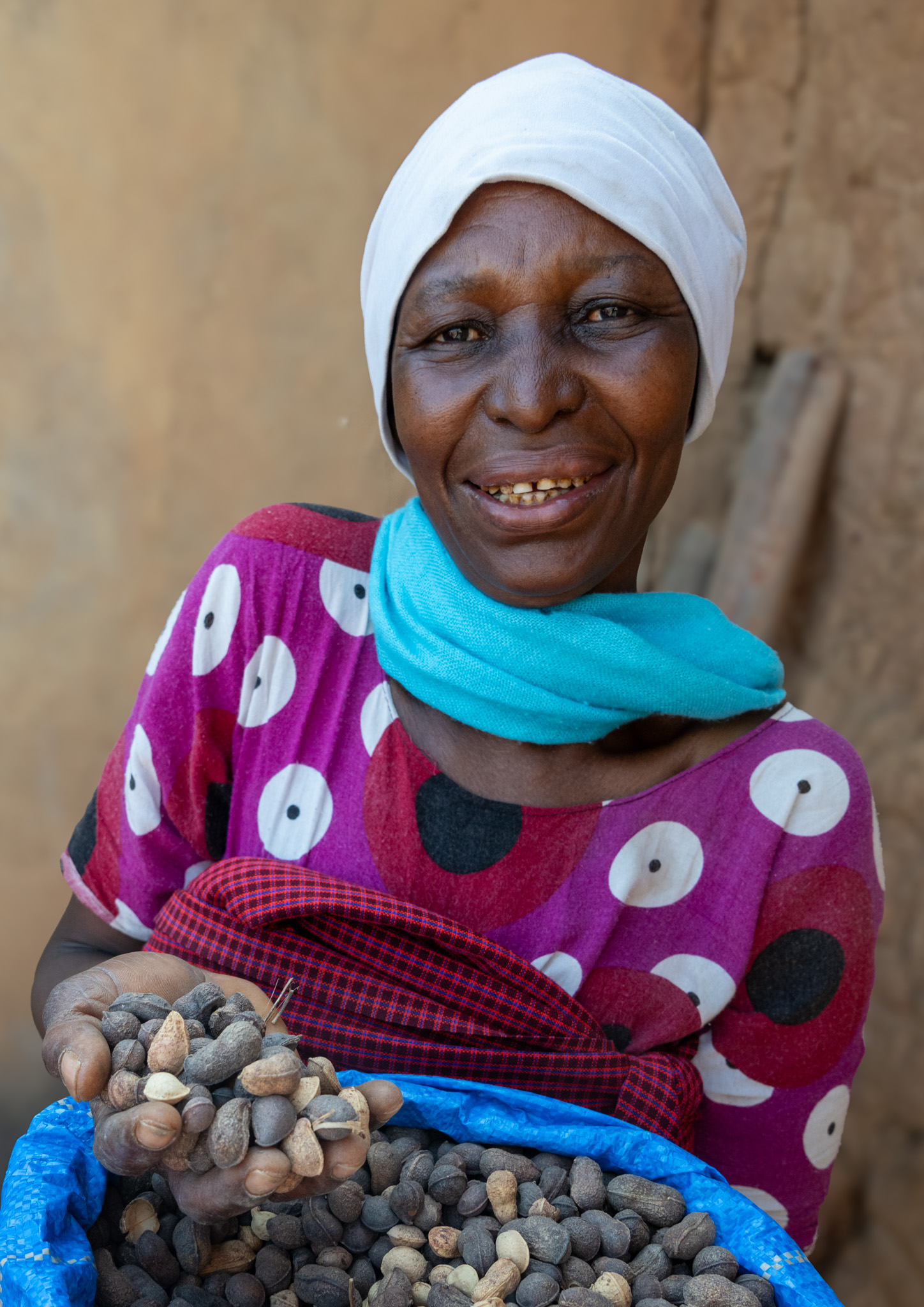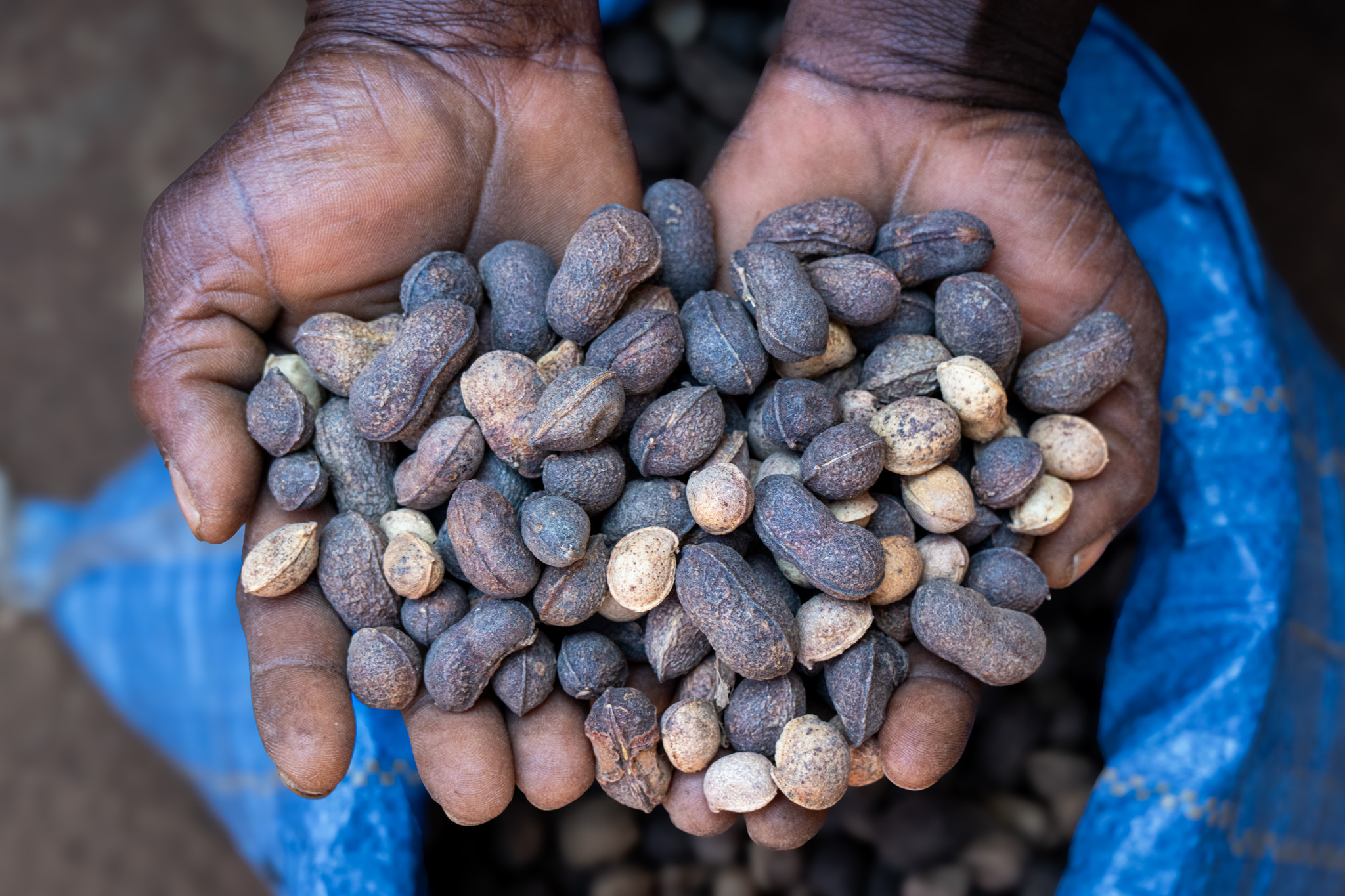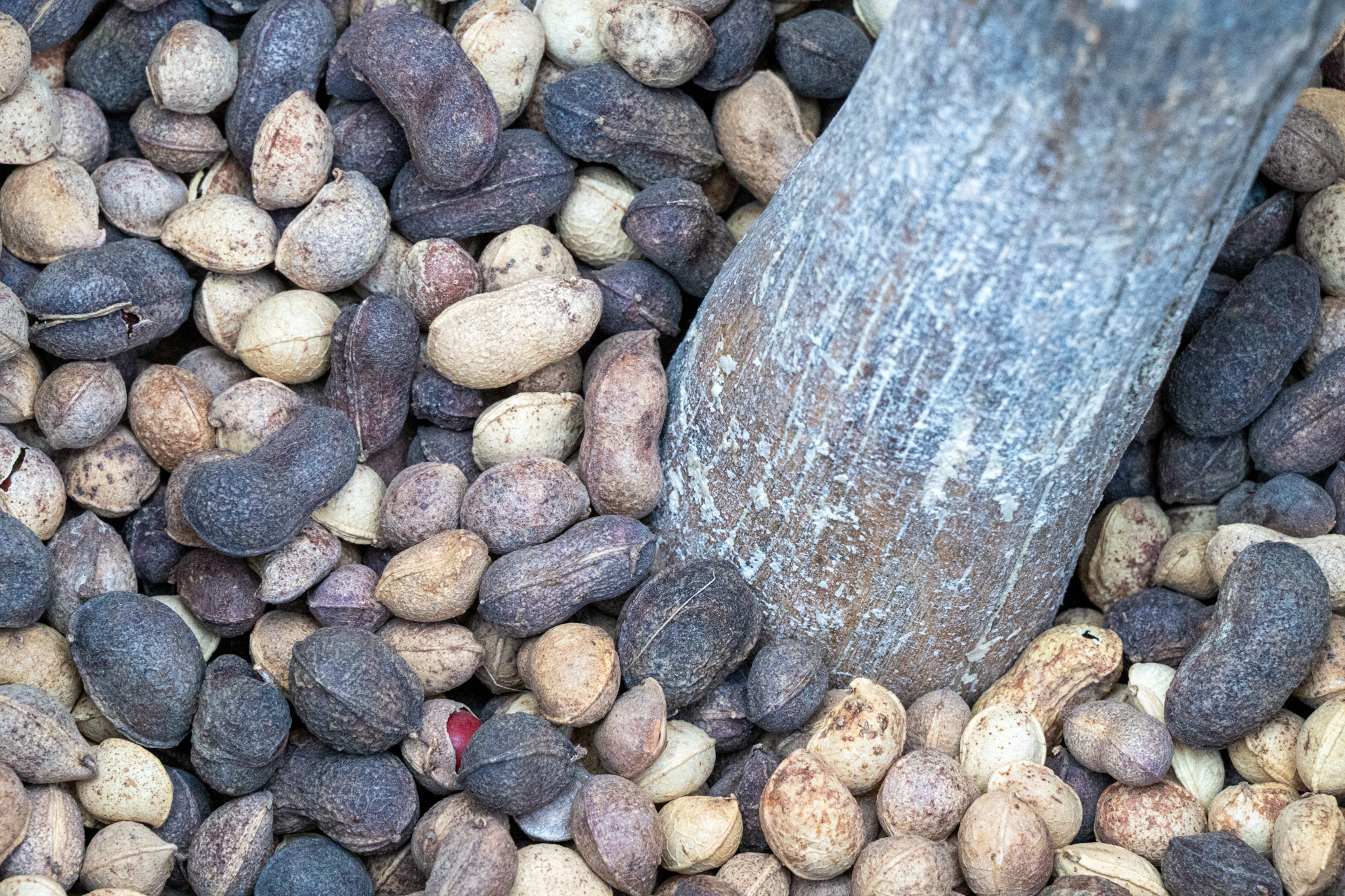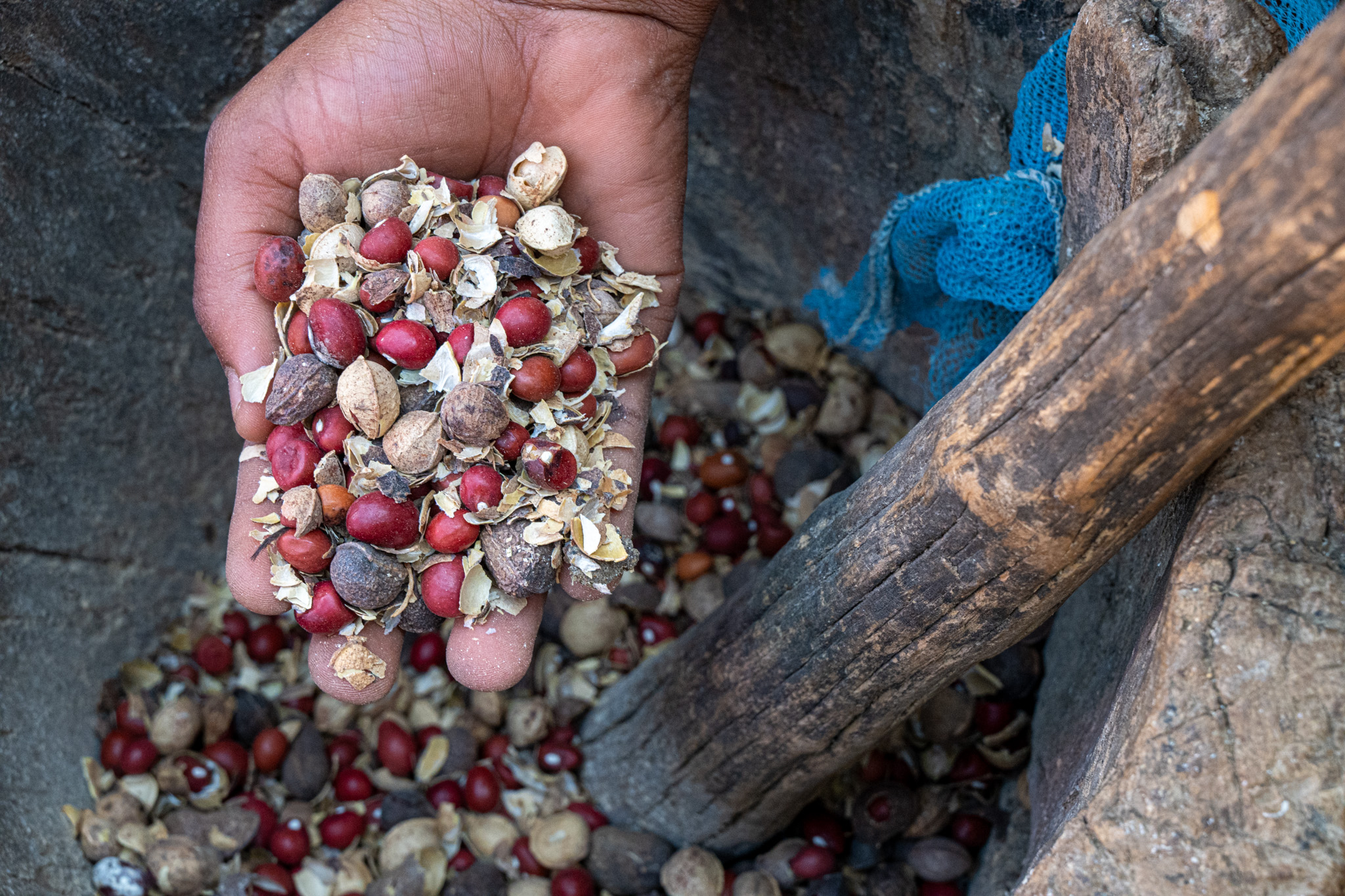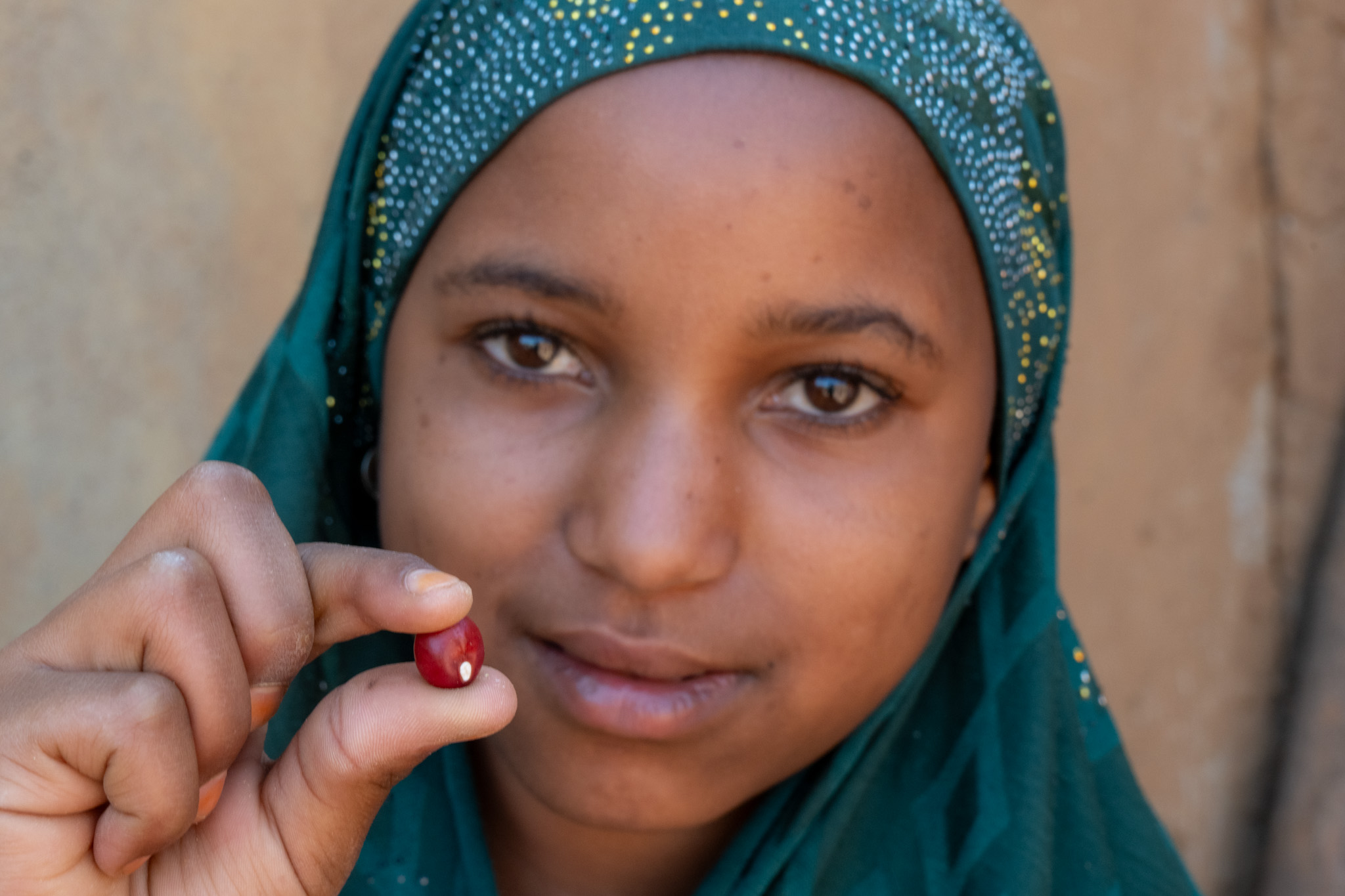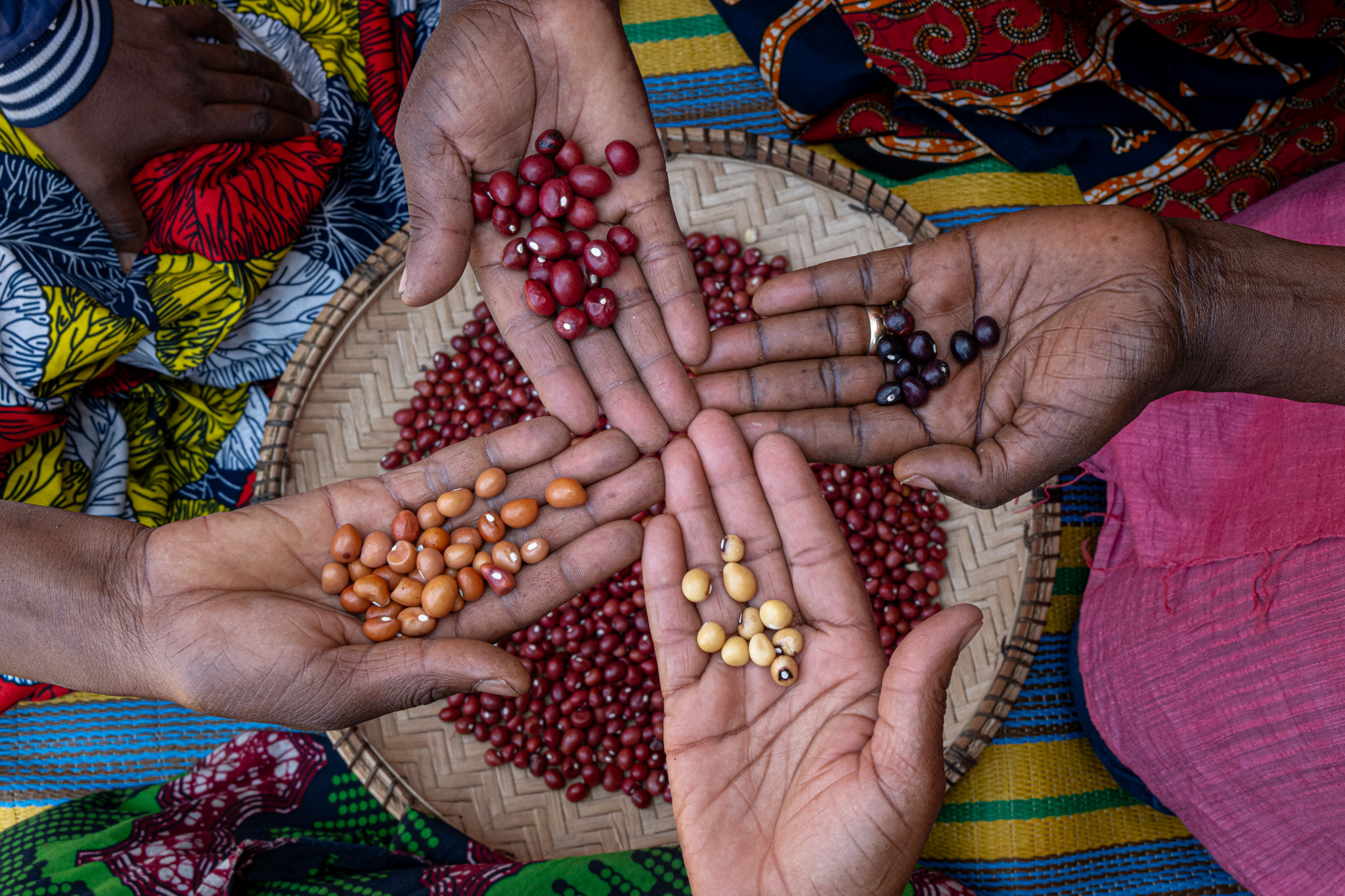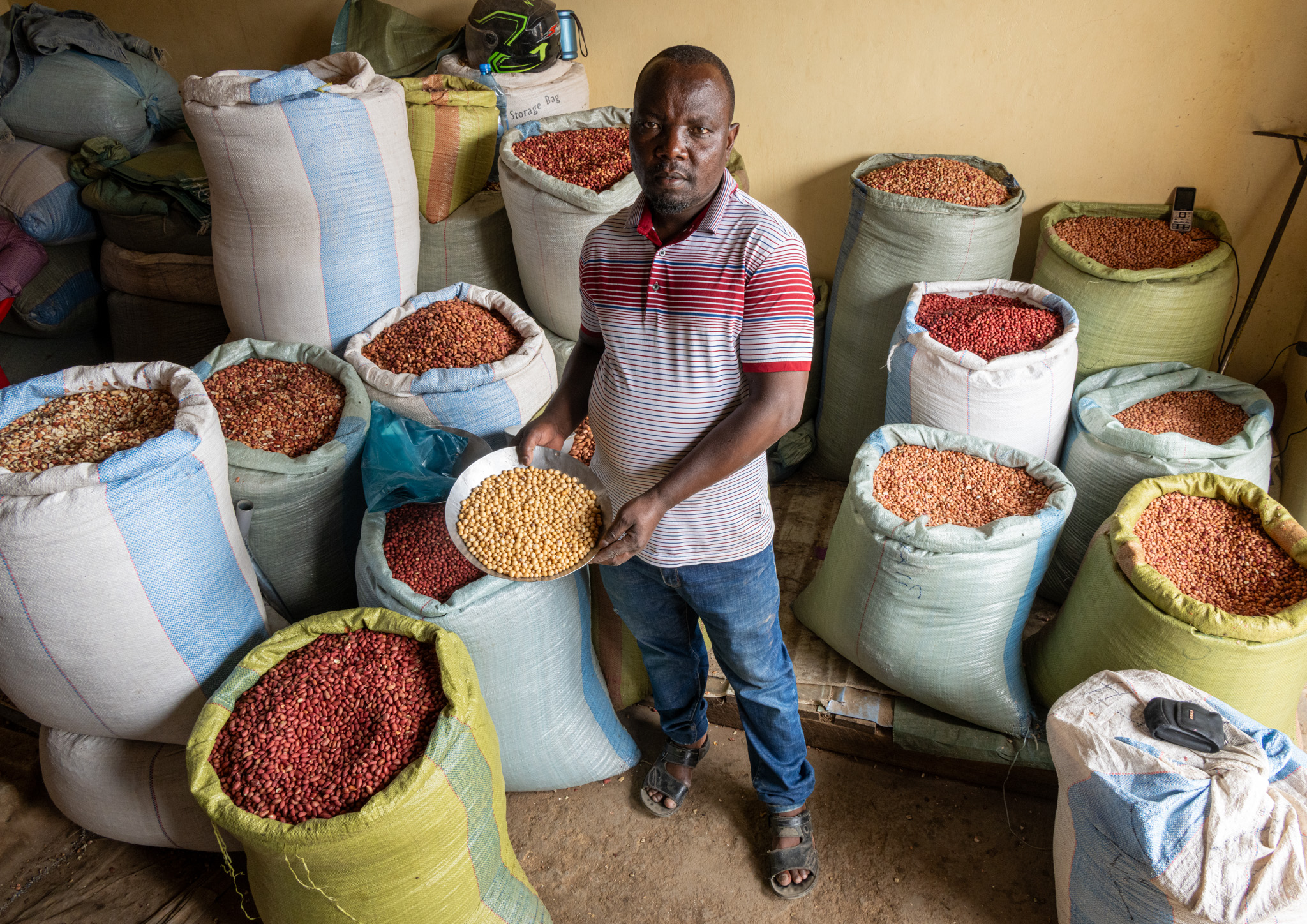
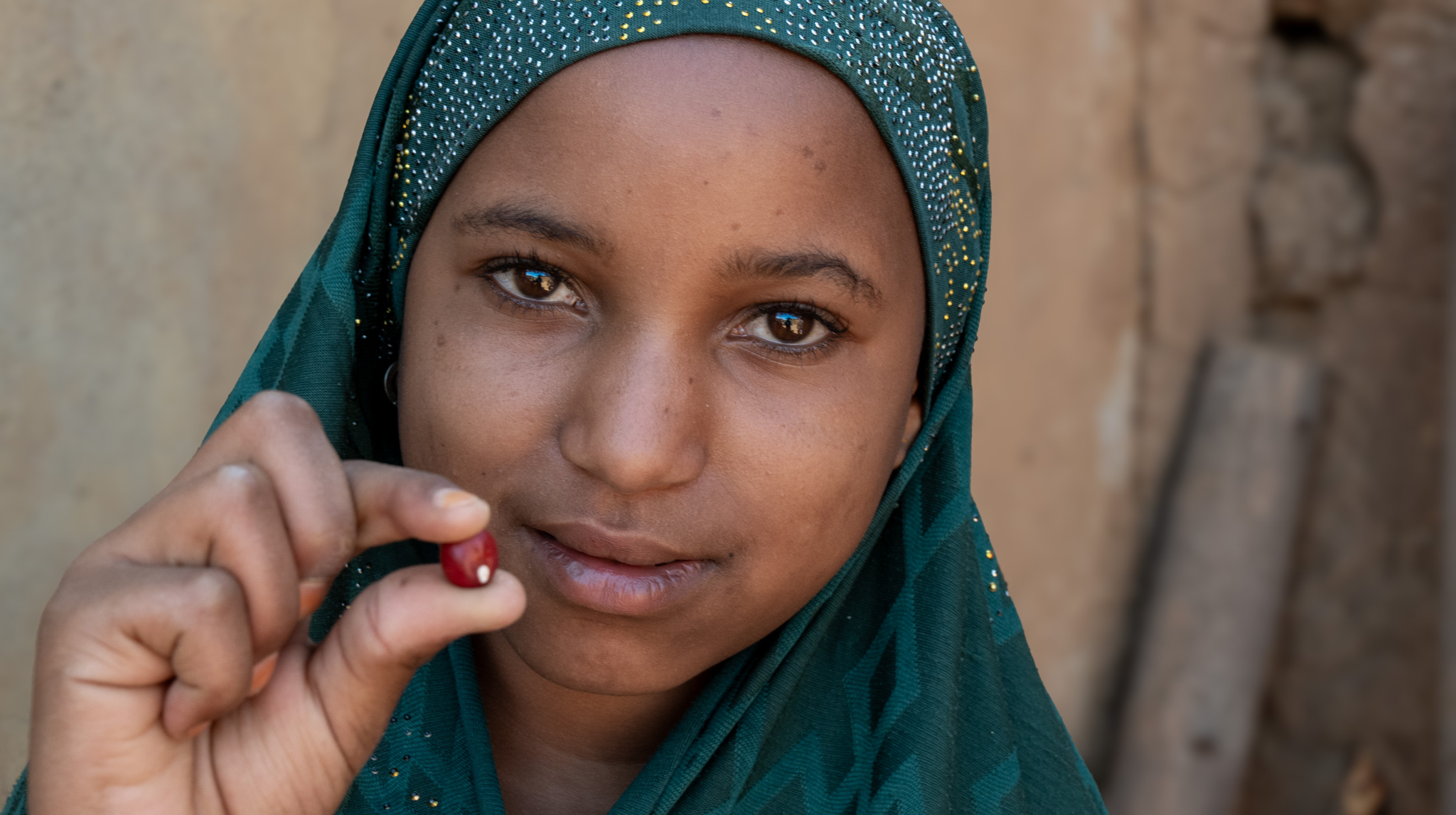
If you look at a dried Bambara groundnut in its shell you’d be forgiven if you thought it was a deformed peanut. They share a name. Peanuts are called ‘groundnuts’ in many places in the world. And they are both legumes. And both need to have hard shells removed prior to eating. But that’s pretty much where the similarities end. They’re distant botanical cousins but probably not close enough to be invited to family reunions.
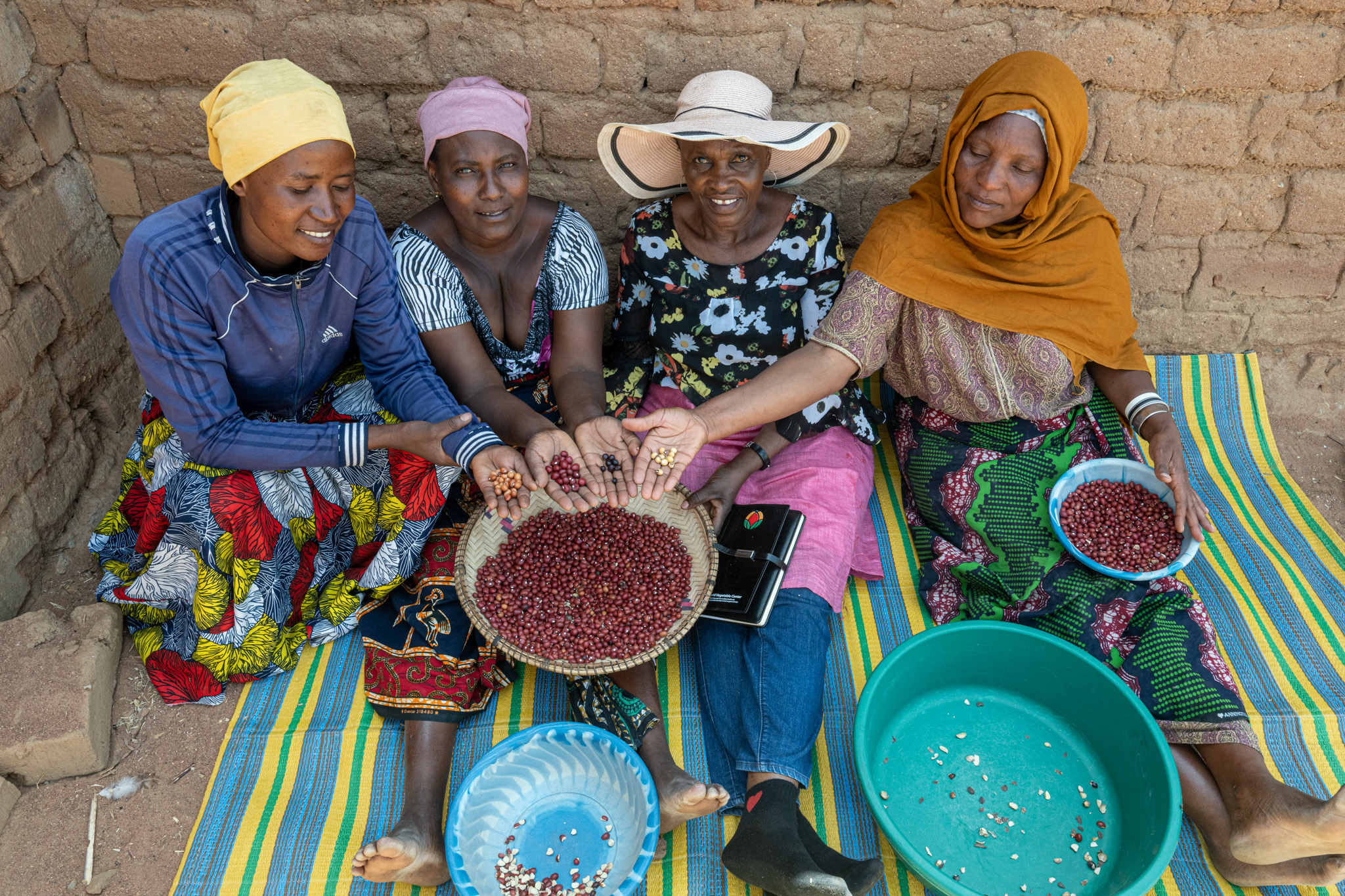
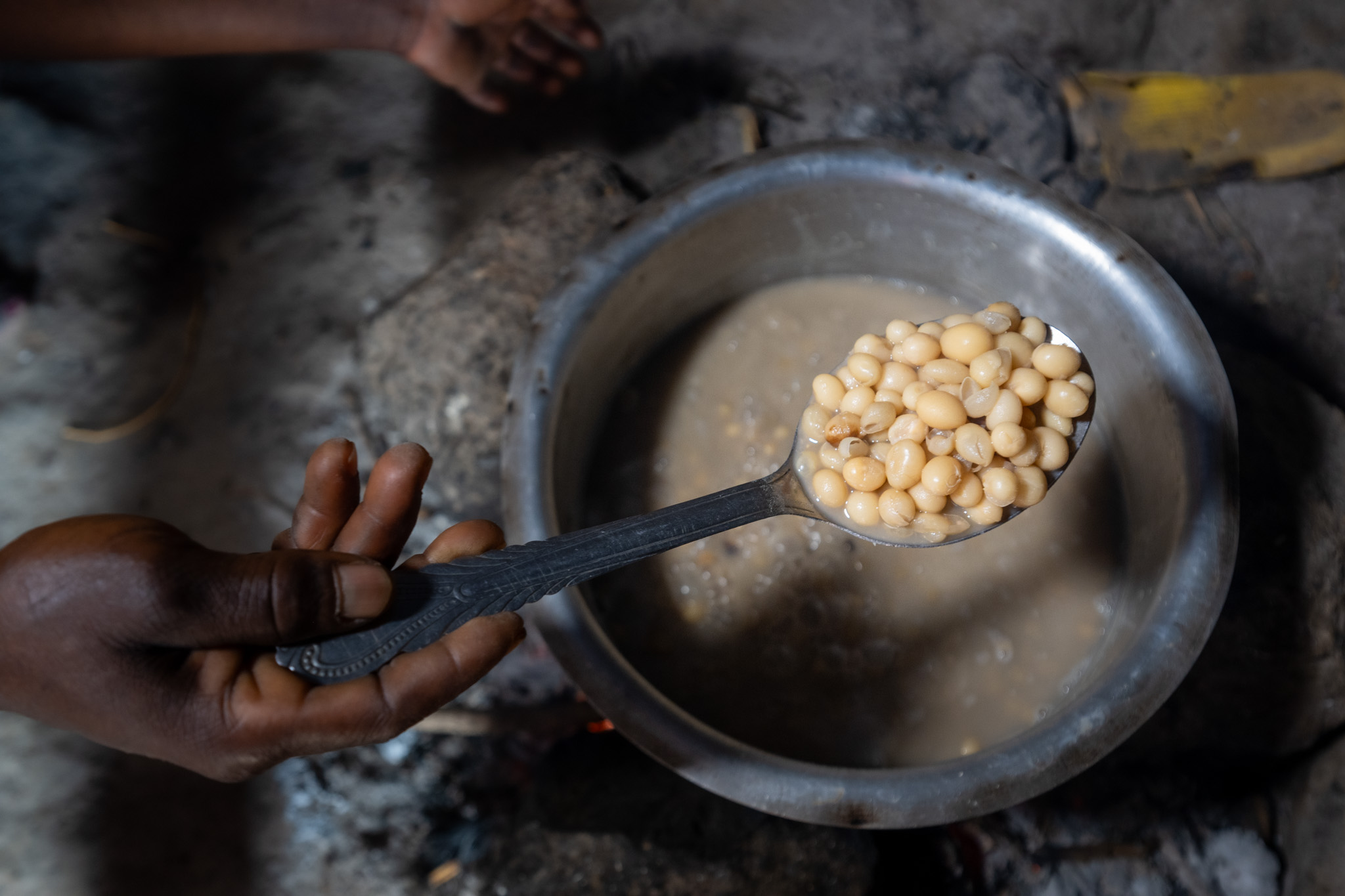
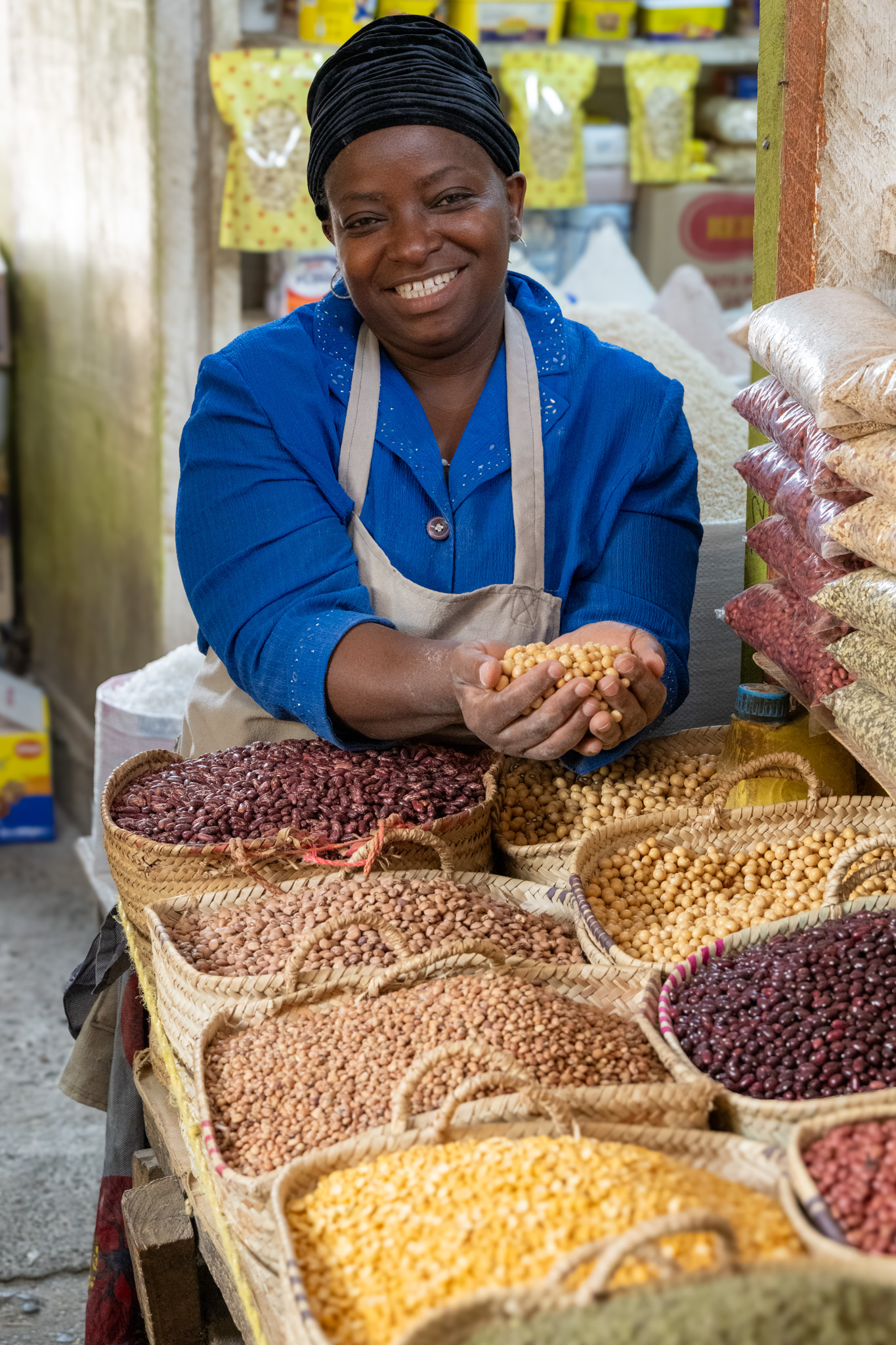
Bambara groundnuts (BGN) are sown in arid and semi-arid locations like the village of Unyamikumbi, in central Tanzania where I saw them being shelled and cooked. In years of drought, they can be the only crop which generates any kind of yield. So they can help stave starvation in the worse years as they are about 18–25% protein and very high in essential amino acids. And as I discovered in my travels in Tanzania they’re mighty delicious.
It seems a no-brainer that they should be planted more widely throughout Africa, but they remain a neglected and underutilised crop in terms of research and scaling. The Crop Trust’s BOLDER Project has prioritised BGN as a ‘opportunity crop’ and helping to promote it.
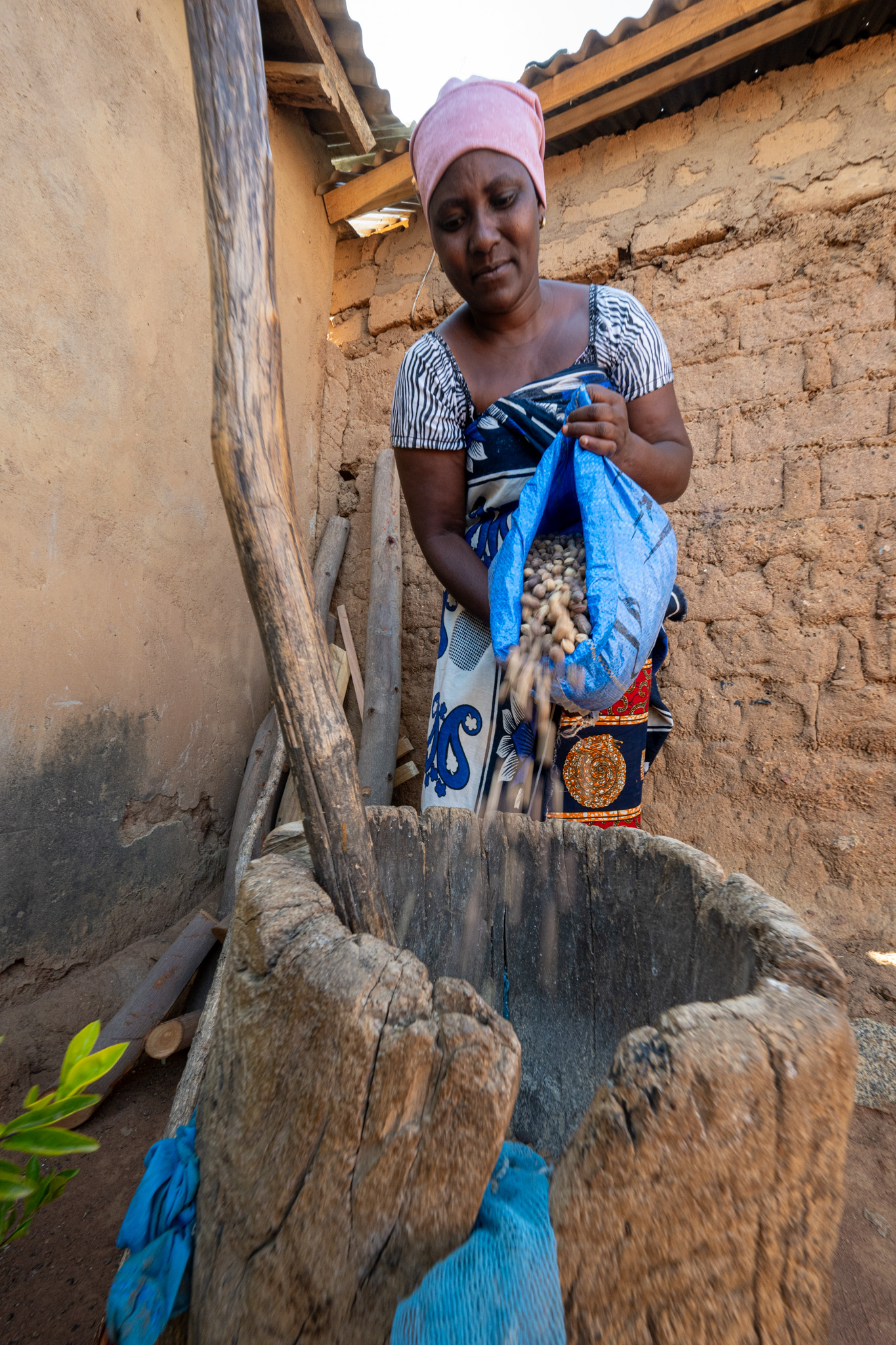
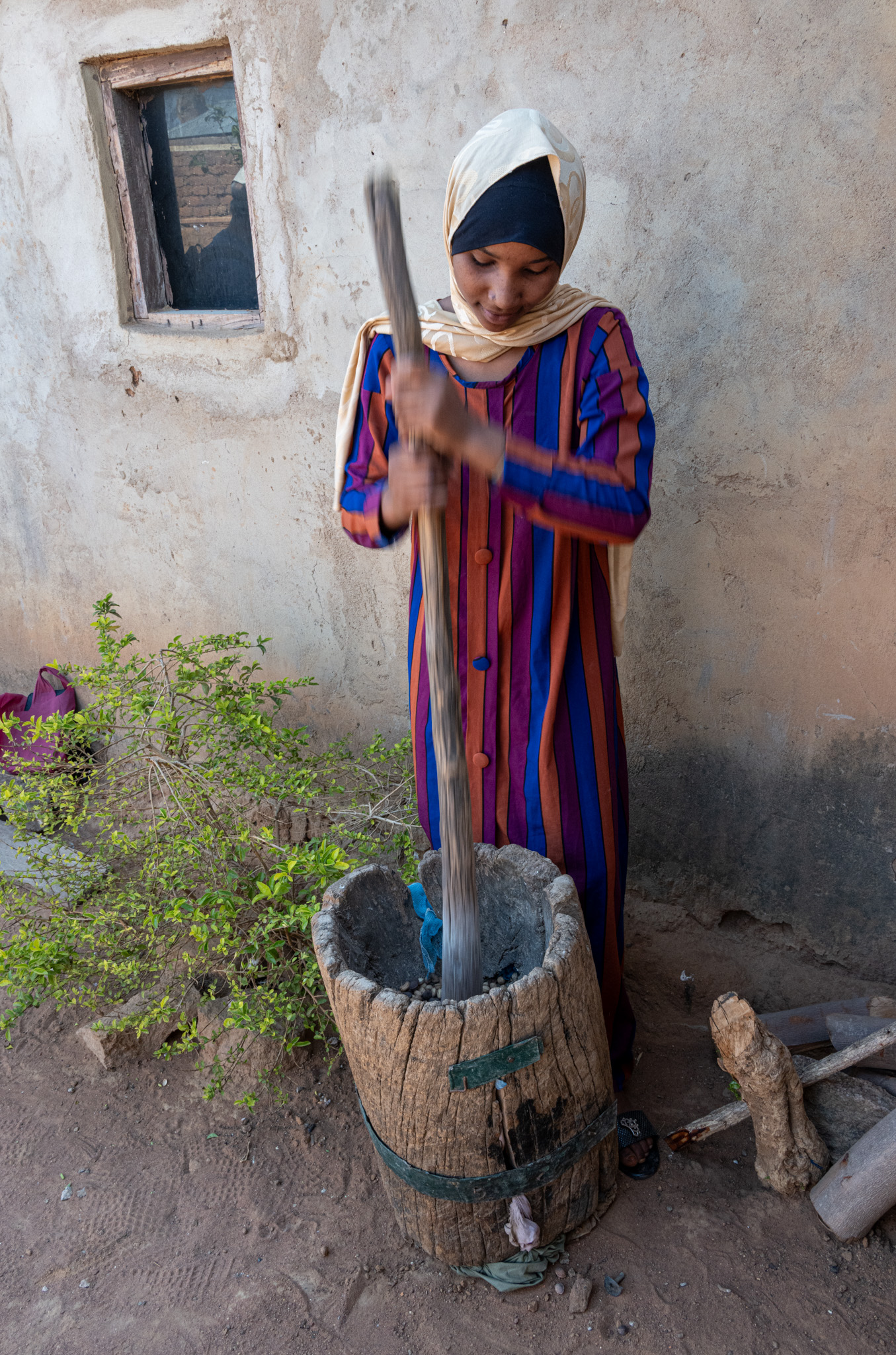
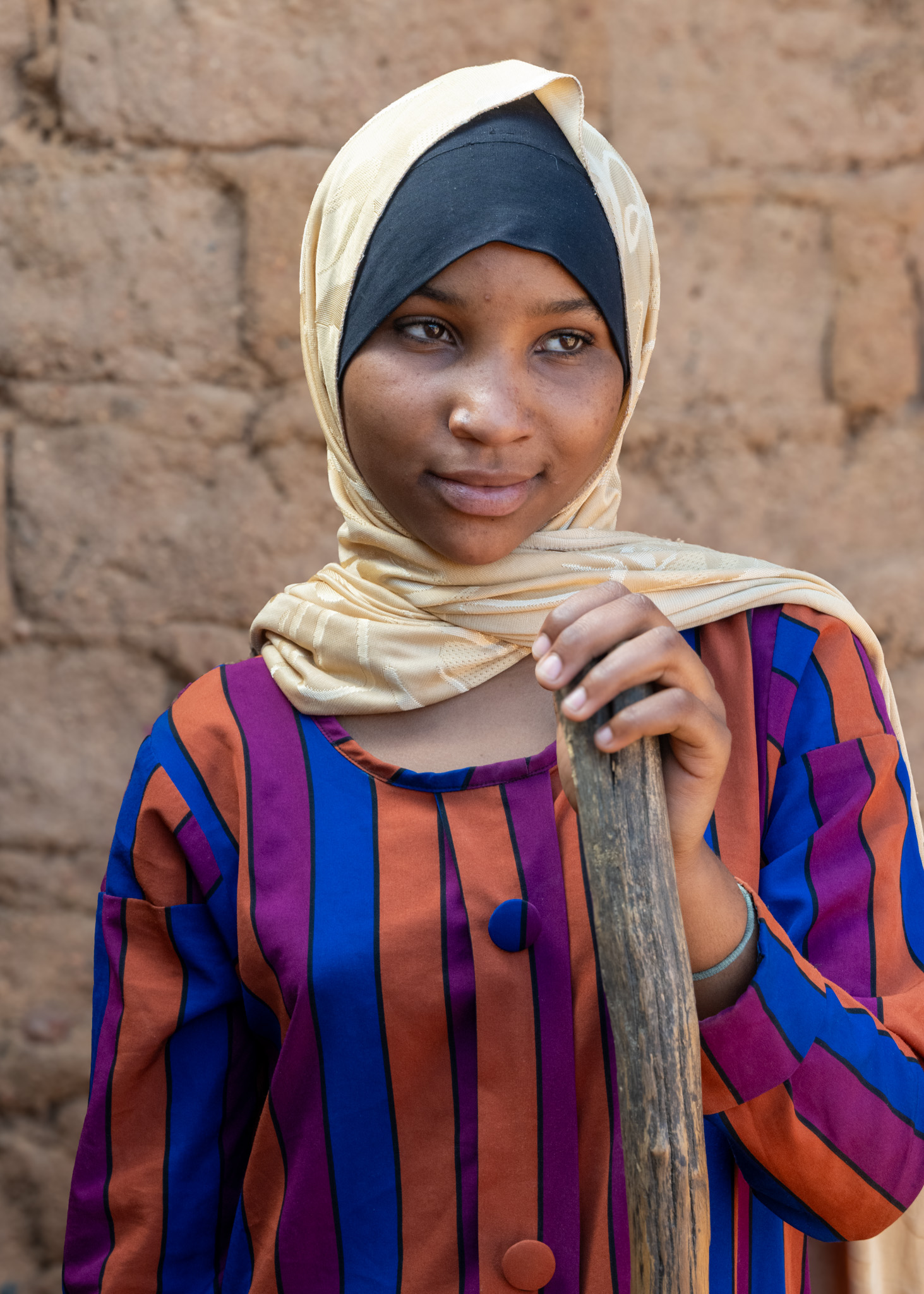
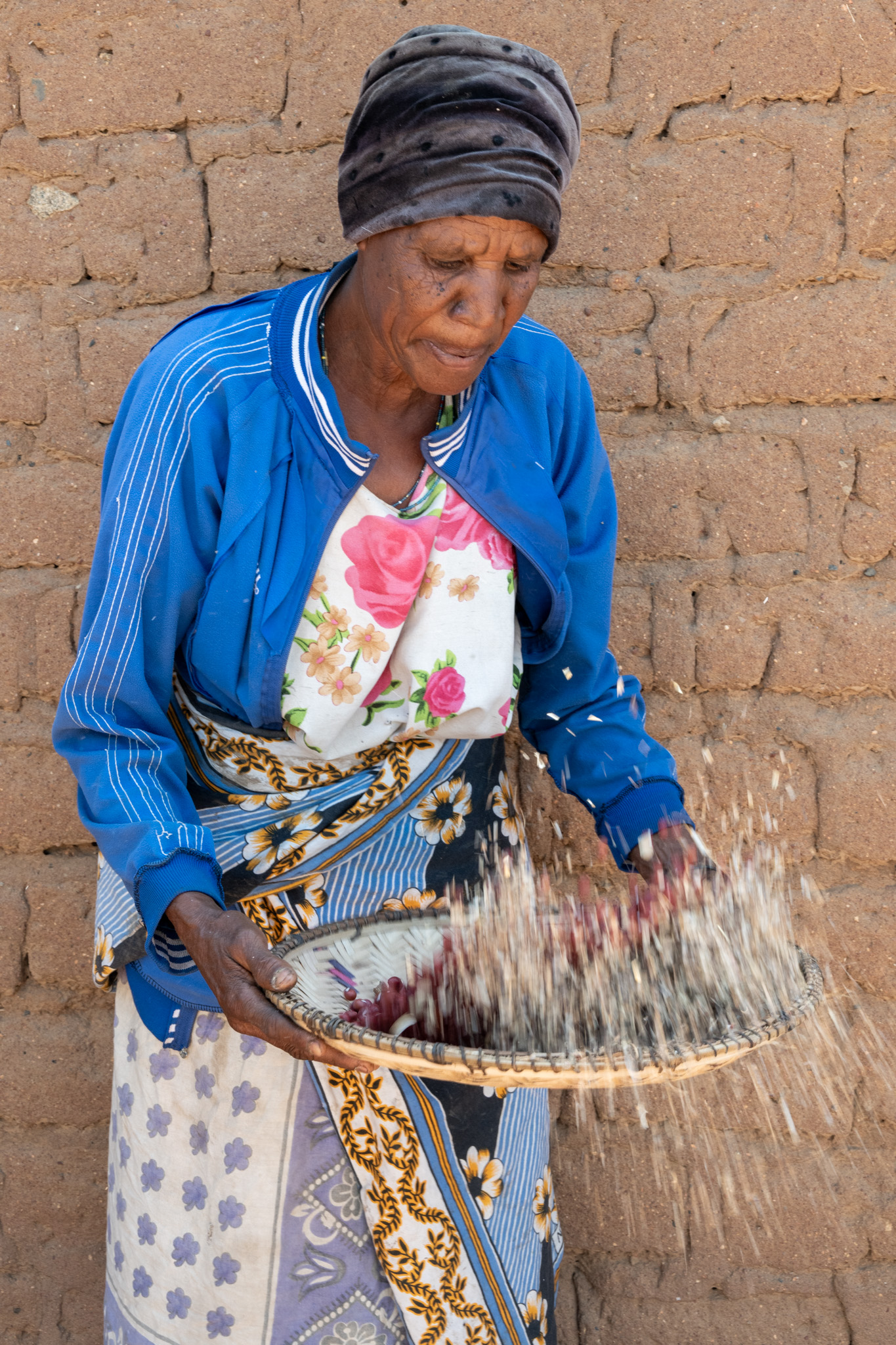
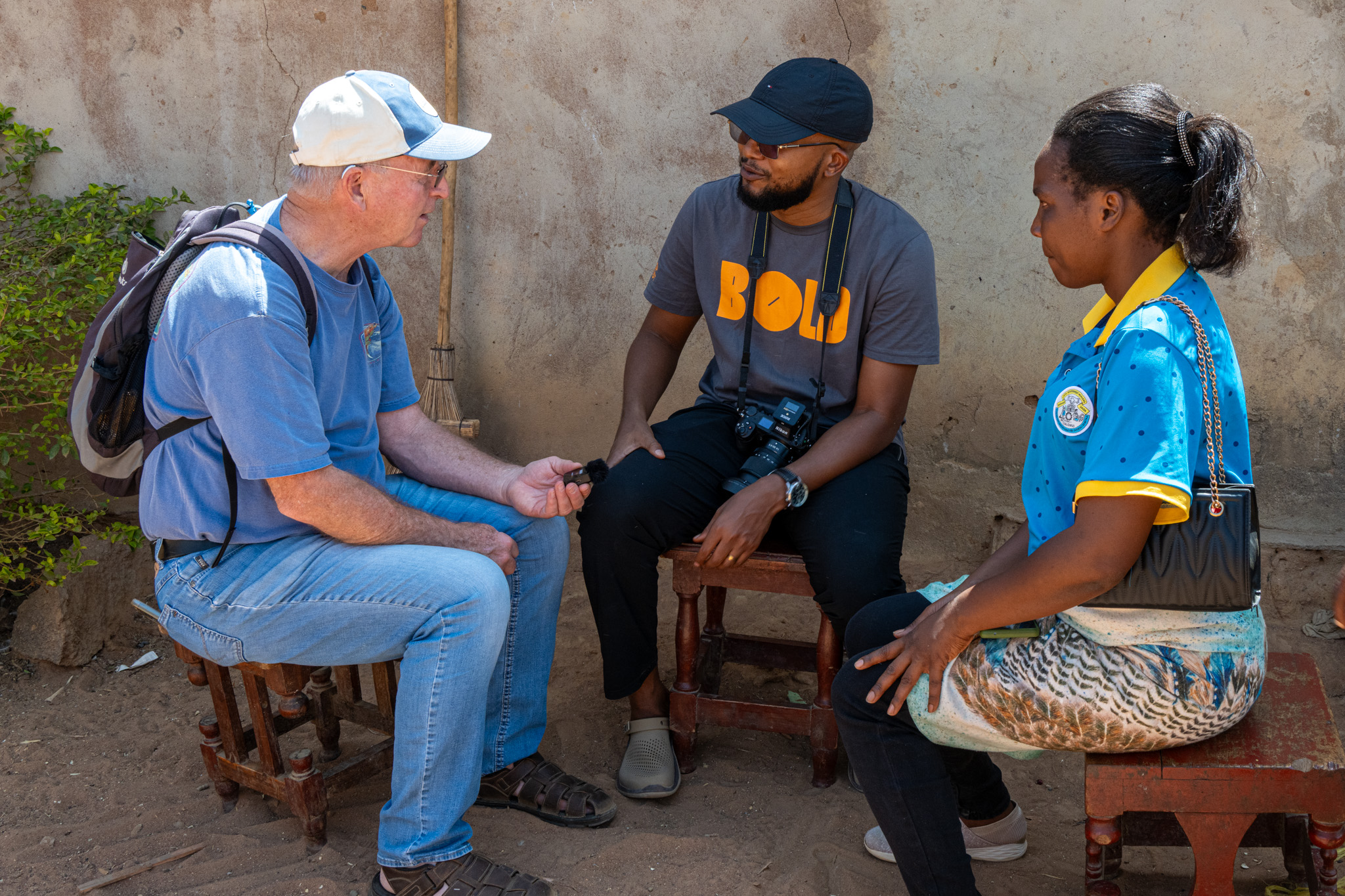
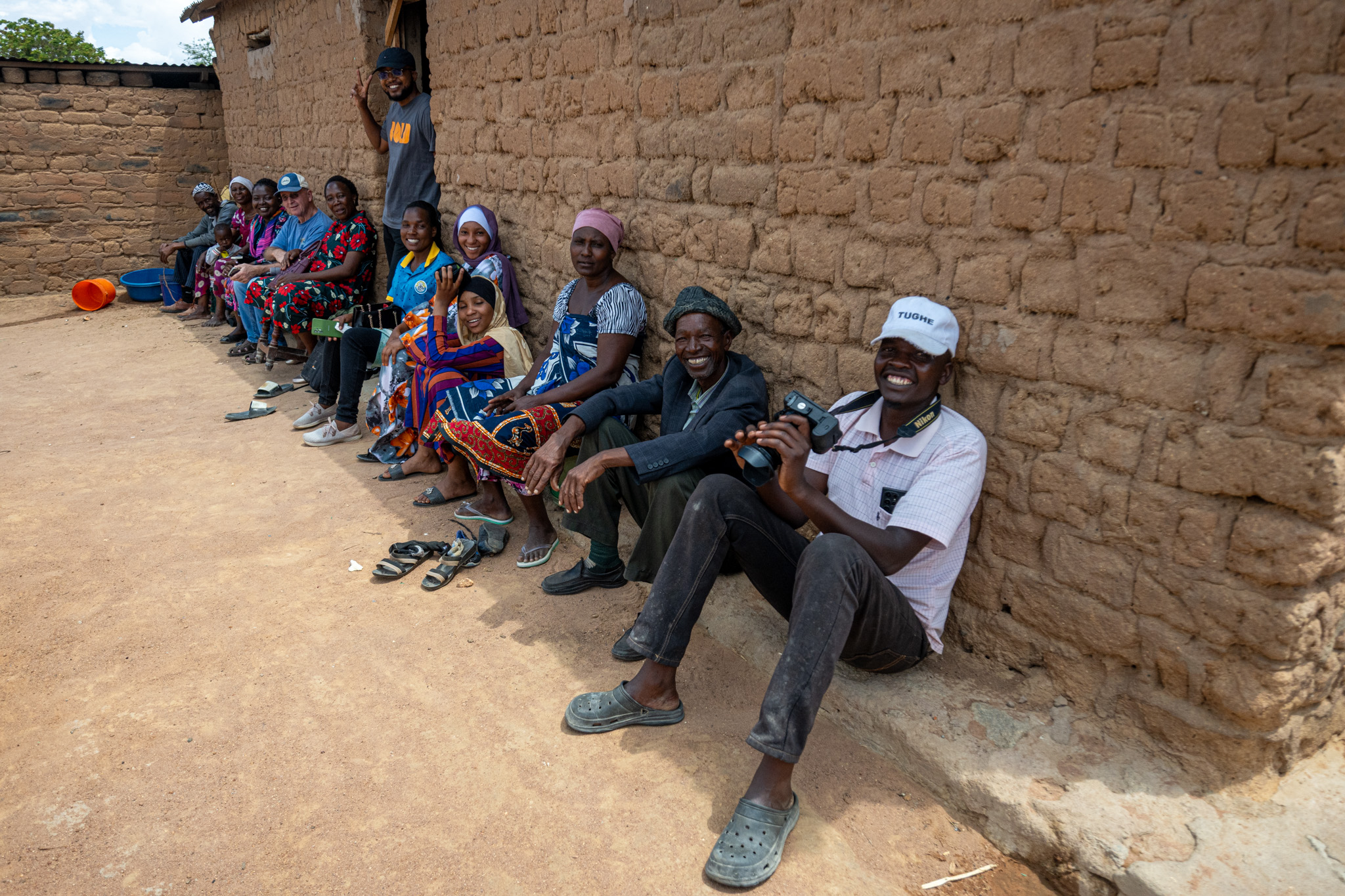
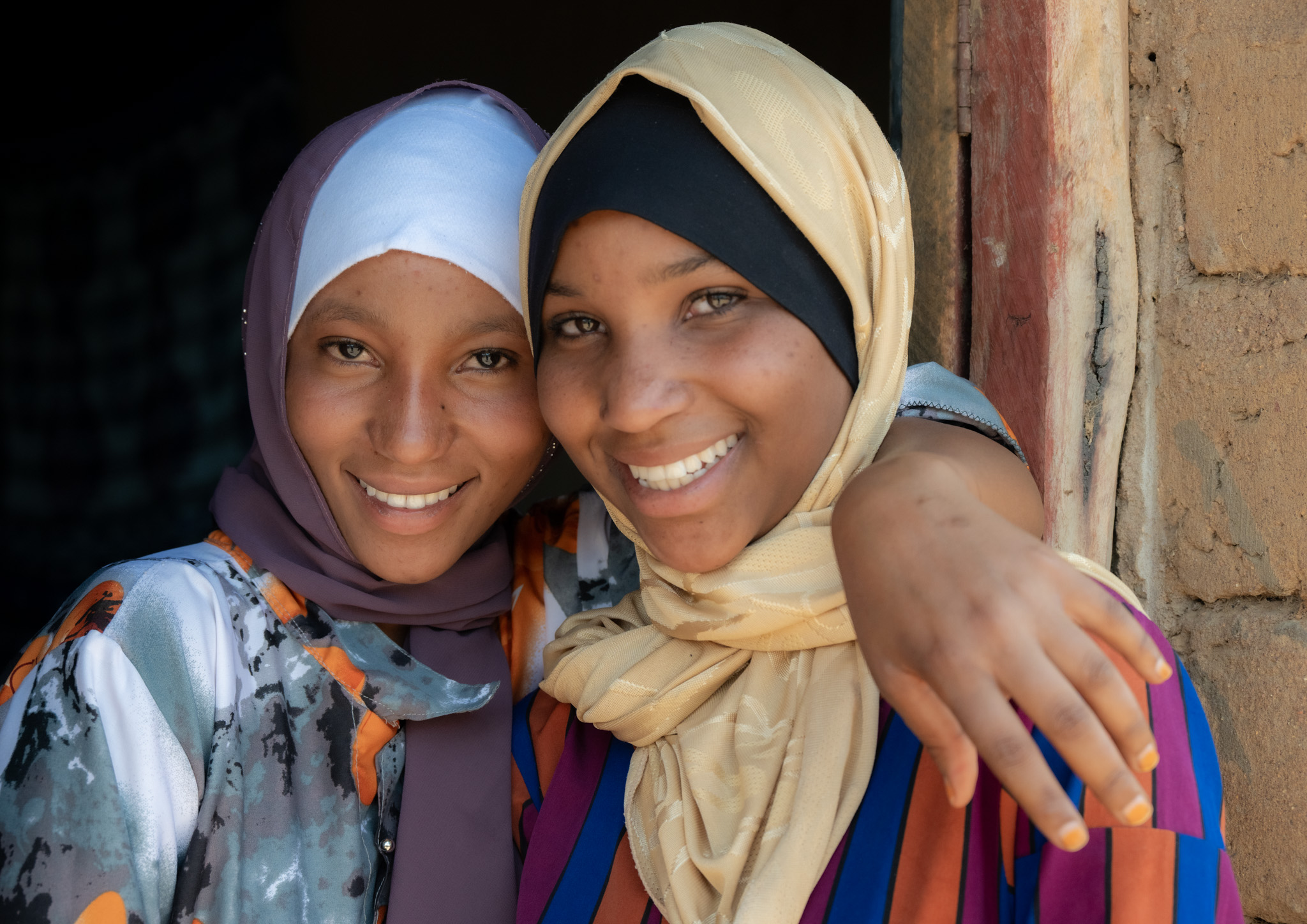
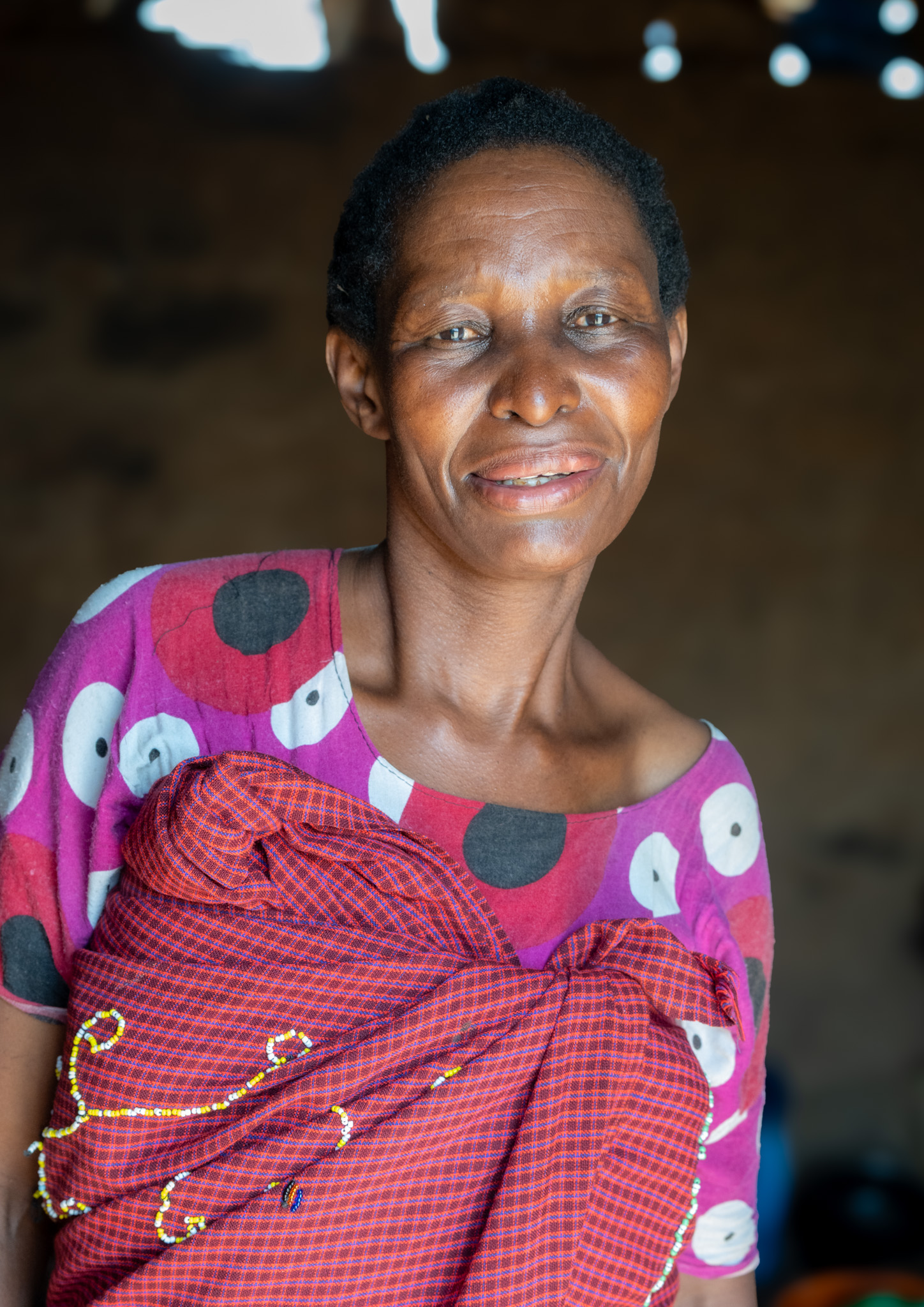
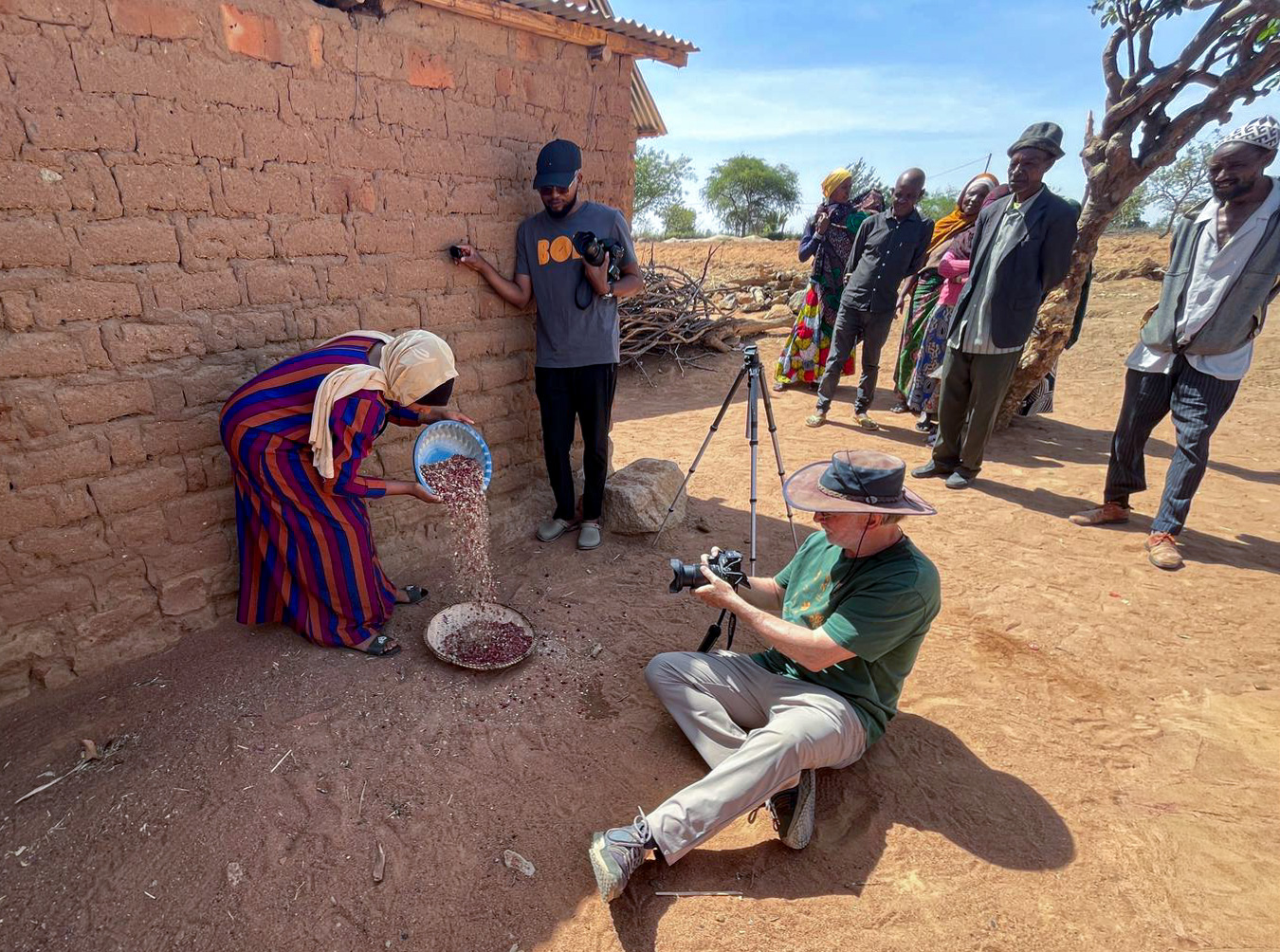
My colleague Scott Christiansen and I joined a team of researchers from the World Vegetable Center and travelled to the BGN-producing village of Unyamikumbi. The cultivation of BGN falls almost exclusively within the domain of women. We watched Raila laboriously and expertly deshell and winnow the groundnuts.
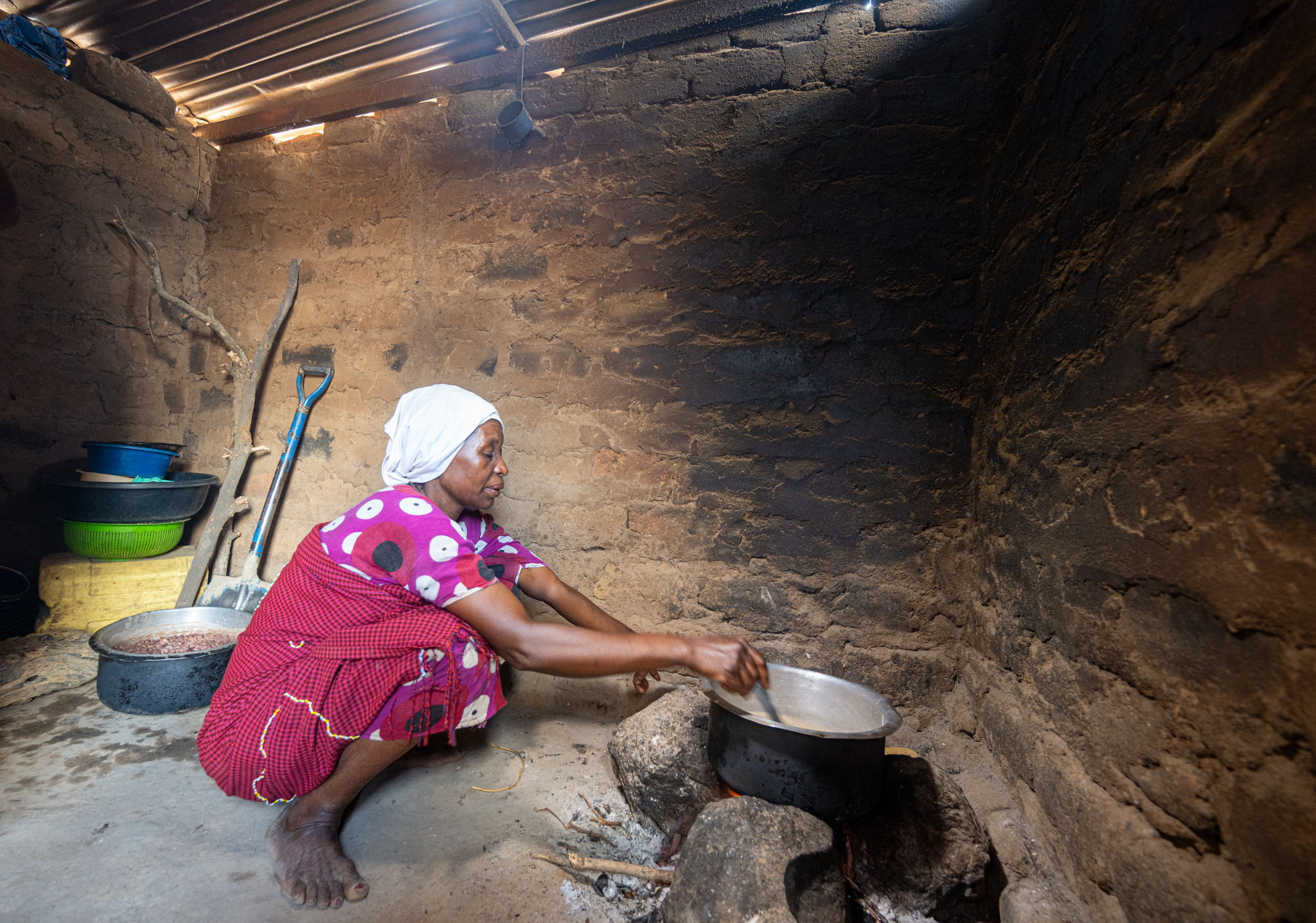
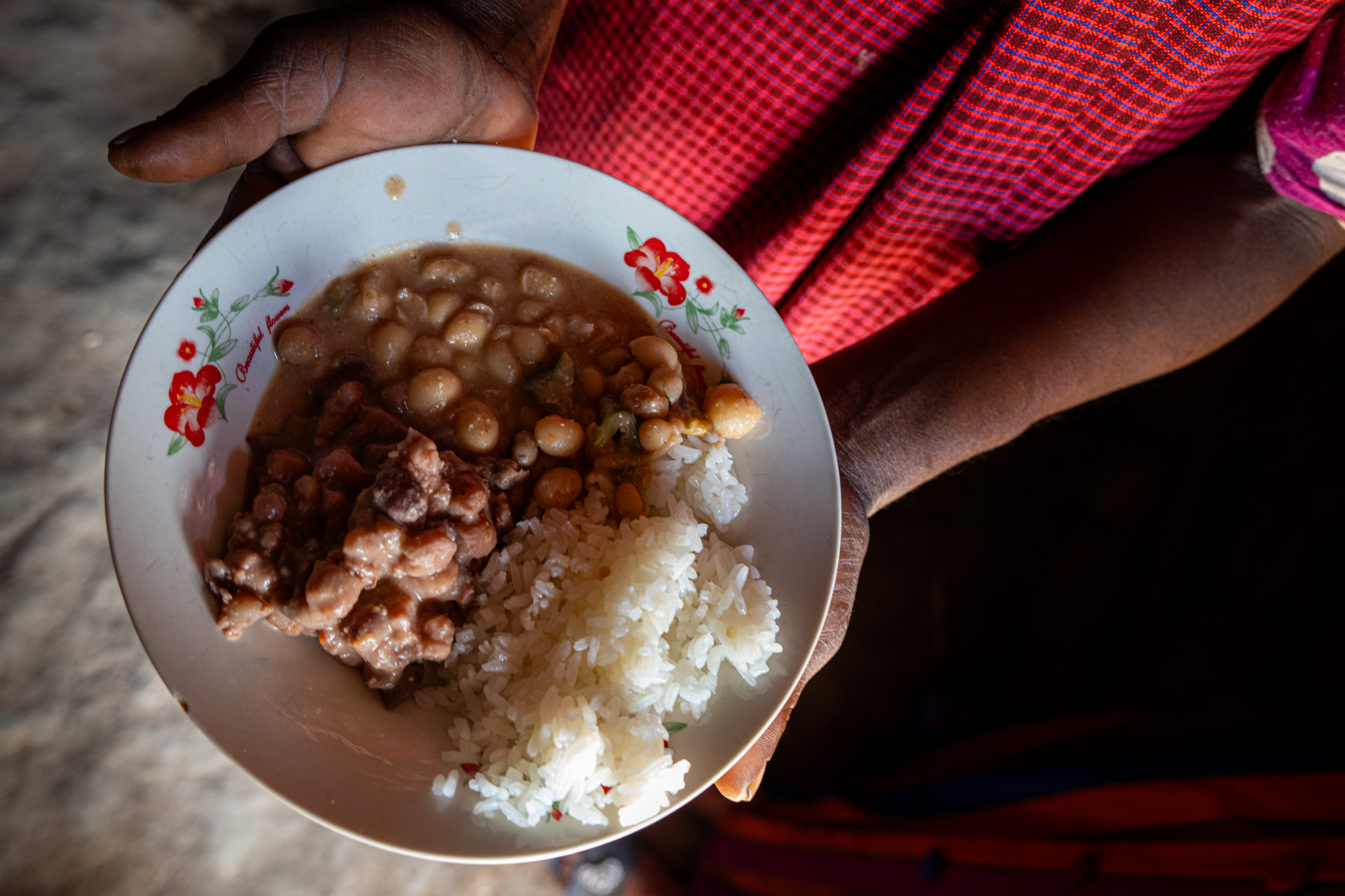
Then we ventured to her home where her mother, Rose, was cooking a straight BGN stew and a Makange with a mixture of BGN and maize.
Scott and I cleaned our plates easily and became convinced that there were enormous opportunities to promote Bambara groundnut as a crop which could help ensure food security in Africa.