
You’d be forgiven if you admitted you had never heard of grasspea. It’s really not one of the world’s leading crops. But as our climate is changing and soils degrading it could be one of the most promising.
Grasspea is a nutritious crop which is heat- and drought-tolerant and often survives when other crops fail, thus gaining a reputation as a ‘famine crop’. The problem with the crop is that for many years people believed that a toxin in the plant could cause paralysis if people eat too much of it as a sole food source. That’s now thought to be a myth, but also a stigma which makes consumers a bit wary. But pre-breeding work using wild relatives of grasspea are making progress in lowering the toxins as well as increasing resilience of the crop.
I’m on a 12-day assignment to join former colleagues from both the Crop Trust and ICARDA to see progress being made on the grasspea pre-breeding project. We’ll travel to five locations in India and Bangladesh to see various trials and meet some farmers.
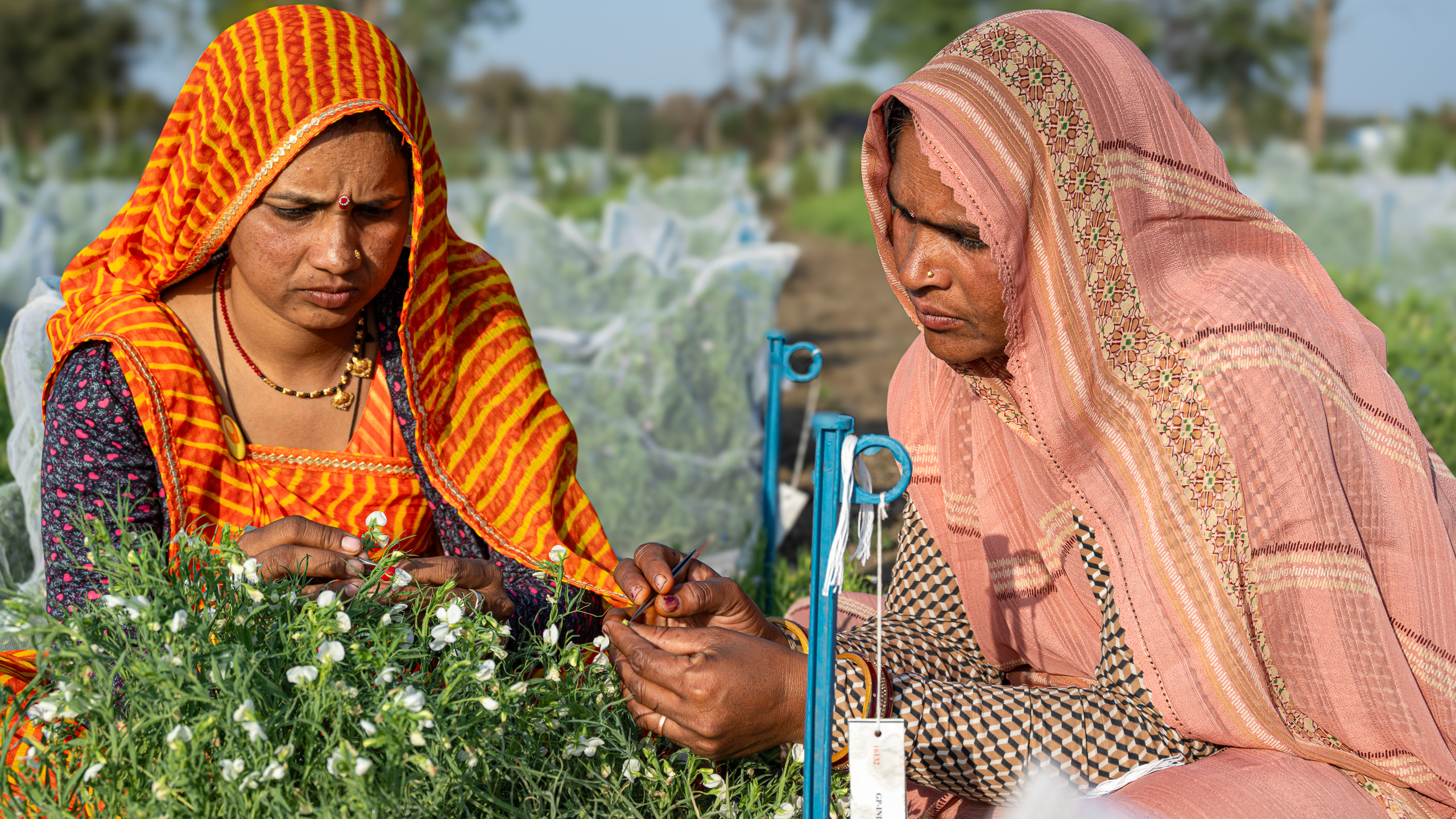
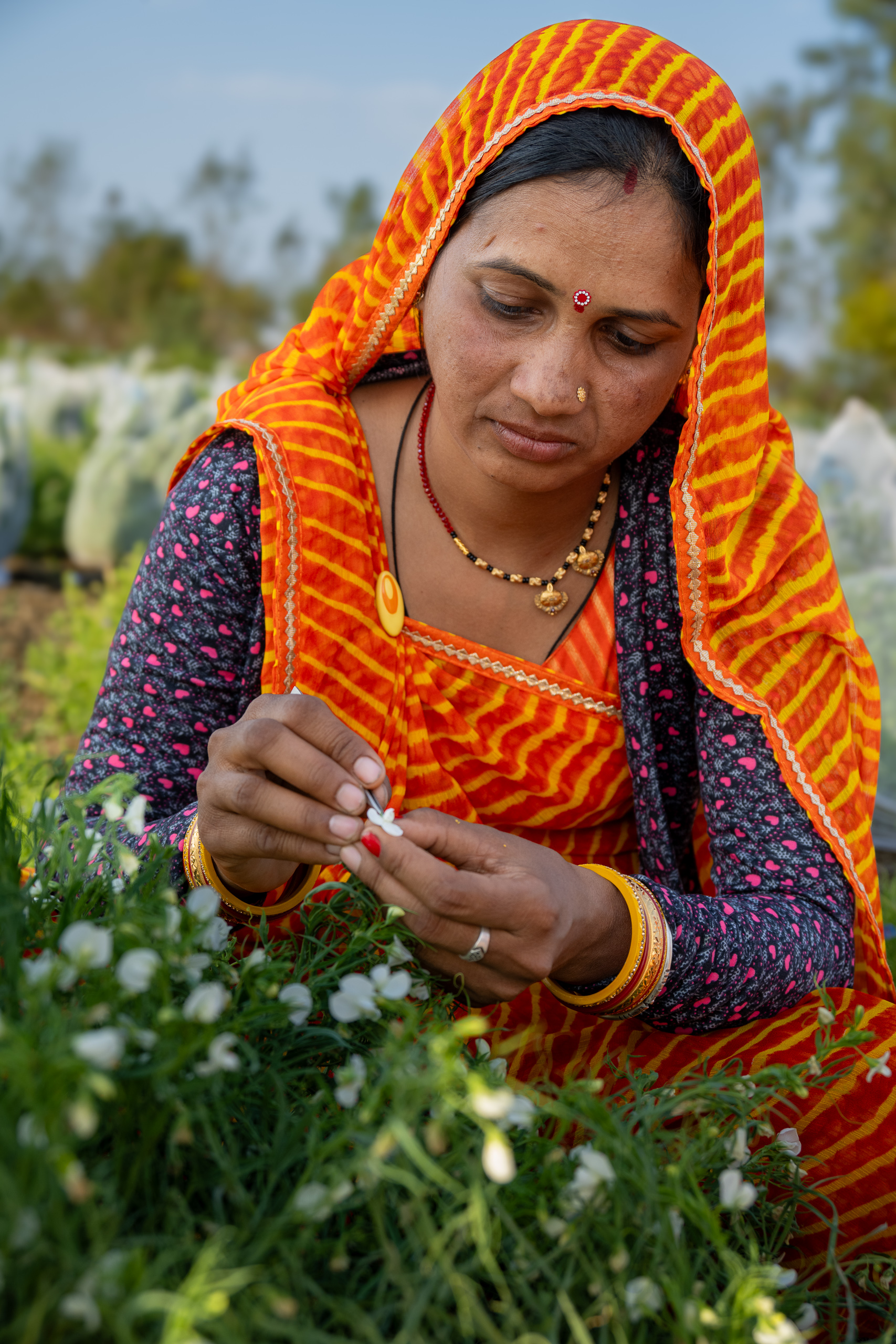
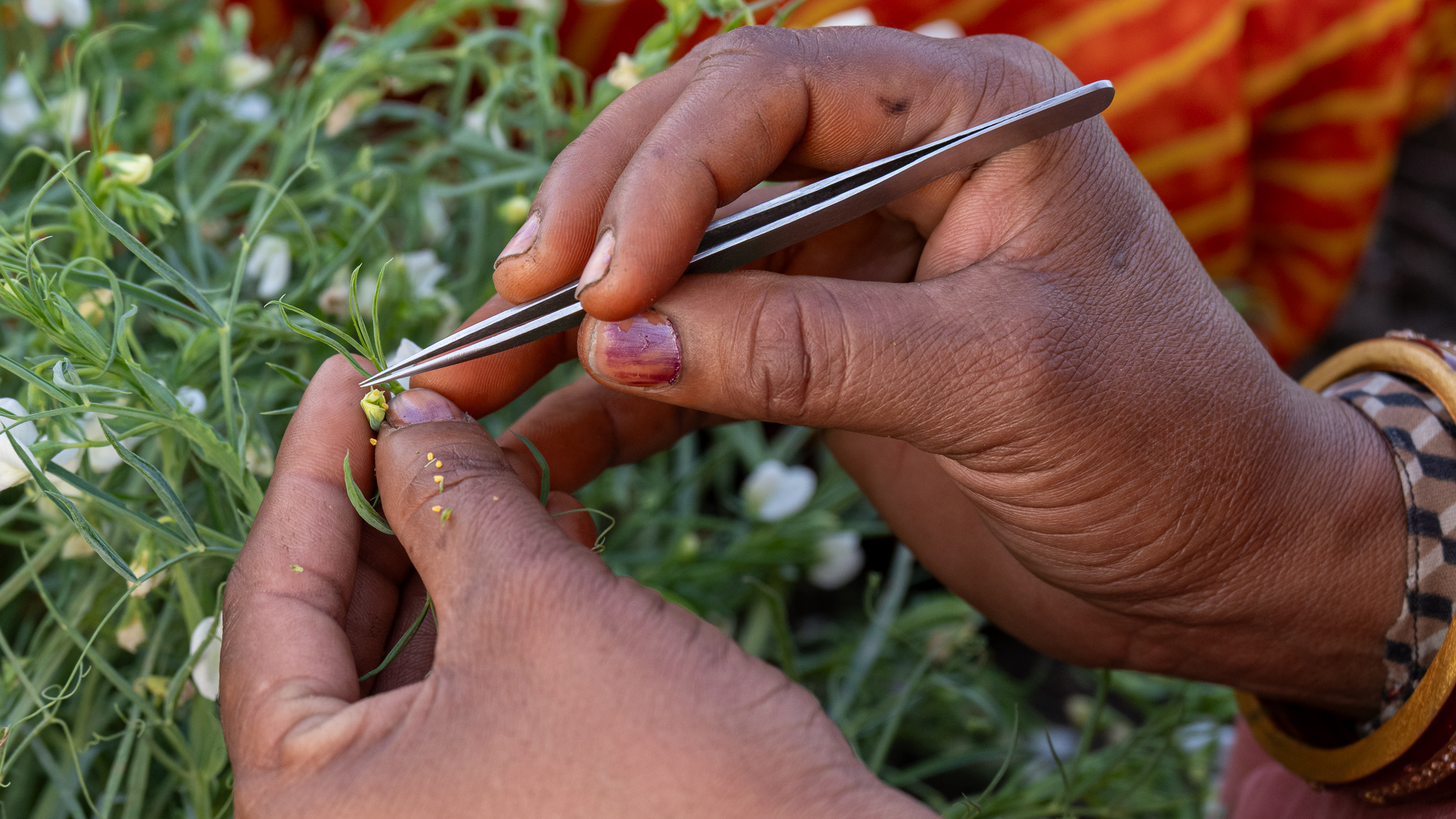
First stop was Amlaha, India just out of Bhopal where we watched the ICARDA team cross grasspea in the field.
All images used on this page were photographed by Michael Major for the Crop Trust and used here under a CC BY-NC-ND 2.0 license.