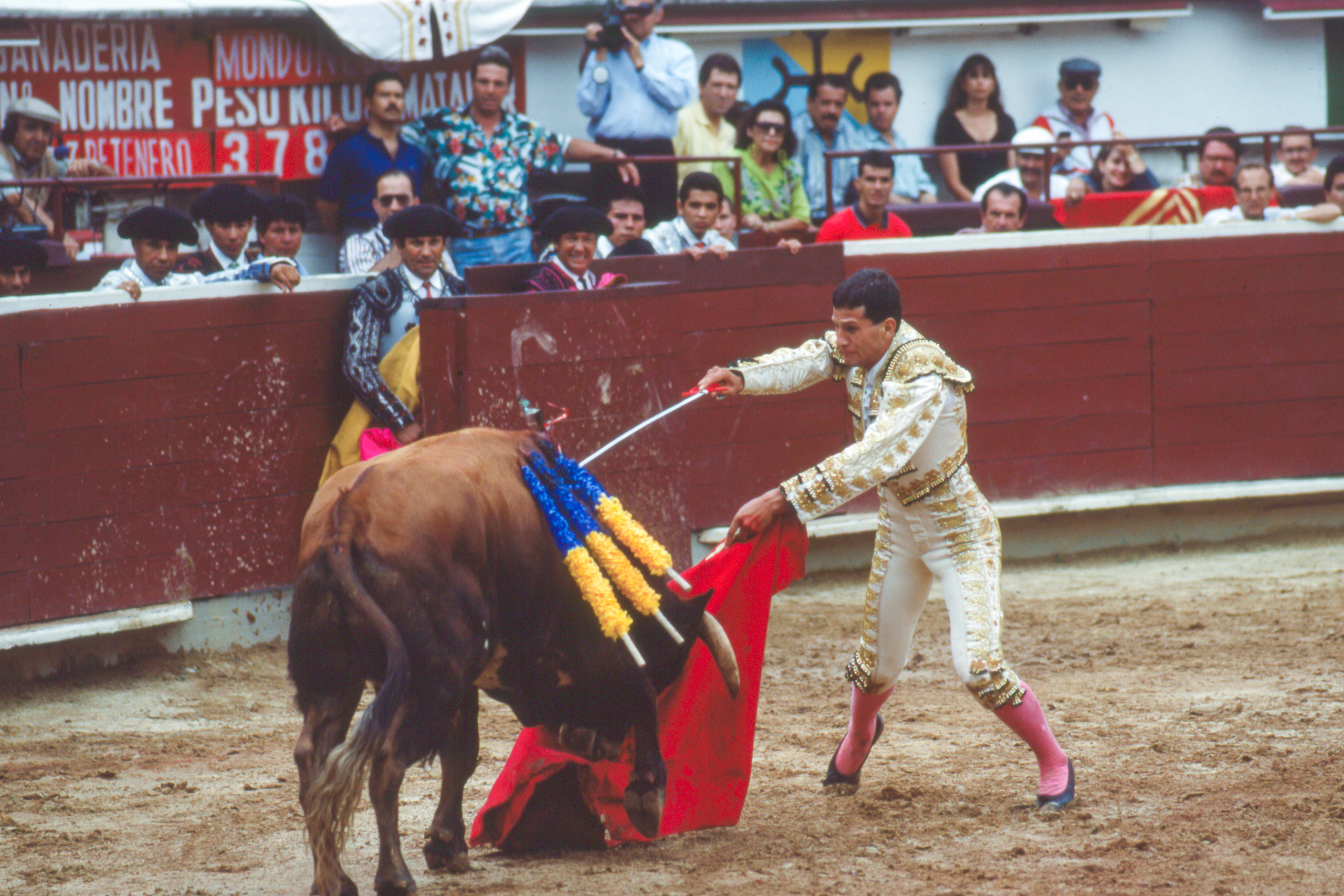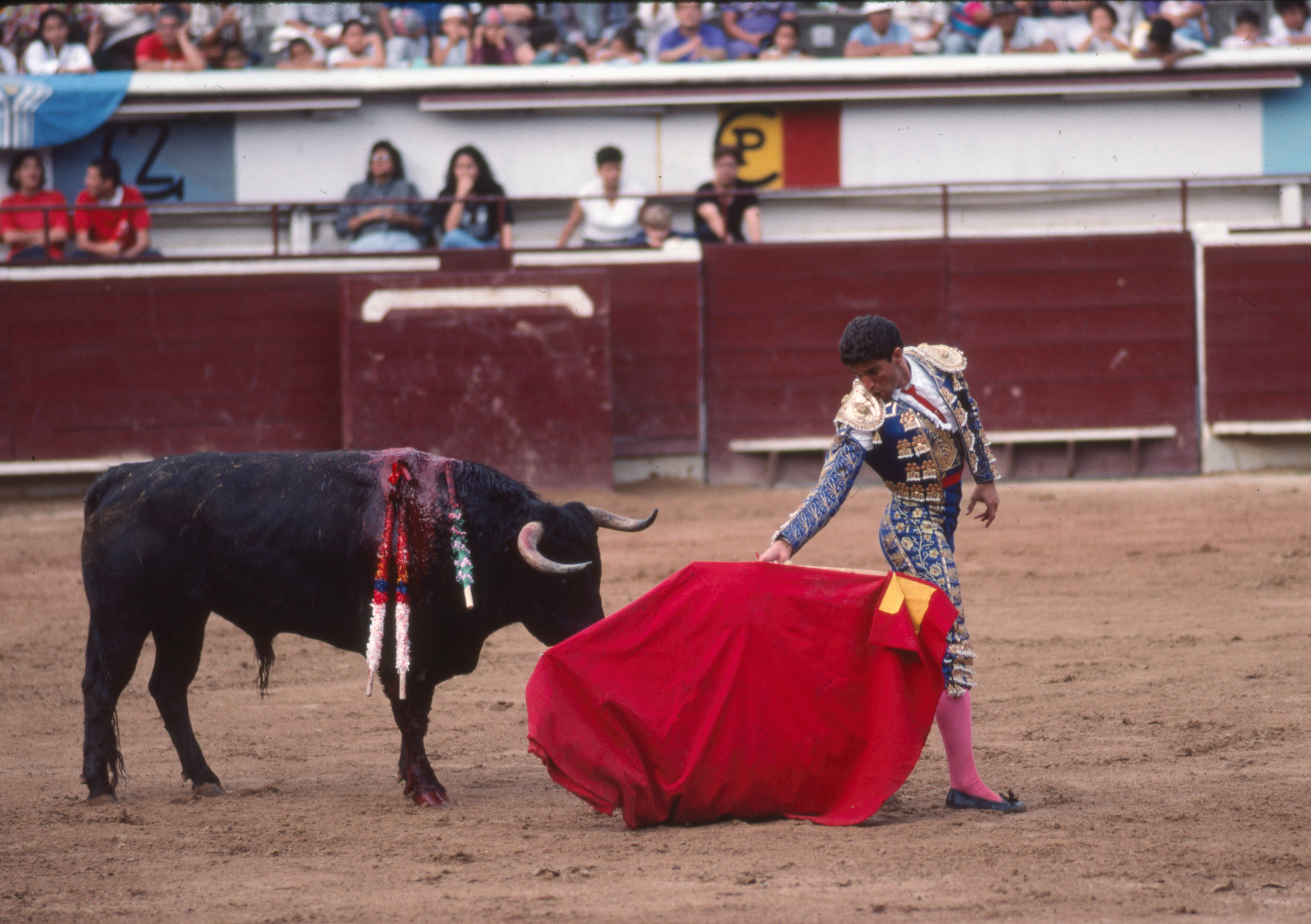
In November 1994, Padma and I followed my photographer mate, Victor Englebert, through the gates of Cali’s main bullring, the Plaza de Toros de Cañaveralejo. The concrete terraces were already filling, families and old men in hats leaning forward over the red timber barrier. Brass music drifted in the heat. Dust hung in the air.
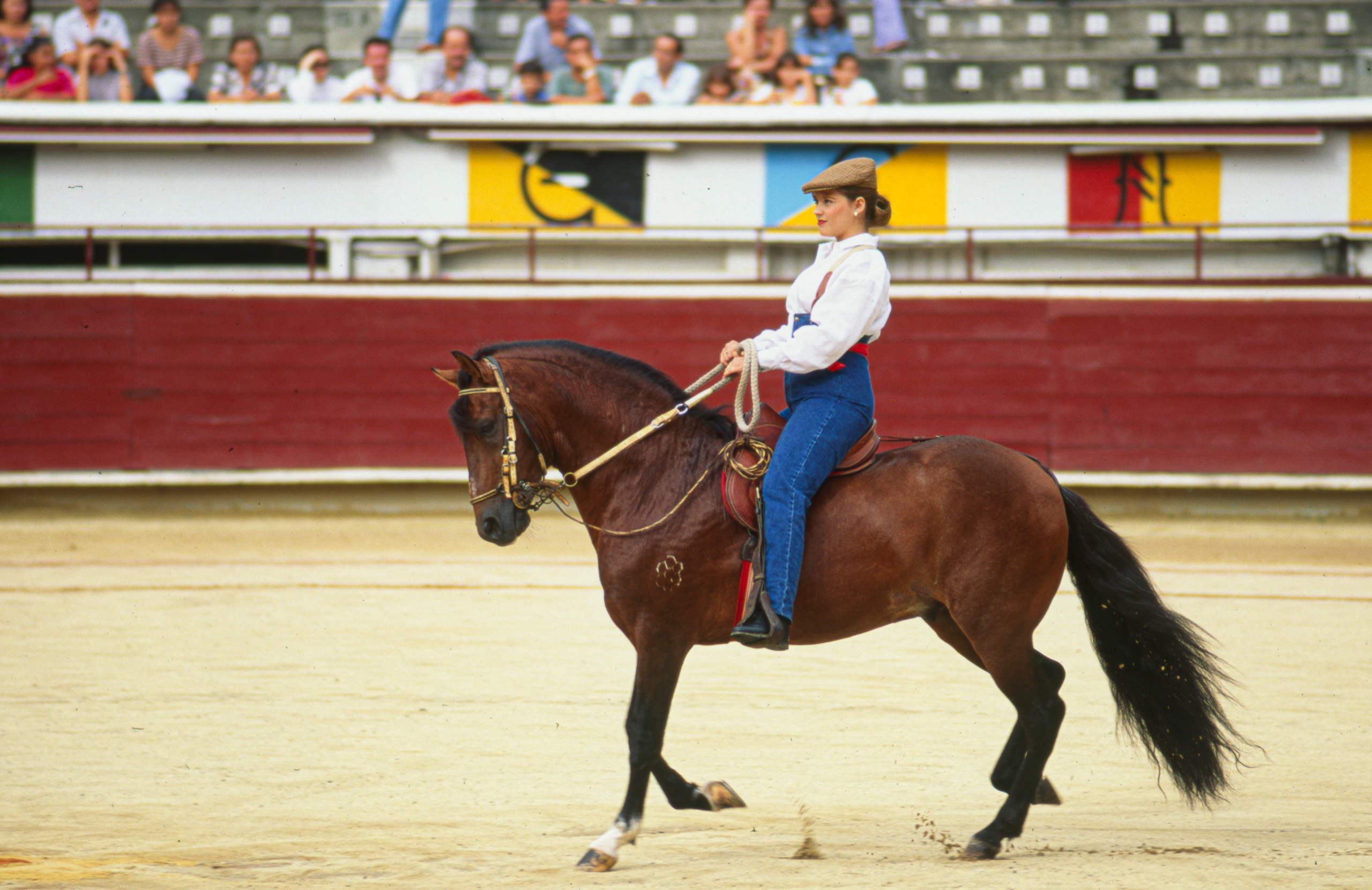
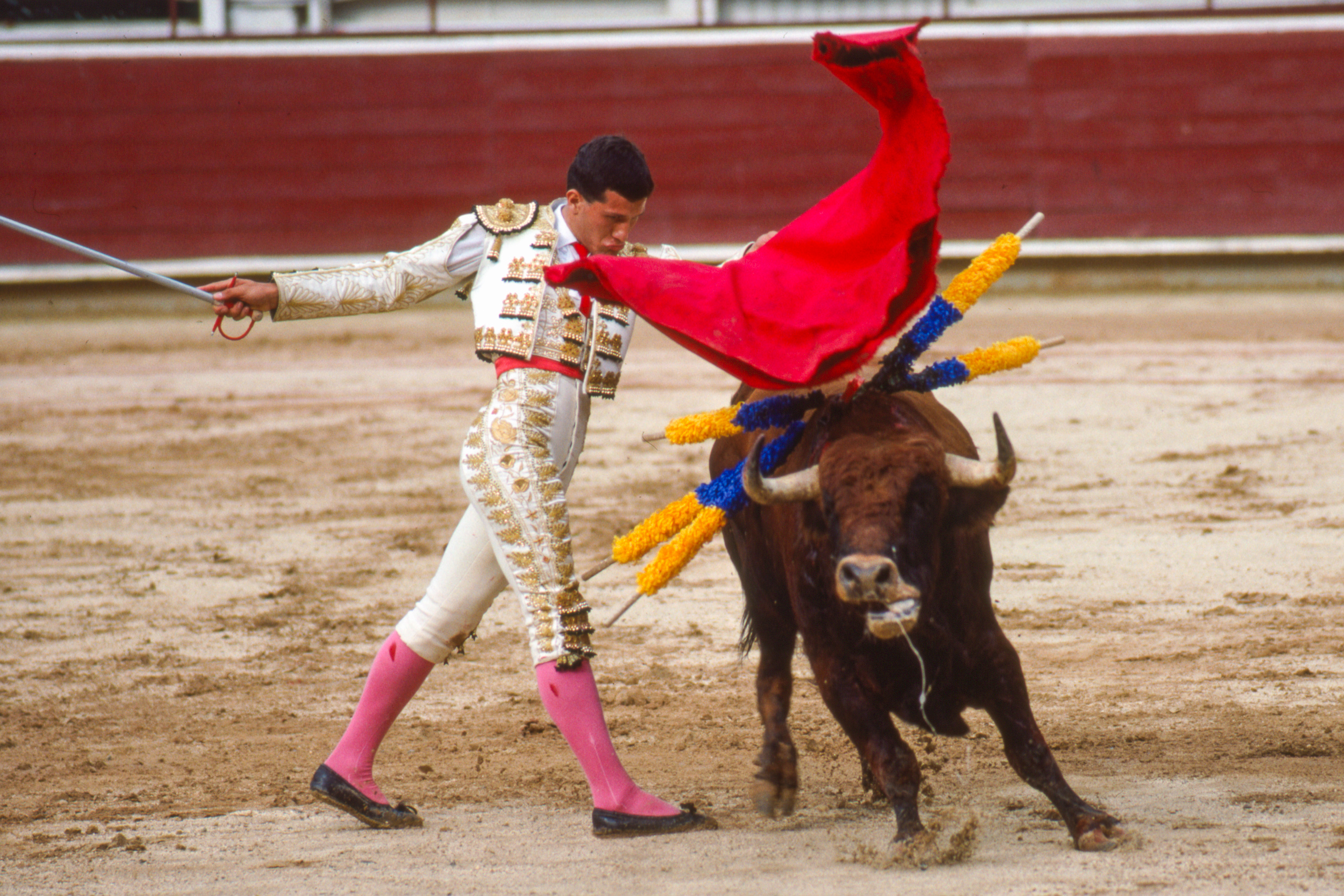
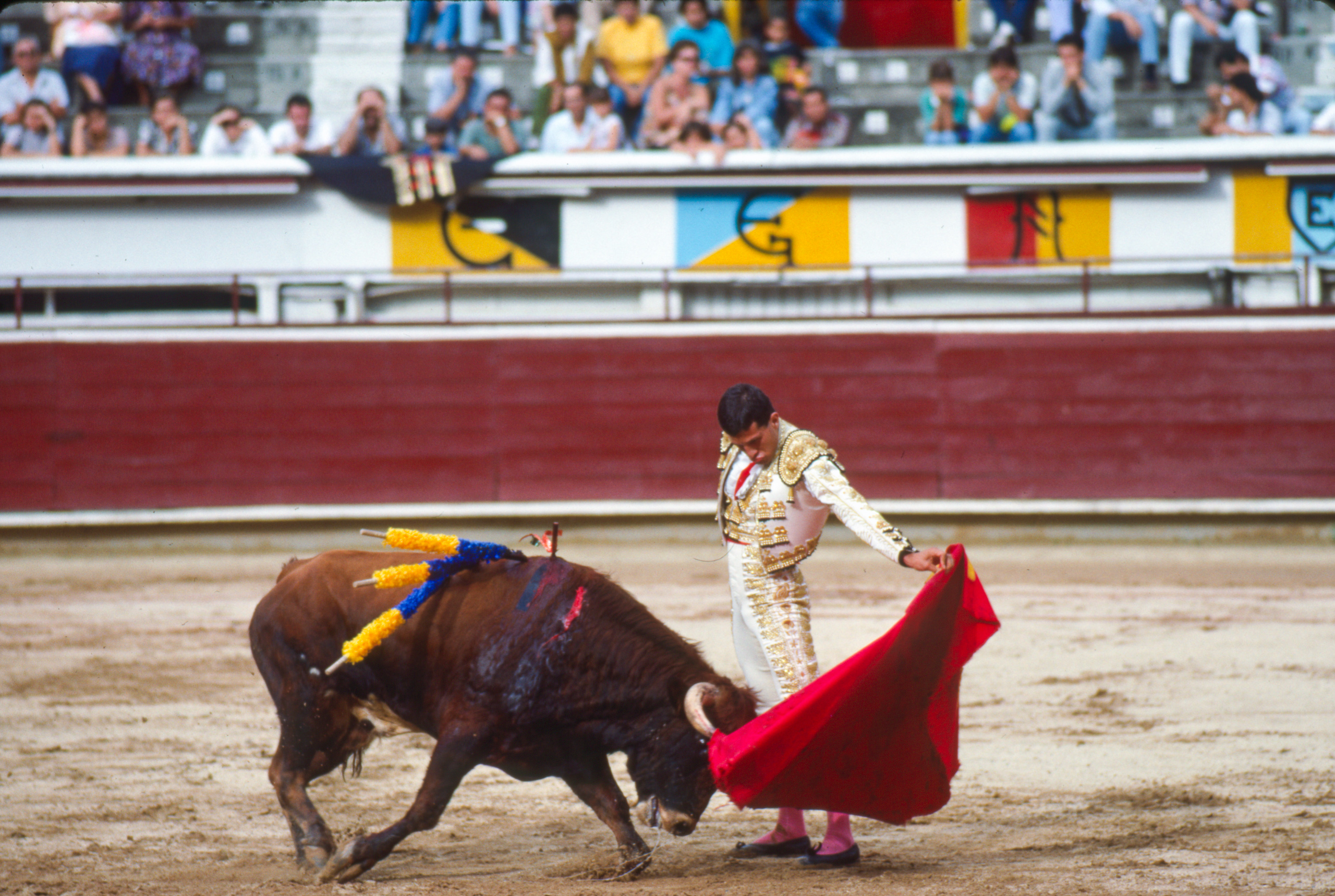
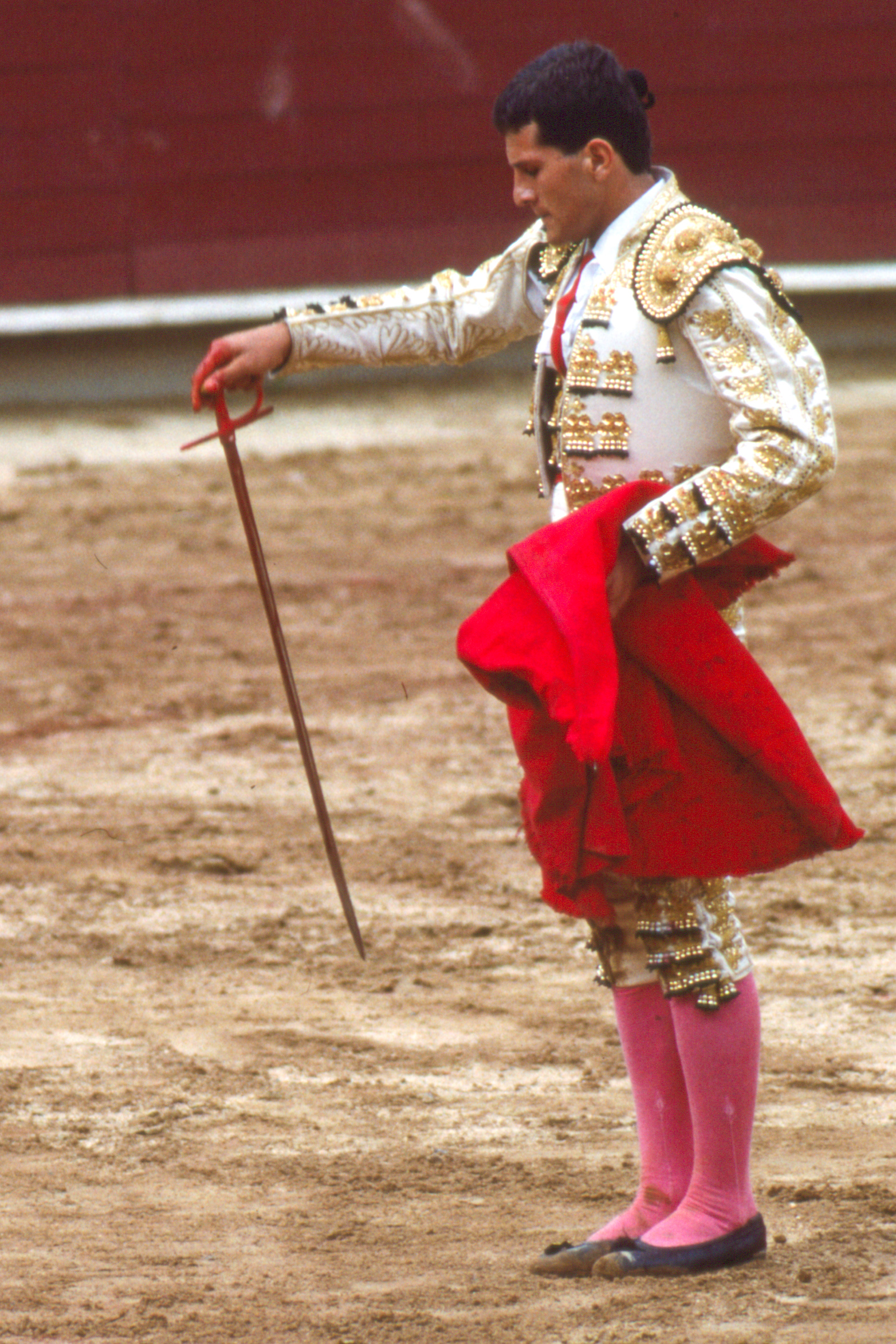
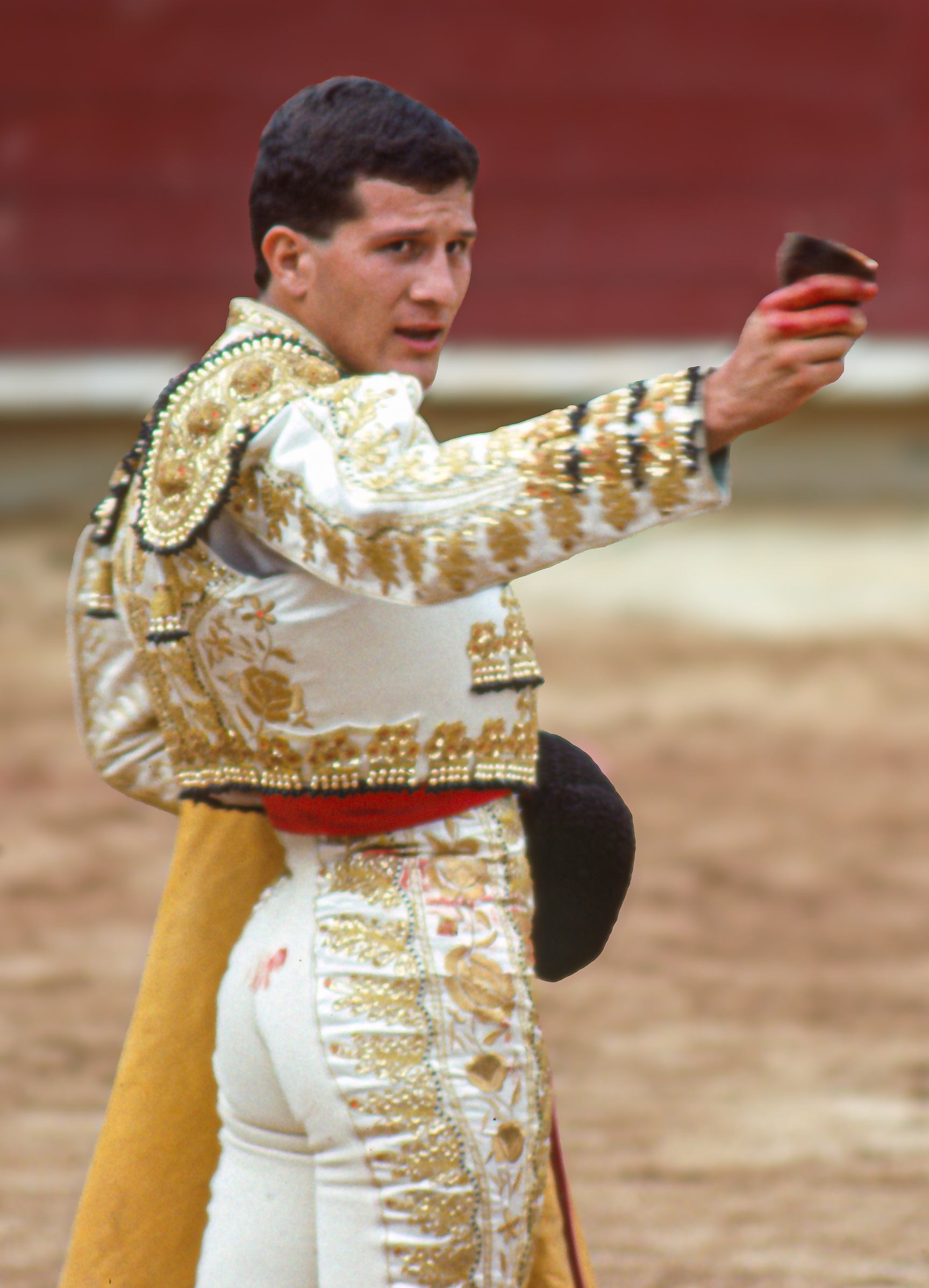
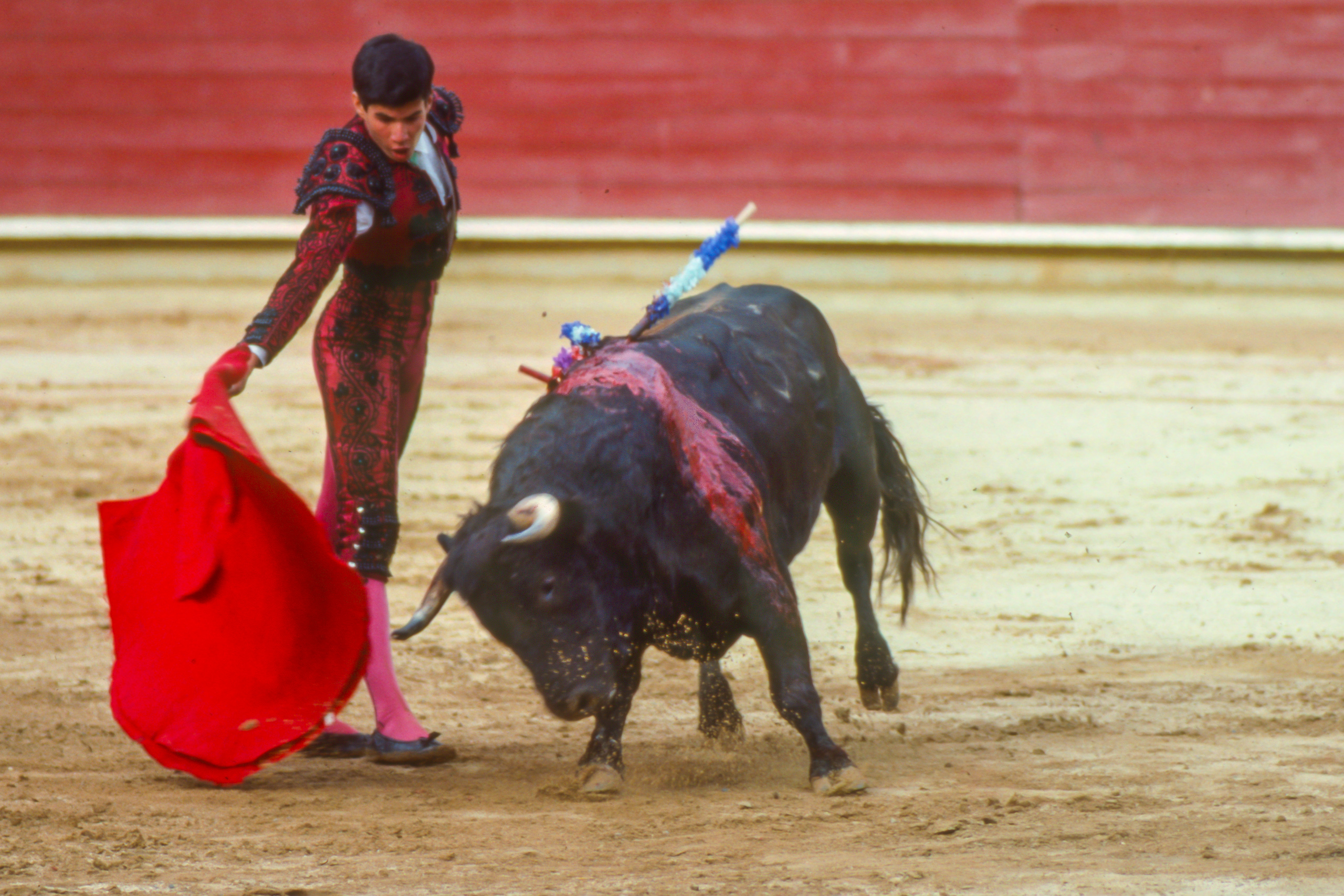
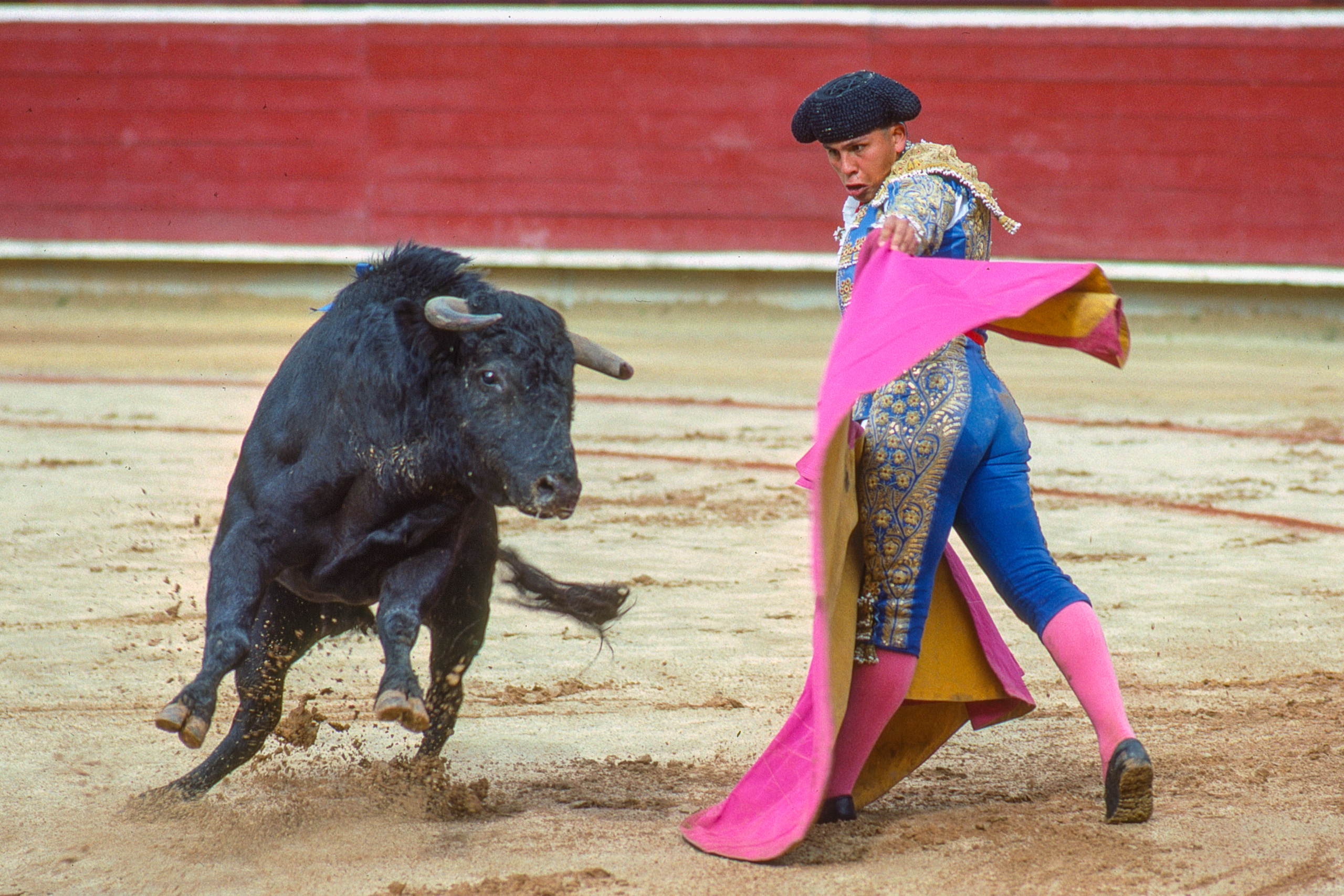
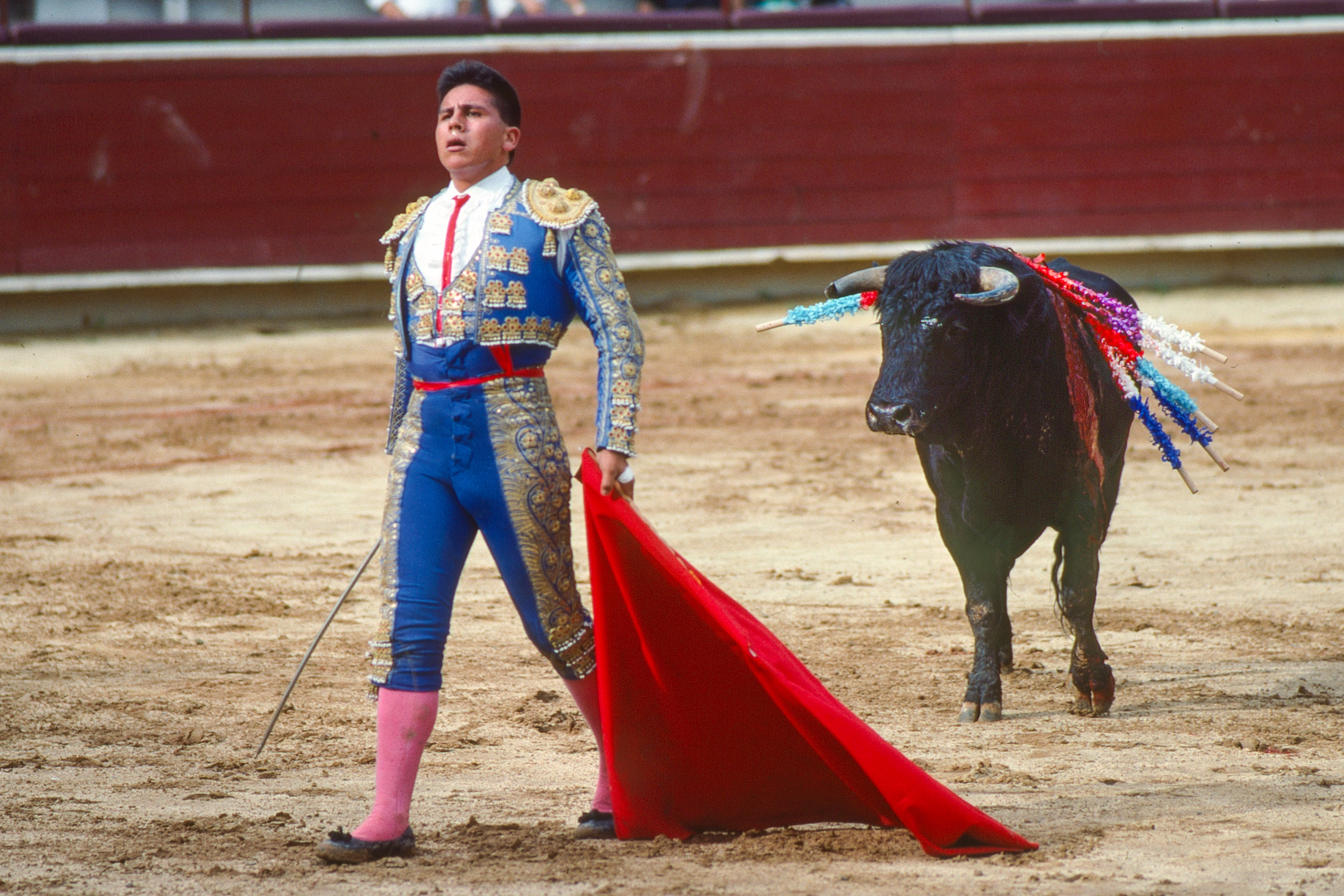
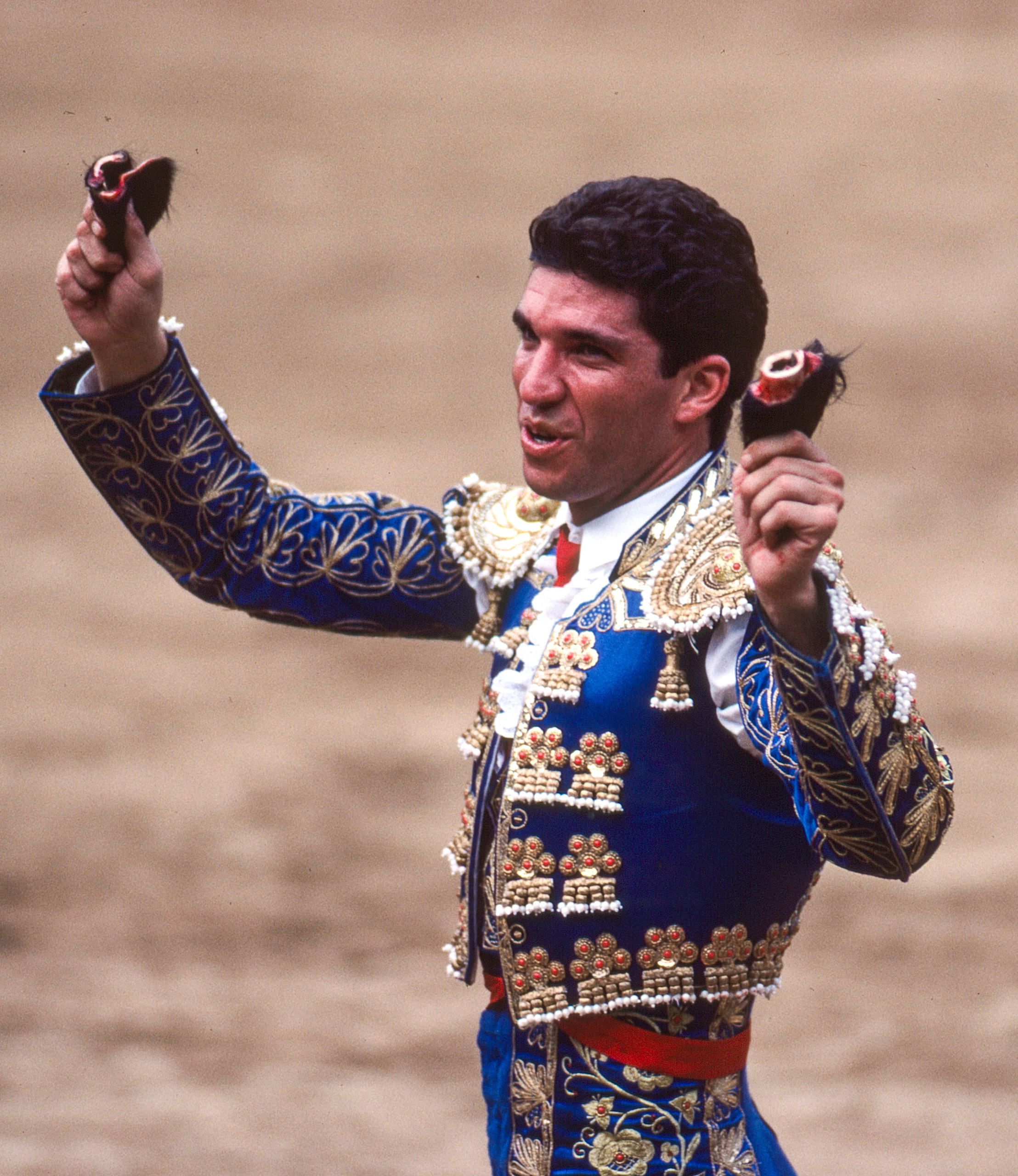
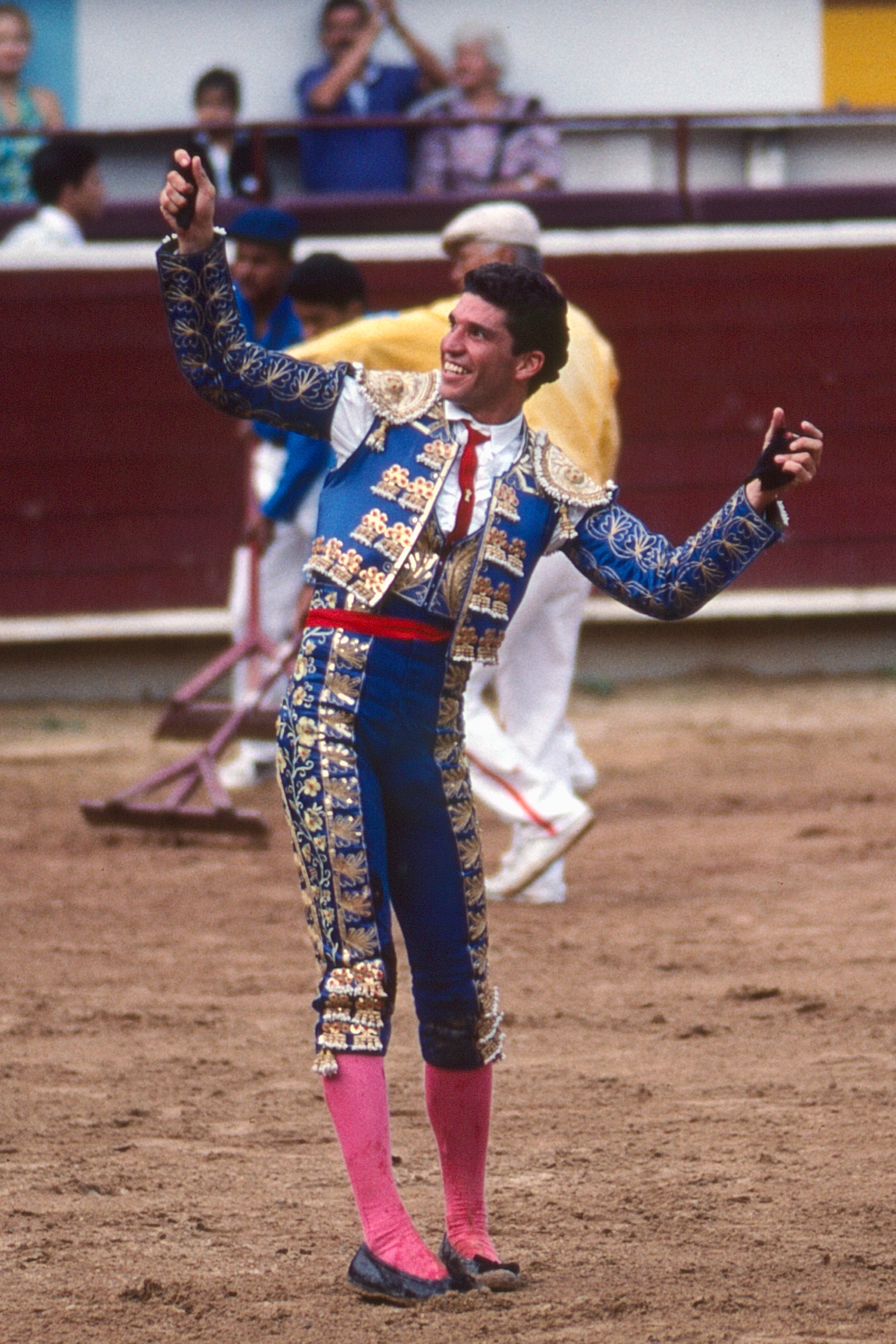
The spectacle began with ceremony. A woman rode a compact, muscular horse around the ring, reins loose, posture upright. The crowd applauded her precision. Then the matador entered in a gold-embroidered traje de luces, pink stockings bright against the sand. The choreography was exact: the sweep of the red muleta, the measured turn of the shoulders, the bull’s hooves digging into the ochre floor.
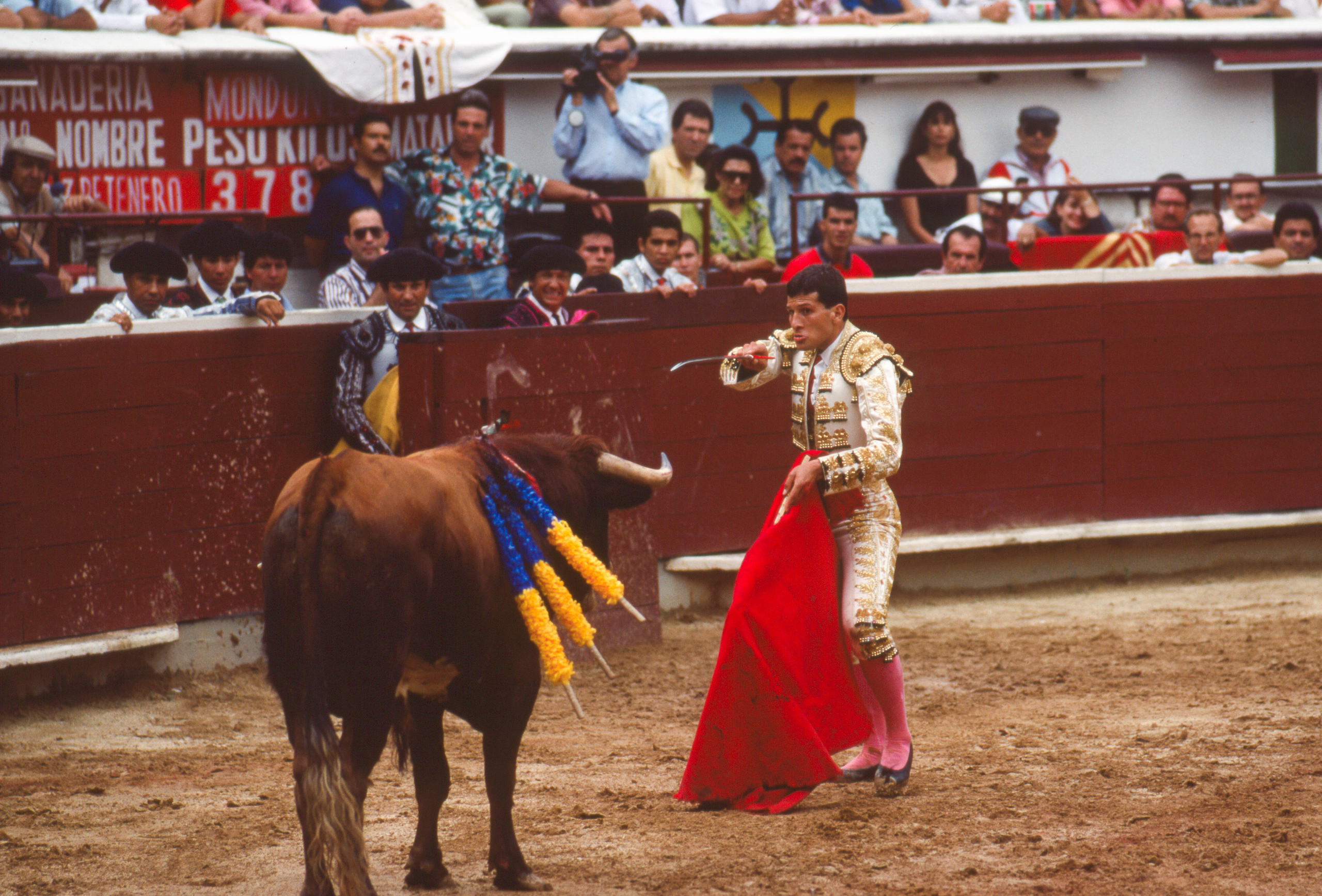
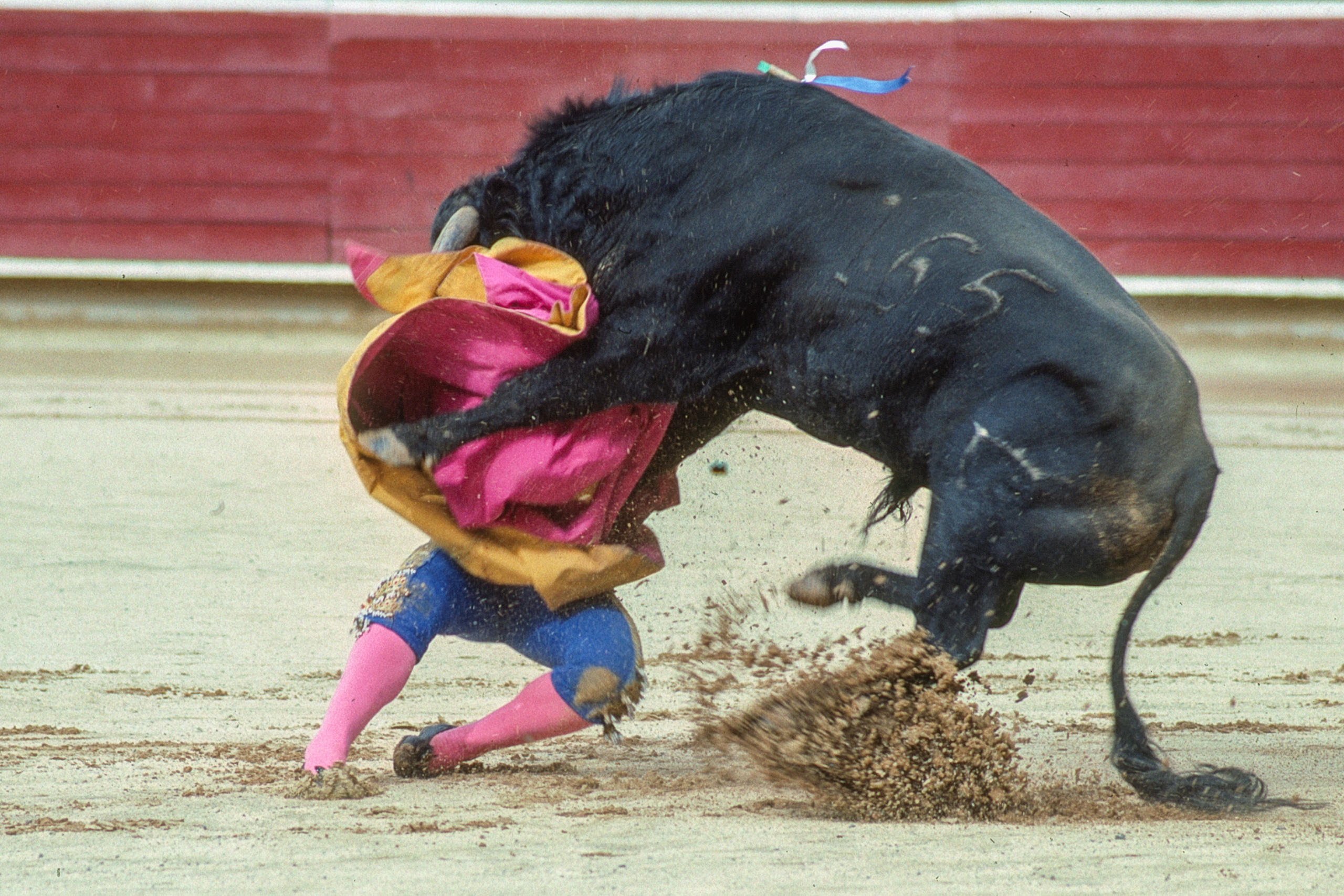
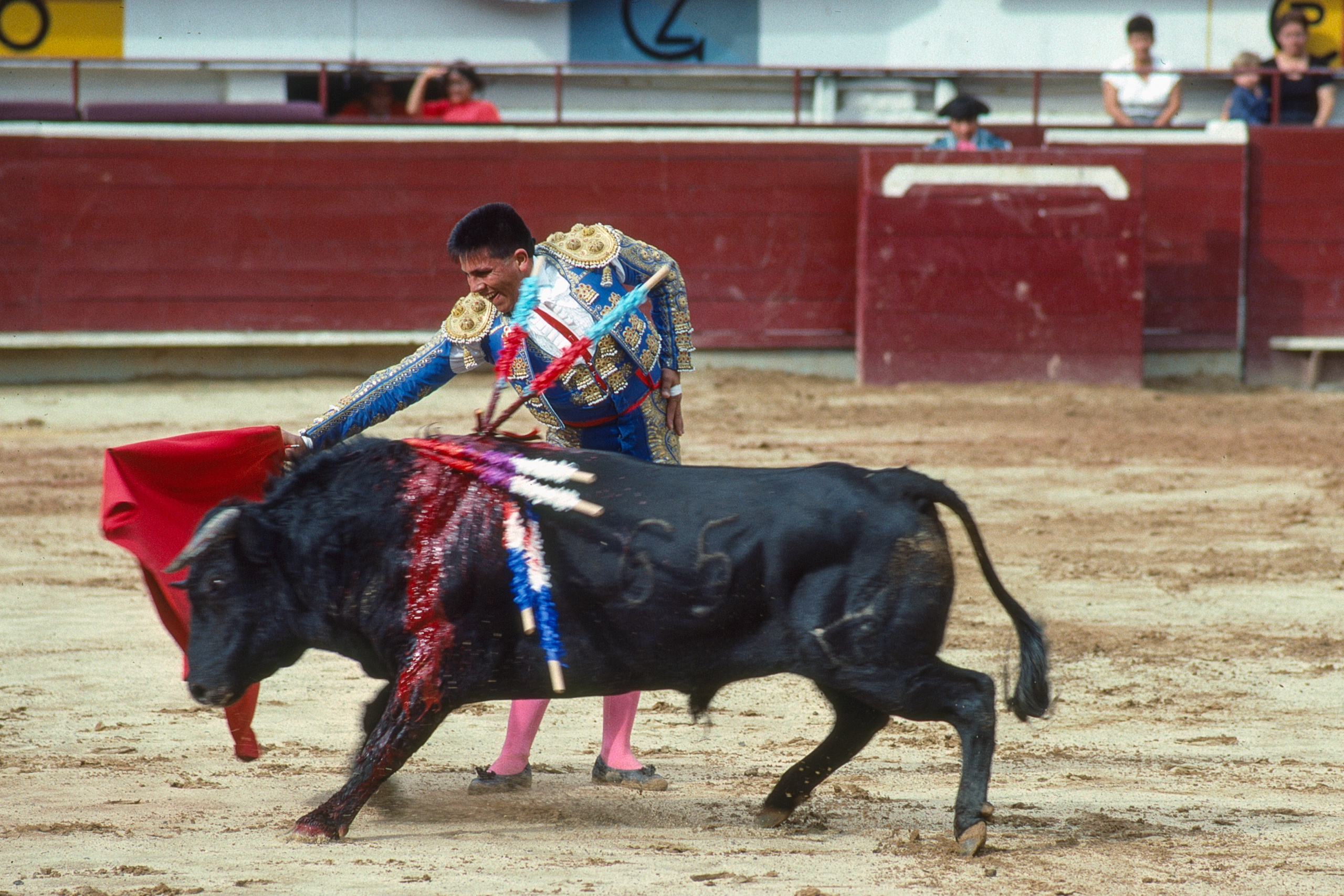
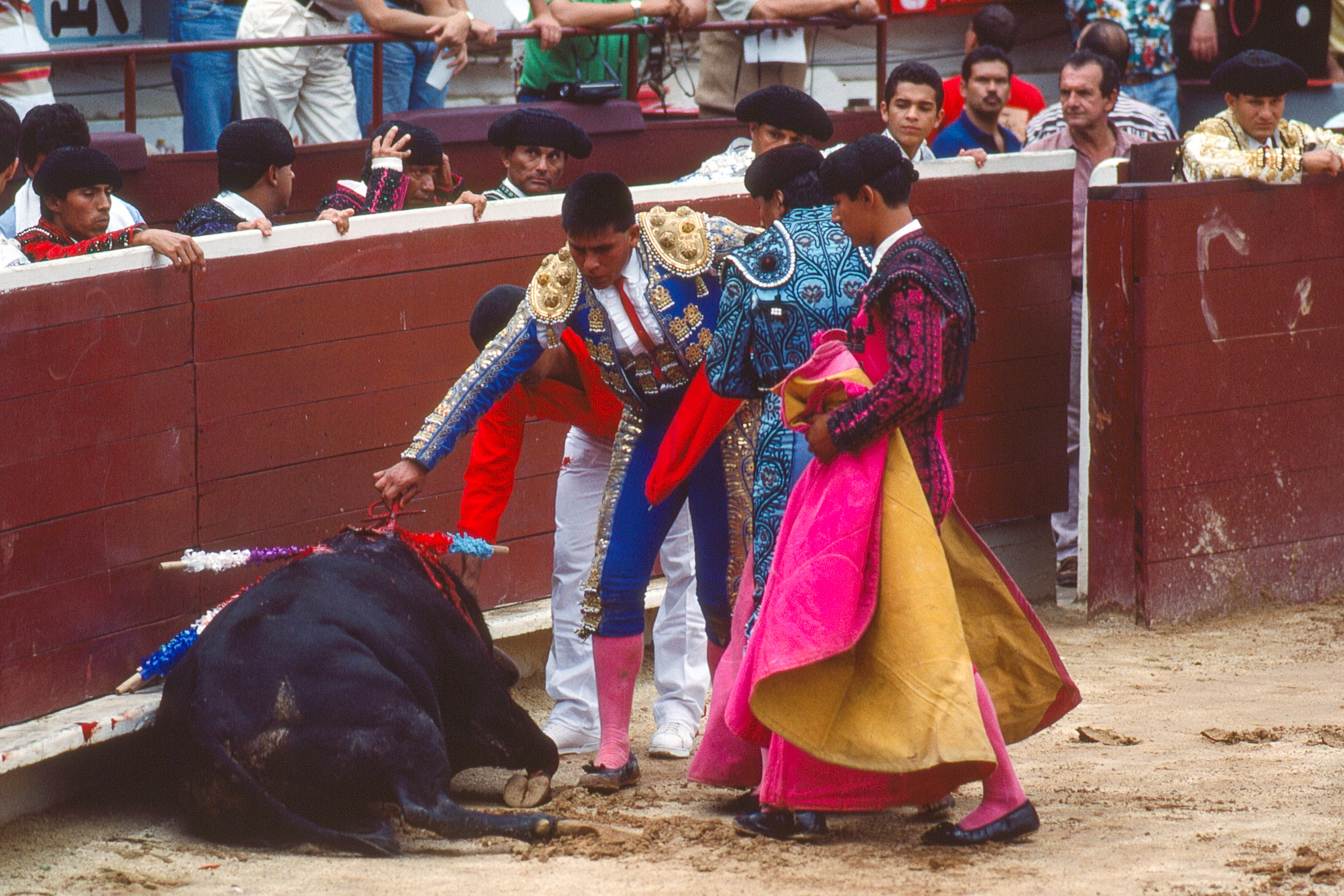
From my seat I photographed the banderillas driven into the bull’s shoulders – blue and yellow barbs protruding like cruel decorations. Blood darkened the hide. The animal’s breath shortened. In one frame I caught the bull lifting a man clear off the ground, dust exploding around them. In another, the bull lay folded beneath the barrier, attendants closing in with capes and blades.
I could appreciate the theatre, the rhythm, the discipline. I could even understand why Hemingway found meaning in the ritual – the confrontation, the proximity to death. But I struggled to find joy in it. The machismo felt performative, amplified by cheers that rose at each successful thrust. The bull, magnificent and bewildered, seemed less an adversary than a participant in a script whose ending was never in doubt.
As photographers, Victor and I kept shooting. The colours were extraordinary – scarlet cloth, gilt embroidery, black hide against pale sand. Yet walking out into the warm Cali evening, I felt unsettled. The images were powerful. The tradition was old. But I could not separate the beauty of the spectacle from the certainty of the animal’s death.