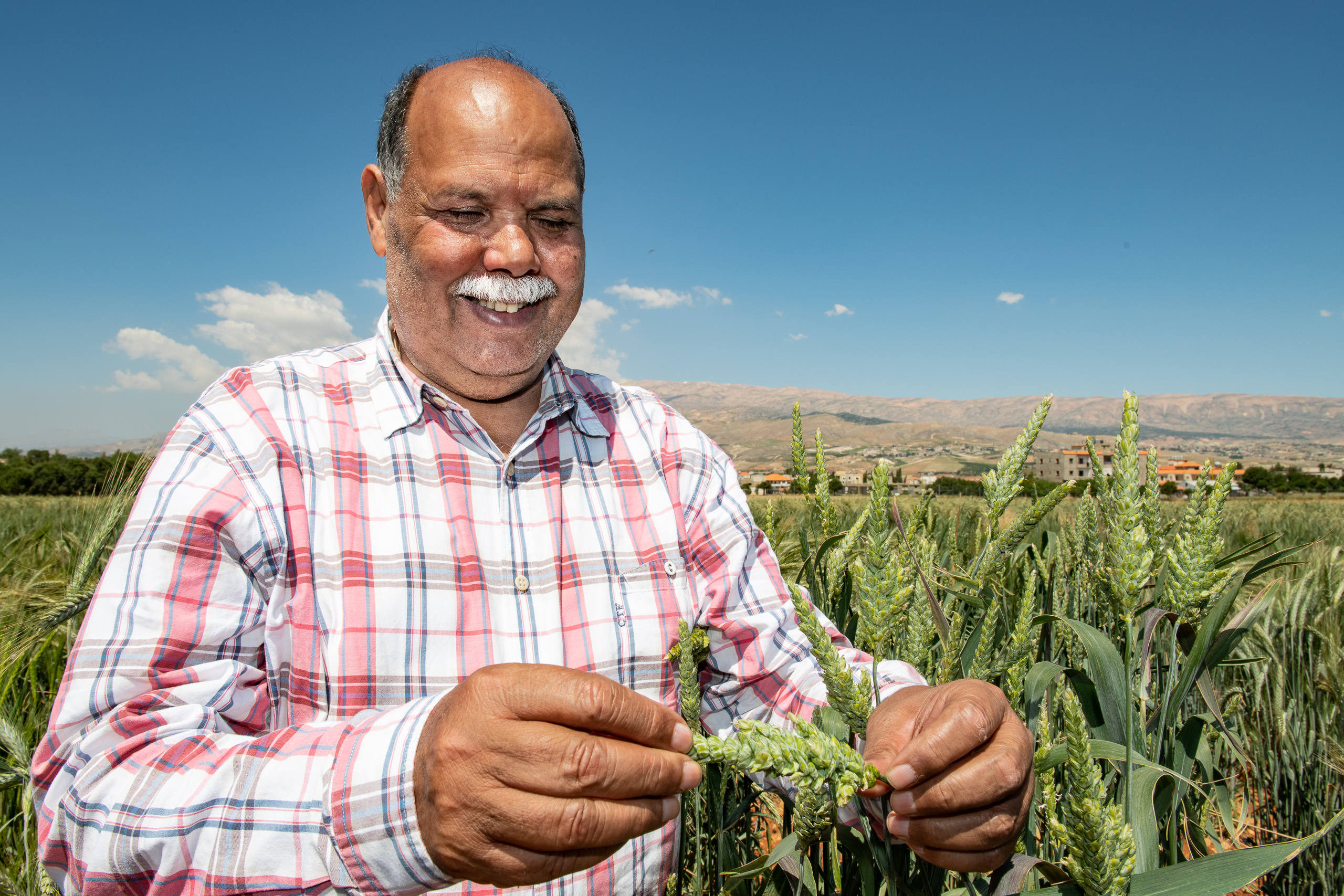
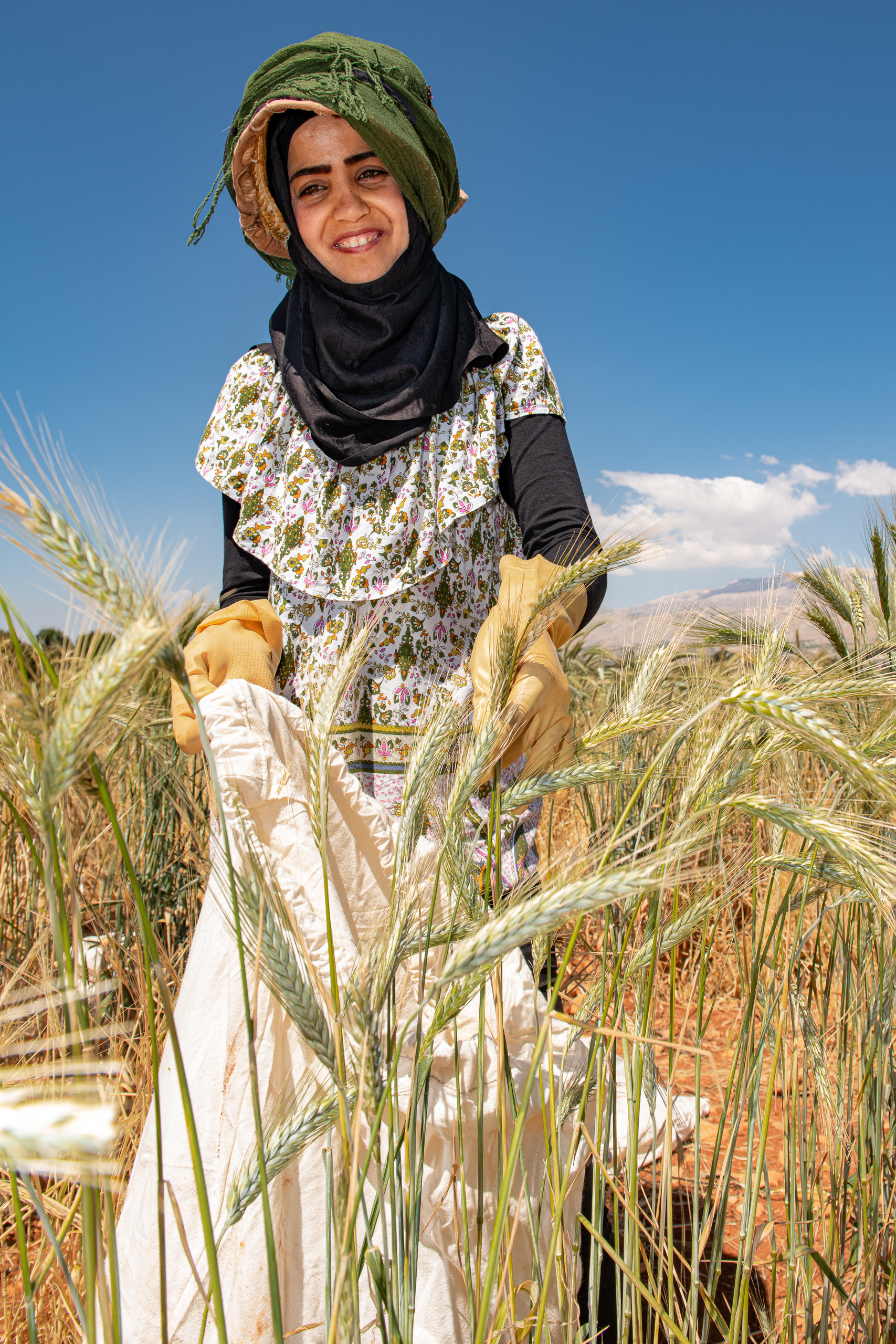
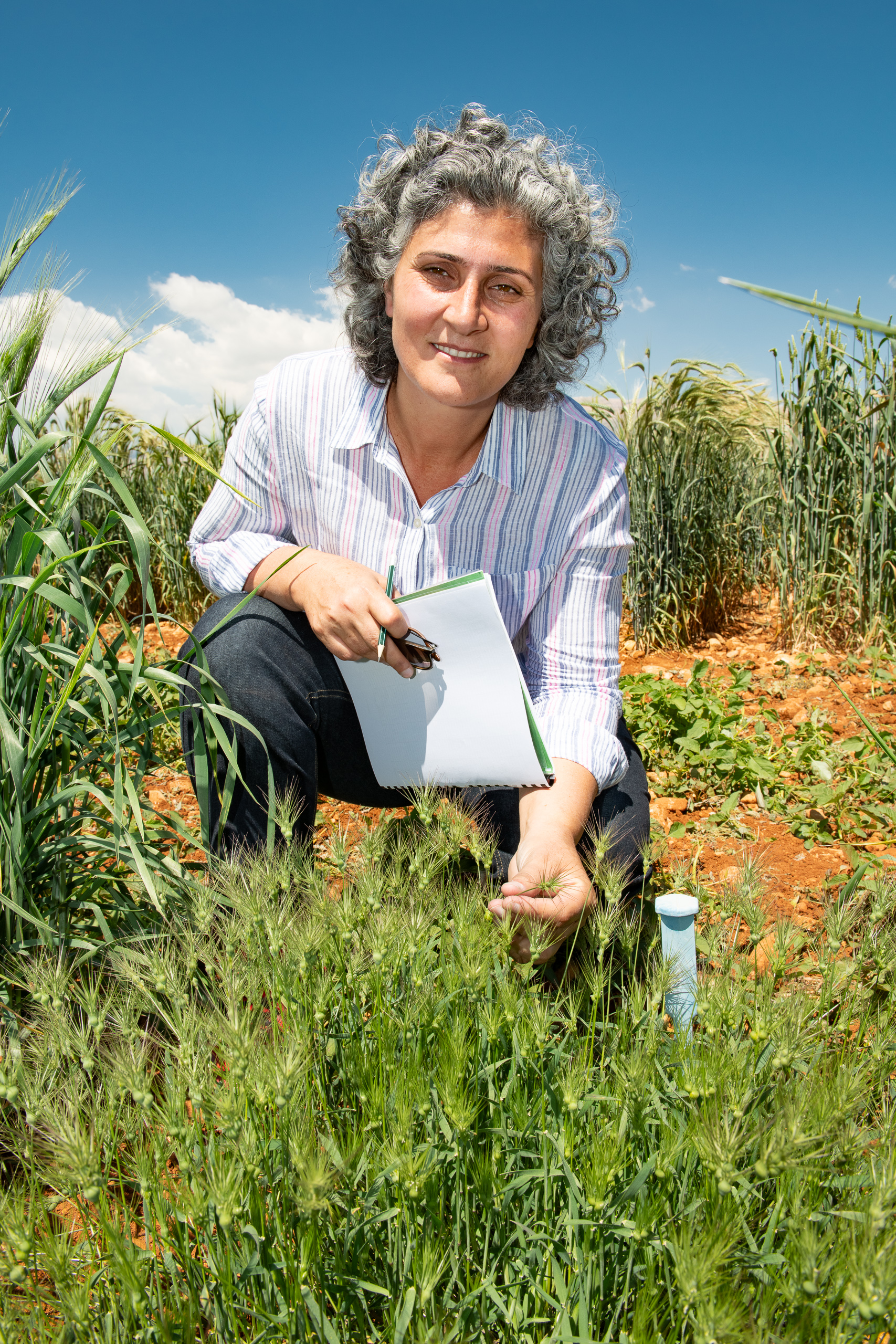
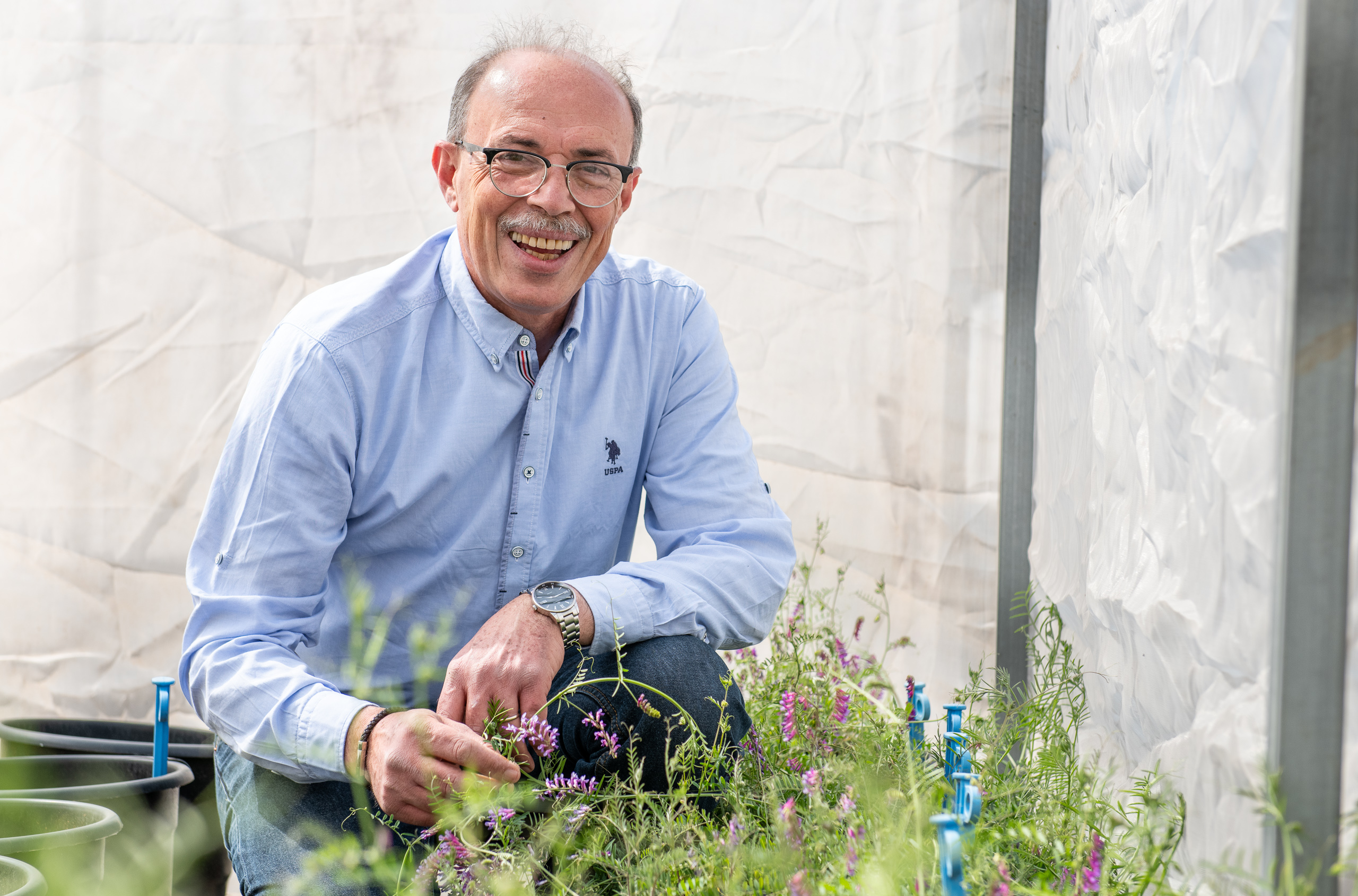
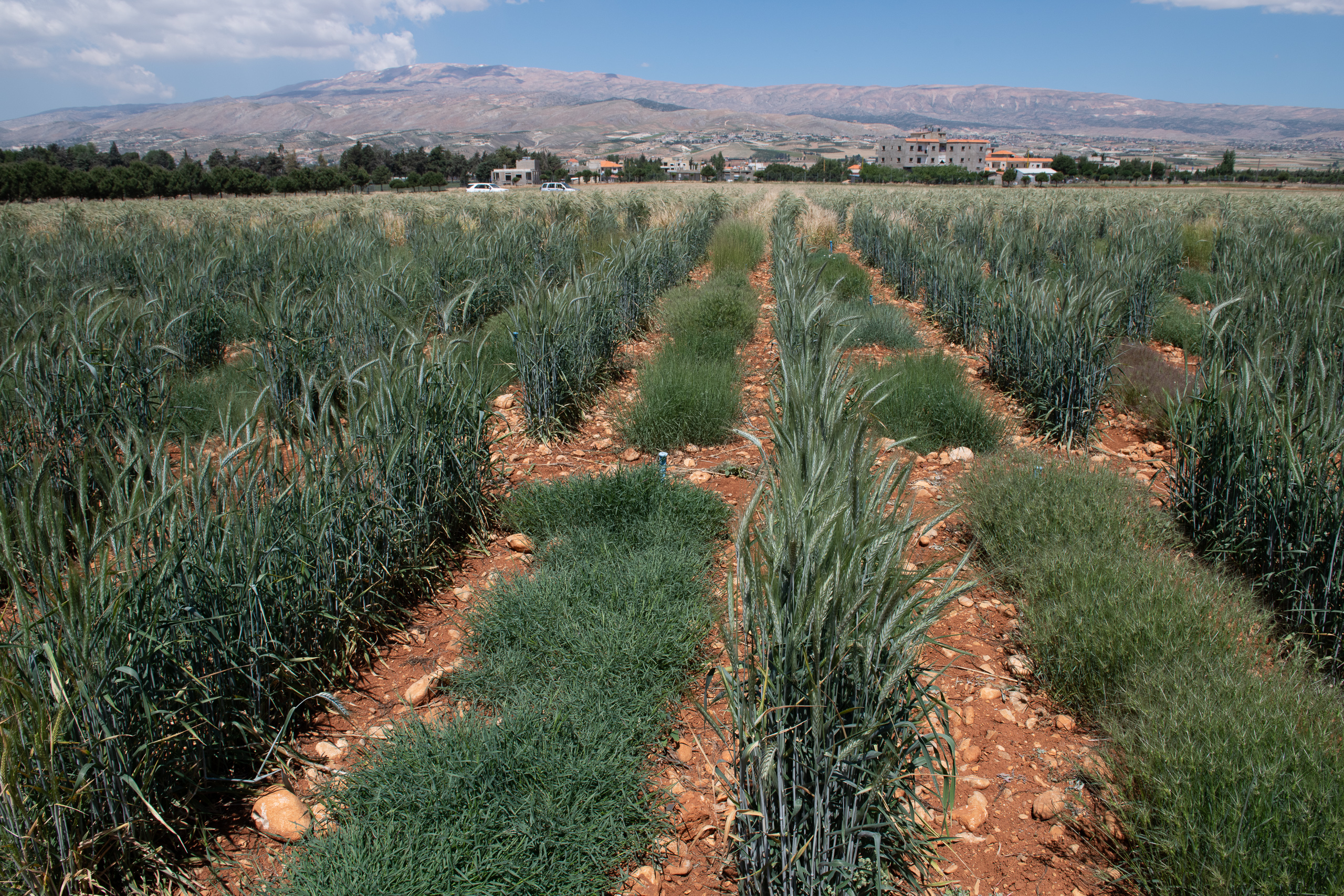
Ahmed Amri stood in the middle of a checkerboard-patterned field. “This field sums up the diversity of wheat in the Fertile Crescent,” said Ahmed. “All the plots are wild wheat, but each one is slightly different, and any one of these could possess a beneficial trait which could help crop breeders develop wheat varieties more resilient to climate change.”
Ahmed, the head of the Genetic Resources Section of the International Center for Agricultural Research in the Dry Areas (ICARDA), was surveying seed regeneration plots in Lebanon’s Beqaa Valley, in the very region where wheat originated.
The area is not only the centre of origin and diversity of wheat. The wild ancestors of barley, flax, chickpea, pea, lentil, and bitter vetch are also still found in the Fertile Crescent, an arc of land from the Nile delta to the head of the Arabian Gulf. It was here that the first crops were domesticated more than 10,000 years ago, from wild plants like those in Ahmed’s field.
Regenerating crop wild relatives
Scientists from ICARDA have scoured the Fertile Crescent for crop wild relatives for years. Many of these cousins of our food crops hold genetic traits which crop breeders can exploit to develop more robust and productive varieties. Wild relatives have evolved over thousands of years of adapting to harsh and changing local environments, so they may have the genes to teach cultivated species a trick or two. For example, ICARDA durum wheat breeder Dr Filippo Bassi turned to genebanks to find heat-tolerant samples that he could cross with domesticated durum to breed wheat which could withstand up to 40°C heat in Senegal.
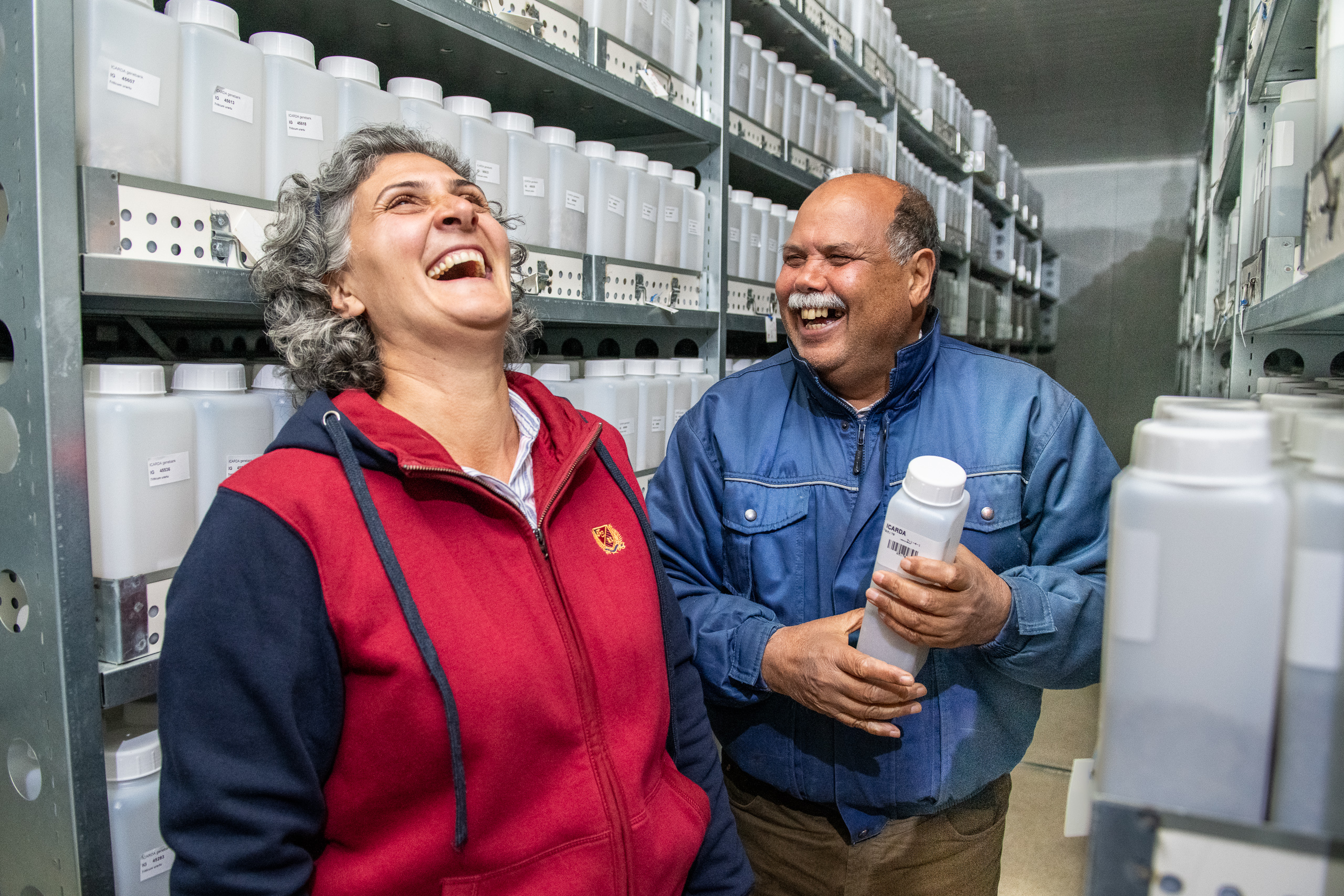
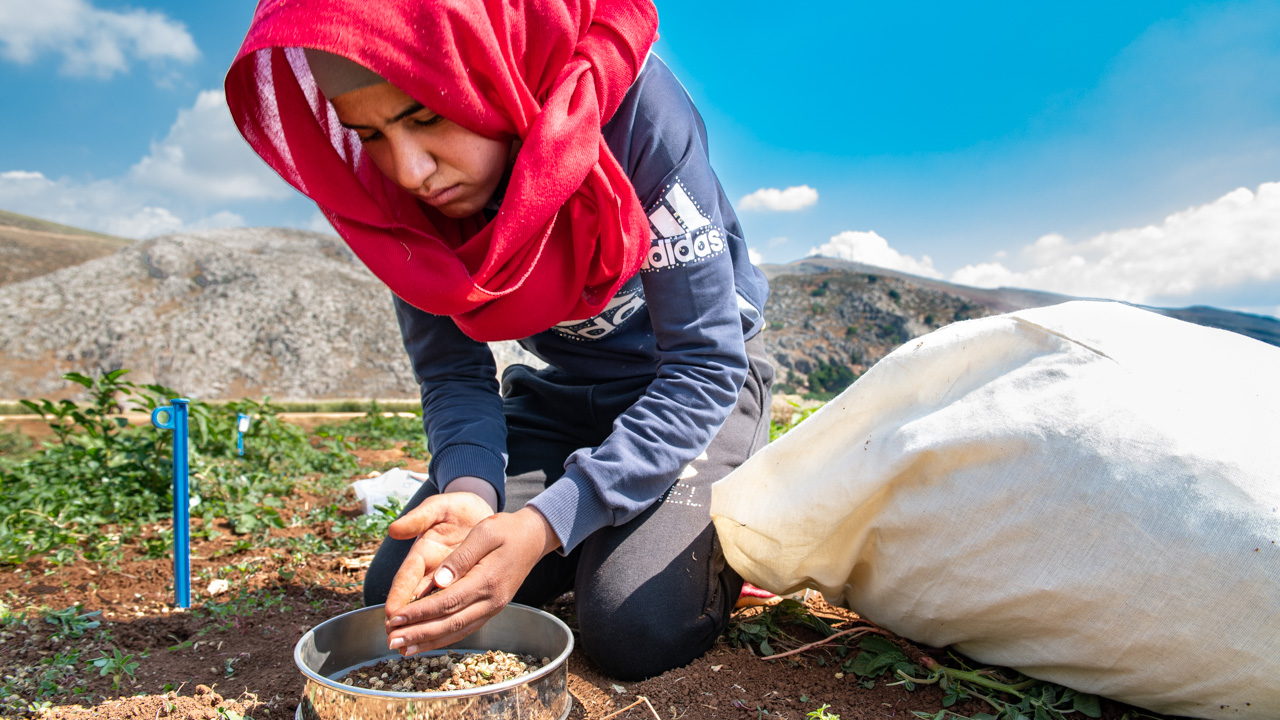
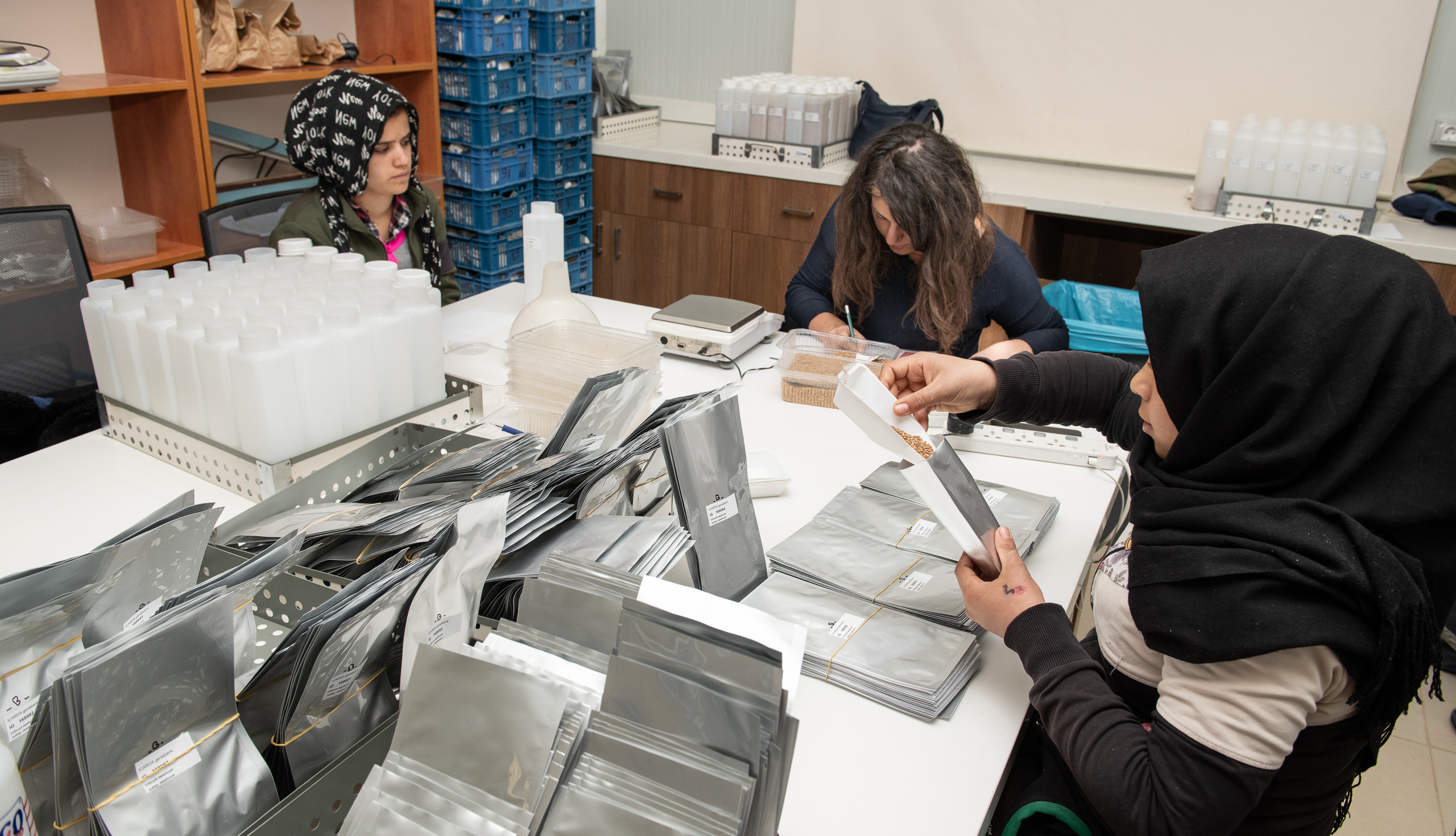
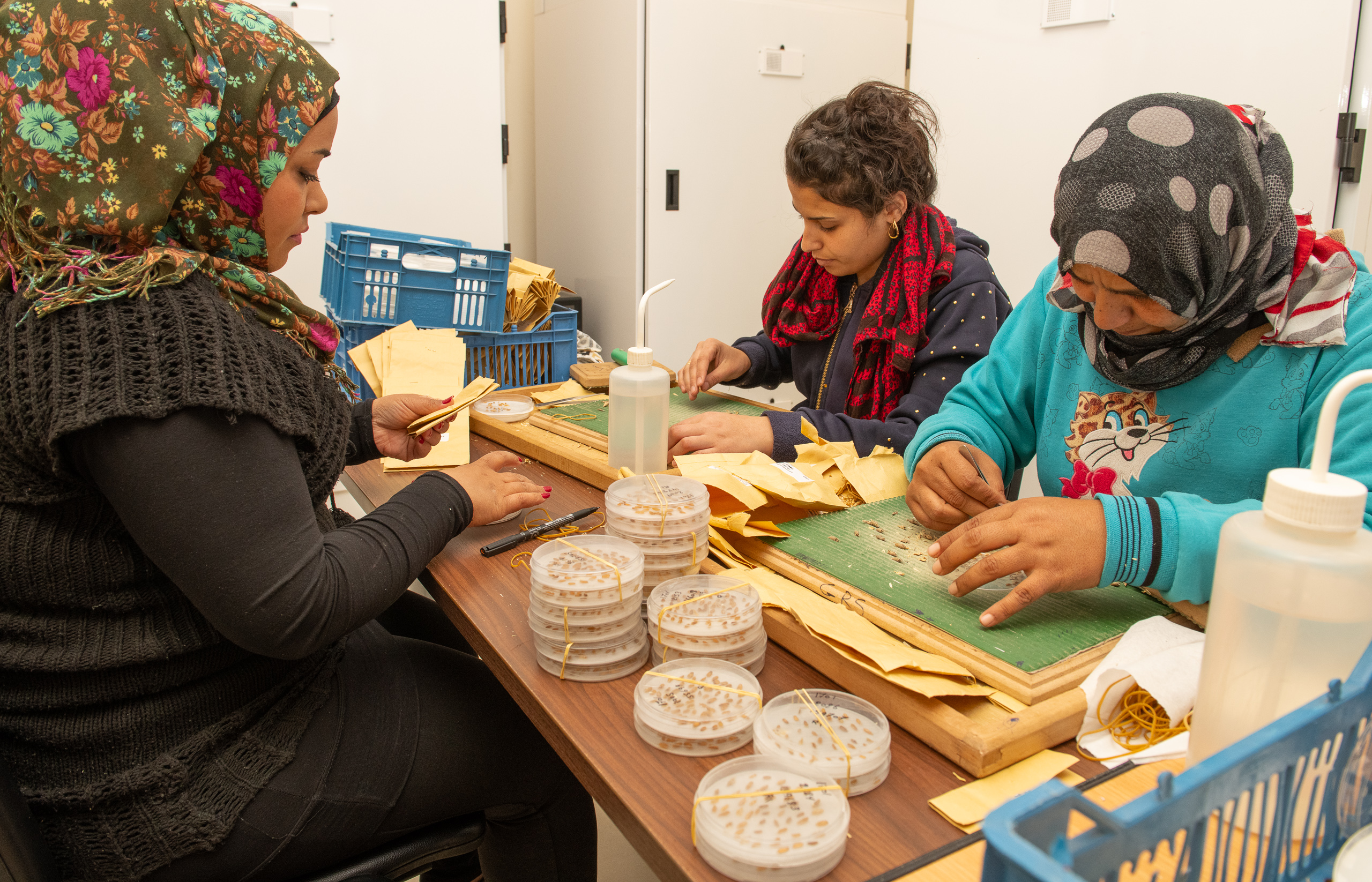
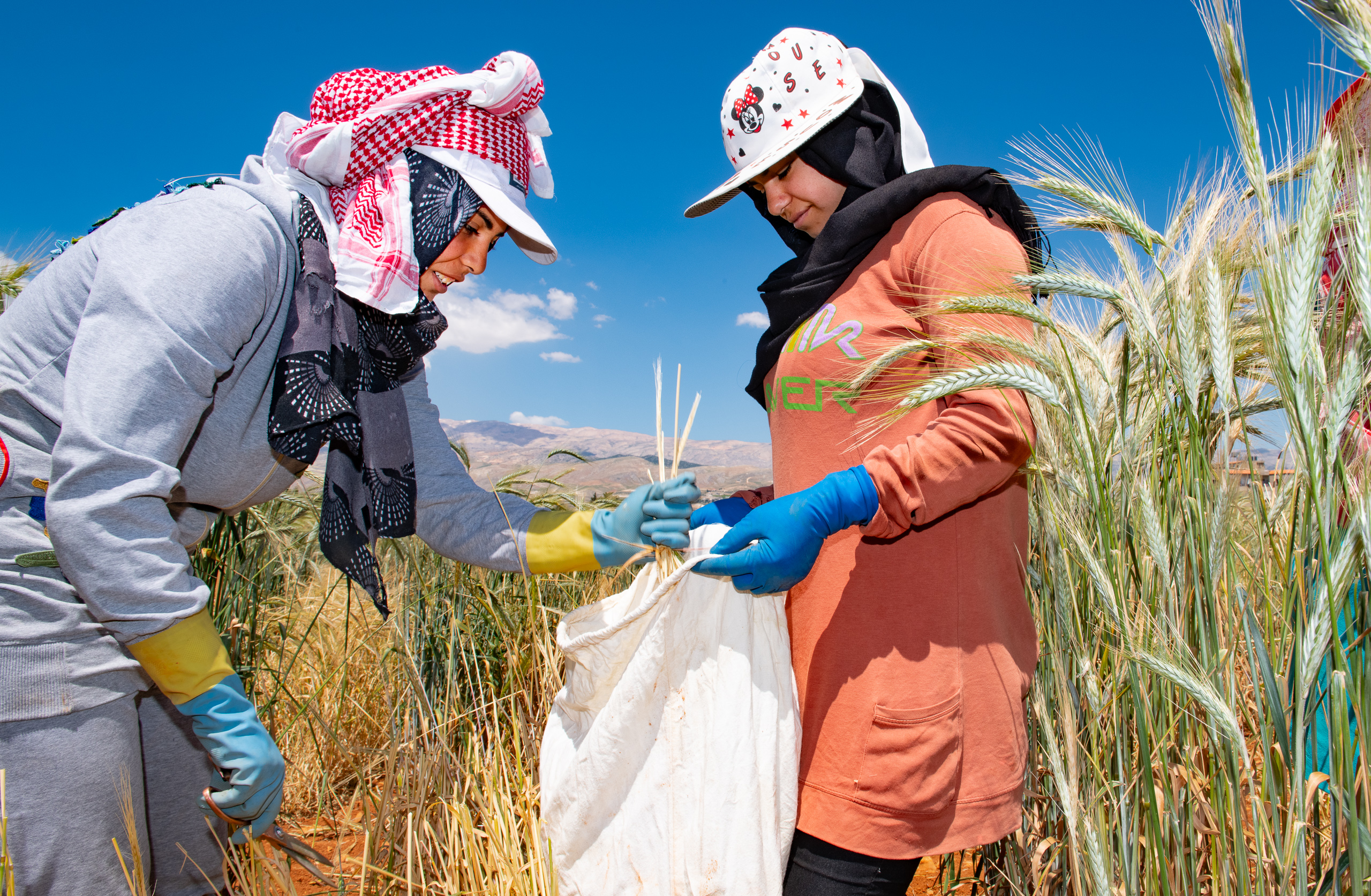
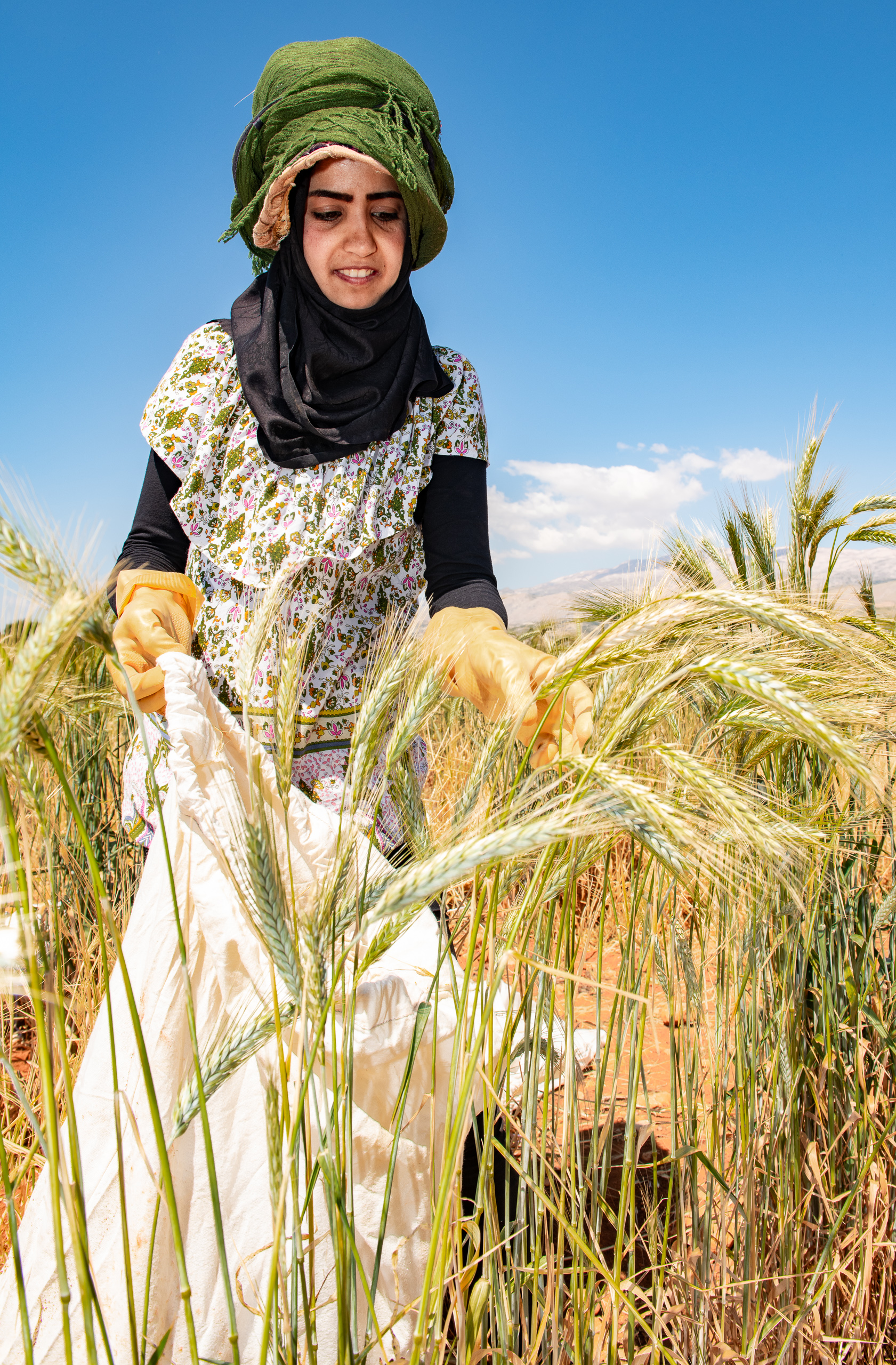
Collecting the seed is just the first step, though. In order to conserve this genetic diversity and make it available to breeders and researchers, ICARDA must store sufficient quantities in genebanks. That means a lot of seeds have to be multiplied from the handful gathered by the original collectors. That’s not easy to do. The seeds of crop wild relatives can be tricky to germinate, harvest, thresh and clean.
Until recently, ICARDA multiplied seed and stored them near Aleppo, Syria. But with the ongoing conflict in that country, ICARDA was unable to distribute seed from its genebank and to regenerate when seed numbers became low. Fortunately, the genebank had backed up its seed in the Svalbard Global Seed Vault and was able to retrieve part of its collection so it could continue to supply the seed to breeders and other users.
“ICARDA now operates genebanks in Lebanon and Morocco, but much of the regeneration work of the crop wild relatives is done here in Lebanon,” Ahmed explained. “This is the centre of diversity of these crops and no doubt the best place in the world to undertake such a massive task.”
Matching the method to the crop
When it comes to multiplying seed, one size does not fit all. Different crops require different methods. ICARDA deals with a large number of species, and all require their own regeneration protocols.
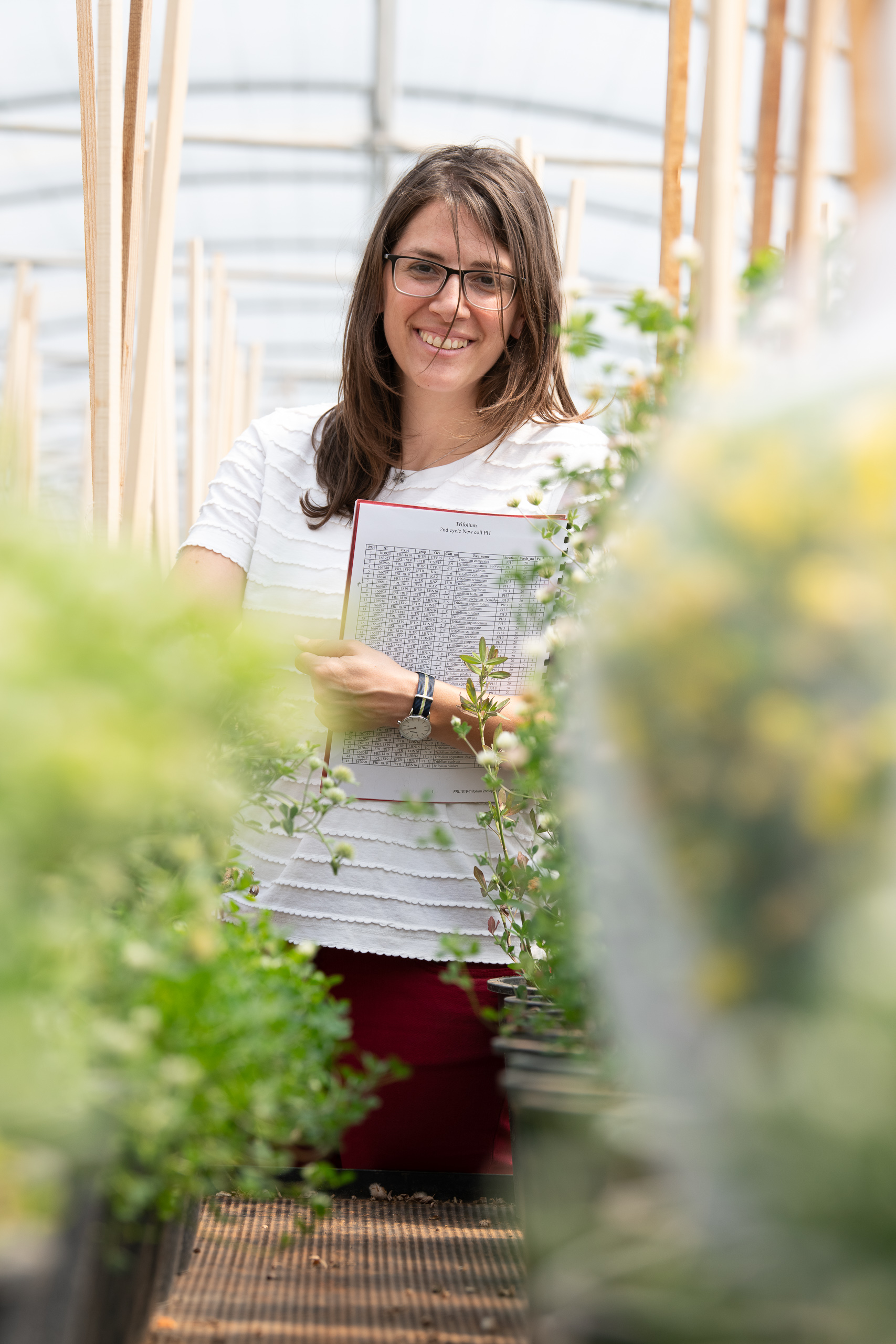
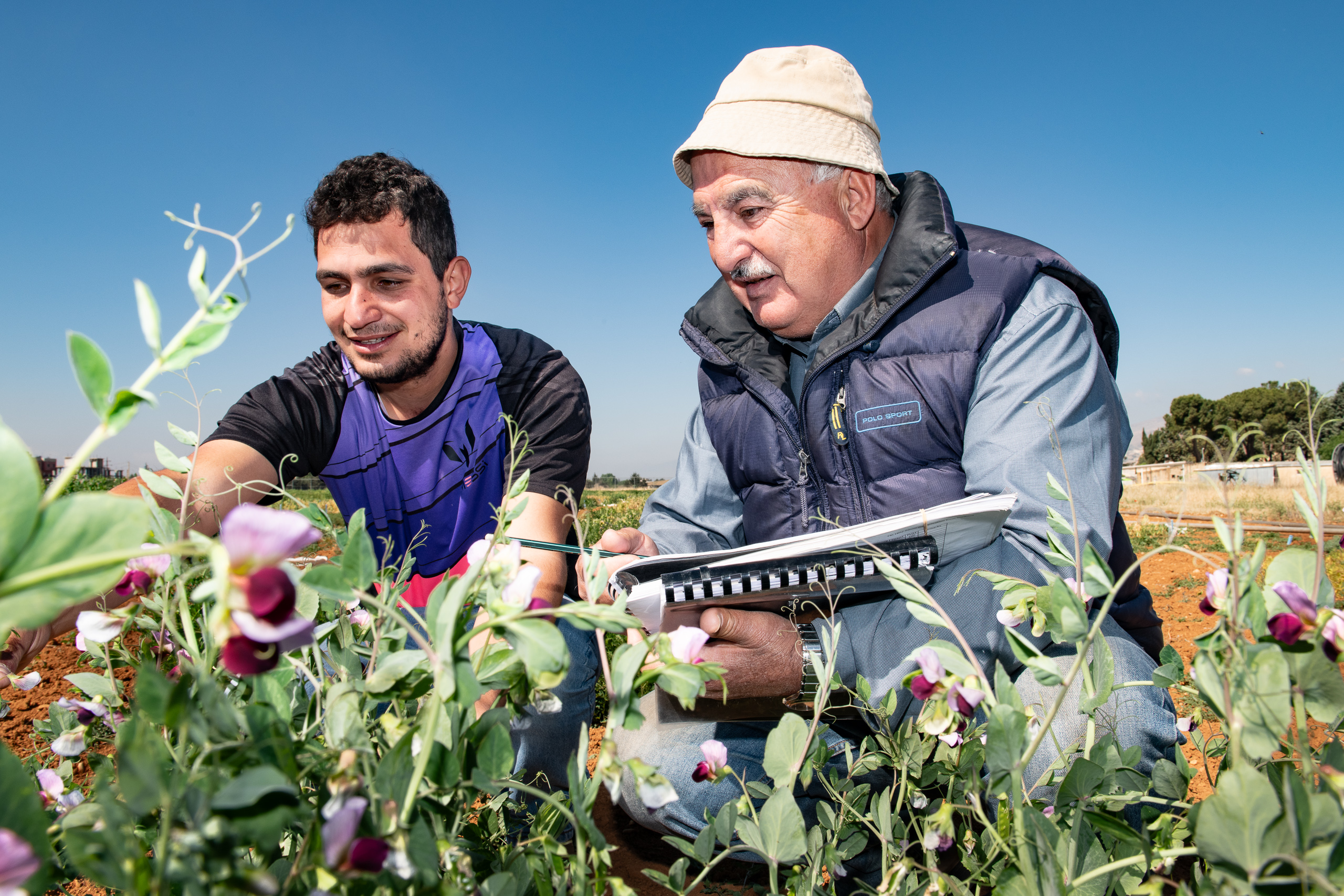
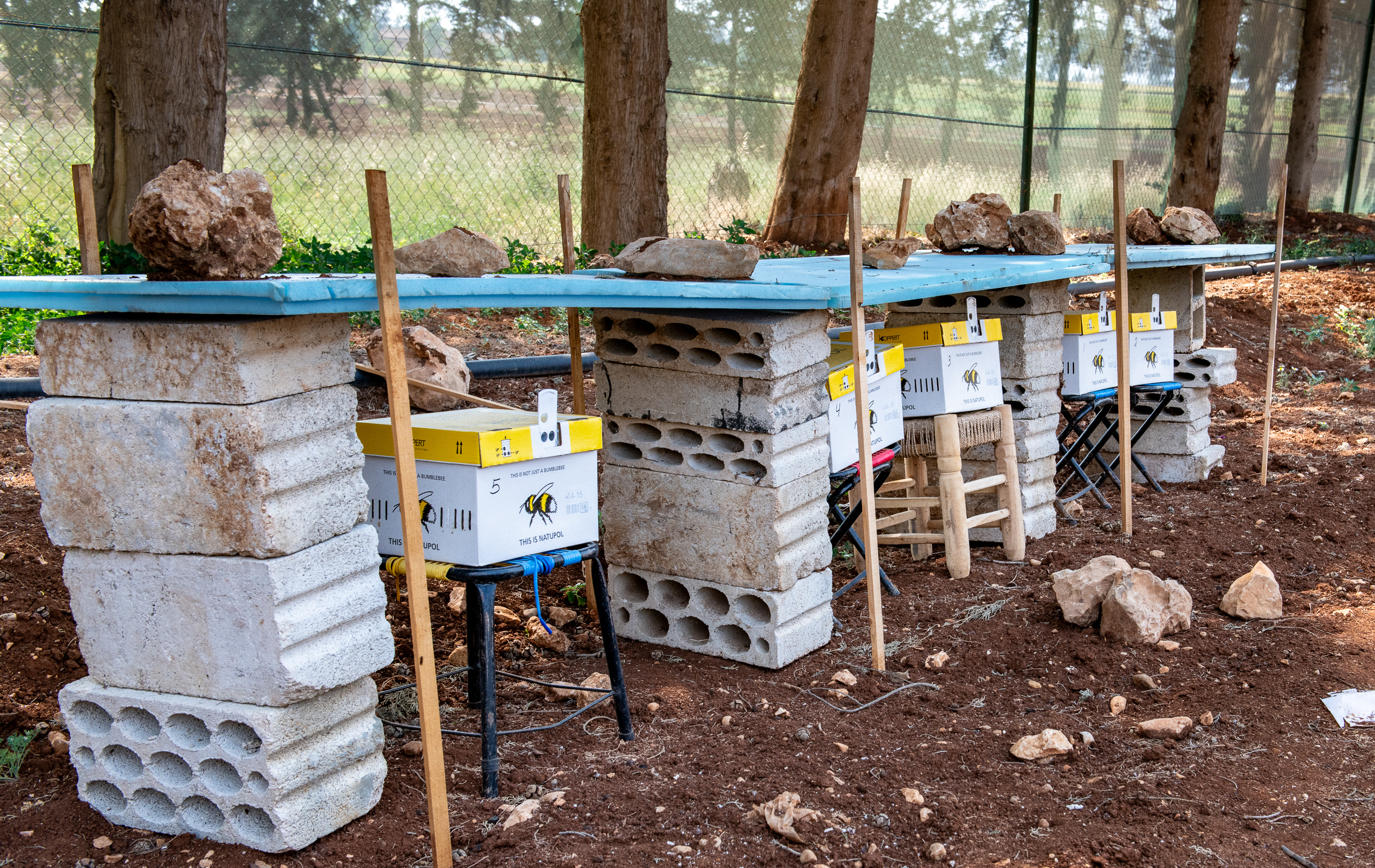
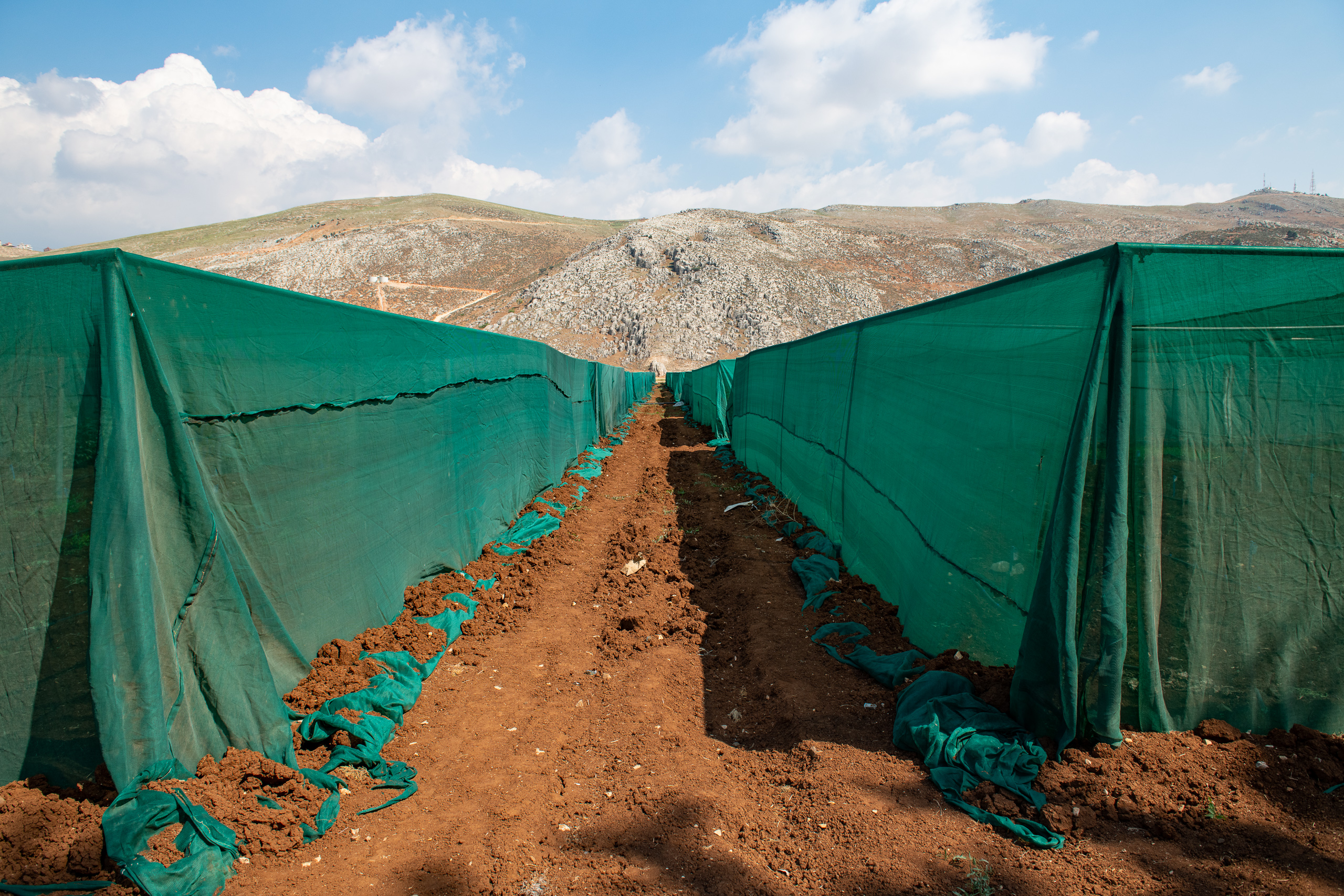
“We are set up to handle different groups of crops,” Ahmed said. “Some pollinate themselves and are no problem. Those that don’t can be a headache.” For each type of crop, ICARDA uses different regeneration methods; for example, crops like vetches which are cross-pollinated and have to be re-generated in isolation cages to prevent contamination between samples. Bumblebees then have to be introduced to the cages to pollinate the flowers.
ICARDA has developed the expertise and technology to regenerate thousands of different seeds samples of dozens of different species at the same time at its Terbol station. The current work is a massive operation: 14,244 samples from Svalbard were multiplied at Terbol in the 2018 growing season, which is more than the entire collection of many genebanks.
ICARDA has now returned some of the seeds it withdrew from the Svalbard Global Seed Vault, but many years of work remain until the full collection will be fully available again. The ICARDA genebank is one of 11 international genebanks which make up the Genebank Platform, a partnership between the Crop Trust and CGIAR. They all safety duplicate their collections in Svalbard.
Conserving crop diversity forever
The right place, people and protocols. ICARDA has them all and is ensuring that the genetic diversity of the food crops and forages from a major centre of origin will continue to have a future there, forever.
All images used on this page were photographed by Michael Major for the Crop Trust and used here under a CC BY-NC-ND 2.0 license.